Port of Savannah
Port Overview
1. Overview of the Port of Savannah
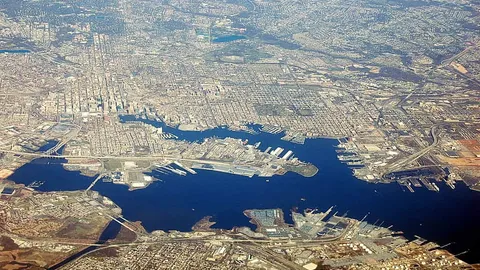
The Port of Savannah, operated by the Georgia Ports Authority (GPA), is the third-busiest container port in the United States, the fastest-growing gateway on the US East and Gulf coasts, and a critical entry point for goods shipping from China to USA. Located in Garden City, Georgia, just a few miles upriver from the Atlantic Ocean, Savannah handled over 5.3 million TEUs in recent years — a volume that continues to climb as more shippers divert cargo from congested West Coast ports.
Why the Port of Savannah Matters for Importers
Savannah has emerged as a strategic choice for businesses importing from China to the Americas. Its proximity to the booming Southeast consumer market, its operational efficiency (consistently ranked among the most productive ports in North America), and massive infrastructure investments have kept capacity ahead of demand. Unlike many competitor ports, Savannah has avoided chronic congestion — a critical advantage when supply chain reliability is paramount.
Port Basics at a Glance
| Detail | Information |
|---|---|
| Port Code (UN/LOCODE) | USSAV |
| Operator | Georgia Ports Authority (GPA) |
| Annual Container Volume | 5.3+ million TEUs |
| Main Terminal | Garden City Terminal |
| Berth Depth | Up to 47 feet (14.3 meters) |
| On-Dock Rail | Mason Mega Rail Terminal (largest in North America) |
| Channel | Savannah River, maintained at 47 feet |
2. Port Location & Service Area
Geographic Position
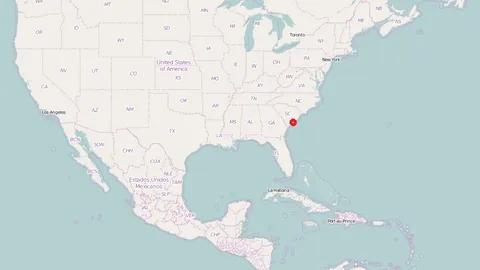
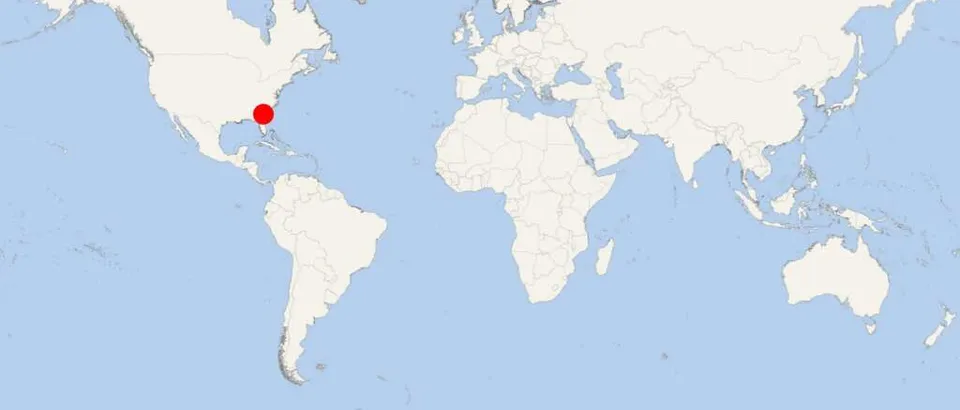
The Port of Savannah sits at 32.08° N, 81.09° W along the Savannah River, approximately 18 miles (29 km) inland from the Atlantic Ocean. The deepwater channel leads from Tybee Roads directly to the Garden City Terminal. This inland location provides natural storm protection while offering quick access to open sea lanes.
The Southeast Advantage
Savannah’s location is a critical differentiator. Within a two-day truck drive, shippers can reach approximately 40% of the US population. The port serves as the primary import gateway for the Southeastern United States — from Atlanta (a 4-hour drive) to Charlotte, Nashville, and Birmingham. This region is one of the fastest-growing in the country, with rapidly expanding distribution centers, e-commerce fulfillment operations, and manufacturing facilities.
Major markets served by the Port of Savannah include:
- Georgia: Atlanta metro area, the state’s extensive logistics corridor along I-85 and I-75
- South Carolina: Greenville-Spartanburg manufacturing hub, Columbia distribution centers
- North Carolina: Charlotte metro, Research Triangle area
- Tennessee: Nashville, Chattanooga, and Memphis (via rail connections)
- Alabama: Birmingham, Montgomery, and the growing automotive manufacturing corridor
3. Port Terminals & Facilities
Garden City Terminal
The Garden City Terminal is the largest single-terminal container facility in North America, spanning over 1,200 acres. It features:
- 9 container berths with 15 high-speed super post-Panamax ship-to-shore cranes
- 47-foot channel depth (with plans approved to deepen to 50+ feet)
- Advanced gate system processing trucks in under 30 minutes on average
- Refrigerated cargo capacity: Over 3,000 reefer plugs for temperature-controlled imports
- Cross-dock facilities enabling rapid transloading from ocean containers to domestic trailers
Ocean Terminal
Located closer to downtown Savannah, the Ocean Terminal handles breakbulk, roll-on/roll-off (RoRo), and project cargo. For businesses importing heavy equipment, steel, vehicles, or oversized machinery from China, this terminal offers specialized handling, 1.2 million square feet of covered storage, and direct rail access.
Mason Mega Rail Terminal
Completed in 2020 and already expanded, the Mason Mega Rail Terminal is the largest on-dock intermodal rail facility in North America. With 24 miles of track and capacity for over 2 million TEUs annually, it provides direct Class I rail connections to CSX and Norfolk Southern. Containers move from ship to inland rail ramp without leaving the terminal — dramatically reducing handoff times and drayage costs.
4. Shipping Routes from China to Savannah
Major Chinese Ports Serving Savannah
Container shipping lines operate weekly services from China’s top ports directly to Savannah:
From Shenzhen (Yantian / Shekou) As China’s largest export hub, Shenzhen offers the highest frequency of sailings to Savannah. Carriers including Maersk, MSC, COSCO, and Hapag-Lloyd operate Panama Canal services with typical rotations calling Yantian, then making Savannah their first or second US East Coast stop.
From Shanghai Shanghai-Ningbo combined services provide competitive rates to Savannah via Panama Canal routing, with carriers such as CMA CGM and Ocean Network Express (ONE) offering reliable weekly departures.
From Ningbo-Zhoushan Ningbo is frequently paired with Shanghai on pendulum services to the US East Coast. Importers consolidating Yangtze River Delta cargo often use Ningbo for Savannah-bound vessels.
Additional Chinese Ports with Savannah Service:
- Qingdao (direct and transshipment options)
- Xiamen (via hub-and-spoke through Shenzhen or Shanghai)
- Tianjin (Xingang) — typically via transshipment through Busan or a major Chinese hub
Panama Canal Routing
Nearly all China-to-Savannah services transit the Panama Canal. The canal’s expanded Neopanamax locks accommodate vessels up to 14,000 TEUs, and Savannah’s deepwater channel means no air-draft restrictions. Transit reliability has improved significantly since the expansion, though seasonal drought conditions can occasionally affect schedules and fees.
5. Transit Time from China to Savannah
Transit times to Savannah vary by origin port, carrier routing, and Panama Canal scheduling. For a broader comparison of transit times across all major US gateways, see our guide on how long sea shipping takes from China to USA. The figures below represent typical door-to-port estimates (port-to-port sailing time):
| Origin Port (China) | Typical Transit Time | Notes |
|---|---|---|
| Shenzhen (Yantian) | 30–36 days | Most frequent sailings; shortest rotations through Panama |
| Shanghai | 32–38 days | Slightly longer routing via North Pacific before canal transit |
| Ningbo | 33–39 days | Often combined with Shanghai on same vessel strings |
| Qingdao | 34–40 days | Longer North China routing; fewer direct strings |
| Xiamen | 31–38 days | Via hub transshipment in most cases |
| Tianjin (Xingang) | 36–42 days | Typically via transshipment; longest transit |
Factors Affecting Transit Time
Several variables can impact actual delivery schedules:
- Panama Canal booking slots: Carriers book transit windows in advance, but seasonal demand can shift schedules.
- Weather: Hurricane season (June–November) in the Atlantic and typhoon season in the Pacific can cause routing delays.
- Transshipment hub congestion: Intermediate port calls (Cartagena, Kingston, Manzanillo) may experience queuing during peak periods.
- Vessel speed: Carriers may adjust service speed to manage fuel costs and schedule integrity during periods of low freight rates.
For importers on tight schedules, express services offering transit times as low as 28–30 days from Shenzhen are available through premium carrier alliances, though these command a rate premium.
6. Shipping Cost from China to Savannah
Key Factors Influencing Ocean Freight Rates
Shipping costs from China to Savannah fluctuate based on market conditions:
- Carrier capacity management: Blank sailings and capacity discipline by the major alliances (2M, Ocean Alliance, THE Alliance) directly affect spot rates.
- Panama Canal transit fees: Included in the ocean freight rate, varying by vessel size and reservation type.
- Bunker adjustment factor (BAF): Fuel surcharges adjust monthly or quarterly based on global fuel price indexes.
- Peak season surcharges: July through October sees higher rates for holiday inventory; a secondary peak occurs around Chinese New Year (January–February).
- Equipment availability: Container imbalances during strong US import demand can drive up rates as carriers prioritize higher-paying cargo.
Savannah-Specific Cost Considerations
Savannah generally offers a cost advantage over New York/New Jersey and other Northeast ports for Southeast-destined cargo, with lower drayage costs, competitive warehouse rates, and no harbor maintenance fee premium. For a 40-foot container (FEU) from major Chinese ports to Savannah, all-in ocean freight typically ranges from $3,500 to $7,500, though rates can spike during extreme market conditions. For a detailed breakdown of current rates across all major US destinations, see our comprehensive guide to sea freight from China to USA.
How to Reduce Shipping Costs
- Consolidate shipments into full container loads (FCL) rather than LCL.
- Negotiate annual service contracts with multiple carriers to lock in base rates and avoid spot market volatility.
- Transload at Savannah: Import 40-foot ocean containers and transload into 53-foot domestic trailers for inland delivery — gaining cubic capacity and lowering per-unit inland costs.
- Schedule shipments during off-peak windows (November–January, excluding pre-CNY rush) when rates historically soften.
- Work with a freight forwarder who has established Savannah-route carrier relationships and volume commitments.
7. Warehousing & Distribution Services
Savannah has grown into a major logistics hub, with over 100 million square feet of industrial space. Its proximity to I-95 and I-16 creates an ideal distribution point for the Eastern Seaboard. Importers should also consider whether door-to-door vs port-to-port shipping better suits their supply chain strategy, as Savannah’s extensive warehouse and transload infrastructure supports both models effectively.
Foreign Trade Zone (FTZ)
The Savannah area operates FTZ No. 104, offering cash-flow advantages. Goods enter the FTZ without paying duties until they leave for US consumption. Companies can store, repackage, assemble, or process goods under FTZ procedures — deferring duties and potentially eliminating them if goods are re-exported.
Bonded Warehousing
Multiple bonded warehouse facilities operate minutes from the Garden City Terminal, allowing importers to store cargo under customs supervision without immediately clearing duties. Bonded storage is valuable for importers who need to pre-position seasonal inventory, sort or quality-check goods before customs entry, or defer duty payment until final destinations are determined.
E-Commerce & Fulfillment Warehousing
The Savannah market has attracted major 3PL providers and e-commerce fulfillment operators. Facilities along the I-95/I-16 corridors offer pick-and-pack fulfillment with same-day SLAs, integration with major e-commerce platforms (Shopify, Amazon SFP), returns processing, and value-added services including kitting, light assembly, and quality inspection.
Cold Chain & Refrigerated Storage
With over 3,000 reefer plugs at Garden City Terminal and nearby cold storage facilities, Savannah handles temperature-sensitive imports from China — including food-grade chemicals, pharmaceuticals, and specialty ingredients requiring controlled environments.
8. Frequently Asked Questions
How long does sea shipping from China to Savannah take? Transit time typically ranges from 30 to 40 days, depending on the origin port. Shenzhen to Savannah is the fastest lane at 30–36 days, while northern ports like Tianjin take 36–42 days.
What is the largest ship that can dock at Savannah? The Garden City Terminal can accommodate vessels up to 14,000 TEUs thanks to the 47-foot channel depth and Neopanamax crane configuration. Larger vessels are expected to be accommodated after the planned channel deepening.
What are the main ocean carriers serving Savannah from China? Major carriers include Maersk, MSC, CMA CGM, COSCO, Hapag-Lloyd, ONE, and ZIM, most operating through alliance agreements on shared vessel strings.
Is there direct rail service from Savannah to inland US destinations? Absolutely. The Mason Mega Rail Terminal connects directly to both CSX and Norfolk Southern Class I rail networks, with services reaching Chicago, Memphis, Dallas, and other major inland hubs — often within 3–5 days from vessel discharge.
How does Savannah compare to the Port of Los Angeles for China imports? While Los Angeles offers shorter ocean transit (12–15 days vs. 30–36 days), Savannah provides lower inland transportation costs to Southeast destinations, less congestion risk, and growing capacity. Many importers now split their supply chains between West Coast and Southeast gateways to balance speed, cost, and risk.