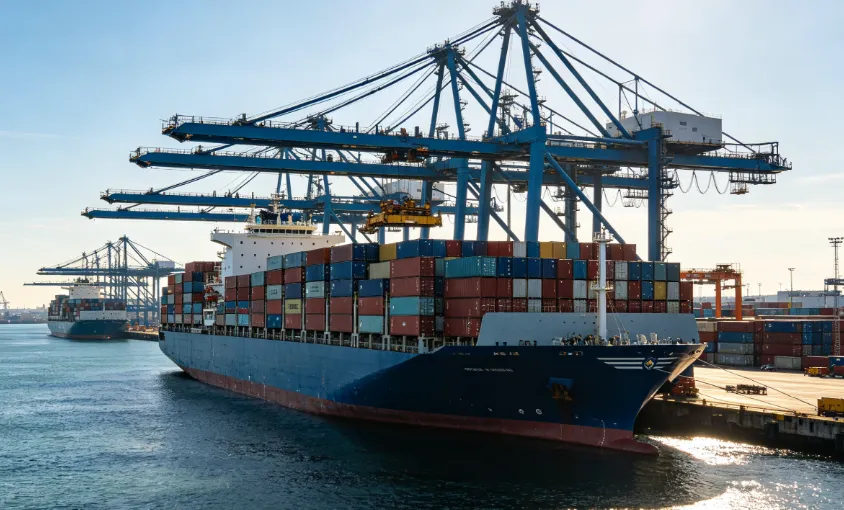
How do fluctuating ocean freight rates and hidden local fees from China affect your procurement planning and inventory margins? If you are a B2B importer or an Amazon FBA seller, you likely struggle with unexpected destination charges, customs delays, and complex inland transportation when importing goods to the Americas. Choosing the right logistics model is crucial for maintaining profitability and ensuring a smooth supply chain.
In this comprehensive guide, we will break down the true difference between door to door and port to port shipping, helping you make the most cost-effective decision for your business. Whether you are searching for the cheapest way to import from China or trying to streamline your supply chain management, understanding the pros, cons, and hidden costs of each option is your first step to success.
What is the Difference Between Door-to-Door and Port-to-Port Shipping?
To make an informed decision, you must first understand how these two shipping models operate within international freight forwarding services. The fundamental difference lies in who handles the pre-carriage, the customs clearance process, and the last-mile delivery logistics.
Port-to-Port Basics
Port-to-port shipping is the most basic level of international freight. It covers only the ocean or air transit from the port of origin (e.g., Shenzhen or Shanghai) to the destination port (e.g., Los Angeles or Vancouver). As the buyer, you or your designated local agents are responsible for delivering the cargo to the origin port, handling export documentation, and managing everything once the cargo arrives at the destination port.
Door-to-Door Basics
Conversely, door-to-door service is a turnkey logistics solution. It covers the entire journey, from picking up the goods at the supplier’s factory in China to the final delivery at your destination warehouse or Amazon fulfillment center. The freight forwarder manages every step, including inland transportation, international transit, and all customs formalities.
Port-to-Port Shipping: Pros, Cons, and Hidden Costs
Many importers are initially attracted to port-to-port shipping because the base freight rate appears significantly lower. However, this model requires a high level of logistical expertise and resources. According to guidelines from the International Federation of Freight Forwarders Associations (FIATA), managing multi-modal logistics demands strict adherence to documentation and local regulations.
Pros:
- Maximum Control: You have complete control over individual logistics components, allowing you to choose your own trucking companies and customs brokers.
- Lower Upfront Quote: The initial quote from the carrier only covers the international transit leg, making it look like the cheapest option on paper.
Cons:
- High Administrative Burden: You must coordinate multiple vendors, track shipments across different platforms, and manage complex paperwork.
- Risk of Delays: Miscommunication between your trucker, customs broker, and the port can lead to severe delays. One recurring challenge we solve for European and American importers is navigating complex customs procedures. Our dedicated account managers handle documentation accuracy upfront, significantly reducing the risk of delays at destination ports.
The “Hidden Cost” Trap
So, is port to port shipping cheaper than door to door? Often, the answer is no. While the base rate is lower, port-to-port shipping is notorious for unexpected destination port charges. If your local trucker is delayed or your customs paperwork is incomplete, you may face steep demurrage and detention fees. Additionally, you must calculate the costs of import duties and taxes, destination terminal handling charges (THC), and complex inland transportation. These “hidden costs” can quickly eat up any initial savings.
Best For: Experienced B2B importers who have dedicated logistics teams, established relationships with local customs brokers, and their own trucking networks.
Door-to-Door Shipping from China: The Turnkey Solution
For businesses looking for a seamless experience, door to door delivery from China offers unparalleled convenience. This model shifts the entire logistical burden to your freight forwarder.
Pros and cons of door to door delivery from China:
- Pros: Provides peace of mind, predictable landed costs, streamlined communication through a single point of contact, and significantly reduces the risk of unexpected fees.
- Cons: The upfront quote is higher because it encompasses all services, and you surrender some control over which specific local trucking partners are used.
Incoterms 2020 Connection
Door-to-door shipping is closely tied to specific Incoterms 2020, particularly DDP (Delivered Duty Paid) and DDU (Delivered Duty Unpaid). Under DDP, the freight forwarder handles all customs clearance and pays the import duties and taxes on your behalf, ensuring the cargo arrives at your facility ready for use. This eliminates the customs headaches that often plague cross-border trade.
Amazon FBA Focus
If you are an e-commerce seller, door-to-door is the golden standard for Amazon FBA prep and shipping. Amazon fulfillment centers have strict compliance requirements regarding labeling, palletization, and delivery appointments. A specialized door-to-door service ensures your cargo meets all these requirements, avoiding rejection at the Amazon warehouse. For instance, if you are looking into shipping from China to Amazon FBA USA, utilizing a door-to-door provider guarantees your products arrive compliant and ready for sale.
Best For: SMEs, e-commerce sellers, and businesses without a dedicated logistics department that prefer a hassle-free, predictable supply chain.
Door-to-Door vs Port-to-Port Shipping Cost Comparison
To determine the cheapest shipping method from China door to door or port to port, you must analyze the Total Cost of Ownership (TCO). Let’s look at a side-by-side comparison of what is typically included in each quote.
| Logistics Component | Port-to-Port Quote Includes? | Door-to-Door Quote Includes? |
|---|---|---|
| Origin Inland Trucking | ❌ No | ✅ Yes |
| Export Customs Clearance | ❌ No (Usually handled by supplier) | ✅ Yes |
| Ocean/Air Freight | ✅ Yes | ✅ Yes |
| Destination THC & Port Fees | ❌ No | ✅ Yes |
| Import Customs Clearance | ❌ No | ✅ Yes |
| Import Duties and Taxes | ❌ No | ✅ Yes (If DDP is selected) |
| Last-Mile Inland Transportation | ❌ No | ✅ Yes |
While port-to-port has a lower base rate, door-to-door often wins in TCO for SMEs because freight forwarders leverage their bulk volume to secure better rates for local trucking and customs brokerage than an individual SME could negotiate on their own.
FCL vs LCL Impact
The cost gap between the two methods is also influenced by your cargo volume. If you are shipping a full container load (FCL), the destination handling is generally more straightforward. However, if you are shipping less than container load (LCL), the cargo must be deconsolidated at a destination warehouse before final delivery. In LCL scenarios, managing port-to-port logistics becomes exponentially more complicated and expensive, making door-to-door the much smarter choice. We always advise clients to evaluate coverage options based on cargo value and route risk, as without comprehensive cargo insurance, a single damaged container can erase months of profit margins.
Real-World Scenarios: Shipping from China to the Americas
Scenario 1: Resolving FBA Delivery Headaches (Door-to-Door)
Last quarter, a client importing smart home devices from Shenzhen to an Amazon FBA center in Dallas faced a recurring dilemma. They previously handled their own drayage from the Port of Los Angeles, but severe terminal congestion and chassis shortages were causing them to miss Amazon’s strict delivery appointments. By switching to a unified shipping from China to USA door-to-door model, we took over the entire chain. We managed the factory pickup, ocean freight, CBP clearance, and the final 53-foot trailer delivery directly to the FBA facility. The single-invoice structure didn’t just save them admin hours; it eliminated the finger-pointing between separate truckers and customs brokers when bottlenecks occurred.
Scenario 2: Leveraging Internal Networks (Port-to-Port)
On the flip side, port-to-port still makes sense for highly resourced teams. We work with a Tier-2 automotive parts supplier importing heavy cargo from Ningbo to Manzanillo. Because they own a fleet of trucks in Mexico and employ an in-house customs broker, they only need us to secure the ocean freight capacity. They absorb the risk of destination port delays because their internal infrastructure is built to handle it. However, unless you have that kind of established local network, hunting for the cheapest shipping company from China to Mexico just to get a low port-to-port base rate usually backfires with exorbitant destination terminal and storage fees.
The Dantful.US Advantage
This is where hands-on experience makes or breaks your supply chain. At Dantful.US International Logistics, our veteran freight forwarders don’t just quote rates; we audit your logistics setup. We’ve spent over 15 years navigating trans-Pacific routes, holding FIATA and IATA certifications that guarantee strict compliance. Whether you are a growing e-commerce brand needing a hands-off DDP solution or a massive enterprise needing pure ocean transit, we structure the move to protect your margins. Even for complex northern routes like shipping from China to Canada, we build in buffer days and transparent pricing so you know exactly what your landed costs will be before the container even leaves the factory.
FAQs
What is the difference between door to door and port to port shipping in terms of transit time?
Door-to-door shipping often has a more predictable overall transit time because a single provider coordinates the handoffs between ocean freight, customs, and trucking. Port-to-port transit times only measure the ocean/air journey; any delays in securing a local truck or clearing customs will extend your total delivery time.
Does cargo insurance cover both door-to-door and port-to-port shipments?
Yes, but the coverage period differs. For port-to-port, insurance typically covers the goods only while they are on the vessel or at the port. For door-to-door, comprehensive cargo insurance covers the goods from the moment they leave the supplier’s factory until they reach your final destination.
Who is responsible for customs clearance in a port-to-port shipment?
In a port-to-port shipment, the buyer (importer) is entirely responsible for hiring a customs broker, filing the necessary paperwork, and paying all import duties and taxes.
Can I upgrade from port-to-port to door-to-door mid-shipment?
While it is technically possible, it is highly discouraged. Upgrading mid-shipment often results in rushed documentation, higher premium fees from local trucking partners, and potential customs delays. It is always best to establish the shipping model before the cargo leaves the origin port.
Conclusion
When evaluating door-to-door vs port-to-port shipping, the right choice depends heavily on your internal capabilities. Port-to-port offers granular control for logistics veterans with established local networks. However, for most SMEs, e-commerce sellers, and B2B importers, door-to-door shipping offers unmatched convenience, predictable costs, and vital risk mitigation against hidden port fees and customs delays.
Don’t let unexpected logistics costs eat into your profit margins. Choose a shipping strategy based on your internal resources, not just the initial freight quote.
Ready to optimize your supply chain from China to the Americas? Contact Dantful.US International Logistics today for a customized, transparent freight quote from our expert staff. Let us handle the logistics so you can focus on growing your business.
Get A Free Shipping Quote