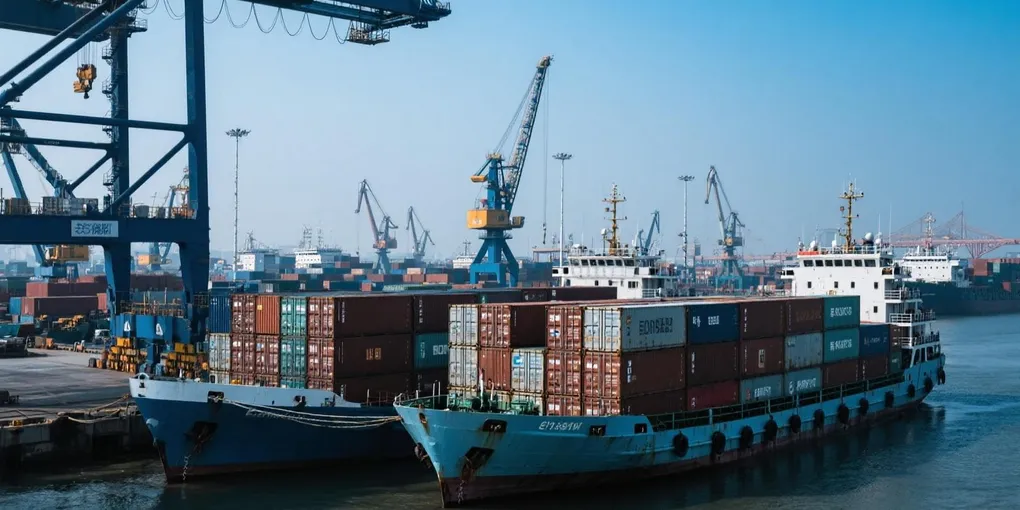
Are you considering LCL Shipping from China to Canada but unsure how it works or if it’s the right choice for your business? Understanding Less than Container Load (LCL) and the complexities of international shipping can be challenging. In this comprehensive 2026 guide, we’ll explore LCL shipment basics, updated costs, transit times, documentation, shipping routes, and how to choose the right freight forwarder for your needs. Let’s simplify your LCL shipping process from China to Canada!
What is LCL shipment from China to Canada?
LCL shipping (Less than Container Load) is a key solution in international logistics when you need to transport smaller cargo volumes from China to Canada. In an LCL shipment, your cargo does not occupy a full container. Instead, your goods are consolidated with shipments from other customers heading to the same destination. This model is highly efficient for businesses that do not have enough freight to fill a full 20ft or 40ft container but still want access to the advantages of sea freight between China and Canada.
When you choose LCL shipping from China to Canada, your cargo is professionally packed, labeled, and combined in a container at a consolidation warehouse in China. The consolidated container is then shipped by sea to the destination port in Canada, where the goods are separated (deconsolidated) and delivered to their respective consignees.
Key Features of LCL Shipping:
- Cost-effective for smaller shipments
- Flexible scheduling; shipments can be sent as soon as they’re ready
- Access to more departure ports in China and arrival ports in Canada
- Goods can be shipped by ocean freight without committing to a full container
**Typical Scenario:**You have 4 cubic meters of electronic products in Shenzhen, destined for Vancouver. Booking a full container is not economical. Through LCL, your goods are grouped with others and shipped together, saving you money and ensuring timely delivery.
Recommended Reading: If you are comparing different North American routes, you may also want to explore Shipping from China to USA.
LCL vs. FCL: At a Glance
| Criteria | LCL (Less than Container Load) | FCL (Full Container Load) |
|---|---|---|
| Cargo Volume | <15 CBM (Cubic Meters) | >15 CBM |
| Cost | Pay for space you use | Fixed cost for the whole container |
| Security | Mixed with other shipments; risk of cross-contamination | Dedicated to your cargo; lower risk of damage/mix-up |
| Flexibility | High (ship small quantities anytime) | Lower (need to accumulate enough cargo for a full load) |
| Transit Time | Slightly longer (consolidation & deconsolidation required) | Faster (direct loading/unloading) |
| Ideal For | SMEs, startups, or irregular/low-volume shipments | Large volume, regular, or high-value shipments |
When to choose LCL Shipping?
Choosing LCL shipping from China to Canada is ideal for several scenarios. Here’s how to decide if LCL is the right solution for your logistics needs:
1. When Your Shipment is Small or Irregular
If your cargo occupies less than a full container (typically under 15 cubic meters), LCL shipping is the most cost-effective option. For small and medium enterprises, startups, or businesses with irregular export volumes, LCL offers both flexibility and savings.
2. Budget Constraints
When optimizing your supply chain budget, LCL allows you to pay only for the space you use. This is especially valuable for businesses testing new markets in Canada or managing multiple small orders from different buyers.
3. Variety of Destinations
If you have shipments heading to multiple Canadian destinations (such as Vancouver, Toronto, Montreal), LCL allows flexible cargo routing without waiting to accumulate a full container for each location.
4. Samples, Prototypes, or Seasonal Goods
LCL is ideal for sending samples, prototypes, or small seasonal shipments. Quick consolidation means you can respond promptly to new business opportunities without incurring high transportation costs.
5. Limited Storage Capability at Destination
When your Canadian consignee has limited storage capacity, LCL enables more frequent, smaller shipments, streamlining inventory management.
6. Testing New Suppliers or Products
If you’re importing new products or working with new Chinese suppliers, LCL reduces upfront risk. You can trial small shipments before scaling up to full container loads.
LCL Shipping: When It Makes Sense
| Situation | LCL Recommended? | Reason |
|---|---|---|
| Shipment is <15 CBM | Yes | Economical; only pay for used space |
| Multiple buyers/consignees in Canada | Yes | Flexible cargo routing |
| High-value or sensitive cargo | Sometimes | Shared container increases handling; consider FCL for maximum security |
| Tight delivery deadlines | Sometimes | LCL consolidation may add 1-2 days; FCL is faster for urgent full loads |
| Frequent small shipments | Yes | Regular LCL shipments maximize flexibility |
| Large single shipment (>15-20 CBM) | No | FCL is more cost-effective and secure |
At Dantful.US, we recommend LCL shipping from China to Canada for businesses seeking flexibility, cost savings, and professional logistics support. As a one-stop international logistics provider, our services cover sea freight, air freight, customs clearance, warehousing, and more, ensuring your LCL cargo arrives safely and efficiently.
LCL Shipping Rates from China to Canada
When considering LCL (Less than Container Load) shipping from China to Canada, understanding the pricing structure is essential for accurate budgeting and decision-making. LCL shipping allows you to share container space with other shippers, making it a cost-effective solution for shipments that do not require a full container.
Related Resource: For a comprehensive overview of costs involved, visit our Shipping Cost from China to Canada guide.
Factors Affecting LCL Shipping Rates
LCL freight rates are influenced by several key factors:
- Origin and Destination Ports: Major ports such as Shanghai, Shenzhen, Ningbo (in China) to Vancouver, Toronto, Montreal (in Canada) typically offer more competitive rates due to higher cargo volumes.
- Cargo Volume and Weight: LCL rates are usually quoted per CBM (Cubic Meter) or per metric ton, whichever is greater.
- Type of Goods: Special handling requirements or hazardous cargo may incur additional surcharges.
- Seasonality: Peak shipping seasons (such as before major holidays) can drive rates higher.
- Additional Services: Services like door-to-door delivery, customs clearance, and cargo insurance will add to the total cost.
Sample LCL Shipping Rates Table (2026)
Below is a reference table with the updated average LCL rates for 2026 from key Chinese ports to top Canadian destinations. Please note, these are indicative rates and subject to change based on market fluctuations, fuel surcharges, and specific cargo requirements. For a tailored quote, I recommend contacting Dantful.US International Logistics directly.
| Origin Port | Destination Port | LCL Rate (USD/CBM) | Typical Surcharges (USD) | Total Estimated Transit Cost (per CBM) |
|---|---|---|---|---|
| Shanghai | Vancouver | $60 – $80 | $55 (Documentation & Handling) | $115 – $135 |
| Shenzhen | Toronto | $90 – $110 | $75 (Inland Trucking & Handling) | $165 – $185 |
| Ningbo | Montreal | $100 – $120 | $65 (Handling & Customs Clearance) | $165 – $185 |
Note: These rates are estimates for general cargo and may vary depending on the nature of your shipment, the shipping route, and service providers. Charges such as customs duties, insurance, and destination charges are not included.
How long does sea freight take from China to Canada
When planning your LCL shipment, understanding the typical transit times helps you schedule your supply chain, manage inventory, and meet customer expectations. Transit times for sea freight from China to Canada vary based on several factors:
Further Reading: For a deeper dive into this topic, check out How Long does it Take to Ship from China to Canada.
Key Factors Influencing Transit Time
- Port Pairings: Direct routes (e.g., Shanghai to Vancouver) are typically faster than shipments with multiple transshipment points.
- Shipping Line Schedules: Frequency of sailings and vessel speed impact overall transit.
- Customs Clearance and Handling: Both at origin and destination, can add to the timeline.
- Inland Transportation: If your cargo moves beyond the port (to Toronto, Montreal, Calgary, etc.), trucking or rail times must be added.
- Seasonal Congestion: Holidays or port congestion can cause unexpected delays.
Typical LCL Sea Freight Transit Times
Below is a summary table of average LCL transit times for main shipping routes between China and Canada (port-to-port, not including pick-up, consolidation, or final delivery):
| Origin Port | Destination Port | Typical Transit Time (Days) |
|---|---|---|
| Shanghai | Vancouver | 15 – 22 |
| Shenzhen | Vancouver | 17 – 24 |
| Ningbo | Toronto | 25 – 32 (via Vancouver) |
| Qingdao | Montreal | 28 – 35 (via Vancouver) |
Important Note:
- Add 3-5 days for LCL cargo consolidation and deconsolidation procedures at both ends.
- Add additional days for customs clearance, especially if documentation is incomplete or if inspections are required.
- For door-to-door shipments, factor in inland trucking or rail transport (Vancouver to Toronto: 4-7 days by rail).
How to Ensure Timely Delivery
To minimize transit time risks:
- Work with an experienced freight forwarder like Dantful.US International Logistics for proactive documentation and customs support.
- Book in advance, especially during peak shipping seasons.
- Prepare all essential documentation accurately to avoid clearance delays.
- Consider combining LCL with other services (such as air freight for urgent consignments).
At Dantful.US, our logistics experts can help you select the most efficient route, manage documentation, and coordinate inland transportation, ensuring your LCL shipments from China to Canada arrive on time and within budget.
If you have specific shipping needs or need real-time rates and schedules for your LCL shipping from China to Canada, please reach out to our team for personalized assistance.
Navigating Customs Clearance for LCL Shipping to Canada
Customs clearance is often the most intimidating part of international shipping for many importers. When your LCL shipment arrives in Canada, it must be cleared by the Canada Border Services Agency (CBSA). Understanding this process and working with a professional customs broker can save you from unexpected delays and penalties.
The Canadian Customs Clearance Process
- Submission of Documents: Before your cargo arrives, your freight forwarder or customs broker submits the necessary documentation (Commercial Invoice, Bill of Lading, B3 Customs Declaration Form) to the CBSA.
- Review and Inspection: The CBSA reviews the documents. While most LCL shipments clear without issue, customs may occasionally flag a consolidated container for random inspection. This is why having accurate documentation is critical.
- Payment of Duties and Taxes: Depending on the value and classification of your goods, you will need to pay applicable duties and taxes before the cargo is released.
- Cargo Release: Once cleared and fees are paid, the CBSA releases the goods, and your forwarder can arrange for deconsolidation and final delivery.
Understanding Duties and Taxes in Canada
When importing from China to Canada, you are generally subject to:
- Customs Tariffs (Duties): Calculated based on the HS (Harmonized System) code of your products. Rates vary widely depending on the commodity.
- Goods and Services Tax (GST): A standard 5% GST is applied to most imported goods, calculated on the duty-paid value of the shipment.
- Provincial Sales Tax (PST) / Harmonized Sales Tax (HST): Depending on the destination province, you may also be liable for PST or HST.
Pro Tip for E-commerce Sellers: If you are importing for Amazon FBA in Canada, ensuring your duties and taxes are handled properly (often via a DDP – Delivered Duty Paid arrangement) is essential to avoid Amazon rejecting your shipment.
How Dantful.US Simplifies Customs
At Dantful.US International Logistics, we offer in-house customs clearance services to streamline your LCL shipping from China to Canada. Our experienced team ensures your HS codes are accurate, documents are flawless, and your cargo clears Canadian customs as swiftly as possible.
Essential Documentation for LCL Shipments
When arranging LCL (Less than Container Load) Shipping from China to Canada, having the correct and complete documentation is critical for a smooth shipping and customs clearance process. As a professional freight forwarder, I always advise clients to prepare and review each document carefully to avoid delays, extra costs, or compliance issues.
Here are the essential documents required for LCL shipments:
| Document Name | Purpose | Who Provides | Key Notes |
|---|---|---|---|
| Bill of Lading (B/L) | Serves as a receipt for cargo, contract of carriage, and title document | Carrier/Freight Forwarder | Must be accurate; required for cargo release at destination |
| Commercial Invoice | Details transaction value, seller and buyer information, and product description for customs | Shipper | Must match other documents; used for customs valuation |
| Packing List | Specifies packing details, dimensions, weight, and contents of each package | Shipper | Important for cargo handling, insurance, and customs inspections |
| Certificate of Origin | Verifies the country of manufacture for tariff and customs purposes | Shipper | Sometimes required, especially for goods eligible for preferential trade agreements |
| Import/Export Licenses | Authorizes shipment of regulated or restricted goods | Shipper | Only required for certain goods (chemicals, electronics, etc.) |
| Insurance Certificate | Proves that cargo is insured against loss or damage in transit | Insurer | Highly recommended for all international shipments |
| Arrival Notice | Notifies consignee about the arrival of cargo at the destination port | Carrier/Freight Forwarder | Includes instructions for cargo pickup, fees, and necessary next steps |
| Customs Declaration Form (Canada – B3) | Official declaration to Canadian customs for import clearance | Consignee/Customs Broker | Required for all imports; must be accurately completed to avoid clearance delays |
Key Points for LCL Shipping Documentation:
- Accuracy and consistency across documents are crucial.
- Ensure the information on your Bill of Lading, Commercial Invoice, and Packing List matches exactly.
- For certain commodities, such as food, chemicals, or electronics, additional certificates (e.g., phytosanitary, MSDS, or compliance certificates) may be required by Canadian Customs or regulatory authorities.
- Work with an experienced freight forwarder like Dantful.US International Logistics to verify document requirements for your specific shipment. Our team ensures your paperwork is in order, reducing the risk of customs holds and extra charges.
Proper documentation is not just a legal necessity but also provides peace of mind throughout the LCL Shipping from China to Canada process. If you have questions or need assistance, our experts at Dantful.US are ready to help.
Sea Freight Shipping Routes from China to Canada
Understanding the main sea freight shipping routes is vital when planning your LCL Shipping from China to Canada. The choice of route impacts transit time, shipping costs, and available services
You Might Also Like: For those interested in related sea freight options, see Sea Freight from China to Canada.
Major Chinese Ports for LCL Shipments
- Shanghai Port: Which is the world’s largest container port, located in eastern China; it offers the most frequent LCL sailings to the USA and handles a wide variety of goods from electronics to machinery.
- Shenzhen Port: adjacent to Hong Kong in southern China, is the preferred gateway for electronics and high-value goods; its Yantian and Shekou terminals ensure rapid and efficient LCL processing.
- Guangzhou Port: situated in the Pearl River Delta, is known for its robust manufacturing base and is ideal for LCL consolidation of furniture, appliances, and automotive parts headed to the US.
- Ningbo Port: on the east coast near Shanghai, is renowned for its efficiency and deepwater terminals; it is a major export hub for both industrial and consumer goods, especially in LCL shipments.
- Qingdao Port: in northern China’s Shandong province, specializes in exports of textiles, agricultural products, and machinery; it offers stable LCL service schedules to the US West Coast.
- Xiamen Port: Which is located in southeastern China and is favored for LCL shipments of footwear, garments, and electronic parts, benefiting from smooth connections to inland provinces.
- Tianjin Port: As the largest coastal port in northern China near Beijing, is a key hub for LCL cargoes such as chemicals and mechanical equipment, offering reliable links to North American destinations.
Major Canadian Ports Receiving LCL Cargo
- Vancouver Port: Which is Canada’s largest and most diversified port on the Pacific coast, serving as a primary gateway for LCL cargo from Asia and a key distribution hub for Western Canada and inland US states.
- Montreal Port: An important inland port on the St. Lawrence River, primarily handles LCL cargo from Europe and the Mediterranean, often receiving Asian shipments via transshipment through other major global hubs.
- Toronto Port: Which is a major economic center in Eastern Canada, with LCL cargo typically arriving via efficient rail services from container ships discharged at Vancouver (for trans-Canada routes) or Montreal (for Atlantic routes).
- Halifax Port: Located on Canada’s Atlantic coast, offers a strategic deep-water entrance with efficient LCL handling, though direct services for Asian LCL cargo tend to be less frequent compared to West Coast options.
Common Shipping Routes
| Origin Port in China | Main Route | Canadian Destination Port | Typical Transit Time | Notes |
|---|---|---|---|---|
| Shanghai | Direct across Pacific Ocean | Vancouver | 15-21 days | Most frequent and cost-effective LCL route |
| Shenzhen/Guangzhou | Direct to Vancouver via South China Sea | Vancouver | 16-22 days | Competitive rates, high service frequency |
| Ningbo | Via East China Sea & Pacific Ocean | Vancouver | 15-22 days | Reliable LCL consolidations available |
| Shanghai/Ningbo | Trans-Pacific, rail to Toronto/Montreal | Toronto/Montreal | 25-32 days | Rail transfer adds extra days and cost; suitable for inland delivery |
| Qingdao/Tianjin | Northern route, possible transshipment | Vancouver/Montreal | 18-30 days | May involve hub ports in Korea/Japan for transshipment |
| Xiamen | South China Sea and Pacific, or via transshipment | Vancouver/Montreal | 18-30 days | Less frequent, may involve extra stops |
Key Considerations
- Vancouver Port is the busiest and primary gateway for goods from China to Canada due to its strategic location and efficient rail connections to Eastern Canada.
- For importers located in Toronto or Montreal, LCL cargo typically lands in Vancouver and is then moved inland by rail, or it may arrive at Montreal/Halifax via the Panama Canal (which takes longer and typically costs more).
- Seasonality, port congestion, and carrier schedules can affect the actual transit time and frequency.
Route Selection Tips
- Choose the closest origin port in China for your supplier to reduce inland trucking costs.
- Consider your final destination in Canada—direct service to Vancouver is fastest, while shipments to Toronto or Montreal will take longer due to inland rail movement.
- Consult with experienced freight forwarders like Dantful.US International Logistics to select the most efficient route, and benefit from our strong partnerships with major shipping lines and local Canadian agents.
We at Dantful.US are committed to providing professional, one-stop LCL Shipping from China to Canada solutions, optimizing your route, transit time, and overall logistics cost. Contact us to discuss your shipment and leverage our expertise for a seamless logistics experience.
Step-by-step guide for your LCL shipping
A smooth LCL (Less than Container Load) shipping process from China to Canada requires careful coordination and attention to detail. Below is a comprehensive step-by-step guide to help you navigate each stage, ensuring efficiency and compliance throughout your shipment journey.
1. Identify Your Cargo and Requirements
- Cargo Type & Volume: Assess your goods’ nature, total volume (CBM), weight, and special handling needs.
- Pickup Address: Specify if you need a pickup from your Chinese supplier or if goods will be delivered to the freight forwarder’s warehouse.
- Destination: Confirm the Canadian destination address or port.
2. Choose a Reliable Freight Forwarder
- Research and select a professional freight forwarder experienced in LCL shipping from China to Canada. Consider service scope, reputation, compliance, and support.
- We recommend working with Dantful.US International Logistics for a one-stop, cost-effective, and high-quality solution.
3. Get a Detailed Quotation
- Provide shipment details to your freight forwarder.
- Receive an all-inclusive quote covering: ocean freight, local charges (origin/destination), documentation, customs clearance, cargo insurance, and optional door-to-door delivery.
4. Book Your LCL Shipment
- Confirm your booking with the chosen forwarder.
- Receive booking confirmation and instructions for cargo delivery or pickup.
5. Prepare Cargo and Documentation
- Ensure your cargo is packaged to LCL standards (palletized, labeled, and shrink-wrapped if necessary).
- Prepare essential documentation:
- Commercial Invoice
- Packing List
- Bill of Lading
- Export/Import Licenses (if applicable)
- Certificates of Origin/MCCC (for certain product categories)
6. Cargo Delivery to Origin Warehouse
- Arrange for your goods to be delivered to the consolidation warehouse in China by the cutoff date.
- If needed, request warehouse services (storage, labeling, inspection).
7. Cargo Consolidation and Customs Clearance
- Your forwarder will consolidate your cargo with others bound for Canada.
- Submit all documents for Chinese export customs clearance. The forwarder usually handles this process.
8. Ocean Freight Transit
- Cargo is loaded into a shared container and shipped via sea freight.
- Track your shipment’s progress using the tracking details provided by the forwarder.
9. Arrival at Canadian Port & Import Customs Clearance
- On arrival, the container is unloaded at the destination Canadian port (e.g., Vancouver, Toronto, Montreal).
- Your forwarder or nominated agent manages import customs clearance, ensuring compliance with Canadian regulations.
10. Pickup or Last-mile Delivery
- After customs clearance, arrange for cargo pickup at the depot or utilize door-to-door delivery to your specified address.
- Inspect goods upon receipt and confirm delivery with the forwarder.
LCL Shipping Process Overview Table
| Step | Description | Party Responsible |
|---|---|---|
| Identify Cargo | Assess cargo, destination, requirements | Shipper |
| Select Forwarder | Choose LCL expert (e.g., Dantful.US Logistics) | Shipper |
| Request Quotation | Provide shipment details, get all-inclusive quote | Forwarder & Shipper |
| Book Shipment | Confirm schedule, receive instructions | Shipper & Forwarder |
| Prepare Documentation | Invoice, packing list, licenses, etc. | Shipper & Forwarder |
| Deliver to Warehouse | Send goods to consolidation warehouse | Shipper |
| Consolidation & Export | Cargo consolidation, export customs clearance | Forwarder |
| Ocean Freight | Sea transit to Canadian port | Forwarder & Carrier |
| Import Clearance | Customs clearance at Canadian port | Forwarder/Customs Broker |
| Pickup/Delivery | Pickup at depot or arrange final delivery | Shipper/Forwarder |
Adhering to this step-by-step process will help you avoid delays, unnecessary costs, and compliance issues, ensuring a successful LCL shipping experience from China to Canada.
Freight forwarder from China to Canada
Selecting the right freight forwarder is crucial for seamless and cost-effective LCL shipping from China to Canada. Here’s what to look for and why Dantful.US International Logistics stands out as your ideal partner
What to Consider When Choosing a Freight Forwarder
- Expertise & Experience
- Choose a forwarder with proven expertise in China–Canada LCL shipping, familiar with both Chinese and Canadian regulations.
- Service Portfolio
- Comprehensive solutions: Sea Freight, Air Freight, Rail Freight, Road Freight, Amazon FBA, Warehouse, Customs Clearance, Insurance, Door to Door, OOG Freight, Consolidated Freight, Breakbulk Freight.
- Americas Logistics Network
- Strong agency network and partnerships at both origin and destination ports (e.g., Shanghai, Shenzhen, Guangzhou to Vancouver, Toronto, Montreal).
- Transparent Pricing
- All-inclusive quotes with clear breakdowns. No hidden charges.
- Customer Support
- Responsive, professional support from shipment booking to delivery.
Why Choose Dantful.US International Logistics?
With over 15 years of industry experience, Dantful.US International Logistics is a fully licensed, highly reliable physical freight forwarder specializing exclusively in routes to the Americas. We provide cost-effective and authentic one-stop logistics solutions tailored for importers and e-commerce sellers. Here is why businesses trust us with their China to Canada LCL shipping:
- Unbeatable Pricing: Thanks to our stable export volumes and direct contracts with major shipping lines, we offer highly competitive LCL rates without any hidden destination fees.
- Americas Shipping Experts: We are deeply focused on the North American market. Our veteran freight forwarders know the intricacies of Canadian customs, CBSA regulations, and local inland delivery networks.
- Verified Authenticity & Reliability: Headquartered in Shenzhen, we operate consolidation warehouses and partner with top-tier Canadian logistics networks, ensuring your cargo is handled safely and professionally at every step.
- End-to-End Control: From cargo consolidation in China to customs clearance and last-mile delivery in Canada, we manage the entire process to guarantee on-time delivery and total transparency.
- Amazon FBA & B2B Ready: Whether you need DDP shipping directly to an Amazon warehouse or standard B2B delivery, we have a proven track record of executing it flawlessly.
In summary, partnering with Dantful.US International Logistics ensures your LCL shipping from China to Canada benefits from top expertise, efficiency, and peace of mind. For a tailored quote or more information, contact us today and let our team lead your shipments with professionalism and reliability.
FAQs
1. Are there hidden fees in LCL shipping?
If you do not choose a reputable freight forwarder, you might encounter unexpected destination charges (such as high deconsolidation fees). At Dantful.US, we provide transparent, all-inclusive quotes so you know your exact costs upfront.
2. Can I ship DDP (Delivered Duty Paid) via LCL to Canada?
Yes. DDP LCL shipping is highly popular, especially for e-commerce sellers. It means the freight forwarder handles all transportation, customs clearance, and duty payments, delivering the goods directly to your door or an Amazon FBA warehouse.
3. Is my cargo safe in an LCL container?
While your goods are mixed with other shipments, professional consolidation warehouses ensure cargo is securely packed, palletized, and segregated. We also strongly recommend purchasing cargo insurance for added peace of mind.
Get A Free Shipping Quote