Port of Corpus Christi
Port Overview
The Port of Corpus Christi is America’s premier energy export gateway and the largest US port by crude oil export volume. Strategically located on the Texas Gulf Coast, it has evolved into a critical entry point for goods shipping from China to USA, including industrial machinery, steel, wind energy components, and project cargo — serving the surging energy and manufacturing corridor of South Texas. For importers managing freight shipping from China to USA, the port’s specialized breakbulk and project cargo capabilities offer a compelling Gulf Coast alternative. For official schedules and operational updates, visit the Port of Corpus Christi official website.
Why Port Corpus Christi Matters
- #1 US Crude Oil Export Port: Moves over 2.3 million barrels of crude oil per day, accounting for roughly 60% of total US crude export volume.
- Channel Improvement Project (CIP): Deepening and widening the ship channel to 54 feet accommodates fully laden VLCCs and larger container vessels.
- Industrial Growth Corridor: Billions in LNG, petrochemical, and renewable energy investment is driving relentless demand for imported capital equipment and components from China.
- Gulf of Mexico Advantage: Shorter Gulf transit and less congestion than larger Gulf Coast rivals, offering faster vessel turnaround and more predictable scheduling.
Key Facts at a Glance
| Metric | Value |
|---|---|
| Annual Total Tonnage | 130+ million tons |
| Crude Oil Export Volume | 2.3+ million barrels per day |
| Ship Channel Depth (CIP Target) | 54 feet (16.5 meters) |
| Ship Channel Length | 36 miles from Gulf to Inner Harbor |
| Primary Terminals | Bulk Terminal, Rincon Terminal, Oil Docks |
| Rail Connectivity | BNSF, Union Pacific & CC Terminal Railroad |
| Foreign Trade Zone | FTZ No. 122 |
| Key China Trade Lanes | Shanghai, Ningbo, Shenzhen, Qingdao |
Port Location
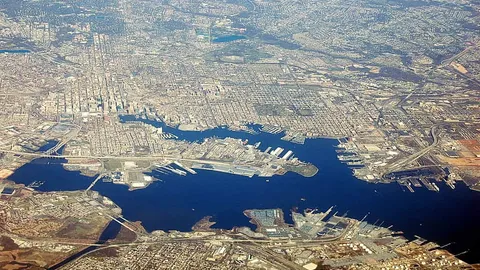
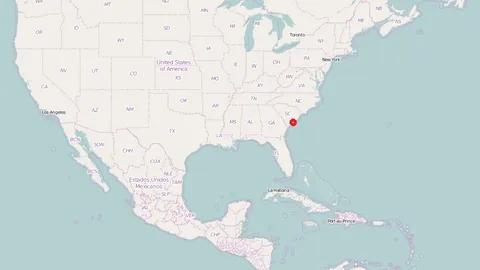
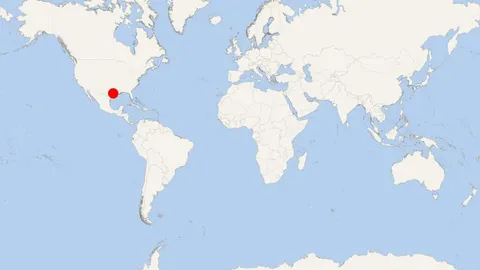
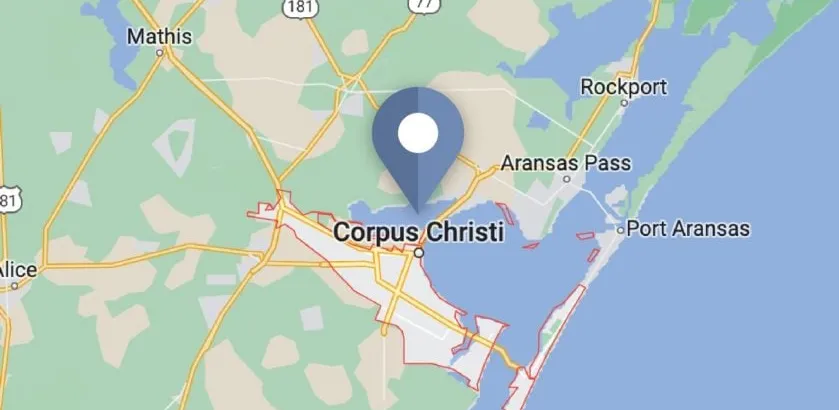
The Port of Corpus Christi occupies a prime position along the 36-mile Corpus Christi Ship Channel, cutting through Mustang and Padre Islands to connect the Gulf of Mexico with the Inner Harbor in Nueces County. The port complex spans the Inner Harbor, La Quinta Channel, and multiple private terminals along the channel corridor — all anchored by Corpus Christi Bay’s natural deep-water protection.
Service Region
Corpus Christi’s South Texas location provides cost-efficient access to key industrial and consumer markets:
- Immediate market: The Corpus Christi metro area and Coastal Bend region — a hub for refinery operations, petrochemical manufacturing, and heavy industry.
- Texas Triangle access: Within a half-day truck drive to San Antonio (2.5 hours) and reachable from Austin and Houston — linking importers to a megaregion of over 20 million consumers.
- Northern Mexico corridor: Proximity to Laredo and the US-Mexico border makes Corpus Christi a viable alternative gateway for goods destined for Monterrey and Mexico’s industrial heartland.
- Midwest rail reach: BNSF and Union Pacific on-dock rail connects shipments directly to Kansas City, Chicago, and the broader US interior at inland costs that undercut West Coast transload routings.
Port Terminals
The Port of Corpus Christi operates multiple public and private terminals purpose-built for energy, bulk, breakbulk, and project cargo. While container traffic plays a supporting role, the terminal infrastructure excels at heavy industrial and oversized cargo — the defining feature of Gulf Coast trade with China.
Corpus Christi Bulk Terminal
The Bulk Terminal is the port’s primary public cargo-handling facility in the Inner Harbor. Features include:
- Deep-draft berths with heavy-lift mobile harbor cranes handling breakbulk machinery, steel pipe, and project cargo
- Open storage yards for staging large fabricated components and industrial equipment
- Direct rail access via the Corpus Christi Terminal Railroad, connecting to BNSF and Union Pacific mainlines
- Covered warehouse options for weather-sensitive cargo
La Quinta Trade Gateway Terminal
The La Quinta Channel terminal is the port’s newest multipurpose facility:
- 1,100-acre master-planned complex on the north side of Corpus Christi Bay
- Purpose-built for container, breakbulk, and heavy-lift cargo
- Designed for Neo-Panamax container vessels post-CIP completion
- Dockside rail connectivity for direct vessel-to-rail transfers
Oil Docks & Private Liquid Terminals
Multiple public oil docks along the Inner Harbor and La Quinta Channel support the port’s dominant crude oil export mission, with over 20 private liquid bulk terminals lining the ship channel. While primarily export-focused, the surrounding infrastructure creates massive demand for imported industrial equipment, tubular steel, valves, and process control systems used across the energy value chain.
Shipping Routes to This Port
The Port of Corpus Christi is served by regular breakbulk, project cargo, and multipurpose vessel services from China’s major manufacturing gateways. Most containerized cargo routes through the Panama Canal all-water service, with Houston as a secondary discharge point for container freight.
From Shenzhen (Yantian / Shekou)
Yantian is the primary South China gateway for Corpus Christi-bound breakbulk and project cargo. Carriers including COSCO Shipping, CMA CGM, and specialized heavy-lift operators run monthly or bi-weekly services. Containerized shipments typically discharge in Houston with onward truck or barge movement to Corpus Christi.
From Shanghai
Shanghai offers the most diverse vessel options for the Gulf Coast, from container services through major alliances to dedicated multipurpose vessel (MPV) and heavy-lift sailings optimized for refinery modules, pressure vessels, and oversized industrial components.
From Ningbo
Ningbo-Zhoushan is a preferred origin for Chinese-manufactured steel pipe, structural steel, and fabricated metal products destined for South Texas energy projects. Weekly all-water Panama Canal services routinely connect to the Corpus Christi region.
From Qingdao and Northern Ports
Qingdao, Tianjin (Xingang), and Dalian serve northern China’s heavy industry belt — a major source of oilfield equipment, drilling machinery, and wind energy components. These origins connect via transshipment through Busan or Shanghai, or through direct multipurpose charter services for large-scale project shipments.
Transit Time from China to the Port of Corpus Christi
Transit times to Corpus Christi vary by origin port, vessel type, and Panama Canal scheduling. Typical port-to-port sailing times:
| Origin Port (China) | Transit Time to Corpus Christi | Sailing Frequency |
|---|---|---|
| Shenzhen (Yantian) | 28–33 days | 2–4 per month |
| Shanghai | 30–35 days | Weekly |
| Ningbo | 31–36 days | Weekly |
| Qingdao | 33–38 days | 2–3 per month |
| Tianjin (Xingang) | 35–40 days | 1–2 per month (via transshipment) |
| Xiamen | 31–36 days | 1–2 per month (via transshipment) |
Factors Affecting Transit Time
- Panama Canal slot availability: Seasonal demand, drought-related draft restrictions, and maintenance windows can affect scheduling by several days.
- Gulf hurricane season (June–November): Storms may delay port operations by 2–4 days.
- Vessel type: Breakbulk and project cargo vessels operate on flexible schedules, allowing faster turnaround but less fixed ETAs.
- Discharge port rotation: Whether Corpus Christi is the first or last Gulf Coast call directly affects arrival timing.
For a broader comparison across all major US entry points, see our guide on how long sea shipping takes from China to USA.
Shipping Cost from China to the Port of Corpus Christi
Ocean freight costs from China to Corpus Christi are driven by cargo type, vessel mode, fuel surcharges, and port-specific handling fees. For heavy industrial cargo — the dominant import category — the cost structure differs significantly from standard container shipping.
Factors Affecting Freight Rates
- Cargo type and vessel mode: Breakbulk and heavy-lift shipments are priced per freight ton (weight or measurement, whichever yields higher revenue) rather than per container. For standard containers shipping from China to USA, rates are quoted per container with different economics. Rates fluctuate based on vessel space, crane capacity, and route demand.
- Market seasonality: Peak season (August–October) and pre-Chinese New Year rushes (January) drive rate increases of 20–40%. Q1 post-holiday lulls typically offer the most competitive pricing.
- Bunker Adjustment Factor (BAF): Quarterly fuel surcharges tied to global bunker indexes and IMO low-sulfur compliance costs directly impact ocean freight.
- Panama Canal transit fees: Included in all-water service quotes, fees scale with vessel dimensions — a significant cost line for Gulf Coast routing.
Port Fees at Corpus Christi
The Port of Corpus Christi charges wharfage (based on cargo tonnage and commodity type), dockage (vessel length and duration), and terminal handling fees. Budget approximately $200–$350 per container-equivalent unit for general cargo, with heavy-lift cargo incurring additional crane and rigging charges. Compared to Houston, Corpus Christi generally offers lower port tariffs and faster dock labor turnaround.
How to Lower Your Shipping Costs
| Strategy | Potential Impact |
|---|---|
| Consolidate breakbulk into full vessel charters | 15–30% lower per-freight-ton cost |
| Book during off-peak (March–July, November) | 15–25% rate reduction |
| Pre-clear US Customs documentation via ACE | Avoids demurrage at $200–$350 per day |
| Use Corpus Christi as first discharge port | Eliminates intermediate port fees and minimizes delay risk |
| Partner with an experienced China-based freight forwarder | Access to volume-negotiated rates and preferred carrier relationships |
Warehousing Services
Corpus Christi’s warehousing ecosystem has expanded alongside the port’s industrial growth, offering bonded storage, Foreign Trade Zone advantages, and distribution services geared toward energy, manufacturing, and construction supply chains.
Foreign Trade Zone (FTZ No. 122)
The Port of Corpus Christi operates Foreign Trade Zone No. 122, allowing importers to defer, reduce, or eliminate US customs duties on foreign goods. Key benefits:
- Duty deferral: Customs duties postponed until goods leave the FTZ for US consumption, improving cash flow
- Duty elimination on re-exports: Goods re-exported from the FTZ to Mexico, Latin America, or elsewhere incur zero US duties
- Inverted tariff relief: Pay duties at the lower finished-good rate rather than the higher component-part rate when assembly or kitting occurs within the FTZ
Bonded Warehousing
Bonded warehouse facilities within the port district enable storage under CBP supervision without immediate customs entry — ideal for project cargo staging, seasonal inventory pre-positioning, and quality inspection before final delivery.
3PL and Distribution Services
Third-party logistics providers in the area offer:
- Transloading: Ocean container deconsolidation into 53-foot domestic trailers for inland delivery to Texas, the Midwest, and Mexico
- Project cargo laydown yards: Open storage for oversized components awaiting phased construction delivery
- Cross-dock services: Rapid sorting for multi-stop distribution across the Coastal Bend and Texas Triangle
- Inventory management: Real-time visibility platforms integrated with ERP systems
Frequently Asked Questions
Q: How long does sea shipping from China to Corpus Christi take?
A: Transit time ranges from 28 to 40 days depending on the Chinese origin port. Shenzhen to Corpus Christi is fastest at 28–33 days via Panama Canal, while Tianjin takes 35–40 days. Door-to-door delivery adds 4–8 days for customs clearance and inland transport.
Q: What types of vessels serve the Port of Corpus Christi?
A: The port handles bulk carriers, tankers, multipurpose vessels (MPVs), heavy-lift ships, and an increasing number of container vessels. Its specialty is heavy-lift and project cargo serving the energy and industrial sectors rather than ultra-large container ships.
Q: Is Corpus Christi a better port of entry than Houston for my imports?
A: Corpus Christi offers lower port congestion, faster vessel turnaround, and generally lower wharfage and dockage fees compared to Houston. It is strongly recommended for breakbulk, project cargo, and heavy industrial shipments destined for South Texas. Houston offers more frequent container services and better connectivity with inland destinations further north and east. Many large importers split their supply chains between both ports based on cargo type and final destination.
Q: Does Corpus Christi have on-dock rail?
A: Yes. The Corpus Christi Terminal Railroad interchanges with BNSF and Union Pacific mainlines, enabling direct vessel-to-rail transfers at multiple terminals. On-dock rail accelerates inland distribution by 1–2 days versus drayage to an off-dock facility.
Q: Can I import wind energy equipment through Corpus Christi?
A: Absolutely. Corpus Christi is a major gateway for wind turbine components — blades, tower sections, nacelles, and hubs — imported from Chinese manufacturers. The port’s heavy-lift crane capacity, expansive laydown yards, and proximity to wind farm development zones across Texas and the Great Plains make it one of the most efficient US entry points for renewable energy project cargo.
Q: What commodities does the Port of Corpus Christi primarily handle on the import side?
A: Key imports from China include steel pipe and tubular goods, industrial machinery and oilfield equipment, wind turbine components, fabricated structural steel, petrochemical process equipment, and construction materials supporting the South Texas industrial build-out.