The Northwest Seaport Alliance (Seattle/Tacoma)
Port Overview
1. Overview of The Northwest Seaport Alliance
The Northwest Seaport Alliance (NWSA) is a marine cargo partnership between the Port of Seattle and Port of Tacoma, forming the fourth-largest container gateway in North America and a key entry point for shipping from China to USA. Located in Washington State, the NWSA is the closest major US port complex to Asia by sailing distance — a geographic advantage that translates directly into shorter transit times and lower fuel costs for importers managing freight shipping from China to USA. For official terminal schedules, tariffs, and operational updates, visit the NWSA official website.
Why the NWSA Matters for China-to-USA Importers
- Fastest ocean route from Asia: The great-circle route from Shanghai to Seattle/Tacoma is approximately 5,100 nautical miles — the shortest among all major US West Coast gateways.
- Massive Asia-Pacific trade volume: Over 91% of NWSA’s international trade is with Asia-Pacific economies. China alone accounts for 38% of total TEU throughput.
- Strategic Pacific Northwest location: Ideal for importers serving Washington, Oregon, Idaho, Montana, and Western Canada, with robust onward connections to the Midwest and Alaska.
- Modernized infrastructure: Terminal 5 recently completed a $500 million modernization, adding super post-Panamax cranes capable of handling 18,000+ TEU vessels.
Key Facts at a Glance
| Metric | Value |
|---|---|
| Annual Container Volume | ~2.7 million TEUs |
| Total Terminal Area | ~1,800 acres |
| Main Container Terminals | Husky, Washington United, Pierce County, Olympic, T-5, T-18 |
| Rail Providers | BNSF Railway, Union Pacific |
| Key China Trade Lanes | Shanghai, Ningbo, Shenzhen, Qingdao, Xiamen |
2. Port Location
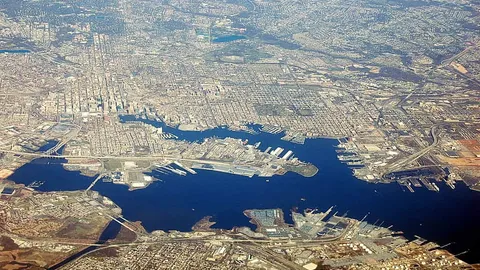
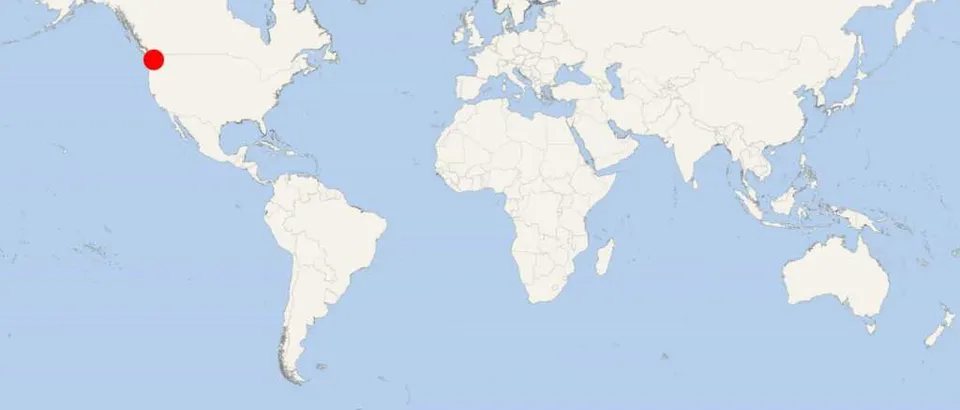
The NWSA’s two harbors sit at the heart of Puget Sound in Washington State — Seattle’s Harbor Island and Tacoma’s Commencement Bay — roughly 30 miles apart but managed as a single unified gateway.
Service Region
The NWSA serves as the primary import hub for the US Pacific Northwest and beyond:
- Immediate market: Washington, Oregon, Idaho, Montana
- Midwest reach: Direct BNSF and UP rail corridors to Chicago, Minneapolis, and the Great Lakes region — competitive with Southern California routings for many inland destinations
- Alaska gateway: Handles over 82% of all containerized Alaska-bound cargo, making it indispensable for Alaska’s consumer goods supply chain
- Western Canada overflow: A viable alternative to the Port of Vancouver for Canadian importers during peak congestion
3. Port Terminals
The NWSA operates six major container terminals across its Seattle and Tacoma harbors, each with distinct capabilities:
Seattle Harbor Terminals
- Terminal 5 (T-5): The NWSA’s most modern facility, recently rebuilt with super post-Panamax cranes, on-dock rail, and 185 acres of yard space. Designed specifically for ultra-large container vessels on Asia–Pacific trade lanes.
- Terminal 18 (T-18): A 196-acre terminal operated by SSA Marine, handling major carrier alliances with 6 super post-Panamax cranes and on-dock rail.
Tacoma Harbor Terminals
- Husky Terminal: The largest Tacoma terminal at 172 acres, featuring 8 super post-Panamax cranes and on-dock rail serving both BNSF and UP.
- Washington United Terminal (WUT): A 172-acre facility jointly operated by “K” Line and NYK Line affiliates, specialized in Asia-Pacific container services.
- Pierce County Terminal (PCT): An 186-acre terminal operated by Evergreen, equipped with 8 cranes and extensive on-dock rail capacity.
- Olympic Container Terminal: Serving smaller feeder and niche Asia-Pacific services.
All six terminals feature on-dock or near-dock rail, a critical efficiency advantage that allows containers to transfer directly from vessel to railcar without intermediate truck moves.
4. Shipping Routes to the Port of Seattle/Tacoma
The NWSA is served by all three major ocean carrier alliances — 2M, Ocean Alliance, and THE Alliance — with multiple weekly sailings from China’s top ports:
From Shenzhen (Yantian / Shekou)
Multiple weekly sailings via the Pacific Northwest (PNW) and PSW/PNW combo services. Yantian is the most common last port of call in South China before direct sailing to Seattle/Tacoma.
From Shanghai
Shanghai is the primary North China hub for NWSA-bound cargo. Major carriers like Maersk, MSC, COSCO, and ONE offer dedicated PNW express services with fast 12–14 day transit windows. For vehicle shipments on this route, read our dedicated guide on the cost to ship a car from Shanghai to Seattle for a detailed RoRo vs. container comparison.
From Ningbo
Ningbo is a major departure port on PNW loops, often paired with Shanghai on the same service strings. Carriers including Evergreen (via PCT) and CMA CGM offer direct weekly sailings.
Other Key Origin Ports
- Qingdao: Served via weekly PNW service routes, typically as the first or second Asian port call before crossing the Pacific.
- Xiamen: Available on several Ocean Alliance and THE Alliance PNW loops.
- Busan (transshipment): For cargo originating from northern or secondary Chinese ports, transshipment via Busan offers additional frequency and flexibility into the NWSA.
5. Transit Time from China to the Port of Seattle/Tacoma
As the closest US West Coast port to Asia, the NWSA offers the fastest ocean crossings in trans-Pacific trade. Below are typical transit times (port-to-port, based on carrier schedules):
| Origin Port | Transit Time |
|---|---|
| Shanghai | 12–14 days |
| Ningbo | 13–15 days |
| Shenzhen (Yantian) | 13–16 days |
| Qingdao | 14–17 days |
| Xiamen | 14–17 days |
Actual transit times vary by carrier, service string, seasonal weather, and port congestion. Express/Premium services (e.g., Matson, ZIM expedited) can trim 1–2 days off standard schedules. For LCL (less-than-container-load) shipments, add 2–4 days for consolidation and deconsolidation at origin and destination. For a complete comparison across all major US gateways, see our guide on how long sea shipping takes from China to USA.
6. Shipping Cost from China to the Port of Seattle/Tacoma
Ocean freight costs from China to Seattle/Tacoma fluctuate with market conditions, but the NWSA’s proximity to Asia provides a structural cost advantage: shorter sailing distance means lower bunker fuel consumption per container moved.
Key Factors Influencing Freight Rates
- Seasonality: Peak season (August–October) rates rise sharply ahead of holiday inventory builds. Book 4–6 weeks ahead during peak.
- Container type: Standard 40’ containers are most cost-efficient; 20’ containers and 40’ high-cube/reefer equipment carry premiums.
- Service tier: Standard service vs. expedited/guaranteed-loading options differ significantly in price.
- Port charges: NWSA terminals charge competitive wharfage and dockage fees. Terminal 5 and T-18 have dedicated chassis pools that can reduce trucker wait times.
How to Lower Your Shipping Costs
- Book FCL (full container load) instead of LCL whenever shipment volume allows — FCL rates per cubic meter are substantially lower.
- Pre-clear customs documentation before vessel arrival to avoid demurrage and detention charges.
- Use on-dock rail to inland destinations to skip drayage and reduce overall door-to-door cost.
- Partner with a China-based freight forwarder like DANTFUL who can consolidate shipments at origin and negotiate competitive carrier contracts on your behalf.
7. Warehousing Services
The Seattle/Tacoma area has a mature warehousing and logistics ecosystem built around the NWSA terminals:
Bonded Warehousing
Numerous FTZ (Foreign Trade Zone) facilities operate within the NWSA district, allowing importers to defer customs duties until goods leave the warehouse for US consumption. This is particularly valuable for importers managing seasonal inventory or re-exporting goods to Canada.
3PL and Fulfillment Centers
The Kent Valley (between Seattle and Tacoma) is the Pacific Northwest’s largest industrial corridor, home to Amazon fulfillment centers, third-party logistics (3PL) providers, and cold storage facilities. For e-commerce sellers and Amazon FBA importers, warehousing near the NWSA enables same-day or next-day transfer of inbound containers to fulfillment networks.
Cross-Dock and Transload Services
Many warehouses near NWSA terminals offer cross-docking and transloading — transferring cargo from ocean containers into domestic 53’ trailers or rail cars for onward distribution. This reduces inland transportation costs and avoids overweight container penalties on US highways.
Inventory Management
DANTFUL partners with vetted warehousing providers in the Seattle/Tacoma metro area, offering end-to-end solutions including inventory receipt, pick-and-pack, FBA prep, labeling, and last-mile delivery coordination.
8. Frequently Asked Questions
Q: Why choose Seattle/Tacoma over Los Angeles/Long Beach for China imports? A: While LA/LB offers more sailing frequency, the NWSA provides faster transit (1–3 days shorter), often less port congestion, and lower inland rail costs to Pacific Northwest and upper Midwest destinations. For importers in Washington, Oregon, Idaho, and Montana, the NWSA is the natural first choice.
Q: Does the NWSA handle LCL (less-than-container-load) shipments from China? A: Yes. Multiple CFS (Container Freight Station) operators at both Seattle and Tacoma provide LCL deconsolidation. LCL transit from Shanghai to Seattle typically takes 18–22 days door-to-door including consolidation and customs clearance.
Q: How long does customs clearance take at Seattle/Tacoma? A: With complete and accurate documentation, US Customs clearance typically takes 1–2 business days. CBP’s Automated Commercial Environment (ACE) allows for electronic release, often within hours of vessel arrival for pre-filed entries.
Q: What is the rail transit time from Seattle/Tacoma to Chicago? A: BNSF and UP intermodal services from the NWSA to Chicago typically take 5–7 days, making the combined ocean-plus-rail transit time from Shanghai to Chicago approximately 18–21 days.
Q: Can DANTFUL arrange door-to-door shipping from China via Seattle/Tacoma? A: Absolutely. We provide complete door-to-door logistics — origin pickup in China, ocean freight to NWSA, customs brokerage, warehousing, and final delivery across the US. Contact our team for a tailored quote.