Port of Manzanillo
Port Overview
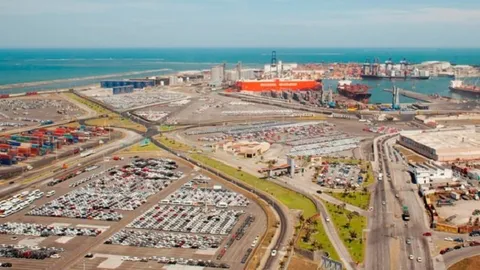
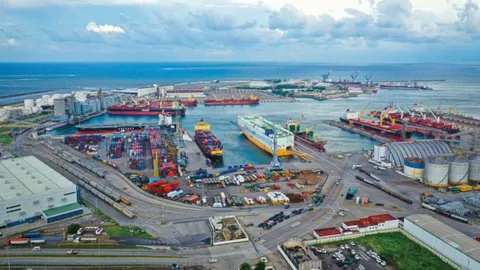
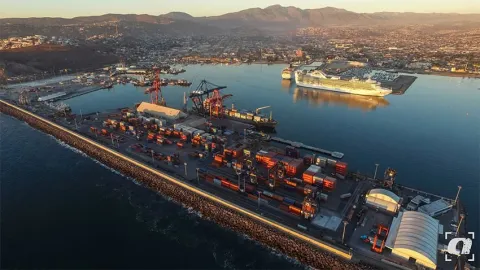
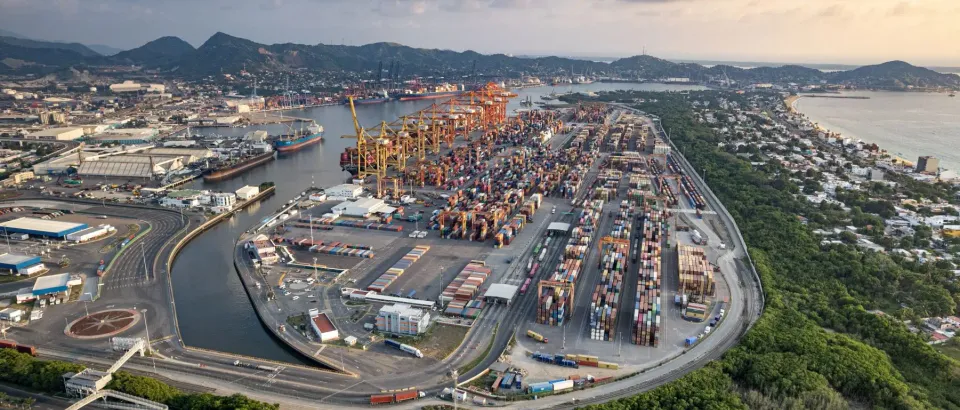
Overview of the Port of Manzanillo
The Port of Manzanillo is Mexico’s largest container port, located in the state of Colima on the central Pacific coast. Handling over 3.7 million TEUs annually, it serves as the undisputed Pacific gateway for Asian imports and a critical hub for shipping from China to Mexico, processing approximately 60% of all containerized cargo entering Mexico from the Pacific. For importers managing sea freight from China to Mexico, Manzanillo is the most strategic entry point — offering the shortest ocean transit from Asia and direct access to Mexico’s industrial heartland.
Why the Port of Manzanillo Matters for China Importers
- Mexico’s #1 Container Port: Over 3.7 million TEUs handled annually — more than double Veracruz, Mexico’s second-busiest port. Ranks among Latin America’s top 5 container ports.
- Shortest Pacific Route from China: Direct sailings from Shanghai, Ningbo, and Shenzhen reach Manzanillo in 16–22 days — the fastest ocean connection between China and Mexico.
- Central Mexico Access: Direct highway (MEX-54D / MEX-15D) and rail links to Guadalajara (~300 km), Mexico City (~900 km), and the Bajío industrial corridor — Mexico’s automotive, aerospace, and electronics manufacturing hub.
- Major Expansion Underway: A $3.4 billion expansion is adding new terminals, deepening berths to 18 meters, and upgrading rail infrastructure — targeting over 5 million TEUs by 2030.
- Carrier Alliance Hub: All three major alliances — 2M, Ocean Alliance, and THE Alliance — operate multiple weekly services from China, ensuring competitive rates and vessel availability.
Key Facts at a Glance
| Metric | Value |
|---|---|
| Annual Container Volume | ~3.7 million TEUs |
| Total Cargo Tonnage | ~33 million tons annually |
| Berth Depth | 14–16 meters (expanding to 18m) |
| Container Terminals | 4 major terminals |
| Rail Connectivity | Ferromex & Kansas City Southern de México (KCSM) |
| Key China Trade Lanes | Shanghai, Ningbo, Shenzhen, Qingdao |
| Distance to Mexico City | ~900 km (9–10 hours by truck) |
| Bonded Zone | Recinto Fiscalizado Estratégico |
Port Location
The Port of Manzanillo occupies a natural deep-water bay on Mexico’s central Pacific coast in the state of Colima. Its geographic position at the closest Pacific point to Mexico’s economic core gives it a fundamental advantage over competing ports like Lázaro Cárdenas.
Service Region
Manzanillo’s distribution reach covers the most economically significant regions of Mexico:
- Mexico City Metropolitan Area: Latin America’s largest consumer market with over 22 million people, reachable within 10 hours by truck via MEX-15D/MEX-54D or 24 hours by rail.
- Bajío Industrial Corridor: Querétaro, Guanajuato, Aguascalientes, and San Luis Potosí — Mexico’s fastest-growing automotive, aerospace, and electronics manufacturing region. Manzanillo is the preferred import gateway for Asian components feeding this corridor.
- Guadalajara: Mexico’s second-largest city and a major technology hub, just 300 km from the port via MEX-54D.
- Northern Mexico & US Border: Intermodal rail connects Manzanillo to Monterrey, Chihuahua, and border crossings at Nuevo Laredo and El Paso.
Port Terminals
The Port of Manzanillo operates four major container terminals alongside specialized bulk and multi-purpose facilities. Each terminal serves distinct carrier alliances and cargo types:
-
SSA Mexico (Terminal Internacional de Manzanillo): The port’s largest container terminal at 112 hectares, operated by SSA Marine. Equipped with 8 super post-Panamax gantry cranes and on-dock rail, it serves as the primary hub for Maersk, MSC, and 2M Alliance vessels with over 1.5 million TEUs in annual capacity.
-
Contecon Manzanillo (TEC II): A 77-hectare terminal operated by ICTSI with 7 post-Panamax cranes, automated gate systems, and substantial reefer plug capacity. Primary hub for CMA CGM, COSCO, and Ocean Alliance services, featuring a dedicated rail yard with direct Ferromex connectivity.
-
OCUPA (Operadora de la Cuenca del Pacífico): A 37-hectare multi-purpose terminal handling containers, breakbulk, steel, and project cargo. Serves as a flexible overflow facility during peak season and handles specialized freight including wind turbine components and heavy machinery.
-
TIMSA: A dedicated bulk and mineral terminal handling iron ore, copper concentrates, agricultural bulk, and petroleum coke — separated from container operations to prevent berth competition.
All container terminals feature on-dock or near-dock rail access, enabling direct vessel-to-railcar transfers that reduce drayage costs and accelerate inland distribution by 1–2 days.
Shipping Routes to This Port
The Port of Manzanillo is served by near-daily sailings from China’s top container ports, with all three major carrier alliances operating dedicated Mexico service strings. For a comprehensive overview, see our guide on shipping routes from China to Mexico.
From Shenzhen (Yantian / Shekou)
Yantian International Container Terminal is typically the last South China port of call before vessels cross the Pacific. Multiple weekly sailings are available from Maersk, MSC, COSCO, CMA CGM, and Evergreen. As the primary export hub for consumer electronics and automotive parts, Shenzhen accounts for the largest share of China-to-Manzanillo container volume.
From Shanghai
Shanghai is the world’s busiest container port and the single largest origin for Manzanillo-bound cargo. With daily sailings available across all three carrier alliances, vessel space is typically available within 1–2 days of cargo readiness.
From Ningbo
Ningbo-Zhoushan is frequently paired with Shanghai on the same vessel rotation, providing additional weekly capacity from the Yangtze River Delta. A major export hub for machinery, textiles, and industrial equipment, Ningbo offers competitive rates and consistent weekly sailings.
From Qingdao and Other Ports
Qingdao is served via Pacific loops that also call Shanghai or Ningbo. Cargo from northern Chinese hubs — Tianjin, Dalian, and Shandong province — transships through Qingdao or Shanghai. For secondary ports such as Xiamen and Fuzhou, weekly feeder connections via Hong Kong or Busan add only 2–4 days to total transit.
Transit Time from China to Manzanillo
As the closest Mexican Pacific port to Asia, Manzanillo offers the fastest ocean transit times from China of any Mexican gateway:
| Origin Port | Transit Time to Manzanillo | Sailing Frequency |
|---|---|---|
| Shanghai | 16–20 days | Daily |
| Ningbo | 17–21 days | 5–7 per week |
| Shenzhen (Yantian) | 16–20 days | 5–7 per week |
| Qingdao | 18–22 days | 3–5 per week |
| Xiamen | 19–24 days | 2–3 per week |
Express services can trim 1–2 days off standard schedules. For LCL (Less-than-Container-Load) shipments, add 3–5 days for consolidation and deconsolidation. See our guide on how long sea shipping takes from China to Mexico for a complete breakdown across all gateways.
Port congestion is a manageable risk — Manzanillo has experienced occasional berth delays during peak season (August–October). Build 3–5 days of buffer into supply chain planning and work with a freight forwarder from China to Mexico who monitors real-time port conditions.
Shipping Cost from China to Manzanillo
Ocean freight rates from China to Manzanillo are shaped by Pacific shipping market dynamics and Mexico-specific port charges. Understanding these cost drivers helps importers budget accurately. For current rate benchmarks, see our shipping cost from China to Mexico guide.
Factors Affecting Freight Rates
- Seasonality: Peak season (August–October, ahead of holiday retail and El Buen Fin) can push rates 30–50% higher. Post-Chinese New Year (February–March) and early summer (May–July) typically offer the most favorable rates.
- Container type and size: 40’ standard containers (FEUs) offer the best per-unit economics. High-cube and specialized equipment (reefer, open-top, flat-rack) command significant premiums. See our cost of shipping 40ft container from China to Mexico guide for detailed comparisons.
- Service level: Standard versus expedited/priority-loading options differ substantially — premium services guarantee equipment and vessel space during peak season, often at a $300–$600 per container premium.
- Port charges: Budget approximately $200–$400 per container for Manzanillo wharfage, dockage, and terminal handling fees. The port authority (API Manzanillo) publishes current tariff schedules on its website.
How to Lower Your Shipping Costs
| Strategy | Potential Impact |
|---|---|
| Ship FCL instead of LCL | 30–50% lower per-unit freight cost |
| Book during off-peak (February–July) | 20–40% rate reduction |
| Pre-clear Mexican customs documentation | Avoid demurrage and storage charges |
| Use intermodal rail for inland volumes | Lower per-unit inland cost for 5+ TEU |
| Consolidate with a China-based forwarder | Access to volume-negotiated carrier rates |
| Consider DDP shipping from China to Mexico | Bundled rate eliminates surprise fees |
Partnering with a China-based freight forwarder like DANTFUL gives importers access to competitive carrier contracts, consolidated rates, and expert guidance on Manzanillo terminal procedures through a single point of contact.
Warehousing Services
The Manzanillo-Colima logistics corridor supports a growing ecosystem of warehousing and distribution services, driven by the port’s expansion as Mexico’s primary Pacific import gateway.
Bonded Warehousing (Recinto Fiscalizado)
Mexico’s Recinto Fiscalizado Estratégico regime allows importers to store goods within designated bonded zones without immediate duty payment:
- Duty and VAT deferral: Import duties (IGI) and the 16% IVA are only due when goods leave the bonded facility for domestic consumption — with no time limit on storage.
- IMMEX compatibility: Goods destined for maquiladora (IMMEX) manufacturing can transfer directly from bonded storage without triggering duties.
- Value-added processing: Bonded facilities support labeling, kitting, repackaging, and quality inspections before customs entry — ideal for multi-SKU shipments.
Overseas Warehousing & 3PL Services
The greater Manzanillo-Colima area has seen rapid warehouse development, with 3PL providers offering container deconsolidation, cross-docking, Amazon Mexico and Mercado Libre FBA prep, cloud-based inventory management, and e-commerce fulfillment with same-day processing.
Warehousing & Distribution Strategy
Positioning inventory near Manzanillo delivers measurable advantages:
- Lower inland costs: Deconsolidating at the port avoids sending full containers to higher-cost urban warehouse markets. LCL shipping from China to Mexico enables smaller, more frequent replenishment.
- Avoid per-diem charges: Faster container turnaround reduces daily detention fees, which can reach $150–$250 per day after the free time window.
- Flexible fulfillment: Staging inventory near the port enables next-day delivery to Guadalajara and 2-day delivery to the Bajío corridor without in-city warehousing premiums.
DANTFUL partners with vetted 3PL providers across the Manzanillo-Colima-Guadalajara corridor, offering end-to-end logistics including customs brokerage, bonded storage, FBA prep, and last-mile delivery.
Frequently Asked Questions
Q: How does Manzanillo compare to Lázaro Cárdenas for China imports?
A: Manzanillo handles roughly 3× the container volume with significantly higher sailing frequency from China. Lázaro Cárdenas has deeper natural draft and slightly shorter rail distance to Mexico City, but Manzanillo’s carrier density and established logistics ecosystem make it the preferred choice for most importers.
Q: How long does customs clearance take at Manzanillo?
A: With a properly prepared pedimento de importación filed by a licensed Mexican customs broker (agente aduanal), customs release typically takes 1–3 business days. Mexico’s ANAM operates digital clearance through the VUCEM platform. Importers enrolled in the Operador Económico Autorizado (OEA) program benefit from reduced inspection rates and priority clearance.
Q: What is the cheapest way to ship from China to Manzanillo?
A: FCL ocean freight during off-peak season (March–July) through a China-based forwarder offers the lowest per-unit cost. For shipments under 15 CBM, LCL consolidation may be more economical. Door-to-door shipping from China to Mexico bundles freight, customs, and final delivery into a single predictable rate.
Q: What cargo types does Manzanillo handle best?
A: Manzanillo excels with containerized consumer goods — electronics, auto parts, textiles, furniture, and industrial machinery. Its dedicated container terminals mean container freight does not compete with bulk or RoRo operations for berth space, ensuring consistent service for China importers.
Q: Is the port expansion affecting current operations?
A: The ongoing expansion — new berths, deeper channels (18 meters), and TEC II modernization — is being phased to minimize disruption. Current vessel waiting times are typically under 24 hours outside peak season. Once complete (projected 2028–2030), the expansion will increase Manzanillo’s capacity to over 5 million TEUs, solidifying its position as Latin America’s premier Pacific container hub.