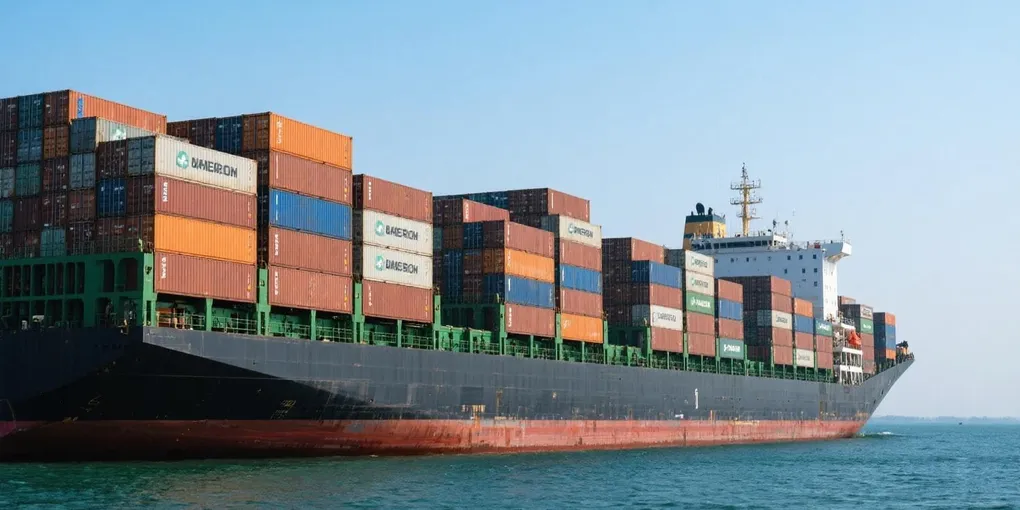
Choosing the optimal strategy for Shipping from China to Canada is one of the most critical decisions for B2B importers, e-commerce sellers, and logistics managers. Canada’s vast geographic landscape means that selecting the wrong entry port or transit path can result in thousands of dollars in unnecessary inland transportation costs and weeks of delay. Whether you are shipping heavy industrial machinery or arranging shipping from China to Amazon FBA Canada, understanding the exact geographical pathways your cargo will take is essential for a resilient supply chain.
In this comprehensive guide, we will break down the primary sea freight and air freight routes connecting Chinese export hubs to Canadian destinations. We will explore direct transpacific sailings, all-water East Coast routes, transborder US-Canada transshipment options, and the critical multimodal inland networks that deliver goods to your final warehouse.
Why Route Selection Matters for Canada-Bound Freight
Unlike importing to smaller countries, shipping to Canada requires strategic geographical planning. The country spans over 5,000 kilometers from the Pacific Coast to the Atlantic Coast. Most major Canadian population centers and commercial hubs—such as Toronto and Montreal—are located deep inland or on the eastern side of the country.
If your final destination is Toronto, you must decide between two primary routing strategies:
- West Coast Entry + Rail: Ship across the Pacific to the Port of Vancouver, then use intermodal rail to cross the country. This is generally faster but involves multimodal coordination.
- East Coast Entry (All-Water): Ship via the Panama Canal or Suez Canal directly to the Port of Montreal or Port of Halifax. This route takes longer on the water but minimizes expensive inland overland transport.
Making the right choice depends on your specific balance of transit time, budget, and potential port congestion.
Major Sea Freight Routes from China to Canada
Sea freight remains the backbone of international trade between Asia and North America. Depending on your cargo’s final destination, ocean carriers utilize several distinct maritime routes.
1. Direct Transpacific Routes (West Coast)
The most direct and frequently utilized sea route crosses the Pacific Ocean from major Chinese ports (such as Shanghai, Shenzhen, Ningbo, and Qingdao) directly to Canada’s West Coast.
- Primary Destination Ports: Port of Vancouver and Port of Prince Rupert.
- Transit Time: 15 to 20 days (port-to-port).
- Best For: Goods destined for British Columbia and Alberta, or time-sensitive cargo that will utilize fast intermodal rail connections to Central Canada.
- Strategic Advantage: The Port of Prince Rupert is geographically the closest North American port to Asia, offering some of the fastest transpacific transit times available.
2. All-Water East Coast Routes (Via Panama Canal)
For cargo destined for Ontario, Quebec, or the Atlantic provinces, shippers can choose an all-water route that bypasses the North American landmass entirely by sailing through the Panama Canal.
- Primary Destination Ports: Port of Montreal and Port of Halifax.
- Transit Time: 25 to 35 days.
- Best For: Heavy, bulky, or non-urgent Full Container Load (FCL) shipments heading to Eastern Canada.
- Strategic Advantage: By keeping the cargo on the vessel longer, importers can significantly reduce the high costs associated with cross-country rail or trucking, making it a highly cost-effective routing choice for eastern destinations.
3. The China-US-Canada Transshipment Route
During periods of heavy congestion at Canadian ports or when direct vessel space is scarce, cargo is frequently routed through major US West Coast hubs before crossing the northern border. For businesses also targeting the American market, coordinating these routes alongside your shipping from China to USA strategy can provide tremendous supply chain flexibility.
- US Transit Ports: Port of Seattle, Port of Tacoma, Port of Los Angeles, or Port of Long Beach.
- Inland Connection: Goods are transloaded and moved via truck or rail into Canada (e.g., Seattle to Vancouver, or Chicago to Toronto).
- Transit Time: 18 to 28 days (including border crossing).
- Strategic Advantage: Offers greater flexibility and access to a massive volume of transpacific vessel sailings, acting as a crucial pressure release valve when direct Canada routes are fully booked.
| Sea Freight Route | Origin Hubs | Destination Hubs | Avg. Transit Time | Cost Efficiency |
|---|---|---|---|---|
| West Coast Direct | Shanghai, Shenzhen | Vancouver, Prince Rupert | 15 – 20 Days | Medium (High inland costs) |
| East Coast All-Water | Ningbo, Qingdao | Montreal, Halifax | 25 – 35 Days | High (Low inland costs) |
| US Transshipment | All Major Ports | Seattle/LA ➔ Canada | 18 – 28 Days | Variable |
Major Air Freight Routes from China to Canada
When speed is the absolute priority, air freight from China to Canada offers rapid transit across the globe. Air routes are generally categorized by whether they fly directly into Canadian airspace or utilize a hub-and-spoke model.
1. Direct Flights to Canadian Hubs
Major passenger airlines and dedicated cargo freighters operate direct flights from China’s primary international airports to Canada’s major metropolitan hubs.
- Key Origin Airports: Shanghai Pudong (PVG), Beijing Capital (PEK), Guangzhou Baiyun (CAN), and Hong Kong (HKG).
- Key Destination Airports: Toronto Pearson (YYZ), Vancouver International (YVR), and Montreal Trudeau (YUL).
- Transit Time: 1 to 3 days.
- Best For: High-value electronics, perishable goods, and urgent Amazon FBA inventory.
2. Indirect Flights via US or Asian Hubs
Indirect air routes utilize major transit hubs to consolidate cargo, often resulting in lower freight rates at the expense of a slightly longer transit time.
- Transit Hubs: Anchorage (ANC), Chicago (ORD), Seoul (ICN), or Taipei (TPE).
- Transit Time: 3 to 7 days.
- Strategic Advantage: Provides vast capacity and competitive pricing. Goods landing in northern US hubs like Chicago are frequently loaded onto bonded trucks for rapid overnight delivery into Toronto or Montreal.
| Air Freight Route | Departure Hubs | Canadian Arrival | Avg. Transit Time | Cost Level |
|---|---|---|---|---|
| Direct Flights | PVG, PEK, CAN, HKG | YYZ, YVR, YUL | 1 – 3 Days | $$$ (Highest) |
| Indirect Flights | Major Asian Airports | YYZ, YUL (via USA/Asia) | 3 – 7 Days | $$ (Moderate) |
Multimodal and Inland Routing in Canada
The international shipping route is only the first half of the journey. For the majority of Canadian importers, multimodal routing—combining sea/air freight with rail or truck—is required to complete the delivery.
Sea-Rail (Intermodal) Routing
This is the standard operating procedure for moving containerized goods from the West Coast to the heavily populated East. Upon arrival at the Port of Vancouver or Prince Rupert, containers are loaded directly onto the expansive rail networks operated by Canadian National (CN) or Canadian Pacific Kansas City (CPKC). This rail bridge is highly efficient for moving massive volumes of cargo to inland terminals in Toronto, Montreal, and Calgary.
Sea-Truck Routing
While more expensive than rail, long-haul trucking offers faster transit times and point-to-point delivery. Trucking is typically reserved for urgent Less than Container Load (LCL) shipments, perishable goods, or final-mile delivery from the rail ramp to the importer’s warehouse.
| Inland Routing Method | Entry Point | Inland Transport | Avg. Inland Transit Time | Cost Efficiency |
|---|---|---|---|---|
| Sea-Rail (Intermodal) | Vancouver / Prince Rupert | Rail to Toronto/Montreal | 7 – 14 Days | High (Best for FCL) |
| Sea-Truck (Long-haul) | Vancouver | Truck to Toronto/Montreal | 4 – 6 Days | Low (High urgency only) |
How to Choose the Optimal Shipping Route
Selecting the best route requires a strategic analysis of your supply chain priorities. Consider the following factors when planning your next shipment:
- Customs Clearance Locations: Ensure your route aligns with your customs strategy. Goods crossing from the US into Canada via truck require specific border clearance procedures compared to goods landing directly at a Canadian seaport.
- Destination-Driven Economics: If your distribution center is in Ontario, compare the total landed cost of the fast “Vancouver + Rail” route against the slower “All-Water to Montreal” route. The cost savings of the all-water route often justify the extra transit days for non-urgent inventory.
- Seasonal Weather and Congestion: Canadian winters can cause severe delays in rail networks through the Rocky Mountains. During harsh winters, routing cargo through US ports or utilizing East Coast all-water routes may offer more reliability.
Partner with Dantful.US for Optimized Route Planning
Navigating the complexities of international shipping routes requires deep geographical knowledge and strong carrier relationships. Dantful.US International Logistics is a highly professional, cost-effective, and high-quality one-stop international logistics service provider. With over 15 years of industry experience and a dedicated focus on North American logistics, we specialize in designing customized routing solutions for B2B importers and e-commerce sellers.
Whether you need a high-speed direct air route to Toronto, a cost-effective all-water sea route to Montreal, or a comprehensive Door to Door Shipping from China to Canada multimodal solution including customs clearance, our team in Shenzhen and our global network are ready to support your supply chain.
Contact us today to analyze your cargo profile and discover the most efficient shipping route from China to Canada for your business.
FAQs
1. What is the fastest sea shipping route from China to Canada?
The fastest sea route is the Direct Transpacific Route from major Chinese ports (such as Shanghai or Shenzhen) to Canada’s West Coast, specifically the Port of Prince Rupert or the Port of Vancouver. Transit times for this port-to-port route typically range from 15 to 20 days.
2. Is it better to ship directly to Montreal or use rail from Vancouver?
It depends on your business priorities. Shipping to Vancouver and using intermodal rail to Montreal is faster but generally more expensive due to inland rail costs. Conversely, using an all-water route via the Panama Canal directly to the Port of Montreal takes longer (25-35 days) but significantly reduces inland transportation costs, making it ideal for non-urgent bulk cargo.
3. Why do some shipments from China to Canada get routed through the US?
Routing cargo through US West Coast ports (like Seattle or Los Angeles) and then moving it cross-border via truck or rail is a common strategy to avoid congestion at Canadian ports. It also provides importers with more vessel sailing options and flexibility during peak transpacific shipping seasons.
4. How does winter weather affect inland shipping routes in Canada?
Severe Canadian winters, especially through the Rocky Mountains, can cause delays in rail and truck networks. During these months, importers shipping to Eastern Canada might prefer the all-water route to East Coast ports (like Halifax or Montreal) to bypass potential snow-related rail disruptions in the West.
5. Which Canadian airport is best for routing Amazon FBA air freight?
Toronto Pearson International Airport (YYZ) is the primary hub for air freight destined for Amazon FBA fulfillment centers in Central and Eastern Canada. For West Coast FBA centers, Vancouver International Airport (YVR) is the most efficient entry point.
6. Does my chosen shipping route affect Canadian customs clearance?
Yes. Goods are typically cleared at the first port of entry into Canada (e.g., Vancouver or Montreal). If you route your cargo through the US, it will require cross-border clearance when entering Canada via truck or rail. Partnering with an expert freight forwarder like Dantful.US International Logistics ensures your documentation is prepared correctly regardless of the entry point or routing strategy.
7. How much more expensive is it to ship from China to Toronto via Sea-Truck compared to Sea-Rail?
Using Sea-Truck from Vancouver to Toronto is significantly faster (4-6 days) than Sea-Rail (7-14 days), but it can cost 2 to 3 times more than intermodal rail. Long-haul trucking is generally only recommended for time-critical LCL shipments where air freight is not viable.
8. Are indirect air freight routes to Canada worth the extra transit time?
Yes, for many shippers. Indirect flights via US hubs (like Chicago) or Asian hubs (like Seoul) take 3-7 days compared to 1-3 days for direct flights, but they often provide a 15-30% reduction in air freight costs due to higher cargo capacity and consolidation efficiencies.
Get A Free Shipping Quote