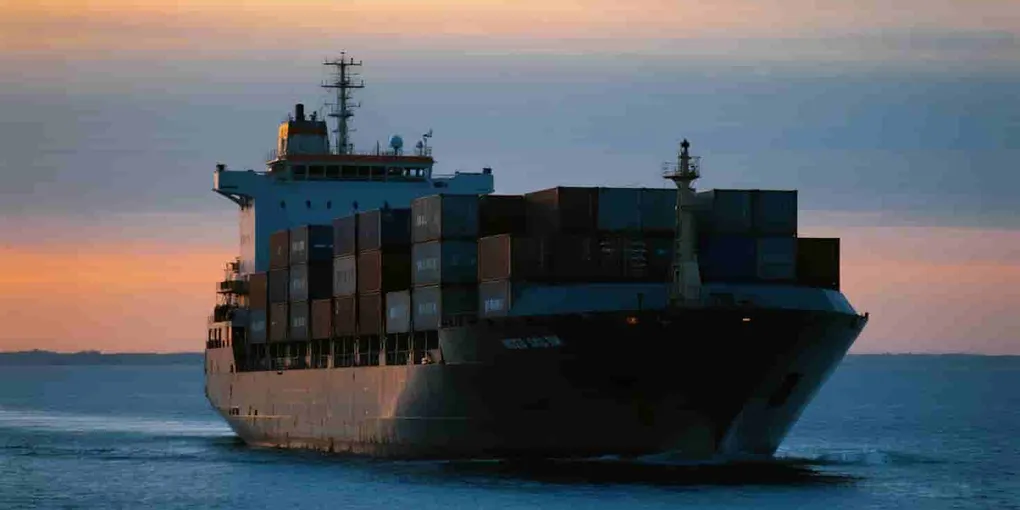
Shipping containers from China to Brazil is notoriously complex. Between unpredictable transshipment delays, fluctuating ocean freight rates, and Brazil’s famously strict customs regulations (Receita Federal), importers and exporters face significant supply chain risks.
This guide is designed to solve these exact problems. Whether you are shipping electronics from Shenzhen to Santos or machinery from Shanghai to Rio de Janeiro, this article breaks down the exact cost structures, realistic transit times, and the critical customs compliance steps (like RADAR registration and NCM codes) you must prepare for in 2026.
Route Overview: Port-to-Port vs. Door-to-Door
When shipping from China to Brazil, Sea Freight is the only viable option for large commercial shipments. You have two primary logistics models to choose from:
- Port-to-Port (FOB/CIF): You or your supplier handle origin logistics, and you manage the complex Brazilian destination customs and inland trucking. Best for large enterprises with their own Brazilian customs brokers.
- Door-to-Door (DAP): The freight forwarder handles everything from the Chinese factory to your Brazilian warehouse (excluding import duties, which must be paid by the Brazilian receiver). Ideal for SMEs who want to avoid surprise destination port fees.
Sea Freight Decision Framework
| Scenario | Recommended Mode | Why? |
|---|---|---|
| Cargo > 15 CBM | FCL (20ft/40ft) | Lowest cost per unit, less handling risk, faster unloading at Santos. |
| Cargo 2–15 CBM | LCL (Consolidated) | Pay only for the space you use. Note: Deconsolidation in Brazil adds 3-7 days. |
| Urgent/High Value | Air Freight | Transit in 5-8 days, but costs 5x-10x more than Sea Freight. |
| Oversized Machinery | OOG / Breakbulk | Specialized Flat Rack or Open Top containers for cargo exceeding standard dimensions. |
2026 Freight Rates: China to Brazil (FCL)
Ocean freight rates to South America are highly sensitive to peak seasons (August-November) and shipping space availability. Below are the current estimated FCL rates from major Chinese hubs to key Brazilian ports.
Estimated Cost for 20ft & 40ft Containers
| Origin (China) | Destination (Brazil) | 20ft Container (USD) | 40ft / 40HQ (USD) | Remarks |
|---|---|---|---|---|
| Shanghai | Santos | $2,200 – $2,800 | $3,900 – $4,700 | Direct or via Singapore |
| Shenzhen | Rio de Janeiro | $2,450 – $2,950 | $4,200 – $4,950 | Heavy port congestion possible |
| Ningbo | Itajaí | $2,300 – $2,900 | $3,950 – $4,800 | Strong for reefer/agri cargo |
| Qingdao | Paranaguá | $2,500 – $3,100 | $4,300 – $5,100 | Transshipment required |
Standards & Influencing Factors:
- Fluctuation Sources: Rates typically spike during pre-holiday rushes or when shipping lines implement GRIs (General Rate Increases) or PSS (Peak Season Surcharges).
- Included: Basic Ocean Freight (Port-to-Port).
- Excluded: Origin THC (Terminal Handling Charges), Export Customs, Brazilian Destination Port Fees (Capatazia), Import Duties (II, IPI, ICMS), and Inland Delivery.
Transit Times and Uncertainty Factors
The journey from China to Brazil is long, crossing either the Indian Ocean/Cape of Good Hope or the Pacific/Panama Canal.
| Route | Average Transit Time | Risk Factors for Delays |
|---|---|---|
| Shanghai to Santos | 33–38 Days | Port congestion at Santos, weather delays. |
| Shenzhen to Rio de Janeiro | 36–44 Days | Transshipment delays in Singapore or South Africa. |
| Ningbo to Itajaí | 37–45 Days | Wait times for feeder vessels. |
Trench Knowledge: Never plan your supply chain on the “best-case scenario.” Always buffer an extra 7-10 days for Brazil shipments. Transshipment rollovers (cargo bumped to the next vessel) and Brazilian customs strikes (Receita Federal) are common sources of time fluctuations.
Brazilian Customs Clearance & Compliance Risks
Brazil has one of the most bureaucratic customs systems in the world. A single typo can lead to heavy fines or cargo abandonment.
Mandatory Document Checklist
- Original Bill of Lading (OBL): Critical Risk: Brazil does not accept Sea Waybills or Telex Releases. You must ensure physical, original BLs are couriered to the Brazilian importer before the vessel arrives.
- Commercial Invoice & Packing List: Must be meticulously detailed, signed in blue ink (often required), and exactly match the BL.
- RADAR License: The Brazilian importer must be registered in the Siscomex system (RADAR) before the cargo departs China. Shipping without it guarantees cargo confiscation.
- NCM Code (Mercosul Nomenclature): The HS code used in China must perfectly translate to the correct Brazilian NCM code. NCM mismatch triggers heavy fines (often 1% of customs value) and weeks of delays.
Compliance Statement
Disclaimer: The above information regarding taxes, NCM codes, and Siscomex is for logistical planning purposes only and does not constitute legal or tax advice. Customs policies change frequently; always consult with a licensed Brazilian customs broker or official Receita Federal guidelines before shipping.
Shipping Vehicles: Container vs. RoRo to Brazil
A major volume of exports from China to Brazil involves vehicles (EVs, trucks, and construction equipment). If you are shipping vehicles, you face a critical choice: Container Shipping or RoRo (Roll-on/Roll-off).
- RoRo (Roll-on/Roll-off): Vehicles are driven directly onto a specialized ship. This is the most cost-effective method for large fleets or oversized machinery (like mining equipment) that cannot fit in a container. However, RoRo sailings from China to Brazil are less frequent (often monthly), and vehicles are exposed to more handling during loading/unloading.
- Container Shipping (20ft/40ft/40HQ): Best for 1-3 standard cars or high-value vehicles. The car is secured inside the container in China and isn’t opened until it reaches the Brazilian warehouse. This offers maximum security against damage and theft, and scheduling is much more flexible because container ships sail weekly.
Why Do Freight Quotes Vary So Much? (The CIF Trap)
Many importers are confused when they receive two quotes for shipping from China to Brazil: one for $2,000 and another for $800. Why the massive gap?
The Trap: The $800 quote is usually a “CIF (Cost, Insurance, and Freight)” trap. Unscrupulous forwarders will quote an artificially low ocean freight rate to get your business in China. However, once your container arrives in Santos or Paranaguá, their destination agent will hold your Bill of Lading hostage and charge your Brazilian consignee exorbitant Destination Fees (such as inflated Capatazia, document fees, and deconsolidation charges). The final cost ends up being much higher than the $2,000 quote.
How to avoid this: Always ask for a DAP (Delivered at Place) quote or a full breakdown of Destination Port Charges before booking.
How Dantful.US Protects Your Brazil Supply Chain
Rather than relying on empty marketing promises, Dantful.US focuses on active risk control and transparent pricing. Here is exactly how our operations team secures your shipments to Brazil:
Exception Handling & Routing: Whether managing OOG Freight for heavy machinery or Consolidated Freight for SMEs, we actively monitor transshipment nodes to minimize cargo rollover risks during peak seasons, rather than just handing you a tracking number.
Itemized Quotes (Preventing Destination Shocks): Many forwarders quote artificially low CIF prices, leaving your Brazilian consignee to face inflated Capatazia (terminal handling) and release fees. We provide a line-by-line breakdown of Origin, Ocean, and Destination charges before you book.
Pre-Loading Document Audits: Brazil’s Receita Federal penalizes typos with heavy fines. Before your container leaves Shanghai or Shenzhen, our compliance team cross-checks your Commercial Invoice, Packing List, NCM Codes, and the consignee’s RADAR status to prevent costly customs holds.
FAQs
Q1: Can I ship a container to Brazil if I don’t have a RADAR license yet?
A: No. Your cargo cannot be cleared through Brazilian customs without the consignee having an active RADAR license registered in the Siscomex system. If the cargo arrives and the consignee does not have RADAR, the container will be stuck at the port incurring massive demurrage fees, and will eventually be confiscated by Receita Federal (Brazilian Customs). Always secure RADAR before the container leaves China.
Q2: What is the difference between NCM and HS Codes?
A: While they are similar, they are not identical. The HS (Harmonized System) code is an international 6-digit standard. The NCM (Mercosul Common Nomenclature) is an 8-digit code specific to Brazil and other Mercosur countries. You must ensure the Chinese HS code correctly maps to the Brazilian NCM code. A mismatch on the Commercial Invoice will result in severe fines during import clearance.
Q3: Does Dantful.US accept Sea Waybills or Telex Releases for Brazil shipments?
A: No. Brazilian customs strictly requires the Original Bill of Lading (OBL) signed in blue ink for customs clearance. Telex releases or Sea Waybills are not accepted by Receita Federal and will lead to immediate clearance rejection and cargo holds. You must courier the physical OBL directly to your Brazilian importer before the vessel arrives.
Q4: Why did my LCL shipment take 10 days longer than the FCL transit time?
A: LCL (Less than Container Load) shipments require consolidation in China and deconsolidation (unpacking) upon arrival at a Brazilian port like Santos. The deconsolidation process in Brazil is highly bureaucratic and typically adds 5 to 10 days to the total transit time compared to an FCL (Full Container Load) shipment, which can be moved directly out of the port.
Q5: Can I ship wooden packaging materials (like pallets) to Brazil?
A: Yes, but it is heavily regulated. All solid wooden packaging materials (pallets, crates, dunnage) must be treated and certified according to the ISPM 15 standard (usually heat-treated and stamped with the IPPC mark). Additionally, Brazil requires a fumigation certificate. If untreated wood is found, the Brazilian Ministry of Agriculture (MAPA) will force you to return the cargo to China or destroy it at your expense.
Get Your Transparent China-Brazil Quote
Copy and paste the list below and share your cargo details with us for an accurate, itemized quote:
- Product Name & NCM/HS Code:
- Total Piece Count & Packaging (Cartons/Pallets):
- Gross Weight (KG) & Total Volume (CBM):
- Battery/Liquid/Hazardous? (Yes/No):
- Origin (Chinese City/Factory Zip):
- Destination (Brazilian Port or Door Zip Code):
- Trade Terms (FOB, EXW, DAP):
- Do you need Cargo Insurance? (Yes/No):
- Does the Consignee have a valid RADAR License? (Yes/No):
Contact us today for a free, actionable Door-to-Door or Port-to-Port shipping strategy tailored to your business.
Get A Free Shipping Quote