

Are you wondering how much is shipping from China to Canada and what factors impact the cost? Understanding the complexities of international shipping, from freight methods to customs regulations, is crucial for smooth delivery and cost efficiency. In this comprehensive guide, we’ll break down the main shipping methods, cost factors, typical transit times, and expert tips to help you save money and make informed choices for your China–Canada shipments.
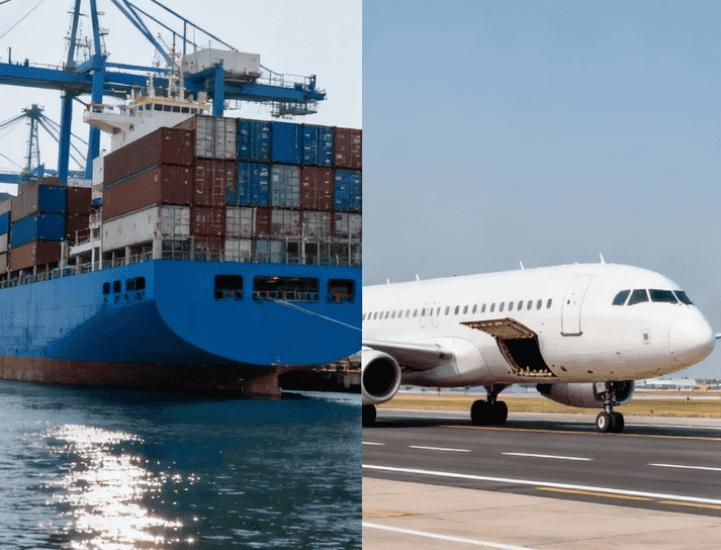
Main Shipping Methods from China to Canada
When considering how much is shipping from China to Canada, it’s essential to understand the main international logistics options available. Each shipping method has its own characteristics, cost structures, and suitability for different types of cargo and business needs. For further information on Canadian import logistics, you may also refer to this guide on Shipping from China to Canada.
Sea Freight (FCL, LCL)
Sea Freight is the backbone of global trade between China and Canada. It is highly cost-effective for bulky, heavy, or non-urgent shipments. There are two primary sea freight options:
- Full Container Load (FCL): You reserve and use the entire container (20ft, 40ft, 40HQ, or 45HQ). FCL is ideal for larger shipments, offering better security, faster handling, and fixed per-container rates.
- Less than Container Load (LCL): Your cargo shares container space with other shipments. LCL suits smaller loads, providing flexibility and lower costs for shipments less than a full container.
Major Chinese Ports: Shanghai, Shenzhen, Ningbo, Qingdao, Guangzhou
Major Canadian Ports: Vancouver, Toronto, Montreal
Typical Sea Freight Transit Times:
| Route | Transit Time (Days) |
|---|---|
| Shanghai → Vancouver | 14–18 |
| Shenzhen → Vancouver | 15–20 |
| Shanghai → Toronto (with rail) | 25–30 |
| Ningbo → Montreal | 26–32 |
Air Freight
Air Freight provides the fastest delivery from China to Canada, making it the best choice for urgent, high-value, or perishable cargo. It’s more expensive than sea freight but offers transit times as fast as 2–7 days to major airports.
Major Chinese Airports: Shanghai (PVG), Beijing (PEK), Guangzhou (CAN), Shenzhen (SZX)
Major Canadian Airports: Toronto Pearson (YYZ), Vancouver (YVR), Montreal (YUL)
Advantages:
- Fastest transit times
- High security for valuable goods
- Reliable scheduling
Express Courier Services
Express courier services—such as DHL, FedEx, UPS, and TNT—offer door-to-door delivery for small parcels and documents. These services are ideal for shipments under 100 kg or e-commerce packages requiring fast, fully tracked delivery.
Transit time: 3–6 days on average
Door-to-Door Shipping
Door-to-door shipping (including DDP and DDU options) provides end-to-end logistics, covering pickup in China, international transportation, customs clearance, and final delivery anywhere in Canada. This method simplifies the shipping process, especially for first-time importers or those seeking hassle-free logistics.
Dantful.US International Logistics specializes in one-stop, high-quality door-to-door shipping solutions, ensuring cost-effective and seamless delivery for global traders. For more details about this service specifically for Canada, visit Door to Door Shipping from China to Canada.
Cost Breakdown by Shipping Method
Understanding how much is shipping from China to Canada depends on your chosen logistics method. Below is a detailed cost breakdown for each major shipping mode:
Sea Freight: 20ft & 40ft Container Rates, LCL Pricing
Sea freight rates fluctuate based on fuel prices, seasonal demand, route, and container type. Below is a sample of recent market average rates (Q4 2025) for main routes:
| Container Type | Route (China → Canada) | Estimated Base Rate (USD)¹ | Capacity (CBM) |
|---|---|---|---|
| 20ft FCL | Shanghai → Vancouver | $2,100 – $2,500 | 28 |
| 40ft FCL | Shanghai → Vancouver | $3,800 – $4,300 | 56 |
| 40HQ FCL | Shenzhen → Montreal | $4,600 – $5,200 | 68 |
| LCL (per CBM) | Ningbo → Toronto | $40 – $65 (min. 1 CBM) | Shared |
- FCL: Fixed rate per container, best for maximizing space and cost efficiency for full loads. For further pricing details, you can also check 20 ft Container Shipping Cost from China to Canada and Cost of Shipping 40ft Container from China to Canada.
- LCL: Charged per cubic meter (CBM), ideal for shipments too small to fill a container.
¹Note: Actual rates may vary based on season, surcharges, and cargo type. Contact Dantful.US International Logistics for the latest, most competitive offers.
Air Freight: Per KG Rates, Express Costs
Air freight rates are set per kilogram. The cost depends on the chargeable weight (actual vs. volumetric), cargo type, and route.
| Weight Tier | Route (China → Canada) | Standard Air Freight (USD/KG) | Express Air Courier (USD/KG) |
|---|---|---|---|
| 45–99 KG | Shanghai → Toronto | $5.50 – $8.50 | $8.00 – $15.00 |
| 100–300 KG | Guangzhou → Vancouver | $4.80 – $7.00 | $7.00 – $13.00 |
| 300+ KG | Shenzhen → Montreal | $4.20 – $6.00 | $6.50 – $12.00 |
- Standard air freight: For commercial cargo, offers lower rates but may require airport pickup.
- Express courier: Includes full door-to-door service, customs clearance, and tracking; higher cost, ideal for urgent or small shipments.
Courier and Postal Rates for Small Parcels
For packages under 30 kg, international courier or postal services are quick and reliable. Below are typical rates for smaller shipments:
| Weight Range | Express Courier (USD)² | EMS/Postal Service (USD) |
|---|---|---|
| 0.5 – 2 KG | $35 – $55 | $25 – $35 |
| 2 – 5 KG | $55 – $120 | $40 – $65 |
| 5 – 10 KG | $120 – $220 | $65 – $110 |
| 10 – 20 KG | $220 – $350 | $110 – $200 |
- Express courier: Features track & trace, fast delivery (3–6 days), and full customs clearance.
- EMS or China Post: Cheaper but slower (7–15 days), limited tracking, best for non-urgent parcels.
²Rates vary by city of origin and delivery address in Canada.
Choosing the right shipping method is crucial. For high-volume, non-urgent goods, sea freight is the most cost-effective, especially FCL. For urgent or valuable items, air freight or express courier is recommended. If you are a first-time importer or require seamless service, door-to-door shipping via a trusted partner like Dantful.US International Logistics ensures compliance, efficiency, and competitive pricing.
For tailored quotes and expert logistics solutions from China to Canada, contact our Dantful.US team. We offer sea, air, rail, road, Amazon FBA, warehouse, customs clearance, insurance, and consolidated freight services—helping your business thrive in global markets.
Related reading: For those shipping to the USA, see Shipping from China to USA.
Key Factors Affecting Shipping Costs
When evaluating how much is shipping from China to Canada, it’s essential to understand the key factors that influence your logistics expenses. As an experienced freight forwarder, I consider the following variables crucial for accurate cost estimation:
Cargo Type, Weight, and Dimensions
The nature of your goods—whether they are general cargo, hazardous materials, oversized machinery, or perishable products—directly impacts shipping prices. Both weight (measured in kilograms) and dimensions (volume in CBM) determine your chargeable shipping weight for most methods:
- For air freight, rates are usually calculated per kilogram, with the higher value between gross weight and volumetric weight used.
- For sea freight (LCL – Less than Container Load), you’re billed per cubic meter (CBM).
- For FCL (Full Container Load), you pay for the entire container (20FT, 40FT, 40HQ, 45HQ), regardless of actual load, within maximum capacity limits.
Container Capacity Table:
| Container Type | Capacity (CBM) | Typical Use |
|---|---|---|
| 20FT | 28 | Small to medium shipments |
| 40FT | 56 | Larger volume shipments |
| 40HQ | 68 | Bulky/light cargo, higher volume loads |
| 45HQ | 78 | Extra-long, high-volume shipments |
Choosing the correct container size or LCL arrangement optimizes cost per unit and minimizes wasted space.
Origin and Destination Ports
The distance between your Chinese port of origin (such as Shanghai, Shenzhen, or Ningbo) and your Canadian port of arrival (such as Vancouver, Montreal, or Toronto) significantly affects shipping costs and transit times.
Hot tip: Major ports often offer more competitive rates and faster sailings due to high shipping volumes and frequent vessel schedules.
Port-to-Port vs. Door-to-Door
Shipping rates vary based on the chosen service scope:
- Port-to-Port: You handle local trucking, customs, and final delivery yourself. This option is usually cheaper but requires more logistic coordination.
- Door-to-Door: The freight forwarder manages the entire process, including pickup, main transport, customs clearance, and final delivery to your location in Canada. This offers convenience and transparency but usually comes at a premium. Learn more about Door to Door Shipping and how it streamlines your supply chain.
Seasonal Demand and Fuel Prices
Peak seasons—such as pre-holiday periods, back-to-school, or major international trade shows—typically see a surge in shipping demand, driving prices higher. Additionally, global fluctuations in fuel prices (bunker adjustment factor, or BAF) can affect both ocean and air freight rates.
Staying flexible with your shipping dates and booking early can help you secure better rates.
Customs Duties, Taxes, and Documentation
Beyond base freight charges, importing into Canada incurs extra costs:
- Customs Duties: Vary by product HS code.
- Goods and Services Tax (GST) and potential provincial taxes.
- Customs brokerage fees.
- Required documents: Commercial Invoice, Bill of Lading, Certificate of Origin, and sometimes product-specific certificates.
Proper documentation and compliance are vital for avoiding delays and unexpected costs. Working with a reliable freight forwarder like Dantful.US International Logistics ensures precise paperwork and smooth customs clearance.
Popular Shipping Routes and Transit Times
When planning your logistics, understanding typical routes and transit times from China to Canada helps you balance cost and speed.
Typical Transit Times for Each Route and Method
Below is an overview of average transit times based on shipping modes and main port pairs:
| Origin Port (China) | Destination Port (Canada) | Sea Freight (FCL/LCL) | Air Freight | Express Courier |
|---|---|---|---|---|
| Shanghai | Vancouver | 13-18 days | 2-4 days | 3-7 days |
| Shenzhen | Vancouver | 14-19 days | 2-4 days | 3-7 days |
| Ningbo | Toronto | 23-28 days | 3-5 days | 4-8 days |
| Qingdao | Montreal | 25-30 days | 3-5 days | 4-8 days |
- Sea freight is ideal for large and non-urgent shipments, offering the lowest per-unit cost. You can also review more about available Shipping Routes from China to Canada.
- Air freight is best when time is critical or for high-value, lightweight goods.
- Express couriers (such as DHL, FedEx, UPS) provide the fastest delivery for parcels and urgent cargo, but at a premium.
Pro Tip: Actual transit times may fluctuate due to port congestion, weather, customs processes, and carrier schedules. Always consult with your freight forwarder for the latest estimates.
By understanding these key factors, you can make informed decisions and optimize your shipping strategy from China to Canada. At Dantful.US International Logistics, we leverage our expertise in sea freight, air freight, express, warehouse, customs clearance, and more to offer cost-effective, efficient, and tailored solutions for every business type. Contact us for a tailored quotation and experience hassle-free international shipping!
How to Reduce Shipping Costs
Reducing shipping costs when importing from China to Canada is a primary concern for many businesses. Drawing on my experience as a freight forwarding expert, I recommend the following strategies that are both effective and practical:
Booking during off-peak seasons
Shipping rates fluctuate throughout the year, largely due to supply and demand. If your supply chain allows flexibility, booking your shipments during off-peak seasons can lead to significant savings.
- Peak seasons usually occur before major holidays such as Chinese New Year (January/February) and Golden Week (early October), as well as before the Christmas retail season (late summer to fall). During these periods, rates for sea freight, air freight, and express courier services tend to rise sharply due to capacity constraints.
- Off-peak seasons are typically from March to May and November to early December. During these months, shipping costs are generally lower, and there is more space availability.
Pro Tip: Planning shipments well in advance and avoiding last-minute bookings can also help secure better rates and avoid surcharges.
Comparing freight forwarders and shipping companies
Not all freight forwarders or shipping companies offer the same services, rates, or reliability. Comparing service providers is crucial for cost optimization.
- Request detailed quotes: Obtain itemized quotes from multiple forwarders, including details on base rates, surcharges, documentation fees, and destination charges.
- Evaluate service offerings: Some forwarders, like Dantful.US International Logistics, provide value-added services such as warehouse consolidation, customs clearance, and cargo insurance. Bundling these services can reduce your overall logistics cost.
- Check credentials and network: Work with reputable companies with strong track records and global networks. This minimizes risk and potential hidden costs.
- Technology & transparency: Choose forwarders with online tracking and transparent billing, which can save time and reduce unexpected expenses.
Choosing the right shipping method for your needs
Selecting the most suitable shipping method depends on the nature of your goods, shipment volume, budget, and time constraints:
- Sea Freight: Ideal for large cargo (over 2 CBM or 200 KG), less time-sensitive shipments, or bulky goods. FCL is cost-effective for full loads, while LCL suits smaller shipments. For consolidated options, you might consider LCL Shipping from China to Canada.
- Air Freight: Suitable for urgent, high-value, or perishable goods. Higher cost but shorter transit times (usually 3–7 days). See also Air freight from China to Canada for detailed rates and services.
- Express Courier Services: Best for small parcels or samples requiring fast delivery (2–5 days), but at a premium rate.
- Door-to-Door Shipping: Offers convenience and often includes customs clearance, making it attractive for e-commerce sellers and SMEs.
Shipping Methods Comparison Table
| Shipping Method | Cost Effectiveness | Speed | Suitable Cargo | Typical Transit Time (China–Canada) |
|---|---|---|---|---|
| Sea Freight (FCL/LCL) | High | 15–35 days | Bulk, non-urgent | 15–35 days |
| Air Freight | Moderate/Low | 3–7 days | Valuable, urgent | 3–7 days |
| Express Courier | Low | 2–5 days | Small, urgent parcels | 2–5 days |
| Door-to-Door | Moderate/High | 7–20 days | Most cargo types | 7–20 days |
Customs Clearance and Required Documentation
Navigating customs clearance is a crucial part of international shipping from China to Canada. Proper documentation not only speeds up the process but also helps avoid penalties and delays.
Commercial Invoice, Bill of Lading, Certificate of Origin
Essential documents for customs clearance include:
- Commercial Invoice: Provides detailed information about the goods, including value, description, quantity, and incoterms. It forms the basis for customs valuation.
- Bill of Lading (B/L): The official contract of carriage between shipper and carrier. For sea freight, this document is mandatory and needed for cargo release at destination.
- Certificate of Origin: Certifies the country where the goods were manufactured. In some cases, it enables importers to benefit from reduced tariffs under trade agreements.
Additional documents may include:
- Packing List
- Import/Export Licenses
- Insurance Certificates
- HS Code Declaration
Tips for smooth customs processing
- Accurate documentation: Ensure all paperwork is complete, accurate, and consistent. Discrepancies can cause clearance delays or fines.
- Proper HS Code usage: Declare the correct HS Code for each product to determine applicable duties and taxes.
- Understand Canadian regulations: Some goods require permits or are subject to restrictions (e.g., food, chemicals, electronics). Check with Canada Border Services Agency (CBSA) for specific requirements.
- Work with experienced forwarders: Companies like Dantful.US International Logistics have dedicated customs brokerage teams, which can guide you through the process, minimizing errors and expediting clearance.
Choosing a Reliable Freight Forwarder or Shipping Company
Selecting the right freight forwarder is one of the most important decisions you will make for your international shipments. Here are some key considerations:
- Experience and Reputation: Look for companies with extensive experience in the China–Canada trade lane. Check client testimonials, certifications, and industry affiliations.
- Comprehensive Services: A one-stop provider like Dantful.US International Logistics offers a full spectrum of services, including sea freight, air freight, rail freight, road freight, Amazon FBA, warehousing, customs clearance, insurance, door-to-door, and specialized cargo solutions (e.g., OOG, consolidated, breakbulk freight).
- Transparent Pricing: Avoid hidden fees by working with forwarders that provide clear, detailed quotes.
- Technology and Tracking: Modern forwarders offer online platforms for shipment tracking, document management, and real-time updates.
- Customer Support: Reliable, accessible support throughout the shipping process ensures quick resolution of issues.
- Global Network: Extensive agent networks in both China and Canada facilitate efficient handling and local expertise at each end.
Why Choose Dantful.US International Logistics?
- Dantful.US stands out as a highly professional, cost-effective, and high-quality one-stop international logistics service provider for global traders.
- We understand the unique challenges of shipping between China and Canada, and our team is dedicated to providing tailored solutions, competitive rates, and full visibility at every step.
- Our services cover all your needs—from container shipping to door-to-door delivery, customs brokerage, insurance, and more.
Ready to optimize your shipments from China to Canada? Contact Dantful.US International Logistics for a free consultation and discover how we can help you save time, reduce costs, and ensure a smooth shipping experience.
Leave a reply