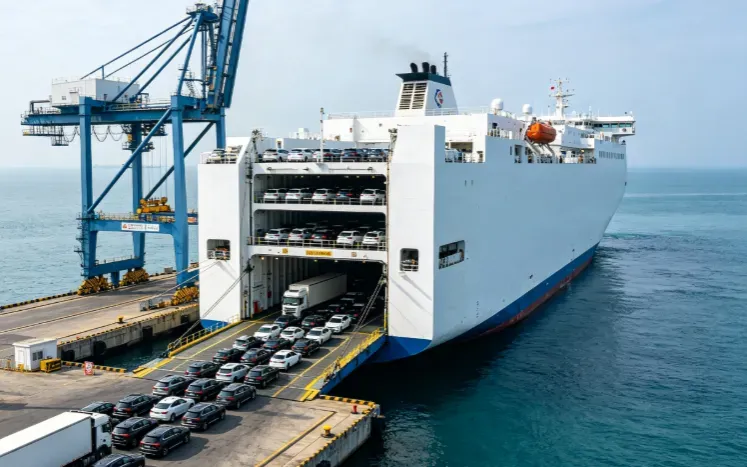
If you’re planning a move to the islands, one of the first questions you’ll ask is how much does it cost to ship a car to Hawaii. The short answer: anywhere from $1,000 to over $5,000, depending on where you’re shipping from, which method you choose, and what kind of vehicle you drive. But the real question isn’t just the sticker price — it’s whether you’re getting a fair quote, what’s actually included, and which hidden fees might ambush you at the port.
As international freight forwarding professionals with over 15 years of experience, we’ve seen too many first-time shippers blindsided by fuel surcharges they weren’t told about, port storage fees they didn’t budget for, and agricultural inspection rejections that delayed their pickup by days. This guide pulls back the curtain on every cost component, every decision point, and every insider strategy you need to ship your car to Hawaii with confidence — and without overpaying.
How Much Does It Cost to Ship a Car to Hawaii?
The average cost to ship a car to Hawaii in 2025–2026 sits between $1,200 and $2,700, but that number shifts dramatically based on four variables: your departure port, your vehicle type, your shipping method, and your service level. Below, we break each one down so you can pinpoint exactly where your quote should land.
Port-to-Port Cost by Route
Your departure port is the single biggest cost driver. West Coast ports offer the shortest sailing distance and therefore the lowest rates. If you’re shipping from the Midwest or East Coast, you’ll need to factor in overland transport to a West Coast terminal — or pay a premium for a door-to-port service.
| Origin Port | Destination | RoRo (Standard Sedan) | Container (Standard Sedan) |
|---|---|---|---|
| Los Angeles / Long Beach, CA | Honolulu, Oahu | $1,500 – $1,800 | $2,000 – $2,500 |
| Oakland / San Francisco, CA | Honolulu, Oahu | $1,200 – $1,600 | $1,800 – $2,300 |
| San Diego, CA | Honolulu, Oahu | $1,650 – $1,900 | $2,000 – $2,500 |
| Seattle / Tacoma, WA | Honolulu, Oahu | $1,600 – $1,900 | $1,900 – $2,400 |
| Chicago, IL (incl. inland transport) | Honolulu, Oahu | $2,000 – $2,400 | $2,500 – $3,200 |
| New York, NY (incl. inland transport) | Honolulu, Oahu | $2,200 – $2,600 | $2,700 – $3,500 |
| Miami, FL (incl. inland transport) | Honolulu, Oahu | $2,300 – $2,700 | $2,800 – $3,600 |
Neighbor island surcharge: Shipping to Maui (Kahului), Big Island (Hilo/Kona), or Kauai (Nawiliwili) adds $200–$500 for inter-island barge service from Honolulu. Plan for an additional 4–14 days in transit.
Cost by Vehicle Type & Size
Larger, heavier vehicles take up more deck space or container volume — and you pay for it. Here’s how pricing scales by vehicle category:
| Vehicle Type | RoRo (West Coast → Honolulu) | Container (West Coast → Honolulu) |
|---|---|---|
| Compact / Standard Sedan | $1,200 – $1,800 | $1,800 – $2,500 |
| Mid-Size SUV / Crossover | $1,400 – $2,000 | $2,000 – $2,800 |
| Full-Size SUV / Truck | $1,600 – $2,400 | $2,300 – $3,200 |
| Oversized (Lifted, Dually, Extended Cab) | $2,000 – $3,000+ | $2,800 – $4,500+ |
| Motorcycle | $500 – $900 | $800 – $1,200 |
| Inoperable Vehicle | $1,800 – $2,500 | $2,500 – $3,500 |
Cost by Shipping Method
| Method | Cost Range (West Coast → Honolulu) | Best For |
|---|---|---|
| RoRo (Roll-on/Roll-off) | $1,200 – $1,900 | Budget-conscious, standard daily drivers |
| Shared Container | $1,800 – $2,500 | Mid-range vehicles needing basic protection |
| Dedicated Container (20 ft) | $2,500 – $4,500 | Luxury, classic, or high-value cars |
| Dedicated Container (40 ft) | $3,500 – $5,500+ | Shipping 2 vehicles or car + household goods |
Cost by Service Level
| Service Level | Cost Add-On (vs Port-to-Port) | Convenience |
|---|---|---|
| Port-to-Port | Baseline — cheapest | You handle drop-off and pickup at docks |
| Door-to-Port | +$200 – $600 | Carrier picks up from your location; you pick up at Hawaii port |
| Port-to-Door | +$300 – $800 | You drop at mainland port; carrier delivers to Hawaii address |
| Door-to-Door | +$500 – $1,500+ | Full white-glove service — most convenient, most expensive |
What’s Included vs. What’s Extra
One of the biggest frustrations we hear: “The quote said $1,500, but I ended up paying over $1,900.” Here’s why. Always ask potential carriers to clarify what their quote covers:
| Typically INCLUDED | Typically NOT Included (Ask!) |
|---|---|
| Ocean freight base rate | Fuel surcharge (BAF) — can fluctuate monthly |
| Basic carrier liability insurance | Port terminal handling charges ($100–$300) |
| Standard loading and unloading | Agricultural inspection fee ($25–$75) |
| Standard port fees | Port storage ($25–$50/day after free period, usually 3–5 days) |
| Vehicle cleaning fee (if your car fails inspection) | |
| Inter-island barge transfer (for neighbor islands) | |
| Inland trucking to/from ports |
A reputable provider will give you an all-inclusive quote upfront. If a rate looks suspiciously low, it’s probably a base-rate-only quote — ask what’s missing before you book.
RoRo vs. Container Shipping: Which Method Is Best for Your Car?
Choosing between RoRo and container shipping is the most important method decision you’ll make. It affects your cost, your car’s protection, and whether you can pack personal belongings alongside your vehicle.
How RoRo (Roll-on/Roll-off) Works
With RoRo, your car is driven directly onto a specialized vessel, secured on a dedicated vehicle deck, and driven off at the destination port. It’s the same method automakers use to ship thousands of vehicles globally.
Advantages:
- Cheapest option — $500–$1,500 less than container shipping for the same route
- Faster scheduling — more frequent sailings, quicker loading/unloading
- Simpler logistics — no crane coordination, no container booking
Disadvantages:
- Exposed to the elements — your car sits on an open or semi-enclosed deck, subject to salt air, sea spray, and weather
- No personal items allowed — nothing can be left inside the vehicle (US Coast Guard regulation)
- Port-to-port only — RoRo terminals are limited to major ports
How Container Shipping Works
With container shipping, your vehicle is loaded into a sealed steel shipping container — either sharing space with other cargo (shared container) or occupying the entire container alone (dedicated container).
Advantages:
- Fully enclosed protection — zero exposure to weather, salt air, or accidental contact
- Personal items allowed — you can pack household goods inside the same container (must be declared and properly secured)
- Higher security — the sealed container adds a layer of theft and tampering protection
Disadvantages:
- 35–50% more expensive than RoRo
- Longer lead times — container space must be booked further in advance, especially during peak season
- More complex coordination — requires crane loading, chassis arrangements, and terminal scheduling
Head-to-Head Comparison
| Factor | RoRo | Container |
|---|---|---|
| Cost | ✅ $1,200–$1,900 | ❌ $1,800–$5,500+ |
| Vehicle Protection | ❌ Exposed (open deck) | ✅ Fully enclosed |
| Transit Time | ✅ 7–10 days (West Coast → Oahu) | 10–21 days |
| Personal Items Allowed | ❌ No | ✅ Yes (declared & secured) |
| Insurance Cost | Lower premium | Higher premium (higher cargo value) |
| Best For | Daily drivers, standard vehicles | Luxury, classic, modified, high-value |
| Available Ports | Long Beach, Oakland, Seattle, San Diego | Same + broader port options |
Which Method Should YOU Choose?
- Budget-first shipper with a standard car? → RoRo, port-to-port, from the closest West Coast port.
- Shipping a luxury, classic, or collector vehicle? → Dedicated container. The extra $1,500–$2,500 is cheap insurance against salt corrosion and handling damage.
- Moving household goods AND a car simultaneously? → Shared or dedicated container lets you consolidate both into one shipment — often cheaper than shipping them separately.
- Tesla, Rivian, or plug-in hybrid owner? → Check carrier policies first. Matson suspended EV transport in July 2025. Pasha Hawaii still accepts EVs with a $275 surcharge and a maximum 30% battery charge.
The RoRo vs. container decision isn’t unique to Hawaii — the same tradeoff applies when shipping car from China to USA cost RORO or container, though international shipments involve customs clearance and longer transit windows.
The Complete Step-by-Step Car Shipping Process & Timeline
Understanding how to ship a car to Hawaii step by step helps you plan realistically and avoid expensive last-minute scrambles. Here’s the full journey, from booking to driving on island roads.
Phase 1: Research & Booking (4–6 Weeks Before)
- Request quotes from at least 3–5 providers — ideally a mix of direct carriers (Matson, Pasha Hawaii) and an experienced freight forwarder who can negotiate on your behalf.
- Verify each provider’s FMCSA registration and cargo insurance coverage. If a broker, check their MC number on the FMCSA database.
- Lock in your booking. Peak season (May–September + December) often requires 6–8 weeks’ advance booking.
Phase 2: Vehicle Preparation (1–2 Weeks Before Drop-off)
This is where most delays originate. Hawaii’s agricultural inspection is notoriously strict — your car must be clean enough to pass on the first attempt.
Pre-shipment checklist:
- Deep clean — interior, exterior, undercarriage, wheel wells, and engine bay. Any soil, plant matter, seeds, or insects will cause a rejection at the Hawaii port.
- Fuel level — no more than ¼ tank (US Coast Guard safety regulation)
- Check for leaks — oil, coolant, transmission fluid — any active leak is a red flag
- Disable alarms and remove toll tags, garage door openers
- Check battery is secure and fully charged; tires properly inflated
- EV owners: confirm your carrier’s current EV policy and charge the battery to no more than 30–45%
- Document everything: take 20+ timestamped photos and a walk-around video of every panel, angle, and the interior — this is your insurance claim evidence if anything goes wrong
- Gather documents: original vehicle title (front and back), current registration, government-issued photo ID, and — if the vehicle is financed — a notarized lienholder authorization letter
Phase 3: Drop-off at the Mainland Port
You’ll deliver your vehicle to the carrier’s designated terminal. Major departure ports for Hawaii-bound vehicles:
| Port | Frequency | Notes |
|---|---|---|
| Long Beach, CA | 2–3 sailings/week | Busiest route; book earliest |
| Oakland, CA | 1–2 sailings/week | Often competitively priced |
| San Diego, CA | 1–2 sailings/week | Pasha Hawaii’s home port |
| Seattle / Tacoma, WA | 1 sailing/week | Best for Pacific Northwest shippers |
At drop-off, the carrier performs a joint inspection and records the vehicle’s condition on the Bill of Lading (BOL). Review this document carefully before you sign — any pre-existing damage you don’t flag on the BOL is nearly impossible to claim later. Leave a full set of keys.
Phase 4: Ocean Transit (7–14 Days)
- West Coast → Honolulu: 7–10 days sailing time
- To neighbor islands: add 4–14 days for inter-island barge transfer via Young Brothers
- Most major carriers offer online tracking — ask about this when booking
Phase 5: Arrival & Pickup in Hawaii
Your car arrives at one of Hawaii’s commercial ports:
| Island | Port |
|---|---|
| Oahu | Honolulu Harbor |
| Maui | Kahului Harbor |
| Big Island (East) | Hilo Harbor |
| Big Island (West) | Kawaihae Harbor |
| Kauai | Nawiliwili Harbor (Lihue) |
Before release, your vehicle undergoes a mandatory agricultural inspection (30–60 minutes if clean). Once cleared, do a thorough walk-around comparing the car’s condition to your pre-shipping photos and the BOL. If anything is amiss, note it on the delivery receipt before you drive off. Most ports offer 3–5 days of free storage; after that, expect $25–$50/day.
Phase 6: Post-Arrival (Within 30 Days)
- Safety inspection — required for registration. Your check engine light must be off, and window tint must meet Hawaii standards.
- Vehicle registration — must be completed within 30 days of arrival at the county DMV.
- Hawaii auto insurance — your mainland policy likely won’t cover you in Hawaii; switch to a local provider.
Timeline Summary
| Phase | Duration |
|---|---|
| Booking & prep | 2–6 weeks before |
| Inland transport to port | 1–3 days |
| Port processing | 1–2 days |
| Ocean transit | 7–10 days (West Coast → Oahu) |
| Inter-island transfer (if needed) | +4–14 days |
| Arrival processing & ag inspection | 1–2 days |
| Total (West Coast, port-to-port) | ~2–4 weeks |
| Total (East Coast, door-to-door) | ~4–6 weeks |
7 Expert Cost-Saving Strategies for Hawaii Car Shipping
Knowing the cheapest way to ship a car to Hawaii can save you $500 to $1,500 without compromising service quality. Here are seven strategies we’ve seen work repeatedly.
1. Drive to the West Coast Port Yourself
The single biggest savings lever: deliver your car to a West Coast terminal instead of paying for inland transport. A one-way flight from Denver or Phoenix to LA can cost under $100 — far less than the $400–$800 an auto transport truck would charge. Even from Chicago, if you’re already planning a cross-country road trip, combining that drive with your port drop-off kills two birds with one stone.
2. Choose RoRo Unless You Have a Specific Reason Not To
For 80% of shippers with a standard daily driver, RoRo is the clear winner. The $500–$1,500+ premium for container shipping only makes sense when you’re protecting a high-value asset, consolidating household goods, or shipping a vehicle that can’t be driven onto the vessel. Don’t pay for protection your Honda Civic doesn’t need.
3. Ship During the Off-Peak Season
Seasonal car shipping rates to Hawaii follow predictable patterns:
| Season | Months | Price Premium |
|---|---|---|
| Peak | May – September (PCS season + summer moves) | +15–25% |
| Holiday Peak | Mid-December – Early January | +10–20% |
| Off-Peak | October – April (excluding holidays) | Baseline (lowest rates) |
Shipping in October, November, February, or March consistently yields the lowest rates and the most flexible scheduling.
4. Book at Least 4 Weeks Ahead
Last-minute bookings — especially during peak season — can carry a 10–20% premium simply because you’re competing for limited remaining deck space. Booking 4–6 weeks out gives you access to standard rates and a wider choice of sailing dates.
5. Compare Quotes Across All Three Channels
Don’t just call one carrier and call it done. Each channel has different pricing structures:
| Channel | Pros | Cons |
|---|---|---|
| Direct Carrier (Matson, Pasha) | Fixed published rates, no broker markup | No negotiation, limited flexibility |
| Auto Transport Broker | Compares multiple carriers, possible discounts | Quality varies; verify FMCSA registration |
| Freight Forwarder | Volume contract rates, end-to-end coordination, multi-service bundling | Fewer specialized in consumer vehicle shipping |
As a freight forwarding company with direct carrier contracts, Dantful.US International Logistics can often secure rates that beat both broker platforms and direct booking — because we ship volume, and that leverage translates to better pricing for our clients.
6. Ask About Military & Multi-Vehicle Discounts
Active-duty military members with PCS orders to Hawaii frequently qualify for a $100–$150 per-vehicle discount. If you’re shipping two or more vehicles, ask about multi-car discounts — many carriers offer $50–$150 off per additional vehicle.
7. Have Every Document Ready Before Drop-off Day
This sounds obvious, but document-related delays are among the most expensive — and most avoidable — costs in car shipping. A missing lienholder authorization letter can hold your car at the port for days at $25–$50/day. A rejected agricultural inspection because of mud in the wheel wells means paying for cleaning and re-inspection. Preparation is the cheapest insurance policy.
Choosing a Carrier: Matson vs. Pasha Hawaii vs. Auto Transport Brokers
Two ocean carriers dominate the Hawaii vehicle shipping market, and understanding their differences helps you pick the right one.
Matson Navigation
Matson is Hawaii’s oldest and largest shipping company, with the most frequent sailings and broadest port coverage.
- Routes: Long Beach, Oakland, Seattle, Tacoma → Honolulu, Hilo, Kahului, Nawiliwili
- Frequency: 2–3 sailings per week
- Pricing: Honolulu from ~$1,597; neighbor islands ~$2,600
- Strengths: Industry-best tracking tools, most consistent schedule, strong military/relocation partner network
- ⚠️ Critical update (July 2025): Matson suspended all electric vehicle and plug-in hybrid transport following battery fire incidents aboard container vessels. Standard hybrids (non-plug-in) are unaffected.
Pasha Hawaii
Pasha Hawaii is Matson’s primary competitor, known for competitive vehicle pricing and specialized car handling.
- Routes: San Diego, Long Beach, Oakland, Tacoma → Honolulu
- Frequency: 1–2 sailings per week
- Pricing: Generally comparable to or slightly below Matson for standard vehicles
- Strengths: Strong vehicle handling reputation, simple drop-off process
- EV policy: Still accepts EVs with a $275 surcharge and maximum 30% battery charge requirement
Auto Transport Brokers
Brokers like AmeriFreight, uShip, and Montway don’t own ships — they connect you with carriers that do. They’re useful for comparison shopping, but quality control varies significantly. Always verify any broker’s FMCSA registration (MC number) before booking.
Why a Freight Forwarder Can Offer More
Here’s something most car shipping guides won’t tell you: a freight forwarder sits at a different level of the supply chain than a broker. Forwarders like Dantful.US International Logistics maintain direct service contracts with ocean carriers — the same contracts that auto transport brokers ultimately rely on, but without the intermediary markup. We also offer something no auto broker can: the ability to bundle your vehicle shipment with household goods, commercial cargo, or international freight — all under one coordinated logistics plan.
Carrier Comparison at a Glance
| Matson | Pasha Hawaii | Auto Broker | Dantful.US (Freight Forwarder) | |
|---|---|---|---|---|
| Weekly Sailings | 2–3 | 1–2 | Varies | Access to all carrier schedules |
| EV Accepted? | ❌ No (since Jul 2025) | ✅ Yes ($275 surcharge) | Depends on carrier | Match to best-fit carrier |
| Tracking | ✅ Best-in-class | ✅ Available | Limited | Full visibility + account manager |
| Multi-Service Bundling | ❌ Vehicle only | ❌ Vehicle only | ❌ Vehicle only | ✅ Vehicle + HHG + commercial |
| Pricing Model | Published rates | Competitive | Markup on carrier rate | Direct contract rates |
Special Vehicles Guide: EVs, Classics, Trucks & Non-Running Cars
Not every vehicle fits the standard shipping template. Here’s how to handle the edge cases.
Electric Vehicles & Plug-in Hybrids
The EV shipping landscape to Hawaii changed dramatically in mid-2025. Here’s the current state of play:
| Carrier | EV Policy (as of 2026) | Key Requirement |
|---|---|---|
| Matson | ❌ Suspended (all EVs & plug-in hybrids) | N/A — no bookings accepted |
| Pasha Hawaii | ✅ Accepted | $275 surcharge, ≤30% battery |
| Other lines | Case-by-case | Check IMDG Code lithium battery compliance |
If you own a Tesla, Rivian, or any plug-in hybrid, your primary route is through Pasha Hawaii or an experienced freight forwarder who can navigate the current restrictions. Standard (non-plug-in) hybrids like the Toyota Prius face no additional restrictions. The underlying concern is the International Maritime Dangerous Goods (IMDG) Code classification of lithium-ion batteries — carriers are increasingly risk-averse after several high-profile battery fires at sea.
Classic, Luxury & High-Value Vehicles
For any vehicle valued above $50,000 — or with sentimental value that can’t be measured in dollars — container shipping isn’t optional; it’s mandatory. Salt air corrosion and accidental contact on a RoRo deck are risks you don’t take with a Porsche 911 or a ’67 Mustang. Key recommendations:
- Dedicated 20 ft container — your car, and only your car, secured inside with proper wheel chocks and straps
- Upgraded marine cargo insurance — standard carrier liability is usually capped at a fraction of your vehicle’s value
- Professional pre-shipping inspection — document every inch of paint, leather, and chrome
- Consider enclosed inland transport — the truck ride to the port matters too
Trucks, SUVs & Oversized Vehicles
Lifted trucks, dually pickups, and modified SUVs face two challenges: higher base pricing (20–50% more than a sedan) and potential rejection if their dimensions exceed the carrier’s maximums. Before booking, confirm your vehicle’s height, width, and ground clearance with the carrier — a 6-inch lift on 35-inch tires may require special arrangements or even a dedicated flat rack container.
Non-Running / Inoperable Vehicles
A vehicle that can’t be driven onto the vessel requires a winch or forklift for loading, adding $300–$800 to your total. Not all carriers accept inoperable vehicles. If yours doesn’t start, notify the carrier at the quoting stage — don’t surprise them at drop-off. You’ll also need to specify why it’s inoperable (mechanical failure vs. accident damage) and whether it rolls and steers.
Motorcycles
Shipping a motorcycle to Hawaii is simpler and cheaper than a car. Most carriers accept motorcycles as RoRo cargo for $500–$900, though some require crating (add $200–$400 for a wooden crate). Drain fuel to near-empty per carrier guidelines, disconnect the battery if required, and document condition thoroughly — motorcycles are more vulnerable to tip-over damage during handling.
Ship or Buy? Is It Worth Shipping Your Car to Hawaii?
Before you commit to shipping, run this simple cost-benefit check.
The Decision Formula
Ship if: Total shipping cost < (Hawaii purchase price − Mainland sale/resale value of your current car)
Hawaii’s vehicle market carries a persistent premium due to limited inventory and the same shipping costs dealers face when bringing cars to the islands. That premium works in your favor when deciding to ship.
When You Should Definitely Ship
- Vehicles under 3 years old: Hawaii dealer prices are $2,000–$5,000 higher for comparable new and late-model vehicles. Your $1,500 shipping bill nets you a $500–$3,500 return.
- Trucks and SUVs: These are in perpetual high demand across the islands. Local premiums of $3,000–$8,000 over mainland prices make shipping a no-brainer.
- Low-mileage, well-maintained cars: You know your vehicle’s history. That’s worth more than the mystery of a random Craigslist find.
- Sentimental or customized vehicles: A modified Jeep or a family classic isn’t replaceable in Hawaii’s limited market.
When You Should Consider Buying in Hawaii
- Vehicles 9+ years old with 100,000+ miles: If your car’s market value is $4,000, spending $1,500–$2,000 to ship it may not pencil out — especially if it’ll need repairs soon.
- Luxury cars without covered parking in Hawaii: Salt air and tropical sun are brutal on leather, paint, and electronics. If you won’t have a garage, that BMW 7 Series will age in dog years.
- Vehicles needing major repairs: Parts and labor cost 20–40% more in Hawaii. Fix it before you ship it — or sell it before you leave.
Quick Decision Guide
| Your Vehicle | Verdict |
|---|---|
| 2023 Toyota Tacoma with 12,000 miles | 🟢 Ship it — $1,500 shipping vs. $5,000+ Hawaii premium |
| 2019 Honda Civic with 45,000 miles | 🟢 Ship it — well-maintained, strong resale value |
| 2013 Ford F-150 with 130,000 miles | 🟡 Borderline — compare quotes vs. local listings |
| 2010 Chevrolet Malibu with 160,000 miles | 🔴 Sell it — shipping cost exceeds vehicle value |
| 2024 Tesla Model Y | 🟡 Ship it, but… — only via Pasha; confirm EV policy before booking |
| 1968 Mustang Fastback (restored) | 🟢 Ship it (container only) — irreplaceable; protect it accordingly |
FAQs
Can I pack personal items in my car when shipping to Hawaii?
RoRo: No. The US Coast Guard prohibits any personal belongings inside vehicles on RoRo vessels. Your car will be inspected, and items will be removed. Container shipping: Yes, but items must be declared, properly secured, and kept below window level. Understand that carrier insurance typically does not cover personal belongings — your household goods policy would need to cover them.
How long does it take to ship a car to Hawaii door-to-door?
Plan for 2–4 weeks from a West Coast location, or 4–6 weeks from the East Coast or Midwest. The ocean crossing itself is only 7–10 days; the rest of the timeline is consumed by inland transport, port processing on both ends, and the agricultural inspection in Hawaii.
How much does it cost to ship a car between Hawaiian islands?
Inter-island car shipping via Young Brothers barge service typically costs $200–$500 per vehicle, depending on the route. Oahu to Maui is the cheapest; Oahu to Big Island or Kauai costs more. Add 4–14 days to your timeline.
What’s the cheapest month to ship a car to Hawaii?
October, November, February, and March consistently offer the lowest rates. These months sit between the summer PCS/moving rush and the winter holiday peak, when carrier capacity is highest relative to demand.
Get A Free Shipping Quote