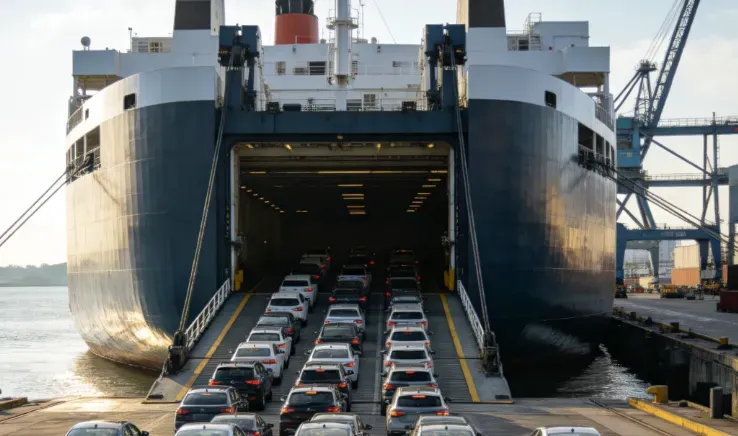
Are you wondering how much it costs to ship a car from China to the USA, and whether RORO or container shipping is the best method for your needs? In this comprehensive guide, we’ll break down everything you need to know about car shipping costs, the differences between RORO (Roll-on/Roll-off) and container shipping, key considerations, and practical tips to save money. Get ready to make an informed decision for your international car transport!
Shipping a Car from China to USA – Cost, Methods, and Key Considerations
Shipping a car from China to the USA involves several crucial decisions—selecting the right shipping method, understanding total costs, and ensuring compliance with both countries’ regulations. Two primary shipping options are available for vehicles: RORO (Roll-on/Roll-off) and container shipping. Each has distinct advantages, cost structures, and requirements. Below, I will provide a comprehensive, up-to-date overview to help you make an informed decision, with special attention to industry standards and real-world data.
RORO vs. Container Shipping: Which Method is Best for Car Transport?
Choosing between RORO and container shipping depends on your vehicle type, budget, cargo value, and logistical needs. Let me break down both methods in detail:
What is RORO (Roll-on/Roll-off) Car Shipping?
RORO shipping is a specialized method for transporting wheeled vehicles, such as cars, trucks, and motorcycles. Vehicles are driven directly onto the vessel at the port of origin and driven off at the destination port, similar to a floating garage. This service is ideal for operational vehicles that can move under their own power.
RORO Shipping Features:
- Vehicles are not loaded into containers but parked and secured on the ship’s decks.
- Only accessible to ports equipped with RORO facilities.
- Typically offers regular sailings from major Chinese ports (e.g., Shanghai, Tianjin, Shenzhen) to primary USA ports (e.g., Los Angeles, Oakland, Baltimore).
Advantages:
- Often lower base shipping costs compared to containers.
- Simplified loading and unloading process.
- Fast turnaround and minimal handling.
Limitations:
- No protection from external elements (wind, sea salt, weather).
- Vehicles cannot be loaded with personal items.
- Less flexible in terms of departure and destination ports.
What is Container Car Shipping?
Container shipping involves loading your car into a standard 20ft or 40ft shipping container. This method is highly secure and protects your vehicle from weather, theft, and shipping damage. You can choose between:
- Exclusive container: Your vehicle occupies the container alone (usually a 20ft for one car, or 40ft/40HQ for multiple cars or oversized vehicles).
- Shared container: Your car is shipped along with others, reducing costs but possibly increasing wait times.
Container Shipping Features:
- Options for additional cargo in the container (tools, spare parts, or personal belongings — provided they comply with regulations).
- Enhanced safety, as containers are sealed and only opened at the destination.
- Suitable for both operable and inoperable vehicles.
Advantages:
- Maximum protection and security for high-value/collectible vehicles.
- More options for routing and final destination (some smaller ports do not accept RORO).
- Flexibility to include additional items with the car.
Limitations:
- Generally more expensive, especially for single vehicles.
- More handling required (loading/unloading into containers).
- Longer preparation time and possible delays if waiting for shared containers to fill.
Pros and Cons: RORO vs. Container Shipping from China to USA
| Feature | RORO Shipping | Container Shipping |
|---|---|---|
| Cost (Base Freight) | Lower (avg. $1,200-$2,000 per car) | Higher (avg. $2,000-$3,500 for 20ft; $3,500-$6,000 for 40ft) |
| Security | Exposed to elements, minor theft risk | High protection from damage/theft/weather |
| Suitable for | Standard, operable vehicles | High-value, classic, or inoperable vehicles, or cars with goods |
| Port Access | Limited to major RORO ports | Available at most major ports |
| Transit Time | Often slightly faster (direct sailings) | Slightly longer (due to container handling/customs) |
| Flexibility | Less flexible, strict on vehicle condition | More flexible (multiple vehicles, goods allowed) |
| Allowed Cargo | Vehicle only | Vehicle and personal effects/items (subject to regulations) |
| Preparation Needed | Minimal (drivable, clean vehicle) | Crating, blocking, and bracing required |
Note: Prices are ballpark averages and fluctuate with market rates, fuel surcharges, and vessel availability. Always confirm with your freight forwarder.
Factors to Consider When Choosing Between RORO and Container Shipping
When deciding the best method to ship your car from China to the USA, you should consider:
-
Vehicle Type & Value:
- Exotic, luxury, or classic cars benefit from container protection.
- Standard or less valuable vehicles are often well-suited to RORO.
-
Shipping Budget:
- RORO is generally more cost-effective for single, standard vehicles.
- Containers are better for shipping multiple cars or when additional cargo space is needed.
-
Port Availability:
- RORO service is limited to certain ports; not all Chinese or USA ports support it.
- Container service is more widely available.
-
Security and Protection Needs:
- If your car’s paint, bodywork, or interior needs to be shielded from salt air, container shipping is often preferable.
-
Timing and Flexibility:
- RORO sailings may be more frequent on certain routes but are limited to operational schedules.
- Container shipments can be timed more flexibly, especially if using a full exclusive container.
-
Shipping Multiple Vehicles or Goods:
- Containers are more economical if you are shipping several cars or combining with household goods.
As a professional freight forwarder, Dantful.US International Logistics has extensive experience managing both RORO and container vehicle shipments from China to the USA. We guide clients through every step, from selecting the optimal method to customs clearance, leveraging our status as a highly professional, cost-effective, and high-quality one-stop international logistics provider.
By carefully weighing these factors and consulting with a reliable logistics partner, you can select the shipping solution that best fits your needs and budget. For a personalized quote or more specific guidance, please contact our expert team at Dantful.US.
Related reading: If you’re interested in comparing container costs and shipping options, check out our detailed guide on Container Shipping Costs from China to USA.
Detailed Cost Breakdown: Car Shipping from China to USA
Shipping a car from China to the USA involves several cost components, which depend on your chosen shipping method, vehicle specifications, and destination port. Below is a comprehensive breakdown of these expenses, designed to help importers, exporters, and individuals effectively budget for their international auto shipping.
Average RORO Shipping Costs and What’s Included
RORO (Roll-on/Roll-off) shipping is typically the most cost-effective way to ship vehicles internationally, especially for standard cars that can be driven on and off the vessel. The cost structure for RORO shipping from main Chinese ports (such as Shanghai, Shenzhen, Guangzhou) to major USA ports (like Los Angeles, Long Beach, Baltimore, Houston) usually includes:
| Origin Port | Destination Port | Typical RORO Cost (USD, Standard Sedan) | Transit Time (days) | What’s Included |
|---|---|---|---|---|
| Shanghai | Los Angeles | $1,100 – $1,500 | 20–30 | Ocean freight, loading/unloading |
| Shenzhen | Houston | $1,200 – $1,700 | 28–35 | Ocean freight, loading/unloading |
| Guangzhou | Baltimore | $1,300 – $1,800 | 30–40 | Ocean freight, loading/unloading |
Note: These rates are averages for RORO shipping of standard vehicles (sedans). SUVs, trucks, and luxury vehicles may incur higher fees due to their size and value.
What’s typically included:
- Basic ocean freight
- Port handling at origin and destination
- Loading/unloading of the vehicle
What’s not included:
- Customs duties and taxes
- Insurance
- Inland transportation in either country
- Documentation fees
Average Container Shipping Costs and Cost Factors
Container shipping is ideal for high-value cars, vintage automobiles, or multiple vehicles shipped together. It offers added security and protection from the elements, but comes at a higher cost.
| Container Type | Cost Range (USD, Full Container) | Capacity | Example Usage |
|---|---|---|---|
| 20FT Container | $2,000 – $3,500 | 1 car | High-value or single car |
| 40FT Container | $3,500 – $5,500 | 2–4 cars | Multiple cars, large SUVs |
| Shared Container (LCL) | $1,500 – $2,500 | Partial space | Cost-sharing, 1 car |
Cost Factors:
- Origin and destination port fees
- Container type and size (20FT: 28CBM, 40FT: 56CBM, 40HQ: 68CBM)
- Vehicle size (SUVs, trucks may require larger containers)
- Consolidation services if shipping with other customers
- Insurance premiums
- Special handling or storage requirements
Additional Fees: Customs, Port Charges, Insurance, and Documentation
When estimating your total shipping cost, it’s crucial to account for various additional fees that are not included in the base freight rate:
| Fee Type | Estimated Range (USD) | Description |
|---|---|---|
| Customs Duties | 2.5% – 25% of vehicle value | U.S. import duty for vehicles (varies by car type) |
| Port Charges | $300 – $600 | Handling, storage, and wharfage at Chinese/US ports |
| Insurance | 0.8% – 2% of car value | Recommended for all international shipments |
| Documentation | $100 – $300 | Export/import paperwork, bill of lading, titles, etc. |
| Inland Transport | $200 – $1,000+ | Trucking to/from ports (depends on distance) |
Tip: Always verify the latest duties with U.S. Customs and Border Protection (CBP), as rates may change depending on car type (passenger vehicles, trucks, new/used, etc.).
You may also want to read: Our comprehensive guide on Car Shipping Cost from China to USA for even more in-depth pricing breakdowns and considerations.
How Vehicle Size, Weight, and Destination Port Affect Total Price
Several factors directly impact your total car shipping cost:
- Vehicle Size & Weight: Larger and heavier vehicles take up more space or may exceed RORO/Container weight limits, leading to higher charges. For example, shipping a regular sedan in a 20FT container is cheaper than shipping a full-size SUV in a 40FT or 40HQ container.
- Destination Port: Popular U.S. ports like Los Angeles and New York often have lower rates due to higher vessel frequency, while less-trafficked ports may involve additional surcharges.
- Origin Port in China: Major export hubs (Shanghai, Shenzhen, Guangzhou) offer more competitive rates compared to smaller ports.
- Seasonality: Peak shipping seasons (pre-holiday, summer) can increase rates due to demand.
- Special Requirements: Non-runner vehicles (can’t be driven onto ship) may incur extra handling fees.
Step-by-Step Process: How to Ship a Car from China to USA
Shipping a vehicle internationally is a complex process, but with the right freight forwarder and preparation, it can be smooth and efficient. Here’s an overview tailored for both business and individual shippers.
Preparing Your Car for International Shipping
- Clean the Vehicle: Both inside and out. Some U.S. ports require vehicles to be free of soil and plant material to comply with USDA regulations.
- Mechanical Check: Ensure the vehicle is operational (for RORO), with no fluid leaks and a charged battery.
- Remove Personal Items: Only factory-installed equipment should remain inside the car. Personal belongings can be shipped in containers but are not allowed in RORO shipments.
- Disable Alarm Systems: To prevent accidental activation during transit.
- Document Vehicle Condition: Take detailed photos from all angles and note any existing damage.
- Secure Loose Parts: Fold in mirrors, remove spoilers or accessories, and secure any loose items.
Required Documentation and Compliance
Proper documentation is critical for smooth customs clearance in both China and the USA:
- Vehicle Title & Registration: Original documents proving ownership.
- Bill of Sale or Purchase Invoice: Proof of transaction and value.
- Export License: As required by Chinese authorities for vehicle export.
- Bill of Lading: Issued by the shipping company.
- Photo ID/Passport: For individual shippers.
- Import Approval: Some vehicles require compliance with Environmental Protection Agency (EPA) and Department of Transportation (DOT) standards in the USA.
- Letter of Authorization: If using an agent or freight forwarder.
Tip: Work closely with a professional freight forwarder China to US like Dantful.US International Logistics to ensure all documents are correctly prepared and submitted.
Customs Clearance Process in China and the USA
In China:
- Submit required export documents to Chinese Customs.
- Pay any export taxes or fees.
- Obtain customs clearance and release for loading onto the vessel.
In the USA:
- Pre-notify U.S. Customs and Border Protection (CBP) of vehicle import at least 72 hours prior to arrival.
- Present all documentation (title, bill of sale, bill of lading, EPA/DOT compliance) at the port.
- Pay applicable import duties and taxes.
- Vehicle is inspected for compliance with U.S. safety and emission standards.
- Upon clearance, arrange for pickup or onward transportation.
By understanding these key cost components and process steps, you can plan your vehicle shipment from China to the USA with confidence—reducing risks, controlling expenses, and ensuring compliance every step of the way. For a tailored quote or more information, contact Dantful.US International Logistics—your trusted partner for cost-effective, professional, and high-quality international car shipping.
Saving Money: Tips to Reduce Car Shipping Costs from China to USA
Shipping a car from China to the USA is a significant investment, and many clients seek practical ways to reduce logistics expenses without compromising service quality or compliance. Here, I’ll share actionable strategies, rooted in industry expertise and transparency, to help you minimize costs throughout your international car shipping journey.
How to Find Reliable Freight Forwarders
Choosing a trustworthy freight forwarder is the foundation of a smooth and cost-effective shipping process. A professional partner ensures transparent pricing, proper documentation, and timely delivery. Here’s what I recommend:
- Check Credentials and Experience: Look for companies with proven experience in international car shipping between China and the USA. Verify certifications like FIATA membership or NVOCC (Non-Vessel Operating Common Carrier) registration.
- Evaluate EEAT (Experience, Expertise, Authority, Trustworthiness): A reputable freight forwarder will showcase client testimonials, industry case studies, and clear communication channels.
- Comprehensive Service Offering: Opt for providers that handle sea freight, air freight, customs clearance, insurance, and door-to-door solutions. This integration reduces coordination errors and hidden fees.
- Transparent Quoting: Request a detailed, itemized quote that includes ocean freight, port charges, customs fees, and insurance. Compare at least three quotes.
- Customer Support: Test their responsiveness and willingness to address your concerns.
Dantful.US International Logistics is proud to be a leading, highly professional, cost-effective, and high-quality one-stop international logistics service provider. Our expertise covers every aspect of car shipping, from RORO and container shipping to full documentation and customs support. We offer tailored solutions, clear pricing, and dedicated customer service to meet your needs.
Further reading: Learn about Door to Door Shipping options for vehicles and how they can simplify your import process.
Timing, Routes, and Negotiating Better Rates
Logistics pricing in international car shipping from China to the USA is often influenced by seasonality, route popularity, and carrier alliances. To optimize your shipping cost:
- Ship During Off-Peak Seasons: Avoid high seasons such as late summer (pre-holiday inventory build-up), Chinese New Year, and US holiday seasons. Off-peak shipping can lead to significant cost savings.
- Flexible Routing: Consider destination ports with lower fees and better connectivity. For example, shipping to Port of Los Angeles or Port of Long Beach may differ in both cost and transit time compared to Port of New York/New Jersey.
- Consolidation Opportunities: If possible, consolidate shipments or share container space with other shippers—Less than Container Load (LCL)—to further reduce per-unit costs.
- Negotiate with Volume: If shipping multiple vehicles or arranging regular shipments, use volume leverage for better rates.
- Plan Ahead: Advance booking allows for more options and lower rates.
Below is a sample comparison of average shipping costs via RORO and Container methods from major Chinese ports to top US ports (as of Q2 2026):
| Shipping Route | RORO (USD/car) | 20FT Container (USD/Container) | 40FT Container (USD/Container) | Transit Time (Days) |
|---|---|---|---|---|
| Shanghai → Los Angeles | $1,800 – $2,200 | $2,800 – $3,400 | $4,000 – $5,000 | 18 – 25 |
| Shenzhen → Houston | $2,000 – $2,500 | $3,000 – $3,800 | $4,200 – $5,200 | 25 – 32 |
| Ningbo → New York/New Jersey | $2,200 – $2,700 | $3,500 – $4,200 | $4,800 – $5,800 | 30 – 38 |
Note: Prices include basic ocean freight but exclude insurance, customs, and destination charges. Actual rates may vary based on vehicle size, shipping season, and current market conditions.
Avoiding Hidden Fees and Common Mistakes
Unexpected charges can quickly inflate your overall shipping cost. To prevent surprises:
- Understand All Charges: Ensure the quote includes origin/destination port charges, documentation, customs clearance, and delivery fees.
- Verify Vehicle Condition and Documentation: Cars with outstanding fines, missing paperwork, or non-compliance with US EPA/DOT standards may incur delays and extra costs.
- Insurance: Always secure comprehensive marine insurance to safeguard your asset.
- Customs Preparation: Prepare all import permits and ensure the car is clean (inside and out) to pass USDA inspection at the port.
- Avoid Last-Minute Changes: Altering your destination, shipping method, or delivery schedule may trigger administrative fees.
- Partner with an Expert: Working with an experienced company like Dantful.US International Logistics helps you foresee potential pitfalls and avoid unnecessary costs.
Choosing the Right Freight Forwarder for Car Shipping Services
Selecting the best freight forwarder isn’t just about price—it’s about professionalism, reliability, and a proven track record in shipping cars from China to the USA. Here’s how to make a confident choice:
- Industry Reputation: Research customer reviews, industry forums, and business credentials.
- Service Scope: Ensure your provider offers a full range of services: RORO, container shipping, customs clearance, insurance, door-to-door, warehouse, and more.
- Transparent Communication: A reliable forwarder explains each step, sets clear expectations, and provides regular shipment updates.
- After-Sales Support: Post-shipment support is vital for insurance claims, cargo tracking, and troubleshooting.
- Americans Network: Choose a forwarder with strong partnerships in both China and the USA, ensuring seamless transitions at every stage.
Dantful.US International Logistics delivers all of these advantages—combining deep local knowledge with Americans logistics expertise. Our team manages the entire process, from initial consultation to final delivery, ensuring your shipment is handled safely, efficiently, and at a competitive price.
Explore more: If you’re interested in learning about other country routes, see our resource on Shipping from China to Canada.
FAQs
Q1: What is the difference between RORO and container shipping for cars?
A: RORO (Roll-on/Roll-off) shipping allows your car to be driven onto a specialized vessel, ideal for operable vehicles and usually more cost-effective for standard cars. Container shipping provides extra protection by placing the vehicle inside a shipping container, suitable for luxury, classic, or non-running vehicles.
Q2: How long does it take to ship a car from China to the USA?
A: Transit times depend on the chosen route and shipping method. Typically, it ranges from 18–38 days, not including customs clearance and inland delivery.
Q3: What documents are required for car shipping from China to the USA?
A: Common documents include the Bill of Lading, Export Certificate, Commercial Invoice, Packing List, Title/Ownership Certificate, and compliance documentation for US customs and EPA/DOT standards.
Q4: Are there any restrictions when importing a car into the USA?
A: Yes. The car must comply with US safety and emissions regulations. Vehicles not meeting EPA/DOT standards may require modifications or may not be permitted for road use.
Q5: How can I get an accurate quote for shipping my car?
A: Provide vehicle details (make, model, year, dimensions), origin and destination ports, preferred shipping method (RORO or container), and any special requirements. For a custom quote, contact our team at Dantful.US International Logistics for a transparent, competitive offer.
Q6: Can Dantful.US International Logistics handle door-to-door car shipping?
A: Absolutely. We offer full door-to-door solutions, including pick-up, international transport, customs clearance, and final delivery within the USA.
With the right strategy, reliable partners, and proper planning, shipping your car from China to the USA can be cost-effective and stress-free. For personalized assistance, contact Dantful.US International Logistics—your trusted partner for Americans car shipping solutions.
Get A Free Shipping Quote