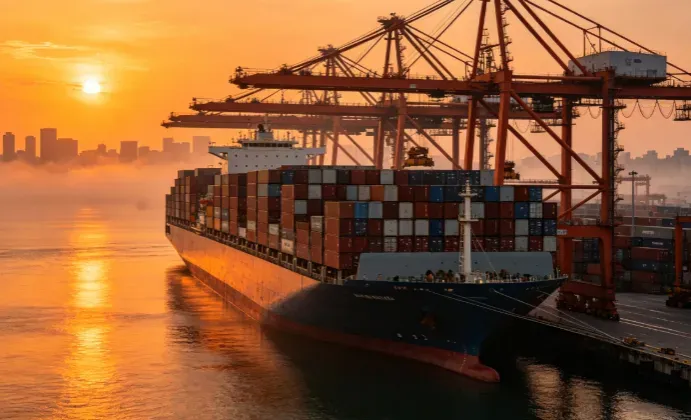
If you’re trying to find the Best Shipping Agent from China to USA, you’ve probably already noticed the problem: everyone sounds “best” until the first surprise invoice or missed deadline hits. In real-world China to U.S. shipping, the “best” partner isn’t a universal winner—it’s the one that matches your cargo, volume, Incoterms, and delivery model with transparent execution.
In this guide, you’ll get a practical framework to evaluate any shipping agent/freight forwarder, understand true landed costs (not just the ocean rate), and spot the red flags that cause the most expensive mistakes—especially for first-time importers, SMEs, and Amazon FBA sellers.
What Does a Shipping Agent from China to USA Actually Do?
When people say “shipping agent,” they often mean a Freight Forwarder—a logistics coordinator who designs and manages your end-to-end shipment. They are not the vessel or airline. They are the operator that connects all the moving parts so your cargo clears customs and arrives where you need it, on time, with predictable costs.
Defining the Role: More Than Just Moving Boxes
In a China to USA context, a capable agent typically does four things exceptionally well:
- Converts your commercial plan (what you bought, how fast you need it, and where it must land) into an executable transport plan.
- Manages compliance across two customs regimes—China export rules and U.S. import requirements.
- Negotiates and books capacity with carriers (or operates as an NVOCC in ocean freight).
- Coordinates the “boring-but-critical” details—documents, filings, milestones, and exceptions—so small errors don’t become expensive delays.
It also helps to know the vocabulary:
- Freight forwarder: the broad term for the logistics organizer.
- Shipping agent: sometimes used interchangeably with freight forwarder; in other contexts it can mean a carrier’s port representative.
- NVOCC (Non-Vessel Operating Common Carrier): an ocean freight operator that books carrier space and issues its own bill of lading. For U.S.-bound ocean freight, legitimacy often connects to FMC compliance.
China to USA shipping is uniquely complex because it mixes long trans-Pacific transit, congestion risk at major gateways, strict U.S. data filings, and tighter scrutiny on product compliance (for example, FDA, CPSC, or textile labeling requirements depending on your goods).
The Full Service Spectrum: What a Good Agent Handles
A strong China to USA agent typically offers (or coordinates) the full chain:
- Origin pickup (factory/warehouse) and inland trucking in China
- Consolidation (for LCL) and export documentation
- China export customs clearance
- International transportation booking: ocean freight (FCL/LCL) or air freight
- U.S. side filings: ISF (10+2) for ocean freight, plus customs entry support
- U.S. customs clearance and exam management (if selected)
- Bonding options: customs bond guidance and setup
- Domestic delivery: drayage, transload, and final-mile trucking
- Value-added services: warehousing, labeling, palletization, quality inspection, and cargo insurance
The point isn’t that you need “everything.” It’s that you should know which tasks you’re outsourcing—because hidden scope gaps are a common reason importers think they got a cheap rate, then get hit with a “destination surprise.”
Key Route Geography: Major China Ports to Major US Ports
Transit times change with carrier schedule, port congestion, rail availability, and weather. Still, import planning needs realistic ranges. Below is a practical baseline for port-to-port ocean freight (not including trucking, customs clearance, and warehouse appointment delays).
| Origin Port (China) | Common U.S. Gateway | Typical Ocean Transit Time | Notes |
|---|---|---|---|
| Shenzhen (Yantian/Shekou) | Los Angeles / Long Beach | ~18–25 days | Strong for Pearl River Delta suppliers; frequent sailings |
| Shanghai / Ningbo | Los Angeles / Long Beach | ~18–25 days | Similar West Coast timing; inland lead time varies by supplier |
| Shanghai / Ningbo | New York / New Jersey (via Panama/Suez) | ~30–35+ days | Longer and more variable; good for East Coast distribution |
| Qingdao | Houston / Savannah | ~30–40 days | Routing-dependent; check weekly schedules |
Use these as planning ranges, then ask your agent for the lane-specific estimate they can consistently execute (not the “best-case” marketing number).
If you want a lane-level service overview beyond transit time, start with Shipping from China to USA.
How to Choose the Best Shipping Agent from China to USA: A 10-Point Evaluation Framework
Why a Framework Matters More Than a “Top 10 List”
Many “best shipping agent” lists are pay-to-play. Even when a list is honest, your “best” choice depends on your shipment profile:
- Cargo type (regulated goods vs general cargo)
- Volume and frequency (one-off vs monthly)
- Your trade terms (Incoterms 2020)
- Destination needs (port, warehouse type, Amazon FBA, residential delivery)
A framework stays valid even as market players change.
The 10-Dimension Evaluation Scorecard
Use the weighted scorecard below to compare candidates objectively.
| # | Criterion | Weight | What to Look For |
|---|---|---|---|
| 1 | Licensing & Certifications | 15% | FMC compliance (ocean), NVOCC, FIATA, IATA (air), verifiable registrations |
| 2 | China–USA Route Specialization | 15% | Years shipping the trans-Pacific lane, U.S. customs familiarity, strong gateway operations |
| 3 | Service Range | 12% | FCL, LCL, air freight, express, DDP, FBA, warehousing, insurance |
| 4 | Pricing Transparency | 12% | Itemized quotes, clear inclusions/exclusions, honest surcharge disclosure |
| 5 | Customs Expertise | 10% | ISF process, HS code classification support, exam handling, regulated goods know-how |
| 6 | Communication & Support | 10% | Dedicated account manager, strong English, proactive exception handling |
| 7 | Tracking & Technology | 8% | Milestone tracking, proactive updates, clear handoffs between teams |
| 8 | Cargo Insurance & Risk Management | 8% | cargo insurance options, claims process clarity, peak-season contingency plans |
| 9 | Client References & Track Record | 5% | Verifiable references, repeat clients, real problem-solving examples |
| 10 | Financial Stability & Scale | 5% | Years in business, stable carrier relationships, ability to secure space |
How to Use the Scorecard: A Practical Walkthrough
-
Shortlist 3–5 candidates based on lane experience (China to USA), not generic global claims.
-
Score each criterion from 1–5, multiply by the weight, and total the score.
-
Ask for verification evidence, not promises:
- For ocean freight legitimacy, ask what entity is issuing the bill of lading and how they operate as an NVOCC under FMC rules.
- For air freight, ask about IATA relationships and how they handle screening, cutoffs, and exceptions.
-
Run a trial shipment (especially if you’re a first-time importer). Start small, document everything, then scale once performance is proven.
Sea Freight vs Air Freight from China to USA
At-a-Glance Comparison Table
| Dimension | Sea Freight (FCL) | Sea Freight (LCL) | Air Freight | Express Courier |
|---|---|---|---|---|
| Transit Time (typical) | 18–35 days | 25–40 days | 5–10 days | 2–5 days |
| Cost Level (typical) | $2,500–$5,500 / 40ft | $50–$150 / CBM | $4–$8 / kg | $8–$15 / kg |
| Best For | Bulk shipments (usually ≥15 CBM) | Smaller freight | Urgent or high-value | Samples and small parcels |
| Common Constraint | Container availability | Consolidation time | Chargeable weight | Size/weight limits |
These are broad planning ranges. Your real cost depends on routing, seasonality, commodity type, and delivery requirements (for example, Amazon appointment rules).
For a deeper comparison and real-world decision factors, read Air Freight vs Sea Freight from China to USA: Cost, Time & Best Choice.
Sea Freight Deep Dive: FCL vs. LCL
- Choose FCL (Full Container Load) when you have steady volume, want lower damage risk, and prefer fewer touchpoints. It often clears faster because there’s no deconsolidation step.
- Choose LCL (Less than Container Load) when volume is smaller, but expect extra time for consolidation/deconsolidation and more handling risk.
West Coast vs East Coast matters:
- West Coast gateways (Los Angeles/Long Beach) are typically faster for most origins and can be cheaper for many lanes.
- East Coast gateways (New York/New Jersey, Savannah, Houston) may reduce domestic trucking if your customers are in the East—but the ocean leg is longer and more variable.
Air Freight Deep Dive: When Speed Justifies the Premium
Air freight pricing is driven by chargeable weight, which is the greater of:
- Actual weight, or
- Volumetric weight (based on carton dimensions)
Air makes sense when delays cost you more than the premium—preventing stockouts, meeting launch deadlines, or protecting high-margin sales.
Express courier (DHL/FedEx/UPS) can be perfect for samples and small parcels, while an air freight forwarder becomes more cost-effective at higher weights and when you need coordinated customs clearance and delivery.
How to Choose the Right Method
A simple rule of thumb:
- If arrival in under ~10 days is non-negotiable, start with air/express.
- If cost control matters and you can plan inventory, build a sea freight base plan, then add air only for exceptions.
Many experienced importers use a hybrid strategy: sea freight for predictable replenishment plus limited air freight for urgent gaps.
The Real Cost of Shipping from China to USA
Why “Cheapest” Is Usually the Most Expensive
The most common pricing trap is a low headline ocean rate paired with vague destination charges. Importers think they bought shipping, but they actually bought only one slice of the supply chain.
A safer approach: compare quotes on the same scope. If one quote is missing destination handling, customs fees, or delivery, it’s not comparable.
Where Your Money Actually Goes: Cost Component Breakdown
Here’s how costs typically stack up:
- Origin charges (China side): pickup, export filing, terminal handling, documentation
- International freight: base ocean/air rate plus surcharges like BAF, PSS, and CAF
- Destination charges (U.S. side): terminal handling, appointment fees, chassis, exam fees (if any), drayage/trucking
- Compliance: ISF filing (ocean), brokerage service, and customs bond
- Duties and taxes: import duties, tariffs, and other trade remedies depending on your commodity and origin
If you only see one line that says “shipping,” you’re not looking at a real landed-cost quote.
Sample Cost Scenarios (Planning Examples)
Numbers below are illustrative planning examples to help you understand structure and questions to ask. Rates move with seasonality and routing; always validate with an itemized quote for your lane and commodity.
If you’re building a budget for containers, see Container Shipping Costs from China to USA.
| Scenario | Shipping Method | What’s Included (Example Scope) | Example Total Cost Range |
|---|---|---|---|
| A: 20ft from Shenzhen to Los Angeles | FCL + delivery | Origin handling + ocean freight + destination handling + local delivery | $3,800–$7,200 |
| B: 5 CBM from Shanghai to New York | LCL + delivery | Consolidation + ocean freight + deconsolidation + delivery | $800–$1,700 (all-in) |
| C: 200 kg from Guangzhou to Chicago | air freight + delivery | Air freight + brokerage support + delivery | $1,200–$2,400 |
To make these truly “all-in,” clarify whether the quote includes customs clearance, bond, duties/taxes, and any special handling (liftgate, residential, appointment windows).
Questions to Ask Your Agent About Pricing
- “Is this quote all-inclusive? What is not included?”
- “Which surcharges can apply in peak season, and how do you calculate them?”
- “If my cargo is selected for exam, what fees apply and who pays them?”
- “Can you lock this rate? For how long, and under what conditions?”
How Incoterms (FOB, EXW, DDP) Affect Your Choice of Shipping Agent
Incoterms 2020 are not paperwork trivia—they define who controls the shipment, who bears risk, and what your agent must actually do.
The Incoterms–Shipping Agent Connection (What Many Guides Miss)
Two importers can buy the same product, ship from the same factory, and receive quotes that look wildly different—because one is buying FOB and the other is buying EXW or DDP. Different trade terms = different service scope.
If you don’t align Incoterms before comparing forwarders, you’ll compare apples to oranges and choose the wrong “best” partner.
If you’re stuck between factory pickup control and port-based handoff, EXW vs FOB Explained: Cost, Risk, and Responsibility Comparison is a helpful next read.
Incoterms Comparison Table for China to USA Importers
| Incoterm | Who Arranges Shipping? | Who Pays Duties? | Agent Responsibility | Best For |
|---|---|---|---|---|
| EXW (Ex Works) | Buyer (you) | Buyer | Agent handles nearly everything from factory pickup onward | Importers who want full control |
| FOB (Free on Board) | Buyer | Buyer | Agent handles from port of loading onward | Most common balance of control |
| CIF (Cost, Insurance, Freight) | Seller | Buyer | Agent often manages destination side only | Less origin involvement, but less transparency |
| DDP (Delivered Duty Paid) | Seller/agent | Seller/agent | Agent handles door-to-door including duties | First-time importers seeking simplicity |
Real-World Scenarios: Which Incoterm Fits Your Situation?
- Amazon FBA seller buying EXW from Shenzhen: you need a full-service forwarder that can coordinate pickup, export clearance, compliant labeling, and FBA delivery appointments.
- B2B importer buying FOB from Shanghai: you mainly need a forwarder with strong ocean operations, reliable U.S. customs clearance support, and consistent last-mile trucking.
- Small business choosing DDP: focus on total landed cost and clarity of what happens if customs selects your shipment for examination.
The DDP Advantage for First-Time Importers (and What to Watch For)
DDP shipping can be the least stressful path because you get one responsible party and (usually) one consolidated bill. The tradeoff is transparency: if duties are miscalculated or markups are hidden, you may not discover it until you scale.
For a practical checklist of what should be included and what to confirm before you pay, read ddp shipping from china to usa.
To protect yourself:
- Ask how duties are estimated and what happens if actual duties differ.
- Ask who the importer of record is (this matters for compliance).
- Ask what documentation you will receive for your records.
Specialized Solutions: Amazon FBA, Door-to-Door DDP, and Small Business Shipping
Amazon FBA Sellers: What Your Agent Must Handle
Amazon logistics is unforgiving. A capable agent should support:
- FBA labeling and carton markings (one missing label can trigger receiving delays)
- Palletization rules and warehouse-specific requirements
- Appointment scheduling and delivery windows
- SPD vs LTL strategy selection
- Exception handling when Amazon changes intake rules or capacity
Experience tip: before your first large shipment, run a smaller test shipment to confirm packaging, labeling, and inbound appointment execution.
If you ship into U.S. fulfillment centers, Shipping from China to Amazon FBA USA covers common FBA-specific requirements and pitfalls.
Door-to-Door DDP: The Hassle-Free Option Explained
Door-to-door is a chain, not a single service. You’re paying for orchestration and accountability across every leg.
Door-to-door is ideal for:
- First-time importers without an in-house logistics team
- SMEs that need predictable landed cost for pricing and cash-flow planning
- E-commerce sellers that value consistent delivery to a warehouse or 3PL
Key distinction: DDP vs DDU. Under DDU, you may still face duties/taxes and customs requirements at destination.
Small Business & Ecommerce Importers: What to Prioritize
Smaller importers should optimize for reliability, communication, and predictable scope:
- Will the agent accept small volumes (some reject shipments under 1 CBM)?
- Can they consolidate multiple suppliers into one shipment?
- Can they coordinate directly with suppliers in China to prevent documentation mistakes?
- Do they explain costs in plain English and provide itemized quotes?
Multi-Port Sourcing: When Your Suppliers Are in Different Cities
If you source from multiple Chinese cities, consolidation can save a lot of money—but only if your agent has real origin-side capability.
Ask about:
- Warehouse receiving process and free storage windows
- How they label and track cartons from different suppliers
- The best consolidation port for your supplier geography (for example, Shenzhen vs Shanghai)
10 Red Flags: How to Spot a Bad Shipping Agent Before It Costs You
The Cost of Choosing Wrong
A single mistake—like a missed ISF filing or unclear destination fees—can spiral into demurrage, missed sales, and weeks of inventory disruption. Most “shipping disasters” aren’t caused by storms; they’re caused by preventable process failures.
If you want a structured checklist of the most common scam patterns and quote traps, see The Ultimate 2026 Guide to Avoiding Freight Forwarder Scams & Hidden Traps.
The 10 Red Flags Checklist
- No verifiable ocean compliance footprint (FMC / NVOCC clarity for U.S.-bound freight)
- Quote is 30%+ below market without a clear explanation of scope
- Refuses to provide verifiable client references
- Cannot clearly explain customs process and who files what
- Vague transit times (“about 2–3 weeks”) instead of lane-based ranges
- Weak English communication or slow response times
- No clear cargo insurance options or claims process
- Can’t explain Incoterms 2020 and how scope changes by term
- No dedicated account manager or unclear escalation path
- Pressures you to commit without allowing a small trial shipment
What to Do If You’re Stuck With a Bad Agent
If a shipment is already moving:
- Get control of documents: commercial invoice, packing list, booking confirmation, and bill of lading/airway bill.
- Clarify who the consignee and notify party are, and who can issue release instructions.
- If you must switch providers, coordinate the handoff carefully—miscommunication can cause holds and extra storage fees.
FAQs
Q: How much does a shipping agent from China to USA cost?
There isn’t a single fixed “agent fee.” Costs usually appear as a mix of service fees and margin within the freight. As planning ranges, you might see ocean LCL around $50–$150/CBM, FCL containers priced by lane and season, and air freight commonly priced per kg of chargeable weight. The safest path is an itemized quote with written inclusions.
Q: What’s the difference between a freight forwarder and a shipping agent?
In importing conversations, they’re often used interchangeably. Strictly speaking, a freight forwarder is the broader logistics organizer, while “shipping agent” can also mean a carrier’s local port representative. For your purposes, focus on a forwarder that can demonstrate compliance, lane specialization, and transparent execution.
Q: How long does shipping from China to USA take?
Typical ranges:
- Ocean freight to West Coast: ~18–25 days port-to-port
- Ocean freight to East Coast: ~30–35+ days port-to-port
- Air freight: ~5–10 days airport-to-airport (plus pickup and delivery)
- Express courier: ~2–5 days for small parcels
Add time for consolidation (LCL), customs clearance, and delivery appointments.
For a method-by-method timeline breakdown (including common delay points), see How long does sea shipping take from China to USA.
Q: Do I need a Chinese shipping agent or a US-based one?
Ideally, you want coverage on both sides of the lane: China-side execution for supplier coordination and export clearance, and U.S.-side execution for import compliance and delivery. The goal is fewer handoffs and clearer accountability.
Q: What documents do I need for shipping from China to USA?
Commonly:
- Commercial invoice and packing list
- Bill of lading (B/L) or airway bill (AWB)
- Certificate of origin (when required)
- ISF (10+2) filing for ocean shipments
- customs bond (single-entry or continuous)
For Amazon FBA, add carton labels, pallet labels, and inbound requirements for your receiving warehouse.
Q: Should I use DDP or FOB when shipping from China?
DDP is often simplest for first-time importers who want one accountable party and predictable cost. FOB gives you more control and makes it easier to compare forwarders directly. Your best choice depends on experience, cash flow, and how much control you want.
Q: How do I verify if a Chinese freight forwarder is legitimate?
Ask for verifiable registrations (especially for U.S.-bound ocean freight), request references, and validate performance with a smaller trial shipment. A legitimate provider will explain scope clearly and won’t hide behind vague terminology.
Get A Free Shipping Quote