

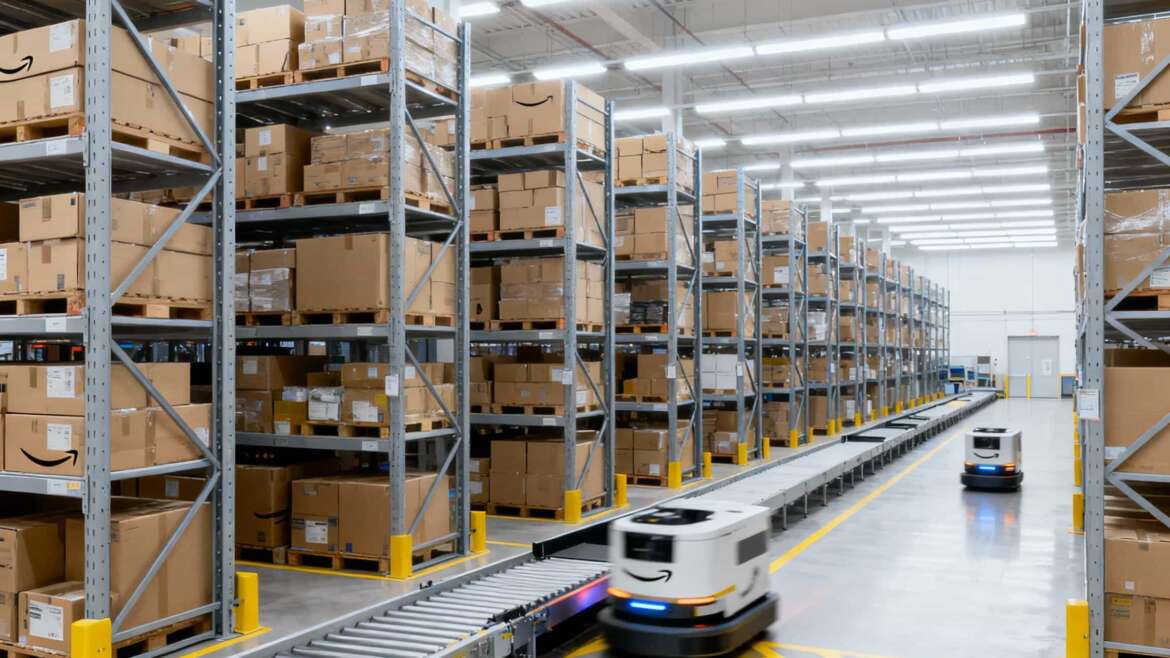
For Amazon sellers in 2026, rising logistics costs and the complex new Amazon Inbound Placement Service Fees are actively eating into profit margins. Many sellers struggle to accurately calculate the shipping cost from China to USA Amazon FBA without getting hit by hidden fees such as unexpected customs exams, Section 301 tariffs, or peak season surcharges. If you are tired of guessing your landed costs, this guide is for you. Drawing on our team’s 15+ years of experience as a Shenzhen-based freight forwarder, we will break down exactly how much it costs for Shipping from China to Amazon FBA USA, provide a strategic Cost vs. Time Decision Matrix, explain how to master DDP shipping, and reveal expert tips to reduce your expenses by leveraging Amazon FBA prep services in China.
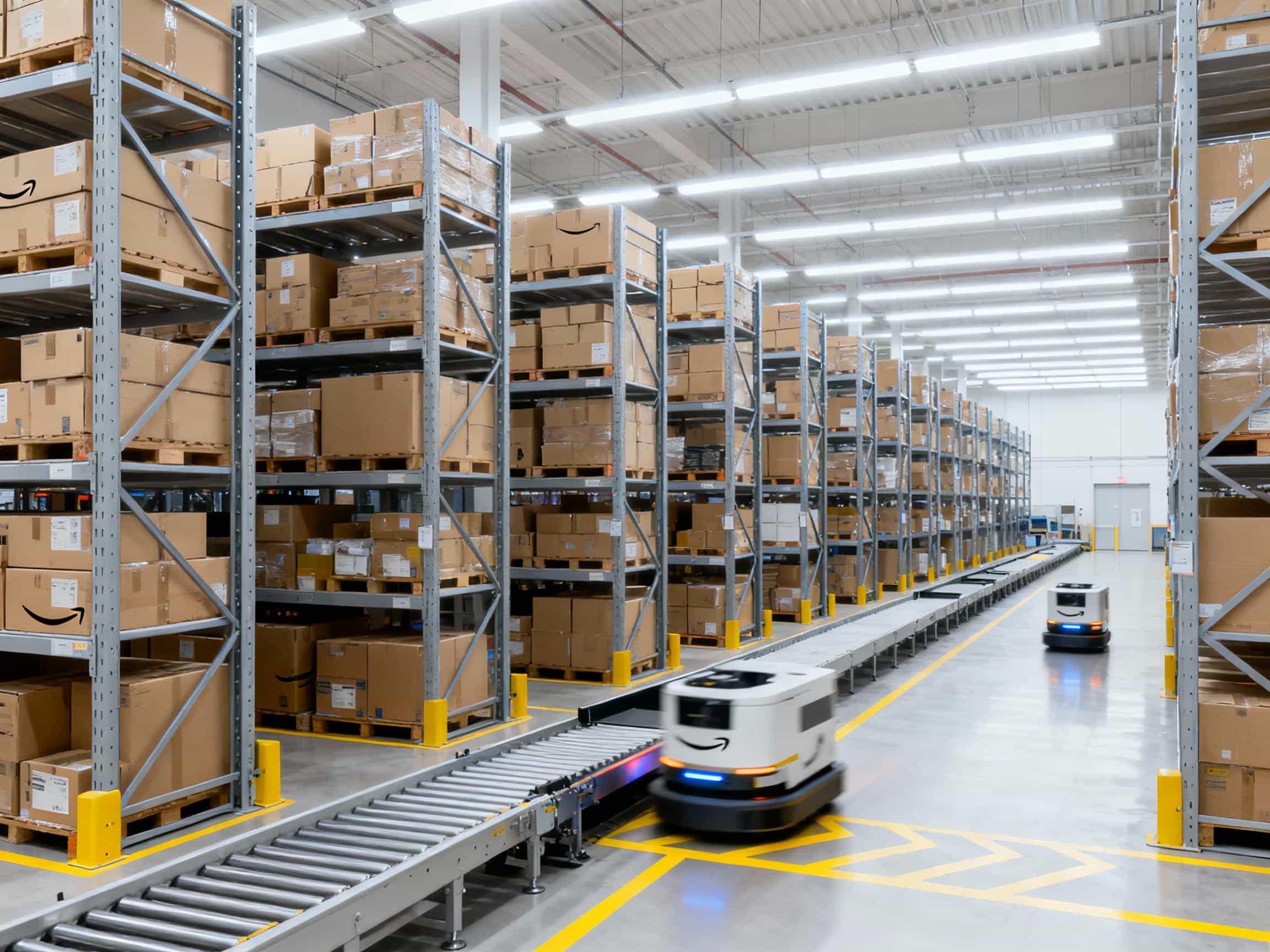
How Much Does It Cost to Ship from China to Amazon FBA USA?
When calculating your landed cost, looking only at the base freight rate is a critical mistake. A true door-to-door shipping to Amazon FBA quote encompasses several moving parts. Understanding these components is essential to avoid surprises and protect your margins. For businesses that distribute outside of Amazon’s network, mastering standard Shipping from China to USA is equally crucial.
Weight Calculations: Freight carriers charge based on the greater of the actual weight or the volumetric weight. Understanding dimensional weight vs actual weight is a critical factor when using any China to USA Amazon FBA shipping calculator. If you ship large, lightweight items (like pillows), you will be charged based on the space they take up, not just how heavy they are.
Freight Costs: This is the base rate for moving your goods internationally, primarily via Sea Freight or Air Freight. During peak season capacity crunches, having direct contracts with major carriers ensures secured space and competitive rates.
Origin & Destination Fees: These include port handling charges, terminal handling charges (THC), documentation fees, and the final trucking cost to transport your goods from the U.S. port or airport to the designated Amazon Fulfillment Center.
Customs & Duties: You must account for standard import duties, the Merchandise Processing Fee (MPF), Harbor Maintenance Fee (HMF), and crucial import duties and tariffs (Section 301), which apply to many Chinese-origin goods according to US Customs and Border Protection (CBP) regulations. Additionally, ISF filing fees are mandatory for ocean freight.
Amazon Specific Fees: In 2026, the Amazon Inbound Placement Service Fee is a major factor. Depending on whether you choose minimal shipment splits (higher fee) or Amazon-optimized partial splits (lower or zero fee), your logistics strategy must adapt. Choosing an experienced freight forwarder China to US can help you navigate these rules via smart distribution and consolidation strategies.
Choosing the Cheapest Shipping from China to Amazon FBA USA
Choosing the right shipping method is a balancing act between transit time and budget. As a general rule of thumb in the logistics industry, the 200kg / 2 CBM Rule applies: shipments under 200kg or 2 CBM are often better suited for air freight or express couriers, while anything above that threshold heavily favors the economics of sea freight. If you are still unsure which to choose, exploring Air Freight vs Sea Freight: Which is better for shipping from China to USA can help clarify your decision.
Sea Freight Cost from China to USA Amazon FBA
For most e-commerce sellers, sea freight represents the cheapest shipping from china to usa when routing goods to Amazon FBA. It is the backbone of inventory replenishment.
- LCL (Less than Container Load): Best for small-to-medium sellers who do not have enough volume to fill an entire container. Your goods share space with others. Rates typically range from $80 to $160 per CBM, making it highly cost-effective, though consolidation and deconsolidation add a few days to the transit time.
- FCL shipping from China to USA Amazon FBA cost: Ideal for wholesale/B2B buyers and large-volume sellers. Booking a dedicated 20ft or 40ft container offers better security and a lower cost per unit.
- Transit Times: Generally 25 to 45 days door-to-door, depending on whether you are shipping to the West Coast (LAX/LGB) or the East Coast (NY/NJ).
Air Freight Rates from China to Amazon FBA USA
When you are facing a stockout, speed is more important than the base cost. Air freight rates from China to Amazon FBA USA are significantly higher but offer rapid delivery.
- Standard Air Freight: Typically takes 8 to 12 days door-to-door. It is faster than sea freight and cheaper than express couriers, ideal for mid-sized urgent restocks.
- Air Express (DHL/UPS/FedEx): Takes 3 to 7 days. This is the most expensive option (often $6.00 to $9.50+ per kg) and is best reserved for product samples or emergency inventory to prevent your Amazon listing from losing its rank.
| Shipping Method | Average Transit Time | Ideal Use Case | Estimated Cost Range |
|---|---|---|---|
| Express Courier (DHL/FedEx/UPS) | 3 – 7 Days | Samples, emergency restocks (< 100kg) | $6.00 – $9.50+ per kg |
| Standard Air Freight | 8 – 12 Days | Urgent inventory replenishment | $4.20 – $6.50 per kg |
| Sea Freight (LCL) | 25 – 40 Days | Standard restocks (2 – 15 CBM) | $80 – $160 per CBM |
| Sea Freight (FCL 20ft/40ft) | 25 – 45 Days | High-volume stock-ups, large items | $2,100 – $5,000+ per container |
(Note: Rates fluctuate based on seasonality, fuel surcharges, and market demand. Always request a current quote for precise forecasting.)
Why DDP Shipping Cost from China to USA Amazon FBA is the Best Choice for Sellers
When navigating international trade, you will encounter Incoterms 2020 rules like EXW, FOB, and DDP. For Amazon FBA sellers, especially those without a dedicated U.S. logistics team, DDP (Delivered Duty Paid) is the gold standard.
A DDP shipping cost from China to USA Amazon FBA quote means the freight forwarder handles the entire process from the factory floor to the Amazon warehouse doors. It is an all-inclusive rate. If you are shipping to private addresses or other B2B warehouses, utilizing ddp shipping from china to usa offers the same hassle-free advantages.
- Hassle-Free Customs: The forwarder manages the complex Customs Clearance from China to USA. They pre-pay all Duties and Taxes under their own (or a partner’s) Importer of Record. You do not need a U.S. import license or a continuous customs bond.
- Avoiding Pitfalls: DDP protects you from administrative headaches. For example, failing to file the ISF (Importer Security Filing) 24 hours before the vessel departs China can result in a $5,000 fine from U.S. Customs. A reliable DDP provider ensures this is handled flawlessly, providing a predictable, flat-rate cost for your shipment. While DDP offers a hassle-free experience for many importers, if you have an established customs broker in your country, combining FOB freight with our customs brokerage might offer better cost control depending on your volume.
The Secret to Saving 50%: Amazon FBA Prep Services in China
Many new sellers make the mistake of shipping raw, unprepared goods to the U.S. and paying American labor rates for FBA prep, or relying on Amazon’s expensive prep services. The secret to drastically reducing your landed cost is utilizing Amazon FBA prep services China.
The Dantful.US Edge: As a veteran freight forwarder with over 15 years of experience based in Shenzhen, Dantful.US International Logistics provides end-to-end prep services. We ensure your cartons meet Amazon’s strict requirements (e.g., proper carton weight limits, correct labeling) before they even board a ship, guaranteeing a smooth check-in at the destination FBA center. Our dedicated account manager mechanism ensures that every client receives customized logistics support and one-on-one communication.
The Prep Advantage: Handling FNSKU labeling, polybagging, bubble wrapping, and palletizing in China costs a fraction of what it does in the United States—often saving you 50% or more per unit on prep fees.
Quality Control: Having a logistics partner inspect your goods before they leave China is invaluable. Catching a defective batch or incorrect packaging before it crosses the ocean prevents catastrophic return rates and potential Amazon account suspensions. Without comprehensive Cargo Insurance, a single damaged container can erase months of profit margins — we always advise clients to evaluate coverage options based on cargo value and route risk.
Step-by-Step: How to Ship Your Inventory to Amazon FBA
Shipping internationally doesn’t have to be overwhelming if you follow a structured process. Here is how to execute a flawless shipment:
Import Clearance & Amazon Delivery: Upon arrival in the U.S., the forwarder manages import clearance, pays the duties (if shipping DDP), and books a mandatory delivery appointment with the assigned Amazon warehouse for final drop-off.
Finalize Production & Inspection: Ensure your supplier has finished manufacturing and conduct a quality control inspection in China.
Create the FBA Shipping Plan: Log into Amazon Seller Central, input your product dimensions and quantities, and create a shipping plan. Pay close attention to the inbound placement options to optimize your fees.
Labeling and Packaging: Ensure every individual unit has a scannable FNSKU label and that outer cartons have the correct FBA box labels. (This is where utilizing China-based prep services shines).
Export Clearance & Transit: Your freight forwarder picks up the goods, handles Chinese export customs, and loads the cargo for international air or sea transit.
Real-World Case Study: Slashing Logistics Costs by $2 Per Unit
Consider a mid-sized Amazon seller sourcing heavy home goods from Shenzhen. Facing severe margin compression due to rising standard air freight costs and the new Amazon placement fees, they needed a change.
By switching to Dantful.US International Logistics, the seller transitioned from reactive air freight to a planned smart ocean LCL DDP service. Furthermore, they shifted their FBA prep (labeling and palletizing) from a US-based 3PL to our Shenzhen facility.
The result? The seller successfully bypassed the most expensive tier of Amazon’s placement fees by utilizing our consolidation network, lowered their total landed cost by $2 per unit, and maintained steady inventory levels without stockouts. In today’s supply chain environment, real-time visibility isn’t a luxury — it’s an expectation. Our 24/7 online tracking platform kept them informed at every milestone, giving them the confidence to scale their business.
How Much Does Shipping from China to Kenya Cost?
Shipping costs are influenced by cargo volume/weight, shipping mode, route, seasonality, and value-added services (insurance, packaging, warehousing). As of March 2026, we are seeing a slight dip in bunker fuel surcharges, making ocean freight marginally cheaper than the Q4 2025 peak.
Cost of Shipping 20ft & 40ft Container from China to Kenya
Container rates fluctuate based on global demand, carrier capacity, and fuel costs. Here’s a breakdown for March 2026:
| Container Type | Capacity (CBM) | Port of Loading (China) | Port of Discharge (Kenya) | Freight Cost (USD) | Key Notes |
|---|---|---|---|---|---|
| 20FT | 28 CBM | Shanghai/Shenzhen/Ningbo | Mombasa | $2,000–$2,500 | Most popular size |
| 40FT | 56 CBM | Shanghai/Shenzhen/Ningbo | Mombasa | $3,700–$4,600 | High-volume cargo |
| 40HQ | 68 CBM | Shanghai/Shenzhen/Ningbo | Mombasa | $3,900–$4,800 | Extra capacity |
Note: Above rates are for ocean freight only and do not include destination port charges, customs, or local delivery fees. Always confirm with your freight forwarder for accurate, up-to-date quotations. Our Dantful experts advise budgeting an additional $600-$900 per container for Mombasa port handling and ICD transfer fees.
Air Shipping from China to Kenya Cost per kg
Air freight is calculated based on chargeable weight (actual or volumetric, whichever is higher). To avoid surprises, we always re-weigh and re-measure cargo at our Shenzhen warehouse before generating the final airway bill.
| Cargo Weight | Air Freight Rate (USD/kg) | Estimated Total Cost (USD) | Delivery Time |
|---|---|---|---|
| 100–300 kg | $5.5–$7.0 | $550–$2,100 | 3–5 days |
| 300–1000 kg | $5.0–$6.5 | $1,500–$6,500 | 4–7 days |
| >1000 kg | $4.5–$6.0 | $4,500+ | 4–7 days |
Tip: For express courier (DHL, FedEx, UPS), rates are higher but offer door-to-door solutions—typically $8–$12/kg depending on service level. We suggest using express only for commercial samples or urgent documents under 21kg.
Door-to-Door Shipping Cost from China to Kenya
Door-to-door shipping offers fixed, all-inclusive pricing, ideal for businesses seeking transparency and simplicity. Our March 2026 DDP rates include all KRA duties, meaning the price you see is the final price you pay.
| Mode | Weight/Volume | All-Inclusive Rate (USD) | Typical Transit Time | Service Inclusions |
|---|---|---|---|---|
| Sea DDP | 1 CBM – 10 CBM | $350–$450/CBM | 28–35 days | Pickup, Ocean Freight, Customs, Delivery |
| Air DDP | 100–500 kg | $8–$11/kg | 5–8 days | Pickup, Air Freight, Customs, Delivery |
Rates depend on cargo type, dimensions, and destination city in Kenya*. Electronics and battery products typically incur a $1-$2/kg hazardous goods surcharge on Air DDP.
Shipping rates from China to Kenya are subject to frequent changes due to global market dynamics. To ensure the most cost-effective and reliable experience, it’s essential to work with a highly professional freight forwarder. At Dantful International Logistics, we offer tailored solutions for sea freight, air freight, and door-to-door logistics, leveraging our expertise and strong carrier partnerships to deliver value and peace of mind for your global trade operations. Don’t let outdated rates ruin your margins; our team monitors the Shanghai Containerized Freight Index (SCFI) daily to lock in the best slots.
If you need a customized quotation or guidance on optimizing your supply chain between China and Kenya, contact our team for free consultation and up-to-date rates.
What is the import duty from China to Kenya?
When shipping goods from China to Kenya, understanding the import duty and tax structure is crucial for accurate cost estimation and compliance. Kenya applies a range of import duties and taxes based on the East African Community Common External Tariff (EAC CET). From our daily interactions with the Kenya Revenue Authority (KRA), misclassifying HS codes is the number one reason importers face sudden penalties and container seizures. Always double-check your HS codes.
1. Customs Duty (Import Duty)
- General Rate: Kenya classifies imports into different bands under the EAC CET. Raw materials and capital goods usually attract 0% to 10%, intermediate goods 25%, and finished consumer goods up to 35% (to protect local industries). For example, importing finished garments from Guangzhou will likely hit the 35% band, so factor this into your retail pricing.
- Reference: Always consult the Kenya Revenue Authority (KRA) official portal for the latest tariff schedules.
2. Value Added Tax (VAT)
- VAT Rate: A standard 16% VAT applies to most imported goods, calculated on the Customs Value (CIF + Import Duty + Excise Duty if applicable). Our customs brokers advise clients to keep meticulous records of their commercial invoices, as KRA uses these to determine the CIF value.
3. Other Applicable Taxes and Levies
- Import Declaration Fee (IDF): Typically charged at 2.5% of the Customs Value. This is a mandatory processing fee for all imports, payable before the cargo even arrives.
- Railway Development Levy (RDL): Charged at 1.5% of the Customs Value, used to fund Kenya’s standard gauge railway network.
- Excise Duty: Applies to specific goods like alcohol, tobacco, cosmetics, and certain vehicles.
4. PVoC (Pre-Export Verification of Conformity)
- Mandatory Inspection: Most goods imported into Kenya require a Certificate of Conformity (CoC) issued in China before shipment. We routinely assist clients in arranging SGS or Intertek inspections in China. Shipping without a CoC will result in a massive 15% penalty on the CIF value upon arrival. For standards and compliance, refer to the Kenya Bureau of Standards (KEBS).
| Import Cost Element | Typical Rate/Requirement | Notes |
|---|---|---|
| Customs Duty | 0% – 35% (Based on EAC CET) | Higher rates on finished consumer goods |
| VAT | 16% | Calculated on CIF + Duty + Excise |
| IDF & RDL | 2.5% and 1.5% respectively | Mandatory on almost all imports |
| Customs Clearance Fees | USD 100-250 (depends on agent/service) | Paid to the KRA-licensed customs broker |
Tip: For the most accurate and up-to-date duty rates, consult a professional freight forwarder like Dantful International Logistics who has licensed clearing agents on the ground in Nairobi and Mombasa.
FAQs
What is the cheapest shipping from China to Amazon FBA USA?
Sea freight, specifically LCL (Less than Container Load) for shipments under 15 CBM, or FCL for larger volumes, is the most cost-effective method.
How long does sea freight cost from China to USA Amazon FBA take?
Door-to-door transit times typically range from 25 to 35 days for West Coast destinations and 35 to 45+ days for East Coast destinations.
Do I need a customs broker if I use a freight forwarder China to USA?
If you choose a DDP (Delivered Duty Paid) shipping method, the freight forwarder handles all customs brokerage and duty payments for you. If you ship FOB or EXW, you will generally need to hire a customs broker.
How do I calculate the DDP shipping cost from China to USA Amazon FBA?
Provide your freight forwarder with the exact carton dimensions, total gross weight, product HS code (to determine tariffs), and the destination FBA warehouse zip code. They will calculate the base freight, duties, and local delivery into one flat rate.
What happens if my Amazon FBA shipment is delayed at U.S. Customs?
Random customs exams (like X-Ray or intensive exams) can cause delays of a few days to a few weeks. The buyer is typically responsible for exam fees and storage costs during this time. Working with a compliant, experienced forwarder minimizes these risks.
Conclusion
Accurately calculating the shipping cost from China to USA Amazon FBA and choosing the right transport mode based on a Cost vs. Time matrix is vital for your e-commerce success in 2026. Whether you are leveraging the speed of air freight or the economy of sea freight, understanding DDP shipping and utilizing origin prep services will protect your profit margins.
Stop guessing your landed costs and letting hidden fees eat into your profits. Partner with a reliable expert. Contact Dantful.US International Logistics today for transparent DDP shipping rates, expert customs clearance, and dedicated Amazon FBA prep services in China.
Leave a reply