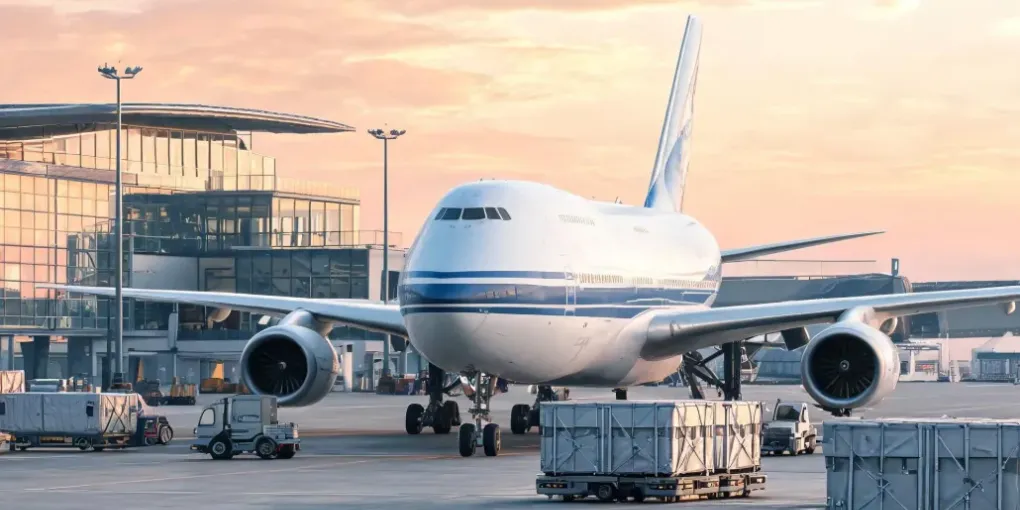
When American importers talk about the fastest, most reliable route between China and the US, they are almost always talking about the Port of Long Beach. The San Pedro Bay port complex — Long Beach and neighboring Los Angeles — handles roughly 40% of all containerized imports entering the United States, and Long Beach alone moves more than 9 million TEUs a year, most of it originating in Chinese ports like Shenzhen, Shanghai, Ningbo, and Qingdao.
But that scale cuts both ways. The China–Long Beach corridor is also where the freight market’s sharpest volatility shows up first: 2026 spot rates for a 40HQ container have swung from below $3,000 to more than $8,500 during peak windows, and the combined burden of Section 301 tariffs, the ISF (Importer Security Filing) requirement, and a stack of carrier surcharges can quietly inflate your final bill by 30–50%. Whether you are a first-time importer or a seasoned e-commerce seller, here is everything you need to ship from China to the Port of Long Beach with confidence — and without paying a penny more than you have to.
Why the Port of Long Beach? A Gateway Built for China Trade
Port of Long Beach (UN/LOCODE: USLGB) is the second-busiest container port in the United States and one of the most technologically advanced in the world. Located in Southern California’s San Pedro Bay, it shares the largest seaport complex in the Western Hemisphere with the Port of Los Angeles — together, the two handle more cargo than the next three busiest US ports combined.
What makes Long Beach genuinely special for China trade:
- Fastest Trans-Pacific sea route: China–Long Beach is the shortest ocean crossing between Asia and the US West Coast. Direct sailings from Shenzhen, Shanghai, and Ningbo reach Long Beach in 12–18 days at sea — roughly a week faster than East Coast or Gulf routes.
- Deep-water, mega-ship-ready terminals: The port accommodates the largest container vessels in service (24,000-TEU class), which translates to more frequent direct sailings and lower per-unit costs.
- On-dock rail: Long Beach’s Pier B and Pier C on-dock rail yards connect containers directly to UP and BNSF rail networks, cutting 1–3 days off inland transit to Chicago, Dallas, Memphis, and the US East Coast.
- PierPass / OffPeak program: Extended gate hours reduce truck congestion — a meaningful advantage when the rest of the country’s ports are gridlocked.
- Green Port leadership: The port runs some of the world’s cleanest cargo-handling equipment, which has also kept it operational during regulatory crackdowns that have slowed other gateways.
For a detailed profile of the facility, its terminals, and its infrastructure, see our Port of Long Beach guide.
2026 Shipping Costs from China to Port of Long Beach
Freight rates to Long Beach are never one number — they shift by origin port, container type, season, and how far in advance you book. Here is the realistic 2026 picture, based on actual market data from the China–US West Coast corridor. For a broader cost overview, see our full container shipping cost from China to USA breakdown.
Sea Freight FCL Rates (Port-to-Port, 2026)
FCL (Full Container Load) is the right choice when your cargo fills roughly 15 CBM or more. These are current port-to-port base freight ranges from major Chinese gateways to Long Beach:
| Origin Port | 20GP (20ft) | 40GP (40ft) | 40HQ (40ft High Cube) |
|---|---|---|---|
| Shenzhen (Yantian) | $1,900 – $3,200 | $2,800 – $5,200 | $3,000 – $5,500 |
| Shenzhen (Shekou) | $2,000 – $3,300 | $2,900 – $5,400 | $3,100 – $5,700 |
| Shanghai | $1,800 – $3,100 | $2,700 – $5,000 | $2,800 – $5,300 |
| Ningbo | $1,800 – $3,000 | $2,700 – $4,900 | $2,800 – $5,200 |
| Qingdao | $2,100 – $3,500 | $3,100 – $5,600 | $3,300 – $5,900 |
| Guangzhou (Nansha) | $2,000 – $3,400 | $3,000 – $5,500 | $3,200 – $5,800 |
Peak season alert (August–December 2026): Add 15–30% to every range above. With importers front-loading inventory for Black Friday and the holiday season, 40HQ rates on premium sailings to Long Beach have already touched $6,500–$8,500 in the July–September window. Booking 3–4 weeks ahead is the single most effective way to lock in standard rates.
Matson Fast Sea deserves special mention here: this premium express service runs exclusively between China and Long Beach, delivering in 10–13 days at sea — the fastest ocean option available on the Pacific. It costs roughly 30–50% more than standard FCL, but for e-commerce sellers who need speed without air-freight prices, it is often the smartest middle ground.
Sea Freight LCL Rates (2026)
LCL (Less than Container Load) is the economical choice for shipments under roughly 12–15 CBM — you pay only for the space your cargo occupies. See our LCL shipping from China to USA guide for a deeper dive, or our step-by-step how to ship LCL from China to USA walkthrough.
| Origin Port | LCL Rate (per CBM) | Minimum Charge |
|---|---|---|
| Shenzhen → Long Beach | $50 – $95 | 1–2 CBM |
| Shanghai → Long Beach | $45 – $85 | 1–2 CBM |
| Ningbo → Long Beach | $50 – $85 | 1–2 CBM |
| Qingdao → Long Beach | $60 – $100 | 1–2 CBM |
LCL transit to Long Beach typically runs 5–10 days longer than FCL because of consolidation at origin and deconsolidation at the destination CFS. For most shipments under 15 CBM, though, it remains significantly cheaper than booking a half-empty container.
Example: A 10 CBM furniture shipment from Shanghai via LCL costs about $450–$850 in base ocean freight — versus $1,800–$3,100 for a full 20GP container.
Air Freight & Express (2026)
When 12–18 days at sea is too slow, air freight from China to Long Beach (typically into LAX, ~20 miles from the port) is the alternative. See our air freight from China to USA guide for the full picture. Rough ranges:
| Method | Transit Time | Cost Range | Best For |
|---|---|---|---|
| Air Freight (cargo) | 3–7 days | $4 – $10/kg | Medium-weight, time-sensitive goods |
| Express Courier (DHL/UPS/FedEx) | 2–5 days | $6 – $15/kg | Small parcels, samples, documents |
Transit Times from China to Long Beach: What to Actually Expect
The China–Long Beach sea route is the fastest Trans-Pacific lane in the world — but “transit time” means different things depending on where you measure it. Here is the realistic breakdown for 2026:
| Origin Port | At Sea | Total Port-to-Port | Door-to-Door (DDP) |
|---|---|---|---|
| Shenzhen (Yantian) | 12–14 days | 16–20 days | 22–30 days |
| Shanghai | 13–16 days | 17–22 days | 23–32 days |
| Ningbo | 13–16 days | 17–22 days | 23–32 days |
| Qingdao | 15–18 days | 19–25 days | 25–35 days |
| Guangzhou (Nansha) | 14–16 days | 18–23 days | 24–33 days |
The “door-to-door” figure matters more than the sailing time. The gap between port-to-port and door-to-door is made up of origin trucking, export customs, vessel wait time, discharge at Long Beach, US customs clearance, and final-mile delivery — which is exactly why our door-to-door shipping from China to USA service handles all of it under one roof.
Real-world tip from our operations desk: vessels are often scheduled faster than they actually sail. Budget at least 2–3 extra days of buffer beyond the quoted transit if you have a hard deadline like an Amazon FBA shipment cutoff or a retail launch date.
How the Port of Long Beach Compares: LB vs. LA vs. Oakland
Importers shipping to the US West Coast often ask whether Long Beach or LA is the better destination. The honest answer: for most China shipments, Long Beach is marginally faster and more congestion-resilient. Here’s the short version:
- Long Beach tends to have slightly lower chassis-pool issues and faster gate turnaround; its on-dock rail is among the best in the US.
- Los Angeles is larger by throughput and has more weekly sailings on some lanes, but also historically suffers worse truck congestion during peak season.
- Oakland matters mainly for Northern California distribution; transit from Asia is 1–2 days longer.
We break down the LA side in detail in our shipping from China to Los Angeles guide. For a single-lane comparison, our port-to-port shipping from Shanghai to Long Beach article covers that corridor end-to-end.
US Customs Clearance at Long Beach: The Checklist That Saves You Thousands
Long Beach is where the CBP (US Customs and Border Protection) process happens for your shipment — and where most importers hit their first expensive surprise. The essentials:
- ISF (Importer Security Filing) — must be filed at least 24 hours before your cargo is loaded on the vessel in China. Late or missing ISF filings carry penalties of $5,000+, and they are non-negotiable.
- Customs entry (CBP Form 3461 / 7501) — filed at or before arrival. Your customs broker or freight forwarder handles this, but you are legally responsible for its accuracy.
- Section 301 tariffs — the majority of Chinese-origin goods remain subject to tariff rates of 7.5% to 25% depending on HTS classification, and de minimis thresholds for low-value imports have tightened significantly.
- Documentation — commercial invoice, packing list, bill of lading, and (for many categories) certificates of origin. Incomplete paperwork is the #1 cause of demurrage and detention fees at Long Beach, which run $100–$500+ per container per day.
- Inspection risk — CBP holds a small percentage of shipments for exam. Choosing a forwarder with a bonded warehouse and pre-clearance experience keeps your cargo moving even when it gets pulled.
We cover every step in detail in our guide to 2026 US customs clearance for imports from China — read it before your first shipment, not after a delay.
The Hidden Costs Most Importers Miss (and How to Avoid Them)
The base freight rate is only the beginning. On the China–Long Beach lane, these costs routinely catch first-time importers off guard:
- Demurrage & detention — charged when containers sit at the terminal or chassis beyond free time. Long Beach terminals typically allow 4–7 free days; after that, charges escalate fast. Peak-season congestion makes this the #1 hidden cost.
- Chassis split fees — when terminal and chassis providers disagree on which is responsible for delays, the bill lands on you.
- Fuel surcharges (BAF) and peak season surcharges (PSS) — added on top of base rates during Q3–Q4.
- ISF filing fees — $25–$50 per shipment if your forwarder does it right; thousands in penalties if it doesn’t happen at all.
- Local charges at origin — container inspection, customs documentation, and trucking from your supplier’s factory to the port.
A trustworthy freight forwarder shows you the all-in landed cost up front. We explain exactly how to vet one — and which red flags mean “walk away” — in our best shipping agent from China to USA guide.
FCL, LCL, or DDP? Choosing the Right Mode for Your Cargo
Not sure which shipping method fits? The decision tree is simple:
- Under 15 CBM, multiple small shipments: use LCL — you pay only for your share of the container.
- Over 15 CBM, or frequent shipments: book FCL for predictable space and faster transit.
- Want zero hassle with US customs and delivery: use DDP (Delivered Duty Paid) — your forwarder handles freight, tariffs, clearance, and last-mile delivery, and you receive one all-in price. Our DDP shipping from China to USA guide explains how it works and where it saves you money.
- Amazon FBA sellers: most sellers we work with use LCL consolidation or FCL into Long Beach, then truck to ONS (Ontario) or other inland fulfillment centers. See our Amazon FBA shipping cost from China to USA guide for the numbers.
- Urgent or lightweight: air freight or express courier, covered in our express shipping from China to USA guide.
Why Importers Trust Dantful.US for the China–Long Beach Lane
As a senior freight forwarding expert with over 15 years in China–US logistics, I’ve seen every mistake an importer can make on this lane — and I’ve built our team’s entire Long Beach operation to prevent them. At Dantful.US International Logistics, we offer:
- Fixed weekly FCL and LCL consolidation services from Shenzhen, Shanghai, Ningbo, and Guangzhou to Long Beach.
- All-in DDP pricing that includes Section 301 tariffs, customs clearance, and US domestic delivery — no surprise invoices, ever.
- Amazon FBA-ready handling with bonded warehousing and direct trucking from the port.
- A dedicated Long Beach operations partner for demurrage management, inspection handling, and rapid container release.
Want a quote for your next shipment? Tell us your origin port, cargo volume, and deadline — we’ll come back with a transparent, all-in price for the Port of Long Beach in one business day.
FAQ: Shipping from China to Port of Long Beach
How long does shipping from China to Long Beach take?
Direct sea freight takes 12–18 days at sea depending on origin port (fastest from Shenzhen/Yantian), with total door-to-door delivery typically 22–35 days. Matson Fast Sea express service cuts the ocean leg to 10–13 days.
How much does it cost to ship a container from China to Long Beach?
A 40HQ container from Shanghai or Shenzhen to Long Beach currently runs $2,800–$5,500 base freight outside peak season, rising to $6,500–$8,500 during August–December peaks. LCL runs $45–$100 per CBM.
What is the fastest way to ship from China to Long Beach?
Air freight (3–7 days via LAX) is fastest overall; Matson Fast Sea (10–13 days at sea) is the fastest ocean option and the best cost-speed balance for volume cargo.
Is the Port of Long Beach the same as the Port of Los Angeles?
No — they are two adjacent, separately administered ports sharing San Pedro Bay. Long Beach is generally faster at gate turnaround with excellent on-dock rail; LA is slightly larger by throughput.
Do I need a customs broker for shipments to Long Beach?
Yes, effectively. Customs clearance (entry filing, tariff payment, ISF) requires a licensed customs broker unless you are personally licensed. Using a forwarder like Dantful.US with in-house brokerage covers it under one roof.
What documents are required to ship from China to Long Beach?
Commercial invoice, packing list, bill of lading (or airway bill), ISF filing, and — depending on the product — certificates of origin, FDA filings, or FCC/UL compliance documents.
Can I ship to Amazon FBA through the Port of Long Beach?
Yes — Long Beach is the most popular West Coast gateway for FBA inventory. Your forwarder ships LCL/FCL to the port, clears customs, and trucks to the ONS (Ontario, CA) or other fulfillment centers.
Ready to Ship from China to Long Beach?
The China–Long Beach lane is fast, but it punishes the unprepared — hidden fees, peak-season rate spikes, and customs mistakes all cost real money. With the right forwarder, it is also the most reliable way to move goods between the world’s two largest economies.
Contact Dantful.US today for a free, all-in quote — and let’s get your cargo to the Port of Long Beach on time and on budget.