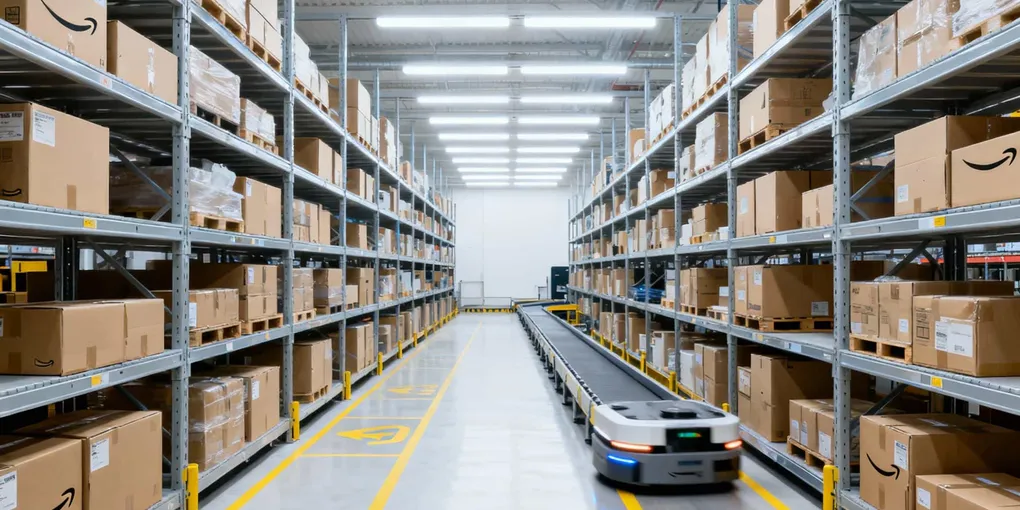
Are you wondering how to optimize your shipping cost from China to Canada Amazon FBA and maximize your profits in the North American FBA market? Understanding the trade-offs between sea freight, air freight, and express shipping — and the full cost structure behind each — is vital for successful Amazon sellers. In this comprehensive guide, we break down every aspect of shipping to Canadian FBA warehouses, from rate comparisons and customs duties to DDP strategies and cost-saving tactics that experienced importers rely on.
Shipping Methods at a Glance: China to Canada Amazon FBA
Before diving into each method, here is a quick-reference comparison to help you choose the right shipping mode based on your cargo volume, budget, and timeline:
| Shipping Mode | Best For | Transit Time | Cost Indicator | Key Trade-Off |
|---|---|---|---|---|
| Sea Freight (LCL) | 1–15 CBM, non-urgent | 25–35 days | $120–$160/CBM | Slowest but most economical for mid-sized loads |
| Sea Freight (FCL) | 15+ CBM, high-volume | 25–35 days | $2,800–$3,800/20’GP | Lowest per-unit cost; requires full container commitment |
| Air Freight | 100–1,000 kg, time-sensitive | 4–9 days | $5.5–$8.0/kg | Best speed/cost balance for mid-weight urgent shipments |
| Express (DHL/FedEx/UPS) | Under 150 kg, urgent restocks | 3–6 days | $7–$12/kg | Fastest door-to-door; highest per-kg cost |
All rates are estimates as of Q2 2026 and subject to seasonal fluctuation, fuel surcharges, and market conditions. Request a live quote for accurate pricing.
Related reading: For a broader view of logistics to this destination, see our Shipping from China to Canada guide. If you ship to the U.S. as well, check Shipping from China to Amazon FBA for cross-border FBA strategies.
Sea Freight from China to Canada Amazon FBA
When shipping to Amazon FBA warehouses in Canada from China, sea freight stands out as the most cost-effective solution for medium to large shipments. In our experience managing FBA supply chains from Shenzhen, businesses shipping above 2 CBM or 200 KG consistently achieve the lowest per-unit costs through maritime transport — particularly when they plan inventory cycles around the 25–35 day ocean transit window.
Why Choose Sea Freight?
- Cost Effectiveness: Sea freight offers the lowest shipping cost per unit, especially when using Full Container Load (FCL) or Less than Container Load (LCL). For bulk shipments, the cost per kilogram or cubic meter is substantially lower than air or express options.
- Capacity: Containers commonly used include 20FT (28 CBM), 40FT (56 CBM), 40HQ (68 CBM), and 45HQ (78 CBM). This flexibility allows you to ship anything from a few pallets (LCL) to a full container.
- Wide Port Network: Major departure ports in China — such as Shanghai, Shenzhen, Ningbo, and Qingdao — connect seamlessly to main Canada ports like Vancouver, Montreal, and Toronto (via rail from Vancouver).
Shipping Time & Cost by Route
| Port of Loading (China) | Port of Discharge (Canada) | Estimated Transit Time (Days) | Reference LCL Cost (USD/CBM)* | Reference FCL Cost (USD/20FT)* |
|---|---|---|---|---|
| Shanghai | Vancouver | 18–25 | $80–$120 | $3,000–$4,000 |
| Shenzhen | Vancouver | 20–27 | $85–$125 | $3,200–$4,200 |
| Ningbo | Toronto (via rail) | 28–35 | $110–$150 | $4,000–$5,000 |
| Qingdao | Montreal | 29–40 | $130–$170 | $5,000–$6,300 |
Costs are indicative as of Q2 2026 and vary according to season, fuel rates, and shipping line surcharges. For a live, shipment-specific quote, contact our team.
When to Use FCL vs. LCL
- FCL (Full Container Load): Best for large shipments approaching container capacity; offers better security, less handling, and often lower per-unit costs.
- LCL (Less than Container Load): Suitable for smaller shipments; you pay only for the space you use, making it ideal for small businesses or consolidating orders from multiple suppliers.
Pros & Cons of Sea Freight
Advantages:
- Lowest cost for bulk freight.
- Suitable for heavy, non-urgent cargo.
- Flexible capacity options (LCL to 45HQ).
Disadvantages:
- Longer transit time compared to air or express — plan 25–40 days port-to-port.
- Requires advance planning and adherence to Amazon FBA receiving windows.
For an in-depth look at containerized shipping options, read our Sea Freight from China to Canada guide and Cost of Shipping a 40ft Container from China to Canada.
Air Freight from China to Canada Amazon FBA
For time-sensitive shipments to Amazon FBA centers in Canada, air freight is the preferred choice. We recommend air shipping for urgent restocks, product launches, or high-value goods where speed outweighs the higher per-kg cost.
Why Choose Air Freight?
- Speed: Direct flights from major Chinese airports to Canadian destinations ensure rapid delivery, typically within 4–9 days from airport to airport.
- Reliability: Fixed schedules, less cargo handling, and modern tracking technology result in predictable transit times and enhanced shipment security — a key advantage when Amazon inventory levels are running low.
- Best for: Shipments ranging from 100 KG to 1,000 KG, especially when launch dates or stock-outs must be avoided.
For more on air cargo options to this region, see Air Freight from China to Canada.
Major Routes & Indicative Costs
| Departure Airport (China) | Arrival Airport (Canada) | Estimated Transit Time (Days) | Typical Rate (USD/KG)* | Note |
|---|---|---|---|---|
| Shanghai (PVG) | Toronto (YYZ) | 3–5 | $4.5–$7.5 | Direct & transit options |
| Guangzhou (CAN) | Vancouver (YVR) | 3–4 | $4.8–$8.0 | Fastest for West Canada |
| Shenzhen (SZX) | Montreal (YUL) | 4–6 | $5.0–$8.5 | Transit via Toronto possible |
Rates vary by season, weight, volume, airline, and market fluctuations. Based on chargeable weight (actual or volumetric, whichever is greater).
Volume Weight vs. Actual Weight
Air freight charges are based on the greater of actual weight or volumetric weight (Length × Width × Height in cm ÷ 6000). For lightweight, bulky goods, always confirm your chargeable weight with your freight forwarder to avoid surprises — this is one of the most common budgeting mistakes we see from first-time FBA sellers.
Pros & Cons of Air Freight
Advantages:
- Fast international delivery — typically 4–9 days airport-to-airport.
- Lower risk of damage or loss compared to ocean transit.
- Ideal for high-value, fragile, or perishable products.
Disadvantages:
- Significantly higher cost per kilogram than sea freight.
- Limitations on cargo size, type, and certain dangerous goods.
Express Shipping from China to Canada Amazon FBA
Express shipping is the fastest solution for urgent shipments from China to Canada Amazon FBA warehouses. This service is ideal for small batches, replenishments, product launches, or valuable goods that require rapid delivery. Major express couriers — DHL, FedEx, UPS, and TNT — provide door-to-door services with streamlined customs clearance and direct delivery to Amazon fulfillment centers across Canada.
Key Features of Express Shipping
- Speed: Delivery time typically ranges from 3 to 6 business days from most major cities in China to Canada (including Toronto, Vancouver, Calgary, and Montreal).
- Tracking & Security: Shipments are fully trackable in real time, offering high transparency and security throughout the journey.
- Simplicity: Documentation and customs processes are streamlined — express carriers often clear customs on your behalf.
- Direct Amazon FBA Delivery: Express companies can deliver directly to Amazon FBA receiving docks, provided that correct shipping labels and appointment bookings comply with Amazon’s inbound requirements.
Typical Express Shipping Costs and Transit Times
| Courier | Estimated Transit Time | Cost Estimate (per kg)* | Max Weight per Piece | Service Coverage |
|---|---|---|---|---|
| DHL Express | 3–5 business days | $6–$10/kg | 70 kg | Nationwide Canada |
| FedEx International Priority | 3–5 business days | $7–$11/kg | 68 kg | Nationwide Canada |
| UPS Worldwide Expedited | 4–6 business days | $7–$12/kg | 70 kg | Nationwide Canada |
| TNT Express | 4–6 business days | $8–$13/kg | 70 kg | Major Cities |
* Note: Shipping cost from China to Canada Amazon FBA via express varies by weight, dimensions, pickup/delivery location, and fuel surcharges. Bulk shipments (typically over 21 kg) receive lower per-kg rates.
To compare with similar services to other North American destinations, review our Shipping from China to USA guide.
Pros & Cons of Express Shipping
| Pros | Cons |
|---|---|
| Fastest delivery — ideal for urgent restock | Highest per-kg cost compared to sea/air freight |
| Simplifies customs and paperwork | Weight/dimension limitations (oversize surcharges) |
| Real-time tracking and proactive notifications | Not suitable for bulk or very heavy shipments |
| Direct delivery to Amazon FBA fulfillment centers | Must comply with Amazon’s strict labeling standards |
When to Use Express Shipping?
Choose express shipping for:
- New product launches needing immediate inventory
- Small, high-value, or time-sensitive shipments (e.g., samples, promotional SKUs)
- Avoiding Amazon stockouts during peak seasons
Complete Cost Breakdown: Shipping from China to Canada Amazon FBA
Understanding the full cost structure of shipping from China to Canada Amazon FBA is crucial for accurate budgeting and margin protection. Shipping costs involve multiple components beyond the base freight rate — overlooking any one of them can erode profitability. As freight forwarders accredited by FIATA and IATA, we always advise clients to budget for the entire logistics chain, not just the carrier’s invoice.
Main Components of Shipping Cost
- Freight Charges
- Sea Freight: Costs based on container type (FCL/LCL), volume (CBM), weight, and route.
- Air Freight: Charged by actual or volumetric weight (whichever is higher).
- Express: Flat rate per kilogram, often with minimum charges.
- Origin Charges
- Pickup from supplier/factory
- Export customs clearance in China
- Warehouse handling and documentation fees
- Destination Charges
- Customs clearance in Canada (via CBSA)
- Import duties, GST/HST, and other taxes
- Delivery to Amazon FBA warehouse (may include local trucking and in-gate fees)
- Surcharges & Extra Fees
- Fuel and security surcharges
- Peak season surcharges (PSS)
- Oversize/overweight fees
- Amazon carrier appointment booking fee (if applicable)
- Value-Added Services
- Cargo insurance (typically 0.1%–0.5% of cargo value)
- Labeling, palletizing, and repacking for Amazon FBA compliance
- Warehouse and consolidation services
Shipping Cost Comparison Table (Q2 2026 Reference)
| Shipping Mode | Suitable Cargo Volume | Transit Time | Indicative Cost (USD) | Best For |
|---|---|---|---|---|
| Sea Freight (LCL) | 1–15 CBM | 25–35 days | $120–$160/CBM | Non-urgent, cost-sensitive cargo |
| Sea Freight (FCL 20’GP) | 15–28 CBM | 25–35 days | $2,800–$3,800/20’GP | Full container, best per-unit cost |
| Sea Freight (FCL 40’HQ) | 55–68 CBM | 25–35 days | $4,200–$5,800/40’HQ | High-volume, maximum economy |
| Air Freight | 100–1,000 kg | 4–9 days | $5.5–$8.0/kg | Urgent, mid-weight shipments |
| Express | Up to 150 kg | 3–6 days | $7–$12/kg | Small parcels, fastest delivery |
Rates are estimates as of Q2 2026. Actual costs fluctuate with fuel surcharges (BAF), seasonal demand, and currency exchange. For the most accurate quote, contact Dantful.US International Logistics for a tailored solution.
Example Calculation: LCL Sea Freight to Toronto FBA
Suppose you are shipping 5 CBM (800 kg) of electronics from Shenzhen, China to an Amazon FBA warehouse in Toronto (YYZ2) via sea freight (LCL). Here is a step-by-step cost estimate:
| Cost Item | Estimated Cost (USD) |
|---|---|
| Freight Charges (LCL) | 5 CBM × $140/CBM = $700 |
| Origin Charges (pickup, export clearance, documentation) | $120 |
| Destination Charges (CBSA clearance, handling, trucking to FBA) | $160 |
| Customs Duties & GST/HST | Varies by HS code (typically 0%–8% + 5% GST) |
| Amazon FBA Receiving Fee | Per Amazon’s current fee schedule |
| Cargo Insurance (optional) | ~$10 (approx. 0.15% of declared value) |
| Total (Excl. Duty/Tax) | ~$990 + duties/taxes |
For full-container cost breakdowns, see our Cost of Shipping a 40ft Container from China to Canada.
Additional Amazon FBA-Related Costs
- FBA labeling and prep service: Ensuring goods meet Amazon’s inbound requirements may add costs for relabeling, repackaging, or palletizing.
- Storage fees: If cargo arrives before the scheduled Amazon delivery appointment, short-term warehouse storage may apply.
- Return or disposal costs: Non-compliant shipments may incur Amazon penalty fees or require costly re-routing.
DDP vs. DDU: Which Shipping Term for Canada Amazon FBA?
One of the most impactful decisions when shipping from China to Canada Amazon FBA is choosing between DDP (Delivered Duty Paid) and DDU (Delivered Duty Unpaid) — also referred to as DAP in Incoterms 2020. The wrong choice can lead to unexpected costs, customs holds, or even shipment rejection at the FBA dock.
DDP (Delivered Duty Paid)
Under DDP terms, the freight forwarder takes full responsibility for the entire journey — from factory pickup in China through to final delivery at the Amazon FBA warehouse in Canada, including all import duties, GST/HST, and customs clearance fees.
Best for:
- Sellers without a Canadian Business Number (BN) or import license
- First-time FBA sellers who want a hassle-free experience
- Shipments where predictable all-in cost matters more than itemized control
Key benefit: You receive one transparent quote covering everything. No surprise bills from CBSA or last-mile carriers.
DDU / DAP (Delivered Duty Unpaid / Delivered at Place)
Under DDU/DAP terms, the freight forwarder handles transportation to the named destination in Canada, but import duties, GST/HST, and customs clearance are the buyer’s (seller’s) responsibility.
Best for:
- Sellers already registered with a Canadian BN and GST/HST account
- Experienced importers who can reclaim input tax credits
- Shipments where the seller has an established Canadian customs broker
Key caution: If you are not registered as a non-resident importer in Canada, CBSA may hold your cargo until duties and taxes are paid — causing days of delay and potential storage fees.
Quick Comparison
| Factor | DDP | DDU / DAP |
|---|---|---|
| Customs clearance handled by | Freight forwarder | Seller or seller’s broker |
| Duties & GST/HST | Included in forwarder’s quote | Paid separately by seller |
| Complexity for seller | Low | Moderate to high |
| Best for | New sellers, small/medium shipments | Registered importers, high-volume sellers |
| Cost predictability | High (all-in quote) | Variable (duties billed separately) |
Our recommendation: Most Amazon FBA sellers shipping from China to Canada for the first time benefit significantly from DDP. It eliminates the complexity of Canadian customs registration and ensures your goods clear without delays. Dantful.US International Logistics offers competitive DDP solutions tailored specifically for Canada Amazon FBA shipments — including duty payment, CBSA clearance, and last-mile delivery to any FBA fulfillment center across Canada.
For a deeper understanding of trade terms, read How to Ship from China to Canada: Step-by-Step Guide.
Cost-Saving Tips for Canada Amazon FBA Shipping
After 15+ years of managing China-to-Canada logistics, we have identified several proven strategies that consistently reduce shipping costs without compromising delivery reliability:
1. Consolidate Shipments via LCL
If you are not shipping enough for a full container, LCL consolidation allows you to share container space with other shipments — paying only for the cubic meters you occupy. Many of our clients ship 2–8 CBM at a time and save 30%–50% versus express or air freight on the same volume.
2. Avoid Peak Season Surcharges
Shipping rates spike during predictable windows. Plan your inventory cycle to avoid:
- Chinese New Year (late January to mid-February) — factory closures + tight capacity
- Golden Week (first week of October) — port congestion and limited sailings
- Q4 Holiday Peak (September–November) — air and sea rates can rise 20%–40%
Booking 3–4 weeks before a peak window locks in lower rates and secures space.
3. Optimize Packaging to Reduce Chargeable Weight
For air freight and express, volumetric weight determines your bill. Reduce box dimensions where safe, use efficient pallet configurations, and avoid excessive void fill. A 10% reduction in carton volume can translate directly to a 10% freight cost reduction.
4. Choose the Right Incoterm for Your Situation
- If you have a trusted supplier in China, FOB gives you control over the forwarder and often better freight rates than EXW.
- If you lack a Canadian import license, DDP eliminates registration hurdles and surprise customs bills.
5. Partner with a Freight Forwarder Offering Contract Rates
Forwarders with direct carrier contracts — like Dantful.US, accredited by FIATA and IATA — can access volume-discounted rates unavailable to individual shippers. These savings are passed on to you, especially on regular or high-volume lanes from China to Canada.
Step-by-Step Guide to Shipping from China to Canada Amazon FBA
Whether you are a seasoned importer or new to Amazon FBA, following a structured process ensures compliance, cost efficiency, and timely delivery:
1. Product Preparation
- Confirm your product meets all Canada and Amazon FBA regulations.
- Ensure packaging, labeling, and palletizing comply with Amazon’s latest inbound requirements.
2. Select Shipping Method
- Choose between sea freight (FCL/LCL), air freight, or express based on your budget, cargo volume, and delivery timeline.
- Consult with Dantful.US for a tailored recommendation based on your product category and urgency.
3. Obtain a Detailed Quote
- Provide shipment details: dimensions, weight, product type, origin port in China, and destination FBA warehouse code in Canada.
- Request an all-inclusive quote covering freight, origin/destination charges, duties (if DDP), and value-added services.
4. Book Cargo Space & Arrange Pickup
- Confirm booking with your freight forwarder.
- Arrange pickup from your China supplier to the port or airport.
5. Export Customs Clearance in China
- Complete export declaration and relevant paperwork.
- Your freight forwarder should handle all export customs requirements on your behalf.
6. International Transportation
- Cargo is shipped via the chosen mode (sea, air, or express) from China to Canada.
7. Import Customs Clearance in Canada
- Declare cargo to CBSA; pay duties, GST/HST, and other applicable taxes (or ensure your forwarder handles this under DDP).
- A qualified customs broker ensures smooth clearance and minimizes inspection delays.
8. Delivery to Amazon FBA Warehouse
- After customs release, cargo is delivered to the designated Amazon fulfillment center.
- Confirm the carrier appointment and all shipping documents are in order for seamless FBA check-in.
9. Monitor Receiving & Inventory
- Track shipment status via Amazon Seller Central and your forwarder’s tracking platform.
- Address any receiving discrepancies in real time with proactive support.
10. Review & Optimize for Future Shipments
- Evaluate actual transit time, landed cost, and compliance experience.
- Continuously refine your logistics strategy to reduce costs and improve speed on future shipments.
For a more detailed walkthrough of the end-to-end process, see How to Ship from China to Canada and our Customs Clearance overview.
Amazon FBA Inbound Requirements and Procedures
Shipping products from China to Canada Amazon FBA requires strict adherence to Amazon’s inbound requirements. Non-compliance is the single most common cause of receiving delays and unexpected fees — issues we help our clients avoid through pre-shipment prep checks.
Key Inbound Requirements
- Product Labeling
- Every item or carton must have a scannable FNSKU barcode. Labels must be clear, placed on a flat surface (not over box seams), and follow Amazon’s specifications.
- Incorrect or missing labeling can lead to inventory rejection or per-unit reprocessing fees.
- Packaging Standards
- Products must be securely packed to withstand long-distance shipping. Use double-walled corrugated cartons rated for international transit.
- Palletized shipments must comply with Amazon’s pallet specifications (standard size: 40″ × 48″, GMA grade B or higher).
- Poly-bagged items require suffocation warnings.
- Carton and Pallet Limits
- Individual carton weight should not exceed 50 lbs (22.7 kg) unless containing a single oversized item exceeding this weight.
- Carton dimensions should not exceed 25 inches (63.5 cm) on any side.
- Pallets must be in good condition and heat-treated (ISPM 15) for international shipments.
- Shipment Plan & Booking
- Create the FBA shipment plan in Amazon Seller Central.
- Provide the carrier with Amazon’s Shipment ID and book delivery appointments through Amazon Carrier Central (for LTL/FTL shipments).
- Complete Carton Information in Amazon’s system for every shipment.
- Pre-Delivery Notification
- Submit accurate Advanced Shipment Notice (ASN) details to avoid dock refusal.
- For non-partnered carriers, schedule deliveries strictly within the assigned appointment window.
Common Mistakes to Avoid
| Mistake | Consequence |
|---|---|
| Missing or incorrect FNSKU labels | Rejection or re-labeling fees ($0.30–$0.50+/unit) |
| Overweight cartons (>50 lbs) | Delays, re-packing charges, possible refusal |
| Unscheduled deliveries | Refused at the dock; costly rescheduling |
| Non-compliant pallets | Storage refusal; repalletization fees |
| FNSKU label placed over box seam | Unreadable scan → flagged as “Problem” shipment |
Step-by-Step Inbound Process
- Product Preparation: Package and label all products per Amazon FBA guidelines.
- Create Inbound Shipment: Use Amazon Seller Central to generate a shipment plan with product and carton details.
- Select Carrier/Forwarder: Choose a partner experienced in Amazon FBA Canada logistics, who understands FBA appointment scheduling and labeling compliance.
- Ship to Amazon FC: Arrange transportation to the designated fulfillment center in Canada with all required documentation.
- Track and Monitor: Monitor shipment progress using your forwarder’s tracking system and Amazon Seller Central until inventory is marked “Received.”
Customs Clearance, VAT, and Duties Compliance
Efficient customs clearance is critical for shipments from China to Canada Amazon FBA. Non-compliance with Canada Border Services Agency (CBSA) regulations can result in costly holds, inspections, penalties, or returned shipments — all of which directly impact your FBA inventory availability.
Customs Clearance Process
- Import Documentation
- Commercial Invoice: Details of goods, declared value, and Incoterms.
- Packing List: Details of each package and item shipped.
- Bill of Lading (B/L) or Air Waybill (AWB): Proof of carriage.
- Import License/Permit: If required by CBSA for restricted goods.
- Certificate of Origin: Sometimes required for preferential tariff treatment under trade agreements.
- HS Code Classification
- Accurate Harmonized System (HS) codes are essential for determining correct duties. Misclassification can trigger CBSA audits and penalty fees.
- Declaration and Inspection
- Goods are declared to CBSA electronically before arrival.
- CBSA may conduct random or targeted inspections based on product type and compliance history.
- Duty and Tax Payment
- Duties are calculated on declared value and HS code classification.
- Goods and Services Tax (GST): 5% federal, applied to the total of declared value + duties.
- Provincial sales taxes (PST/HST) may also apply depending on the destination province.
- Customs handling fees may apply.
- Release and Delivery
- Once duties and taxes are paid and inspections cleared, cargo is released for final delivery to Amazon FBA.
Typical Import Duty & GST Reference (2026)
| Product Category | Example HS Code | Duty Rate | GST (Federal) | Notes |
|---|---|---|---|---|
| General Electronics | 8517 | 0%–8% | 5% | Check for trade agreements |
| Apparel | 6203 | 16%–18% | 5% | Higher duty category |
| Toys | 9503 | 0%–8% | 5% | Often low or zero duty |
| Furniture | 9403 | 0%–9.5% | 5% | Size may impact handling |
Actual rates depend on HS code and country of origin. Always verify with the CBSA tariff database or your customs broker.
VAT and Tax Compliance for Amazon FBA Sellers
- Non-resident importers (foreign sellers shipping directly from China to Canada Amazon FBA) may need to register for a Business Number (BN) and collect/remit Canadian sales taxes (GST/HST/PST) if they exceed the CRA’s small-supplier threshold or are considered to be carrying on business in Canada.
- Keeping accurate records of imports, sales, and tax payments is mandatory for CRA compliance.
- Under DDP terms, your freight forwarder handles duty and tax payments on your behalf — simplifying compliance for non-resident sellers.
For a deeper dive into documentation and clearance procedures, see our Freight Forwarder from China to Canada overview.
Amazon FBA Freight Forwarder from China to Canada
Choosing a reliable Amazon FBA freight forwarder is critical when shipping from China to Canada. The right partner ensures your goods arrive on time, comply with all Amazon FBA inbound standards, clear customs without issues, and keep your total shipping cost from China to Canada Amazon FBA under control.
Why Partner with a Professional Freight Forwarder?
A specialized Amazon FBA freight forwarder understands the complexities of shipping to Canadian fulfillment centers. Services typically include:
- Optimal shipping method selection: Sea freight, air freight, express, or multimodal, matched to your cargo size, urgency, and budget.
- Customs clearance and documentation: Handling all paperwork and coordinating with CBSA for seamless entry.
- Amazon FBA compliance: Ensuring labeling, packaging, palletization, and delivery appointments meet Amazon’s latest requirements.
- End-to-end tracking: Real-time visibility from factory pickup in China to check-in at the FBA warehouse in Canada.
- Consolidation and value-added services: Product inspection, repackaging, palletization, FBA labeling, and short-term warehousing.
What to Look for in an Amazon FBA Freight Forwarder
| Criteria | What to Look For | Why It Matters |
|---|---|---|
| Experience with Amazon FBA | Proven track record shipping to Canadian FBA centers | Minimizes risk of delays, rejections, and penalty fees |
| Comprehensive Services | Sea, Air, Express, Customs, Warehousing, Door-to-Door | Simplifies your supply chain — one point of contact |
| Transparency & Pricing | Clear, detailed quotes with no hidden fees | Essential for accurately calculating total landed cost |
| Customer Support | Responsive, knowledgeable, dedicated account management | Fast issue resolution and proactive updates |
| Compliance Expertise | Deep knowledge of CBSA, GST/HST, and Amazon’s inbound rules | Ensures smooth clearance and FBA acceptance |
| Industry Accreditation | FIATA / IATA membership | Verifiable third-party credentials — not just marketing claims |
Why Choose Dantful.US International Logistics?
At Dantful.US International Logistics, we are a highly professional, cost-effective, and high-quality one-stop international logistics service provider. With over 15 years of experience, FIATA and IATA accreditation, and direct carrier contracts, we specialize in Amazon FBA shipments from China to Canada, offering:
- Multiple shipping options: Sea Freight (FCL/LCL), Air Freight, Express, and Door-to-Door.
- Full customs brokerage: Professional handling of CBSA documentation, duties, and GST/HST.
- Amazon FBA prep services: Labeling, inspection, palletizing, and carrier appointment management.
- Flexible warehousing: Short- and long-term storage in both China and Canada.
- Cargo insurance: Comprehensive coverage to protect your goods in transit.
- Real-time tracking: Transparent updates at every milestone of your shipment’s journey.
Our expertise and industry reputation ensure your shipping cost from China to Canada Amazon FBA stays competitive and your supply chain runs reliably.
FAQs
Below are frequently asked questions about shipping cost from China to Canada Amazon FBA and related logistics:
Q1: What is the average shipping cost from China to Canada Amazon FBA?
The shipping cost from China to Canada Amazon FBA depends on shipping mode, cargo volume, weight, and season. As a general guideline (Q2 2026):
| Shipping Mode | Typical Transit Time | Estimated Cost | Best For |
|---|---|---|---|
| Sea Freight (LCL) | 25–35 days | $120–$160/CBM | Bulky, non-urgent shipments |
| Sea Freight (FCL) | 25–35 days | $2,800–$3,800/20’GP | High-volume container loads |
| Air Freight | 4–9 days | $5.5–$8.0/kg | Urgent, medium-weight shipments |
| Express | 3–6 days | $7–$12/kg | Samples, small urgent parcels |
Please contact us for a tailored quote — rates fluctuate with fuel, season, and route.
Q2: Which Amazon FBA warehouses in Canada can I ship to?
You can ship to any Amazon FBA warehouse in Canada assigned in your Seller Central shipment plan, such as:
- YVR3 (Vancouver, BC)
- YYZ2, YYZ7 (Toronto, ON)
- YUL9 (Montreal, QC)
Always confirm the designated FBA address in your Seller Central before shipping — Amazon may assign different fulfillment centers based on product category and inventory distribution.
Q3: What are the main documents required for customs clearance in Canada?
Required documents include:
- Bill of Lading (B/L) or Air Waybill (AWB)
- Commercial Invoice
- Packing List
- Import permit or license (if applicable for regulated goods)
- Canada Customs Invoice or CBSA declaration
Dantful.US International Logistics handles all documentation and customs procedures on your behalf.
Q4: How can I ensure my products meet Amazon FBA inbound requirements?
- Follow Amazon’s latest Seller Central inbound guidelines for labeling, packaging, carton size/weight, and appointment scheduling.
- Use a freight forwarder experienced in FBA prep — they can inspect, label, palletize, and document your shipment before it leaves China, preventing costly rejections at the destination FC.
Q5: How can I track my shipment from China to Canada Amazon FBA?
We provide robust tracking systems that give you real-time visibility — from pickup at your supplier in China through every milestone (export clearance, vessel/flight departure, arrival, CBSA clearance, last-mile delivery, and FBA check-in) to final receipt at the Amazon fulfillment center in Canada.
Q6: Should I use DDP or DDU for shipping to Canada Amazon FBA?
For most sellers — especially those without a Canadian Business Number (BN) — DDP is the simpler, lower-risk choice. Your freight forwarder handles all duties and taxes, and you receive one all-inclusive quote. If you are already registered as a non-resident importer in Canada and can reclaim GST/HST input credits, DDU/DAP may offer more cost control. See the DDP vs. DDU section above for a detailed comparison.
Get A Free Shipping Quote