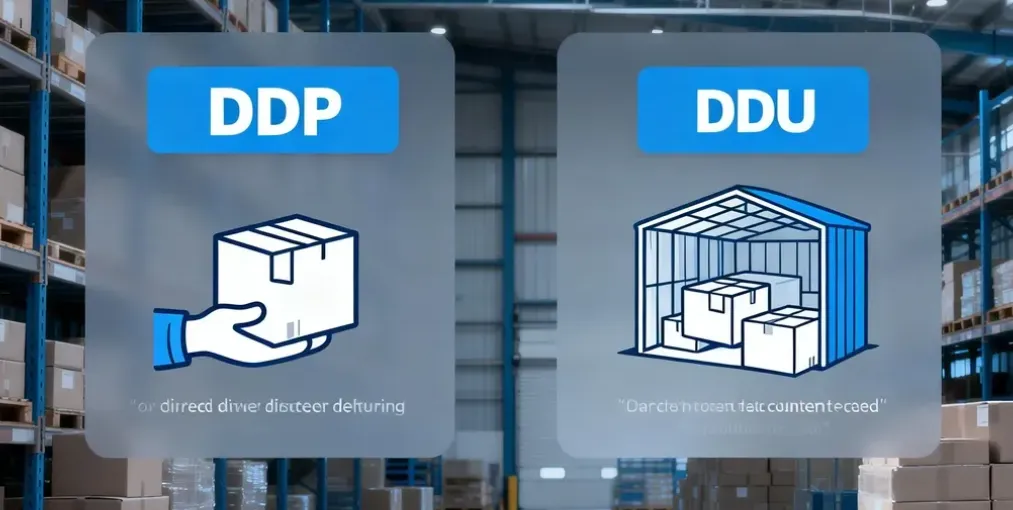
Are you confused about the differences between DDP (Delivered Duty Paid) and DDU (Delivered Duty Unpaid) in international shipping? Understanding these key Incoterms can make or break your shipping strategy and affect your bottom line. In this comprehensive guide, we’ll break down the responsibilities, costs, and risks of DDP vs DDU, helping you decide which option best suits your business needs. Let’s unravel the mystery of DDP and DDU to ensure smarter global trading decisions.
What Are DDP and DDU in International Shipping?
When navigating international shipping, understanding Incoterms (International Commercial Terms) such as DDP (Delivered Duty Paid) and DDU (Delivered Duty Unpaid) is crucial. These terms define the roles and responsibilities of buyers and sellers during the shipping process. Making the right choice between DDP and DDU can impact cost, transit time, and risk management for your business.
Definition of DDP (Delivered Duty Paid)
DDP stands for Delivered Duty Paid. Under a DDP agreement, the seller takes on maximum responsibility and risk throughout the shipping journey—from picking up the goods at their own premises to delivering them to the buyer’s designated location in the destination country. This includes:
- Export and import customs clearance
- Payment of all duties, taxes, and import charges
- Transportation costs
- Risk of loss or damage up to final delivery
For the buyer, DDP is highly convenient because all logistics, documentation, and payments related to shipping and customs are handled by the seller. The buyer simply receives the goods at the agreed destination without involvement in customs procedures.
Example: If a seller ships electronics from China to a warehouse in Los Angeles, USA under DDP, the seller is responsible for booking freight, clearing U.S. customs, paying duties, and delivering to the buyer’s door. For a deeper dive into the cost dynamics and transit time for shipments to the U.S., see How long does sea shipping take from China to USA.
Definition of DDU (Delivered Duty Unpaid)
DDU stands for Delivered Duty Unpaid. In this arrangement, the seller is responsible for shipping the goods to a named place in the destination country, but does not pay for import duties, taxes, or customs clearance. Once the goods arrive at the destination point, the buyer takes over, handling:
- Import customs formalities
- Payment of import duties and taxes
- Final delivery (if not specified otherwise)
DDU gives the buyer more control over customs processes and costs but also adds complexity and risk, particularly if the buyer is unfamiliar with local regulations.
Example: If goods are shipped from Germany to Houston, USA under DDU, the German seller delivers to the port or a named place, and the American buyer arranges customs clearance, pays duties, and organizes the final delivery to their warehouse.
The Role of Incoterms in Freight Forwarding
Incoterms are standardized global trade terms published by the International Chamber of Commerce (ICC). They eliminate confusion in international sales contracts by clearly defining when and where the responsibility, costs, and risks transfer from seller to buyer.
For freight forwarding, choosing the right Incoterm—such as DDP or DDU—helps both parties understand:
- Who arranges transportation and insurance
- Who handles export/import customs
- Who pays for duties, taxes, and additional charges
- When risk and responsibility pass from seller to buyer
As a leading freight forwarder, Dantful.US International Logistics provides expert guidance on Incoterm selection and compliance to help clients avoid costly mistakes and optimize shipping efficiency.
Key Differences Between DDP and DDU
Grasping the differences between DDP and DDU is vital for importers, exporters, and logistics professionals. Below, we discuss the division of responsibilities, customs clearance, duty payment, risk transfer, and delivery points under each term.
Responsibilities of Buyers and Sellers Under DDP vs DDU
| Responsibilities | DDP (Delivered Duty Paid) | DDU (Delivered Duty Unpaid) |
|---|---|---|
| Export Customs Clearance | Seller | Seller |
| International Freight | Seller | Seller |
| Import Customs Clearance | Seller | Buyer |
| Payment of Import Duties | Seller | Buyer |
| Local Delivery | Seller | Usually Buyer, unless otherwise agreed |
| Risk Until Delivery | Seller (until goods reach the buyer) | Seller (until place of handover) |
Key takeaway: DDP puts almost all responsibility on the seller, while DDU splits key tasks and costs at the destination.
Customs Clearance and Duty Payment: Who Pays?
- DDP: The seller manages and pays for both export and import customs clearance, including all duties and taxes. The buyer has no engagement with customs authorities.
- DDU: The buyer is responsible for import customs clearance and paying duties and taxes upon arrival in the destination country. This can cause delays if the buyer is not familiar with local procedures or lacks necessary documents.
Tip: For buyers new to international shipping or unfamiliar with destination country regulations, DDP can minimize compliance risks and delays. If you are considering importing goods to Canada and want a step-by-step guide, check out How to Ship from China to Canada: Step-by-Step guide.
Risk Transfer and Delivery Points
- DDP: Risk and responsibility pass from seller to buyer only when goods are delivered to the specified final destination (e.g., buyer’s warehouse or door).
- DDU: Risk transfers when goods reach the named place in the destination country (often before customs clearance). The buyer is then responsible for import clearance, duties, and any additional handling or delivery steps.
| Aspect | DDP | DDU |
|---|---|---|
| Delivery Point | Final destination (e.g., warehouse/door) | Named place before import clearance |
| Risk Transfer | Upon delivery to buyer’s site | Upon arrival at destination point |
Selecting the right Incoterm depends on your familiarity with import processes, control preferences, and your ability to handle risks. At Dantful.US International Logistics, we help clients navigate these choices, ensuring compliance, cost-effectiveness, and timely delivery through our comprehensive services—including sea freight, air freight, customs clearance, door-to-door, and more.
By understanding DDP vs DDU and their implications, you can make informed decisions to streamline your supply chain, optimize cost, and reduce risk. If you need expert guidance on choosing between DDP and DDU, or require a reliable freight forwarding partner, reach out to Dantful.US International Logistics for tailored solutions.
Advantages and Disadvantages of DDP Shipping
Benefits of Choosing DDP for Importers and Exporters
Delivered Duty Paid (DDP) is one of the most popular Incoterms in international logistics, especially for businesses seeking simplicity and predictability. Here are the main advantages when choosing DDP:
- All-in-one Solution: With DDP, the seller is responsible for all shipping arrangements, including freight charges, customs clearance, import duties/taxes, and final delivery to the buyer’s door. This allows importers to focus on their core business without worrying about complex logistics procedures.
- Predictable Costs: Buyers receive a clear, upfront price that includes all major shipping expenses. This transparency helps with budgeting and avoids unexpected fees upon arrival.
- Reduced Risk for Importers: Since the seller handles all customs paperwork and payments, the risk of customs delays, fines, or compliance issues is minimized for the buyer.
- Streamlined Operations for First-Time Importers: For those new to international trade, DDP simplifies the process by reducing the need for the buyer to interact directly with foreign customs authorities.
- Improved Supply Chain Control for Sellers: Exporters can ensure their cargo is delivered as promised, safeguarding their reputation and building trust with buyers.
- End-to-End Service: Many freight forwarders, such as Dantful.US International Logistics, provide comprehensive DDP solutions, including sea freight, air freight, door-to-door delivery, and customs clearance, further enhancing convenience and efficiency.
Who Benefits Most from DDP?
- Cross-border e-commerce sellers needing smooth delivery to overseas customers
- Small and medium-sized enterprises (SMEs) with limited logistics resources
- Manufacturers who want to offer value-added services to global buyers
Common Challenges and Risks with DDP
While DDP offers significant benefits, there are also important challenges to consider:
- Higher Upfront Costs for Sellers: Since the seller is responsible for all charges until goods reach the final destination, this can increase financial risk, particularly if there are unexpected fees or delays.
- Complex Compliance Requirements: Sellers must be knowledgeable about the import regulations of the destination country, including restricted items, documentation, and tax rates. Missteps can cause delays or penalties.
- Potential Cash Flow Issues: Sellers often need to pay duties and taxes in advance, which can strain cash flow, especially for large or frequent shipments.
- Limited Transparency for Buyers: Some buyers may prefer more control over customs clearance to optimize costs or select their own customs broker.
- Unforeseen Delays: If customs authorities in the destination country require additional inspections or documents, delivery timelines may be impacted, even under DDP.
- Not Ideal for All Destinations: Some countries (like Brazil or Russia) have complex customs systems, making DDP less practical due to unpredictable costs and requirements. For instance, learn more about DDP shipping from China to Brazil if you intend to ship to the Brazilian market.
| DDP Pros | DDP Cons |
|---|---|
| Simple for importers | Complex and costly for exporters |
| Predictable landed costs | High cash flow requirements for sellers |
| Reduced customs risk for buyers | Compliance risks for sellers |
| One-stop logistics solutions | Not suitable for certain countries |
| End-to-end service possible | Longer lead times if customs issues arise |
Advantages and Disadvantages of DDU Shipping
Benefits of Opting for DDU in International Trade
Delivered Duty Unpaid (DDU) represents a more traditional approach to international shipping, where the seller delivers the goods to the agreed destination, but the buyer assumes responsibility for import duties, taxes, and customs clearance. The main advantages include:
- Lower Risk for Sellers: Exporters are not required to pay duties and taxes in the destination country, reducing their financial exposure and administrative burden.
- Potential Cost Optimization for Buyers: Buyers, especially those with local expertise, can use their preferred customs agents or brokers—sometimes securing better rates or leveraging existing relationships.
- Flexibility in Customs Clearance: Buyers have more control over how and when their goods clear customs, which can expedite delivery if they are familiar with local regulations.
- Often Lower Overall Cost: Since sellers do not need to pad their pricing to cover unknown customs costs, DDU shipments may be cheaper on paper.
- Suitable for Complex Destinations: DDU is often preferred for shipments to countries with unpredictable or complex customs requirements (India, Brazil, Argentina, etc.).
Who Benefits Most from DDU?
- Large importers with established logistics and customs clearance teams
- Frequent shippers to familiar markets
- Buyers who want to optimize import processes or consolidate shipments
Potential Drawbacks and Risks of DDU
Despite the flexibility, DDU can present challenges:
- Unpredictable Final Costs for Buyers: The buyer may face unexpected duties, taxes, or storage charges if customs clearance is delayed.
- More Responsibility on Buyers: Importers must handle all customs documentation, compliance, and payment of fees, which can be overwhelming for inexperienced companies.
- Possible Delivery Delays: If the buyer is not prepared or lacks knowledge of local import procedures, goods can be held at customs, incurring extra charges or demurrage.
- Fragmented Logistics Experience: The buyer must coordinate with several service providers, potentially leading to communication gaps and delays.
- Less Appealing for First-Time Importers: New market entrants or small businesses may struggle with the administrative complexity of DDU.
| DDU Pros | DDU Cons |
|---|---|
| Lower risk/cost for exporters | Buyer faces unpredictable final charges |
| Greater control for buyers | Requires customs knowledge and local connections |
| Flexible customs clearance | Potential for storage/demurrage if clearance delayed |
| Suitable for complex destinations | Higher admin workload for importers |
In summary:
- Choose DDP if you value simplicity, predictable landed costs, and minimal administrative burden—especially as an importer or when working with new markets. Freight forwarders like Dantful.US International Logistics provide end-to-end, professional DDP solutions to ensure your cargo arrives safely and on time.
- Opt for DDU if you are an experienced importer with strong local logistics teams and the ability to manage customs clearance efficiently, or if shipping to countries with complex regulatory environments.
If you need expert advice on selecting the right Incoterm or wish to arrange seamless, cost-effective international logistics—including sea freight, air freight, road freight, warehouse, and door-to-door services—feel free to contact Dantful.US International Logistics. Our team delivers highly professional, one-stop freight solutions for global traders and businesses of all sizes.
Cost Comparison: DDP vs DDU for Freight Forwarding
How DDP and DDU Impact Total Shipping Costs
When comparing DDP (Delivered Duty Paid) and DDU (Delivered Duty Unpaid), understanding their effect on total shipping cost is crucial for any business involved in international trade. Both terms define which party—buyer or seller—bears the responsibility for shipping costs, customs duties, and associated fees.
DDP means the seller handles all costs up to the delivery destination, including freight, insurance, import duties, and taxes. This offers the buyer a simple, predictable landed cost with minimal risk, but usually comes at a higher overall price.
DDU, on the other hand, requires the buyer to pay all duties, taxes, and customs clearance charges upon the goods’ arrival in the destination country. While this can lower the initial invoice price, buyers must be prepared to handle unpredictable costs and potential delays at the destination.
Below is a comparative summary of key cost components:
| Cost Component | DDP (Delivered Duty Paid) | DDU (Delivered Duty Unpaid) |
|---|---|---|
| International Freight | Paid by Seller | Paid by Seller |
| Insurance | Optional, typically paid by Seller | Optional, typically paid by Seller |
| Import Duties & Taxes | Paid by Seller | Paid by Buyer |
| Customs Clearance (Destination) | Arranged & paid by Seller | Arranged & paid by Buyer |
| Delivery to Final Address | Paid by Seller | Paid by Seller or Buyer (varies) |
| Handling Fees at Destination | Paid by Seller | Paid by Buyer |
| Risk of Extra Charges | Low for Buyer, High for Seller | High for Buyer, Low for Seller |
| Total Landed Cost Uncertainty | Low | High |
Example (2026 Estimates): Shipping a 20FT container (28CBM) from Shenzhen, China to a commercial warehouse near Los Angeles Port (USA).
- Under DDP: The seller quotes a total landed price (approx. $3,200 – $4,000, depending on the cargo’s HS code and current USMCA or section 301 tariffs). This covers ocean freight, THC (Terminal Handling Charges), U.S. customs duties, and last-mile delivery to the buyer’s warehouse.
- Under DDU: The seller quotes only the freight up to the port (approx. $1,500 – $1,800). The buyer must then arrange and pay for customs clearance, duties, and local delivery.
Note: Freight rates and transit times (typically 14–18 days for port-to-port on this route) are highly subject to peak season demand, shipping space availability, port congestion, and weather conditions. Rates shown are competitive 2026 estimates and may fluctuate based on current market dynamics.
If you’re shipping full containers to the U.S. and concerned about total costs, you may also want to review Container Shipping Costs from China to USA.
Hidden Fees and Unexpected Expenses to Watch Out For
Whether you choose DDP or DDU, certain hidden charges may arise during the shipping process:
For DDP:
- Demurrage and Detention Fees: If the buyer delays unloading or customs clearance, extra charges accrue and may not be included in the original quote.
- Unexpected Regulatory Fees: Changes in local regulations or surcharges, especially in the U.S. or EU, may result in extra costs for the seller.
- Incorrect Tariff Classification: If the seller misdeclares the HS code, additional duties or penalties may occur.
For DDU:
- Customs Broker Fees: Buyers must often hire a local customs broker for clearance.
- Port Storage Charges: Delays in customs processing may lead to storage charges at the destination port.
- Value-Added Tax (VAT) and Local Taxes: These often surprise buyers unfamiliar with local tax regimes.
- Inspection Fees: Random or risk-based inspections can result in additional costs and transit delays.
Pro Tip: Work with an experienced freight forwarder like Dantful.US International Logistics to ensure transparency in cost breakdowns. Our expertise helps you avoid unnecessary fees and provides full support for customs compliance, insurance, and risk mitigation.
How to Choose Between DDP and DDU for Your Business
Factors to Consider: Cargo Type, Destination, and Customs Regulations
Selecting between DDP and DDU depends on several crucial factors:
- Cargo Type: Sensitive or high-value cargo may benefit from DDP for better cargo control and risk management. Standard bulk shipments might be more suitable for DDU if the buyer has stronger local logistics capabilities.
- Destination Country: Countries like the United States, Canada, and most of the European Union have complex customs regulations and fluctuating import tariffs. DDP is more convenient in these cases, reducing compliance risks for the buyer.
- Buyer’s Logistics Experience: If the buyer lacks experience with customs clearance or local regulations, DDP minimizes hassle and risk. DDU may suit buyers with established logistics teams or local agents.
- Nature of the Transaction: For e-commerce shipments (e.g., Amazon FBA goods), DDP is often preferred, as platforms require all duties and taxes paid upfront. For B2B or long-term partnerships, DDU may offer more flexibility.
- Customs Regulations & Trade Agreements: Check if Free Trade Agreements (FTA) or special arrangements affect duty rates. Complex import regimes favor DDP to offload risk onto the seller.
- Cost Control vs. Flexibility: DDP provides a fixed, predictable cost. DDU offers the opportunity for buyers to negotiate local services but may introduce surprises.
Summary Table: When to Choose DDP or DDU
| Scenario/Factor | DDP Recommended | DDU Recommended |
|---|---|---|
| Inexperienced Importer | ✔ | |
| Complex Customs Regulations | ✔ | |
| High-Value or Sensitive Cargo | ✔ | |
| Buyer Has Local Logistics Network | ✔ | |
| Focus on Cost Minimization | ✔ | |
| E-commerce Fulfillment (Amazon FBA) | ✔ |
Case Studies: Which Incoterm Works Best for Different Scenarios
Case Study 1: E-commerce Seller Shipping to Amazon FBA in the USA
Company A, a cross-border e-commerce seller, ships electronics from Shenzhen, China to an Amazon FBA warehouse in California. Chosen Term: DDP Why: Amazon requires all shipments to arrive fully customs-cleared and duty-paid. Choosing DDP via Dantful.US International Logistics ensures compliance, avoids delivery rejections, and allows Company A to focus on sales, not logistics.
Case Study 2: Manufacturer Replenishing Stock in Europe
Company B, a large manufacturer, ships machinery parts from Shanghai to Hamburg, Germany. Chosen Term: DDU Why: Company B has a local branch and trusted customs broker in Germany. By choosing DDU, they negotiate local services directly and benefit from lower overall logistics costs. If you’re considering shipments to Germany, you can compare cost structures in Shipping from China to Germany.
Case Study 3: SME Importing Apparel to Canada
Company C, a small business, imports fashion goods from Guangzhou to Toronto. Chosen Term: DDP Why: Lacking experience in Canadian customs procedures, Company C opts for DDP to avoid unexpected taxes and clearance hurdles. Dantful.US International Logistics provides a one-stop solution with transparent pricing and reliable delivery.
In conclusion, the choice between DDP and DDU has a substantial impact on your shipping costs, risk profile, and overall supply chain efficiency. By carefully assessing your business needs, destination regulations, and logistics capabilities, you can select the Incoterm that delivers the best balance of control and value. For tailored, professional guidance and competitive rates, consider partnering with Dantful.US International Logistics—your trusted freight forwarding specialist for hassle-free global trade.
Conclusion: Which Is Better, DDP or DDU?
Final Recommendations for International Shippers
When comparing DDP (Delivered Duty Paid) and DDU (Delivered Duty Unpaid), it’s clear that both incoterms serve important roles in international shipping, but the best choice depends on your business model, operational capacity, and the needs of your customers.
DDP is ideal for importers who want a seamless, hassle-free experience. Under DDP, the seller assumes responsibility for all shipping costs, customs clearance, and duty payments, ensuring the goods are delivered to the buyer’s door without surprise charges. This provides maximum convenience but also comes with higher costs and increased risks for sellers, especially in unfamiliar markets.
On the other hand, DDU shifts more responsibility to the buyer, particularly for customs clearance and duty payments upon arrival. This option can be cost-effective for buyers who are familiar with local regulations or have established customs brokers but can present challenges if documentation or compliance is lacking.
Below is a simple comparison to help you evaluate these two incoterms:
| Criteria | DDP (Delivered Duty Paid) | DDU (Delivered Duty Unpaid) |
|---|---|---|
| Customs Clearance | Seller is responsible | Buyer is responsible |
| Duty & Tax Payment | Seller pays | Buyer pays |
| Risk Transfer Point | Upon delivery at destination | Upon arrival at destination port |
| Cost Visibility | High (all-included) | Medium (additional costs upon arrival) |
| Buyer Effort | Minimal | Moderate to high |
| Ideal For | Inexperienced importers, B2C | Experienced importers, B2B |
| Common Risks | Seller’s lack of local expertise, unexpected fees | Buyer’s delays/penalties at customs |
Recommendations:
- Choose DDP if you want to provide your customers with a fully inclusive service, improve customer satisfaction, and reduce friction in final delivery. This is especially useful for cross-border e-commerce sellers shipping to markets with complex customs processes.
- Opt for DDU if your buyers have experience handling import procedures in their country, or when regulatory or tax burdens make DDP too risky or costly for the seller.
- Always assess your supply chain, product value, destination country’s regulations, and your internal resources before deciding.
At Dantful.US International Logistics, we empower global traders, importers, and e-commerce businesses with flexible shipping solutions. Whether you need sea freight, air freight, customs clearance, or door-to-door delivery under DDP or DDU terms, our team provides tailored advice and operational excellence to ensure your international shipments arrive smoothly and cost-effectively.
Information Needed for an Accurate DDP/DDU Quote
To help us provide you with the most competitive and precise shipping solution, please prepare the following details when requesting a quote:
- Product Name & HS Code
- Total Piece Count, Gross Weight (kg), and Volume (CBM)
- Packaging Type (e.g., cartons, pallets)
- Special Cargo Status (Whether it contains batteries, liquids, oversized or overweight items)
- Origin Address (e.g., Factory in Shenzhen) & Destination Zip Code (e.g., FBA Warehouse in California)
- Preferred Trade Terms (e.g., DDP, DDU, FOB)
- Additional Services (Whether Insurance, Door-to-Door delivery, or standalone Customs Clearance is needed)
FAQs
1. What is the main difference between DDP and DDU?
The main difference is who pays for customs duties and who is responsible for customs clearance. Under DDP, the seller handles everything up to delivery, including duties and taxes. Under DDU, the buyer is responsible for duties and customs clearance upon arrival.
2. Which is more cost-effective: DDP or DDU?
DDU often appears cheaper upfront, but buyers need to factor in local clearance fees, duties, and potential delays. DDP typically has a higher quoted cost but ensures a smoother delivery process with fewer hidden charges.
3. Are there risks to using DDP in certain countries?
Yes. DDP poses higher risks in countries with unpredictable customs regulations, high duties, or complex import rules. Sellers may face unanticipated costs or delays if unfamiliar with local processes.
4. Can I switch between DDP and DDU for different shipments?
Absolutely. Many businesses use both, depending on product type, destination, and the buyer’s capabilities. Discuss your needs with your freight forwarder for the best strategy.
5. How can I ensure smooth customs clearance under DDU?
Partner with a knowledgeable customs broker or logistics provider in the destination country. Keep all documentation accurate and up to date to minimize clearance delays or penalties.
6. Does Dantful.US International Logistics support DDP and DDU shipments?
Yes! Dantful.US International Logistics offers both DDP and DDU shipping solutions. We provide expert support with sea freight, air freight, customs clearance, warehouse, insurance, and door-to-door shipments to help you choose the most suitable Incoterm for your business.
7. What types of goods are best shipped under DDP or DDU?
High-value, time-sensitive, or customer-facing shipments often benefit from DDP. Bulk, low-margin, or recurring B2B shipments may be more cost-efficient under DDU.
8. Are there hidden fees with DDP or DDU?
While DDP is designed to be all-inclusive, unexpected customs inspections or regulatory changes can generate extra costs. DDU may involve local terminal handling charges and brokerage fees not covered in the original quote.
For tailored advice on DDP vs DDU and to optimize your international shipping strategy, reach out to the specialists at Dantful.US International Logistics—your one-stop, reliable, and highly professional freight forwarding partner.