

Are you wondering how long it takes to ship goods from Vietnam to Canada? Understanding shipping time from Vietnam to Canada is crucial for both importers and exporters seeking efficiency and reliability. In this comprehensive guide, we’ll explore key factors influencing transit times, compare main shipping methods, and offer tips to help you avoid delays, with the latest insights for January 2026. Discover how to optimize your global supply chain and ensure your cargo arrives on schedule.
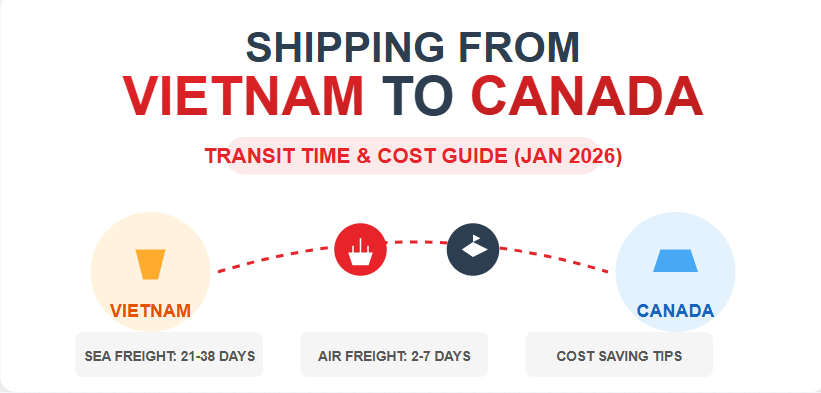
Overview of Shipping Time from Vietnam to Canada
International shipping between Vietnam and Canada is a critical link for global trade, serving a diverse range of industries including manufacturing, electronics, textiles, and consumer goods. Shipping time from Vietnam to Canada is influenced by multiple factors, including the selected transport mode, port locations, customs procedures, and the efficiency of your freight forwarder. As experienced logistics professionals, we understand the importance of timely, reliable delivery—especially in today’s fast-paced and competitive market.
Why Shipping Time Matters for Importers and Exporters
For importers and exporters, shipping time directly impacts inventory management, cash flow, customer satisfaction, and overall business competitiveness. Delays can result in stockouts, lost sales, or extra warehousing costs. For cross-border e-commerce sellers, even a few days’ difference in delivery can influence buyer decisions and ratings. Manufacturers depend on predictable transit times to keep their supply chains running smoothly. By understanding and optimizing your shipping time, you gain a crucial edge in the international market.
Key Factors Influencing Shipping Duration
Several key factors determine how long it will take for your goods to travel from Vietnam to Canada:
- Mode of Transport: Ocean freight (FCL/LCL), air freight, or express courier—each offers different balances of speed and cost.
- Origin and Destination Ports: Major Vietnamese ports such as Ho Chi Minh City (Cat Lai, Cai Mep-Thi Vai) or Haiphong, and Canadian ports like Vancouver, Montreal, or Toronto influence overall transit times.
- Consolidation and Deconsolidation: Shipments requiring consolidation (LCL) or multiple handling steps typically take longer than direct FCL shipments.
- Customs Clearance: Efficiency of customs processes in both Vietnam and Canada can add or reduce days in transit.
- Seasonal Demand & Weather: Peak seasons, holidays (like the upcoming Tet Holiday in Feb 2026), and adverse weather can cause congestion or disruptions at ports and airports.
- Freight Forwarder Efficiency: A reliable partner can streamline processes, offer real-time tracking, and minimize avoidable delays.
Main Shipping Methods from Vietnam to Canada
Choosing the right shipping method is essential to meet your deadlines and budget. Here’s an overview of the primary options:
Ocean Freight Transit Time: FCL vs. LCL
Ocean freight is the most cost-effective solution for medium to large shipments. There are two main types:
- Full Container Load (FCL): You book an entire container—either 20FT (28CBM), 40FT (56CBM), 40HQ (68CBM), or 45HQ (78CBM). This is faster and more secure, as the container is loaded and sealed at origin and opened only at destination.
- Less than Container Load (LCL): Your goods share container space with other shippers. This is ideal for smaller shipments but involves extra handling (consolidation and deconsolidation), which can add several days to overall transit time.
Typical Ocean Freight Transit Times (Port to Port):
| Route (Origin – Destination) | FCL Transit Time | LCL Transit Time |
|---|---|---|
| Ho Chi Minh City (Cat Lai/Cai Mep) – Vancouver | 22–27 days | 25–32 days |
| Haiphong – Montreal/Toronto (via Vancouver) | 28–35 days | 32–40 days |
Note: Total door-to-door delivery time also includes pick-up, customs clearance, and last-mile delivery, usually adding 3–7 days.
For ocean freight from Vietnam to North America, you might also find it useful to compare timing with similar corridors, such as Sea Freight from Vietnam to USA.
Air Freight Shipping Time and Benefits
Air freight is the fastest way to transport cargo from Vietnam to Canada, ideal for urgent shipments, high-value goods, or time-sensitive inventory.
- Transit Time (Airport to Airport): Usually 2–5 days, depending on flight availability and routing.
- Door-to-Door: Can be completed in 5–8 days, including pick-up, export/import clearance, and final delivery.
Benefits of Air Freight:
- Rapid transit – perfect for critical deadlines.
- Lower risk of damage or theft due to minimal handling.
- Flexible scheduling – daily departures from major airports like Tan Son Nhat (SGN) and Noi Bai (HAN) to Vancouver (YVR), Toronto (YYZ), and Montreal (YUL).
Express Courier Options and Delivery Speed
For parcels, samples, or small shipments, international express couriers such as DHL, FedEx, UPS, and specialized providers offer fast, door-to-door service.
Transit Time: 2–4 business days from pick-up in Vietnam to delivery in Canada’s main cities; remote areas may require extra time.
Advantages:
- All-in-one service, including customs clearance and tracking.
- Reliable ETAs and customer-friendly support.
- Suitable for e-commerce, samples, and urgent documents.
| Shipping Method | Typical Transit Time (Door-to-Door) | Best For |
|---|---|---|
| Ocean Freight (FCL) | 25–38 days | Bulk cargo, cost-sensitive shipments |
| Ocean Freight (LCL) | 28–45 days | Small/medium shipments |
| Air Freight | 5–8 days | High-value, urgent, or perishable cargo |
| Express Courier | 2–4 days | Parcels, samples, e-commerce |
Every shipment has its own set of priorities—sometimes speed is paramount, other times cost is king. At Dantful.US International Logistics, we understand the nuances of the China Mainland, Taiwan China, and Vietnam to Americas trade lanes. Rather than fitting you into a standard box, we work closely with you to design a shipping solution that respects your timeline and protects your bottom line. Whether you are shipping a small sample or a full container, our goal is to make your logistics seamless and stress-free.
Related Reading: Explore Sea Freight from China to Canada for an overview of cross-Pacific shipping options and rates.
For the most accurate and up-to-date transit times, please consult with logistics specialists. We utilize real-time data and direct carrier connections to optimize your shipping schedule, helping you stay ahead in the global market.
Typical Shipping Times for Popular Routes
Major Vietnamese Ports to Canadian Destinations
Shipping between Vietnam and Canada is a major logistics corridor, connecting Southeast Asian manufacturing hubs with North American markets. The most common Vietnamese ports for export include Ho Chi Minh City (Cat Lai Port), Hai Phong Port, and Da Nang Port. On the Canadian side, key arrival destinations are Vancouver, Montreal, and Toronto.
Here’s an overview table comparing typical sea and air routes, showing the estimated shipping times under normal conditions:
| Vietnamese Port | Canadian Port/City | Ocean Freight (FCL/LCL) Transit Time | Air Freight Transit Time |
|---|---|---|---|
| Ho Chi Minh City | Vancouver | 21–27 days (FCL); 24–30 days (LCL) | 2–5 days |
| Hai Phong | Montreal | 32–38 days (FCL); 35–42 days (LCL) | 3–6 days |
| Da Nang | Toronto | 28–35 days (FCL); 32–40 days (LCL) | 3–6 days |
Note: Transit times may vary due to factors such as vessel schedules, transshipment requirements, and seasonal congestion.
If you’re interested in how consolidated shipments can affect timing and cost, see this detailed guide on LCL Shipping from China to Canada.
Average Transit Times by Mode of Transport
Understanding the average duration for each shipping mode helps importers and exporters manage supply chains efficiently. Here is a comparison of typical transit times:
| Mode of Transport | Service Type | Typical Transit Time (Vietnam to Canada) | Comments |
|---|---|---|---|
| Ocean Freight | FCL (Full-Container) | 21–38 days | Cost-effective for large shipments |
| Ocean Freight | LCL (Consolidated) | 24–42 days | Slightly longer due to handling/consol. |
| Air Freight | Standard | 2–7 days | Fast, for urgent or high-value goods |
| Express Courier | Door-to-Door | 2–5 days | Ideal for small parcels, samples, e-commerce |
| Multimodal | Sea + Rail/Air | 15–25 days (depending on route and handling) | Faster than sea alone, higher cost |
Step-by-Step International Shipping Process
Shipping from Vietnam to Canada involves multiple steps. As experienced freight forwarders, we ensure every phase is managed for efficiency and compliance.
Timeline from Booking to Delivery
Here’s a breakdown of the typical international shipping process with estimated timeframes:
Booking & Cargo Preparation (1–3 days): Finalizing shipment details, confirming space, and preparing goods at origin.
Cargo Pickup & Inland Transport (1–2 days): Transport from factory/warehouse to the port or airport.
Export Customs Clearance in Vietnam (1–3 days): Filing documents, inspection (if needed), and securing export permit.
Main Transit (Sea/Air/Express):
- Ocean Freight: 21–38 days (FCL/LCL)
- Air Freight: 2–7 days
- Express Courier: 2–5 days
Arrival at Canadian Port/Airport (1 day): Goods are unloaded and processed at the destination.
Canadian Customs Clearance (1–3 days): Import declaration, inspection (random or as required), duty/tax payment.
Final Delivery (Inland Transport) (1–4 days): Delivery to the consignee’s address, warehouse, or FBA center.
The total door-to-door shipping time depends on the transport mode and the efficiency of documentation and customs clearance.
For those considering seamless delivery, Door to Door Shipping can greatly simplify the process and reduce overall timelines.
Customs Clearance and Documentation Impact on Timing
Customs clearance is a critical step that can significantly impact overall transit time. Delays often arise from incomplete or incorrect documentation, missing permits, or issues flagged during inspection.
Essential Documents for Vietnam–Canada Shipping:
- Commercial Invoice
- Packing List
- Bill of Lading/Air Waybill
- Certificate of Origin
- Import/Export Permits (if required)
- Insurance Certificate
- Other Certificates (e.g., fumigation, phytosanitary, based on shipment type)
Impact on Timing:
- Smooth Document Preparation: When all documents are accurate and complete, customs clearance in both Vietnam and Canada typically takes 1–3 working days.
- Incorrect/Incomplete Documents: Can result in cargo being held for inspection, prolonging the process by days or even weeks.
- Random Inspections: Even with proper documents, shipments may be selected for inspection, causing minor delays.
Experienced logistics providers specialize in comprehensive documentation handling and proactive communication with customs authorities. We help importers and exporters avoid unnecessary delays by providing end-to-end support, whether shipping by sea freight, air freight, or using advanced door-to-door solutions.
By partnering with a reliable freight forwarder, you minimize risks, ensure compliance, and keep your supply chain on schedule. Services typically cover everything from customs clearance, insurance, and warehousing to real-time tracking and tailored FCL/LCL solutions.
Factors That Affect Shipping Time
Efficient shipping from Vietnam to Canada requires understanding the various factors that influence transit times. Both importers and exporters must recognize these variables to optimize their supply chains and avoid unexpected delays.
Seasonal Fluctuations and Peak Season Delays
Shipping times are significantly affected by seasonal patterns. In January 2026, shippers must be particularly aware of the pre-holiday rush before the Lunar New Year (Tet Holiday), which falls in mid-February 2026. Peak seasons often cause increased demand for shipping services. This surge leads to container shortages, limited vessel space, and potential booking backlogs. During these high-demand periods, transit times for both ocean freight and air freight shipments from Vietnamese ports to Canadian destinations can be extended by several days or even weeks.
| Season | Typical Effect on Transit Time |
|---|---|
| Lunar New Year (Pre-Tet) | +7-14 days (factory closures and port congestion) |
| Summer Peak (Jul-Sep) | +3-7 days (increased export volumes) |
| Christmas Peak (Nov-Dec) | +5-10 days (high demand, courier delays) |
To mitigate these risks, I recommend booking shipments well in advance during known peak periods and coordinating closely with your freight forwarder for up-to-date scheduling information.
Port Congestion, Strikes, and Weather Disruptions
Unforeseen events such as port congestion, labor strikes, and adverse weather can cause unpredictable delays in shipping schedules. Major Vietnamese ports like Ho Chi Minh City (Cat Lai Port) or Hai Phong Port, and key Canadian ports such as Vancouver and Montreal, occasionally face congestion due to high cargo volumes or infrastructure limitations. Labor disputes can halt port operations entirely, further extending transit times.
Additionally, severe weather events—such as typhoons in Southeast Asia or winter storms in Canada—may disrupt vessel schedules, cause re-routing, or close ports temporarily. These disruptions can add anywhere from a few hours to several days to overall shipping time.
By actively monitoring weather forecasts and port status updates, and maintaining flexibility in shipping plans, importers and exporters can minimize the impact of such disruptions.
The Role of Freight Forwarders in Minimizing Delays
A skilled freight forwarder plays a crucial role in reducing shipping time and ensuring reliable delivery. Professional forwarders leverage their expertise, extensive carrier networks, and real-time tracking systems to optimize routes, secure vessel space during peak times, and proactively resolve any documentation or customs issues that might arise.
We provide value by:
- Advising clients on the best shipping windows based on seasonal trends
- Offering multimodal options (sea, air, rail, road) to adapt to disruptions
- Managing customs documentation to prevent clearance delays
- Providing up-to-date tracking and proactive communication
By partnering with an experienced provider, you can significantly reduce the risk of unexpected transit delays and maintain tight control over your supply chain.
Tips to Shorten Shipping Time and Avoid Delays
Reliable and fast shipping is achievable with proactive planning and adherence to best practices. Here are actionable strategies to help streamline your shipping process from Vietnam to Canada.
Best Practices for Efficient Shipping
- Plan Ahead: Book shipments early, especially during peak seasons and holidays. Securing space and confirming schedules in advance reduces the risk of rollovers.
- Choose the Right Mode: Evaluate whether air freight, sea freight (FCL or LCL), or express courier best suits your cargo’s urgency, volume, and budget.
- Optimize Routing: Work with your forwarder to select direct or less congested routes, minimizing transshipment points.
- Utilize Technology: Leverage digital shipment tracking and documentation management to identify bottlenecks early.
- Consolidate Shipments: For smaller loads, consider consolidated freight to benefit from faster, more frequent departures.
- Maintain Open Communication: Stay in close contact with your provider for real-time updates and rapid response to any issues.
How to Prepare Documents and Packaging for Faster Clearance
Efficient customs clearance is vital for minimizing shipping time. Incomplete or incorrect documentation can lead to significant delays.
| Document | Purpose | Tips for Faster Clearance |
|---|---|---|
| Commercial Invoice | Details product and transaction | Ensure accuracy and match packing list |
| Packing List | Itemizes shipment contents | Use clear, specific descriptions |
| Bill of Lading / Air Waybill | Legal contract for transport | Double-check all consignee details |
| Certificate of Origin | Proves origin for tariffs & trade deals | Obtain from authorized agency |
| Import/Export Licenses | Regulatory compliance | Verify validity for specific goods |
| Additional Certificates (if needed) | E.g., fumigation, insurance | Prepare in advance if required |
Moreover, proper packaging ensures that cargo withstands handling, reduces inspection risks, and avoids damage-related delays. Use sturdy materials, clear labels, and ensure packaging complies with both Vietnamese and Canadian regulations.
Choosing the Right Freight Forwarder for Fast and Reliable Shipping
Selecting the right freight forwarding partner is paramount for reducing shipping times and ensuring a hassle-free experience when moving goods from Vietnam to Canada.
When evaluating your options, consider the following key factors:
- Industry Expertise: Choose a forwarder with deep knowledge of both Vietnamese and Canadian logistics, customs processes, and local port operations.
- Comprehensive Service Portfolio: Opt for providers offering a full range of solutions, including sea freight, air freight, rail freight, road freight, customs clearance, warehousing, Amazon FBA, insurance, door-to-door delivery, OOG freight, consolidated freight, and breakbulk freight.
- Focus on Americas Trade Lanes: A forwarder specializing in the Vietnam to North America route will have deeper insights into local regulations, better carrier relationships, and more effective strategies for handling specific challenges like port congestion on the West Coast.
- Transparent Communication and Tracking: Real-time updates and proactive notifications are essential for managing expectations and responding to changes.
- Reputation for Reliability and Cost Efficiency: Look for proven records in on-time delivery and competitive pricing.
At Dantful.US International Logistics, we are proud to be a highly professional logistics partner with deep expertise in the China Mainland, Taiwan China, and Vietnam to Americas trade lanes. Our experienced team can tailor solutions to your specific needs, navigate complex customs environments, and leverage our extensive network to keep your shipments on schedule.
By partnering with a trusted forwarder, you gain peace of mind and a competitive edge in your international supply chain.
By carefully understanding these factors and following expert recommendations, you can optimize your shipping process from Vietnam to Canada, minimize transit times, and ensure smooth, reliable delivery for your business.
Leave a reply