

Are you curious about how much sea freight from China to Canada really costs and what factors drive these prices? After more than 15 years managing shipments on this exact trade lane, I can tell you that sea freight pricing is rarely straightforward — it’s a moving target shaped by shipping routes, container types, Incoterms, seasonal demand, and customs duties. In this guide, I’ll walk you through every cost component, share real-world examples from shipments I’ve personally managed, and give you the insider strategies we use at Dantful.US International Logistics to keep our clients’ freight bills under control — without sacrificing reliability.
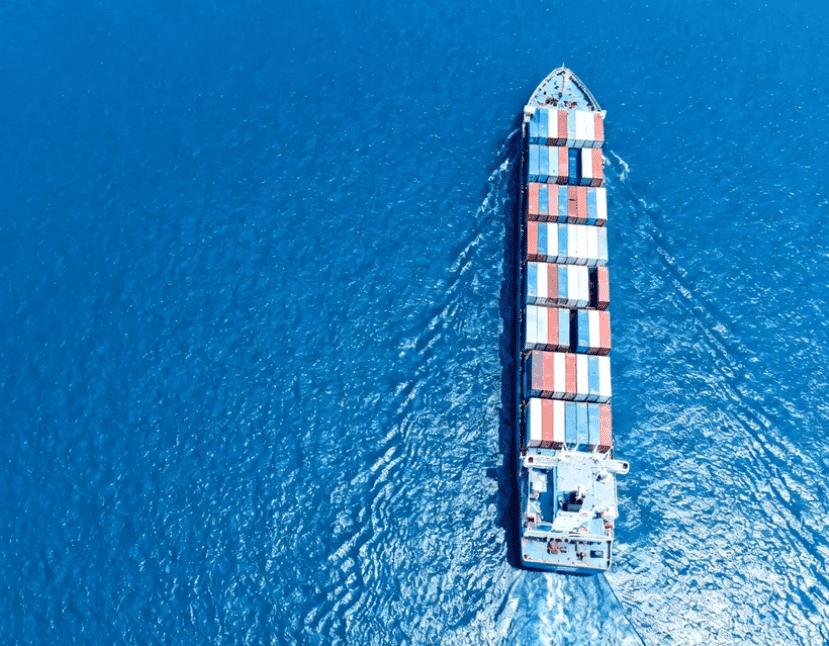
Sea Freight from China to Canada
Shipping goods from China to Canada via sea freight is the backbone of trans-Pacific trade for a reason — it offers the lowest cost per unit for volume shipments. Over the years, I’ve helped hundreds of importers, Amazon FBA sellers, and manufacturers move everything from consumer electronics out of Shenzhen to heavy machinery from Qingdao, and the one thing every client has in common is the need for price clarity upfront.
At Dantful.US International Logistics, we specialize in providing transparent sea freight solutions with no hidden surcharges. As a FIATA-accredited freight forwarder with direct carrier contracts, we secure competitive rates and guaranteed space — even during peak season crunches. Whether you’re shipping a single pallet via LCL or a full 40HQ container of goods, our team ensures your cargo reaches Vancouver, Toronto, or Montreal safely, on time, and with full customs compliance.
Key Factors Influencing Sea Freight Prices from China to Canada
Understanding the pricing structure for sea freight is essential for budgeting and optimizing your logistics. The following key factors play a significant role in determining the overall shipping cost:
Shipping Routes and Port Selection
The distance, popularity, and efficiency of shipping routes between Chinese ports and Canadian ports directly influence freight rates. Major Chinese ports such as Shanghai, Shenzhen, and Ningbo regularly handle high cargo volumes to main Canadian entry points like Vancouver (Port of Vancouver), Toronto (Port of Toronto), and Montreal (Port of Montreal).
Choosing well-served ports can reduce both transit time and costs due to established shipping lanes and frequent vessel schedules. Less-frequented or inland ports may require additional transportation (feeder or rail services), increasing total cost and time.
Pro tip from our operations desk: If your final destination is Toronto, shipping into Vancouver and using rail to reach Ontario is often faster and more cost-effective than routing through the Panama Canal to Montreal or Halifax. We’ve saved clients upwards of 12% on total landed cost using this Vancouver-plus-rail approach versus an all-water east-coast routing — and it’s typically 5-7 days faster.
Example Table: Popular Sea Routes from China to Canada
| China Port | Canada Port | Typical Transit Time (Days) | Route Frequency | Remarks |
|---|---|---|---|---|
| Shanghai | Vancouver | 15-20 | Very High | Fastest, most cost-effective |
| Shenzhen | Vancouver | 16-22 | High | High demand |
| Ningbo | Montreal | 30-35 | Moderate | Longer transit, via Panama |
| Qingdao | Toronto | 28-33 | Moderate | May require rail from Vancouver |
Note: Transit times are estimates and may vary due to port congestion, weather, or seasonal demand.
For those interested in specific shipping options, see this detailed page about shipping from China to Canada.
Container Types: FCL vs. LCL Costs
The choice of container type is another critical pricing factor. The two main options are Full Container Load (FCL) and Less than Container Load (LCL):
- FCL (Full Container Load): You book an entire container (20FT, 40FT, 40HQ, or 45HQ) for your exclusive use. This is generally more cost-effective per unit for larger shipments and offers faster handling and greater security.
- 20FT: Capacity ~28CBM
- 40FT: Capacity ~56CBM
- 40HQ: Capacity ~68CBM
- 45HQ: Capacity ~78CBM
- LCL (Less than Container Load): Ideal for smaller shipments. Your cargo shares container space with shipments from other customers. While the per-unit cost is higher than FCL, it avoids paying for unused container space.
FCL vs. LCL Cost Comparison Table
| Container Type | Typical Usage | Capacity (CBM) | Price Structure | Ideal For |
|---|---|---|---|---|
| 20FT FCL | Full container | 28 | Fixed per container | >=15-18 CBM |
| 40FT FCL | Full container | 56 | Fixed per container | >=35 CBM |
| 40HQ FCL | Full container | 68 | Fixed per container | >=50 CBM |
| LCL | Shared (groupage) | Flexible | Per CBM/ton (whichever higher) | <15 CBM |
Tip: If your shipment is close to the full container capacity, FCL may offer better value than LCL. For more information, consider our page on LCL Shipping from China to Canada.
Cargo Volume, Weight, and Dimensions
Sea freight pricing is typically based on the greater of volume (CBM) or weight (tonnes). For most general cargo, volume is the deciding factor (1 CBM ≈ 1 ton for LCL pricing). Oversized or non-standard cargo may incur additional surcharges due to special handling or stowage requirements.
- Accurate cargo measurements (length, width, height, weight) are essential for precise freight cost calculation.
- For very light or very dense cargo, consult with your freight forwarder to determine which metric applies.
Seasonal Trends and Market Demand Impact
Sea freight rates fluctuate throughout the year in response to market demand, capacity, and global events. Key periods include:
- Peak Season (Aug-Oct): Driven by holiday inventory replenishment, rates can surge 30-50% above baseline. In our experience, carriers begin announcing PSS (Peak Season Surcharge) as early as July, and space on Vancouver-bound vessels becomes tight. I always advise clients to book at least 4-6 weeks ahead during this window.
- Post-CNY Slump (Feb-Mar): Factory closures during Chinese New Year reduce export volumes, and rates typically soften. This is often the cheapest window to ship — provided your supplier can deliver.
- Market Disruptions: I won’t sugarcoat this — events like port strikes (the 2024 Vancouver port labor disruption comes to mind), canal closures, or geopolitical tensions can cause sudden rate spikes. Having a freight forwarder with diversified carrier relationships is your best hedge against unpredictable disruptions.
Summary Table: Seasonal Impact on Sea Freight Rates
| Season | Typical Rate Trend | Key Factors |
|---|---|---|
| Peak (Aug-Oct) | Higher | Pre-holiday stocking, tight capacity |
| Post-CNY (Feb-Mar) | Lower | Factory closures, low demand |
| Summer | Stable | Regular business cycles |
| Year-end | Variable | Last-minute rush, weather risks |
Understanding these factors allows you to make informed logistics decisions and optimize your sea freight from China to Canada cost structure. For tailored advice, competitive rates, and end-to-end logistics support — including customs clearance, insurance, and door-to-door delivery — contact Dantful.US International Logistics. We are your one-stop, professional freight forwarding partner empowering global trade.
If you’re interested in other North American shipping options, you may also want to check our guide on Shipping from China to USA.
Detailed Breakdown of Sea Freight Costs
When planning sea freight from China to Canada, understanding the full cost structure is essential. I’ll break down the main elements that make up your total shipping price so you can budget accurately and avoid nasty surprises. Over the years, the most frustrated clients I’ve encountered were those who received a “low” quote that conveniently omitted surcharges, destination port fees, and customs brokerage. Let’s make sure that doesn’t happen to you.
Freight Rates and Surcharges
Freight rates are the base charges for shipping your goods between ports, based on the container type (such as 20FT, 40FT, 40HQ, or 45HQ) and shipping route. Rates fluctuate depending on market demand, fuel costs, and carrier capacity.
In addition to freight rates, there are several surcharges to consider, including:
- BAF (Bunker Adjustment Factor): Adjusts for fuel price changes.
- CAF (Currency Adjustment Factor): Accounts for currency fluctuations.
- PSS (Peak Season Surcharge): Applied during high-demand periods.
- EIS (Equipment Imbalance Surcharge): When containers are in short supply at certain ports.
- Security Fee, War Risk Surcharge, and Congestion Surcharges may also apply, depending on origin/destination and global events.
Example Table: Estimated Freight Rates for FCL (Q2 2026)
| Origin Port | Destination Port | 20FT Container | 40FT Container | 40HQ Container |
|---|---|---|---|---|
| Shanghai | Vancouver | $1,650 | $2,650 | $2,850 |
| Shenzhen | Toronto | $2,100 | $3,300 | $3,500 |
| Ningbo | Montreal | $2,150 | $3,500 | $3,750 |
Note: Rates are indicative and vary based on season, current market conditions, and volume. These are port-to-port base freight rates — surcharges (BAF, CAF, PSS) are additional and typically add $300-$800 per container depending on the route and season. For the most accurate all-in quote, contact Dantful.US International Logistics.
One thing most first-time importers miss: Your chosen Incoterm (such as FOB, CIF, or DDP) determines which portion of these costs you’re responsible for. Under FOB, you only pay from the destination port onward. Under DDP, the seller (or your freight forwarder) covers everything — freight, duties, and door-to-door delivery. We’ve seen clients accidentally accept CIF quotes thinking they were all-in, only to face unexpected destination charges on arrival. Always clarify which Incoterm your quote uses.
For more information on specific cost examples, visit our resource on the Cost of shipping a pallet from China to Canada.
Port Charges, Handling Fees, and Documentation
Besides freight charges, several local fees are incurred at both origin and destination:
- Port charges: Stevedoring, wharfage, and terminal handling charges at Chinese and Canadian ports.
- Handling fees: Costs related to cargo loading/unloading, container drayage, and warehouse storage if needed.
- Documentation fees: Preparation of bills of lading, manifest, certificates of origin, and other required documents.
| Fee Type | Estimated Range (USD) |
|---|---|
| Terminal Handling Charge | $150–$350 per container (varies by port) |
| Documentation Fee | $50–$100 per shipment |
| Drayage (Port to Door) | $300–$900 (depends on distance/region) |
Customs Duties, Taxes, and Import Charges in Canada
Upon arrival in Canada, you must clear customs and pay applicable charges:
- Customs duties: Vary by product type and HS Code (Harmonized System Code), generally 0%–18%. Getting your HS code classification right is critical — a misclassification can trigger audits, penalties, or unexpected duty bills. Always work with a customs broker who can pre-classify your goods.
- GST (Goods and Services Tax): 5% of the goods’ declared value, payable on import.
- PST/QST/HST: Provincial sales taxes, depending on the entry point (e.g., 13% HST in Ontario, 5% GST + 9.975% QST in Quebec).
- Customs brokerage fees: Charged by licensed brokers for handling clearance documentation (typically $100–$350 per shipment).
- CBSA inspection fees: If the Canada Border Services Agency flags your shipment for physical examination, additional costs apply.
How to Calculate Sea Freight Price from China to Canada
Understanding the total landed cost is crucial for your supply chain. Here’s how I recommend calculating your sea freight expenses:
Step-by-Step Guide to Freight Cost Estimation
- Identify Your Cargo Details
- Cargo type, HS code, packaging, volume (CBM), gross weight, and dimensions.
- Select Shipping Mode
- FCL (Full Container Load): Best for shipments close to full container capacity (e.g., 20FT = 28CBM, 40HQ = 68CBM).
- LCL (Less than Container Load): For smaller loads charged per CBM.
- Choose Origin and Destination Ports
- For example, Shanghai to Vancouver, Shenzhen to Toronto.
- Request Freight Quote
- Receive base rate and all applicable surcharges from your freight forwarder (e.g., Dantful.US International Logistics).
- Add Local Charges
- Include terminal handling, documentation, and drayage fees at both origin and destination.
- Calculate Import Duties & Taxes
- Use the HS code to determine Canadian duty rates.
- Add GST and any applicable PST/HST.
- Include customs brokerage and potential inspection fees.
- Sum All Components
- Total Sea Freight Cost = (Freight Rate + Surcharges) + (Origin/Destination Port Fees) + (Documentation) + (Customs Duties/Taxes) + (Inland Transportation, if door-to-door).
Common Price Examples for Popular Shipping Routes
Below are example cost estimates for standard shipments as of Q2 2026. Final costs will vary depending on cargo specifics, current market rates, and service providers:
| Route (Port-to-Port) | Container Type | Freight + Surcharges | Port/Local Fees | Est. Customs & Taxes (Excl. Duty) |
|---|---|---|---|---|
| Shanghai to Vancouver | 20FT FCL | $1,650 | $400 | 5% GST + Brokerage |
| Shenzhen to Toronto | 40HQ FCL | $3,500 | $450 | 13% HST + Brokerage |
| Ningbo to Montreal | LCL (5 CBM, 1 ton) | $330 (per CBM) | $250 | 5% GST + Brokerage |
Note: These examples exclude customs duty, insurance, and inland trucking from port to final destination. For a detailed, accurate quotation tailored to your shipment, contact our team at Dantful.US International Logistics.
For those comparing different container sizes, you may find the page on 20 ft Container Shipping Cost from China to Canada useful.
Tips to Reduce Sea Freight Costs from China to Canada
As an experienced freight forwarder, I understand that managing your sea freight budget is crucial for maintaining competitiveness. Here are proven strategies to help minimize shipping costs from China to Canada:
Shipping Consolidation and Packing Optimization
Shipping consolidation is a highly effective way to reduce per-unit shipping costs, especially when your cargo does not fill an entire container. By combining multiple shipments from different suppliers or orders into a single full container load (FCL), you benefit from lower freight rates compared to shipping several less than container load (LCL) shipments. This approach is particularly useful for cross-border e-commerce sellers and SMEs dealing with smaller volumes.
Additionally, packing optimization can further minimize costs:
- Use customized packaging to maximize container space utilization.
- Avoid unnecessary air gaps and over-packing, as sea freight rates are calculated based on volume (CBM) or weight, whichever is higher.
- Consult with your freight forwarder for professional advice on optimal packaging methods and container selection (e.g., 20FT, 40FT, 40HQ, 45HQ).
Example Table: Container Capacity Reference
| Container Type | Max Volume (CBM) | Typical Use Cases |
|---|---|---|
| 20FT | 28 | Small to medium shipments |
| 40FT | 56 | Standard for larger shipments |
| 40HQ | 68 | Voluminous but lighter cargo |
| 45HQ | 78 | Bulky, high-volume cargo |
By leveraging consolidation and efficient packing, you not only save on freight but also on port handling fees and customs clearance charges.
Real example: One of our Canadian e-commerce clients was shipping three separate LCL consignments per month from suppliers in Shenzhen, Dongguan, and Guangzhou — each averaging 6-8 CBM. By consolidating all three into a single 20FT FCL at our Shenzhen warehouse, their per-unit freight cost dropped by roughly 35%, and customs clearance was processed as a single entry instead of three, saving an additional $200-300 in brokerage fees each cycle.
Choosing the Right Freight Forwarder
Selecting a reliable and professional freight forwarder in China directly impacts both cost and service quality. Here’s what I recommend looking for — these are the criteria we hold ourselves to:
- Trade-lane expertise: Specific experience in sea freight from China to Canada, including familiarity with major Chinese ports like Shanghai, Shenzhen, Ningbo, and Canadian entry points such as Vancouver, Toronto, and Montreal.
- Transparent, all-in pricing: No hidden surcharges. A reputable forwarder provides a line-by-line breakdown of freight, surcharges, port fees, and documentation costs upfront.
- Direct carrier contracts: Forwarders with their own Bill of Lading (B/L) issuance capability and direct agreements with major shipping lines (Maersk, COSCO, MSC, CMA CGM, etc.) secure better rates and space guarantees than those working through third-party consolidators.
- FIATA / IATA accreditation: Internationally recognized certifications that signal compliance, professionalism, and financial stability. According to FIATA, accredited members must meet strict operational and ethical standards.
- End-to-end service integration: Consolidation, warehousing, customs clearance, cargo insurance, and final-mile delivery under one roof — avoiding the finger-pointing that happens when multiple vendors handle different legs.
- Real-time tracking and a dedicated account manager who knows your business.
Partnering with Dantful.US International Logistics means working with a FIATA-accredited, Shenzhen-based team that has been shipping on the China-Canada lane for over 15 years. We hold direct contracts with major carriers, issue our own House Bill of Lading (HBL), and provide a dedicated account manager for every client. Our full suite of services spans FCL, LCL, door-to-door DDP, customs clearance, cargo insurance, and Amazon FBA logistics.
Like we discussed earlier, you can also explore Freight Forwarder from China to Canada for an in-depth look at our capabilities.
Booking in Advance and Negotiating Rates
Shipping rates fluctuate due to seasonal demand, market trends, and carrier capacity. To lock in the best rates:
- Book your shipments well in advance, especially during peak shipping seasons (e.g., pre-Christmas, Chinese New Year).
- Leverage volume commitments or long-term relationships to negotiate better rates with carriers and freight forwarders.
- Stay informed about market trends; your freight forwarder should provide regular updates and rate forecasts.
Proactive planning and negotiation can lead to significant savings and more predictable shipping timelines.
Comparing Sea Freight with Other Shipping Methods
When evaluating shipping options from China to Canada, understanding the trade-offs between sea freight and other methods like air freight is crucial.
Cost vs. Transit Time: Sea Freight vs. Air Freight
Sea freight is typically the most economical option for large, heavy, or non-urgent cargo, while air freight offers speed at a premium price.
Comparison Table: Sea Freight vs. Air Freight from China to Canada
| Mode | Estimated Transit Time | Typical Cost (per CBM/KG) | Best For |
|---|---|---|---|
| Sea Freight | 20-30 days | $80–$250/CBM (LCL/FCL) | Bulk cargo, cost-sensitive shipments |
| Air Freight | 3-7 days | $4–$8/KG | Urgent, high-value, small shipments |
Note: Actual times and costs may vary depending on port of origin, destination port, and market conditions.
Suitability for Different Types of Cargo
The choice of shipping method depends on cargo characteristics:
- Sea Freight: Ideal for large machinery, raw materials, consumer goods, furniture, and shipments exceeding 2 CBM or 200 KG.
- Air Freight: Suitable for electronics, perishables, urgent samples, or high-value goods with tight delivery deadlines.
- Sea-Air Combination: An option many importers overlook — ship from China to a US West Coast hub, then fly to Canada. For time-sensitive but cost-conscious shipments, this middle ground can cut transit time by 10-14 days versus pure sea freight while costing 40-60% less than pure air freight.
- Rail Freight: Intermodal rail solutions connecting Vancouver to inland destinations like Toronto and Calgary offer a cost-effective alternative to all-truck drayage for the domestic leg.
Your freight forwarder can provide tailored recommendations, but here’s my honest take: while DDP sea freight is the most hassle-free option for most importers, if you already have an established customs broker in Canada and a solid understanding of import procedures, using FOB freight terms with our port-to-port service might give you more cost control and visibility into individual charge components. There’s no one-size-fits-all — the right choice depends on your in-house logistics expertise and risk tolerance.
Select a Reliable Freight Forwarder in China
Choosing the right freight forwarder is fundamental to a smooth and cost-effective shipping experience. Here’s what to look for:
- Industry Experience: Look for a provider with a proven track record in the trade lane between China and Canada.
- Comprehensive Services: The best forwarders offer end-to-end solutions, including sea freight, air freight, rail freight, road freight, FBA logistics, warehousing, customs clearance, insurance, OOG freight, and breakbulk freight.
- Certifications and Compliance: Look for FIATA (International Federation of Freight Forwarders Associations) or IATA (International Air Transport Association) accreditation. These aren’t just badges — they signal that the forwarder meets international operational standards and carries appropriate liability insurance. Unaccredited operators may offer lower rates but leave you exposed if something goes wrong.
- Customer Support and Technology: 24/7 support, visibility through digital tracking, and clear communication channels.
- Reputation and References: Check client testimonials and case studies.
At Dantful.US International Logistics, we pride ourselves on being a highly professional, cost-effective, and high-quality one-stop international logistics service provider for traders shipping from Asia to the Americas. With over 15 years of hands-on experience, FIATA accreditation, direct carrier contracts with major shipping lines, and a Shenzhen-based operations team that knows every nuance of China-Canada trade, we offer the reliability and transparency that generic forwarders simply can’t match. Every client receives a dedicated account manager, real-time shipment tracking, and honest, line-by-line pricing — because trust is built through transparency, not marketing copy.
Reducing sea freight costs from China to Canada is achievable with the right strategies. By consolidating shipments, optimizing packing, selecting a FIATA-accredited freight forwarder with direct carrier contracts, and planning shipments around seasonal rate cycles, you can maximize cost-efficiency and build a predictable supply chain.
If you’re ready to see what your specific route, cargo type, and volume would actually cost — without inflated estimates or missing line items — reach out to our team at Dantful.US International Logistics for a transparent, obligation-free quote. We’ll give you a complete breakdown in plain English, not freight jargon. Contact us today.
Leave a reply