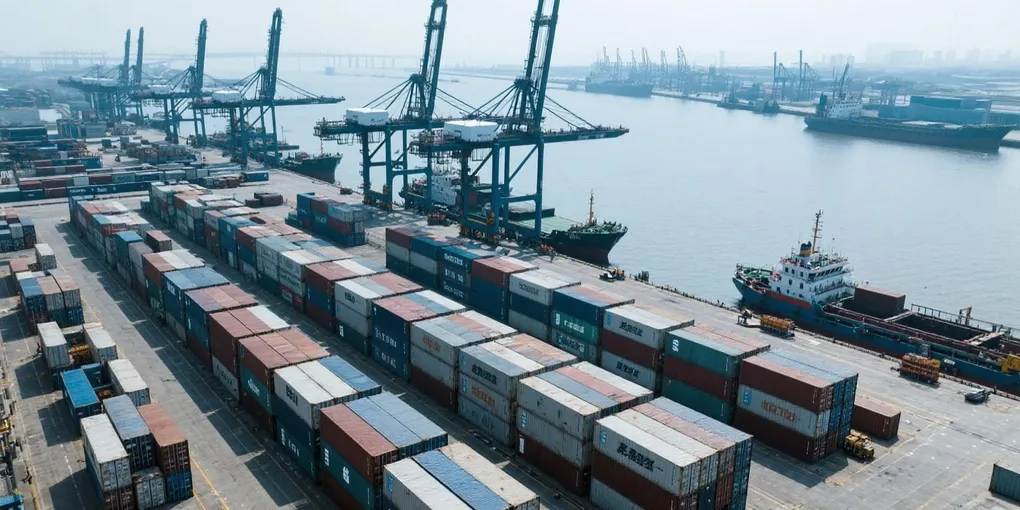
Are you trying to accurately budget the cost of shipping a 40ft container from China to USA in 2026? Freight rates are notoriously volatile, driven by General Rate Increases (GRI), peak season demands, and hidden terminal fees. In this data-driven guide, we break down the real costs (Port-to-Port vs. Door-to-Door), analyze major routing options, and expose the hidden surcharges—like demurrage and CBP exam fees—that often catch importers off guard. Whether you are an Amazon FBA seller or a B2B distributor, use this framework to make smarter logistics decisions.
Major Shipping Ports in China and USA
When importing goods from China to the USA, understanding the major shipping ports on both ends is crucial. Choosing the right port can significantly impact shipping costs, transit time, and overall logistics efficiency.
Related Reading: For more details on the process and considerations, check out our guide on Shipping from China to USA.
Major Shipping Ports in China
- Port of Shanghai As the largest and busiest container port in the world, the Port of Shanghai handles over 47 million TEUs (Twenty-foot Equivalent Units) annuall. It is a key gateway for exports to the United States.
- Port of Shenzhen Located in Guangdong Province, the Port of Shenzhen is a major hub for exports from Southern China, particularly electronics and consumer goods.
- Port of Ningbo-Zhoushan Known for its advanced logistics and deep-water berths, Ningbo-Zhoushan is a top choice for manufacturers in Eastern China.
- Port of Qingdao Serving Northern China, the Port of Qingdao is vital for machinery, automotive parts, and industrial goods.
- Port of Xiamen Xiamen serves as a regional export center for the Fujian province and is known for its efficiency.
Major Shipping Ports in USA
- Port of Los Angeles The Port of Los Angeles is the largest in the United States and a primary entry point for Chinese imports, processing over 9.9 million TEUs in 2025. Trench Knowledge: High volume here often leads to chassis shortages and longer terminal dwell times during peak seasons.
- Port of Long Beach Located adjacent to Los Angeles, Long Beach is known for its state-of-the-art facilities and large container throughput.
- Port of New York and New Jersey Serving the East Coast, this port is crucial for goods destined for the Eastern and Midwestern United States. Note: Ocean routing to the East Coast adds 10-15 days to transit compared to the West Coast but can significantly save on domestic rail/trucking costs.
- Port of Savannah Savannah has rapidly grown, offering competitive transit times for shipments to the Southeast and beyond.
- Port of Houston As the largest port on the Gulf Coast, Houston handles a significant volume of manufactured goods and raw materials.
Major Shipping Ports Overview
| Country | Major Port | Location | Annual TEU Volume (2025) | Key Strengths |
|---|---|---|---|---|
| China | Shanghai | East China | 47.3 million | Largest port, global hub |
| China | Shenzhen | South China | 30.0 million | Electronics exports |
| China | Ningbo-Zhoushan | East China | 33.3 million | Deep-water, high capacity |
| China | Qingdao | North China | 25.7 million | Machinery, automotive |
| USA | Los Angeles | West Coast | 9.9 million | Largest US port |
| USA | Long Beach | West Coast | 9.1 million | Advanced logistics |
| USA | New York/New Jersey | East Coast | 8.2 million | Access to East/Midwest |
| USA | Savannah | Southeast Coast | 5.8 million | Fast-growing, efficient |
| USA | Houston | Gulf Coast | 3.4 million | Industrial raw materials |
How Much Does It Cost to Ship a 40ft Container from China to USA
The cost of shipping a 40ft container from China to the USA is influenced by several factors, including the selected ports, shipping mode, seasonality, and global market conditions. As of early 2026, container rates have stabilized after the disruptions caused by the COVID-19 pandemic, but they remain subject to fluctuations due to fuel prices, shipping demand, and international regulations.
Further Reading: See our page on Shipping Cost from China to USA for updated rate information and cost calculators.
Current Average Rates (2026)
For a standard 40ft container (FCL – Full Container Load), rates typically range as follows. Crucial Standard: These are base Port-to-Port (CY-CY) rates.
| Route | Average Cost (USD) | Transit Time (Port-to-Port, Days) |
|---|---|---|
| Shanghai to Los Angeles | $2,200 – $3,200 | 12 – 16 |
| Ningbo to Long Beach | $2,100 – $3,100 | 13 – 18 |
| Shenzhen to New York/New Jersey | $3,800 – $5,000 | 24 – 30 |
| Qingdao to Houston | $3,000 – $4,200 | 25 – 33 |
| Shanghai to Savannah | $3,200 – $4,400 | 28 – 32 |
Data Standards & Inclusions:
- Included: Ocean freight base rate, standard Bunker Adjustment Factor (BAF).
- Excluded: Origin/Destination Terminal Handling Charges (THC), chassis fees, Customs clearance, ISF filing, import duties, and inland trucking (drayage).
- Fluctuation Warning: Rates are highly sensitive to carrier General Rate Increases (GRI) implemented at the beginning of most months.
Key Considerations
- Port Pair Selection: Shipping to West Coast ports like Los Angeles and Long Beach is generally more cost-effective and faster than to East or Gulf Coast ports.
- Seasonal Fluctuations: Rates often increase during peak season (August–October) due to higher demand ahead of holidays.
- Market Volatility: Sudden changes in global trade, fuel prices, or shipping line capacity can impact rates.
Related Topic: If you’re exploring different service types, our Door to Door Shipping solutions simplify the process and can help control overall shipping expenses.
How to Get the Best Rate
Partnering with a reliable freight forwarder like Dantful.US International Logistics ensures you receive the most competitive rates, transparent pricing, and tailored solutions for your shipment. Our extensive network and professional expertise allow us to optimize routes and save on costs for your 40ft container shipments from China to the USA.
What Affects the Cost of Shipping a 40ft Container from China to USA?
When assessing the cost of shipping a 40ft container from China to USA, several critical factors come into play. Understanding these variables can help you plan your logistics budget more effectively and avoid surprises.
1. Origin and Destination Ports
Shipping costs can vary significantly based on the selected Chinese port (such as Shanghai, Shenzhen, or Ningbo) and the destination U.S. port (Los Angeles, Long Beach, New York, etc.). Major, high-traffic ports generally offer more competitive rates compared to smaller, less frequently serviced terminals.
2. Shipping Mode and Service Type
The choice between Full Container Load (FCL) and Less than Container Load (LCL) impacts costs. FCL is typically more cost-effective for high-volume shipments, while LCL suits smaller consignments. If you require faster transit, express services or air freight may be considered, but these are much costlier than standard ocean freight.
Industry Insight: For detailed guidance on LCL and consolidated freight, see our Consolidated Freight information page.
3. Shipping Seasonality
Peak shipping seasons directly drive rates up due to high demand. The primary peak seasons to watch for are the weeks leading up to the Chinese New Year (usually Jan/Feb) and the “Golden Week” / back-to-school shipping rush (August–October).
4. Container Type and Specification
A standard 40ft container (40’GP or 40’HC) is usually the most cost-efficient for large shipments. However, if you require special containers (e.g., Reefer, Open Top), expect a 20-40% premium due to special handling, equipment scarcity, and electricity hookup costs.
5. Fuel Prices and Surcharges
Fluctuations in global fuel costs impact the Bunker Adjustment Factor (BAF), directly affecting overall shipping rates. Additionally, transit disruptions (like Panama Canal drafts or Red Sea routing) can trigger Emergency Risk Surcharges.
6. Carrier and Route Selection
Rates vary among shipping lines and the specific routes they operate. Direct sailings with fewer transshipment points (e.g., direct from Shenzhen to Los Angeles) are faster and more reliable but carry a premium over routes with transshipments in Busan or Singapore.
7. Value-Added Services
Costs increase when you require value-added services, such as door-to-door delivery, customs clearance, insurance, or warehouse storage.
8. Market Conditions and Regulations
Changes in trade policies, tariffs, and international agreements between China and the USA can lead to price volatility.
Primary Factors Influencing 40ft Container Shipping Costs
| Factor | Impact on Cost |
|---|---|
| Origin/Destination Ports | Major ports = lower cost; smaller ports = higher |
| Service Type | FCL cheaper per unit than LCL |
| Seasonality | High demand = higher cost |
| Container Specification | Special types cost more |
| Fuel Prices | Higher fuel = higher rates |
| Carrier/Route Choice | Direct and reputable carriers = efficient, pricier |
| Additional Services | Increases overall cost |
| Market Regulations | Can cause fluctuations |
For accurate, up-to-date rates tailored to your shipping needs, consult with a reliable freight forwarder like Dantful.US International Logistics. We offer transparent pricing and personalized solutions for all routes between China and the USA.
Hidden and Additional Charges to Consider
While the base freight rate is a major decision factor, importers must be aware of various hidden and additional charges that can significantly affect the total cost of shipping a 40ft container from China to USA. Identifying these costs upfront will help you avoid budget overruns.
Common Additional Charges:
- Terminal Handling Charges (THC)
- Fees for container loading, unloading, and storage at both Chinese and U.S. ports. In LA/LB, also factor in the PierPass Traffic Mitigation Fee.
- Documentation & Filing Fees
- Costs for Bill of Lading, AMS (Automated Manifest System) filing, and ISF (Importer Security Filing). Failing to file ISF 24 hours before vessel departure can result in CBP fines of up to $5,000.
- Customs Clearance Fees & Taxes
- Standard entry processing fees, plus the US Merchandise Processing Fee (MPF), Harbor Maintenance Fee (HMF), and applicable import duties.
- Security and CBP Inspection Fees
- If CBP flags your container for an X-ray (VACIS) or intensive exam (CET), expect delays and fees ranging from $150 to over $1,000.
- Demurrage and Detention
- Demurrage: Charges for containers left at the port beyond the Last Free Day (LFD).
- Detention: Equipment usage fees if the empty container isn’t returned on time.
- Delivery Charges & Chassis Splits
- Inland drayage (trucking) costs. A “chassis split” fee ($50-$150) occurs if the trucker must pick up a chassis from a different location than the container.
- Insurance
- Highly recommended to safeguard your goods. Typically calculated at 0.3% – 0.5% of the commercial value.
Pro Tip: If you require a seamless solution for all local delivery legs in the United States, consider our Road Freight services.
Additional Charges to Expect
| Charge Type | Typical Cost Range (USD)* | Notes |
|---|---|---|
| Port Handling | $100 – $500 | Per container, varies by port |
| Documentation Fees | $50 – $100 | Per shipment |
| Customs Clearance | $100 – $300 | Country and cargo-related |
| Demurrage/Detention | $50 – $200/day | If exceeding free time |
| Delivery (Trucking/Rail) | $300 – $1,500 | Distance dependent |
| Insurance | 0.3% – 0.5% of cargo value | Optional but recommended |
| Peak Season Surcharge (PSS) | $200 – $500 | During high season |
| Chassis/Equipment Fees | $75 – $150 | Per container usage |
| Destination Charges (THC, CFS) | $100 – $400 | Per container |
*Actual costs vary based on route, carrier, and specific service requirements.
How to Save on Shipping Costs
Reducing the cost of shipping a 40ft container from China to USA requires a strategic approach and awareness of various influencing factors. Here are key methods to help you lower your shipping expenses:
1. Plan Shipments in Advance Booking shipments early can help you secure lower rates, especially during peak seasons when space is limited, and prices rise.
2. Choose the Right Shipping Mode Sea freight is generally the most cost-effective option for large shipments, like a 40ft container. However, combining different modes (multimodal transport) with Dantful.US International Logistics can sometimes further optimize costs.
Explore More: For end-to-end delivery options, see our Door to Door Shipping services.
3. Optimize Container Loading Maximize the use of your container’s capacity. Efficient packing reduces the number of containers needed, directly saving you money.
4. Compare Port-to-Port Costs Different ports in China (such as Shanghai, Shenzhen, Ningbo) and USA ports (like Los Angeles, Long Beach, New York) have varying terminal and handling charges. Working with a professional forwarder like Dantful.US Logistics allows you to choose the most cost-effective route and port combination.
5. Consolidation Services If your cargo is less than a full container, consider consolidated freight (LCL shipments). This service, offered by Dantful.US, lets you share container space with other shippers, significantly reducing individual shipping costs.
6. Negotiate with Freight Forwarders Freight rates are often negotiable, especially if you ship regularly or in larger volumes. Dantful.US prides itself on transparent pricing and customized solutions for different shipping needs.
7. Minimize Hidden Fees Avoid unnecessary surcharges by understanding all components of your shipping invoice. Reputable partners like Dantful.US International Logistics provide clear breakdowns of all charges.
8. Leverage Integrated Logistics Services Dantful.US offers door-to-door, customs clearance, warehouse, and insurance services. Bundling these can save both money and time compared to sourcing separately.
How Long Does It Take to Ship a 40ft Container from China to USA?
Transit time for shipping a 40ft container from China to USA depends on several variables: origin port, destination port, shipping route, and service type. Here’s a breakdown of average shipping times for major port pairs:
| Origin Port (China) | Destination Port (USA) | Sea Freight (Port-to-Port, Days) | Door-to-Door (Days) |
|---|---|---|---|
| Shanghai | Los Angeles | 13-16 | 18-25 |
| Shenzhen | Long Beach | 14-17 | 19-27 |
| Ningbo | New York | 27-32 | 32-38 |
| Qingdao | Houston | 25-30 | 30-35 |
| Xiamen | Savannah | 30-34 | 35-40 |
Time Fluctuation Factors (Trench Knowledge):
- Terminal Congestion: While the ocean voyage to LA may only take 14 days, waiting for a berth and then waiting for a chassis to pull the container out of the terminal can add 3–7 days to your Door-to-Door time.
- CBP Exams: A random Customs exam (like an intensive CET exam) will hold your cargo at an inspection facility, adding anywhere from 4 to 14 days to your total transit.
- Rail Transfers: For East Coast and Midwest destinations routed via West Coast ports (IPI routing), rail car shortages can cause significant delays.
- Dantful.US International Logistics monitors shipments in real-time to proactively manage these bottlenecks.
Recommended Reading: For more on transit time to other countries, see How Long does it Take to Ship from China to USA.
FAQs
How much does it cost to ship a 40ft container from China to the US?
The cost of shipping a 40ft container from China to USA fluctuates based on market demand, seasonality, fuel costs, and route selection. As of early 2026, typical all-in ocean freight rates (including basic surcharges but excluding customs and inland fees) range from $4,000 to $7,000 USD for major West Coast ports (e.g., Los Angeles, Long Beach), and $6,500 to $9,500 USD for East Coast ports (e.g., New York, Savannah, Houston).
How much does it cost to ship a 20ft container from China to US?
Shipping a 20ft container is generally 60%-70% of the price of a 40ft container. As of early 2026, rates range from $2,800 to $4,500 USD to West Coast ports and $4,000 to $6,000 USD to East Coast ports. Prices vary due to factors like port pair, carrier, and service level. Consult with Dantful.US for clear, competitive 20ft container shipping rates.
Does the 40ft container shipping cost include US customs duties and taxes?
No. Standard Port-to-Port or Door-to-Door ocean freight rates do not include US import duties, the Merchandise Processing Fee (MPF), or the Harbor Maintenance Fee (HMF). Duties are calculated based on the commercial value of your goods and their specific HS Code. Unless you are shipping under DDP (Delivered Duty Paid) terms where the forwarder handles everything, the importer of record is responsible for paying these taxes directly to CBP.
What happens if my container is selected for a Customs Exam, and who pays for it?
If CBP flags your 40ft container for an exam (such as an X-ray/VACIS or a physical CET exam), it will be moved to a Centralized Examination Station (CES). The importer is 100% responsible for all associated costs, which can range from $150 for a simple X-ray to over $1,500 for an intensive unloading exam, not including the daily storage/demurrage fees incurred while waiting. Working with a compliant forwarder and ensuring your ISF is filed accurately and on time minimizes, but does not eliminate, this risk.
Should I choose FOB or EXW when shipping a 40ft container from China?
If you are an experienced importer with a strong freight forwarder, FOB (Free On Board) is usually the most cost-effective choice. Under FOB, your Chinese supplier covers the cost of transporting the container to the local origin port (e.g., Port of Shanghai) and handling export customs. You only pay for the ocean freight and USA-side charges. EXW (Ex Works) means you must pay to pick up the goods directly from the factory, which is only recommended if your supplier lacks export licenses or you are consolidating goods from multiple factories into one 40ft container.
Can I ship a 40ft container directly to an Amazon FBA warehouse?
Yes, but it requires careful coordination. Amazon FBA warehouses do not accept standard ocean containers directly at their loading docks (they do not “live unload”). The container must first be trucked from the USA Port to a local warehouse, unloaded, palletized to Amazon’s strict specifications, and then delivered via an approved carrier using Amazon’s Carrier Central appointment system. Dantful.US specializes in this exact Amazon FBA routing to prevent rejection at the fulfillment center.
Also Read: If you are considering other North American destinations, see Shipping from China to Canada.
What is the cheapest shipping from China to USA?
Generally, ocean freight (FCL/LCL) is the most affordable way to transport large volumes from China to USA. For smaller shipments, consolidated freight (LCL) or express courier can be cost-effective. Working with a trusted freight forwarder like Dantful.US International Logistics ensures you receive tailored advice on the best balance of cost, time, and reliability—whether you’re shipping sea freight, air freight, or using our door-to-door solutions.
For a customized quote or further inquiries, reach out to Dantful.US International Logistics—your trusted partner for shipping from China to the USA.
Get A Free Shipping Quote