

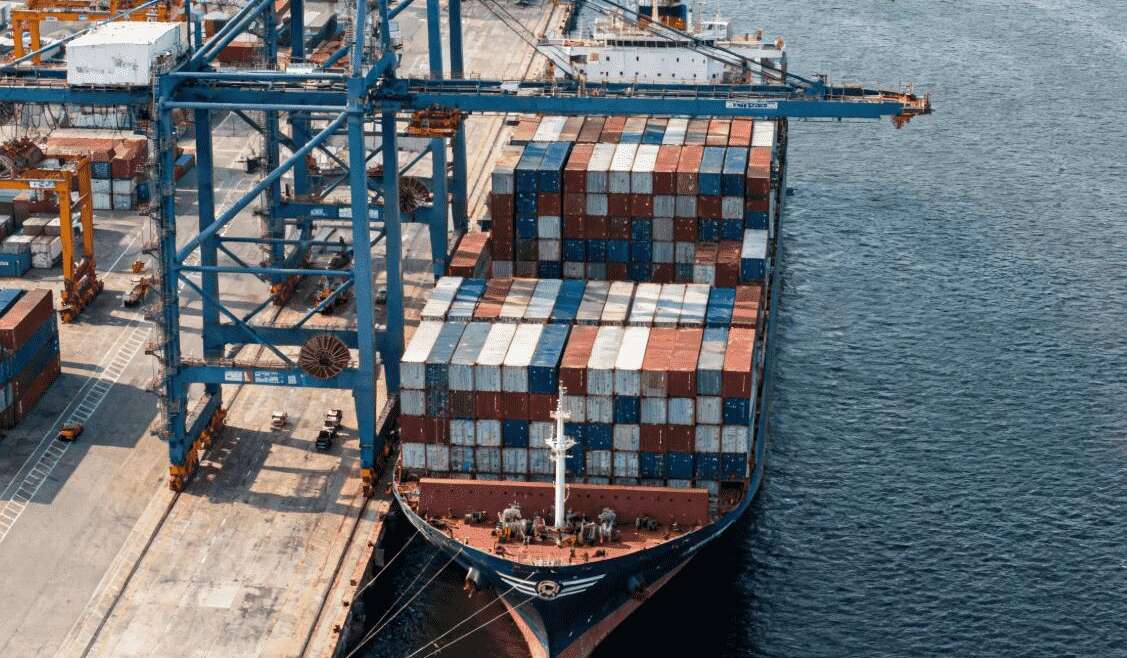
Are you wondering how much it really costs to ship a pallet from China to the USA using LCL shipping? Understanding the true expenses can be daunting with so many fees, terms, and options involved. In this comprehensive guide, we’ll break down the key factors that influence the cost of shipping a pallet from China to USA, including LCL pricing, pallet sizes, transit times, and tips for getting the best rates. Let’s demystify LCL shipping for your next import!

What Is LCL Shipping and When It’s Cheapest for Pallets
When considering the cost of shipping a pallet from China to USA, it’s important to understand the concept of Less than Container Load (LCL) shipping. In LCL shipping, your cargo shares container space with shipments from other companies. This method is ideal if you don’t have enough goods to fill an entire container, which is common for many small and medium-sized businesses, cross-border e-commerce sellers, or those just starting to expand internationally.
LCL shipping is typically the most cost-effective option when your total cargo is between 1 to 12 CBM (Cubic Meters) or you need to ship one or a few pallets. Instead of paying for a full container, you only pay for the space your cargo occupies—calculated by volume (CBM) or, if heavier, by weight.
When Is LCL Cheapest for Pallets?
Small Volume: When your shipping volume is less than 15 CBM (about 6 standard pallets), LCL is generally cheaper than booking a full container.
Irregular Shipments: If your shipping schedule is inconsistent or you need to ship frequently in small batches, LCL offers flexibility and reduces inventory holding costs.
Testing New Markets: For businesses testing new products or entering the US market, LCL reduces upfront costs and risk.
Multiple Consignees: If you need to send goods to different receivers in the USA, LCL allows you to split shipments cost-effectively.
However, LCL may not be the best option if your shipment is close to a full container load, as the cost per CBM becomes less competitive. For example, a 20ft container can hold about 28 CBM. If your shipment exceeds 15-18 CBM, FCL (Full Container Load) may be more economical. For further insights into the different options and cost structures for full container shipments, you can refer to 20 ft Container Shipping Cost from China to USA.
At Dantful.US International Logistics, we help clients assess whether LCL shipping or FCL is best for their specific needs, always aiming to provide professional, cost-effective, and high-quality one-stop international logistics solutions.
Standard Pallet Sizes, Weight Limits, and CBM Calculation
Understanding standard pallet sizes and calculating CBM (Cubic Meters) is crucial to accurately estimating your freight cost and optimizing your shipment for LCL shipping.
Common Pallet Sizes Used in China–USA Shipping
| Pallet Type | Dimensions (L × W × H) | Typical Gross Weight Limit | Used In |
|---|---|---|---|
| Standard (US) 40″x48″ | 1.016m × 1.219m (height varies) | 1,000–1,200 kg | USA, North America |
| European (EURO) 1200×800mm | 1.2m × 0.8m (height varies) | 1,000–1,200 kg | Europe, Asia, Global |
| China Standard 1100×1100mm | 1.1m × 1.1m (height varies) | 1,000–1,200 kg | China, Asia |
Note: Always confirm pallet type and size with your consignee, as some US warehouses only accept certain pallet sizes.
Weight Limits
Standard Export Pallet: Typically can hold up to 1,000–1,200 kg gross (including pallet weight).
For LCL shipping, check with your freight forwarder if overweight surcharges apply for pallets over 1,000 kg.
CBM Calculation for Pallets
To calculate the CBM (Cubic Meter) for each pallet:
CBM = Length (m) × Width (m) × Height (m) × Number of Pallets
Example: If you have 2 pallets, each measuring 1.2m (L) × 1.0m (W) × 1.1m (H):
CBM per pallet = 1.2 × 1.0 × 1.1 = 1.32 CBM Total CBM = 1.32 × 2 = 2.64 CBM
Important Tips:
Always measure your cargo after it is palletized, as shrink wrap and overhang can increase CBM.
Freight is usually charged by the greater of weight or volume (known as “chargeable weight”). For LCL, the industry standard is 1 CBM = 363 kg.
Pallet height can affect stackability and costs. Keep pallet height below 1.8m for optimal handling and loading.
Container Capacity Overview
| Container Type | Max Volume (CBM) | Typical Max Pallets* |
|---|---|---|
| 20’ GP | 28 CBM | 10–11 |
| 40’ GP | 56 CBM | 20–22 |
| 40’ HQ | 68 CBM | 22–24 |
| 45’ HQ | 78 CBM | 24–26 |
*Based on standard 1.2m × 1.0m pallets, single-stacked.
By thoroughly understanding LCL shipping, standard pallet sizes, and how to calculate CBM, you can better anticipate your costs when shipping a pallet from China to the USA. For an accurate quote or personalized advice, feel free to contact Dantful.US International Logistics—your trusted partner for sea freight, LCL, customs clearance, warehouse, and door-to-door logistics solutions between China and the USA.
Related reading: For those interested in FCL or specialized sea freight solutions, see our guide on Sea Freight from China to USA.
How LCL Pricing Works: Per-CBM Rates and Minimum Charges
When shipping a pallet from China to the USA using LCL (Less than Container Load) shipping, understanding how costs are calculated is essential to making informed logistics decisions and controlling your international freight budget.
LCL pricing is primarily based on the total volume your cargo occupies in cubic meters (CBM), rather than the weight (except for very heavy shipments, where weight may become a factor). Each freight forwarder or logistics provider, such as Dantful.US International Logistics, will quote a per-CBM rate for the chosen route, typically ranging from $25 to $65 per CBM depending on the direction, seasonality, and port pair.
However, unlike FCL (Full Container Load), there is a minimum chargeable volume—usually 1 CBM—regardless of whether your pallet is smaller. This protects carriers from handling costs associated with very small shipments. For example, shipping a single pallet measuring 1.1 CBM will be charged for 1.1 CBM, but a pallet measuring 0.8 CBM will still be billed as 1 CBM.
Below is an example table of typical LCL per-CBM ocean freight rates from major Chinese ports to popular US West Coast and East Coast ports (rates are estimates and fluctuate with market conditions; always request an accurate quote):
| Route | Per-CBM Rate (USD) | Minimum Charge (USD) | Typical Transit Time |
|---|---|---|---|
| Shanghai → Los Angeles | $30–$45 | $30–$45 | 15–18 days |
| Shenzhen → New York | $55–$65 | $55–$65 | 28–33 days |
| Ningbo → Oakland | $35–$50 | $35–$50 | 18–22 days |
Note: The “minimum charge” equals the per-CBM rate times the minimum volume (often 1 CBM). Surcharges (like fuel adjustment or peak season) may also apply.
Key Points:
CBM Calculation: [Length (m) x Width (m) x Height (m)] per pallet.
Chargeable Volume: Always rounded up to the next decimal (for example, 1.3 CBM is billed as 1.3, while 0.8 CBM is billed as 1 CBM).
Weight Consideration: If your shipment is especially heavy (typically over 1,000 kg per CBM), a “weight or measure” rule may apply, charging by whichever is higher: actual weight or volume.
Additional Costs: The per-CBM rate covers only the main leg of ocean transportation—origin and destination local charges are calculated separately.
At Dantful.US International Logistics, our team helps you optimize your load planning and provides transparent, detailed quotes to ensure there are no surprises. We offer real-time tracking and professional guidance, ensuring your LCL shipments are cost-effective and reliable.
Origin Charges: Pickup, Export Documentation, and Terminal Handling
When calculating the cost of shipping a pallet from China to USA via LCL shipping, it’s important to recognize that origin charges form a significant component of the total spend. These charges cover the processes and services needed to move your goods from your supplier’s facility in China to the port of departure, and to prepare them for international transport.
Major origin charges include:
Pickup/Trucking Fees
The cost of transporting your pallet from your supplier’s warehouse or factory to the local Container Freight Station (CFS) or the port.
Pricing varies by distance and region, for example:
-
Within Shanghai city: $40–$80 per pallet
-
From inland city (e.g., Chengdu) to Shanghai Port: $120–$300 per pallet
-
Within Shanghai city: $40–$80 per pallet
From inland city (e.g., Chengdu) to Shanghai Port: $120–$300 per pallet
Export Documentation
Preparation of export customs documents, such as the Bill of Lading, Packing List, Commercial Invoice, and Export Customs Declaration.
Typical fee: $30–$60 per shipment
Terminal Handling Charge (THC)
Fees for unloading your pallet at the terminal, consolidating with other shipments, and loading onto the container.
Generally ranges from $15–$35 per CBM, depending on the port and CFS operator
CFS (Container Freight Station) Charges
Includes cargo handling, palletization (if not already done), and temporary storage before loading into a container.
Average: $10–$30 per pallet
Sample Table of Origin Charges (Shanghai Port):
| Service | Typical Fee (USD) per Pallet/Shipment |
|---|---|
| Pickup (within city) | $40–$80 |
| Export Documentation | $30–$60 |
| Terminal Handling (THC) | $15–$35 per CBM |
| CFS Handling | $10–$30 |
Important Notes:
Charges can fluctuate based on cargo type, distance, and urgency.
Additional fees may be incurred for oversized pallets or hazardous goods.
If your supplier is far from the port, consider consolidating shipments to reduce per-unit costs.
At Dantful.US International Logistics, we streamline these complex origin processes. Our comprehensive service includes seamless pickup arrangements, professional document preparation, and well-coordinated CFS operations. Our expertise ensures your pallet shipments from China depart efficiently and cost-effectively, minimizing delays and extra expenses.
For tailored quotes and expert advice on managing every aspect of your LCL shipping from China to the USA, contact our team today. We take pride in being a highly professional, cost-effective, and one-stop logistics solution for global traders, importers, and e-commerce sellers.
By fully understanding how LCL pricing and origin charges work, you can optimize your shipping strategy and avoid unexpected costs. Reliable freight partners like Dantful.US International Logistics provide transparent pricing, professional handling, and peace of mind throughout your cargo’s journey.
Related reading: Learn more about LCL Shipping from China to USA for a detailed process overview, cost structures, and real-world case studies.
Destination Charges: CFS Fees, THC, Delivery, and Appointments
When shipping a pallet from China to the USA via LCL (Less than Container Load), understanding destination charges is critical for accurate cost calculation and avoiding surprises. Destination charges are the fees incurred once your shipment arrives at the port or container freight station (CFS) in the United States. These charges are independent of the origin costs and can vary depending on the port, service provider, and delivery requirements.
Here’s a breakdown of the key destination fees:
1. CFS Fees (Container Freight Station Fees)
CFS fees cover the handling, unloading, sorting, and temporary storage of your pallets at the CFS upon arrival.
These are typically charged on a per CBM (cubic meter) basis or per shipment.
Fees vary by port but typically range from $35–$60 per CBM or a minimum of $75–$150 per shipment.
2. THC (Terminal Handling Charges)
THC covers the costs of moving your cargo within the port terminal, including unloading containers from vessels and transferring cargo to the CFS.
Usually billed per shipment or per CBM, with average charges between $50–$100 per CBM.
3. Delivery Fees
Delivery fees apply if you require last-mile transportation from the CFS/port to your warehouse or final destination.
Costs depend on distance, shipment size, and the specific service (e.g., curbside delivery, inside delivery).
Typical local delivery fees (within 30 miles of the port) can range from $120–$350 per pallet, and long-distance fees are calculated based on mileage and delivery requirements.
4. Appointment Fees & Additional Services
Many U.S. warehouses require appointments for pallet delivery, especially for commercial or Amazon FBA shipments. Appointment scheduling ensures efficient unloading but may incur additional costs ($25–$75 per appointment).
Other possible charges: unloading fees, pallet restacking, storage/demurrage if cargo is not collected promptly.
Example Table: Average LCL Destination Charges for U.S. Ports (2025)
| Charge Type | West Coast Ports (e.g., Los Angeles, Long Beach) | East Coast Ports (e.g., New York, Savannah) |
|---|---|---|
| CFS Fees (per CBM) | $40–$55 | $45–$60 |
| THC (per CBM) | $50–$85 | $60–$100 |
| Delivery (<30mi/pallet) | $120–$180 | $150–$200 |
| Appointment Fee | $25–$50 | $35–$75 |
Note: Charges vary depending on service provider, port congestion, and special handling needs. Always request a detailed quotation.
At Dantful.US International Logistics, I ensure clients receive transparent breakdowns of all destination charges, helping you avoid hidden costs and plan your shipping budget with confidence. Working with a professional freight forwarder like us streamlines the LCL process, delivers cost-effective solutions, and provides reliable, end-to-end support—from CFS to your door.
Transit Times by Route: West Coast vs East Coast Port Options
Transit time is a significant factor that impacts the overall cost of shipping a pallet from China to USA. Your choice between West Coast and East Coast ports will depend on your delivery destination, urgency, and total logistics costs. Here’s a professional comparison to help you make an informed decision.
1. Major U.S. Port Options for LCL Shipments
West Coast: Los Angeles, Long Beach, Oakland, Seattle
East Coast: New York/New Jersey, Savannah, Charleston, Miami
2. Transit Time Comparison
Transit times vary depending on the port of origin in China (e.g., Shanghai, Shenzhen, Ningbo) and the destination port in the USA.
Typical Ocean Freight Transit Times (Port-to-Port, 2025):
| Route | Estimated Transit Time |
|---|---|
| Shanghai — Los Angeles/Long Beach | 13–16 days |
| Shenzhen — Los Angeles/Long Beach | 15–18 days |
| Ningbo — Oakland | 15–20 days |
| Shanghai — New York/New Jersey | 28–35 days |
| Shenzhen — Savannah | 30–38 days |
| Ningbo — Miami | 33–40 days |
West Coast ports offer the shortest transit times from most Chinese ports.
East Coast ports require either a longer Panama Canal route or cross-country rail/truck transit after arrival at the West Coast.
3. Factors Affecting Transit Time
Sailing schedule: Some routes may have direct sailings; others require transshipments, increasing overall time.
Port congestion: High volume or seasonal surges can cause delays, especially at major US ports.
Customs clearance and CFS processing: Add 2–5 days to total delivery time, depending on documentation and inspection procedures.
4. Port Choice: Cost vs. Time
Choosing the closest port to your final delivery destination reduces inland transportation costs. For example:
Ship to Los Angeles for West or Central US destinations.
Ship to New York/New Jersey for East Coast deliveries, despite longer ocean transit, if your customers are nearby.
Related reading: See more about specific port options and timelines in our Shipping ports from China to USA guide.
At Dantful.US International Logistics, I provide tailored route planning, helping you balance transit time and cost. Our team leverages real-time data and extensive carrier networks to offer the optimal combination of speed and efficiency for every LCL shipment.
Incoterms Impact on Cost: EXW vs FOB vs CIF vs DDP
Understanding the impact of Incoterms on the total cost of shipping a pallet from China to the USA is essential for making cost-effective decisions. Each Incoterm clearly defines the responsibilities and risks between the buyer and seller along the supply chain, especially in LCL shipping scenarios.
1. EXW (Ex Works)
Under EXW, the seller is only responsible for making the goods available at their premises (factory or warehouse). The buyer must handle all costs and logistics from pickup, inland transportation, export customs clearance, ocean freight, destination charges, and delivery to the final address in the USA. This typically results in lower initial product prices but higher responsibilities and logistical complexity for the buyer.
2. FOB (Free On Board)
With FOB, the seller covers all origin costs up to loading the goods onto the vessel at the designated Chinese port (such as Shanghai, Ningbo, or Shenzhen). The buyer takes over from the moment the goods cross the ship’s rail, paying for ocean freight, destination charges, and delivery. This is a balanced option, giving buyers control over the main freight and destination services while reducing their exposure to origin export procedures.
3. CIF (Cost, Insurance, and Freight)
In CIF terms, the seller pays for origin costs, main ocean freight, and insurance up to the arrival port in the USA (e.g., Los Angeles, New York). The buyer is responsible for unloading, import customs clearance, and final delivery. While this provides convenience, buyers often pay higher main freight rates as sellers may include a margin.
4. DDP (Delivered Duty Paid)
DDP is the most comprehensive service, where the seller handles everything from their facility in China to the agreed delivery address in the USA—including export and import customs, freight, duties, taxes, and final-mile delivery. For buyers, this is the least risky and least time-consuming option, but also usually the most expensive due to the full-service nature.
Incoterms Cost Responsibility Comparison
| Cost Item | EXW | FOB | CIF | DDP |
|---|---|---|---|---|
| Origin Pickup | Buyer | Seller | Seller | Seller |
| Export Customs | Buyer | Seller | Seller | Seller |
| Origin Terminal Handling | Buyer | Seller | Seller | Seller |
| Ocean Freight | Buyer | Buyer | Seller | Seller |
| Insurance | Buyer | Buyer | Seller | Seller |
| Destination Terminal Handling | Buyer | Buyer | Buyer | Seller |
| Import Customs | Buyer | Buyer | Buyer | Seller |
| Duties & Taxes | Buyer | Buyer | Buyer | Seller |
| Final Delivery | Buyer | Buyer | Buyer | Seller |
Key insights:
FOB is the most popular for LCL, balancing control and risk.
DDP gives buyers maximum convenience and price certainty, perfect for those unfamiliar with U.S. import processes.
CIF and FOB can offer more competitive rates, especially if you work with a professional U.S.-based freight forwarder like Dantful.US International Logistics, who can coordinate the main freight and destination services seamlessly.
If you’re not sure which Incoterm is best for your shipment, our expert team at Dantful.US International Logistics can help you evaluate the options based on your budget, risk tolerance, and logistics expertise.
Customs Duties, Tariffs, and Taxes
When calculating the true cost of shipping a pallet from China to the USA via LCL shipping, understanding the structure of customs duties, tariffs, and taxes is essential. These fees can significantly impact your landed cost and should always be factored into your freight quote.
1. U.S. Import Duties and Tariffs
All goods entering the United States are subject to assessment by U.S. Customs and Border Protection (CBP). The duty rates are determined by the HS (Harmonized System) code assigned to your product. Duty percentages typically range from 0% to 25% or more, depending on product classification and any applicable trade policies (e.g., Section 301 tariffs on Chinese goods).
Example:
| Product Type | Example HS Code | Typical Duty Rate (%) | Additional Tariffs (if applicable) |
|---|---|---|---|
| Apparel | 6203.42 | 16.5% | Up to 25% (Section 301) |
| Electronics | 8542.31 | 0% | Up to 25% (Section 301) |
| Furniture | 9403.60 | 0% | Up to 25% (Section 301) |
| Plastic Products | 3926.90 | 5.3% | Up to 25% (Section 301) |
Pro Tip: Double-check your product’s HS code and applicable rates before shipping. Dantful.US International Logistics can assist with customs classification and ensure you avoid unnecessary penalties or delays.
2. Merchandise Processing Fee (MPF) & Harbor Maintenance Fee (HMF)
MPF: 0.3464% of the declared value, minimum $31.67 and maximum $614.35 per entry (as of 2025).
HMF: 0.125% of the cargo value for ocean shipments arriving at U.S. ports.
3. State Taxes
While U.S. Customs collects federal duties and fees, certain states may impose additional taxes on imported goods (especially if goods enter a Foreign Trade Zone or are sold locally). Local sales tax applies only after customs clearance, typically for goods warehoused or distributed.
4. How to Calculate Your Total Landed Cost
To accurately determine the cost of shipping a pallet from China to USA, you must add:
Freight charges (LCL rates based on CBM)
Origin and destination charges
Customs duties and tariffs (based on HS code and value)
MPF & HMF
Customs brokerage fees (if using a broker, often $100–$200 per shipment)
Final delivery/last-mile costs
Insurance (optional, but recommended)
5. Customs Clearance Support
Efficient customs clearance is crucial. Delays can result in storage fees and disrupt your supply chain. Dantful.US International Logistics offers professional customs clearance services, ensuring smooth importation, accurate documentation, and compliance with U.S. regulations.
Summary Table: U.S. Import Costs for a Pallet (Example)
| Cost Item | Typical Range (for 1 pallet) |
|---|---|
| LCL Freight (Shanghai-LA) | $80 – $150 per CBM |
| Origin & Destination Fees | $150 – $300 |
| Customs Duty & Tariffs | 0% – 25% of goods’ value |
| MPF & HMF | $31.67+ (MPF), 0.125% (HMF) |
| Customs Brokerage | $100 – $200 |
| Delivery to Door | $100 – $400 (depending on zip) |
Note: All amounts above are for reference and may vary by product, port, and market conditions.
For the most accurate, up-to-date advice and a tailored shipping solution, contact Dantful.US International Logistics—your trusted partner for optimized, cost-effective pallet shipping from China to the USA. Our team ensures every step, from Incoterm selection to final customs clearance, is transparent and hassle-free.
Door-to-Door LCL and DDP Options
When shipping a pallet from China to the USA using LCL (Less than Container Load), door-to-door solutions streamline the logistics process—covering every step from your supplier’s warehouse in China to your designated address in the United States. As an experienced freight forwarder, I always recommend evaluating both traditional door-to-door LCL shipping and the increasingly popular DDP (Delivered Duty Paid) service, especially if you want a hassle-free experience.
What is Door-to-Door LCL Shipping?
Door-to-door LCL shipping means the freight forwarder manages the entire logistics chain:
Collection at the exporter’s warehouse (origin pick-up)
Export customs clearance
Ocean transport via LCL service
Import customs clearance in the USA
Domestic delivery to the final consignee’s address
This approach reduces handovers, minimizes the risk of delays, and provides end-to-end visibility. Whether you are a small business or a multinational, this is a cost-effective solution for pallet shipments under a full container load.
For more information on this seamless service model, read our comprehensive guide to Door to Door Shipping from China to USA.
What is DDP (Delivered Duty Paid)?
DDP is a specialized form of door-to-door shipping where the freight forwarder assumes full responsibility for all shipping charges, import duties, taxes, and customs clearance, delivering the shipment ready for unloading at your door. In a DDP arrangement:
You won’t need to engage a customs broker or worry about hidden charges.
All import costs, including duty, tariffs, and taxes, are prepaid and included in your quote.
Ideal for first-time importers, e-commerce sellers, and businesses seeking transparency.
Comparing Door-to-Door LCL vs. DDP Services
| Service Type | Customs Clearance | Import Duties & Taxes | Delivery to Address | Who Handles Import Process | Upfront Cost Clarity | Who Pays Charges |
|---|---|---|---|---|---|---|
| Door-to-Door LCL | Yes | Paid by importer | Yes | Importer/Forwarder | Moderate | Both parties |
| DDP (Door-to-Door) | Yes | Paid by forwarder | Yes | Freight Forwarder | High | Forwarder |
Key Takeaways:
Door-to-door LCL offers flexibility but may involve separate invoices for duties/taxes.
DDP is the most seamless and transparent, with all costs consolidated and minimal paperwork for the importer.
At Dantful.US International Logistics, we specialize in both solutions—ensuring efficient, reliable, and cost-effective pallet shipping from China to the USA. We provide real-time tracking, customs expertise, and personalized support, making us a top choice for importers seeking a one-stop logistics partner.
Air Freight vs. LCL for Pallets: Volumetric Weight vs. CBM Costs
Choosing the right mode between air freight and LCL sea freight is critical for shipping pallets from China to the USA. Each has unique cost structures, speed advantages, and suitability based on shipment size, urgency, and value.
How Costs Are Calculated
Air Freight: Charged by volumetric weight, calculated as length x width x height (cm) ÷ 6000. If the actual weight exceeds the volumetric weight, you pay for the higher value.
LCL Sea Freight: Charged by CBM (Cubic Meter), calculated as length x width x height (m). Minimum charges often apply (usually 1 CBM), with additional fees for destination handling.
Cost and Transit Time Comparison
| Mode | Typical Transit Time (China–USA) | Pricing Basis | Minimum Charge | When to Use | Example Cost (1CBM/220kg, SHANGHAI–LA) |
|---|---|---|---|---|---|
| Air Freight | 3-7 days | Volumetric Weight | 45-100kg | Urgent, perishable, high-value goods | $550–$900 (varies by season & route) |
| LCL | 18-38 days (port-to-port) | Per CBM | 1 CBM | Bulky, non-urgent, cost-driven cargo | $80–$150 (port-to-port base rate) |
Note: Door-to-door times include customs & delivery. For example, door-to-door LCL from Shenzhen to Los Angeles may take 22–30 days.
When Should I Choose Air Freight?
Time-sensitive shipments (e.g., product launches, samples)
High-value or small-volume pallets (electronics, fashion)
Willingness to pay a premium for speed
When Should I Choose LCL?
Larger/heavier shipments where speed is not critical
Cost-sensitive cargo (furniture, machinery parts)
Pallets exceeding 200–300kg or 2–3 CBM
Related reading: If you are shipping furniture or bulky cargo, you may benefit from our Shipping Furniture from China to USA service guide.
Example: Cost Breakdown for 1 Pallet (China-USA)
| Factors | Air Freight (1CBM/220kg) | LCL (1CBM) |
|---|---|---|
| Basic Freight | $600 | $120 |
| Fuel Surcharge & Security | $75 | n/a |
| Export Handling | $35 | $35 |
| Import Duty/Customs | Varies | Varies |
| Delivery to Door | $100–$200 | $150–$250 |
| Total (Estimated) | $810–$1,000 | $350–$450 |
Summary
For pallet shipments from China to the USA, LCL is nearly always cheaper than air freight for cargo over 2CBM or 200kg.
Air freight is faster but can cost 3–6 times more than LCL.
Compare both options based on your timeline, budget, and cargo type.
If you need guidance on the most cost-effective and reliable shipping solution, our experts at Dantful.US International Logistics offer free consultations and tailored quotes. We help you optimize transit time and freight spend, leveraging our global network and deep expertise in both sea freight and air freight services.
How to Get Accurate Quotes
Obtaining an accurate quote for the cost of shipping a pallet from China to USA—especially via LCL (Less than Container Load) shipping—is essential for budgeting and planning. Here’s how you can ensure the quotes you receive reflect the true costs and avoid unexpected charges:
1. Prepare Complete Cargo Details
Accurate quotes depend on detailed information. When requesting a quote, always provide:
| Detail | Description | Example |
|---|---|---|
| Pickup Address in China | Exact location for cargo collection | Guangzhou, China |
| Destination in USA | Final delivery address or ZIP code | Los Angeles, CA |
| Cargo Type | Description of goods, including HS code, if possible | Electronics (HS: 8542) |
| Pallet Dimensions | Length, width, height in cm or inches per pallet | 120 x 100 x 120 cm |
| Weight per Pallet | Net and gross weight in kilograms or pounds | 450 kg per pallet |
| Number of Pallets | Total number of pallets in the shipment | 4 |
| Stackable/Non-Stackable | Whether goods can be stacked (affects space & cost) | Stackable |
| Ready Date | When your cargo will be ready for pickup | November 15, 2025 |
| Preferred Incoterm | EXW, FOB, CIF, or DDP (impacts cost breakdown) | FOB |
| Special Requirements | E.g., hazardous materials, temperature control | None |
Having these details upfront allows your freight forwarder to calculate the CBM (Cubic Meter), apply the right per-CBM rate, and identify any special handling or documentation fees.
2. Request an Itemized Quote
A professional forwarder should offer an itemized quote. This breakdown should include:
Ocean freight charge (per CBM, including minimum charges)
Origin charges (pickup, export documentation, terminal handling)
Destination charges (CFS fees, THC, delivery, appointment fees)
Customs clearance and duties (if requested)
Insurance (if requested)
Optional: Surcharges (e.g., Peak Season, GRI, BAF, CAF)
This level of transparency ensures you know exactly what you are paying for.
3. Clarify What’s Included and What’s Not
Ask your logistics partner to specify:
Which services are included (e.g., door-to-door, port-to-port, customs clearance)
Who pays for duties/taxes at the destination
Exclusions (e.g., storage fees at destination, demurrage, detention)
4. Use a Trusted Freight Forwarder
Rates fluctuate due to carrier schedules, fuel surcharges, and demand. Partnering with an experienced and reputable provider, like Dantful.US International Logistics, ensures you receive updated and competitive rates, plus professional cost breakdowns.
5. Compare Transit Times and Service Levels
Request multiple service options—such as regular LCL, expedited LCL, or even air freight for urgent pallets (noting that volumetric weight applies to air shipments). Compare both cost and transit time to find the best value.
Sample LCL Quote Comparison Table
Below is a simplified example of how an LCL quote may look (actual rates and surcharges fluctuate):
| Route | Ocean Freight (per CBM) | Origin Charges | Destination Charges | Transit (Days) | Total Estimated Cost (2 CBM) |
|---|---|---|---|---|---|
| Shanghai – LA | $45 | $120 | $195 | 17 | $405 |
| Shenzhen – NY | $65 | $135 | $245 | 28 | $510 |
Note: This is for illustration. Always request a detailed, up-to-date quote.
Choosing a Freight Forwarder
Selecting the right freight forwarder is crucial for optimizing the cost of shipping a pallet from China to USA and ensuring smooth, hassle-free logistics. Here’s what to consider:
1. Experience and Expertise
Choose a forwarder with a solid track record in China–USA trade lanes and proven expertise in LCL shipping, customs clearance, and local regulations at both origin and destination.
2. Comprehensive Service Portfolio
A reliable forwarder should offer one-stop solutions, including:
Sea Freight (LCL & FCL)
Air Freight
Rail Freight
Road Freight
Amazon FBA logistics
Warehousing (origin and US-based)
Customs Clearance
Cargo Insurance
Door-to-Door solutions
OOG (Out-of-Gauge) Freight
Consolidated Freight
Breakbulk Freight
This enables you to switch between modes or combine services as your business grows.
If you’re also considering other US-bound services for e-commerce, check our Amazon FBA freight forwarder shipping from China to USA guide for specialized Amazon solutions.
3. Transparency and Communication
Look for companies that provide clear, itemized quotes (see above), regular shipment tracking, and real-time communication. They should be proactive in alerting you to potential delays or changing regulations.
4. Global Network and Local Presence
A strong global network and robust local teams at both Chinese and US ports ensure efficient handling, customs clearance, and last-mile delivery.
5. Professional Certifications and References
Verify that your forwarder has relevant accreditations (e.g., NVOCC, FMC licensed for US trades) and positive references from industry peers or clients.
6. Competitive Pricing and Flexible Solutions
Cost is important, but so is value. The cheapest quote isn’t always the best if service or communication suffers. Professional forwarders, like Dantful.US International Logistics, combine cost-effective rates with tailored solutions and dedicated support.
Why Choose Dantful.US International Logistics?
At Dantful.US International Logistics, we pride ourselves on being a highly professional, cost-effective, and high-quality provider. We offer a full suite of freight forwarding services, including sea, air, rail, road, Amazon FBA, warehousing, customs clearance, insurance, door-to-door, out-of-gauge, consolidated, and breakbulk solutions. Our team delivers transparent quotes, consistent communication, and dedicated support from origin to destination.
Ready to ship your pallets from China to the USA? Contact us today for an accurate, no-obligation quote and discover how our expertise can help you optimize your supply chain.
Leave a reply