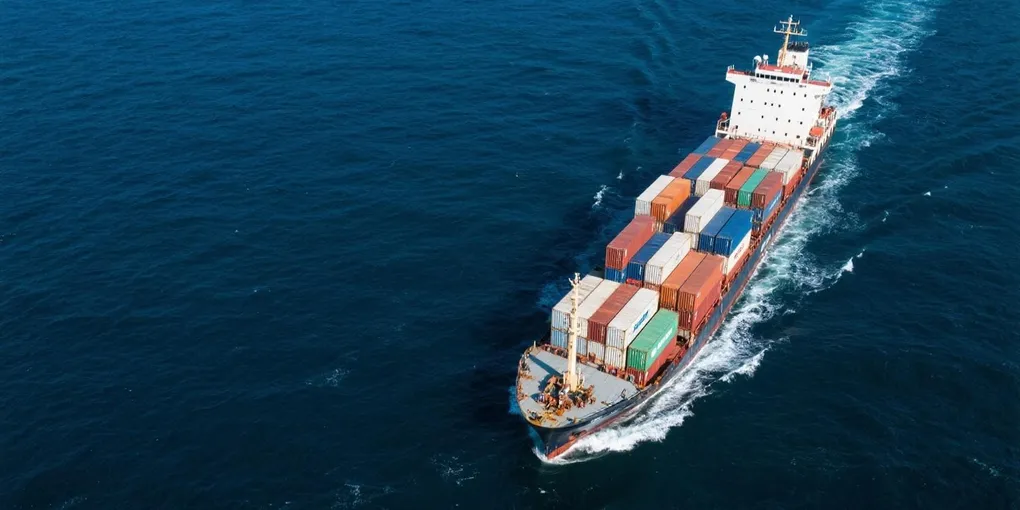
Looking to optimize your shipping from China to the USA? Understanding the major ports, shipping routes, transit times, and service options—such as port-to-port or door-to-door—is essential for smooth, cost-efficient logistics. This guide provides a clear overview of the key export and import gateways, main sea routes, and practical tips to choose the right shipping method and a reliable freight forwarder for your China–USA trade.
Major Ports in China (Export to USA)
-
China’s container network is anchored by five clusters: Yangtze River Delta (Shanghai/Ningbo), Pearl River Delta (Shenzhen/Guangzhou), Bohai Rim (Tianjin/Qingdao/Dalian/Yantai), Southeast coast (Xiamen), and North Jiangsu (Lianyungang).
-
Inland connectivity relies on expressways, double-stack rail, and river barge networks—especially the Yangtze River system feeding Shanghai/Ningbo.
-
Typical exports to the USA include electronics, machinery, furniture, textiles/apparel, appliances, toys, auto parts, flooring/building materials, and home goods.
| Port Name | Location | Typical Exports | Main Inland Feeders & Access |
|---|---|---|---|
| Shanghai | Shanghai/Yangshan | Electronics, machinery, apparel, furniture, appliances | Jiangsu (Suzhou, Wuxi, Nantong), Zhejiang (Hangzhou), Anhui/Hubei by Yangtze river, G2/G60, rail |
| Shenzhen | Yantian, Shekou, Chiwan | Smartphones, electronics, IT, apparel, furniture | Dongguan, Guangzhou, Huizhou, Foshan, Hunan, Jiangxi via G4, high-speed rail |
| Ningbo–Zhoushan | South of Hangzhou Bay | Appliances, machinery, textiles, furniture, chemicals | Yiwu, Shaoxing, Jiangsu/Anhui via Hangzhou Bay Bridge, G92/G60, rail |
| Guangzhou (Nansha) | Pearl River Estuary, Guangzhou | Auto parts, building materials, machinery, furniture, chemicals | Foshan, Zhaoqing, Qingyuan, Guangxi/Hunan via river, G80/G4, rail |
| Qingdao | Shandong Peninsula | Machinery, tires, chemicals, home goods, food, seafood | Jinan, Weifang, Yantai/Weihai, North China via Jiqing Expwy, rail |
| Tianjin | Bohai Bay | Heavy machinery, vehicles/parts, electronics, steel | Beijing, Shijiazhuang (Hebei), Shanxi, Inner Mongolia via G2/G3/G5, rail |
| Xiamen | Fujian (Taiwan Strait) | Stone, footwear, furniture, electronics, kitchenware | Quanzhou, Zhangzhou, Ganzhou (Jiangxi) via G76/G25, rail |
| Dalian | Liaoning (Bohai/Yellow Sea) | Chemicals, machinery, auto parts, seafood, metals | Liaoning, Jilin, Heilongjiang via Harbin–Dalian rail, G11/G1 |
| Yantai | North Shandong Peninsula | Auto parts, machinery, electronics, tires, food | Yantai, Weihai, Weifang, N. Shandong via Rongwu Expwy, rail |
| Lianyungang | North Jiangsu (Yellow Sea) | Chemicals, solar/photovoltaics, glass, machinery | Xuzhou, Huai’an, N. Anhui/Henan by Longhai Railway, G30/G25 |
Major Ports in the USA (Imports from China)
-
The U.S. container network is split across West Coast gateways (direct trans-Pacific), East/Gulf Coast gateways (via Panama/Suez), and inland intermodal hubs fed by BNSF, Union Pacific, CSX, and Norfolk Southern.
-
West Coast ports (Los Angeles/Long Beach, Oakland, Seattle/Tacoma) dominate speed-to-market for Asia; East/Gulf Coast ports (NY/NJ, Savannah, Norfolk, Charleston, Houston, Miami) serve consumption centers via rail/highway corridors.
-
Typical imports from China include electronics, apparel, furniture, toys, appliances, auto parts, flooring/building materials, and general retail goods.
| Port Name | Location | Typical Imports | Inland Distribution |
|---|---|---|---|
| Los Angeles | San Pedro Bay, CA | Electronics, apparel, furniture, toys, appliances | BNSF/UP rail to Inland Empire, Phoenix, Dallas, Chicago via I-710/I-10/I-15 |
| Long Beach | San Pedro Bay, CA | Consumer goods, auto parts, plastics, furniture | On-dock rail (ICTF), to Inland Empire, Las Vegas, Dallas, Chicago via UP/BNSF |
| New York & NJ | Newark/Elizabeth/Staten Isl. | Retail, apparel, electronics, pharma, food | CSX/NS to Northeast/Mid-Atlantic/Midwest, I-95/I-78/I-80 to NY, Philadelphia, Chicago |
| Savannah | Savannah River, Georgia | Furniture, flooring, appliances, home goods, retail | On-dock rail to Atlanta, Nashville, Memphis, Charlotte; I-95/I-16 to Southeast |
| Oakland | San Francisco Bay, CA | Retail, beverages/food, machinery, consumer staples | UP/BNSF to Sacramento, Reno, Salt Lake City; I-80/I-5 to Bay Area/Central Valley |
| Seattle | Puget Sound, WA | Electronics, machinery, retail, wood products | BNSF/UP via I-5/I-90 to Seattle, Spokane, Boise, Midwest |
| Norfolk (VA Ports) | Hampton Roads, VA | Furniture, tires, machinery, consumer goods | NS/CSX to Mid-Atlantic/Midwest, Virginia Inland Port, I-64/I-95 to Richmond, Chicago |
| Houston | Houston Ship Channel, TX | Building materials, chemicals, machinery, retail goods | Trucking to Houston, Dallas, San Antonio; UP/BNSF rail to Southwest/Midwest |
| Charleston | S. Carolina Lowcountry | Furniture, auto components, retail goods | CSX/NS, I-26/I-95 to Inland Port Greer, Atlanta, Charlotte, Raleigh/Durham |
| Miami | Biscayne Bay, Florida | Electronics, apparel, housewares, consumer staples | Florida East Coast Railway, I-95/I-75 to S. Florida DCs, Orlando, Jacksonville |
Main Shipping Routes from China to USA
Route Map Overview
-
Main corridors link East/South/North China to U.S. West, East, and Gulf Coasts.
-
Services operate weekly loops; choose direct calls vs transshipment for speed vs flexibility.
-
Inland China uses river barge, rail, and highway feeders to origin ports; U.S. inland relies on intermodal rail and trucking.
West Coast (Trans‑Pacific Direct)
-
Typical strings: Shanghai → Ningbo → Yantian/Shekou → Los Angeles/Long Beach (PSW).
-
Best for speed‑to‑market; primary lane for retail, electronics, apparel, furniture, appliances.
-
Inland China feeders: Yangtze barges to Shanghai/Ningbo; Pearl River barges/trucks to Shenzhen/Guangzhou.
-
U.S. inland: on‑dock rail (BNSF/UP) to Inland Empire, Phoenix, Dallas–Fort Worth, Chicago via I‑710/I‑10/I‑15.
-
Port‑to‑port benchmark: 12–18 days (Shanghai/Yantian → LA/LB); add 2–5 days for terminal dwell.
Pacific Northwest & Northern California
-
Typical strings: Yantian/Xiamen → Oakland; Shanghai/Ningbo → Seattle/Tacoma.
-
Serves Northern California, Pacific Northwest; strong for furniture, machinery, paper/wood products, retail goods.
-
U.S. inland: intermodal to Sacramento, Reno, Salt Lake City, Spokane, Minneapolis via UP/BNSF and I‑5/I‑80/I‑90.
-
Port‑to‑port benchmark: 14–20 days depending on origin and service speed.
East Coast (All‑Water via Panama Canal)
-
Typical strings: Yantian/Nansha/Xiamen → Panama Canal → Savannah/Charleston → Norfolk → New York/New Jersey → Miami.
-
Best when DCs are in Southeast/Mid‑Atlantic/Northeast; avoids West Coast inland rail but adds ocean time.
-
Common commodities: furniture, flooring, appliances, home improvement, general retail.
-
Port‑to‑port benchmark: 25–35 days; schedule reliability varies with canal constraints and seasonality.
East Coast (All‑Water via Suez Canal)
-
Typical strings: North/East China (Qingdao/Tianjin/Shanghai) → Suez → New York/New Jersey → Norfolk.
-
Useful when Panama capacity tight or for northern China origins; typically longer than Panama.
-
Port‑to‑port benchmark: 28–40 days depending on rotation and transshipments.
Gulf Coast (All‑Water via Panama Canal)
-
Typical strings: South/East China → Panama → Houston/New Orleans.
-
Strong for building materials, chemicals/plastics, machinery, retail goods headed to Texas and the Southwest.
-
Port‑to‑port benchmark: 26–34 days; inland trucking to Dallas/Austin/San Antonio is efficient.
Transshipment Hubs
-
Common hubs: Busan, Kaohsiung, Singapore, and occasionally Hong Kong.
-
Pros: more frequent sailings and flexible port pairs; cons: added handling and 2–6 days transit.
-
Use direct calls when speed and schedule reliability are critical; use hubs for network breadth.
Inland Gateways & Feeder Networks in China
-
Yangtze River barge: Anhui/Hubei/Jiangsu feed Shanghai/Ningbo.
-
Pearl River barge/highway: Dongguan/Foshan/Guangzhou/Huizhou feed Shenzhen/Guangzhou.
-
North China rail/highway: Beijing–Tianjin corridor; Harbin–Dalian; Longhai Railway to Lianyungang.
-
Yiwu small commodities and Shaoxing textiles typically route via Ningbo.
U.S. Inland Distribution Corridors
-
West Coast IPI: LA/LB/Oakland/Seattle/Tacoma to Inland Empire, Phoenix, Salt Lake City, Denver, Dallas, Chicago via UP/BNSF.
-
East Coast intermodal: NY/NJ/Savannah/Norfolk/Charleston to Columbus, Chicago, Atlanta, Charlotte via CSX/NS.
-
Gulf intermodal: Houston to Dallas–Fort Worth, San Antonio, Kansas City via UP/BNSF; strong regional trucking.
Transit Time Benchmarks (Port‑to‑Port)
-
China → U.S. West Coast: 12–20 days.
-
China → U.S. East Coast (Panama): 25–35 days.
-
China → U.S. East Coast (Suez): 28–40 days.
-
China → U.S. Gulf Coast: 26–34 days.
-
Add 3–7 days for peak‑season congestion, weather, or customs exams.
A professional forwarder (e.g., Dantful International Logistics) can simulate lanes, compare schedules, and optimize total landed cost based on your DC network, commodity mix, and seasonality.
Port-to-Port Shipping: Transit Time & Cost Overview
-
Definition: Ocean service between named origin and destination ports; importer arranges inland haulage and customs.
-
Transit time (port-to-port):
-
China → U.S. West Coast: 12–20 days.
-
China → U.S. East Coast (Panama): 25–35 days.
-
China → U.S. East Coast (Suez): 28–40 days.
-
China → U.S. Gulf Coast: 26–34 days.
-
Add 2–7 days for peak-season dwell, weather, canal constraints, or exams.
-
-
Cost overview:
-
FCL/LCL base ocean rates vary by lane, equipment, and seasonality.
-
Surcharges (BAF, PSS, GRI) and direct vs transshipment choices affect totals.
-
See “Sea Freight Cost from China to USA” for typical ranges; request live quotes for accuracy.
-
Door-to-Door Shipping: Full Process, Timing & Cost
-
Process (concise): Pickup → Origin handling/export clearance → Ocean transit → Arrival → Customs/brokerage → Port handling → Inland delivery.
-
Typical timing (factory to U.S. door):
-
West Coast FCL: ~18–30 days; LCL adds 3–7 days.
-
East Coast (Panama) FCL: ~30–45 days; Suez can be longer.
-
Gulf Coast FCL: ~28–40 days.
-
Buffer 1–3 days for pickup scheduling and terminal availability.
-
-
Cost components:
- Origin trucking/packing, terminal handling, ocean freight, destination THC/demurrage/chassis, brokerage/duties/taxes, inland trucking/rail, optional liftgate/inside delivery, cargo insurance.
-
Tips:
-
Pre-clear customs and schedule drayage early; track free time to avoid demurrage/detention.
-
Match Incoterms to responsibilities (EXW/FOB/DDP) and use a forwarder for end-to-end visibility.
-
Shipping Method Comparison: Port-to-Port vs Door-to-Door
Port-to-Port:
-
Pros: Lowest base ocean cost; flexible inland choices; high control.
-
Cons: More coordination; risk of demurrage/detention if not managed; broker/trucker needed.
-
Best for: Experienced importers; DCs near ports; established domestic carriers.
Door-to-Door:
-
Pros: Single point of contact; predictable total time/cost; fewer admin steps.
-
Cons: Higher all-in cost; less flexibility; performance depends on forwarder.
-
Best for: First-time importers; small teams; remote DCs; time-sensitive launches.
-
Incoterms alignment: Port-to-port suits FOB; door-to-door suits EXW/DDP.
-
Cost/time delta: Door-to-door typically adds 2–5 days and ~10–25% vs pure ocean, depending on distance and service level.
-
Decision anchor: Choose based on DC location, volume, budget, and compliance complexity.
How to Select the Right Freight Forwarder for China-US Shipments
-
China–USA lane expertise: Proven trans-Pacific operations, with guidance on direct vs. transshipment services and West/East/Gulf entry strategies.
-
Full-service scope: FCL/LCL, OOG/reefer, origin pickup, export clearance, customs brokerage (via licensed partners), drayage, rail/truck inland, and door-to-door.
-
Compliance capability: Accurate ISF 10+2 filing, CBP entry preparation, HTS classification assistance, and advisory on Lacey Act, TSCA Title VI, ISPM 15, and relevant CPSC/ASTM requirements.
-
Licensing & partners: FMC/NVOCC licensing when applicable, bonded facilities, and vetted U.S. broker/trucker networks.
-
Space & schedule reliability: Carrier allocations during peak seasons; realistic ETAs and reroute options when canals or ports congest.
-
Transparent pricing: Itemized quotes distinguishing ocean base rate, BAF/PSS/GRI, origin/destination THC, chassis, demurrage/detention policies, and inland haulage.
-
Service SLA & support: Single point of contact, bilingual ops teams, proactive issue management, and documented response times.
-
Risk management: Cargo insurance options, claims handling, corrective action plans for damages or delays.
-
References & KPIs: On-time performance, average dwell, claim ratio; ask for case studies in your commodity and route.
-
Value-added services: Consolidation, relabeling, repack, warehousing, and compliance document review.
Quick checklist:
-
Does the forwarder cover your origin city and chosen U.S. port? Can they pre-clear customs and schedule drayage?
-
Are quotes fully itemized with surcharges and free-time terms? Is ISF filing confirmed before loading?
-
Do they offer real-time tracking and escalation contacts? Can they handle special cargo (reefer/OOG)?
Why Dantful.US?
-
Trade-lane focus: Dedicated China–USA teams covering Shanghai/Ningbo/Shenzhen/Guangzhou/Xiamen/Tianjin/Qingdao and U.S. gateways (LA/LB, Oakland/Seattle/Tacoma, NY/NJ, Savannah/Charleston/Norfolk, Houston/Miami).
-
End-to-end service: Door-to-door solutions with origin pickup, export clearance, ocean booking, ISF 10+2, customs brokerage coordination, port handling, drayage/rail, and final delivery.
-
Compliance support: Practical guidance for Lacey Act declarations, TSCA Title VI composite wood labeling, ISPM 15 wood packaging, and relevant CPSC/ASTM product standards.
-
Reliability & visibility: Space protection on major strings, realistic ETAs, milestone tracking, and proactive alerts to avoid demurrage/detention.
-
Transparent pricing: Clear, itemized quotes and total landed cost modeling (ocean + inland) for West/East/Gulf routes.
-
Bilingual operations: Local China teams and U.S. partners provide fast coordination across time zones.
-
Use cases: Retail/e-commerce, furniture, electronics, appliances, building materials; weekly consolidations for LCL and competitive FCL bids.
-
Getting started: Share SKU list, dims/weights, Incoterms, origin factory address, and target U.S. destination—Dantful.US will map the optimal route and quote.
Get A Free Shipping Quote