

Are you trying to figure out the shipping cost from China to Brazil and wondering what factors affect your final bill? The core judgment for China-Brazil logistics is balancing the 35-45 days sea freight cost-efficiency against the high Brazilian import taxes (often exceeding 50% of CIF value). In this comprehensive guide, we’ll break down everything you need to know—from sea freight cost and air freight cost to import tax, duties, and how to calculate your exact shipping rates. Get ready to discover the key details to ensure smooth, compliant, and budget-friendly shipping to Brazil!
Sea freight cost from China to Brazil
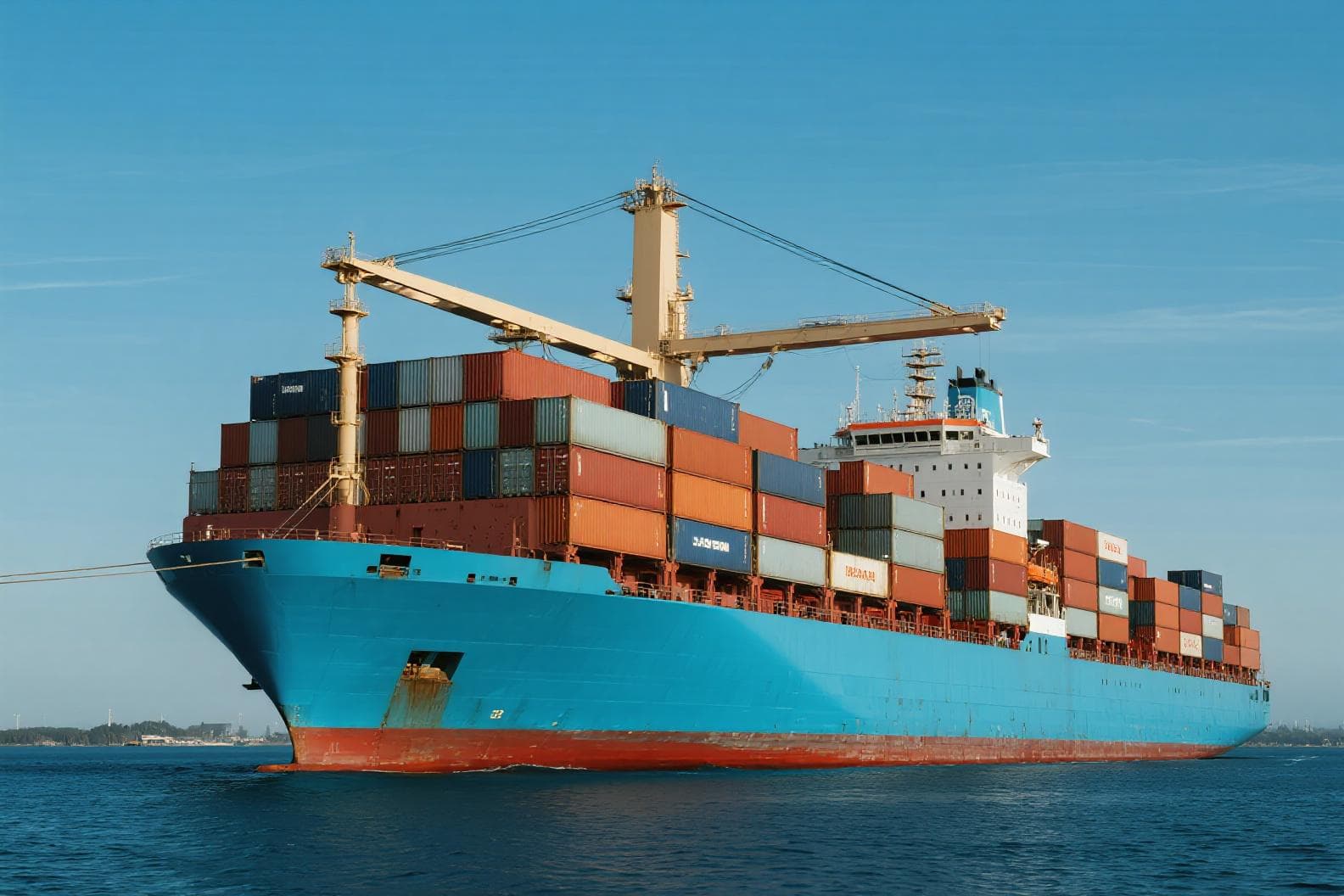
Sea freight is the most popular shipping method for transporting large volumes of goods from China to Brazil. It is cost-effective, reliable, and ideal for bulk shipments. The shipping cost largely depends on the type of container, the departure and arrival ports, cargo volume, and the nature of the goods.
Key Port Pairings for China-Brazil Sea Freight
Choosing the right departure and arrival ports dictates your transit time, inland costs, and customs efficiency. Here is how Dantful optimizes route selections for the Americas trade:
Strategic Chinese Departure Hubs:
- Shenzhen & Guangzhou: Ideal for electronics and light manufacturing from South China. We leverage direct sailings from Yantian to South America to cut transit times by up to 5 days compared to transshipment routes.
- Shanghai & Ningbo: The powerhouse for East China exports. Best for heavy machinery and bulk goods, offering the highest frequency of weekly vessels to the South American East Coast (SAEC).
- Qingdao: The go-to port for North China, particularly advantageous for tires, auto parts, and heavy equipment heading to Brazil.
Strategic Brazilian Entry Ports:
- Port of Santos (SP): The largest and busiest port in Latin America, handling over 30% of Brazil’s cargo. Dantful Tip: Santos is highly efficient but prone to peak-season congestion; our local team pre-clears documents to expedite release and avoid high storage fees.
- Port of Paranaguá (PR): An excellent alternative for agricultural machinery and goods destined for Southern Brazil, often featuring lower terminal handling charges (THC) than Santos.
- Port of Itajaí & Navegantes (SC): Highly strategic for the textile, apparel, and frozen goods sectors distributing to Santa Catarina and surrounding regions.
Latest Sea Freight Costs (May 2026 Updated):
| Container Type | From Shanghai to Santos | From Shenzhen to Rio de Janeiro |
|---|---|---|
| 20ft FCL | $2,500 – $3,200 | $2,700 – $3,400 |
| 40ft FCL | $4,400 – $5,600 | $4,600 – $5,900 |
| LCL (per CBM) | $120 – $180 | $130 – $200 |
FCL: Full Container Load, LCL: Less than Container Load. Prices are indicative and subject to market changes.
Additional Charges May Include:
- Port handling charges
- Customs clearance fees
- Documentation fees
- Insurance
Transit Time: Typical transit time for sea freight from China to Brazil ranges from 30 to 45 days depending on the specific ports and vessel schedules.
Air freight cost from China to Brazil
Air freight is the fastest shipping method for cargo from China to Brazil, suitable for urgent, valuable, or time-sensitive shipments. While the cost is higher than sea freight, the transit time is significantly shorter (typically 5 to 7 days).
Strategic Airport Hubs for Fast-Track Delivery
For time-critical shipments, selecting the right airport pair minimizes ground handling delays and customs bottlenecks.
Primary Chinese Export Hubs:
- Hong Kong (HKG) & Guangzhou (CAN): The undisputed centers for e-commerce and consumer electronics. HKG offers unparalleled flexibility for goods with built-in batteries (a common requirement for Brazil-bound electronics).
- Shanghai Pudong (PVG): The best hub for high-value industrial components and automotive parts, with frequent direct-connecting freighter capacities to South America.
Key Brazilian Arrival Hubs:
- São Paulo/Guarulhos (GRU): The primary gateway for over 70% of Brazil’s air cargo. Dantful Tip: GRU has specialized facilities for temperature-controlled and high-tech goods. Our local agents ensure priority handling to navigate Brazil’s complex “Linha Azul” (customs express line) efficiently.
- Campinas/Viracopos (VCP): Often overlooked by amateur forwarders, VCP is a major industrial cargo hub with highly efficient customs clearance, perfect for heavy machinery parts and urgent manufacturing components.
- Rio de Janeiro/Galeão (GIG): The strategic entry point for the oil, gas, and pharmaceutical industries located in the Rio state region.
Typical Air Freight Costs (2026 Estimates):
| Weight Bracket | From Shanghai to São Paulo | From Guangzhou to Rio de Janeiro |
|---|---|---|
| 100 kg+ | $6.00 – $8.50/kg | $6.20 – $8.80/kg |
| 500 kg+ | $5.00 – $7.50/kg | $5.20 – $7.80/kg |
| 1000 kg+ | $4.80 – $7.00/kg | $5.00 – $7.20/kg |
Rates vary by season, cargo type, and carrier. Fuel surcharges and security fees may apply.
Benefits of Air Freight:
- Fastest delivery for urgent shipments
- Suitable for high-value or perishable goods
- High security and reliability
Considerations:
- Weight and volume restrictions apply
- More expensive than sea or rail freight
All costs are subject to fluctuation based on market conditions, fuel surcharges, and peak seasons. For a precise quote and the latest rates, contact Dantful.US International Logistics—your trusted and cost-effective freight forwarder for shipping from China to Brazil. For more insights on regional routes, you might also be interested in our comprehensive guide on Shipping from China to Mexico.
Import tax and duties in Brazil
When importing goods from China to Brazil, understanding import tax and duties is essential to calculate the total landed cost and maintain compliance with Brazilian customs regulations. Brazil has one of the most complex tax systems in the world, and importers should be aware of multiple types of taxes and fees applicable to their shipments.
Main Import Taxes and Duties
Below is a summary of primary taxes and duties imposed by the Brazilian government on imported goods:
| Tax Name | Abbreviation | Tax Rate (Typical) | Description |
|---|---|---|---|
| Import Duty | II | 0% – 20% | Based on Mercosur Common External Tariff; depends on HS code. |
| Industrialized Product Tax | IPI | 0% – 15% | Charged on industrialized goods; varies by product type. |
| Social Integration Program | PIS | 2.1% | Federal social contribution, calculated on CIF value. |
| Contribution to Social Security Financing | COFINS | 9.65% | Federal social contribution, calculated on CIF value. |
| Merchandise and Service Circulation Tax | ICMS | 7% – 18% (varies by state) | State tax; rate depends on final destination within Brazil. |
| Additional Freight for the Renewal of the Merchant Marine | AFRMM | 25% (on ocean freight) | Applies to sea shipments only. |
Note:
- CIF value (Cost, Insurance, and Freight) is the basis for most tax calculations.
- ICMS is calculated using a “tax on tax” method, meaning it is applied on the total of goods value plus other taxes.
Example: Tax Calculation for a Shipment
Suppose you import $10,000 worth of electronics from China to Brazil (HS code attracts 14% import duty). The ocean freight is $1,500, and insurance is $100. The destination state ICMS is 12%. Below is an example calculation (numbers simplified):
- CIF Value: $10,000 (goods) + $1,500 (freight) + $100 (insurance) = $11,600
- II (Import Duty): $11,600 x 14% = $1,624
- IPI: ($11,600 + $1,624) x 10% = $1,322.40
- PIS: $11,600 x 2.1% = $243.60
- COFINS: $11,600 x 9.65% = $1,119.40
- ICMS base: $11,600 + all above taxes
- AFRMM (if sea freight): $1,500 x 25% = $375
Compliance Disclaimer: The tax information provided above is for reference only and does not constitute legal or tax advice. Brazilian customs regulations change frequently; always refer to the latest official standards by the Receita Federal do Brasil (RFB) or consult a licensed customs broker.
The total tax liability can be significant. For the most accurate calculation, consult with professional freight forwarding companies such as Dantful.US International Logistics, who can assist with customs clearance and tax consulting for your specific shipment.
How to calculate shipping rates from China to Brazil
When planning a shipment from China to Brazil, calculating shipping rates accurately is crucial for budgeting and profitability. The total shipping cost is influenced by several variables:
Key Components of Shipping Rates
- Freight Charges:
- Sea Freight: Based on FCL (Full Container Load) or LCL (Less than Container Load), volume, and weight.
- Air Freight: Calculated on chargeable weight (whichever is greater: gross weight or volumetric weight).
- Origin Charges in China:
- Local transportation, export customs clearance, documentation fees.
- Destination Charges in Brazil:
- Unloading, port handling, customs clearance, delivery to final address.
- Insurance:
- Optional but recommended for valuable or fragile cargo.
- Import Duties and Taxes:
- As detailed above, calculated on CIF value.
Steps to Calculate Shipping Cost
- Collect Cargo Information:
- Product type, HS code, total volume (CBM), and gross/volumetric weight.
- Choose Shipping Mode:
- Sea Freight is more cost-effective for large, heavy shipments; Air Freight is faster but more expensive.
- Request Quotes:
- Contact professional freight forwarders like Dantful.US International Logistics for tailored quotes that include all major and minor costs.
- Add Destination Charges:
- Estimate local fees at Brazilian ports (e.g., Port of Santos, Port of Rio de Janeiro).
- Calculate Insurance (if required):
- Usually 0.2% – 0.5% of the cargo value.
- Factor in Duties and Taxes:
- See previous section for calculation example.
Example Rate Comparison Table
| Shipping Mode | Estimated Cost (USD) | Transit Time (Days) | Best Suited For |
|---|---|---|---|
| FCL 20ft | $2,800 – $4,200 | 35 – 40 | Large, heavy, full container loads |
| FCL 40ft | $4,800 – $6,500 | 35 – 40 | High volume, cost-sensitive cargo |
| LCL | $80 – $120/CBM | 40 – 50 | Smaller shipments, <15 CBM |
| Air Freight | $5.80 – $10.50/kg | 5 – 8 | Urgent, high-value goods |
Rates are indicative for 2026 and can fluctuate due to market conditions, fuel prices, and peak seasons.
Pro Tips
- For accurate calculations, always request a detailed quote and confirm if there are any surcharges, such as peak season surcharges, currency adjustment factors, or war risk surcharges.
- Work with a reliable freight forwarder such as Dantful.US International Logistics to minimize surprises and ensure transparent pricing.
By systematically considering all these factors, you can effectively estimate your shipping cost from China to Brazil and optimize your supply chain. For additional reference, review our article on Shipping from China to USA for comparison of North and South American routes.
Factors Influencing Shipping Costs from China to Brazil
When calculating the shipping cost from China to Brazil, several key factors come into play. Understanding these will help importers optimize their logistics and reduce unnecessary expenses.
1. Mode of Transport The most significant factor is the choice between sea freight and air freight. Sea freight is generally more cost-effective for large shipments, while air freight is faster but often several times more expensive per kilogram.
2. Cargo Volume and Weight Shipping rates are typically based on either the gross weight or volumetric weight of the cargo, whichever is greater. For sea freight, Full Container Load (FCL) and Less than Container Load (LCL) charges differ significantly.
3. Type of Goods Certain products, such as hazardous materials, perishable goods, or oversized cargo, incur additional handling and regulatory fees.
4. Origin and Destination Ports The choice of Chinese port (e.g., Shanghai, Shenzhen, Ningbo) and Brazilian port (e.g., Santos, Rio de Janeiro) affects overall costs, including inland transportation and terminal handling charges. Ports with higher traffic may offer more competitive rates.
5. Shipping Seasonality Shipping demand fluctuates throughout the year. Peak seasons (such as pre-holiday periods or after Chinese New Year) often see higher rates due to limited capacity.
6. Fuel Prices and Route Surcharges Fluctuations in bunker fuel prices along the China-South America maritime corridor directly impact freight rates. Carriers servicing the Brazilian route frequently adjust the BAF (Bunker Adjustment Factor). Additionally, expect a PSS (Peak Season Surcharge) during high-demand periods, such as the lead-up to Black Friday or Brazilian Carnival, as space on vessels heading to the Americas tightens.
7. Customs and Documentation Fees Each shipment requires documentation (bill of lading, packing list, commercial invoice) and may incur customs clearance charges in both China and Brazil.
8. Insurance While optional, cargo insurance is highly recommended to protect goods in transit. The cost depends on the cargo value and route risk.
9. Service Level and Additional Services Choosing door-to-door, port-to-port, or consolidated services impacts pricing. Extra services like warehousing, palletizing, or Amazon FBA prep incur additional fees.
Table: Examples of Factors Influencing Shipping Cost
| Factor | Sea Freight Impact | Air Freight Impact |
|---|---|---|
| Volume/Weight | Charged per container or CBM/ton (LCL) | Charged per kg or volumetric weight |
| Transit Time | 30-45 days average | 5-10 days average |
| Port Charges | Vary by location and local fees | Airport handling fees may be higher |
| Seasonality | Higher during peak seasons | Higher during peak seasons |
| Cargo Type | Specialized cargo incurs surcharges | Restricted cargo may not be allowed |
| Surcharges | BAF, CAF, PSS, documentation | Security, fuel surcharge, handling |
Choosing a reliable and experienced freight forwarder like Dantful.US International Logistics can help you navigate these variables efficiently, often resulting in cost savings and smoother shipments. If you are interested in alternative shipping destinations in Latin America, you may find our resource on Shipping from China to Brazil helpful.
Shipping Transit Time from China to Brazil
The shipping transit time from China to Brazil depends mainly on the shipping method, route, and specific origin and destination points.
1. Sea Freight Transit Time
Sea freight is the most common method for large shipments. Transit times can vary due to the route, container type, and transshipment points. On average:
- Shanghai to Santos: 35-45 days (direct/main route)
- Shenzhen to Rio de Janeiro: 36-48 days
- Ningbo to Itajai: 38-50 days These times include loading, sailing, and unloading but may extend due to customs clearance or port congestion.
2. Air Freight Transit Time
Air freight is significantly faster but more expensive. Typical air transit times:
- Shanghai to Sao Paulo (GRU Airport): 4-7 days (including handling)
- Guangzhou to Rio de Janeiro (GIG Airport): 5-8 days
Note: Total transit time includes pickup, air transportation, customs clearance, and delivery to the final destination.
3. Table: Transit Time Comparison
| Route (China – Brazil) | Sea Freight (Days) | Air Freight (Days) |
|---|---|---|
| Shanghai – Santos | 35–45 | 4–7 |
| Shenzhen – Rio de Janeiro | 36–48 | 5–8 |
| Ningbo – Itajai | 38–50 | 5–8 |
| Qingdao – Salvador | 37–52 | 6–9 |
4. Other Influencing Factors
- Transshipment: If your cargo requires transshipment at an intermediate port, expect an additional 5-10 days.
- Customs Clearance: Delays in documentation or inspection at Brazilian customs can extend the overall delivery time.
- Weather/Port Congestion: Seasonal weather conditions and port congestion can cause unexpected delays.
How to Ship from China to Brazil
Shipping goods from China to Brazil requires planning, reliable partners, and knowledge of the logistics process. Here is a step-by-step guide to help importers streamline their shipping operations:
1. Choose the Right Shipping Method (Decision Framework)
Choosing between Sea Freight and Air Freight requires evaluating weight, urgency, and product type. Use this framework:
- Choose Sea Freight (FCL) IF: Your cargo volume exceeds 15 CBM, transit time (35-45 days) is acceptable, and you want the lowest per-unit shipping cost.
- Choose Sea Freight (LCL) IF: Your cargo is between 2 CBM and 15 CBM, not urgently needed, and you want to share container costs.
- Choose Air Freight IF: Your cargo is under 500 kg, high-value (e.g., electronics), highly perishable, or needed within 7 days to prevent stockouts.
- For Amazon FBA Sellers: If you are shipping to Amazon FBA fulfillment centers in Brazil, you must also factor in labeling, palletizing, and delivery appointments. We strongly recommend a DDP (Delivered Duty Paid) or Door-to-Door solution to ensure goods aren’t blocked by Brazil’s complex tax audits.
2. Select a Reliable Freight Forwarder
Partnering with an experienced freight forwarder like Dantful.US International Logistics is crucial. A professional forwarder will handle bookings, documentation, and customs clearance, ensuring a smooth process.
3. Gather Export Documentation
Prepare all necessary documents, including:
- Commercial Invoice
- Packing List
- Bill of Lading (for sea freight) or Airway Bill (for air freight)
- Certificate of Origin (if required)
- Import licenses or special permits (depending on cargo type)
4. Arrange Pickup and Inland Transport
Your freight forwarder can coordinate pickup from the Chinese supplier and arrange inland transportation to the departure port or airport.
5. Customs Clearance in China
The forwarder will assist with export customs declarations and inspections to ensure compliance with Chinese regulations.
6. International Shipping
Your goods are shipped via the chosen method. Tracking services help you monitor the shipment during transit.
7. Customs Clearance in Brazil
On arrival, your forwarder will assist with Brazilian customs clearance, payment of import duties and taxes, and inspection procedures.
8. Final Delivery
The goods will be transported from the port/airport to your specified address in Brazil, either by truck or rail. Dantful.US International Logistics offers reliable door-to-door delivery services for your convenience.
Tips for success:
- Consult Brazilian import regulations before shipping.
- Work with a forwarder familiar with both Chinese and Brazilian customs.
- Consider insurance for high-value or sensitive goods.
How Dantful Optimizes Your China-Brazil Logistics
Rather than simply offering the “cheapest” initial quote—which often leads to hidden fees at destination—a reliable freight forwarder optimizes your total landed cost through deep expertise in the Americas trade lanes.
Our China-Brazil Route Capabilities
- Direct Carrier Agreements: We maintain stable space allocations with major carriers servicing the South American East Coast (SAEC), reducing your exposure to sudden spot-market rate hikes.
- Smart Consolidation (LCL): For smaller shipments, our regular consolidation hubs in Shenzhen and Shanghai minimize wait times and maximize container utilization, keeping your per-CBM costs low.
- Brazilian Customs Expertise: Brazil’s complex tax structure (II, IPI, ICMS) often traps inexperienced shippers. We pre-check your HS codes and documentation before departure to avoid costly storage fees or fines at Santos or Paranaguá.
- Transparent Origin & Destination Fees: Our quotes clearly separate ocean freight, THC (Terminal Handling Charges), and Brazilian local port fees, ensuring no hidden surprises upon arrival.
| Value-Added Service | Dantful Americas Line Expertise | Common Market Pitfalls |
|---|---|---|
| Sea Freight Space | Secured allocations for SAEC routes | Subject to volatile spot market |
| Customs Clearance | Pre-departure HS code & tax verification | High risk of clearance delays & fines in Brazil |
| Quote Accuracy | Transparent breakdown including local port fees | Hidden destination charges upon arrival |
| Consolidation | Direct LCL routing from major Chinese hubs | Multiple transshipments increasing damage risk |
Partnering with Dantful.US International Logistics ensures you leverage over a decade of specialized experience in the Americas dedicated lines, transforming your logistics from a cost center into a competitive advantage.
Quotation Information List (Copy & Paste)
To get an accurate and fast quote for your China-Brazil shipment, please copy the list below, fill in your details, and send it to our team:
Require Cargo Insurance? (Yes/No):
Product Name & HS Code:
Total Piece Count:
Gross Weight (kg):
Total Volume (CBM):
Packaging Type (Cartons/Pallets):
Special Goods? (Battery/Liquid/Brand):
Origin City/Port in China:
Destination Zip Code in Brazil:
Trade Terms (FOB/EXW/CIF):
Require Door-to-Door? (Yes/No):
FAQs
Q1: What is the average shipping cost from China to Brazil?
A: Shipping costs depend on shipment size, weight, transport mode, and destination. As of 2026, sea freight for a 20-foot container ranges from $2,500–$3,400 USD, while air freight is around $6.00–$8.80 per kg. For detailed quotes, contact Dantful.US International Logistics.
Q2: How long does shipping take from China to Brazil?
A: Sea freight usually takes 30–40 days, while air freight ranges from 3–7 days, depending on service level and routing.
Q3: What are the main seaports and airports in Brazil for imports?
A:
- Main Seaports: Port of Santos, Port of Rio de Janeiro, Port of Paranaguá
- Major Airports: São Paulo–Guarulhos International Airport, Rio de Janeiro–Galeão International Airport
Q4: Do I need an import license to bring goods into Brazil?
A: Most goods require an import license. Always check with Brazilian customs or consult your freight forwarder for up-to-date regulations.
Q5: What is the cheapest way to ship from China to Brazil?
A: Sea freight (LCL or FCL) is typically the most cost-effective for bulky shipments. Air freight is best for small, urgent cargo. Consolidated shipments can further reduce costs.
If you need more information or a detailed quotation, please reach out to Dantful.US International Logistics — your trusted shipping partner for China-Brazil trade. For those considering shipping to other Latin American countries, our Shipping from China to Brazil resource may also provide useful benchmarks.
Leave a reply