

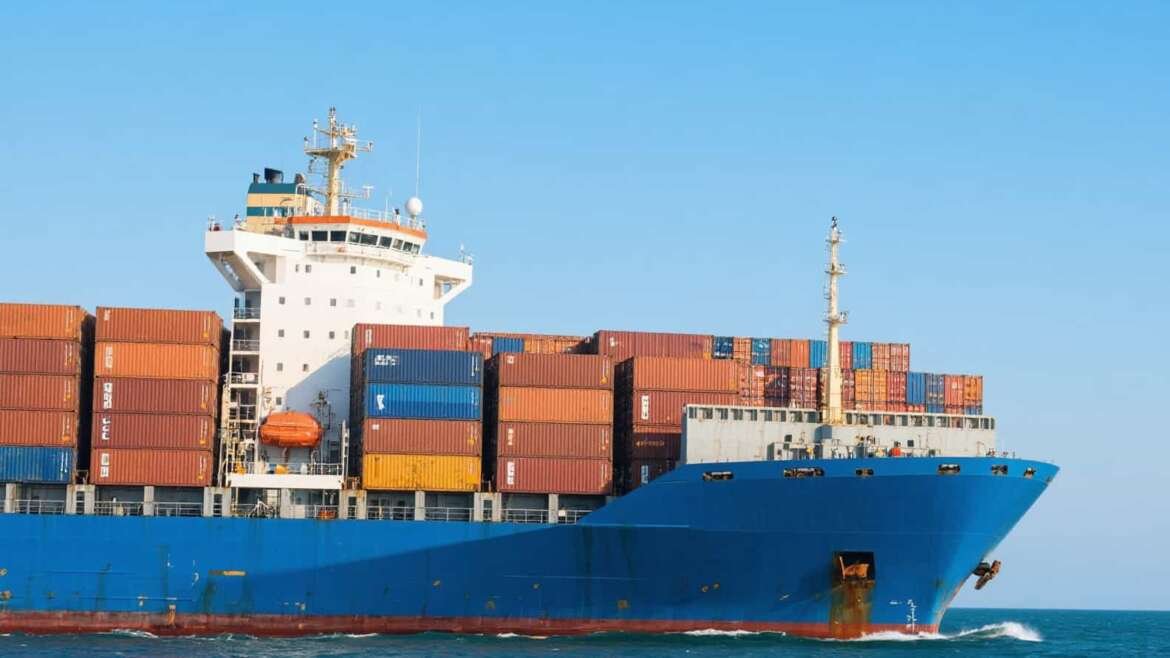
Are you looking to optimize your Sea Freight from China to Mexico but unsure about the best routes, costs, or shipping options? In this comprehensive guide, we’ll explore essential information on FCL and LCL shipping, freight times, cost-saving strategies, and how to choose the right sea freight forwarder. Discover solutions to common challenges and make your shipment from China to Mexico smooth and cost-effective.
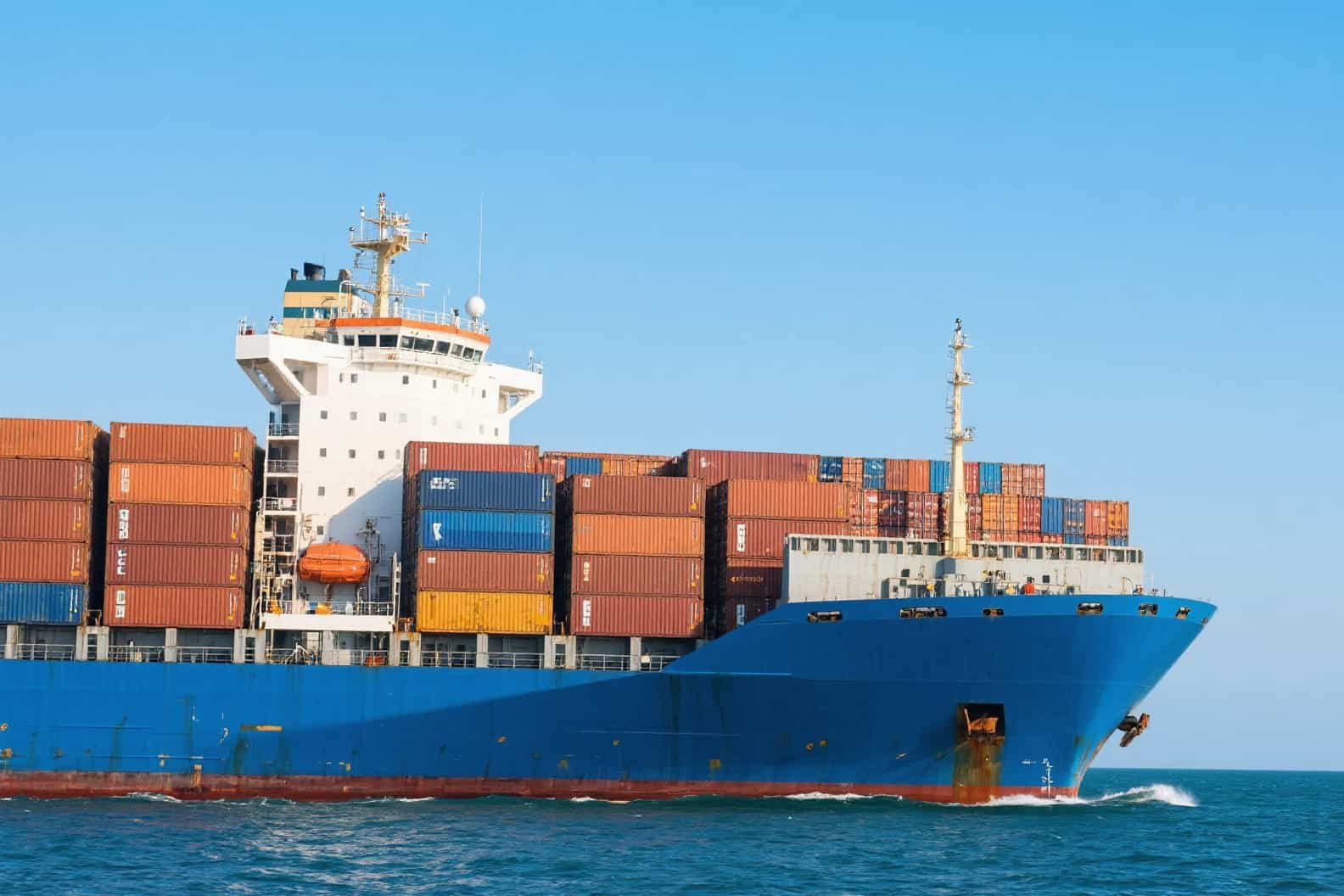
Key Sea Freight Routes from China to Mexico
When shipping by sea freight from China to Mexico, understanding the main shipping routes and ports is essential for efficient logistics planning. The primary trade lanes connect China’s major export ports—such as Shanghai, Shenzhen, Ningbo, Qingdao, Guangzhou, and Xiamen—with Mexico’s leading ports, including Manzanillo, Veracruz, and Lázaro Cárdenas.
The most common route is via the Pacific Ocean, where vessels depart from eastern and southern Chinese ports and arrive at Manzanillo, the largest and busiest container port in Mexico. This port serves as a gateway to Mexico City and central Mexico. The Veracruz port, located on the Gulf of Mexico, is another key entry point, especially for cargo destined for eastern and southern regions of the country. Lázaro Cárdenas also handles significant container volume and is a growing hub due to its deep-water capabilities and connectivity to Mexico’s industrial centers.
Route Overview Table:
| Major China Port | Major Mexico Port | Typical Route | Main Commodities | Remarks |
|---|---|---|---|---|
| Shanghai | Manzanillo | Pacific Ocean direct | Electronics, machinery | Fastest, highest frequency |
| Shenzhen | Manzanillo | Pacific Ocean direct | Appliances, textiles | Major route for South China exports |
| Ningbo | Lázaro Cárdenas | Pacific Ocean direct | Automotive parts | Suited for heavier, bulk shipments |
| Qingdao | Veracruz | Via Panama Canal | Metals, chemicals | Preferred for Gulf of Mexico destinations |
| Guangzhou | Manzanillo | Pacific Ocean direct | Furniture, consumer goods | High frequency, consolidated shipments |
| Xiamen | Manzanillo | Pacific Ocean direct | Footwear, garments | Options for southeast China shippers |
The choice of route depends on factors such as cargo destination within Mexico, transit times, costs, and the type of goods being shipped.
Related reading: If your supply chain also covers other American routes, check out Shipping from China to USA for additional insights on trans-Pacific freight trends.
Sea Freight Options from China to Mexico
When considering sea freight from China to Mexico, shippers can choose between two primary containerized shipping services: Full Container Load (FCL) and Less than Container Load (LCL). Each offers distinct advantages depending on the volume, value, and type of cargo.
FCL Shipping from China to Mexico
FCL (Full Container Load) is ideal for customers who need exclusive use of an entire container. This option is highly recommended for shipments with large volumes (usually over 15 cubic meters), high value, or sensitive goods requiring minimal handling.
Key Features of FCL:
- Container Types: 20ft, 40ft, 40ft High Cube, and specialty containers.
- Security: Cargo is sealed at the origin and untouched until arrival, reducing the risk of damage or theft.
- Cost Efficiency: Lower per-unit shipping cost for large shipments.
- Flexibility: Suitable for a wide variety of goods and industries.
| Container Type | Max Volume (CBM) | Max Payload (kg) | Typical Goods |
|---|---|---|---|
| 20ft Standard | ~28 | ~28,000 | Heavy, dense cargo |
| 40ft Standard | ~58 | ~28,000 | Light, high-volume cargo |
| 40ft High Cube | ~68 | ~28,000 | Bulky, lightweight cargo |
| Special/OOG | Varies | Varies | Machinery, oversized items |
When to Use FCL:
- Large shipments that can fill a container.
- High-value or fragile products.
- When security and minimal handling are priorities.
Dantful.US International Logistics offers a one-stop FCL shipping solution from China to Mexico, providing competitive rates, real-time tracking, and seamless customs clearance.
Explore more: Discover how FCL compares to other Americas shipping solutions in our Shipping from China to Brazil guide.
LCL Shipping from China to Mexico
LCL (Less than Container Load) is the best choice for customers shipping smaller volumes—typically less than 15 cubic meters—that do not fill a full container. In LCL shipping, your goods are consolidated with those of other shippers.
Key Features of LCL:
- Cost Sharing: Only pay for the space you use, making it cost-effective for small shipments.
- Flexible Scheduling: Frequent departures from major Chinese ports.
- Efficient Consolidation: Especially useful for small and medium-sized businesses, e-commerce sellers, and sample shipments.
| LCL vs. FCL Comparison Table |
|---|
| Parameter |
| ——————- |
| Volume |
| Cost Structure |
| Handling |
| Security |
| Transit Time |
| Flexibility |
When to Use LCL:
- Small shipments or samples.
- Startups, SMEs, or when testing new products.
- When flexibility and cost minimization are key.
At Dantful.US International Logistics, we provide reliable LCL services from China to Mexico, ensuring efficient consolidation, safe handling, and transparent pricing for your peace of mind.
Both FCL and LCL options can be arranged as port-to-port, door-to-door, or any combination based on your trade terms (such as FOB, CIF, DAP, or DDP). Choosing the right sea freight option is crucial for optimizing costs and ensuring timely delivery. For tailored advice and competitive rates, consult the experts at Dantful.US International Logistics, your trusted partner for sea freight from China to Mexico.
To further optimize your shipping process, consider the benefits of Door to Door Shipping from China to Mexico, ensuring seamless logistics and clear cost structures.
Sea Freight Times from China to Mexico
Understanding the typical transit times for sea freight shipments from China to Mexico is essential for planning your supply chain efficiently. Transit time depends on several factors, including the chosen shipping route, the type of vessel, the departure and destination ports, customs clearance, and whether you opt for FCL (Full Container Load) or LCL (Less than Container Load) shipping.
The primary seaports in China used for exports to Mexico include Shanghai, Shenzhen, Ningbo, Qingdao, and Guangzhou. On the Mexican side, the main ports of entry are Manzanillo, Lázaro Cárdenas, and Veracruz.
Below is an estimated transit time table for popular routes. Please note these are port-to-port times and do not account for customs clearance or inland delivery:
| Origin Port (China) | Destination Port (Mexico) | Estimated FCL Transit Time | Estimated LCL Transit Time |
|---|---|---|---|
| Shanghai | Manzanillo | 22-28 days | 28-35 days |
| Shenzhen | Lázaro Cárdenas | 23-29 days | 29-36 days |
| Ningbo | Veracruz | 27-34 days | 33-40 days |
| Qingdao | Manzanillo | 24-30 days | 30-37 days |
| Guangzhou | Lázaro Cárdenas | 23-29 days | 29-36 days |
Key Notes:
- FCL shipments are generally faster, as containers move directly to the consignee after arrival.
- LCL shipments require consolidation and deconsolidation, often adding a few days.
- Seasonal congestion, holidays (like Chinese New Year), and customs inspection can affect total transit time.
- Inland delivery times within Mexico should be added to these estimates.
For the most accurate and up-to-date information, consult with a professional forwarder such as Dantful.US International Logistics. We monitor vessel schedules and local port conditions to provide the fastest and most reliable options for your supply chain.
Sea Freight Costs from China to Mexico
Shipping costs are a critical factor for importers and traders. Sea freight rates from China to Mexico are influenced by container type (20ft, 40ft, HQ), cargo volume and weight, shipping service type (FCL or LCL), seasonal demand, fuel surcharges, and current market conditions.
Below is a reference table for estimated base ocean freight rates from major Chinese ports to main Mexican ports, as of Q2 2026. Please note these figures are indicative and exclude additional charges such as terminal handling, customs clearance, inland transportation, and insurance.
| Origin Port (China) | Destination Port (Mexico) | 20ft FCL (USD) | 40ft FCL (USD) | LCL (USD/CBM) |
|---|---|---|---|---|
| Shanghai | Manzanillo | $1,500 – $2,200 | $2,100 – $2,800 | $80 – $130 |
| Shenzhen | Lázaro Cárdenas | $1,550 – $2,300 | $2,200 – $2,900 | $85 – $135 |
| Ningbo | Veracruz | $1,900 – $2,600 | $2,600 – $3,400 | $110 – $160 |
| Qingdao | Manzanillo | $1,600 – $2,400 | $2,300 – $3,100 | $95 – $140 |
| Guangzhou | Lázaro Cárdenas | $1,550 – $2,350 | $2,250 – $2,950 | $90 – $135 |
Important Notes:
- FCL pricing offers the best value if you can fill a container.
- LCL pricing is based on cargo volume (CBM – cubic meter), and is ideal for smaller shipments.
- Rates fluctuate due to changes in fuel prices, capacity, and market demand (for regular updates, refer to Drewry World Container Index).
- Surcharges may apply for hazardous goods, peak seasons, and specific handling requirements.
Additional Cost Factors:
- Port charges at both origin and destination
- Customs clearance and documentation fees
- Inland trucking and delivery within Mexico
- Insurance
- Warehousing or storage if needed
To get a tailored quote for your shipment, contact Dantful.US International Logistics. We offer transparent pricing, regular route updates, and a one-stop solution including sea freight, customs clearance, door-to-door delivery, and insurance.
Reducing Sea Freight Costs from China to Mexico
Shipping costs are a crucial factor for every importer. Beyond just comparing base freight rates, optimizing your sea freight shipments requires avoiding hidden traps specific to the Mexican market. Here are actionable, real-world strategies to reduce sea freight costs from China to Mexico:
- Avoid the “CIF Trap” for LCL Shipments
- Buying under CIF terms might seem cheap when paying your Chinese supplier, but destination agents in Mexico often mark up terminal and un-stuffing fees (“Gastos en destino”). Solution: Ask for FOB terms or request a fully itemized Door-to-Door (DDP/DAP) quote upfront to control total landed costs.
- Apply NOM Labels in China, Not Mexico
- Mexico strictly enforces Normas Oficiales Mexicanas (NOMs) for labeling (especially on textiles, electronics, and toys). If goods arrive without proper labels, you must pay for a bonded warehouse (UVA) inspection and labeling in Mexico, plus daily almacenajes (storage). Solution: Print and apply NOM-compliant labels at the factory in China.
- Choose the Right Port and Inland Routing
- While Manzanillo is the most popular port, it frequently faces truck chassis shortages. If your cargo is destined for Monterrey or Mexico City, routing via Lázaro Cárdenas and utilizing rail freight can sometimes save both time and demurrage fees compared to waiting for a truck at Manzanillo.
- Consolidate Shipments for FCL
- If you import from multiple suppliers, consider consolidating goods at a Chinese warehouse (e.g., in Shenzhen or Shanghai) to fill a Full Container Load (FCL). FCL significantly lowers the per-unit cost and reduces handling risks compared to Less than Container Load (LCL).
- Plan Shipments Around Peak Seasons
- Sea freight rates spike before Chinese New Year (Jan/Feb) and the Q3 holiday rush. Book your shipments 3-4 weeks ahead of high seasons to secure the best rates and avoid rolled cargo.
Below is a quick cost comparison for major China to Mexico sea freight routes (2026 estimates; actual rates may vary):
| Origin Port | Destination Port | FCL (20’/40’)* | LCL (per CBM)* | Transit Time (days) |
|---|---|---|---|---|
| Shanghai | Manzanillo | $1,500/$2,100 | $80 | 24-28 |
| Shenzhen | Veracruz | $1,900/$2,600 | $110 | 28-32 |
| Ningbo | Lázaro Cárdenas | $1,600/$2,300 | $95 | 26-30 |
*Rates for reference only.
Recommended: For businesses with multi-country logistics needs in North America, our Shipping from China to Canada resource provides comparative strategies for optimizing freight costs and transit times.
Common Challenges in Sea Freight from China to Mexico and Solutions
Shipping goods by sea from China to Mexico involves strict regulatory compliance and local infrastructure hurdles. Here are the real-world issues importers face and how to proactively solve them:
| Challenge | Real-World Scenario & Impact | Actionable Solution |
|---|---|---|
| Strict NOMs & Customs Holds | Mexico enforces strict Normas Oficiales Mexicanas (NOMs). Missing labels mean cargo gets stuck at Manzanillo or Veracruz, incurring daily almacenajes (storage) and demoras (demurrage) that can quickly exceed $150/day. | Ensure all NOM labeling is done in China before loading. Verify your importer has the correct and active Padrón de Importadores (Importer Register) for your specific product sector. |
| Inland Cargo Security | The highway routes from Mexican ports to central hubs (like Mexico City) carry a risk of cargo theft, particularly for high-value electronics, apparel, or auto parts. | Use dedicated trucking with GPS tracking. For sensitive cargo, request armed escorts and ensure your Insurance explicitly covers inland transit within Mexico, not just port-to-port. |
| Opaque Destination Fees (LCL) | Importers buying under CIF terms often face unexpectedly high local un-stuffing and terminal handling charges upon arrival, destroying profit margins. | Switch to FOB terms or request a transparent Door-to-Door (DDP/DAP) quote upfront. Always demand a breakdown of destination charges before booking. |
| Port Congestion & Chassis Shortages | Manzanillo frequently suffers from congestion and a lack of available truck chassis, sometimes delaying inland delivery by 5-10 days. | If your final destination allows, divert to Lázaro Cárdenas, which often has better rail connectivity and faster dispatch times to Mexico’s industrial centers. |
| Carta Porte Compliance | Mexican law requires a Carta Porte (Waybill supplement) for all inland freight. Errors lead to heavy fines and truck confiscation by the National Guard. | Partner with a forwarder whose local Mexican trucking network is 100% compliant with SAT (tax authority) Carta Porte digital invoicing rules. |
With a highly experienced freight forwarder like Dantful.US International Logistics, these local challenges are anticipated and resolved efficiently. We provide upfront compliance checks, transparent pricing, and secure routing to ensure your Sea Freight from China to Mexico is delivered safely. (Note: This information does not constitute legal or tax advice; always refer to the latest official announcements from Mexican Customs for compliance).
Choosing the Right Sea Freight Forwarder for China to Mexico Shipments
Selecting the right freight forwarder is critical to the success of your shipments from China to Mexico. Here is what you should consider:
- Experience and Expertise
- Look for forwarders with extensive experience in the China-Mexico trade lane. They understand regulatory requirements, documentation, and local practices.
- Comprehensive Services
- Choose a provider offering a one-stop solution: sea freight, customs clearance, door-to-door delivery, warehousing, insurance, and even Amazon FBA services.
- Transparent Pricing
- Your forwarder should provide clear, upfront quotations with no hidden charges.
- Strong Carrier Relationships
- Established forwarders have negotiated contracts with major carriers, ensuring reliable space and competitive rates.
- Customer Support
- Responsive, multilingual support is essential, especially given time zone differences and the complexity of international shipments.
- Digital Capabilities
- A modern forwarder should offer online tracking, instant quotes, and digital documentation for convenience and efficiency.
Why Choose Dantful.US International Logistics?
- Dantful.US International Logistics is a highly professional, cost-effective, and high-quality one-stop international logistics service provider for cross-border traders.
- We offer comprehensive solutions: Sea Freight, Air Freight, Rail Freight, Road Freight, Amazon FBA, Warehousing, Customs Clearance, Insurance, Door-to-Door, OOG Freight, Consolidated Freight, and Breakbulk Freight.
- Our team has deep expertise on the China–Mexico route, ensuring smooth, timely, and compliant shipments every time.
- Transparent pricing, dedicated customer support, and advanced digital tools set us apart in the industry.
For tailored solutions and the latest sea freight rates from China to Mexico, contact Dantful.US International Logistics today. We are your trusted partner for Americas dedicated lines.
FAQs
1. How long does sea freight from China to Mexico actually take, including customs clearance?
Port-to-port transit time from major Chinese ports (like Shanghai or Shenzhen) to Manzanillo or Lázaro Cárdenas typically takes 24–30 days. However, customs clearance in Mexico usually adds 3–7 days. During peak seasons (Q3 or before Chinese New Year), port congestion can add another 5–10 days. For a complete Door-to-Door delivery, expect a total timeframe of 35–45 days.
2. Are there hidden fees when shipping LCL from China to Mexico?
If you purchase goods under CIF terms, the initial freight cost may appear low, but you will often face excessively high destination terminal handling charges (Gastos en destino) and un-stuffing fees upon arrival in Mexico. To avoid these hidden costs, we strongly recommend shipping under FOB terms or requesting a fully itemized Door-to-Door (DDP/DAP) quote upfront.
3. What documents are strictly required to clear Mexican Customs?
To clear customs, you must provide a Commercial Invoice, Packing List, Bill of Lading (B/L), and a Certificate of Origin. Crucially, the Mexican importer must be registered in the active Padrón de Importadores (Importer Register). Depending on the product, you may also need compliance certificates for Normas Oficiales Mexicanas (NOMs).
4. Should I apply NOM labels to my products in China or wait until they arrive in Mexico?
You should always print and apply NOM labels at the factory in China. If goods arrive in Mexico without the correct labels, they must be moved to a bonded warehouse (UVA) for inspection and labeling. This incurs significant extra costs, including daily storage fees (almacenajes) and handling charges, which can severely impact your profit margins.
5. Can Dantful.US ship directly from China to Amazon FBA warehouses in Mexico?
Yes. We offer dedicated consolidation services directly to Amazon FBA fulfillment centers in Mexico (such as MEX1, MEX2, MEX3). This includes paying import duties and taxes (DDP), palletizing according to Amazon’s strict requirements, and scheduling delivery appointments via Carrier Central to prevent rejection at the warehouse.
Leave a reply