

Are you wondering how much it really costs to ship a 20 ft container from China to Canada? With so many variables—like freight rates, fuel surcharges, and customs fees—calculating your true shipping expenses can be confusing. In this comprehensive guide, we break down the key factors influencing 20 ft container shipping costs, explain the entire process step-by-step, and share expert tips to help you save money and avoid hidden pitfalls. Ready to master your shipping budget? Let’s dive in!
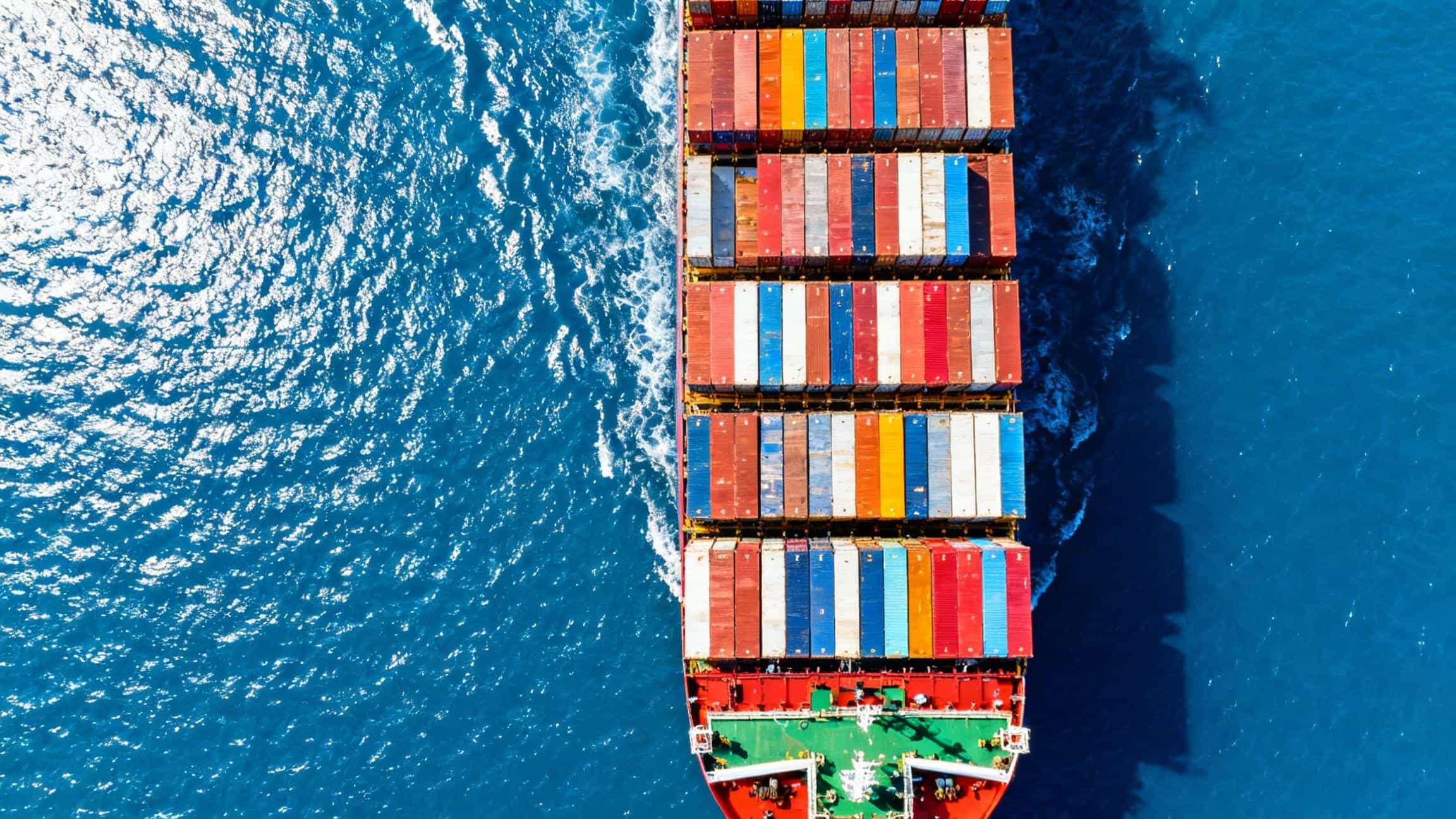
Overview 20 ft Container Shipping from China to Canada
Shipping a 20 ft container from China to Canada is a popular and cost-effective choice for businesses of all sizes, as well as for personal shipments. This route connects some of the world’s busiest manufacturing hubs with key Canadian ports such as Vancouver, Montreal, and Toronto. Understanding the specifications, capacity, and suitability of a 20 ft container is essential for optimizing your shipping strategy, ensuring cargo safety, and controlling costs.
At Dantful.US International Logistics, we help global traders, manufacturers, and e-commerce sellers find the most reliable and affordable container shipping solutions. With our expertise in sea freight, we ensure your 20 ft container shipment arrives safely and on time, while providing transparent cost breakdowns and professional guidance every step of the way.
20 ft Container Specifications and Capacity
Dimensions and Volume of a Standard 20 ft Container
A standard 20 ft container—formally known as a 20-foot General Purpose (GP) container—is the most widely used shipping container in international trade. Its compact size and robust structure make it ideal for a wide variety of cargo, from manufactured goods to personal effects.
Key Dimensions of a 20 ft Container:
| Specification | Internal Dimensions | External Dimensions |
|---|---|---|
| Length | 5.9 m / 19.4 ft | 6.06 m / 19.9 ft |
| Width | 2.35 m / 7.7 ft | 2.44 m / 8.0 ft |
| Height | 2.39 m / 7.8 ft | 2.59 m / 8.5 ft |
| Internal Volume | 28 CBM (Cubic Meters) | — |
Volume: 28 CBM (Cubic Meters), which allows for efficient loading of bulk, boxed, or palletized goods.
Door Opening: 2.34 m (width) x 2.28 m (height) for easy loading and unloading.
Weight Limits and Payload Capacity
The weight capacity of a 20 ft container is a critical factor in planning your shipment from China to Canada. Exceeding these limits can result in additional charges or delays.
| Parameter | Specification |
|---|---|
| Maximum Gross Weight | 24,000 – 30,480 kg (52,910 – 67,200 lbs) |
| Tare Weight | 2,200 – 2,400 kg (4,850 – 5,300 lbs) |
| Maximum Payload | 21,600 – 28,280 kg (47,620 – 62,400 lbs) |
Maximum Gross Weight includes the weight of the container plus the cargo.
Tare Weight is the empty weight of the container itself.
Payload Capacity is the actual weight of goods you can load.
Note: Actual allowable payload can vary depending on shipping line policies, route restrictions, and road regulations in China and Canada. Always consult with a professional freight forwarder like Dantful.US to confirm your shipment complies with both international and local weight limits.
What Can Fit in a 20 ft Container?
A 20 ft container offers versatile space for a wide range of cargo types. Here are common examples to give you a practical sense of its capacity:
Standard Pallets (1.2 x 1.0 m): Fits 10–11 pallets (single stack)
Cartons: Approximately 25,000–28,000 kg, depending on product density
Household Goods: Suitable for a 2–3 bedroom apartment or small office move
Automotive Parts: Can accommodate small vehicles (e.g., compact cars) or several motorcycles
Machinery & Industrial Equipment: Ideal for small to medium-sized machines
E-commerce Shipments: Suitable for bulk shipments or product launches
Cargo Suitability Table:
| Cargo Type | Can It Fit in 20 ft Container? | Notes |
|---|---|---|
| Standard Pallets | Yes (up to 11) | Maximize space efficiency with stacking |
| Furniture & Household | Yes | Suitable for full household relocations |
| Industrial Equipment | Yes (if disassembled) | Check weight and volume |
| Compact Vehicle | Yes (1 unit) | Depending on vehicle size |
| Bulk Agricultural Goods | Yes | Requires proper packaging |
For optimal use of your 20 ft container’s capacity, careful planning and professional packing are essential. At Dantful.US International Logistics, our experts can advise you on how to maximize your container space, whether you’re shipping high-value electronics, consumer goods, raw materials, or personal effects. Related reading: For cost comparison and details on larger equipment, see Cost of Shipping 40ft Container from China to Canada.
FCL vs. LCL: Which is Right for Your 20 ft Shipment?
Selecting between Full Container Load (FCL) and Less than Container Load (LCL) is a vital decision when shipping a 20 ft container from China to Canada. The choice affects not just your freight costs, but also transit times, cargo safety, and operational flexibility. Here’s an in-depth look to help you determine the optimal solution for your logistics needs.
Full Container Load (FCL) for 20 ft Containers
Full Container Load (FCL) means you have exclusive use of a standard 20 ft container (about 28 CBM capacity). This option is ideal when your cargo volume is sufficient to fill most or all of the container, or when you want to maximize control and minimize handling.
Key Advantages of FCL:
Cost-Efficiency for Larger Shipments: FCL typically offers a lower per-cubic-meter rate for shipments nearing full container capacity. It avoids the cost-sharing and handling surcharges common in LCL.
Reduced Risk of Damage & Contamination: Your goods are not mixed with other shippers’ cargo, reducing the chance of loss, contamination, or accidental damage.
Faster Transit & Clearance: FCL shipments usually move directly from origin to destination, with fewer stops and handling points. This results in faster customs clearance and delivery.
Predictable Schedules: FCL services tend to stick to fixed sailing schedules and have more reliable transit times.
When to Choose FCL for 20 ft Containers:
| Scenario | FCL Suitability |
|---|---|
| Cargo volume > 15 CBM or >10 tons | Highly Suitable |
| Fragile, high-value, or sensitive goods | Recommended |
| Tight delivery deadlines | Preferable |
| Multiple SKUs or products | Efficient & Secure |
Less than Container Load (LCL) for Smaller Shipments
Less than Container Load (LCL) is designed for shipments that do not fill a full 20 ft container. Your cargo shares space with goods from other shippers, making LCL a flexible, lower-cost choice for smaller volumes.
Key Features & Considerations for LCL:
Cost-Effective for Small Volumes: You only pay for the space your cargo occupies, ideal for shipments under 13-15 CBM.
Consolidation & Deconsolidation: Your goods are consolidated with others at origin and deconsolidated at destination, extending handling and processing time.
More Handling: Increased risk of minor delays or damage due to multiple handling points.
Variable Transit Times: LCL may involve longer wait times for consolidation and could be subject to delays if other co-loaded cargo is held up at customs.
When to Choose LCL for 20 ft Shipments:
| Scenario | LCL Suitability |
|---|---|
| Cargo volume < 13-15 CBM or <6 tons | Best Option |
| Low shipment frequency | Cost-effective |
| Flexible schedules | Suitable |
| Budget-sensitive/private individuals | Recommended |
Summary Table: FCL vs. LCL at a Glance
| Criteria | FCL (20 ft) | LCL (Consolidated) |
|---|---|---|
| Volume | >13-15 CBM | <13-15 CBM |
| Cost Structure | Flat rate per container | By CBM/weight |
| Handling | Minimal (one shipper) | Multiple (shared) |
| Speed | Faster, more direct | Longer due to consolidation |
| Risk | Lower (less handling) | Higher (more handling) |
| Ideal Users | High-volume, B2B | SMEs, individuals, low-volume |
At Dantful.US International Logistics, we offer both FCL and LCL solutions tailored to your cargo size, budget, and delivery requirements. Our team will help you evaluate which option aligns with your business needs, ensuring a smooth shipping experience from China to Canada. For additional guidance on consolidated freight, see our LCL Shipping from China to Canada article.
Key Factors Influencing 20 ft Container Shipping Costs
Understanding what determines the cost of shipping a 20 ft container from China to Canada helps you budget accurately and avoid surprises. Below, I break down the primary cost components and surcharges you may encounter, along with their impact on your total logistics spend.
Base Ocean Freight Rates (Port-to-Port)
The base ocean freight rate is the core charge for transporting a 20 ft container between the port of loading in China (e.g., Shanghai, Shenzhen, Ningbo) and the port of discharge in Canada (e.g., Vancouver, Toronto, Montreal). This rate varies by:
Origin and destination ports
Carrier selection and shipping alliances
Sailing frequency and route
For example, shipping to Vancouver is usually less expensive and faster than to Toronto, which may require additional rail transport.
| Route (Sample Ports) | Base Ocean Freight (USD, Q2 2024 Est.) |
|---|---|
| Shanghai → Vancouver | $1,200 – $2,000 |
| Ningbo → Montreal | $1,400 – $2,400 |
| Shenzhen → Toronto | $1,500 – $2,600 |
Note: Prices fluctuate based on market demand and carrier capacity. Always request current rates from your freight forwarder.
Fuel Surcharges (Bunker Adjustment Factor – BAF)
The Bunker Adjustment Factor (BAF) compensates ocean carriers for fuel price volatility. This surcharge is tied to the global price of marine fuel and can be a significant cost driver, especially during fuel market spikes.
BAF rates are announced monthly or quarterly by carriers.
Eco-friendly vessels and slow-steaming may affect BAF levels.
Example: As of Q4 2025, BAF for a 20 ft container from China to Canada may range from $100 – $250.
Currency Adjustment Factor (CAF)
The Currency Adjustment Factor (CAF) protects carriers and forwarders from currency exchange fluctuations between the Chinese Yuan (CNY), US Dollar (USD), and Canadian Dollar (CAD).
CAF applies to both ocean freight and some surcharges.
It typically ranges from 2% to 8% of the freight charge, depending on market volatility.
Terminal Handling Charges (THC) at Origin and Destination
Terminal Handling Charges (THC) cover costs associated with loading and unloading your container at the origin port in China and the destination port in Canada.
THC varies by port and local terminal operators.
Typically billed separately from ocean freight.
| Port | THC Estimate (USD, 20 ft) |
|---|---|
| Shanghai | $90 – $150 |
| Shenzhen | $80 – $130 |
| Vancouver | $180 – $250 |
| Montreal | $200 – $300 |
Customs Duties, Taxes, and Brokerage Fees
Importing into Canada involves:
Customs duties and Goods and Services Tax (GST): Based on cargo type and value, according to the Canadian Customs Tariff.
Customs brokerage fees: Charged by licensed brokers for preparing and submitting documentation, usually $80 – $200 per entry.
Additional taxes may apply depending on the nature of the goods.
It is critical to provide accurate documentation to minimize customs risks and avoid penalties or extra costs.
Inland Transportation Costs
Once the container arrives at the destination port, you may need inland transportation to your warehouse or final address. Costs depend on:
Distance from port to delivery point
Mode of transport: Trucking, rail, or intermodal
Road restrictions and access
| Destination City | Sample Trucking Cost (from Vancouver, USD) |
|---|---|
| Vancouver Metro | $350 – $600 |
| Calgary | $1,600 – $2,000 |
| Toronto | $3,200 – $4,000 (via rail+truck combo) |
Ask your forwarder for route-specific quotes.
Insurance Costs
Cargo insurance is optional but highly recommended. It protects your goods against loss, theft, or damage during transit.
Premiums typically range from 0.15% – 0.5% of the cargo’s CIF (Cost, Insurance, Freight) value.
Insurance coverage can be customized based on cargo type and value.
Seasonal Fluctuations and Market Demand
Shipping costs and space availability are affected by:
Peak seasons: Pre-Chinese New Year, back-to-school, and holiday seasons often see higher rates and space shortages.
Market shocks: Natural disasters, strikes, or geopolitical events may cause sudden rate surges and delays.
Planning shipments in advance and working with reputable freight forwarders, like Dantful.US International Logistics, can help you secure space and better rates during busy periods.
Port Congestion and Delays
Major ports in China and Canada occasionally experience congestion due to:
High cargo volumes
Labor shortages or strikes
Customs or security inspections
Congestion can lead to demurrage (container storage fees) and additional charges. Choosing alternative ports or flexible sailing dates may reduce the risk of delays.
You may also be interested in the detailed Shipping Routes from China to Canada, which elaborates on major ports and transit choices.
Estimating 20 ft Container Shipping Costs from China to Canada
Typical Cost Ranges for a 20 ft FCL Container
When planning your shipment, the cost of shipping a 20 ft container from China to Canada is a crucial factor. As of early 2024, the door-to-door shipping cost for a standard 20 ft Full Container Load (FCL) typically ranges from USD 2,800 to USD 4,800, depending on various parameters. These rates cover port-to-port ocean freight and basic surcharges but may not include additional services such as customs clearance, inland transportation, or insurance.
Below is a reference table for estimated base ocean freight rates from major Chinese ports to key Canadian ports:
| Origin Port (China) | Destination Port (Canada) | Estimated 20 ft FCL Cost (USD) | Typical Transit Time (Days) |
|---|---|---|---|
| Shanghai | Vancouver | $2,900 – $3,600 | 15 – 22 |
| Shenzhen | Vancouver | $2,800 – $3,500 | 17 – 24 |
| Ningbo | Toronto (via Vancouver) | $3,800 – $4,800 (incl. inland) | 30 – 38 |
| Qingdao | Montreal | $4,000 – $4,800 | 32 – 40 |
Note: These estimates are for reference only. Actual costs may vary due to market fluctuations and specific shipment requirements.
Factors Causing Cost Variations
The final shipping cost for a 20 ft container from China to Canada can be influenced by several key factors:
Origin and Destination Ports: Rates vary between ports (e.g., shipping to Vancouver is generally less expensive than to Montreal due to distance and inland transport).
Type of Goods: Hazardous, oversized, or high-value cargo may attract additional fees.
Market Demand & Seasonality: Peak seasons (such as pre-holiday periods) can drive up rates due to higher demand for vessel space.
Fuel Surcharges (BAF): Fluctuations in global fuel prices directly impact shipping surcharges.
Currency Adjustment Factor (CAF): Currency exchange volatility between the USD, CNY, and CAD may affect your final invoice.
Port Congestion: Congested ports can lead to delays and additional demurrage or detention charges.
Additional Services: Charges for customs brokerage, insurance, or special handling will increase the total cost.
Inland Transportation: Delivery from the port to the final destination (e.g., rail or truck to Toronto or Calgary) adds to the overall cost.
Documentation and Customs: Incorrect or incomplete documentation can result in penalties and extra fees.
How to Get an Accurate Quote
To obtain the most accurate and transparent shipping quote for your 20 ft container, consider the following steps:
Provide Complete Cargo Details: Specify the type, weight, volume (CBM), and nature of goods.
Select Exact Pickup and Delivery Locations: Clarify if you need a port-to-port or door-to-door service.
State Incoterms: Your choice (e.g., FOB, CIF, DAP) affects which party pays for each segment of the shipping process.
Request All-Inclusive Pricing: Ensure your quote includes base ocean freight, surcharges (BAF, CAF), terminal handling, customs clearance, and inland transportation.
Ask for Additional Services: Indicate if you need cargo insurance, warehousing, or packaging.
Choose a Trusted Freight Forwarder: Work with a provider like Dantful.US International Logistics for professional, transparent, and cost-effective solutions. We offer comprehensive services, including sea freight, customs clearance, insurance, and door-to-door delivery.
The 20 ft Container Shipping Process: Step-by-Step
Successfully shipping a 20 ft container from China to Canada involves a structured process. Here is a step-by-step guide to help you understand and manage each stage:
Booking Your Shipment
The process starts with booking your shipment through a reputable freight forwarder like Dantful.US International Logistics. Provide your cargo details, select your shipping terms (Incoterms), and confirm the sailing schedule. Early booking is advised, especially during peak seasons, to secure space and the best rates.
Cargo Preparation and Loading
Packing: Ensure your goods are packed securely, maximizing the container’s 28 CBM capacity and adhering to weight limits (~28,000 kg gross).
Labeling & Documentation: Attach shipping marks and labels as per international shipping requirements.
Loading: Cargo is either loaded at your facility (if you opt for door pickup) or at the forwarder’s warehouse. Professional handling minimizes damage risk.
Origin Port Procedures and Customs Clearance
Drayage: The sealed 20 ft container is transported to the origin port, such as Shanghai or Shenzhen.
Export Customs Clearance: Your agent will submit required documents (invoice, packing list, export license) to Chinese Customs. Inspections or additional paperwork may be needed for certain commodities.
Ocean Transit from China to Canada
Vessel Loading: The container is loaded onto the scheduled vessel.
Transit: The ship sails to the Canadian port (e.g., Vancouver, Montreal). Typical sea transit ranges from 15 to 40 days, depending on the port pair and route.
Tracking: Most forwarders provide online tracking. Dantful.US clients can monitor shipments in real-time for full transparency.
Destination Port Procedures and Customs Clearance
Unloading: On arrival at the Canadian port, the container is unloaded and moved to customs inspection.
Import Customs Clearance: Submission of documentation (Bill of Lading, Commercial Invoice, Packing List) to Canada Customs. Duties, taxes, and fees are assessed and payable before release.
Inspection: Some shipments may be selected for inspection, which could cause delays.
Inland Delivery to Final Destination
Arrangements: After customs clearance, inland transportation (rail or truck) delivers the container to your warehouse, distribution center, or residence in cities like Toronto, Calgary, or Montreal.
Empty Return: Once unloaded, the empty container must be returned to the designated depot within the free time period to avoid detention charges.
For readers interested in seamless end-to-end logistics, refer to our Door to Door Shipping from China to Canada service explanation.
Tips to Save Money on Your 20 ft Container Shipment
Finding ways to optimize your logistics budget is essential, especially when shipping a 20 ft container from China to Canada. Based on my professional experience as a freight forwarding expert, here are actionable tips that truly help importers, exporters, and supply chain managers save costs without sacrificing shipment quality or reliability.
Optimize Container Loading and Packing
Maximizing the space inside your 20 ft container (approx. 28CBM) is key to achieving the lowest per-unit shipping cost.
Use Professional Packing Methods: Select high-quality, stackable packaging to make full use of vertical space.
Palletization and Unitization: Choose the right pallet size (commonly 1.2m x 1m for international shipping) and stack goods logically to prevent wasted gaps.
Cargo Compatibility: Combine goods with similar handling and storage requirements to avoid extra costs from cargo separation.
Avoid Overloading: Adhere to the standard payload limit (approx. 28,000 kg for a 20 ft container). Overloading can result in surcharges or customs delays.
Tip: If you’re not confident in your packing plans, consult your freight forwarder for container optimization services. At Dantful.US International Logistics, we provide expert loading guidance to ensure you get maximum value for your shipment.
Choose the Right Incoterms
Selecting appropriate Incoterms (International Commercial Terms) can significantly impact your total landed costs.
| Incoterm | Who Pays for Freight? | Who Handles Import Customs? | Suitable For |
|---|---|---|---|
| EXW | Buyer | Buyer | Experienced importers |
| FOB | Buyer (Freight) | Buyer | Standard for sea freight |
| CIF | Seller (Freight, Insurance) | Buyer | Less experienced importers |
| DDP | Seller (All costs) | Seller | New importers, door-to-door |
Advice: For most businesses, FOB or CIF is cost-effective, offering a balance of control and responsibility. Discuss with your freight forwarder based on your risk tolerance and experience level.
Compare Quotes from Multiple Freight Forwarders
Rates can vary significantly between logistics providers, so always obtain at least 2–3 quotes.
Breakdown of Costs: Ensure each quote includes base ocean freight, surcharges, port fees, customs, and any inland haulage.
Hidden Fees: Ask about potential extra charges (like demurrage, storage, or documentation fees).
Service Level: Compare not just on price, but also on reputation, transit time, and included services.
Dantful.US International Logistics specializes in transparent, itemized quotes and provides tailored solutions for shipments from China to Canada. We encourage you to reach out for a competitive quote and expert consultation.
Plan Ahead to Avoid Peak Seasons and Expedited Fees
Freight rates for 20 ft containers fluctuate throughout the year due to seasonal demand and global market dynamics.
Peak Seasons: Chinese New Year (January–February), Golden Week (October), and before Western holidays often see rate spikes and longer lead times.
Booking Early: Reserve space at least 3–4 weeks in advance during peak periods to lock in better rates and ensure availability.
Flexible Scheduling: If your supply chain allows, consider shipping during off-peak months for cost savings.
| Peak Period | Typical Rate Increase | Planning Advice |
|---|---|---|
| Pre-Chinese New Year | Up to 20–40% | Book 4–6 weeks ahead |
| Summer (Jul–Sept) | 10–25% | Plan for delays, book early |
| Pre-Christmas | 15–30% | Avoid last-minute shipping |
Understand and Manage Documentation Effectively
Errors or delays in shipping documentation can result in extra costs, penalties, or shipment holds.
Essential Documents: Ensure you have a complete and accurate Bill of Lading, Commercial Invoice, Packing List, and proper Customs Declarations.
Early Preparation: Start document preparation early, especially for regulated or high-value goods.
Professional Help: Engage a forwarder that offers customs clearance and documentation services.
At Dantful.US International Logistics, our in-house documentation team helps minimize errors and ensures smooth customs clearance both in China and Canada.
Consider LCL if Your Volume Doesn’t Justify FCL
If your total cargo volume is below 15–18 CBM, Less than Container Load (LCL) may be more economical than booking a full 20 ft container.
| Shipping Mode | Typical Cargo Volume | Cost Structure | Pros | Cons |
|---|---|---|---|---|
| FCL (20 ft) | 15–28 CBM | Flat container rate | Security, faster transit, full use | Higher if not fully utilized |
| LCL | 1–15 CBM | Per CBM/ton | Only pay for space used, flexible | Longer transit, more handling |
Recommendation: Calculate your per-unit shipping cost for both FCL and LCL. Our team at Dantful.US International Logistics can provide a transparent comparison to help you make an informed decision.
Choosing the Right Freight Forwarder
Selecting a reliable partner for your 20 ft container shipment from China to Canada is vital for cost, efficiency, and risk management. Here’s what to look for:
Experience with China-Canada Trade Lanes
Track Record: Choose a freight forwarder with extensive, proven experience on the China–Canada route. This ensures familiarity with common ports like Shanghai, Shenzhen, Qingdao, Vancouver, and Montreal, as well as the latest customs and quarantine regulations.
Problem Solving: Experienced forwarders can proactively address issues like port congestion, customs holds, and documentation discrepancies.
Dantful.US International Logistics has handled thousands of shipments between China and Canada, ensuring seamless service across both nations.
Services Offered
A versatile forwarder can provide door-to-door solutions, which simplifies your logistics chain.
| Service Type | Dantful.US International Logistics |
|---|---|
| Sea Freight (FCL/LCL) | ✔ |
| Air Freight | ✔ |
| Rail Freight | ✔ |
| Road Freight | ✔ |
| Amazon FBA Delivery | ✔ |
| Warehousing | ✔ |
| Customs Clearance | ✔ |
| Insurance | ✔ |
| Door-to-Door | ✔ |
| OOG & Breakbulk Freight | ✔ |
| Consolidated Freight | ✔ |
One-stop service not only saves costs but also reduces communication errors and transit delays.
Reputation and Reliability
References & Reviews: Check online reviews, request client references, and research the company’s industry standing.
Certifications: Look for memberships in organizations like FIATA, WCA, or local trade chambers.
Insurance & Bonding: Reliable forwarders offer cargo insurance and financial protection.
Dantful.US International Logistics is recognized for professionalism, cost-efficiency, and high-quality service by global traders.
Communication and Tracking Capabilities
Real-Time Tracking: Ensure your forwarder offers advanced cargo tracking tools and clear, proactive updates throughout the shipment process.
Dedicated Support: Access to a responsive account manager or support team helps resolve queries and issues quickly.
Multilingual Service: Bilingual support in English and Chinese is a major advantage for cross-border trade.
At Dantful.US, we pride ourselves on transparent communication and 24/7 shipment visibility via our online customer portal.
In summary, saving costs on your 20 ft container shipping from China to Canada involves smart planning, informed shipping mode selection, and partnering with a highly professional, trustworthy forwarder like Dantful.US International Logistics. Our one-stop solutions are designed to empower your global trade, whether you’re a seasoned supply chain manager or a first-time importer. Contact us today for a free, customized quote and start shipping with confidence!
FAQs
How long does it take to ship a 20 ft container from China to Canada?
The typical transit time for a 20 ft container from major ports in China (e.g., Shanghai, Shenzhen, Ningbo) to major ports in Canada (e.g., Vancouver, Montreal, Toronto) ranges from 18 to 34 days for ocean freight, not including customs clearance and inland delivery.
| Origin Port | Destination Port | Estimated Transit Time (Days) |
|---|---|---|
| Shanghai | Vancouver | 18–22 |
| Shenzhen | Vancouver | 20–24 |
| Ningbo | Montreal | 28–32 |
| Qingdao | Toronto | 30–34 |
Note: Actual times vary based on carrier, route, and current port conditions.
What documents are required for shipping from China to Canada?
The core documents needed for container shipping from China to Canada include:
Bill of Lading (B/L)
Commercial Invoice
Packing List
Certificate of Origin
Import/Export Licenses (if applicable)
Customs Declaration Forms
Insurance Certificate (if insured)
Working with Dantful.US ensures all documents are correctly prepared and submitted.
What is the difference between FCL and LCL for a 20 ft container?
| Aspect | FCL (Full Container Load) | LCL (Less than Container Load) |
|---|---|---|
| Container Use | Exclusive use of a 20 ft container | Share container space with other shippers |
| Cost Efficiency | More cost-effective if volume is close to full | Cost-effective for small volumes |
| Risk of Damage | Lower (less handling, no mixing) | Higher (multiple cargoes, more handling) |
| Transit Time | Typically faster and more direct | Often slower due to consolidation/deconsolidation |
| Documentation | Simpler | Slightly more complex |
If your cargo volume doesn’t justify FCL, LCL might be a better choice. Dantful.US provides both options, including consolidated freight solutions.
How can I track my 20 ft container shipment?
Most reputable freight forwarders offer shipment tracking. At Dantful.US, we provide an online tracking platform where you can enter your container number or Bill of Lading number to see real-time updates on your shipment’s location and status. Notifications can be set for key milestones such as departure, arrival, and customs clearance.
What are common surcharges for container shipping?
In addition to the base ocean freight rate, the following surcharges may apply when shipping a 20 ft container from China to Canada:
| Surcharge Name | Description |
|---|---|
| Fuel Surcharge (BAF) | Adjustment for fuel price fluctuations |
| Currency Adjustment Factor (CAF) | Reflects exchange rate changes |
| Terminal Handling Charges (THC) | Charges for port loading/unloading |
| Peak Season Surcharge (PSS) | Added during high-demand periods |
| Port Congestion Surcharge | Applies when ports are overloaded |
| Documentation Fee | For processing shipping documents |
| Customs Clearance/Brokerage Fee | For import/export customs processing |
| Inland Haulage | For trucking from/to port |
| Insurance Fee | For cargo coverage |
| Security Fee | For enhanced cargo security |
For a detailed quote tailored to your shipment, contact Dantful.US International Logistics. We provide all-inclusive, transparent pricing and guidance every step of the way.
Leave a reply