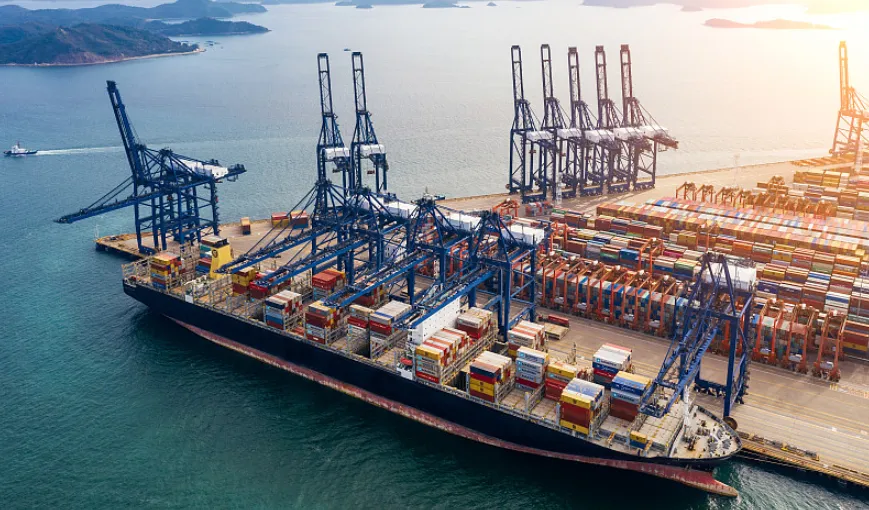
Are you wondering how to efficiently ship a container from China to the USA while minimizing costs and avoiding common pitfalls? With the booming global trade, understanding the nuances of international freight, including shipping routes, customs clearance, and the differences between FCL and LCL shipping, is more important than ever. In this comprehensive guide, we’ll walk you through every step of the process, from preparation to delivery, ensuring your shipments are safe, timely, and cost-effective.
Overview of Shipping Containers from China to USA
A shipping container is a standardized, reusable steel box designed for the safe and efficient transportation of goods by sea, land, or rail. The most common container types include 20-foot (20FT), 40-foot (40FT), 40-foot high cube (40HQ), and 45-foot high cube (45HQ) containers. Each type has specific internal capacities:
| Container Type | Internal Capacity (CBM) | Typical Use Cases |
|---|---|---|
| 20FT | 28 | Heavy or dense cargo, smaller shipments |
| 40FT | 56 | General cargo, larger loads |
| 40HQ | 68 | Voluminous, lighter goods |
| 45HQ | 78 | Extra-large or bulky items |
How does it work?
Goods are loaded at the shipper’s facility into the appropriate container, which is then sealed and transported to a port. The sealed container is handled as a single unit throughout its journey—via truck, rail, and ocean vessel—minimizing handling and reducing the risk of damage or loss. Containers are tracked throughout the supply chain using digital platforms, ensuring transparency and security.
Key Benefits of Using Shipping Containers for International Freight
Shipping containers have revolutionized global trade by providing:
- Standardization and Security: Containers are built to ISO standards, enabling seamless transfer between ships, trucks, and trains. This reduces handling, lowers the risk of damage or theft, and ensures cargo integrity.
- Cost Efficiency: Containers maximize space utilization, allowing shippers to move large quantities of goods at a lower cost per unit compared to other modes.
- Versatility: Containers can carry almost any type of cargo—from electronics and textiles to machinery and perishables. Specialized containers (e.g., refrigerated, open-top, flat rack) accommodate unique shipping requirements.
- Simplified Customs and Documentation: Standardized containerization streamlines customs procedures, reducing delays at ports.
- Environmental Benefits: By optimizing space and enabling consolidated shipments, containers contribute to lower carbon emissions per ton of cargo transported.
For businesses looking to ship goods from China to the USA, container shipping offers reliability, scalability, and global reach. At Dantful.US, as a dedicated team specializing in the China to Americas logistics lines, we provide tailored container solutions—including FCL, LCL, and door-to-door services—to meet the diverse needs of importers and exporters.
Related Reading: For a deep dive into the logistics journey, see Shipping from China to USA.
Main Shipping Routes and Major US Ports for China Imports
Top Ports in China and Their Advantages
China is home to some of the world’s busiest export ports. Each port has unique advantages depending on your cargo type, manufacturing location, and final destination in the USA. Below is a comparison of the leading Chinese ports commonly used for shipping containers to the USA:
| Chinese Port | Location | Main Advantages | Major Export Commodities |
|---|---|---|---|
| Shanghai | Eastern China | World’s busiest port, extensive sailing schedules, best for East & Central China | Electronics, machinery, textiles |
| Shenzhen | Southern China | Proximity to manufacturing hubs (Guangdong), multiple terminals, fast for South China | Electronics, furniture, toys |
| Ningbo-Zhoushan | Eastern China | Efficient, less congested than Shanghai, strong hinterland connectivity | Machinery, vehicles, plastics |
| Qingdao | Northern China | Key for North China exports, modern facilities, good for heavy & bulk cargo | Chemicals, rubber, metals |
| Xiamen | Southeast China | Suitable for small to midsize shipments, strong links to Southeast Asia | Textiles, foodstuffs, stone |
| Guangzhou | Southern China | One-stop logistics services, good for Pearl River Delta exporters | Steel, chemicals, electronics |
| Tianjin | Northern China | Largest port in North China, close to Beijing | Machinery, vehicles, metals |
Selecting the right port depends on your supplier’s location, shipping schedule, and desired transit time. Based on our 15 years of experience in the China to Americas trade lane, Dantful.US offers expert guidance in port selection to optimize your shipping costs and timelines.
Major Entry Ports in the USA for Chinese Goods
Goods shipped from China to the USA typically arrive at one of several key ports, chosen based on the cargo’s end destination, shipping schedules, and customs processing capacity:
| US Port | Location | Strengths | Common Destinations Served |
|---|---|---|---|
| Los Angeles | California (West Coast) | Largest US port, fastest processing for West Coast, extensive rail/truck network | California, Southwest, Midwest |
| Long Beach | California (West Coast) | Adjacent to Los Angeles, high container volume, efficient terminals | California, Nevada, Arizona |
| New York/New Jersey | East Coast | Key entry for Northeast US, efficient for Atlantic routes, comprehensive customs services | New York, Pennsylvania, New England |
| Savannah | Georgia (East Coast) | Fastest-growing US port, excellent for Southeast & Midwest | Georgia, Florida, Carolinas |
| Seattle-Tacoma | Washington (West Coast) | Strategic for Pacific Northwest, quick access to Canada | Washington, Oregon, Idaho |
| Houston | Texas (Gulf Coast) | Major gateway for the South and Midwest, strong for energy and industrial cargo | Texas, Central US |
The choice of entry port can significantly affect transit time, inland transportation costs, and customs clearance efficiency. For example, shipments destined for the Midwest may benefit from using East/Gulf Coast ports due to shorter inland hauls, even if ocean transit is slightly longer.
At Dantful.US, our specialized team for the Americas market analyzes your supply chain requirements and recommend the most efficient port and route, leveraging our expertise and network to ensure timely, cost-effective delivery.
Further Reading: Interested in learning more about nationwide logistics solutions? See Freight Shipping from China to USA.
By understanding the fundamentals of shipping containers and the advantages of key ports, you can make informed decisions and optimize your supply chain from China to the USA. For comprehensive, tailored logistics solutions—including sea freight, air freight, warehouse, customs clearance, insurance, and more—contact Dantful.US, your dedicated expert for China to Americas logistics.
Step-by-Step Process: How to Ship a Container from China to USA
Shipping a container from China to the USA involves several critical steps. As a specialist team with over a decade of deep focus on the China-USA shipping route, we will guide you through each stage to ensure your shipment arrives safely, compliantly, and cost-effectively.
Preparation: Documentation, Packing, and Labeling Requirements
Proper preparation is the foundation of a successful shipment. Here are the essentials:
1. Documentation
Accurate and complete documentation is crucial for smooth shipping and customs clearance. The most commonly required documents include:
- Bill of Lading (B/L): The main transport document acting as a receipt and contract of carriage.
- Commercial Invoice: Details the transaction between buyer and seller.
- Packing List: Lists the contents, quantities, and packaging of the shipment.
- Certificate of Origin: Indicates the country where the goods were manufactured.
- Import/Export Licenses: Required for regulated or restricted goods.
- Insurance Certificate: Proof of cargo insurance, highly recommended for risk management.
2. Packing
Proper packing ensures cargo safety and compliance with both China and US regulations.
- Use strong, durable packaging suited for international transit.
- For containerized loads, maximize space utilization but avoid overpacking.
- Use pallets for easier handling and efficient loading/unloading.
- Protect fragile or sensitive items with cushioning materials.
3. Labeling
Correct labeling ensures traceability and regulatory compliance.
-
Each package should be clearly labeled with:
- Consignee and shipper details
- Gross and net weight
- Handling instructions (“Fragile”, “This Side Up”, etc.)
- HS code and country of origin, if required for customs
-
Dangerous goods must comply with IMDG or IATA labeling standards.
Booking and Selecting a Freight Forwarder
Choosing the right freight forwarder is key to a smooth shipping process, especially if you are new to international logistics. Here’s how to proceed:
1. Comparing Freight Forwarders
- Service Portfolio: Ensure the forwarder offers end-to-end solutions including Sea Freight, Air Freight, Customs Clearance, Insurance, and Door-to-Door services.
- Expertise: Look for experience in shipping between China and the USA, knowledge of both countries’ regulations, and strong carrier relationships.
- Reputation: Check client reviews, industry certifications, and testimonials.
2. Booking Process
- Share all shipment details: cargo type, dimensions, weight, origin, destination, and preferred shipping method.
- Choose between FCL (Full Container Load) or LCL (Less than Container Load), based on your volume and budget.
- Receive a quotation covering all costs: freight, documentation, surcharges, and destination charges.
- Confirm the booking with your forwarder and receive a booking confirmation or Shipping Instruction.
As a highly professional provider, Dantful.US—specializing in China to Americas freight—offers comprehensive, one-stop international logistics solutions from China to the USA, ensuring reliability and cost-effectiveness at every stage.
You May Also Like: Want to know about reliable partners? Read more about what a Freight Forwarder can do for your international shipments.
Customs Clearance Procedures in China and the USA
Customs clearance is often the most complex part of international shipping. Here’s what you need to know for both origin and destination:
In China (Export Customs)
- Submit all required export documents (see above).
- Your freight forwarder will submit a customs declaration to China Customs.
- Any restricted or regulated items require additional permits or inspections.
- Goods are inspected and must be cleared before loading onto the vessel or aircraft.
In the USA (Import Customs)
- Your US customs broker or forwarder files an Entry Summary (CBP Form 3461/7501) with U.S. Customs and Border Protection (CBP).
- Provide a complete set of documents: Bill of Lading, Commercial Invoice, Packing List, and any required certificates.
- Duties and taxes are assessed based on the product’s HS code, value, and trade agreements.
- CBP may conduct physical inspections or request additional documents if needed.
- Once cleared, cargo is released for final delivery.
Tip: Using a specialized forwarder like Dantful.US (focused on the China-Americas route) streamlines customs procedures and minimizes delays.
Choosing the Right Shipping Method: FCL vs LCL vs Air Freight
Selecting the most suitable shipping method can significantly impact your costs, transit times, and supply chain reliability.
Full Container Load (FCL) vs Less than Container Load (LCL)
| Feature | FCL (Full Container Load) | LCL (Less than Container Load) |
|---|---|---|
| Definition | One shipper, one container | Multiple shippers, cargo consolidated |
| Common Container Types | 20FT (28 CBM), 40FT (56 CBM), 40HQ (68 CBM), 45HQ (78 CBM) | Shared use of container space |
| Suitable Shipment Volume | >15 CBM or >10 tons | <15 CBM or <10 tons |
| Handling & Security | Less handling, lower risk | More handling, higher damage risk |
| Cost Structure | Fixed per container | Charged per CBM/weight |
| Transit Time | Faster (direct service) | Slower (due to consolidation/deconsolidation) |
| Best For | Bulk cargo, high value, urgent or sensitive goods | Small shipments, cost-saving needs |
Recommendation
- Choose FCL if your cargo volume matches or nearly fills a standard container, for better security and faster transit.
- Use LCL for smaller shipments where cost efficiency is more critical than speed.
Related Resource: If you’re specifically interested in LCL, check out this detailed guide on How to Ship LCL from China to USA.
When to Use Air Freight vs Sea Freight
| Criteria | Sea Freight | Air Freight |
|---|---|---|
| Transit Time | 15–40 days (port to port) | 2–7 days (airport to airport) |
| Cost | Low (best for large volumes) | High (best for urgent/lightweight goods) |
| Cargo Type | Bulk, heavy, non-perishable goods | High-value, time-sensitive, perishable |
| Frequency | Weekly sailings by major carriers | Daily flights by airlines |
| Environmental Impact | Lower per unit | Higher carbon footprint |
| Common Use Cases | Electronics, machinery, furniture | Pharmaceuticals, samples, fashion |
Tips for Choosing
- Use Sea Freight for most shipments due to lower cost, especially for large, bulky, or non-urgent cargo.
- Opt for Air Freight if speed is a priority or for valuable, fragile, or perishable goods.
In summary: The shipping process from China to the USA requires careful planning, correct documentation, appropriate packing, and expert guidance in choosing the optimal transport method. Working with a specialized partner like Dantful.US ensures your goods are shipped efficiently, cost-effectively, and in full compliance with regulations. Whether you need FCL, LCL, or Air Freight, we offer tailored solutions to meet your specific business needs.
Shipping Container Costs: How Much Does It Cost to Ship from China to USA?
When planning to ship goods using a shipping container from China to USA, cost is a primary consideration for importers, exporters, and supply chain managers. Understanding the breakdown of these costs and the factors that drive rate fluctuations is crucial for budgeting and optimizing your logistics strategy.
Related Topic: For a specific breakdown, see How much to ship a container from China to USA.
Factors Affecting Container Shipping Prices
The cost of shipping containers from China to the USA can vary widely depending on several key factors:
- Container Size & Type: Most commonly used are 20FT, 40FT, and 40HQ containers. Specialized containers (like OOG or refrigerated) cost more.
- Shipping Mode: Choosing between Full Container Load (FCL) and Less than Container Load (LCL) affects pricing. Air freight is much faster but significantly more expensive.
- Port Pair: Rates differ based on the origin port in China (like Shanghai, Shenzhen, Ningbo) and the destination port in the USA (such as Los Angeles, New York, Houston).
- Cargo Volume & Weight: Heavier and bulkier loads increase costs, especially for LCL or air shipments.
- Seasonality & Market Demand: Peak seasons (e.g., pre-Christmas, back-to-school) drive prices up due to higher demand.
- Surcharges & Fees: Including fuel surcharges, security fees, port handling, and customs clearance charges.
- Additional Services: Services like door-to-door delivery, insurance, warehousing, and customs brokerage add to the overall shipping cost.
- Global Events: Disruptions such as port congestion, strikes, or geopolitical issues can cause significant price changes.
Below is a summary table of typical sea freight costs for FCL shipments from major Chinese ports to key US ports (updated as of Q1 2026):
| Route (Port Pair) | 20FT Container (USD) | 40FT Container (USD) | 40HQ Container (USD) | Transit Time (Days) |
|---|---|---|---|---|
| Shanghai – Los Angeles | $1,250 – $1,850 | $1,550 – $2,150 | $1,600 – $2,250 | 15 – 20 |
| Shenzhen – New York | $1,600 – $2,250 | $1,950 – $2,750 | $2,100 – $2,850 | 25 – 30 |
| Ningbo – Houston | $1,400 – $2,050 | $1,750 – $2,400 | $1,900 – $2,500 | 28 – 33 |
| Qingdao – Savannah | $1,400 – $1,950 | $1,750 – $2,450 | $1,900 – $2,600 | 28 – 33 |
Note: Rates fluctuate frequently. Please contact Dantful.US for the most accurate and up-to-date quotations tailored to your cargo needs.
Typical LCL & Air Freight Rates (Q1 2026)
| Mode | Cost per CBM (USD) | Suitable For | Remarks |
|---|---|---|---|
| LCL Sea Freight | $55 – $85 | <12 CBM, Small shipments | Priced by volume, plus surcharges |
| Air Freight | $3.5 – $5.5/kg | <500 kg, Urgent shipments | Transit 3–7 days, fastest but expensive |
Current Shipping Rate Trends and Cost-Saving Tips
2026 Q1 Shipping Rate Trends
- Rates in Q1 2026 remain stable according to our team’s latest market analysis, showing a favorable trend for importers compared to previous years.
- Port congestion on the US West Coast has eased significantly, reducing unexpected delays and extra surcharges.
- Fuel and environmental surcharges have seen slight adjustments due to new global maritime regulations.
- Demand is steady, but we advise monitoring geopolitical factors that can influence short-term pricing.
Cost-Saving Tips
- Plan Shipments in Advance: Booking early, especially ahead of peak seasons, helps secure better rates and space.
- Optimize Container Utilization: Maximize container fill to reduce per-unit costs. Know your cargo’s CBM to match the right container (20FT: 28CBM, 40FT: 56CBM, 40HQ: 68CBM, 45HQ: 78CBM).
- Consider LCL for Small Shipments: If your shipment is much less than a full container, LCL saves cost compared to paying for unused space.
- Evaluate Different Ports: Sometimes shipping to less congested US ports can reduce delays and fees.
- Bundle Services: Using a one-stop provider like Dantful.US (experts in China-USA logistics) for freight, warehousing, customs, and insurance often results in better overall pricing and fewer surprises.
- Negotiate All-Inclusive Quotes: Always clarify if quotes are “all-in” or if there are additional surcharges. Transparent partners like Dantful.US provide full breakdowns.
- Use Door-to-Door Services: This can simplify the process and prevent unexpected costs from third-party handlers. See Door to Door Shipping for details.
If you’d like a tailored quote or want to discuss the most cost-effective solution for your shipment, our dedicated China-Americas team at Dantful.US is ready to help. We offer a highly professional, cost-effective, and reliable one-stop international logistics service for merchants trading between China and the Americas.
How Long Does Shipping from China to USA Take?
Transit time is another critical factor when planning a shipping container from China to USA. Understanding the timeframes for different shipping methods helps you better manage inventory, customer expectations, and supply chain deadlines.
Related Insight: Curious about door-to-door lead times? Check our authoritative page on Sea Shipping from China to USA Time.
Estimated Shipping Durations by Different Modes
| Shipping Mode | Typical Transit Time (Port to Port) | Suitable For | Comments |
|---|---|---|---|
| Sea Freight (FCL) | 15 – 35 days | Large & regular shipments | Most cost-effective, but slower |
| Sea Freight (LCL) | 20 – 40 days | Small, mixed cargo | Add 3–7 days for consolidation |
| Air Freight | 3 – 7 days | Urgent, high-value cargo | Fastest, higher cost |
| Express Courier | 1 – 5 days | Documents, small parcels | Highest cost, very reliable |
| Rail Freight | 15 – 25 days (to US West via EU) | Limited routes, specific cargo | May involve multimodal transshipment |
| Door-to-Door (Sea/Air) | +5–10 days added for last-mile | E-commerce, Amazon FBA, SMEs | Includes customs, inland transport |
Average Sea Freight Transit Times (Major Routes)
| Origin Port (China) | US West Coast (e.g. Los Angeles) | US East Coast (e.g. New York) |
|---|---|---|
| Shanghai | 15 – 20 days | 25 – 30 days |
| Shenzhen | 17 – 22 days | 27 – 32 days |
| Ningbo | 18 – 24 days | 28 – 34 days |
| Qingdao | 20 – 26 days | 30 – 36 days |
Note: These are typical “port-to-port” estimates. Door-to-door deliveries, customs clearance, and inland transportation can add extra days.
What Can Affect Shipping Timeframes?
Shipping schedules are influenced by numerous factors:
- Port Congestion: Busy ports in China and the USA (e.g., Los Angeles, Long Beach) may experience backlogs, especially during peak seasons.
- Customs Clearance Delays: Incomplete or incorrect documentation can cause significant hold-ups. Our experience shows that proactive document review prevents 90% of these delays.
- Weather Events: Typhoons, hurricanes, and storms in the Pacific or the Atlantic can delay vessels.
- Carrier Schedules: Direct sailings are faster than transshipment routes, which require cargo to be offloaded and reloaded at intermediate ports.
- Seasonal Demand: Holidays (Chinese New Year, Golden Week, Christmas) can impact both capacity and transit time.
- Inland Transportation: Final delivery to inland US destinations can add days, especially if using rail or trucking from ports.
- Security Inspections: Increased inspections by US Customs (CBP) or China Customs for certain cargo types can extend clearance times.
Tips for Minimizing Delays
- Ensure all paperwork (bill of lading, commercial invoice, packing list, certificates) is accurate and complete.
- Work with an experienced freight forwarder like Dantful.US. Our team proactively manages potential disruptions, tracks your cargo in real-time, and provides timely updates throughout the shipment process.
- Consider port alternatives and flexible delivery schedules if time-to-market is critical.
By understanding these costs and timelines, you can make better decisions and avoid common pitfalls in your shipping container from China to USA projects. For a seamless, transparent, and professional logistics experience, contact Dantful.US—your trusted partner for end-to-end China-USA supply chain solutions.
Customs Duties, Taxes, and Compliance for US Imports
Import Regulations and Required Documents
When shipping a container from China to the USA, compliance with import regulations is essential for smooth customs clearance. The United States Customs and Border Protection (CBP) enforces strict rules on all imports, including documentation, admissible goods, and product safety standards.
Key Required Documents:
- Bill of Lading (B/L): The official shipping contract, issued by the shipping line or freight forwarder (such as Dantful.US, your China-USA shipping specialists), serves as proof of cargo ownership.
- Commercial Invoice: Details of the goods’ value, description, and buyer/seller information. CBP uses this for value assessment and duties calculation.
- Packing List: Contains the specifics of the package contents, including weight, volume, and dimensions—critical for inspection and verification.
- Arrival Notice: Provided by the carrier or freight forwarder to notify the consignee of the shipment’s arrival.
- Import Security Filing (ISF/10+2): For ocean shipments, the ISF must be filed with CBP at least 24 hours before cargo is loaded onto a vessel headed to the USA. Missing or late filings can result in significant penalties.
- Customs Bond: Required for entries above $2,500, serving as a guarantee for the payment of duties and compliance with regulations.
- Other Certificates: Depending on the cargo (e.g., food, medical devices, chemicals), additional certificates or compliance documents such as FDA, FCC, or USDA clearance may be necessary.
Compliance Tips:
- Always ensure product labeling follows US standards (language, units, safety warnings).
- Confirm your imported products are not on the prohibited or restricted items list.
- Keep all documentation accurate and consistent to prevent delays during customs clearance.
How to Calculate Duties and Avoid Customs Delays
Duties and Taxes Calculation: Duties are calculated based on the Harmonized Tariff Schedule (HTS) code, the value of goods (transaction value on the commercial invoice), and country of origin. The HTS code determines the duty rate, which can range from 0% to 25% or higher for certain products.
Simple Steps to Calculate US Import Duties:
- Identify the Correct HTS Code: Use the USITC Harmonized Tariff Schedule tool or consult with your freight forwarder (e.g., Dantful.US) to classify your goods.
- Determine the Declared Value: This is usually the transaction value indicated on your commercial invoice.
- Apply the Duty Rate: Multiply the declared value by the duty rate applicable to your product’s HTS code.
- Consider Additional Fees: Some goods are subject to additional tariffs (like Section 301 tariffs on certain Chinese imports), Merchandise Processing Fee (MPF), and Harbor Maintenance Fee (HMF).
| Sample Product Category | HTS Code Example | Duty Rate | Additional Tariffs? |
|---|---|---|---|
| Electronics | 8542.31.0000 | 0% | No (unless listed) |
| Apparel (T-shirts) | 6109.10.0012 | 16.5% | Some |
| Furniture | 9403.60.8081 | 0% | Yes (25% Section 301) |
| Toys | 9503.00.0073 | 0% | No |
Strategies to Avoid Customs Delays:
- Accurate and Timely ISF Filing: Always submit your ISF (10+2) at least 24 hours before vessel loading in China.
- Double-Check All Documents: Consistency between the commercial invoice, packing list, and B/L is crucial.
- Work with an Experienced Freight Forwarder: Partnering with a professional company like Dantful.US ensures all paperwork and compliance requirements are properly managed.
- Pre-Classification: Get your goods’ HTS codes pre-approved to avoid classification disputes.
- Use Customs Bonds: For shipments valued over $2,500, ensure you have a valid customs bond.
Tips and Best Practices for Efficient Container Shipping from China to USA
Common Mistakes to Avoid When Shipping Internationally
Even experienced importers can encounter challenges in international shipping. Here are the most frequent mistakes and how to avoid them:
- Incorrect or Incomplete Documentation: Missing or inaccurate paperwork is the leading cause of customs holds and shipping delays.
- Underestimating Transit Times: Not accounting for peak season congestion, port strikes, or customs inspections can result in stockouts.
- Choosing the Wrong Shipping Mode: Selecting LCL instead of FCL (or vice versa) can affect costs and transit times.
- Ignoring Packaging Standards: Poorly packed goods risk damage or inspection failures.
- Failure to Insure Cargo: Skipping cargo insurance exposes your business to significant losses in case of accident or theft.
- Late ISF Filing: Missing the ISF filing deadline leads to fines and cargo holds.
- Working with Inexperienced Freight Forwarders: Inefficient partners often cause avoidable delays and increased costs.
How to Ensure Safe, Timely, and Cost-Effective Delivery
To maximize the efficiency and reliability of your container shipments from China to the USA, follow these best practices:
- Select a Reputable Freight Forwarder: Companies like Dantful.US (focusing on China-USA routes) offer end-to-end solutions, including sea freight, air freight, customs clearance, warehousing, Amazon FBA prep, insurance, and door-to-door delivery. This comprehensive approach streamlines the entire process.
- Plan Ahead: Book your shipments early, especially during peak seasons, to secure space and better rates.
- Choose the Right Container Size and Shipping Mode: Match your cargo volume to the correct container—20FT (28CBM), 40FT (56CBM), 40HQ (68CBM), or 45HQ (78CBM)—and decide between FCL and LCL for optimal cost and speed.
- Ensure Compliance and Accurate Documentation: Regularly update your knowledge of US import regulations and maintain accurate records.
- Invest in Cargo Insurance: Protect your goods against loss or damage in transit.
- Use Technology for Visibility: Leverage digital tracking and supply chain management tools for real-time updates.
- Proper Packaging and Labeling: Follow international packing standards to avoid damage and customs issues.
- Clear Communication: Maintain open lines of communication with your freight forwarder and suppliers in China.
- Monitor Market Trends: Stay informed about rate fluctuations, port congestion, and regulatory changes.
By following these guidelines and partnering with reliable experts, you can reduce risk, lower costs, and ensure your goods reach their destination safely and on schedule.
Get A Free Shipping Quote