

Are you wondering how long sea shipping from China to USA really takes and what factors impact your delivery timelines? Understanding key terms like transit time, lead time, and port-to-port shipping is essential for importers and e-commerce businesses striving for efficient supply chains. In this comprehensive guide, we’ll break down the main factors that influence shipping time, provide average transit durations from major Chinese ports, and offer actionable tips to help you optimize your shipments. Ready to streamline your sea freight experience? Let’s dive in!
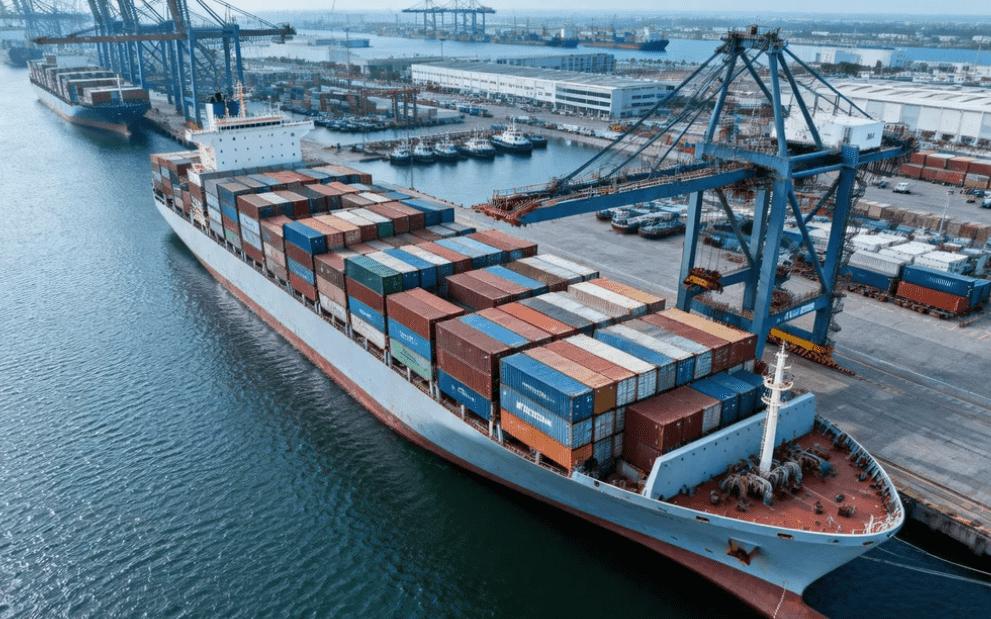
Overview of Sea Shipping from China to USA
Sea shipping from China to USA remains the most widely used and cost-effective logistics solution for businesses moving large volumes of goods. As a global trading hub, China exports diverse products to the United States, with thousands of containers shipped weekly between major ports. Understanding the specific timeframes involved is vital for both experienced importers and companies new to international trade.
Related Reading: For a comprehensive guide on costs, check out How much is shipping from China to USA per kg.
Why Shipping Time Matters for Importers and E-Commerce Businesses
The shipping time for sea freight is a critical factor influencing inventory management, cash flow, and customer satisfaction. For importers and cross-border e-commerce sellers, accurate knowledge of transit durations ensures proper planning for sales campaigns, restocking, and peak season promotions. Delays or miscalculations may result in stockouts, lost sales, or increased warehousing costs. With the continuous rise of e-commerce, consumers expect fast delivery, making efficient international shipping a competitive advantage. Therefore, optimizing the sea shipping process and choosing a reliable logistics partner—such as Dantful.US International Logistics—directly impacts business performance and customer loyalty.
Key Terms: Transit Time, Lead Time, and Port-to-Port Shipping
Before delving deeper, it’s useful to clarify key terms related to sea shipping from China to USA time:
- Transit Time: The period your cargo spends in transit on the ocean, from the departure port in China to the arrival port in the USA. This excludes pre-shipment preparation and post-arrival activities.
- Lead Time: The total duration from placing your shipping order until final delivery at the destination, including booking, consolidation, customs clearance, and inland transportation. This is the timeline most relevant for supply chain planning.
- Port-to-Port Shipping: Shipping that covers only the transport between the origin and destination ports. It does not include pick-up from the factory or delivery to the final address. Understanding the distinction between port-to-port and Door to Door Shipping is crucial for accurate time and cost estimation.
Main Factors Influencing Sea Shipping Time from China to USA
Several variables affect how long it takes for your cargo to travel from China to the USA by sea. Below, we explain the most important factors:
Origin and Destination Ports: Impact on Transit Duration
The choice of origin port in China and destination port in the USA has a significant impact on the total transit time. Major Chinese ports like Shanghai, Shenzhen, and Ningbo offer frequent sailings and direct routes to US gateway ports such as Los Angeles, Long Beach, and New York. However, shipments to the US East Coast typically require longer transit times compared to the West Coast. This is because vessels must either pass through the Panama Canal or be transshipped, adding several days to the journey.
| Origin Port | Destination Port | Typical Transit Time (Days) |
|---|---|---|
| Shanghai | Los Angeles | 13–16 |
| Ningbo | Long Beach | 14–17 |
| Shenzhen | Oakland | 15–18 |
| Shanghai | New York | 28–35 |
| Ningbo | Savannah | 30–38 |
Note: Times are estimates and may vary depending on carrier schedules and other factors.
Extend Your Knowledge: Learn more about Shipping ports from China to USA and their impact on logistics planning.
Shipping Routes and Transit Choices (Direct vs. Transshipment)
Your choice between direct shipping and transshipment (where cargo is transferred to another vessel en route) directly influences shipping duration:
- Direct Routes: These offer the fastest possible transit time, as containers travel on a single vessel from origin to destination. Most large US West Coast ports receive frequent direct sailings from major Chinese ports.
- Transshipment: Shipments bound for smaller ports or the East Coast often require transshipment at a hub (such as Singapore or Busan), extending transit times. Transshipment may also introduce additional risks of delay due to port congestion or missed connections.
As a leading freight forwarder, Dantful.US International Logistics helps customers choose the optimal route based on speed, cost, and reliability.
Seasonal Variations and Peak Period Delays
Sea shipping times from China to USA can fluctuate significantly throughout the year due to several seasonal factors:
- Peak Shipping Season: Typically from late summer to early fall (August–October), when retailers stock up for the holiday season. During this period, demand surges, vessel slots become scarce, and port congestion is common, potentially adding days or even weeks to normal transit times.
- Chinese New Year: In January or February, most factories shut down for up to two weeks. Pre-holiday rushes and subsequent backlogs can cause shipping delays.
- Golden Week: The first week of October is a major public holiday in China, impacting both manufacturing and logistics.
Planning shipments to avoid these high-traffic windows is essential. Partnering with an experienced company like Dantful.US International Logistics provides access to up-to-date sailing schedules and helps mitigate risks of unexpected delays.
Customs Clearance and Documentation Requirements
Efficient customs clearance is essential for timely delivery. Delays at customs can result from incomplete or incorrect documentation, regulatory inspections, or changes in import regulations. Typical required documents include:
- Bill of Lading
- Commercial Invoice
- Packing List
- Import Licenses (if applicable)
- Certificate of Origin
In the US, heightened security measures and random inspections at major ports can add extra days to the process. Working with a knowledgeable freight forwarder such as Dantful.US International Logistics ensures all paperwork is correctly prepared and submitted, reducing the risk of unnecessary hold-ups.
By understanding these key time determinants and collaborating with a professional logistics provider, you can optimize your sea shipping from China to USA time—keeping your supply chain efficient and your customers happy.
You Might Also Like: Explore How long does sea freight take from China to USA for detailed transit time insights.
Typical Sea Freight Transit Times from Major Chinese Ports to the USA
Understanding the typical sea shipping times from major Chinese ports to the USA is crucial for any importer, e-commerce seller, or supply chain manager. Shipping time directly affects inventory planning, cash flow, and customer satisfaction. Below, I’ll break down real-world transit data and key details you need for precise logistics planning.
Average Transit Times: Shanghai, Shenzhen, Ningbo to Los Angeles/Long Beach
The majority of sea shipments from China arrive at the U.S. West Coast—primarily at the Ports of Los Angeles and Long Beach. The table below shows typical port-to-port transit times for both Full Container Load (FCL) and Less than Container Load (LCL) shipments.
| Origin Port (China) | Destination Port (USA) | FCL Transit Time (Days) | LCL Transit Time (Days) |
|---|---|---|---|
| Shanghai | Los Angeles/Long Beach | 14 – 16 | 18 – 22 |
| Shenzhen | Los Angeles/Long Beach | 13 – 15 | 17 – 21 |
| Ningbo | Los Angeles/Long Beach | 14 – 16 | 18 – 22 |
Notes:
- FCL is often 3–5 days faster than LCL due to less cargo handling and direct scheduling.
- LCL involves cargo consolidation and deconsolidation, which adds extra days.
Further Reading: See practical examples like Port to port shipping From Shanghai to Long Beach.
Shipping Time from China to East Coast Ports
Shipping to the U.S. East Coast—such as New York, Savannah, or Charleston—is less direct and takes notably longer, as vessels typically transit the Panama Canal.
| Origin Port (China) | Destination Port (USA) | FCL Transit Time (Days) | LCL Transit Time (Days) |
|---|---|---|---|
| Shanghai | New York | 28 – 32 | 32 – 38 |
| Shenzhen | New York | 27 – 31 | 31 – 37 |
| Ningbo | Savannah | 28 – 33 | 33 – 39 |
Takeaway:
- East Coast shipments can take double the time of West Coast shipments. This needs to be factored into your supply chain planning.
Comparing FCL and LCL Transit Times
Understanding the difference in FCL and LCL shipping is essential:
- FCL (Full Container Load): You book an entire 20FT (28CBM), 40FT (56CBM), or 40HQ (68CBM) container. It is faster, safer, and generally more cost-effective for shipments over 15CBM.
- LCL (Less than Container Load): Your cargo shares a container with others. It is ideal for smaller shipments but involves more handling, leading to longer transit and higher risk of delay.
Typical Transit Time Comparison Table
| Shipping Mode | West Coast (Days) | East Coast (Days) |
|---|---|---|
| FCL | 13 – 16 | 27 – 33 |
| LCL | 17 – 22 | 31 – 39 |
Step-by-Step Breakdown: The Sea Shipping Process and Its Timeline
As a global shipper, it is vital to understand each segment of the shipping journey. Below, I detail the main stages and what to expect time-wise.
Pre-Shipment Processing and Port Handling in China
The pre-shipment phase typically lasts 2–5 days and includes:
- Factory Loading: Container is stuffed at your supplier’s site or a designated warehouse.
- Export Customs Clearance: All required documentation is submitted to Chinese customs. Any issues or incomplete documents may cause delays.
- Port Handling: Container is transported to the originating Chinese port (e.g., Shanghai, Shenzhen, Ningbo) and loaded onto the scheduled vessel.
Pro Tip:
Work closely with your freight forwarder and suppliers to ensure all papers, including the commercial invoice, packing list, and shipping instructions, are accurate and complete.
Ocean Voyage Duration: How Long is the Actual Sea Leg?
The ocean voyage forms the core of the shipping timeline:
- West Coast (e.g., Los Angeles/Long Beach): 13–16 days
- East Coast (e.g., New York, Savannah): 27–33 days
Direct services are faster, while transshipment routes (where cargo is transferred at a hub port) add additional days.
Tip: Peak seasons (e.g., pre-Chinese New Year, Black Friday) might cause vessel congestion and additional delays.
U.S. Port Arrival, Customs Clearance, and Final Delivery Time
Once your cargo arrives in the USA, the following processes begin:
- Port Unloading: 1–2 days for container discharge and processing.
- U.S. Customs Clearance: 2–4 days (longer if documents are incorrect or a customs exam is required).
- Inland Transportation:
- Local Delivery: 1–3 days to destinations within 100 miles of the port.
- Long-distance Delivery (e.g., Midwest, East Coast from LA): 5–10 days by rail or truck.
Typical End-to-End Timeline:
- West Coast: 18–25 days (factory to door)
- East Coast: 33–42 days (factory to door)
How to Reduce Sea Shipping Time from China to USA
Delays in sea shipping can lead to lost sales, supply chain disruptions, and increased costs. Here’s how to make your process more efficient:
Tips for Planning Efficient Shipments and Avoiding Delays
- Book Early: Secure space at least 2–3 weeks before your planned shipping date, especially in peak seasons.
- Accurate Documentation: Double-check all export and import paperwork. Common errors in the commercial invoice, packing list, or HS code are major delay triggers.
- Choose Direct Services: Where possible, opt for direct sailings instead of transshipment routes.
- Monitor Peak Seasons: Anticipate longer lead times around Chinese New Year, Golden Week, and major U.S. holidays.
- Use Digital Tracking: Work with a forwarder that offers real-time tracking and proactive updates.
Choosing the Right Freight Forwarder and Shipping Schedule
Partnering with an experienced and resourceful freight forwarder can cut days—and headaches—off your shipping timeline.
I recommend choosing Dantful.US International Logistics for the following reasons:
- One-Stop Logistics Solutions: We cover Sea Freight, Air Freight, Rail Freight, Road Freight, Amazon FBA, Warehousing, Customs Clearance, Insurance, Door-to-Door, OOG Freight, Consolidated Freight, and Breakbulk Freight.
- Highly Professional, Cost-effective, and Reliable: Dantful.US is known for transparent communication, competitive rates, and high-quality service.
- Customized Schedules: We tailor routes and schedules based on your shipping needs, helping you avoid unnecessary layovers and delays.
- Dedicated Support: Our local experts in both China and the USA provide hands-on assistance with documentation, booking, and in-transit troubleshooting.
Understanding the factors affecting sea shipping time from China to the USA—and working with a professional freight partner—empowers you to optimize your logistics, reduce costs, and deliver on time.
Contact Dantful.US International Logistics today for a personalized sea shipping plan and real-time quote.
Leave a reply