

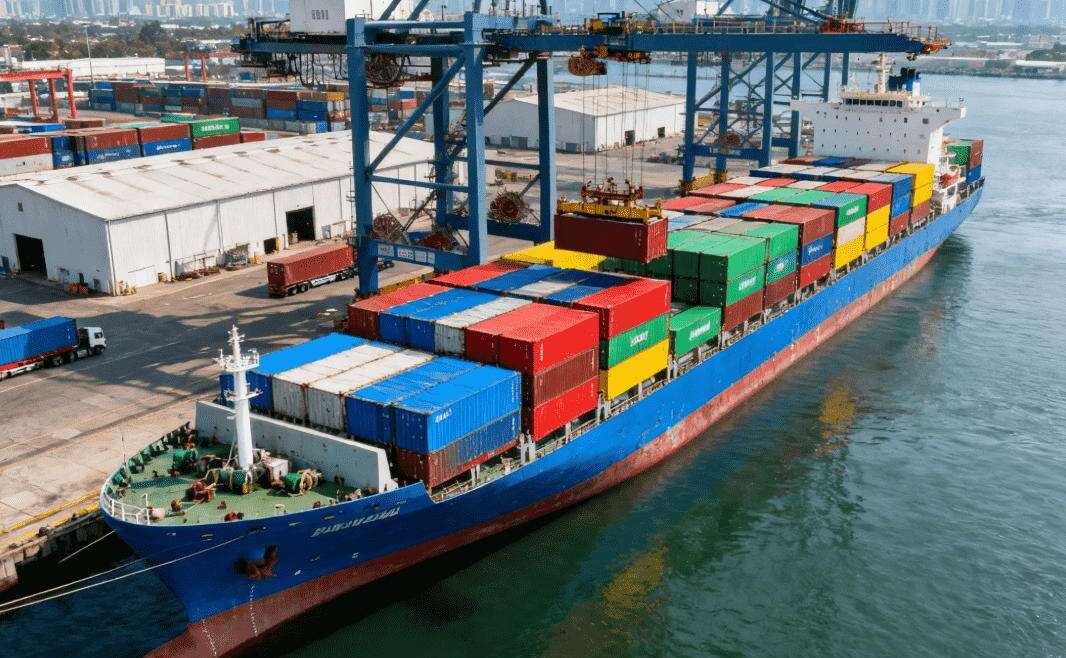
Are you searching for low cost shipping from China to USA but feeling overwhelmed by the options and hidden fees? In this comprehensive guide, we’ll reveal expert consolidation strategies, compare the cheapest shipping methods, and explain essential industry terms like LCL, FCL, and Incoterms. Discover how to reduce your total costs, optimize packaging, and avoid surcharges—ensuring your shipments arrive efficiently and affordably. Let’s unlock the best ways to save on your China-to-USA shipping!
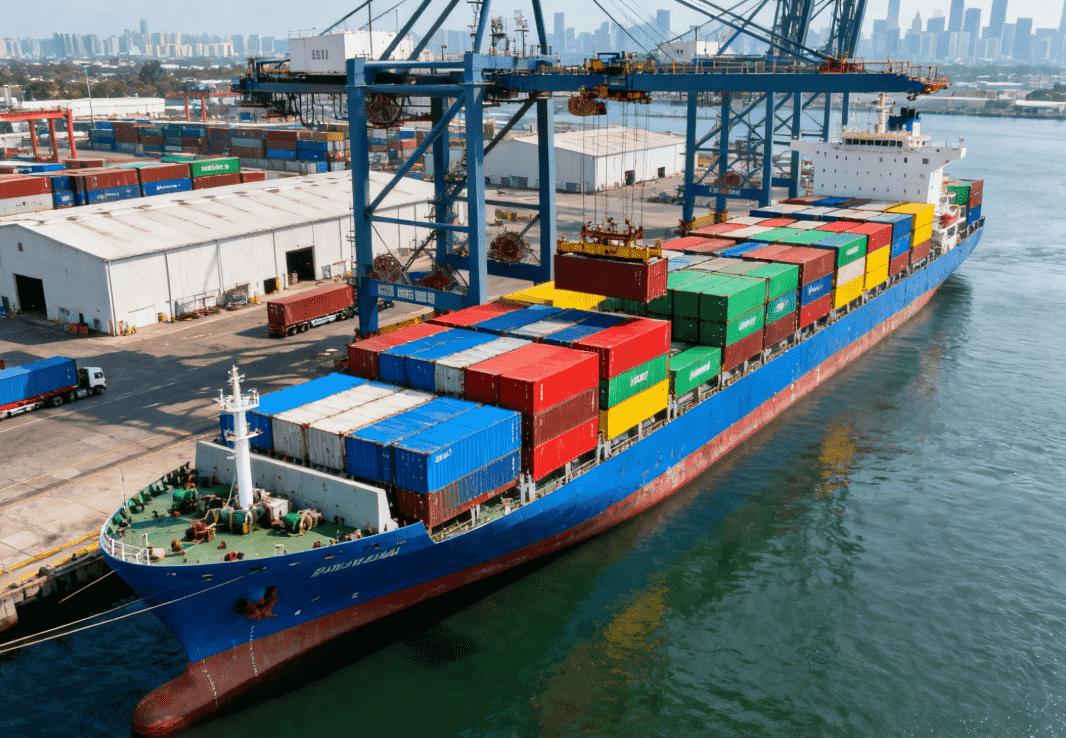
Cheapest Shipping Methods: Sea vs Air vs Express
When considering low cost shipping from China to USA, the choice of shipping method is fundamental to your total landed cost. As an experienced freight forwarder, I always recommend clients weigh the trade-offs between sea freight, air freight, and express courier services based on their shipment size, urgency, and budget.
1. Sea Freight (FCL & LCL)
Sea freight is the most economical way for bulk shipments. It is ideal for cargoes above 2 CBM or 200 KG. The primary options are Full Container Load (FCL) and Less than Container Load (LCL). Transit times range from 15–40 days, depending on the chosen route and ports.
Pros:
Lowest cost per unit for large shipments
Suitable for a wide range of goods
Extensive port coverage
Cons:
Slowest transit time
More complex documentation and customs process
2. Air Freight
Air freight is much faster—typical transit times are 3–7 days door-to-door between China and the USA. It is ideal for time-sensitive, high-value, or perishable goods.
Pros:
Fast delivery
High security and reliability
Suitable for small/medium volumes (typically up to 500 KG)
Cons:
Significantly higher cost than sea freight
Strict limitations on cargo size, weight, and hazardous goods
3. Express Shipping
Express courier services offer the quickest delivery, typically 2–5 days, with full door-to-door tracking. Suitable for small parcels (usually under 100 KG) and e-commerce shipments.
Pros:
Fastest transit time
Simple customs clearance
Full tracking and customer service
Cons:
Highest cost per KG
Limited to small parcels
Cost & Transit Time Comparison Table
| Shipping Method | Typical Cost (USD/kg) | Transit Time (Days) | Best For |
|---|---|---|---|
| Sea Freight LCL | $0.3 – $0.7 | 20 – 35 | Bulk, non-urgent cargo |
| Sea Freight FCL | $2,000+ per container | 15 – 30 | Full containers |
| Air Freight | $4 – $8 | 3 – 7 | Urgent, light cargo |
| Express Courier | $7 – $15 | 2 – 5 | Small parcels, samples |
Note: Costs shown are indicative as of Q4 2025 and depend on cargo type, season, and exact origin/destination. Always request a quote from your freight forwarder.
At Dantful.US International Logistics, we provide a full suite of sea freight, air freight, and express courier solutions, allowing you to balance cost and speed according to your business needs. We leverage our global network and strong carrier relationships to secure competitive rates for your shipments.
How to Choose Between LCL and FCL Shipping from China to USA
Choosing between Less than Container Load (LCL) and Full Container Load (FCL) is a critical decision for optimizing your shipping costs from China to the USA. Here’s how I guide clients through this process:
Related reading: Explore a complete guide on Shipping from China to USA for more strategies and cost-saving tips.
What is FCL?
FCL (Full Container Load) means booking an entire container for your cargo. Common sizes include:
20FT container: 28 CBM capacity
40FT container: 56 CBM capacity
40HQ container: 68 CBM capacity
45HQ container: 78 CBM capacity
What is LCL?
LCL (Less than Container Load) means your cargo shares container space with other shippers. You pay only for the space your cargo occupies, usually calculated per CBM (Cubic Meter).
Decision Factors
| Factor | LCL | FCL |
|---|---|---|
| Shipment Volume | <15 CBM | >15-20 CBM (cost-effective) |
| Cost Structure | Pay by CBM, includes consolidation fees | Fixed container rate |
| Flexibility | High (ship small lots more often) | Good for regular, large shipments |
| Transit Time | Slightly longer (due to consolidation) | Faster (direct loading) |
| Cargo Handling Risk | Higher (more handling) | Lower (sealed container) |
| Documentation | More complex (shared container) | Simpler (single shipper) |
Practical Guidelines
For shipments below 13–15 CBM: LCL is usually more cost-effective, especially for first-time or irregular shipments.
For shipments above 15–20 CBM: FCL is often cheaper per unit, avoids consolidation fees, and reduces cargo handling risks.
Cargo sensitivity: For fragile or high-value goods, FCL minimizes handling and risk of damage.
Shipping frequency: Regular shippers may benefit from consolidating orders into FCL whenever possible.
Real-World Example
If you ship 10 CBM of goods:
LCL may cost $500 (freight) + $300 (handling/consolidation)
FCL (20FT) may cost $2,000 (fixed), which is only cost-effective if the container is mostly full.
If you ship 28 CBM (full 20FT), FCL offers much better value per CBM and faster transit with less risk.
Expert Tip
Choosing the right solution depends not only on cost, but also on your supply chain needs, cargo characteristics, and seasonality. At Dantful.US International Logistics, we provide detailed cost breakdowns and route analysis to help you make data-driven decisions for low cost shipping from China to USA. Our expertise covers both FCL and LCL consolidation, ensuring you get the most efficient and affordable service tailored to your business.
Best Routes and Ports for Lower Costs
Choosing the most cost-effective shipping routes and ports is a strategic way to achieve low cost shipping from China to USA. As a freight forwarding expert, I always recommend analyzing both origin and destination ports, direct shipping lines, and available consolidation options to optimize your supply chain.
You may also be interested in: An in-depth look at major Shipping ports from China to USA and how your choice impacts cost and transit time.
Major Origin Ports in China
The primary export ports in China include:
| Port Name | Location | Features |
|---|---|---|
| Shanghai Port | Shanghai | Largest container throughput, efficient, vast direct sailings to US ports |
| Shenzhen (Yantian/Shekou) | Guangdong | High-frequency US-bound services, excellent for electronics and consumer goods |
| Ningbo-Zhoushan Port | Zhejiang | Competitive rates, close to manufacturing hubs |
| Qingdao Port | Shandong | Ideal for northern China factories |
| Xiamen Port | Fujian | Suited for textile, footwear, and light industry exports |
Top US Destination Ports
Selecting the right US port can greatly influence both the freight rate and inland delivery costs:
| Port Name | Location | Major Advantages |
|---|---|---|
| Los Angeles / Long Beach | California (West Coast) | Fastest sea transit from China, ideal for West & Central US distribution, but can be congested in peak season |
| Oakland | California | Alternative West Coast port, less congestion |
| Seattle / Tacoma | Washington State | Suitable for Pacific Northwest region |
| New York/New Jersey | East Coast | Direct services available, but longer transit; best for East Coast markets |
| Savannah | Georgia | Growing in popularity, strong rail connectivity |
| Houston | Texas | Good for central/southern US, competitive rates |
Route Selection and Cost Considerations
Direct vs. Transshipment: Direct sailings (e.g., Shanghai to Los Angeles) typically offer lower costs and faster transit. However, transshipment routes can sometimes reduce rates for less time-sensitive cargo.
Port Proximity to Supplier & Consignee: Shorter drayage (trucking distance) between factory and port—or port and final destination—reduces last-mile costs.
Consolidation Hubs: Certain ports like Shenzhen and Ningbo are major consolidation centers, enabling efficient LCL shipping for small and medium-sized shipments.
Rail+Ocean Solutions: For some inland US destinations, combining sea freight with rail from West Coast ports can lower total logistics costs.
Sample Rate Comparison (Estimated, for Reference)
| Origin Port | Destination Port | FCL 40HQ Rate (USD) | LCL Benchmark Rate (per CBM) | Approx. Transit Time (Days) |
|---|---|---|---|---|
| Shanghai | Los Angeles | $2,100–$2,400 | $60–$80 | 13–16 |
| Ningbo | New York | $3,600–$3,900 | $110–$140 | 28–32 |
| Shenzhen | Houston | $3,200–$3,500 | $100–$130 | 22–25 |
| Qingdao | Savannah | $3,500–$3,800 | $115–$140 | 28–33 |
Note: Rates fluctuate with market conditions, peak seasons, and carrier surcharges.
To truly achieve low cost shipping from China to USA, work with a reliable freight forwarder who has strong relationships with both Chinese and US ports. At Dantful.US International Logistics, we leverage extensive local presence and carrier networks to route shipments via the most efficient ports, minimize unnecessary handling, and maximize consolidation savings for our clients.
How Shipping Transit Times Impact Overall Shipping Costs
Understanding how shipping transit times affect your total shipping costs is critical, especially when balancing budget and speed.
Interested in specific port-to-port routes and how long they actually take? See our breakdown: Shipping route from china to New York.
Key Points
Faster Services = Higher Costs: Air freight and express shipping offer the shortest transit times from China to USA, but these come at a premium. Sea freight—particularly via LCL or FCL—is much more cost-effective, though with longer lead times.
Port Congestion and Delays: Choosing high-traffic ports can sometimes increase both transit time and ancillary costs due to congestion, especially during peak season. Delayed shipments may incur extra storage, demurrage, or handling fees.
Inventory Planning: Longer transit times require higher inventory on hand, tying up working capital. However, the savings on freight can outweigh these holding costs for many businesses.
Intermodal Solutions: Combining sea, rail, and truck can optimize both cost and time. For example, using West Coast ports with rail service to the East Coast can reduce overall door-to-door time compared to sailing directly to the East Coast.
Typical Transit Times Comparison
| Shipping Mode | Port Pair | Typical Transit Time | Relative Cost | Best for |
|---|---|---|---|---|
| Air Freight | Shanghai–Los Angeles | 2–5 days | $$$$ | Urgent, high-value |
| Express Courier | Shenzhen–New York | 2–4 days | $$$$ | Samples, small parcels |
| Sea FCL | Ningbo–Los Angeles | 13–16 days | $$ | Standard, cost-sensitive |
| Sea LCL | Shanghai–New York | 28–32 days | $ | Small, non-urgent |
How Transit Time Impacts Total Cost
Faster shipping = Higher freight rate but less inventory holding cost.
Longer transit = Lower freight rate but potentially higher inventory costs and risk of stockouts if not planned well.
Delays can trigger extra charges (demurrage, detention, storage), so a reliable forwarder with robust tracking and exception management is invaluable.
Pro Tips for Balancing Cost and Transit Time
Split Shipments: Use a mix of sea and air for different SKUs based on urgency.
Leverage Consolidation: Group LCL shipments to benefit from lower rates, accepting slightly longer lead times.
Plan Around Peak Seasons: Avoiding high-traffic months can minimize both transit time and surcharges.
At Dantful.US International Logistics, we help our clients choose the optimal route, mode, and schedule based on real-time market data and your supply chain needs. Our expertise ensures that whether you prioritize speed, cost, or a balance of both, your cargo arrives as planned for the lowest total landed cost.
By understanding port selection, route planning, and the real implications of transit time on your logistics spend, you can significantly improve your low cost shipping from China to USA strategy. For tailored solutions, partner with a trusted, experienced provider like Dantful.US International Logistics—your one-stop expert for global freight.
How to Avoid Peak Season Surcharges Like GRI, BAF, and PSS
When shipping from China to the USA, peak season surcharges can significantly increase your logistics costs. The most common surcharges include General Rate Increase (GRI), Bunker Adjustment Factor (BAF), and Peak Season Surcharge (PSS). Understanding how these surcharges work and implementing smart strategies can help you maintain low cost shipping from China to USA.
What Are Peak Season Surcharges?
GRI (General Rate Increase): Temporary hikes in freight rates, often announced by carriers before or during high-demand periods (typically July–October for US-bound shipping).
BAF (Bunker Adjustment Factor): A surcharge reflecting fuel price fluctuations, adjusted quarterly or monthly.
PSS (Peak Season Surcharge): An additional fee charged during high-demand periods, usually in the third and fourth quarters.
Strategies to Avoid or Minimize Surcharges
Plan Ahead and Ship Early
Booking your shipments 4–6 weeks before peak periods helps lock in lower rates.
Avoid shipping during Chinese New Year, Golden Week, and back-to-school retail season when surcharges spike.
Flexible Shipping Schedules
If possible, spread shipments across different months to avoid congested periods.
Consider alternative departure ports in China (e.g., Tianjin, Xiamen) that might experience lower congestion than Shanghai or Shenzhen.
Negotiate Long-term Contracts
Secure Annual Service Contracts with your freight forwarder. These contracts typically include fixed rates and help you avoid sudden GRI and PSS hikes.
Use Consolidation Services
Consolidating goods from multiple suppliers into one shipment (LCL or FCL) reduces shipping frequency and volume, helping you bypass some surcharges.
Dantful.US International Logistics offers expert consolidated freight solutions, optimizing container space and minimizing costs.
Monitor Surcharge Updates
Stay updated with announcements from major carriers and industry sources.
Work with freight forwarders like Dantful.US who proactively notify you about upcoming rate changes and offer alternatives.
Leverage Alternative Shipping Methods
During peak ocean freight surcharges, consider air freight or rail freight for urgent or high-value cargo. These options may offer better cost predictability during specific seasons.
Example: Peak Season Surcharge Timelines
| Surcharge Type | Typical Application Period | Amount (Reference, subject to update) |
|---|---|---|
| GRI | July–October, Pre-Chinese New Year | $300–$1,000 per 40’ container |
| BAF | Quarterly/Monthly | $100–$400 per container |
| PSS | August–October, November–January | $200–$500 per container |
Note: Actual surcharges vary by carrier and market conditions.
Work with a Reliable Freight Forwarder
A professional logistics partner like Dantful.US International Logistics helps you:
Forecast market changes and avoid unnecessary fees
Consolidate shipments efficiently
Choose cost-effective shipping routes and schedules
We provide sea freight, air freight, consolidated freight, and door-to-door solutions for global traders, ensuring that your shipping from China to the USA remains efficient and affordable.
Incoterms That Reduce Total Cost
Choosing the right Incoterms (International Commercial Terms) is essential for optimizing your shipping costs from China to the USA. Incoterms define the responsibilities of buyers and sellers in international trade, including who pays for freight, insurance, customs duties, and last-mile delivery.
Most Cost-Effective Incoterms for China–USA Shipping
| Incoterm | Seller’s Responsibility | Buyer’s Responsibility | Cost-saving Scenario |
|---|---|---|---|
| EXW (Ex Works) | Minimum (factory delivery) | Freight, insurance, customs, delivery | Experienced importers with local agents can negotiate lower rates. |
| FOB (Free On Board) | Up to loading on vessel at Chinese port | Ocean freight, insurance, customs, delivery | Buyer controls main freight, can use own forwarder. |
| CIF (Cost, Insurance and Freight) | Up to destination port, includes insurance | Unloading, customs, delivery | Predictable total cost to port, useful for less experienced importers. |
| DDP (Delivered Duty Paid) | All costs to buyer’s door, incl. duties and taxes | None | Simplifies process for buyers, ideal for e-commerce and SMEs. |
How Incoterms Affect Shipping Cost
FOB is often preferred for low cost shipping from China to USA. It lets the buyer choose a cost-effective forwarder and consolidate shipments.
EXW allows buyers to handle the entire process, which is beneficial if you have local expertise or a trusted agent in China.
DDP offers the ultimate convenience, especially for small businesses or those new to importing, as all costs are known upfront.
Practical Tips
For large, regular shipments: Use FOB or EXW and work with a reliable forwarder like Dantful.US to negotiate bulk rates and optimize routes.
For small or first-time shipments: DDP may reduce hidden costs and risks.
Always clarify cost responsibilities with your supplier before confirming the Incoterm.
Example: Cost Comparison by Incoterm (per 20ft container, Shanghai to Los Angeles, reference prices)
| Incoterm | Freight Cost | Customs Clearance | Delivery to Door | Duties & Taxes | Total Cost |
|---|---|---|---|---|---|
| EXW | $1,100 | $300 | $600 | $500 | $2,500 |
| FOB | $1,300 | $300 | $600 | $500 | $2,700 |
| CIF | $1,500 | $300 | $600 | $500 | $2,900 |
| DDP | $2,900 (All inclusive) | Included | Included | Included | $2,900 |
Note: Prices fluctuate based on market trends; consult with Dantful.US for up-to-date quotations.
Why Work with Dantful.US International Logistics?
We help you select the most cost-effective Incoterm based on your shipment size, frequency, and business needs.
Our all-in-one services cover sea freight, air freight, customs clearance, consolidated freight, and door-to-door delivery.
As a leading freight forwarder, we ensure transparency, compliance, and cost efficiency in every shipment from China to the USA.
For tailored advice and a free shipping cost analysis, contact Dantful.US International Logistics today—your trusted partner for low cost shipping from China to USA.
Complete Cost Breakdown: Freight, Surcharges, Handling, Drayage, Last Mile
Achieving low cost shipping from China to USA requires a clear understanding of every element in the total shipping cost structure. As a professional in international logistics, I always emphasize transparency and optimization at each stage. Here’s a comprehensive breakdown:
| Cost Element | Description | Typical Range (USD)* | Notes |
|---|---|---|---|
| Freight Charges | The base cost to move cargo by sea, air, or rail from China to the USA. | Sea (FCL): $2,000–$5,000/40HQ Sea (LCL): $30–$60/CBM Air: $3–$7/kg | Varies by route, season, container type, and shipping mode. |
| Surcharges | Additional fees by carriers: BAF, GRI, PSS, security, fuel, congestion, etc. | $100–$600+/container | Can fluctuate, especially during peak seasons or disruptions. |
| Handling Charges | Costs for loading, unloading, warehouse operations at ports in China and the USA. | $50–$300/shipment | Includes terminal handling charges (THC), documentation, and consolidation fees. |
| Drayage | Trucking from port to warehouse, or between facilities (especially for LCL/FCL shipments). | $150–$600/container | Depends on port location, congestion, and local tariffs. |
| Last Mile Delivery | Delivery from the destination port/warehouse to the final consignee address in the USA. | $100–$900+ | Heavily influenced by distance, service level, and shipment size. |
*Estimated rates as of Q4 2025. Actual rates depend on market, fuel, exchange rates, and specific cargo details.
Example: Cost Comparison for LCL vs. FCL (Shanghai to Los Angeles)
| Item | LCL (2000kg, 12CBM) | FCL (1x20FT, up to 28CBM) |
|---|---|---|
| Freight | $480 | $2,600 |
| Surcharges | $180 | $350 |
| Handling | $140 | $180 |
| Drayage | $250 | $350 |
| Last Mile | $230 | $280 |
| Total | $1,280 | $3,760 |
| Cost per CBM | $107 | $134 |
For larger volumes, FCL per CBM can be lower than LCL. Consolidation can further optimize these numbers, especially for small-to-medium importers.
Key Points to Reduce Cost
Consolidation: Grouping multiple shipments (via a trusted freight forwarder like Dantful.US International Logistics) reduces per-unit LCL costs.
Route Selection: Choosing less congested ports or off-peak schedules can minimize surcharges and drayage.
Packaging Optimization: Maximize container usage (CBM) for better cost efficiency.
Door-to-Door Services: Sometimes, an all-inclusive DDP solution can simplify and lower last-mile and administrative expenses.
Customs Duties, Tariffs, and Trade Remedies
Understanding customs duties, tariffs, and trade remedies is essential for anyone seeking low cost shipping from China to USA. These are government-imposed costs on top of shipping and logistics expenses.
For more on how U.S.-China trade policy may change and affect your costs, see: How U.S.-China Trade Tariffs Are Evolving in 2025: What Importers Need to Know.
1. Customs Duties
Calculated based on the HS Code (Harmonized System Code) of your goods.
The US Customs and Border Protection (CBP) determines the duty rate, usually a percentage of the declared value (CIF value: Cost + Insurance + Freight).
Duty rates can be as low as 0% or exceed 20%, depending on the product category.
2. Tariffs and Section 301/232 Measures
Additional tariffs apply to many products from China due to ongoing trade actions (e.g., Section 301 on Chinese imports).
For some electronics, textiles, machinery, and furniture, these tariffs can add 7.5%–25%+ on top of standard duty.
3. Anti-Dumping and Countervailing Duties
Certain categories (steel, aluminum, solar panels, etc.) face anti-dumping or countervailing duties to protect US industries.
These can be significant—sometimes exceeding the value of the cargo itself.
4. Trade Remedies & Exemptions
Check ongoing updates and possible exclusions or temporary relief measures. Some products may qualify for exemption, reducing your landed cost.
Example: Import Cost Calculation
| Description | Sample Calculation (USD) | Notes |
|---|---|---|
| CIF Value (Goods + Shipping) | $20,000 | The base for customs valuation |
| Customs Duty (5%) | $1,000 | Varies by HS code |
| Section 301 Tariff (25%) | $5,000 | Applies to many products from China |
| MPF (Merchandise Processing Fee) | $52–$528 (0.3464%) | Capped at $528.33 per entry |
| HMF (Harbor Maintenance Fee) | 0.125% of cargo value | Only for ocean shipments |
| Total Import Taxes | $6,100+ | Can exceed 30% for some categories |
Pro Tips for Reducing Import Duties
Accurate HS Codes: Ensure correct classification. Misclassification can lead to higher duties and delays.
FTA Utilization: Where applicable, leverage any free trade agreements or special tariff programs.
Value Optimization: Minimize declared value legally (excluding shipping/insurance where possible) to reduce duty base.
Professional Customs Brokerage: Work with experienced customs brokers like Dantful.US International Logistics to ensure compliance and avoid unnecessary penalties.
All the above factors directly affect your total landing cost and profitability. By understanding each cost component and working with the right logistics partner, you can achieve true low cost shipping from China to USA while remaining compliant and competitive in the market.
How LCL Shipping Pricing Works and How to Save Money
Less than Container Load (LCL) shipping is an ideal solution for businesses or individuals who do not have enough cargo to fill a full container when shipping from China to the USA. In LCL, several shippers’ goods are consolidated into one container, allowing each to share space and, most importantly, costs. Understanding how LCL pricing is structured and how you can optimize your shipping strategy is essential for keeping international logistics budgets in check.
If you’re interested in more on this topic, see our detailed explanation: LCL Shipping from China to USA.
How LCL Pricing is Calculated
LCL pricing from China to the USA is determined by several factors:
| Pricing Factor | Description |
|---|---|
| Chargeable Volume (CBM) | LCL costs are primarily based on the cargo’s volume measured in Cubic Meters (CBM). |
| Minimum Charge | Most freight forwarders have a minimum charge, often 1 CBM, even if your cargo is less. |
| Origin Charges | Fees for consolidation, documentation, and handling at the Chinese port. |
| Freight Rate | The actual ocean freight rate per CBM, which varies by route and season. |
| Destination Charges | Charges at the USA port, including deconsolidation, handling, and documentation. |
| Customs Clearance & Duties | Costs for clearing goods through U.S. Customs and paying any applicable duties or tariffs. |
| Additional Surcharges | May include peak season fees (e.g., GRI, BAF, PSS), security fees, or port congestion surcharges. |
Example of Estimated LCL Cost Calculation
Suppose you have 3.5 CBM of goods to ship from Shanghai to Los Angeles:
| Description | Charge (USD) | Notes |
|---|---|---|
| Freight (3.5 CBM x $50/CBM) | $175 | Rate varies by season and provider |
| Origin Charges | $75 | Handling, documentation |
| Destination Charges | $120 | Includes deconsolidation |
| Customs Clearance | $90 | Typical for general cargo |
| Total | $460 | (Excluding tariffs and surcharges) |
Note: Prices vary with market, service provider, and seasonal factors.
Proven Ways to Save on LCL Shipping
Consolidate Orders: Try to combine multiple shipments into a single LCL order to maximize container space usage and lower your per-unit cost.
Optimize Packaging: Reduce empty space in your packaging. Efficiently packed cartons decrease your chargeable CBM, which directly lowers your rate.
Choose Major Ports: Shipping to/from main ports like Shanghai, Shenzhen, Ningbo in China and Los Angeles, Long Beach, New York in the USA often results in lower port fees and faster transit.
Book in Advance: Early bookings help you avoid peak season surcharges and ensure space availability.
Avoid Peak Season: Try to avoid shipping during the traditional peak season (August–October, before Christmas), when rates can soar due to high demand.
Work With a Professional Freight Forwarder: Partnering with a reputable provider like Dantful.US International Logistics ensures competitive LCL rates, transparent pricing, and value-added services such as cargo insurance, consolidation, and customs clearance.
How to Air Freight from China by Low Cost
Air freight is well-known for its speed, making it an attractive option for time-sensitive shipments from China to the USA. However, it is generally more expensive than sea freight. With the right strategies, you can significantly reduce air freight costs while maintaining fast delivery.
Learn more: Air freight from China to USA – discover exclusive tips, transit times, and rate examples.
How Air Freight Pricing Works
Air freight costs are primarily determined by:
| Pricing Factor | Description |
|---|---|
| Chargeable Weight | The greater of actual weight or volumetric (dimensional) weight. |
| Airline Rates | Vary based on carrier, route, and market demand. |
| Fuel Surcharges | Adjusted regularly based on global fuel prices. |
| Security/Handling Fees | Costs for screening, documentation, and terminal handling. |
| Origin & Destination Charges | Charges at the airports for processing and handling the cargo. |
| Customs Clearance & Duties | Applies to goods entering the USA. |
Chargeable Weight Calculation Example
| Length (cm) | Width (cm) | Height (cm) | No. of Cartons | Gross Weight (kg) | Volumetric Weight Formula | Chargeable Weight (kg) |
|---|---|---|---|---|---|---|
| 80 | 60 | 40 | 5 | 200 | (LxWxH cm ÷ 6000) x qty = 160kg | 200 (gross > volumetric) |
Note: Airlines use either 6000 or 5000 as the divisor. Always confirm with your freight forwarder.
Strategies for Low Cost Air Freight
Consolidation Services: Ship your cargo together with other clients’ goods to spread costs. This is especially useful for small shipments.
Flexible Delivery Dates: If possible, choose non-urgent, economy air services. Flexibility can give you access to lower rates.
Optimize Packaging: Use the most compact packaging to minimize volumetric weight. Air freight is highly sensitive to volume.
Select Major Airports: Shipping to/from main hubs (e.g., Shanghai PVG, Guangzhou CAN, Los Angeles LAX, Chicago ORD) results in better rates and more frequent flights.
Avoid Peak Times: Rates peak around major holidays like Chinese New Year and Golden Week. Ship before or after these periods.
Build a Long-term Partnership: Regular shipments can help you negotiate better rates with your freight forwarder.
Air Freight Transit Time and Cost Reference Table
| Route | Transit Time (days) | Reference Rate (USD/kg, 100kg+) |
|---|---|---|
| Shanghai PVG – Los Angeles LAX | 3–5 | $4.00–$6.50 |
| Shenzhen SZX – New York JFK | 4–6 | $4.50–$7.00 |
| Guangzhou CAN – Chicago ORD | 3–6 | $4.20–$7.20 |
Rates are for reference; actual prices vary with market and carrier.
By understanding both LCL and air freight cost structures and leveraging consolidation, packaging optimization, and the support of a professional freight forwarder such as Dantful.US International Logistics, you can achieve truly low cost shipping from China to USA tailored to your unique business needs.
Packaging and CBM Optimization Cuts LCL Expenses
When shipping Less than Container Load (LCL) from China to the USA, one of the most effective strategies to lower costs is optimizing your packaging and maximizing your CBM (Cubic Meter) utilization. LCL pricing is typically calculated based on the total volume (CBM) or weight of your shipment, whichever is greater. Therefore, inefficient packaging can quickly inflate your total shipping charges.
Why Packaging Matters in LCL Shipping
Poorly packed goods often result in wasted space, which means you pay for “air” rather than actual products. This is especially significant when shipping to high-volume destinations like Los Angeles, New York, or Houston, where every CBM counts toward your bottom line.
Key Packaging Strategies to Reduce LCL Costs:
Use Custom-Sized Packaging: Select boxes or cartons that fit your products precisely, minimizing empty space.
Stack and Palletize Efficiently: Proper stacking can reduce wasted space and prevent damage during transit.
Avoid Over-Packaging: Excessive padding or oversized boxes can lead to higher volumetric charges.
Bundle Small Items: Grouping small products together can significantly cut unnecessary CBM usage.
Example: Calculating LCL Cost Savings by Packaging
| Example Scenario | Poor Packaging | Optimized Packaging |
|---|---|---|
| Total package volume (CBM) | 3.8 | 2.5 |
| LCL rate per CBM (USD) | $100 | $100 |
| Total LCL cost | $380 | $250 |
By reducing the CBM from 3.8 to 2.5 through optimized packaging, you save $130 per shipment.
CBM Calculation Formula
To ensure you’re not overpaying, always calculate your total CBM: CBM = Length (m) × Width (m) × Height (m) × Number of packages
Our team at Dantful.US International Logistics can provide expert packaging guidance and CBM optimization to help you achieve the lowest possible LCL rates. With extensive experience in sea freight, warehouse consolidation, and customs clearance, we ensure every shipment is cost-efficient and secure.
Consolidation and Multi-Orders Lower Import Costs
Another advanced strategy for achieving low cost shipping from China to USA is leveraging cargo consolidation and managing multiple orders efficiently.
See also: Consolidated Freight for further insight into combining cargo and reducing costs.
What is Cargo Consolidation?
Cargo consolidation involves combining shipments from multiple suppliers or orders into a single container or LCL shipment. This practice is highly beneficial for importers with multiple small-volume consignments and allows for significant savings on freight and handling fees.
Key Advantages of Consolidation and Multi-Order Management:
Lower Freight Rates: By pooling goods from different suppliers, you can reach higher volume tiers and access better rates.
Reduced Handling and Customs Fees: Fewer shipments mean fewer handling charges and customs clearance fees.
Improved Inventory Management: Consolidation simplifies inbound receiving at US warehouses and can streamline your supply chain.
Minimized Risk of Cargo Damage: Properly consolidated shipments are less likely to be damaged compared to loosely packed, individual parcels.
Example: Savings from Consolidation
| Item | Without Consolidation | With Consolidation |
|---|---|---|
| Shipments | 3 x 2 CBM | 1 x 6 CBM |
| LCL Rate per CBM | $110 | $85 |
| Total LCL Cost | $660 | $510 |
| Handling Charges | 3 x $60 | $80 |
| Total Cost | $840 | $590 |
By consolidating three 2 CBM shipments into one 6 CBM shipment, you could save over $250.
By focusing on professional packaging, optimizing CBM, and leveraging consolidation strategies, you can significantly lower your LCL shipping expenses. For tailored advice and competitive rates, reach out to the experts at Dantful.US International Logistics—your trusted partner for cost-effective shipping from China to the USA.
When Is DDP Door-to-Door Shipping the Most Cost-Effective
DDP (Delivered Duty Paid) door-to-door shipping is a logistics service where the freight forwarder handles the entire shipping process, from pick-up at the supplier in China to final delivery at the consignee’s address in the USA—including customs clearance, payment of duties, and local delivery. This all-inclusive service is a popular solution for importers who want hassle-free shipments and cost predictability.
For step-by-step guidance on this model, check out Door to Door Shipping from China to USA.
When Should You Consider DDP for Low Cost Shipping from China to USA?
DDP door-to-door shipping is most cost-effective in the following scenarios:
| Situation | Why DDP is Cost-Effective |
|---|---|
| You have limited experience with US customs | Forwarder manages all compliance, reducing risk of fines or delays |
| Shipments are small to medium-sized (e.g., <3 CBM/300kg) | LCL consolidated DDP rates often beat separate transport + clearance |
| You need predictable “all-in” pricing | DDP gives a fixed cost with no surprise customs/tariff fees |
| Your business is e-commerce or B2C (Amazon, Shopify) | Ensures seamless delivery to warehouse or end customer |
| You lack a US import company/entity | Forwarder can act as the Importer of Record (IOR) |
| You want to minimize your supply chain management load | Full service reduces your operational workload |
DDP vs. DAP vs. Standard Freight: Cost Comparison
| Service Type | Who Handles Customs & Duties? | Typical Use Case | Cost Structure |
|---|---|---|---|
| DDP | Freight forwarder (all-in price) | SMEs, e-commerce, low expertise | Fixed, transparent |
| DAP | Consignee handles duties/taxes | Experienced traders, larger shipments | Lower base, more risk |
| Standard FCL/LCL | Importer arranges local clearance | Large volume, robust supply chain | Variable, hidden fees |
When DDP May NOT Be the Cheapest Option
For very large FCL shipments: DDP pricing can be less competitive, as you may be able to negotiate direct local clearance and delivery.
If you already have a US import license or broker: Handling customs yourself can sometimes save costs.
For restricted or high-value goods: DDP may incur higher insurance premiums or added risk surcharges.
How DDP Door-to-Door Shipping Saves Money
Consolidation: LCL shipments from multiple suppliers can be combined into one DDP shipment, reducing per-unit logistics costs.
Efficient Customs Clearance: Your freight forwarder, such as Dantful.US International Logistics, leverages local expertise to avoid common compliance pitfalls.
Transparent Billing: Avoid surprise customs charges or “last mile” delivery fees—everything is included.
Lower Overhead: Reduce your need for in-house logistics staff, minimizing total operational costs.
If you want the lowest risk and most predictable way to ship from China to the USA, DDP door-to-door is often the smartest solution—especially with a trusted partner like Dantful.US International Logistics.
Select a Right Freight Forwarder from China to USA
Choosing the best freight forwarder is critical for achieving low cost and efficient shipping from China to the USA. An experienced and reliable freight partner not only reduces costs but also minimizes delays and compliance risks.
Also consider: freight forwarder China to US – What to look for and how to compare options.
Key Factors to Consider
Service Coverage
Ensure the forwarder offers comprehensive logistics solutions: Sea Freight, Air Freight, Rail Freight, Road Freight, Amazon FBA, Warehouse, Customs Clearance, Insurance, Door-to-Door, OOG Freight, Consolidated Freight, Breakbulk Freight.
Cost Transparency
Look for detailed, itemized quotes. Hidden fees in handling, drayage, or customs can erode the benefit of low base rates.
Experience and Credentials
Your forwarder should be well-versed in both Chinese export regulations and US import compliance.
Membership in international associations (e.g., FIATA, WCA) signals professionalism and accountability.
Network and Local Presence
Strong partnerships at major Chinese ports (Shanghai, Shenzhen, Ningbo) and US ports (Los Angeles, Long Beach, New York) enable faster, cheaper handling.
Local offices or agents in both China and the USA are vital for real-time issue resolution.
Consolidation Expertise
For SMEs and e-commerce, choose a forwarder with proven LCL consolidation and multi-supplier shipment capabilities to optimize costs.
Customer Support
Reliable communication and 24/7 tracking are essential for peace of mind.
Reputation & Reviews
Check independent reviews and client feedback, focusing on timeliness, claim handling, and after-sales service.
Why Dantful.US International Logistics Stands Out
We are a highly professional, cost-effective, and high-quality one-stop international logistics service provider for global traders.
Our deep expertise and global network mean we can customize solutions for any shipment size, cargo type, or special requirement.
With a portfolio including FCL, LCL, airfreight, FBA, and door-to-door services, we help you unlock the lowest cost shipping from China to the USA.
Request a quote from Dantful.US International Logistics for your next shipment. Share your cargo details, routes, and requirements—we’ll provide a tailored, all-in logistics offer that prioritizes both cost savings and reliability.
With the right partner, low cost shipping from China to the USA is not only possible but straightforward. Let our expertise become your competitive advantage.
Leave a reply