

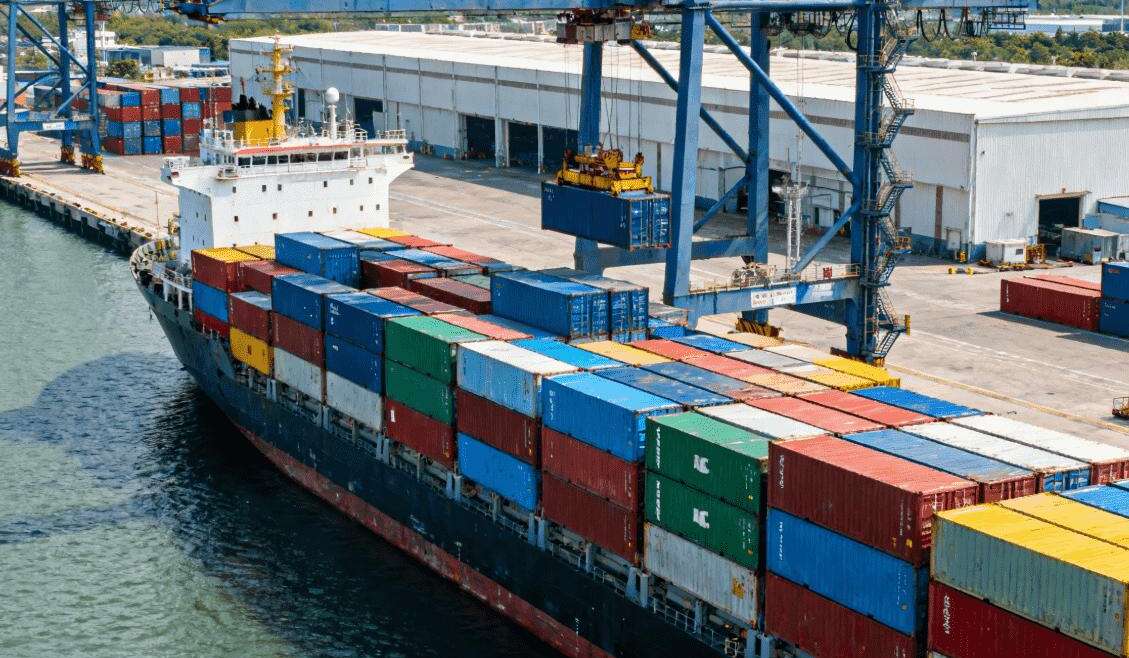
Are you looking to streamline your container shipping from China to Houston but aren’t sure where to start? With countless shipping routes, varying costs, and complex customs requirements, navigating this process can be challenging. In this comprehensive guide, we’ll break down everything you need to know about container shipping, including key ports, transit times, cost-saving tips, and much more, ensuring your cargo reaches Houston efficiently and affordably.

China-Houston Shipping Routes
When it comes to container shipping from China to Houston, understanding the main shipping routes is essential for optimizing both cost and transit time. The most common route for ocean freight involves transporting goods from major Chinese ports across the Pacific Ocean, passing through the Panama Canal, and then entering the Gulf of Mexico to reach the Port of Houston.
Main Sea Freight Route
Departure from a Major Chinese Port (such as Shanghai, Shenzhen, Ningbo, Qingdao, or Guangzhou)
Vessels travel southeast along the Chinese coastline, then cross the North Pacific Ocean.
Ships transit the Panama Canal, which provides the most direct access to the Gulf Coast ports in the United States.
Arrival at the Port of Houston, one of the largest and busiest ports in the U.S.
This route is favored by most global shipping lines for its efficiency and reliability. Utilizing the Panama Canal significantly reduces transit time compared to routes passing around the southern tip of South America.
Related reading: For other major North American routes, see Shipping from China to USA and Shipping from China to Canada.
Air Freight Alternative
For urgent shipments, air freight is a viable alternative. Major Chinese cities operate direct and connecting flights to Houston George Bush Intercontinental Airport (IAH). While more expensive than sea freight, air cargo dramatically shortens delivery times.
Intermodal and Door-to-Door Solutions
With growing demands for supply chain efficiency, many shippers opt for door-to-door services. After arrival at Houston, cargo can be quickly moved via rail or truck to final destinations across Texas and neighboring states. At Dantful.US International Logistics, we offer tailored door-to-door, multimodal, and consolidated freight solutions to maximize value and flexibility.
Overview of Main Routes (Sea Freight)
| Route Description | Average Transit Time | Typical Use Case |
|---|---|---|
| China Port → Panama Canal → Houston Port | 25-35 days | Standard container shipping |
| China Port → US West Coast Port → Houston (via rail/truck) | 18-25 days (faster, often more costly) | Time-sensitive or intermodal shipments |
| China Airport → Houston Airport (Air) | 3-7 days | High-value or urgent cargo |
The choice of route depends on your cargo type, time requirements, and budget. Our team can guide you in selecting the best solution for your needs.
Key Shipping Ports in China and Houston
Selecting the right port of origin and destination is crucial for successful container shipping from China to Houston. Here is an overview of the main ports involved in this logistics chain.
Major Ports in China
China boasts some of the world’s largest and most efficient seaports. The following ports are commonly used for shipping to Houston:
| Port Name | Location | Advantages | Annual Container Throughput (2023) |
|---|---|---|---|
| Shanghai | East China | Largest port; extensive global connections | 47.3 million TEU |
| Shenzhen | South China | Modern facilities; strong electronics trade | 30.0 million TEU |
| Ningbo-Zhoushan | East China | Fast growing; excellent for FCL/LCL | 33.4 million TEU |
| Qingdao | North China | Good access to northern industrial zones | 25.7 million TEU |
| Guangzhou | South China | Strategic for manufacturing exports | 24.5 million TEU |
| Xiamen | Southeast China | Specialized in electronics/textiles | 12.3 million TEU |
| Tianjin | North China | Main gateway for Beijing & North China | 21.7 million TEU |
*TEU = Twenty-foot Equivalent Unit
Choosing a port close to your supplier’s factory can help reduce inland transport costs and overall transit time.
Main Port in Houston
Port of Houston: As the largest port on the Gulf Coast and the busiest container port in Texas, the Port of Houston is the primary entry point for ocean freight from China. It offers extensive facilities for container handling, customs clearance, warehousing, and efficient onward distribution by road and rail.
Port of Houston Key Features:
Deepwater terminals capable of handling large vessels
Advanced container handling technology
Strategic location for distribution throughout the U.S. South, Midwest, and beyond
Air Cargo Gateway in Houston
Houston George Bush Intercontinental Airport (IAH): A major international airport equipped to handle large volumes of air cargo from China, ideal for time-critical shipments.
By leveraging the strengths of these major Chinese ports and the Port of Houston, Dantful.US International Logistics provides reliable, cost-effective, and efficient shipping solutions. Our team will advise you on the best port selections, considering your cargo type, location, and transit requirements to ensure smooth and timely delivery.
If you need expert guidance or a customized shipping solution, please contact us at Dantful.US International Logistics—a highly professional, cost-effective, and high-quality one-stop international logistics service provider for global traders.
You may also be interested in: Shipping ports from China to USA
Full Container Load (FCL) vs Less than Container Load (LCL)
When planning container shipping from China to Houston, it’s essential to choose the most suitable shipping method based on your cargo volume, budget, and urgency. The two primary options are Full Container Load (FCL) and Less than Container Load (LCL). Understanding their differences will help you optimize costs, efficiency, and security.
What is FCL (Full Container Load)?
FCL means your goods are shipped in a dedicated container that is exclusively yours, whether or not you fill the entire container. This is ideal for larger shipments or when you want to minimize handling of your cargo.
Common FCL container sizes and capacities:
| Container Type | Internal Dimensions (L x W x H, m) | Max Gross Weight (kg) | Capacity (CBM) |
|---|---|---|---|
| 20FT Standard | 5.89 x 2.35 x 2.39 | 28,200 | 28 |
| 40FT Standard | 12.03 x 2.35 x 2.39 | 30,480 | 56 |
| 40FT High Cube | 12.03 x 2.35 x 2.69 | 30,480 | 68 |
| 45FT High Cube | 13.55 x 2.35 x 2.69 | 32,500 | 78 |
Advantages of FCL:
Security: Goods are sealed at origin and remain intact until arrival.
Faster transit & handling: Less time at consolidation points and fewer touchpoints reduce risk of damage.
Cost-effective for larger loads: Per-unit price decreases with higher cargo volume.
Flexible loading: Allows customized packing and arrangement for special cargo.
Best for: Importers/exporters with cargo volume close to a full container, high-value goods, or time-sensitive shipments.
What is LCL (Less than Container Load)?
LCL refers to sharing a container with other shippers. Your goods are consolidated with others, and you only pay for the space you use—making it ideal for smaller shipments.
Advantages of LCL:
Cost-effective for small loads: Pay only for the actual volume required.
Flexible shipping: No need to wait until you have enough goods for a full container.
Access to frequent sailings: Multiple sailings per week from major Chinese ports.
Considerations with LCL:
Longer handling time: Consolidation and deconsolidation add to transit time.
Higher risk of delays/damage: Increased handling and mixed cargo types.
Additional fees: Possible charges for consolidation, documentation, and destination handling.
| Comparison | FCL | LCL |
|---|---|---|
| Container Use | Exclusive | Shared with others |
| Cargo Volume | >15 CBM (usually cost-effective) | 1 – 15 CBM |
| Cost Structure | Fixed per container | Per cubic meter (CBM) |
| Security | High | Medium |
| Transit Speed | Faster | Slightly longer (due to handling) |
| Risk of Damage | Lower | Higher (due to co-loading) |
Which Option Fits Your Business?
Choose FCL if your shipment is large, valuable, or sensitive to handling delays or damage.
Choose LCL for smaller, less time-sensitive, or more flexible shipments.
At Dantful.US International Logistics, we offer both FCL and LCL services from all major Chinese ports to Houston, providing tailored solutions based on your cargo size, budget, and delivery deadlines. Our experienced team can help you evaluate the best choice for your logistics needs, ensuring cost-effectiveness and reliability in your supply chain.
Transit Times for China to Houston Shipping
Understanding the transit times for container shipping from China to Houston is crucial for planning your supply chain, managing inventory, and meeting customer expectations. Actual transit times vary based on the origin/destination ports, shipping method (FCL or LCL), carrier schedules, and external factors such as customs clearance and weather.
Typical Ocean Freight Transit Times
Below is a comparison of estimated sea freight transit times (port-to-port) from major Chinese ports to the Port of Houston:
| Origin Port | Estimated FCL Transit (Days) | Estimated LCL Transit (Days) |
|---|---|---|
| Shanghai | 23 – 28 | 25 – 32 |
| Shenzhen | 25 – 30 | 27 – 34 |
| Ningbo | 24 – 29 | 26 – 33 |
| Qingdao | 27 – 32 | 29 – 36 |
| Xiamen | 25 – 31 | 27 – 34 |
Please note:
FCL is typically faster than LCL due to less handling at origin and destination.
LCL shipments may take additional 2-5 days for consolidation/deconsolidation.
Influencing Factors
Direct sailings vs. transshipment: Direct routes are faster but may not be available from all ports.
Customs clearance efficiency: Delays can occur during export or import clearance, especially for LCL.
Peak season & carrier capacity: Shipping times can extend during peak holiday or trade seasons.
Port congestion: Busy ports in both China and Houston can affect unloading times.
Air Freight Alternative
If you need faster delivery, air freight from China to Houston typically takes 3–7 days but comes at a higher cost. Dantful.US International Logistics can help you evaluate air freight, sea-air combined, or expedited LCL options based on your business needs.
At Dantful.US International Logistics, our mission is to provide transparent, reliable, and cost-effective transit solutions for your shipments from China to Houston. Our logistics experts monitor each shipment from booking to delivery, proactively addressing any disruptions to keep your supply chain moving smoothly. Contact us to get the latest schedules or to plan a shipment that aligns with your deadlines and business goals.
Factors Affecting Transit Time
When shipping containers from China to Houston, transit time is a critical consideration for businesses and individuals alike. Several key factors influence how long your shipment will take to arrive at the Port of Houston or your designated destination.
1. Port of Origin and Destination
The choice of origin port in China and the final destination port in the United States significantly impacts transit times. Major Chinese ports such as Shanghai, Shenzhen, Ningbo, and Qingdao offer more frequent sailings and direct routes to Houston, which generally result in shorter transit times.
| Origin Port in China | Typical Transit Time to Houston (Days) |
|---|---|
| Shanghai | 28-32 |
| Shenzhen | 27-31 |
| Ningbo | 29-33 |
| Qingdao | 30-34 |
These are average times for direct services; transshipment or indirect routes can add several days.
2. Shipping Mode: FCL vs. LCL
Full Container Load (FCL): Typically faster, as the entire container is sealed and shipped directly to the consignee.
Less than Container Load (LCL): Involves consolidation and deconsolidation at warehouses, which adds handling time and may cause delays.
See also: LCL Shipping from China to USA for more insights on LCL options.
3. Carrier & Service Selection
Different shipping lines offer varying sailing frequencies, vessel speeds, and direct or indirect service options. Premium services may offer faster transit but can be more expensive.
4. Transshipment & Routing
If your container requires transshipment (changing vessels at a hub port such as Singapore or Los Angeles), this can add 3-7 days to the total delivery time.
5. Customs Clearance & Documentation
Delays in customs clearance—either at Chinese export or U.S. import—can significantly impact overall transit time. Proper documentation and working with an experienced freight forwarder like Dantful.US International Logistics can help prevent unnecessary delays.
6. Port Congestion & Weather Conditions
Unpredictable factors such as port congestion, strikes, holidays (e.g., Chinese New Year), or severe weather conditions (e.g., hurricanes in the Gulf of Mexico) can cause unexpected hold-ups.
7. Inland Transportation
If your final destination is further inland from the Port of Houston, allow additional time for rail or road freight to your warehouse or facility.
Expert Tip: At Dantful.US International Logistics, we leverage real-time data, a global carrier network, and local expertise to optimize transit times and avoid unnecessary delays for your shipments from China to Houston.
Container Shipping Costs from China to Houston
Understanding the cost structure of container shipping from China to Houston is essential for budgeting and supply chain planning. Shipping costs can fluctuate due to various factors, and getting a transparent breakdown helps avoid surprises.
Typical Cost Components
Ocean Freight Charges
The base rate charged by shipping lines for transporting your container by sea.
Port Charges
Handling fees at the port of loading in China and the Port of Houston.
Inland Transportation
Charges for truck or rail delivery from/to ports.
Documentation Fees
Costs for issuing bills of lading, export declarations, and related paperwork.
Customs Clearance & Duties
Import duties, taxes, and U.S. customs brokerage fees.
Insurance
Optional but recommended for high-value or sensitive goods.
Additional Services
Storage, warehousing, door-to-door services, Amazon FBA prep, etc.
Estimated Container Shipping Cost Table
| Container Type | Capacity (CBM) | Ocean Freight (USD)* | Total All-In Cost (USD)** |
|---|---|---|---|
| 20FT | 28 | $1,400 – $2,200 | $2,000 – $3,000 |
| 40FT | 56 | $2,400 – $3,800 | $3,100 – $4,700 |
| 40HQ | 68 | $2,600 – $4,000 | $3,300 – $5,000 |
| LCL | By volume | $80 – $120/CBM | $500+ per shipment |
*Ocean freight rates are indicative and fluctuate according to season, space availability, and market trends. **All-in costs include port fees, basic documentation, but exclude customs duties and insurance.
Major Factors Influencing Shipping Costs
Type of Goods: Hazardous or oversized cargo may incur surcharges.
Seasonality: Peak seasons (e.g., before Christmas, Chinese New Year) see higher rates.
Surcharges: Fuel surcharges (BAF), terminal handling, and security fees may apply.
Consolidation for LCL: If shipping smaller volumes, consolidating multiple shipments can reduce per-unit costs.
Pro Tip: For the most competitive and transparent rates, it’s best to work with a reputable freight forwarder China to US. We provide customized quotes based on your cargo details, shipping schedule, and destination needs.
Factors Influencing Shipping Costs
When planning container shipping from China to Houston, understanding the main factors that impact freight costs is essential. As an experienced freight forwarder, I know that transparency in pricing helps our clients make better decisions. Here are the key factors influencing shipping costs on this route:
1. Type of Container and Container Size
The choice between a 20FT, 40FT, 40HQ, or 45HQ container directly affects the total shipping price. Each container size has a different capacity and cost, as shown below:
| Container Type | Capacity (CBM) | Typical Use Case | Relative Cost (USD) |
|---|---|---|---|
| 20FT | 28 | Small shipments, heavy cargo | Lowest |
| 40FT | 56 | Medium to large shipments | Medium |
| 40HQ | 68 | Large volume, lightweight/bulky goods | Medium-High |
| 45HQ | 78 | Oversized/very large shipments | Highest |
2. Shipping Mode: FCL vs. LCL
Full Container Load (FCL): More cost-effective for larger shipments as you pay for the entire container, regardless of how full it is.
Less than Container Load (LCL): Suitable for smaller shipments. Pricing is calculated based on the volume (CBM) or weight but often includes cargo consolidation and deconsolidation fees.
3. Port of Origin in China and Destination Port in Houston
Major Chinese ports like Shanghai, Shenzhen, and Ningbo might offer slightly different rates due to port handling charges, local trucking, and export fees. Houston Port may also have variable destination charges.
4. Transit Time and Service Level
Faster shipping services or direct routes will generally cost more.
Peak seasons (such as pre-Christmas, Chinese New Year) can lead to higher rates due to increased demand.
5. Type of Goods and Special Handling
Oversized, hazardous, or temperature-sensitive cargo requires special containers or handling, affecting cost.
Some goods may require additional documentation, inspection, or insurance.
6. Bunker Adjustment Factor (BAF) & Fuel Surcharges
Ocean freight rates fluctuate with global oil prices. Carriers apply BAF and other surcharges to offset fuel cost volatility.
7. Inland Transportation Costs
Door-to-door shipments will include inland trucking or rail charges from the factory in China and to the final destination in Houston.
8. Additional Fees
Customs clearance
Port and terminal handling charges
Security fees
Demurrage and detention fees if containers are not returned on time
Example: Estimated Ocean Freight Rates (2025)
| Origin Port in China | 20FT FCL (USD) | 40HQ FCL (USD) | LCL (per CBM, USD) | Typical Transit Time (Days) |
|---|---|---|---|---|
| Shanghai | $4,500 | $7,500 | $110 | 24-30 |
| Shenzhen | $4,600 | $7,600 | $115 | 25-32 |
| Ningbo | $4,700 | $7,700 | $120 | 26-33 |
Note: Rates are for reference only and may vary based on market conditions and shipment specifics. Contact Dantful.US International Logistics for a tailored quote.
Working with a reliable Freight Forwarder like Dantful.US International Logistics ensures transparent pricing, cost optimization, and professional guidance for all shipping needs from China to Houston.
Documentation and Customs Clearance
Proper documentation and smooth customs clearance are critical for efficient container shipping from China to Houston. Delays or errors in paperwork can result in costly hold-ups, fines, and even cargo seizure. Here’s what you need to know:
1. Essential Shipping Documents
| Document | Purpose | Issued By |
|---|---|---|
| Bill of Lading (B/L) | Proof of contract & receipt of goods, required for cargo release | Shipping line/Freight Forwarder |
| Commercial Invoice | Describes the sale transaction and value of goods | Exporter |
| Packing List | Details the contents, dimensions, and weight of each package/container | Exporter |
| Certificate of Origin | Confirms the origin of goods for customs and trade agreement purposes | Chamber of Commerce/Exporter |
| Importer Security Filing (ISF/10+2) | U.S. Customs pre-arrival information requirement | Importer/Customs Broker |
| Arrival Notice | Notifies importer of the cargo’s arrival | Carrier/Freight Forwarder |
| Customs Declaration | Filed to declare goods and pay duties | Importer/Customs Broker |
| Insurance Certificate | Proof of cargo insurance (if purchased) | Insurance Provider |
2. Customs Clearance Process: Key Steps
Pre-shipment:
Prepare all required documents accurately.
File the ISF (Importer Security Filing/10+2) with U.S. Customs at least 24 hours before loading at the Chinese port.
Arrival at Houston:
Cargo and documents are reviewed by U.S. Customs and Border Protection (CBP).
Duties and taxes are assessed based on the HS code and declared value.
Inspection:
CBP may select shipments for physical inspection, particularly if documentation is incomplete or if goods are regulated.
Cargo Release:
Upon clearance and payment of all duties, the cargo is released for pickup and final delivery.
3. Common Challenges & Solutions
Documentation errors: Double-check all paperwork for accuracy and consistency.
Non-compliance: Ensure goods meet all U.S. import regulations, especially for food, chemicals, or restricted items.
Delays in ISF Filing: Late filing can result in fines up to $5,000 per violation.
For tailored advice or a free shipping quote, feel free to contact our expert team at Dantful.US International Logistics.
Tips for reducing container shipping cost
Reducing container shipping costs from China to Houston is a key objective for importers, exporters, and supply chain managers. By applying the right strategies, you can significantly lower your logistics expenses while maintaining efficient delivery. Here are some proven, professional tips to help you optimize your shipping budget:
1. Choose the Most Suitable Container Type and Size
Selecting the right container is crucial. For example, a 20FT container offers a capacity of 28CBM, while a 40FT container holds 56CBM, and a 40HQ up to 68CBM. If your cargo volume is close to the full container capacity, Full Container Load (FCL) is generally more cost-effective than Less than Container Load (LCL). For smaller shipments, LCL consolidations allow cost-sharing with other shippers.
| Container Type | Capacity (CBM) | Typical Use Case |
|---|---|---|
| 20FT | 28 | Small-to-medium shipments |
| 40FT | 56 | Medium-to-large shipments |
| 40HQ | 68 | High-volume, bulky shipments |
| 45HQ | 78 | Oversized, high-volume shipments |
2. Optimize Shipping Schedules
Ocean freight rates fluctuate depending on the season. Peak seasons—such as before major holidays in China (e.g., Chinese New Year, Golden Week)—can see significant price surges. Booking shipments in advance and shipping during off-peak periods can yield lower rates.
3. Consolidate Shipments
Combining multiple shipments into a single container can help you achieve better rates, especially for LCL cargo. Work with your supplier or freight forwarder to consolidate cargo when possible.
4. Compare Multiple Shipping Quotes
Always request and compare quotes from several freight forwarders and carriers. This allows you to find the best balance between cost, transit time, and service reliability.
5. Use Efficient Packaging
Reduce excess packaging and maximize container space utilization. Well-packed cargo can minimize wasted space and potentially allow you to use a smaller container, saving on shipping fees.
6. Choose the Right Incoterms
Negotiate clear Incoterms with your suppliers. Terms like FOB (Free On Board) or EXW (Ex Works) can impact who is responsible for shipping costs and how you manage your logistics expenses.
7. Leverage Professional Freight Forwarding Services
A reputable freight forwarder has the expertise and resources to optimize your shipping plan. They can provide cost-saving recommendations, access to preferred carrier rates, and handle complex documentation efficiently.
8. Take Advantage of Value-added Services
Some freight forwarders, including Dantful.US International Logistics, offer value-added solutions such as cargo insurance, customs clearance, and warehousing. Bundling these services can often result in better overall pricing and reduced risk.
9. Avoid Demurrage and Detention Fees
Plan your cargo pick-up and delivery to avoid extra charges for container storage at the port or delays in returning empty containers. Efficient coordination with your logistics partners is essential.
10. Monitor Currency and Fuel Surcharges
Be aware of currency fluctuations and fuel surcharges, as these can affect your total shipping costs. Professional forwarders can help you forecast and budget for these variables.
Freight forwarder from China to Houston
Selecting the right freight forwarder is crucial for a successful and cost-efficient shipping experience from China to Houston. A professional, experienced partner ensures smooth logistics, timely deliveries, and competitive pricing.
Why Choose a Professional Freight Forwarder?
Expert Handling of All Shipping Modes: An established forwarder manages Sea Freight, Air Freight, Rail Freight, and Road Freight, providing the flexibility to choose the best route and speed for your cargo.
Comprehensive Service Offering: From Amazon FBA shipments, warehouse solutions, to customs clearance, insurance, and door-to-door services, a one-stop provider streamlines your entire supply chain.
Regulatory Compliance: Ensures all documents, licenses, and customs procedures are handled correctly, minimizing risk and delays.
Global Network: Established relationships with carriers and agents worldwide, especially between major ports in China (like Shanghai, Shenzhen, Ningbo) and Houston in the United States.
Why Dantful.US International Logistics?
At Dantful.US International Logistics, we pride ourselves on being a highly professional, cost-effective, and high-quality one-stop international logistics service provider for global traders. Here’s how we can support your business:
| Service Category | Dantful.US Logistics Offering | Benefit to You |
|---|---|---|
| Shipping Modes | Sea, Air, Rail, Road | Flexible, tailored solutions |
| Specialty Services | Amazon FBA, OOG Freight, Consolidated Freight, Breakbulk Freight | Access to niche and complex logistics |
| Customs Solutions | Customs Clearance, Documentation, Compliance Checks | Reduce risk of delays and penalties |
| Value-added | Warehousing, Cargo Insurance, Door-to-door Delivery | End-to-end, worry-free experience |
| Customer Support | US & China bilingual expert teams, real-time tracking | Seamless communication and transparency |
Dantful.US International Logistics: Your Trusted Partner
Entrusting your container shipping from China to Houston to Dantful.US means partnering with a team that understands both markets, leverages the latest technology, and places customer satisfaction at the core of every shipment.
Recommended resource: Learn more about Shipping from China to USA Alibaba if you’re sourcing from Alibaba.
If you need reliable, cost-efficient international logistics for your business—no matter the industry or shipment size—Dantful.US International Logistics is here to help you succeed.
Contact us today to optimize your supply chain and enjoy peace of mind with your container shipping from China to Houston!
Leave a reply