

Calculating accurate landed costs for USA imports remains one of the biggest challenges for cross-border sellers, Amazon FBA merchants, and small-to-medium enterprises (SMEs). Often, importers base their pricing strategies solely on a basic ocean freight rate, only to be blindsided by unexpected destination charges, port fees, and Customs Clearance costs upon arrival.
Accurate cost control requires a deep understanding of the differences between FCL and LCL shipping, recognizing hidden surcharge triggers, and choosing the most appropriate trade terms (such as FOB vs DDP). This guide focuses strictly on container shipping from China to USA from major Chinese loading hubs (e.g., Shanghai Port, Shenzhen Port) to key US gateways (e.g., Los Angeles Port, New York Port), providing a transparent framework to protect your profit margins in 2026.
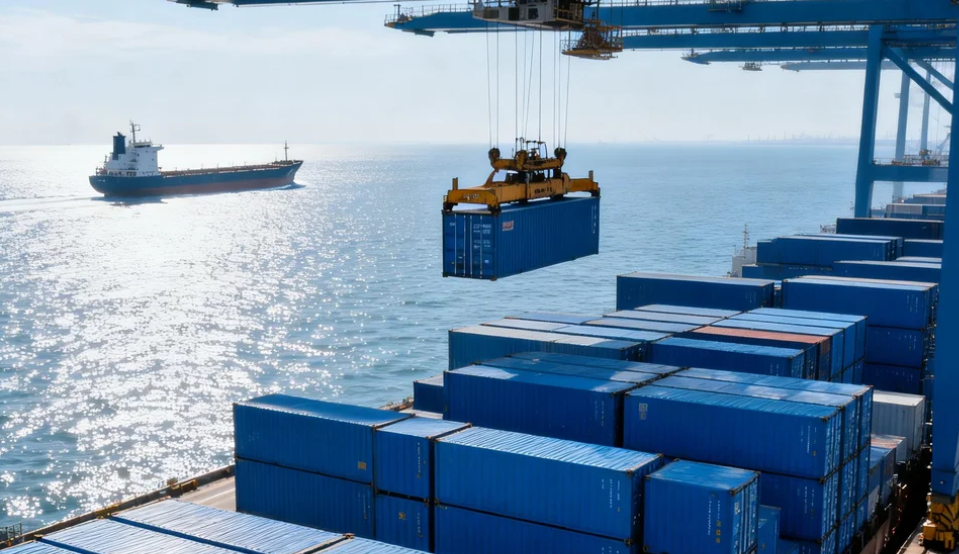
FCL vs. LCL: Which Container Solution is More Cost-Effective?
The primary decision you must make when shipping by sea is choosing between FCL (Full Container Load) and LCL (Less than Container Load). Your choice dictates not only your pricing structure but also transit times and cargo security.
- FCL: You rent the entire container (typically a 20′ GP, 40′ HC, or 45′ HQ). You pay a flat rate regardless of how full the container is. Best for volume-heavy shipments.
- LCL: Your cargo shares container space with other shippers. If you are learning how to ship LCL from China to USA, you pay based on the volume your cargo occupies, measured in CBM (Cubic Meters), or by weight (whichever is greater, known as the Chargeable Weight).
The Volume Threshold Rule (When to Switch): Based on our decade of routing experience, if your cargo volume exceeds 13 to 15 CBM, booking a dedicated 20′ GP FCL container is usually more cost-effective than paying the per-CBM rate for LCL. For larger shipments, if your volume exceeds 35 CBM, reviewing the Cost of Shipping 40ft Container from China to USA will show it is time to upgrade from a 20′ to a 40′ HC.
Solution Comparison: FCL vs LCL
| Feature | FCL (Full Container Load) | LCL (Less than Container Load) |
|---|---|---|
| Ideal Volume Threshold | > 13-15 CBM | < 13 CBM |
| Cost Structure | Flat rate per container (20′ GP / 40′ HC) | Variable rate per CBM or Chargeable Weight |
| Transit Time | Faster (Direct routing, no consolidation delays) | Slower (Requires 3-7 days for consolidation/deconsolidation at CFS) |
| Cargo Security | High (Sealed at origin factory, opened at final destination) | Moderate (Handled multiple times at CFS warehouses, higher risk of damage/loss) |
| Customs Risk | Independent (Only your cargo is inspected) | Shared Risk (If one shipper’s cargo is flagged by CBP, the whole container is delayed) |
| Best For | High-volume buyers, fragile goods, urgent restocks | Small businesses, sample testing, low-volume Amazon FBA |
Breakdown of Container Shipping Costs
To eliminate “hidden fee” anxiety, you must deconstruct the shipping quote. A cheap FOB quote only covers the ocean freight, leaving you vulnerable to destination markups. A comprehensive Door to Door or DDP shipping from China to USA quote typically includes the following four pillars:
Origin Charges (China):
- Inland Trucking: From the supplier’s factory to the departure port.
- Export Customs Declaration: Processing fees for Chinese customs.
- Origin THC (Terminal Handling Charges): Lifting the container onto the vessel.
- Documentation Fees: Bill of Lading (BOL) issuance, Telex release fees, ENS / AMS transmission fees.
Ocean Freight (Main Leg):
- Base Rate: The core port-to-port rate charged by the carrier.
- BAF (Bunker Adjustment Factor): Fuel surcharge, fluctuating with global oil prices.
- PSS (Peak Season Surcharge): Applied by carriers during high-demand months (Aug-Nov).
- GRI (General Rate Increase): Periodic rate hikes implemented by shipping lines.
Destination Charges (USA):
- Destination THC: Port handling fees upon arrival.
- Port Maintenance Fees: e.g., Pier Pass, Clean Truck Fee (specific to California ports like Los Angeles Port).
- Customs Clearance Processing: Fees paid to the US Customs Broker.
- Duties and Tariffs: Calculated based on your product’s HS Code and total commercial value.
- CBP Exam Fees: If your container is flagged for a VACIS (X-ray) or intensive CET exam, you bear the cost (ranging from $300 to over $2,500).
Delivery Charges (Last Mile):
- Drayage: Trucking from the destination port to your final warehouse. Working with an Amazon FBA freight forwarder shipping from China to USA ensures seamless delivery to fulfillment centers.
- Chassis Rental: Daily fees for the trailer chassis used to move the container.
- Pre-pull / Storage: If the warehouse cannot receive the container immediately.
Current Container Shipping Rates and Transit Times (China to USA)
Shipping costs and transit times vary significantly depending on routing. The US West Coast (USWC – e.g., Los Angeles Port, Long Beach Port) offers the fastest transit from Asia. The US East Coast (USEC – e.g., New York Port, Savannah Port) takes longer due to the Panama Canal transit or relies on cross-country rail (IPI).
Entering 2026, global shipping capacity has stabilized, leading to softer, more buyer-friendly freight rates compared to previous years.
Note: The data below represents approximate ranges for standard services under normal market conditions (as of March 2026). Rates are subject to carrier capacity and seasonal demand. For real-time spot rates, always consult your freight forwarder.
Estimated Cost and Time Table (Reference Only)
| Route (Origin → Destination) | Transport Mode | Reference Fee (Range) | Reference Time | Fee Standards & Remarks |
|---|---|---|---|---|
| Shenzhen Port → Los Angeles Port | Sea Freight (FCL – 40′ HC) | approx $1,800 – $2,600 | approx 14–18 Days | Port-to-Port only. Excludes Customs Clearance, origin/destination THC, duties, and delivery. |
| Shanghai Port → New York Port | Sea Freight (FCL – 40′ HC) | approx $2,800 – $3,600 | approx 28–35 Days | Port-to-Port only. East Coast routing requires canal transit; subject to seasonal draft surcharges. |
| Ningbo Port → Amazon FBA (West Coast) | Sea Freight (LCL – DDP) | approx $80 – $120 / CBM | approx 25–35 Days | Door to Door standard. Includes ocean freight, clearance, duties, and final truck delivery. Time includes CFS deconsolidation. |
Important standard explanation: Always clarify your Incoterms before accepting a quote. If a supplier quotes you CIF or FOB, you are strictly responsible for navigating and paying for the Destination Charges (USA) and Delivery Charges mentioned in Section 2.
5 Key Factors That Cause Container Shipping Rates to Fluctuate
To budget effectively and avoid shock, you must anticipate what drives prices up or delays cargo:
- Seasonality (The Peak Season): From August to November, US retailers stock up for Black Friday and Christmas. Shipping spaces tighten, triggering PSS (Peak Season Surcharges). Another mini-peak occurs 3-4 weeks before the Chinese New Year. (For historical retail sales trends that drive this demand, refer to the National Retail Federation (NRF)).
- Port Congestion & Labor Issues: Even in a stabilized 2026 market, localized union strikes or chassis shortages at major hubs like Los Angeles Port or New York Port can cause sudden bottlenecks, leading to vessel delays and increased rates.
- Blank Sailings (Capacity Management): Shipping lines frequently cancel scheduled voyages (“blank sailings”) during low-demand periods to artificially reduce capacity and prevent freight rates from dropping too low.
- Geopolitical & Environmental Events: Droughts affecting canal transit drafts or security issues in key straits can force vessels to reroute, extending transit times and increasing fuel costs (BAF).
- CBP Inspections & Port Storage: Random or targeted exams by US Customs result in unavoidable delays. If your container sits at the terminal beyond the “Free Time” (usually 3-5 days), you will incur crippling Demurrage (port storage) and Detention (container late return) fees, often hundreds of dollars per day.
Customs Clearance and Compliance: Avoiding Expensive Delays
Non-compliance is the fastest way to destroy your shipping budget. Proper documentation ensures smooth Customs Clearance and helps avoid costly CBP holds.
Essential Document Checklist:
- Commercial Invoice (CI): Must show accurate value, currency, and manufacturer details.
- Packing List (PL): Detailed breakdown of weights, dimensions, and materials.
- Bill of Lading (BOL): The official transport contract and title of the goods.
- ISF (Importer Security Filing / “10+2”): Critical: Must be filed electronically 24 hours before the vessel departs the origin port, or you face a mandatory $5,000 fine from CBP.
High-Risk Pitfalls to Avoid:
- Undervaluation: Declaring a lower cargo value to save on tariffs is illegal. CBP frequently audits “unusually cheap” invoices, leading to seizure, penalty fees, and retroactive tax bills.
- Incorrect HS Codes: Using the wrong Harmonized System classification can lead to underpaying or overpaying duties, and triggers regulatory scrutiny.
- Missing Partner Government Agency (PGA) Declarations: Products involving food, cosmetics, medical devices, or electronics may require additional clearances from the FDA, EPA, or FCC prior to entry.
Compliance Statement: The compliance and tariff information provided is for reference only and does not constitute legal or tax advice. Customs regulations and tariff rates change frequently. Always refer to official sources like U.S. Customs and Border Protection (CBP) and consult with a licensed US Customs Broker for your specific products.
How Dantful.US Optimizes Your Container Shipping Costs
At Dantful.US International Logistics, we eliminate the guesswork from international shipping. With over a decade of experience focused specifically on the Americas dedicated line, we protect your supply chain from unpredictable costs and give you the visibility you need in 2026.
- Transparent “No-Hidden-Fee” Pricing: Our Door to Door and DDP pricing models are comprehensive. We break down origin, main leg, and destination fees upfront, so you never face shock invoices for destination THC or hidden handling fees.
- Proactive Customs Expertise: Our integrated Customs Clearance team ensures your ISF is filed on time and your HS codes are perfectly compliant, drastically minimizing the risk of expensive port storage (Demurrage) penalties.
- Tailored Amazon FBA Routing: We don’t just quote standard routes. We combine reliable Sea Freight with expedited domestic trucking to bypass congested rail networks, getting your inventory into Amazon FBA fulfillment centers faster and cheaper than traditional IPI routing.
Get Your Accurate Container Shipping Quote Today
Stop relying on rough online estimates that don’t reflect your specific cargo. To get a precise, customized shipping solution and a guaranteed space allocation, please copy the list below, fill in your details, and send it to our team:
Quote Required Information List (Copy & Paste):
- Commodity Name & HS Code:
- Total Volume (CBM) & Gross Weight (KG):
- Container Type Needed (e.g., 20′ GP, 40′ HC, or LCL):
- Origin Address/Port in China (e.g., Shenzhen, Shanghai, Factory Zip Code):
- Destination Zip Code in USA (e.g., Commercial warehouse or Residential?):
- Trade Terms with Supplier (e.g., FOB, EXW):
- Need Customs Clearance & Insurance? (Yes/No):
- Delivery to Amazon FBA? (Yes/No – if yes, please provide warehouse code):
Stop guessing your landed costs and risking your profit margins on hidden fees. Contact Dantful.US International Logistics today for a transparent, no-obligation Door to Door container shipping quote. Let our Americas logistics experts optimize your route and secure your cargo.
Leave a reply