

Are you struggling to decide between Air Freight and Sea Freight for shipping goods from China to the USA? With so many variables—cost, delivery time, cargo suitability, and customs requirements—it’s crucial to make the right choice for your business needs. In this comprehensive guide, we’ll compare all aspects of air freight vs sea freight including pricing, speed, documentation, risk management, and environmental impact, helping you find the most efficient and cost-effective solution for your international shipments.
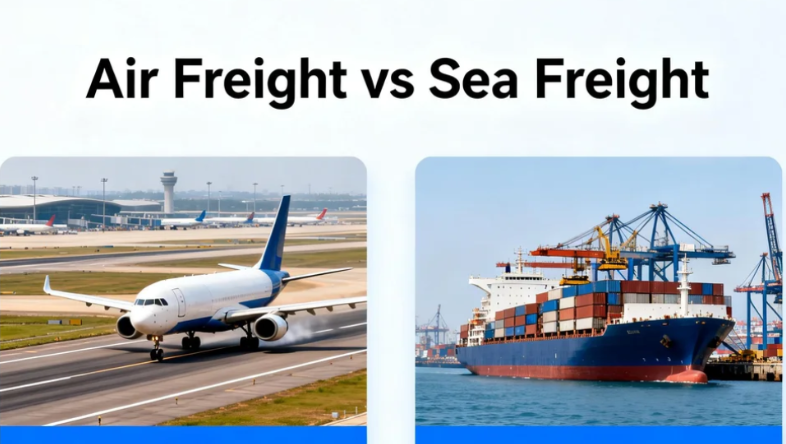
Air Freight vs Sea Freight from China to USA
When shipping goods from China to the USA, importers face a fundamental decision: whether to choose air freight or sea freight. Each shipping method comes with its own distinctive features, cost implications, timelines, and best-use scenarios. Selecting the right mode will directly impact your supply chain efficiency, costs, and customer satisfaction. As a highly professional international freight forwarder, Dantful.US International Logistics helps clients make informed choices tailored to their unique business needs.
Key Features and Advantages of Air Freight
Air freight stands out for its unparalleled speed and reliability. Here are the main features and advantages:
- Speed: Air freight typically delivers shipments from major airports in China (such as Shanghai Pudong, Guangzhou Baiyun, and Beijing Capital) to major airports in the USA (Los Angeles International, Chicago O’Hare, JFK New York) within 2-7 days.
- Reliability: Airlines adhere to strict schedules, making air cargo less susceptible to delays caused by port congestion or weather disruptions compared to sea freight.
- Security: Airports have stringent security measures, reducing the risk of theft and damage.
- Best for High-value & Time-sensitive Cargo: Ideal for electronics, fashion items, pharmaceuticals, perishable goods, and urgent shipments.
| Feature | Air Freight |
|---|---|
| Typical Transit Time | 2-7 days |
| Best for | Urgent, high-value, perishable, or low-volume goods |
| Cost | Higher than sea freight |
| Security | Very high |
| Schedule Reliability | Very reliable |
| Limitations | Weight, size, and hazardous goods restrictions |
At Dantful.US International Logistics, we provide optimal air freight routing, competitive rates, and comprehensive support, including door-to-door and customs clearance services.
Related reading: If you want a detailed breakdown, see our guide on Air freight from China to USA.
Main Characteristics and Benefits of Sea Freight
Sea freight is the backbone of international trade, especially for bulk and heavy cargo. Its features and benefits include:
- Cost Efficiency: Sea freight rates are significantly lower than air for large volumes or heavy goods, making it the preferred choice for most importers.
- Flexible Load Options: Choose between Full Container Load (FCL) and Less than Container Load (LCL) depending on your shipment size.
- Capacity: Containers can accommodate various cargo types, from machinery to consumer goods, with standard sizes such as 20FT (28CBM), 40FT (56CBM), 40HQ (68CBM).
- Best for Non-urgent Shipments: Suited for goods where delivery speed is not the top priority.
| Feature | Sea Freight |
|---|---|
| Typical Transit Time | 15-40 days (port to port) |
| Best for | Bulk, heavy, non-urgent, or oversized cargo |
| Cost | Economical for large shipments |
| Security | Good, but higher theft/damage risk than air |
| Schedule Reliability | Can be affected by port congestion, weather, customs |
| Load Options | FCL, LCL, OOG, Breakbulk |
With Dantful.US International Logistics, clients benefit from full-service sea freight solutions, including FCL, LCL, OOG Freight, and value-added offerings like insurance and warehousing.
You might also like: Discover more about Sea Freight from China to USA, including FCL, LCL and specialized cargo options.
When to Choose Air or Sea Freight: Typical Use Cases
Understanding the most suitable scenarios for each shipping method is essential:
Choose Air Freight If:
- Your goods are high-value, perishable, or urgently needed.
- Shipment size is relatively small (under 500 kg or under 2 CBM).
- Cash flow and inventory turnover are critical.
- Example: Shipping new tech gadgets for a product launch.
Choose Sea Freight If:
- You are moving large, heavy, or bulky cargo.
- Cost reduction is a priority and delivery deadlines are flexible.
- Shipping non-perishable goods, raw materials, or restocking inventory.
- Example: Importing furniture, autos, or industrial machinery.
| Scenario | Recommended Mode |
|---|---|
| Launching a new product with tight deadlines | Air Freight |
| Bulk shipment of non-urgent goods | Sea Freight |
| Spare parts needed for production, urgently | Air Freight |
| Regular restocking of retail inventory | Sea Freight / LCL |
As a one-stop logistics provider, Dantful.US International Logistics guides you in selecting the optimal method based on shipment size, urgency, and budget.
Comparing Shipping Costs: Air Freight vs Sea Freight
Understanding the cost structure is crucial for importers and supply chain managers. Both air freight and sea freight have distinct cost components that affect the total landed cost.
Cost Structure of Air Freight (Rates, Surcharges, Hidden Fees)
Air freight costs are calculated based on the Chargeable Weight, a concept that often confuses new importers. Airlines will charge based on whichever is greater: the Actual Gross Weight or the Volumetric (Dimensional) Weight.
How to Calculate Volumetric Weight for Air Freight:
- Formula: Length (cm) × Width (cm) × Height (cm) / 6000 = Volumetric Weight (kg)
- Example: If you have a box weighing 10kg, but its dimensions are 50cm x 50cm x 50cm, the volumetric weight is (50x50x50)/6000 = 20.8kg. The airline will charge you for 21kg (the chargeable weight), not 10kg.
Main cost components include:
- Basic Freight Rate: Calculated per kilogram (kg) or per pound (lb).
- Fuel Surcharges: Adjusted periodically based on market rates.
- Security Fees: Imposed by airports and authorities for cargo screening.
- Terminal Handling Charges (THC): Fees for cargo handling at airports.
- Customs Clearance Fees: For import/export customs processing.
- Other Surcharges: May include pick-up, delivery, storage, or remote area charges.
| Cost Component | Typical Range (USD) |
|---|---|
| Freight Rate | $4.00 – $8.00/kg (2026 avg.) |
| Fuel Surcharge | $0.50 – $1.50/kg |
| Security Fee | $0.10 – $0.30/kg |
| Handling/Documentation | $50 – $150/shipment |
| Customs Clearance | $50 – $100/shipment |
Note: Air freight rates fluctuate based on peak seasons, airline capacity, and global events.
Further reading: Explore How much is shipping from China to USA per kg for up-to-date cost references.
Cost Structure of Sea Freight (FCL, LCL, Port Charges)
Sea freight charges depend on container size, shipment type, and route. For LCL (Less than Container Load), costs are calculated per CBM (Cubic Meter) or per 1,000kg (whichever is greater).
Expert Tip on the “Awkward Weight” Range (150kg – 300kg): Many importers mistakenly believe shipments under 500kg must go by air. However, if your cargo is heavy but small in volume (e.g., 200kg but only 0.5 CBM), shipping via Sea Freight LCL is almost always cheaper than air freight, provided you have the time to wait.
Main cost elements:
Ocean Freight Rate: Fixed rate per container (FCL) or per CBM (LCL).
Origin & Destination Charges:
- Terminal Handling Charges (THC)
- Documentation Fees
- Port Charges
Inland Transportation: Trucking/rail to/from port.
Customs Fees: Clearance at both ends.
Additional Fees: Demurrage, detention, insurance, and possible surcharges (e.g., GRI, PSS).
| Cost Component | FCL (20FT) | FCL (40HQ) | LCL (per CBM) |
|---|---|---|---|
| Ocean Freight Rate | $1,500 – $2,500 | $2,800 – $4,500 | $50 – $120 |
| THC (per container) | $200 – $400 | $300 – $600 | $20 – $40 |
| Documentation | $50 – $120 | $50 – $120 | $30 – $70 |
| Customs Clearance | $100 – $150 | $100 – $150 | $30 – $50 |
Rates are subject to market fluctuations (2026 data) and can vary by port and carrier.
How to Calculate the Total Shipping Cost from China to the USA
Calculating the total landed cost involves aggregating all related expenses:
- Freight Charges: Air or sea rates based on cargo weight/dimensions or container type.
- Origin Charges: Export documentation, customs, local transportation.
- Destination Charges: Import customs, port/terminal fees, delivery to consignee.
- Optional Services: Insurance, warehousing, door-to-door delivery.
Example Calculation Table:
| Item | Air Freight (100kg/0.5CBM) | Sea Freight FCL (20FT) | Sea Freight LCL (2CBM) |
|---|---|---|---|
| Freight Charge | $600 | $2,000 | $150 |
| Fuel & Security Surcharges | $120 | – | – |
| Documentation | $75 | $100 | $60 |
| Origin THC/Handling | $60 | $300 | $40 |
| Destination Charges | $90 | $400 | $50 |
| Customs Clearance | $80 | $120 | $40 |
| Total Estimated Cost | $1,025 | $2,920 | $340 |
Note: Actual costs vary by carrier, season, and service level. For a tailored quote, contact Dantful.US International Logistics.
Tips for Reducing International Freight Costs
- Plan Ahead: Book shipments early to avoid peak season surcharges.
- Consolidate Shipments: Combine multiple orders to fill containers and lower per-unit costs.
- Optimize Packaging: Minimize volumetric weight for air, maximize container space for sea shipments.
- Flexible Routing: Consider alternative ports or transit options.
- Negotiate with Reliable Freight Forwarders: Work with experienced providers like Dantful.US International Logistics for competitive rates and value-added services.
- Understand Incoterms: Choose terms (e.g., FOB, CIF, DAP) that suit your cost and risk preferences.
- Leverage Technology: Use digital freight platforms and real-time tracking to manage logistics efficiently.
By understanding these shipping cost structures and following best practices, you can make data-driven decisions that optimize your international supply chain.
Explore next: For those shipping large loads, see Shipping Container from China to USA for detailed container shipping advice.
At Dantful.US International Logistics, we offer transparent pricing, tailored logistics solutions, and expert consultation to help you succeed in shipping from China to the USA—whether you choose air freight, sea freight, or a combination of both. For a personalized quote or consultation, contact us today.
Shipping Time: How Fast is Air Freight vs Sea Freight?
Choosing the right shipping method between air freight and sea freight from China to the USA is crucial for US-based traders, e-commerce sellers, and supply chain managers. Understanding the typical shipping times, as well as factors that affect transit, helps you make data-driven logistics decisions and minimize potential supply chain disruptions.
Average Transit Times for Air Freight from China to USA
Air freight is the fastest way to ship goods internationally, making it ideal for time-sensitive and high-value shipments. The exact transit time depends on routes, origin/destination airports, airline schedules, and whether the service is direct or involves transshipment.
| Origin Airport (China) | Destination Airport (USA) | Direct Air Freight | Standard Air Freight | Express Courier |
|---|---|---|---|---|
| Shanghai (PVG) | Los Angeles (LAX) | 1-3 days | 3-5 days | 1-2 days |
| Shenzhen (SZX) | Chicago (ORD) | 2-4 days | 4-7 days | 2-3 days |
| Guangzhou (CAN) | New York (JFK) | 2-4 days | 4-7 days | 2-3 days |
| Beijing (PEK) | Dallas (DFW) | 2-4 days | 4-8 days | 2-3 days |
- Total door-to-door time (including pickup, handling, and last-mile delivery) is typically 5-8 days.
- Express air via integrators like UPS, FedEx, or DHL may offer even faster solutions, but at a premium cost.
For more on fast delivery methods, check DHL Express Shipping from China to USA.
Average Transit Times for Sea Freight from China to USA
Sea freight is the most cost-effective method for large or heavy shipments, but it takes significantly longer than air freight. Transit times vary by port pairs, shipping line, and service type (FCL – Full Container Load, or LCL – Less than Container Load).
| Origin Port (China) | Destination Port (USA) | FCL Transit Time | LCL Transit Time | Estimated Total Door-to-Door |
|---|---|---|---|---|
| Shanghai | Los Angeles | 13-16 days | 18-25 days | 18-25 days |
| Shenzhen | New York | 28-32 days | 32-38 days | 33-40 days |
| Ningbo | Houston | 25-30 days | 30-38 days | 30-40 days |
| Qingdao | Seattle | 15-18 days | 20-25 days | 20-27 days |
- LCL shipments often take longer due to consolidation/deconsolidation processes.
- Door-to-door services (including customs clearance and inland transportation) can add extra days.
Factors Affecting Delivery Time
Several factors can impact the actual shipping time from China to the USA, regardless of the chosen method:
- Customs Clearance: Delays in customs—caused by incomplete documentation, regulatory inspections, or incorrect declarations—can add days to your timeline. Partnering with an experienced freight forwarder like Dantful.US International Logistics can help you avoid common pitfalls.
- Weather Disruptions: Typhoons, heavy rain, or snowstorms may delay flights or cause port closures, particularly during certain seasons in East Asia and North America.
- Peak Season Congestion: Global trade peaks during Chinese New Year, Golden Week, and the pre-holiday season (September–December). During these periods, capacity is tight and transit times may be extended due to backlogs both at origin and destination.
- Transshipment & Routing: Indirect services or shipments requiring multiple stops will have longer transit times compared to direct routes.
- Port & Terminal Congestion: Busy ports (e.g., Los Angeles, Long Beach) can experience delays due to high traffic, labor shortages, or strikes.
Tip: Plan ahead and book early during peak seasons. Work with a reliable freight forwarder like Dantful.US International Logistics for proactive tracking and supply chain transparency.
Cargo Types and Suitability: What Should You Ship by Air or Sea?
Selecting the right shipping mode for your cargo isn’t just about time and cost. It’s also about the nature, value, and urgency of your goods. Let’s explore which types of shipments are best suited for air freight vs sea freight.
Best Goods for Air Freight (Valuable, Perishable, Urgent)
Air freight is most suitable for:
- High-value products: Electronics, luxury items, precision instruments, pharmaceuticals.
- Perishable goods: Fresh food, flowers, temperature-sensitive medical supplies.
- Urgent shipments: Samples, spare parts, e-commerce orders with delivery commitments.
- Small or lightweight cargo: Goods where speed is crucial and the volume is relatively low.
Advantages:
- Short transit time reduces inventory costs and enhances cash flow.
- Higher security and lower risk of pilferage or damage.
- Reliable scheduling and frequent departures.
Example: An e-commerce seller shipping smartphones from Shenzhen to New York during a product launch.
Ideal Shipments for Sea Freight (Bulk, Heavy, Non-Urgent)
Sea freight is best for:
- Bulk commodities: Raw materials, chemicals, minerals.
- Large-volume goods: Furniture, machinery, construction materials.
- Heavy cargo: Products exceeding 500 kg or several cubic meters in volume.
- Non-urgent shipments: Where delivery time is flexible.
- Oversized or Out-of-Gauge cargo: Project cargo, vehicles, or equipment.
Advantages:
- Lowest cost per unit for large or heavy shipments.
- Flexible container options: 20FT (28CBM), 40FT (56CBM), 40HQ (68CBM), 45HQ (78CBM).
- Suitable for both FCL and LCL requirements.
Example: A manufacturer shipping full containers of home appliances from Ningbo to Los Angeles.
Related resource: Learn more about Shipping Machinery from China to USA and best practices for heavy or oversized cargo.
Shipping Restrictions and Prohibited Items
Both air freight and sea freight have specific restrictions and prohibitions, governed by international regulations, airline/carrier policies, and country laws.
Common Air Freight Restrictions:
- Dangerous goods: Lithium batteries, flammable liquids, explosives, compressed gases (unless properly packed and declared).
- Valuable cargo: Cash, precious stones (often requires special arrangements).
- Live animals or plants: Subject to quarantine and special handling.
Common Sea Freight Restrictions:
- Hazardous materials: Must comply with IMO (International Maritime Organization) regulations.
- Perishable items: Require reefer containers and special booking.
- Counterfeit or prohibited goods: Banned by US Customs and Border Protection (CBP).
| Shipping Mode | Examples of Restricted/Prohibited Items |
|---|---|
| Air Freight | Lithium-ion batteries, explosives, radioactive materials, strong magnets |
| Sea Freight | Toxic chemicals, weapons, live animals (bulk), unapproved pharmaceuticals |
| Both | Counterfeit goods, illegal substances, items violating IP or trade sanctions |
Tip: Always consult with your freight forwarder for the latest restrictions and documentation requirements. Dantful.US International Logistics provides end-to-end compliance support, including cargo screening and documentation review, to minimize your risk of delays or penalties.
By choosing the most suitable method for your cargo and understanding all influencing factors, you can optimize delivery time, reduce costs, and ensure a smooth shipping experience from China to the USA. As specialists in the Americas trade lane, Dantful.US International Logistics provides tailored advice and one-stop logistics solutions—including air freight, sea freight, customs clearance, and insurance—designed specifically for US importers.
Customs Clearance and Documentation Requirements
Shipping goods from China to the USA involves complex customs regulations, strict documentation standards, and risk management practices. As an international logistics expert, I understand that a seamless customs process is critical to avoid costly delays, penalties, and shipment holds. Below, I will provide a comprehensive guide covering the essential documents, clearance steps, and proven strategies to ensure smooth logistics operations.
Essential Documents for Air and Sea Freight Shipments
Proper documentation is the foundation for successful customs clearance. Whether you select air freight or sea freight from China to the USA, the following documents are typically required:
| Document Name | Air Freight | Sea Freight | Description & Importance |
|---|---|---|---|
| Commercial Invoice | Required | Required | Details the goods’ value, the transaction, and forms the basis for customs valuation. |
| Packing List | Required | Required | Lists description, quantity, weight, and packaging details of items shipped. |
| Bill of Lading (B/L) | Air Waybill (AWB) | Ocean B/L | Serves as a contract of carriage and receipt. Air freight uses an Air Waybill, sea freight uses an Ocean Bill of Lading. |
| Certificate of Origin | Sometimes Required | Sometimes Required | Proves the source country for tariff and trade agreement eligibility. |
| Import/Export Licenses | If Applicable | If Applicable | Required for certain regulated products (e.g., electronics, chemicals, foodstuffs). |
| Customs Declaration | Required | Required | Official declaration for both Chinese and US customs. |
| Insurance Certificate | Recommended | Recommended | Proof of insurance coverage for cargo during transit. |
| Other Permits (e.g. FDA, FCC, USDA) | If Applicable | If Applicable | For controlled goods such as food, medical supplies, or electronics. |
Important Note: Incomplete or inaccurate documentation is among the leading causes of customs delays and fines. Dantful.US International Logistics offers expert document preparation services as part of our one-stop logistics solutions.
Customs Clearance Process: Key Steps and Common Challenges
The customs clearance procedure for shipments from China to the USA includes several critical steps. Understanding the workflow helps reduce the risk of shipment delays and ensures compliance with all regulations.
Step-by-Step Clearance Process
Pre-shipment Preparation
- Gather all required documentation and verify compliance with US import regulations.
- Ensure product labeling, packaging, and HS code classification are accurate.
Export Clearance in China
- Submit export declaration to Chinese customs.
- Goods are inspected if necessary, then released for transport.
Transportation (Air or Sea)
- Cargo is shipped with either an Air Waybill or Ocean Bill of Lading.
Arrival at US Port/Airport
- Submit Importer Security Filing (ISF) for ocean shipments 24 hours before loading in China.
- File Entry (Entry Summary) with US Customs and Border Protection (CBP).
US Customs Inspection
- CBP reviews documents, may physically inspect the shipment.
- Additional agency clearance (e.g., FDA, USDA) if required.
Duties and Taxes Payment
- Importer pays calculated duties, tariffs, and taxes based on product classification and value.
Release and Delivery
- Once cleared, goods are released for final delivery to the consignee.
Common Challenges
- Incorrect HS Code Classification: Leads to wrong duty rates or denied entry.
- Incomplete Documentation: Causes delays and possible cargo holds.
- Failing to Meet Regulatory Requirements: Especially for food, electronics, and textiles.
- Peak Season Congestion: Increased risk of customs backlog during holidays or trade surges.
- Miscommunication: Between shippers, consignees, and customs brokers.
At Dantful.US International Logistics, our dedicated customs experts guide you through every step, minimizing compliance risks and ensuring your cargo moves efficiently.
Looking for more specifics? See customs clearance for detailed support with compliance and document preparation.
Practical Advice on Duties and Trade Terms (DDP vs DDU/DAP)
One of the most common pain points for small to medium businesses (SMEs) is handling US import duties (including Section 301 tariffs on Chinese goods). How you handle these taxes depends on your chosen Incoterm:
- DDP (Delivered Duty Paid): The freight forwarder or seller handles everything, including customs clearance and paying all import duties/taxes. You get a single, all-inclusive “landed cost” quote. This is highly recommended for e-commerce sellers, Amazon FBA, or buyers who want a hands-off, hassle-free experience.
- DAP/DDU (Delivered at Place / Delivered Duty Unpaid): The forwarder delivers the goods to your door, but you (the buyer) are responsible for paying the US customs duties and taxes directly to CBP.
Disclaimer: Customs policies and tariffs change frequently. The information provided here is for logistical planning and does not constitute legal or tax advice. Always refer to official U.S. Customs and Border Protection (CBP) guidelines or consult a licensed customs broker.
How to Avoid Delays in Customs from China to the USA
Delays in customs clearance can significantly impact your supply chain and add unexpected costs. Here are actionable tips to minimize clearance issues for both air freight and sea freight:
Double-Check All Documents
- Ensure invoices, bills of lading, and certificates are accurate and complete.
Work with an Americas Logistics Expert
- Choose a specialized provider like Dantful.US International Logistics that focuses deeply on the China-to-US route, offering end-to-end support and customs brokerage tailored to CBP standards.
Classify Goods Properly
- Use the correct HS codes and provide detailed product descriptions.
Submit ISF Timely
- For ocean shipments, file the ISF at least 24 hours before container loading to avoid fines.
Pre-Clearance When Possible
- Initiate clearance procedures before cargo arrival for faster processing.
Prepare for Inspections
- Ensure packaging allows easy inspection and complies with US standards.
Stay Updated on Regulatory Changes
- Regularly check for updates on US import policies, tariffs, or additional requirements for specific products.
By partnering with Dantful.US International Logistics, you benefit from proactive customs clearance strategies, 24/7 support, and a dedicated team of professionals focused on the Americas market, ensuring your shipments remain compliant and on schedule.
Risk Management: Insurance, Security, and Tracking
International shipping, whether via air freight or sea freight, carries inherent risks such as damage, loss, theft, or delay. Effective risk management is essential to protect your cargo and business interests.
Freight Insurance Options and Recommendations
Cargo insurance safeguards your goods against unforeseen events during transit. Here are the primary insurance options for shipments from China to the USA:
| Insurance Type | Coverage Scope | Recommended For | Typical Claims Covered |
|---|---|---|---|
| All Risk Insurance | Broadest protection (damage, loss, theft, natural disasters) | High-value or fragile goods | Physical loss or damage, theft, fire, water damage |
| Total Loss Only | Covers only complete loss of shipment | Low-value/bulk cargo | Sinking, total loss of vessel/plane |
| Named Perils Insurance | Specific risks listed in policy | Specialized cargo | Fire, collision, specific named events |
| General Average | Shared loss when cargo is sacrificed | Sea freight (required) | Jettison, emergency port costs |
Recommendation: For most importers/exporters, All Risk Insurance is the best option for comprehensive protection. At Dantful.US International Logistics, we offer customized insurance solutions tailored to your cargo type and shipment value, ensuring peace of mind on every journey.
Security Measures in Air and Sea Freight
Protecting your cargo throughout the shipping process is a top priority. Key security measures include:
- Tamper-Evident Seals: Used on containers for sea freight and air cargo pallets.
- 24/7 Surveillance: Many major ports and warehouses utilize CCTV monitoring.
- Customs Scanning and Inspections: Both China and the USA employ X-ray, RFID, and other screening technologies.
- Background Checks: On logistics staff and truck drivers to prevent insider threats.
- Secure Warehousing: Facilities with restricted access and alarm systems.
- Chain of Custody Documentation: Tracks cargo handoffs at every stage.
Dantful.US International Logistics employs industry-leading security protocols to minimize theft, pilferage, and tampering risks.
Real-Time Tracking Solutions for International Shipments
Transparency is critical in modern logistics. Real-time tracking empowers you with up-to-date information on your shipment’s status and location. Here’s how tracking works for air and sea freight:
| Tracking Solution | Air Freight | Sea Freight | Features |
|---|---|---|---|
| Online Tracking Portals | Yes (AWB number) | Yes (Container/B/L number) | 24/7 access to shipment status |
| Mobile App Notifications | Yes | Yes | Instant updates on movement |
| API Integration | Available for large shippers | Available for large shippers | Seamless integration with ERP |
| Email/SMS Alerts | Yes | Yes | Customizable notifications |
Benefits:
- Enhanced supply chain visibility
- Immediate updates on delays or exceptions
- Easy sharing of status with stakeholders
At Dantful.US International Logistics, our digital platform offers robust end-to-end tracking, covering every stage from China to the USA, providing peace of mind and operational efficiency.
In summary, thorough preparation, expert customs compliance, robust insurance, and advanced tracking are vital for successful shipping from China to the USA. For professional, cost-effective, and reliable freight forwarding dedicated to the Americas route—including Sea Freight, Air Freight, Amazon FBA, Warehouse, Customs Clearance, Insurance, and more—trust Dantful.US International Logistics as your specialized logistics partner.
Environmental Impact: Air Freight vs Sea Freight Sustainability
Selecting between air freight and sea freight from China to the USA is not only a matter of cost and speed, but also environmental responsibility. As global trade expands, understanding the ecological footprint of your logistics choices is increasingly important for importers, exporters, and supply chain managers.
Carbon Footprint Comparison
The carbon footprint of freight shipping varies significantly between air and sea transport. Here’s a straightforward comparison:
| Shipping Mode | Average CO₂ Emissions per Ton-Kilometer | Key Considerations |
|---|---|---|
| Air Freight | 500–600 g CO₂/ton-km | Fastest, but highest emissions |
| Sea Freight | 10–40 g CO₂/ton-km | Slow, but much lower emissions |
- Air freight is approximately 10–50 times more carbon-intensive than sea freight. This is because airplanes burn large quantities of jet fuel per unit of cargo, while modern container ships are far more fuel-efficient over long distances.
- Sea freight’s larger capacity and slower speeds contribute to its lower emissions per unit, making it the preferred choice for environmentally conscious shippers, especially for bulk or non-urgent goods.
Green Shipping Initiatives and Eco-Friendly Choices
At Dantful.US International Logistics, we are committed to supporting sustainable logistics practices. Here are some ways that shippers and freight forwarders are making international shipping more eco-friendly:
- Vessel and Aircraft Efficiency: Newer vessels and aircraft use advanced engines and alternative fuels to reduce emissions.
- Route Optimization: Leveraging technology to plan the most fuel-efficient shipping routes.
- Cargo Consolidation: Combining shipments (using Consolidated Freight) reduces the number of trips and maximizes container utilization.
- Green Warehousing: Implementing energy-saving measures, renewable energy, and reducing waste in storage operations.
- Carbon Offsetting: Many logistics providers, including Dantful.US, offer carbon offset programs, allowing you to balance your shipment’s emissions by investing in environmental projects.
- Eco-Friendly Packaging: Using recyclable and biodegradable materials reduces landfill waste and supports a circular economy.
By choosing sea freight and adopting green shipping practices, your business can meet regulatory requirements, enhance brand reputation, and contribute to global sustainability goals.
How to Choose the Best Shipping Method for Your Business
Selecting the right shipping mode from China to the USA is key to optimizing your supply chain, reducing costs, and meeting delivery commitments. Here’s a clear guide to help you make the best choice based on the latest industry insights.
Decision Factors: Cost, Speed, Cargo Type, Reliability
When deciding between air freight and sea freight, consider these critical factors:
| Factor | Air Freight | Sea Freight |
|---|---|---|
| Cost | Higher, suited for high-value/urgent cargo | Lower, ideal for bulk or non-urgent goods |
| Speed | 3–7 days average transit | 15–35 days average transit |
| Cargo Type | Valuable, perishable, time-sensitive | Heavy, bulky, non-urgent, hazardous allowed |
| Reliability | High schedule reliability | Vulnerable to port congestion, weather |
| Environmental Impact | Higher emissions | Lower emissions |
Other considerations include:
- Port and Airport Proximity: Access to major ports (e.g., Shanghai, Shenzhen, Los Angeles, New York) and airports will affect cost and delivery time.
- Customs Clearance Requirements: Complexity and risk of delays vary by mode.
- Supply Chain Flexibility: Air freight is better for fast market response, sea freight for stable, planned inventory.
Special Scenario: Amazon FBA Sellers (Air Express vs Sea Express)
For Amazon FBA sellers, the decision often comes down to Air Express versus Sea Express . FBA shipments require strict adherence to Amazon’s packaging, labeling, and palletizing rules, as well as coordinated warehouse appointments.
- Air Express to FBA: Ideal for launching new products, preventing stockouts during peak seasons (like Prime Day or Q4), or testing the market with small batches. It typically includes Customs Clearance and DDP (Delivered Duty Paid) terms, delivering directly to the FBA warehouse in 5-10 days.
- Sea Express to FBA: The standard for regular inventory replenishment. It combines Sea Freight to a US port (like Los Angeles) with last-mile truck delivery (海卡) or UPS/FedEx delivery (海派) to the FBA center. It takes 20-35 days but significantly protects your profit margins.
Dantful.US Advantage: We provide dedicated Amazon FBA logistics solutions, including prep services, FBA appointment scheduling, and direct delivery to all major US FBA centers.
Expert Tips for First-Time Importers and SMEs
- Plan Ahead: Sea freight offers significant cost advantages for non-urgent shipments, but requires longer lead times. Start planning 1–2 months in advance.
- Understand Incoterms: Know your liability, risk points, and cost responsibilities. Common Incoterms include FOB, CIF, DAP, and EXW.
- Work with a Trusted Freight Forwarder: Partner with a professional, experienced provider like Dantful.US International Logistics for transparent pricing, compliance support, and a one-stop logistics solution.
- Leverage Technology: Use real-time tracking, digital document management, and automated updates to reduce manual errors and improve visibility.
- Bundle Services for Savings: Integrate warehousing, consolidation, and customs clearance for greater efficiency.
- Monitor Seasonal Trends: Be aware of peak seasons (e.g., pre-holiday, Chinese New Year) to avoid delays and surcharges.
- Invest in Insurance: Protect your cargo with comprehensive insurance tailored to your shipment type and value.
See also: For route-specific guidance, read Shipping from China to USA for tailored business solutions and the latest trends.
FAQs
1. What is the cheapest way to ship 200kg from China to the USA?
For 200kg, Sea Freight LCL (Less than Container Load) is usually the cheapest method if you have flexible timing (approx. 20-30 days). If you need it faster, Air Freight is more expensive but takes only 3-7 days.
2. Does air freight or sea freight include customs clearance?
Standard Air Freight and Sea Freight (Port-to-Port) do not include customs clearance. However, if you request Door-to-Door (DDP) service, Dantful.US will handle all customs clearance and import duties for you.
3. How is the chargeable weight calculated for air freight?
Airlines charge based on the greater of Actual Gross Weight or Volumetric Weight. The standard formula for volumetric weight is Length x Width x Height (in cm) / 6000.
4. Can I ship batteries or electronics by air?
Yes, but they are classified as Dangerous Goods (DG). They require special packaging, MSDS (Material Safety Data Sheet) documentation, and specific airline approvals.
At Dantful.US, we provide end-to-end logistics solutions including Sea Freight, Air Freight, Rail Freight, Road Freight, Amazon FBA, Warehousing, Customs Clearance, Insurance, Door to Door, OOG Freight, Consolidated Freight, and Breakbulk Freight. As dedicated specialists in the Americas trade lane, our team is ready to help you ship smarter, greener, and more efficiently from China to the USA—contact us to find the optimal freight strategy for your business.
Leave a reply