

Imagine this: you have just finalized a deal with a trusted electronics manufacturer in Taipei. The products are exactly what your customers in Toronto want, the price per unit is right, and you are ready to scale your import business. But then the doubt creeps in — how much will it actually cost to get these goods to your warehouse? Who handles customs at the Canadian border? What if there are surprise fees you did not budget for? For Canadian importers and businesses sourcing from Taiwan, DDP shipping from Taiwan to Canada eliminates every one of these headaches by turning the entire logistics chain — pickup, export clearance, international freight, import customs, duties and taxes, and final delivery — into a single, predictable service handled by your freight forwarder.
This comprehensive guide draws on over 15 years of hands-on freight forwarding experience across the Taiwan–Americas corridor. Whether you are a B2B importer managing bulk machinery orders, an Amazon FBA seller restocking from a Taichung-based supplier, or a small business importing your first sample shipment, you will walk away with a clear understanding of exactly how DDP works on this lane, what it costs, which shipping method fits your cargo, how Taiwanese export and Canadian import customs function under DDP, and how to pick a freight forwarder you can genuinely trust. No jargon for jargon’s sake — just practical, actionable knowledge from professionals who move cargo across the Pacific every single day.
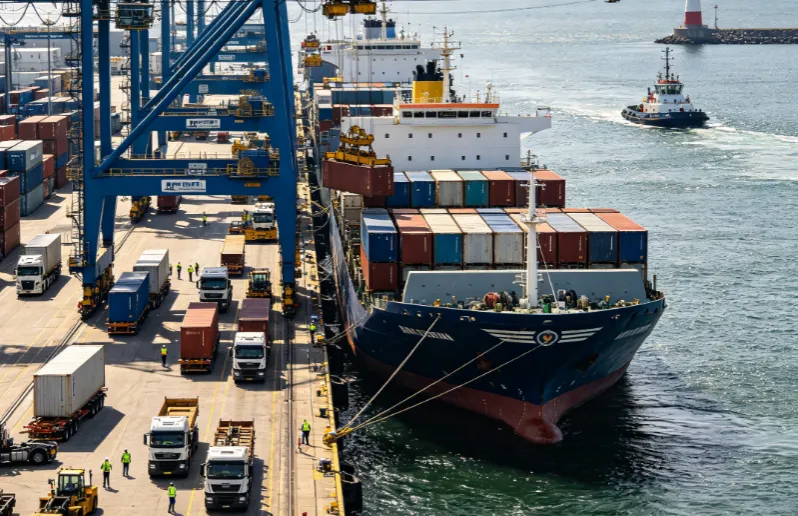
What Is DDP Shipping? Understanding Delivered Duty Paid in the Taiwan–Canada Context
Under Incoterms 2020, Delivered Duty Paid (DDP) represents the maximum obligation a seller can assume in an international transaction. The seller — or, more commonly in practice, the freight forwarder acting on the seller’s behalf — bears all costs and risks from the moment goods leave the factory in Taiwan until they arrive at the buyer’s specified address in Canada. This includes export customs clearance in Taiwan, international transportation (whether by sea, air, or courier), import customs clearance with the Canada Border Services Agency, payment of all applicable customs duties and taxes, and final-mile delivery to the destination door.
To put this in perspective, it is helpful to contrast DDP with its close cousin Delivered at Place (DAP) — the term that replaced the older Delivered Duty Unpaid (DDU) in Incoterms 2020:
| Responsibility | DDP (Delivered Duty Paid) | DAP (Delivered at Place) |
|---|---|---|
| Taiwan export customs clearance | ✅ Seller / Freight Forwarder | ✅ Seller / Freight Forwarder |
| International freight (sea/air) | ✅ Seller / Freight Forwarder | ✅ Seller / Freight Forwarder |
| Canada import customs clearance | ✅ Seller / Freight Forwarder | ❌ Buyer (or buyer’s broker) |
| Canada customs duties & taxes (GST/HST) | ✅ Seller / Freight Forwarder | ❌ Buyer |
| Final delivery to destination | ✅ Seller / Freight Forwarder | ✅ Seller / Freight Forwarder |
| Risk transfer point | At buyer’s door in Canada | At named place in Canada (before clearance) |
What makes the Taiwan–Canada DDP lane unique, compared to the far more commonly discussed shipping from China to Canada route, comes down to Taiwan’s distinct legal and administrative framework. Taiwan operates as a separate customs territory with its own export documentation system overseen by the Bureau of Foreign Trade (BOFT). The Certificate of Origin issued for Taiwanese goods is distinct from that issued in mainland China — a detail that matters for Canadian importers whose supply chains require precise country-of-origin documentation for compliance, labeling, or preferential treatment under specific buyer contracts.
There is also the Non-Resident Importer (NRI) mechanism on the Canadian side. Under DDP, the Taiwan-based seller (or the freight forwarder representing them) must act as the importer of record in Canada. This requires obtaining a Business Number (BN) and an import-export account from the Canada Revenue Agency (CRA). A competent DDP freight forwarder handles this registration on your behalf — you, as the Canadian buyer, simply receive the goods. For a deeper look at how DDP compares to alternatives like FOB (Free on Board), CIF (Cost, Insurance and Freight), or EXW (Ex Works) specifically on this lane, jump to the dedicated comparison section later in this guide.
DDP Shipping Methods from Taiwan to Canada: Sea Freight, Air Freight & Express Compared
Your choice of shipping mode under DDP affects three things above all: cost, speed, and what kinds of products you can practically ship. The table below is built from real operational data on the Taiwan–Canada corridor — none of the generic estimates you find on untargeted logistics pages.
| Shipping Method | Origin Points | Destination Ports / Hubs | DDP Door-to-Door Transit Time | Best For | Cost Level |
|---|---|---|---|---|---|
| Sea Freight FCL (Full Container Load) | Kaohsiung (KHH), Keelung (KEL), Taichung (TXG) | Vancouver, Toronto, Montreal | 25–40 days | Bulk cargo, machinery, 15+ CBM | $–$$ |
| Sea Freight LCL (Less than Container Load) | Kaohsiung (KHH), Keelung (KEL), Taichung (TXG) | Vancouver, Toronto, Montreal | 28–45 days | Commercial shipments under 15 CBM | $ |
| Air Freight | Taiwan Taoyuan International (TPE) | YVR (Vancouver), YYZ (Toronto), YUL (Montreal) | 5–10 days | Electronics, semiconductors, time-sensitive cargo | $$$ |
| Express Courier (DHL/FedEx/UPS) | TPE | Any Canadian address | 3–7 days | Samples, small parcels, urgent orders | $$$$ |
Sea Freight DDP: FCL and LCL
FCL (Full Container Load) means you rent an entire container — typically a 20-foot General Purpose (20’GP, holds roughly 28 CBM or 10 standard pallets) or a 40-foot High Cube (40’HQ, holds roughly 68 CBM). If your shipment consistently fills at least half a 20-foot container, FCL almost always delivers a lower cost per unit than LCL. Kaohsiung — Taiwan’s largest port and one of the top 15 container ports globally — handles the majority of heavy industrial exports, while Keelung serves the greater Taipei area’s electronics and manufacturing sector, and Taichung anchors central Taiwan’s precision machinery and bicycle industry cluster. Choosing the departure port closest to your supplier can shave days off inland transit and reduce trucking costs inside Taiwan.
LCL (Less than Container Load) is the go-to for smaller commercial volumes. Your cargo shares a container with other shippers’ goods heading to the same Canadian port, and you pay only for the cubic meters (CBM) you occupy — typically in the range of $65 to $110 USD per CBM on a DDP basis from Kaohsiung or Keelung to Toronto, inclusive of all customs clearance, duties, taxes, and delivery. The trade-off is roughly 3 to 10 extra transit days versus FCL, mainly for consolidation and deconsolidation at both ends. For a detailed breakdown of sea freight options on this lane, see our guide to sea freight from Taiwan to Canada. LCL is the sweet spot for importers testing a new product line, shipping samples in commercial quantities, or managing inventory replenishment on a just-in-time schedule without committing to a full container.
Air Freight DDP and Express Courier
For Taiwan’s flagship exports — semiconductors, electronic components, computer hardware, and high-value precision instruments — air freight DDP is the default professional choice. Taiwan Taoyuan International Airport (TPE) is one of the busiest air cargo hubs in Asia, with exceptionally strong capacity on trans-Pacific routes thanks to the sheer volume of tech exports. For a comprehensive overview of air cargo options on this corridor, check out our dedicated air freight from Taiwan to Canada guide. DDP air freight from TPE to Vancouver, Toronto, or Montreal typically runs 5 to 10 days door-to-door once you account for export handling, flight consolidation, customs clearance, and final delivery.
One nuance worth understanding: air freight is charged by chargeable weight, which is the greater of actual gross weight and volumetric weight (length × width × height in cm ÷ 6,000). If you are shipping lightweight but bulky items — think foam packaging materials or large plastic housings — your chargeable weight may significantly exceed your actual weight, pushing the effective per-kg cost far above the headline rate.
Express courier DDP via DHL, FedEx, or UPS is the fastest option at 3 to 7 days door-to-door, and it works well for samples, prototypes, urgent spare parts, or small parcels under roughly 50 kg. All three carriers offer DDP billing, meaning they pay Canadian duties and taxes upfront and invoice the shipper — no surprise bills for the receiver. For express courier rate benchmarks on the broader Asia–Canada corridor, see our guide on how much DHL shipping costs from China to Canada.
Quick Decision Guide
- Your shipment is over 15 CBM or weighs more than 2,000 kg? Go with FCL sea freight DDP.
- Your shipment is 2–15 CBM, you care about budget more than speed? LCL sea freight DDP.
- Your cargo is high-value electronics, semiconductors, or time-sensitive production parts? Air freight DDP from TPE.
- You are sending samples, prototypes, or a last-minute small order under 50 kg? Express courier DDP.
DDP Shipping Costs from Taiwan to Canada: A Complete Breakdown
Understanding exactly what goes into a DDP quote is the difference between a predictable, stress-free import and an invoice full of surprises. A legitimate, transparent DDP freight forwarder will welcome a line-by-line breakdown. (For the latest rate benchmarks on this specific lane, visit our shipping cost from Taiwan to Canada page.) Here is what each component actually covers, drawn from real Taiwan–Canada operational experience:
The Four-Layer DDP Cost Structure
Layer 1 — Taiwan Export Costs:
- Pickup trucking from the supplier’s factory to the port or airport
- Export customs brokerage and documentation fees
- Terminal Handling Charges (THC) at the port of loading
- Bill of Lading (B/L) issuance fee (for sea) or Airway Bill (AWB) fee (for air)
- Certificate of Origin issuance (via BOFT-authorized bodies)
Layer 2 — International Freight:
- Base ocean freight rate (for sea) or base air freight rate (for air)
- Bunker Adjustment Factor (BAF) — fuel surcharge that fluctuates with global oil prices
- Peak Season Surcharge (PSS) — applied when capacity tightens, typically Q3–Q4
- Security surcharges (ISPS for sea, security fee for air)
Layer 3 — Canada Import Costs:
- Destination Terminal Handling Charges at Vancouver, Toronto, or Montreal
- Customs brokerage fee — the licensed Canadian customs broker’s professional fee
- Customs Duty — calculated on the transaction value, based on the product’s HS Code and Canada’s MFN tariff schedule (Taiwan is not a USMCA or CETA beneficiary, so MFN rates apply)
- Goods and Services Tax (GST) — 5% on the duty-paid value of imported goods
- Provincial Sales Tax (PST) or Harmonized Sales Tax (HST) — varies by destination province
Layer 4 — Insurance and Final Delivery:
- Cargo insurance — typically 0.1% to 0.5% of the declared cargo value
- Final-mile trucking from the port or airport to the buyer’s door
Taiwan to Canada DDP Reference Rates
The table below provides indicative all-in DDP rate ranges based on actual operational data for this lane. These are not live quotes — rates fluctuate weekly with fuel, capacity, and seasonal demand — but they give you a realistic budgeting baseline that no competing guide provides:
| Origin | Destination | Mode | DDP Reference Rate (USD) | Notes |
|---|---|---|---|---|
| Kaohsiung → Vancouver | 20’GP FCL | Sea DDP | $2,800–$3,500 | All-in, duty + GST included |
| Kaohsiung → Toronto | 40’HQ FCL | Sea DDP | $3,600–$4,800 | All-in, duty + HST included |
| Kaohsiung / Keelung → Toronto | Per CBM | LCL Sea DDP | $65–$110/CBM | Volume-tiered pricing |
| Taichung → Vancouver | Per CBM | LCL Sea DDP | $55–$95/CBM | Slightly lower for West Coast |
| TPE → YVR | Per kg (>100 kg) | Air DDP | $4.50–$7.00/kg | Electronics lane, strong capacity |
| TPE → YYZ | Per kg (>100 kg) | Air DDP | $5.00–$8.00/kg | Including fuel surcharge |
Worked Cost Example: Electronics Shipment from Taipei to Toronto
Let us walk through a realistic DDP cost calculation so you can see exactly how the numbers come together:
Scenario: A Canadian importer purchases $15,000 USD worth of computer components (HS Code 8473.30) from a supplier in Taipei. The shipment weighs 120 kg and occupies 0.8 CBM. The buyer is in Toronto, Ontario (13% HST applies). The shipment goes via air freight DDP.
| Cost Component | Calculation | Amount (USD) |
|---|---|---|
| Taiwan pickup + export documentation | Flat fee for this volume | $150 |
| Air freight TPE → YYZ (chargeable: 140 kg) | 140 kg × $6.00/kg (mid-range rate) | $840 |
| Fuel surcharge + security fee | Included in the above rate | — |
| Canada customs brokerage | Standard entry fee | $95 |
| Customs duty (HS 8473.30 — ITA, 0%) | $15,000 × 0% | $0 |
| GST (5% on duty-paid value) | ($15,000 + $0) × 5% = $750 CAD | ~$545 USD |
| Ontario HST provincial portion (8%) | On the same base | Included in HST above |
| Cargo insurance (0.3% of $15,000) | $15,000 × 0.3% | $45 |
| Final delivery to Toronto address | Local trucking | $120 |
| Total DDP (all-in) | ~$1,795 USD |
The buyer pays one amount, the freight forwarder handles everything — no separate brokerage invoice, no customs delay, no tax bill arriving weeks later. That is the core value proposition of DDP.
How to Lower Your Taiwan→Canada DDP Shipping Costs
- Consolidate shipments — combining multiple smaller orders into one larger LCL or FCL shipment reduces per-unit cost.
- Ship during off-peak periods — ocean freight rates spike in Q3 (back-to-school and holiday season buildup). Shipping January–March or September–October often yields better rates.
- Choose the right port pair — Vancouver is generally the cheapest Canadian gateway for Taiwan-origin sea freight due to shorter transit and lower inland costs. If your cargo is destined for Ontario or Quebec, compare Vancouver-entry-plus-rail versus direct Montreal/Toronto ocean service.
- Optimize packaging — reducing wasted space lowers CBM for LCL shipments and chargeable weight for air freight. Every cubic meter or chargeable kilogram saved directly reduces DDP cost.
- Build a long-term relationship with your freight forwarder — regular volume earns preferential rates, priority space allocation during peak season, and more flexible payment terms.
Hidden Cost Warning: What to Verify Before You Book
Not every “all-inclusive DDP” quote is genuinely all-inclusive. Before confirming a shipment, ask your freight forwarder to confirm in writing that the following are included in the quoted price:
- Destination Terminal Handling Charges (DTHC)
- Customs examination fees (if CBSA selects your container for inspection — rare, but it happens)
- Demurrage (port storage fees if the container is not picked up within the free time window) and Detention (carrier fees for holding the container beyond the allowed period)
- Residential delivery surcharge (if the destination is a home address rather than a commercial warehouse)
- Remote area surcharge (if the delivery address is outside major metropolitan zones)
A professional, transparent freight forwarder will either include these in their base quote or clearly flag them as potential extras before you book. If a quote seems dramatically lower than the reference ranges above, it is almost certainly excluding one or more of these items — the “cheap” option often becomes the most expensive one once the hidden charges surface.
Taiwan Export Process for DDP Shipments: Ports, Documents & Requirements
One of the most overlooked aspects of Taiwan–Canada DDP shipping is the Taiwan export side itself. Most logistics content lumps Taiwan together with China, but the two operate under entirely separate customs regimes. For importers who need the full door-to-door experience — from supplier pickup in Taiwan through to final delivery in Canada — our door to door shipping from Taiwan to Canada guide covers every step in detail. Here is what you — and your freight forwarder — need to know about the Taiwan-specific export process.
Taiwan’s Key Gateways for DDP Shipments
| Facility | Code | Location | Specialty |
|---|---|---|---|
| Port of Kaohsiung | KHH | Southern Taiwan | Taiwan’s largest container port, top 15 globally. Primary export hub for steel, petrochemicals, heavy machinery, and bulk industrial goods. |
| Port of Keelung | KEL | Northern Taiwan (near Taipei) | Closest port to Taipei’s tech manufacturing corridor. Ideal for electronics, computer hardware, and consumer goods from northern Taiwan. |
| Port of Taichung | TXG | Central Taiwan | Serves Taiwan’s precision machinery, bicycle, and auto parts industries. Closer to central industrial parks — avoids north-south highway trucking. |
| Taoyuan International Airport | TPE | Northern Taiwan (near Taipei) | Taiwan’s primary international air cargo gateway. Handles the vast majority of semiconductor and high-tech component exports. |
The choice of origin port directly impacts both cost and lead time. A shipment from a Taichung-based machine tool factory routed through Keelung (instead of nearby Taichung Port) adds roughly 3–4 hours and $200–$400 in unnecessary trucking. Your freight forwarder should proactively recommend the optimal origin based on your supplier’s actual location — not default to whatever port they happen to use most.
Taiwan Export Documentation Checklist
DDP shipments from Taiwan require the following documents. Your freight forwarder or the supplier’s designated customs broker prepares most of these, but it is worth knowing what each one is:
- Commercial Invoice — Issued by the Taiwan supplier. Must accurately declare the transaction value (the basis for Canadian duty calculation), detailed product description, HS code, quantity, and Incoterm (DDP in this case).
- Packing List — Details each package’s dimensions, weight, and contents. Critical for LCL consolidation planning and customs inspection readiness.
- Certificate of Origin — Issued by the Bureau of Foreign Trade (BOFT) or its authorized issuing bodies (such as the Taiwan Chamber of Commerce). Proves that the goods originate from Taiwan. While Canada does not currently grant tariff preferences to Taiwan-origin goods under any free trade agreement, the Certificate of Origin is still required for many commercial transactions — particularly if your buyer contract specifies it or if the goods may be re-exported.
- Export Declaration Form — Submitted electronically to Taiwan Customs by the licensed customs broker. This clears the goods for export and generates the export record.
- Bill of Lading (B/L) or Airway Bill (AWB) — The transport document issued by the ocean carrier or airline. Under DDP, the freight forwarder typically arranges this as part of the consolidated service.
- Additional product-specific documents — Wood packaging material requires a Fumigation Certificate (ISPM 15 compliance). Chemical products need a Safety Data Sheet (SDS). Electronic goods may require CE or FCC certification documentation depending on end-use.
Taiwan vs. Mainland China Export: Why the Distinction Matters
If your existing freight forwarder primarily handles China-origin cargo, do not assume they can seamlessly manage Taiwan shipments. Key differences include:
- Separate customs declaration systems — Taiwan’s export system is entirely independent from China’s. A customs broker licensed in Shenzhen or Shanghai cannot directly file exports in Kaohsiung or Keelung.
- Different Certificate of Origin authorities — Taiwan’s CO is issued by BOFT, not CCPIT (China Council for the Promotion of International Trade). Canadian importers who require proof of non-China origin for compliance or contractual reasons must get this right.
- ECFA implications — While the Economic Cooperation Framework Agreement (ECFA) between Taiwan and China does not directly affect Canada-bound shipments, it can matter for goods that transit through mainland China en route to Canada (e.g., Taiwan → Xiamen feeder → ocean vessel to Vancouver). A knowledgeable DDP freight forwarder understands these routing nuances.
Canada Import Customs, Taxes & CARM Under DDP (2026 Update)
The Canadian side of a DDP shipment is where the heavy lifting happens — and where 2026 brings a regulatory change every importer needs to be aware of. (For a complete walkthrough of the import process into Canada covering all modes and incoterms, see our how to ship from China to Canada step-by-step guide — the customs and CARM procedures apply equally whether your goods originate from Taiwan or China.)
CARM: Canada’s New Customs System for 2026
CARM — the CBSA Assessment and Revenue Management system — is the Canada Border Services Agency’s fully digital customs platform that became mandatory for all commercial importers in 2026. If you import goods into Canada, you (or your designated customs broker / freight forwarder) must be registered on the CARM Client Portal. This is not optional. Key CARM changes relevant to DDP shipments:
- All commercial import declarations must be filed and paid through CARM
- Importers must post their own financial security (a bond) directly with CBSA — previously, customs brokers typically posted this on the importer’s behalf
- Duties and taxes are assessed and collected electronically at the time of release
- Late payment penalties and interest accrue automatically
How this affects your Taiwan DDP shipments: A competent DDP freight forwarder on this lane should already be CARM-registered and capable of acting as the Non-Resident Importer (NRI) importer of record on your behalf. This means they handle the CARM portal filings, post the required security, and ensure your goods clear without delay. Before engaging a freight forwarder for Taiwan-to-Canada DDP, ask directly: “Are you registered on the CARM portal and can you act as the NRI importer of record for our shipments?”
NRI (Non-Resident Importer): How It Works Under DDP
Under DDP terms, the Taiwan-based seller — or, more practically, the freight forwarder — needs to be recognized by CBSA as the importer of record in Canada. Because the seller is not a Canadian resident entity, they (or their forwarder) must register as an NRI:
- Obtain a Business Number (BN) from the Canada Revenue Agency
- Open an import-export account (RM account) linked to that BN
- Register on the CARM Client Portal and post the required financial security
- File import declarations and remit duties and taxes through CARM for each DDP shipment
The NRI registrant bears full legal responsibility for accurate customs declarations, correct HS code classification, proper valuation, and timely payment of all duties and taxes. A reliable DDP freight forwarder takes this entire burden off the Canadian buyer’s shoulders. You, as the buyer, simply receive your goods.
Canada Import Taxes: GST, HST, PST, and Duty by Province
What you pay on the Canadian side under DDP depends on two things: the product’s HS Code (which determines the customs duty rate) and the destination province (which determines the sales tax rate). Here is a summary of the tax landscape for Taiwan-origin DDP imports:
| Destination Province | Sales Tax Applied | Combined Rate | Notes |
|---|---|---|---|
| Ontario | 13% HST | 13% | 5% federal + 8% provincial |
| British Columbia | 5% GST + 7% PST | 12% | PST applied separately |
| Quebec | 5% GST + 9.975% QST | 14.975% | QST calculated on GST-inclusive value |
| Alberta | 5% GST only | 5% | No provincial sales tax |
| Manitoba | 5% GST + 7% RST | 12% | — |
| Saskatchewan | 5% GST + 6% PST | 11% | — |
| Nova Scotia | 15% HST | 15% | Highest combined rate |
| New Brunswick | 15% HST | 15% | — |
| Newfoundland & Labrador | 15% HST | 15% | — |
Taiwan is not a beneficiary of any Canadian preferential tariff arrangement (unlike USMCA partners, CETA countries, or CPTPP members). As a result, all Taiwan-origin goods are assessed at Most-Favored-Nation (MFN) duty rates under Canada’s Customs Tariff. MFN rates vary significantly by product — ITA-covered electronics and semiconductors are typically 0%, while textiles and apparel can range from 0% to 18%. Your freight forwarder should provide a duty estimate before shipment based on the specific HS Code.
Worked Tax Example: Machinery Parts from Kaohsiung to Ontario
A shipment of Taiwanese machine tool parts (HS 8466.10, MFN duty rate approximately 3%) valued at $10,000 USD is imported under DDP to a buyer in Mississauga, Ontario.
| Line Item | Calculation | Amount (CAD equivalent) |
|---|---|---|
| Customs value | $10,000 USD → ~$13,700 CAD | $13,700.00 |
| Customs duty (MFN 3%) | $13,700 × 3% | $411.00 |
| HST (Ontario 13%) | ($13,700 + $411) × 13% | $1,834.43 |
| Total duties and taxes | $2,245.43 CAD |
Under DDP, the freight forwarder pays this $2,245.43 directly to CBSA through the CARM portal. The buyer receives one all-in DDP invoice — no separate remittance, no delay at the border.
De Minimis Thresholds
Canada’s de minimis thresholds are worth knowing for smaller shipments:
- Shipments valued at CA$20 or less — duty-free and tax-free
- Shipments valued at CA$3,300 or less — may qualify for Low Value Shipment (LVS) streamlined clearance (faster processing, simplified documentation)
- Shipments above CA$3,300 — require full formal entry with complete commercial documentation
Special Commodity Requirements
Certain product categories require additional permits or inspections from agencies beyond CBSA. The Canadian Food Inspection Agency (CFIA) regulates food, plants, and animal products. Health Canada oversees medical devices, pharmaceuticals, and cosmetics. If your Taiwan-sourced goods fall into any of these categories, ensure your DDP freight forwarder has experience handling regulated commodities — a generic forwarder without CFIA or Health Canada clearance experience can cause costly delays.
DDP vs Other Incoterms for Taiwan to Canada
DDP is not always the right answer. The best Incoterm depends on your specific situation — your experience with Canadian customs, your relationship with the supplier, your cash flow tolerance, and the nature of your cargo. For a broader comparison of shipping terms across different trade lanes, see our guide on which shipping term is best for your business. Here is a clear, side-by-side comparison of the five Incoterms most relevant to Taiwan–Canada trade:
| Incoterm | Taiwan Export Clearance | International Freight | Insurance | Canada Import Clearance | Canada Duties & Taxes | Final Delivery | Best For |
|---|---|---|---|---|---|---|---|
| EXW (Ex Works) | Buyer | Buyer | Buyer | Buyer | Buyer | Buyer | Buyers with their own Taiwan pickup and a Canadian customs broker in place |
| FOB (Free on Board) | Seller | Buyer | Buyer | Buyer | Buyer | Buyer | Buyers who want control over ocean freight routing and have a Canadian broker. See our FOB shipping from China to Canada guide for how FOB works on the broader Asia–Canada lane. |
| CIF (Cost, Insurance & Freight) | Seller | Seller | Seller | Buyer | Buyer | Buyer | Buyers who want insurance coverage built into the freight contract |
| DAP (Delivered at Place) | Seller | Seller | Seller | Buyer | Buyer | Seller | Buyers who can handle Canadian customs themselves but want door delivery |
| DDP (Delivered Duty Paid) ✅ | Seller | Seller | Seller | Seller | Seller | Seller | Buyers who want a single, predictable cost and zero customs involvement |
Cost Scenario: Same Shipment, Five Different Incoterms
To make this tangible, let us price the same shipment — $15,000 USD of electronic components, 2 CBM, 200 kg gross weight, from a supplier in Kaohsiung to a warehouse in Vancouver, BC (12% combined GST + PST) — under all five Incoterms, from the buyer’s perspective (total out-of-pocket):
| Incoterm | Buyer Pays Supplier | Buyer Pays Freight/Insurance | Buyer Pays Canada Duties & Taxes | Buyer Pays Brokerage & Delivery | Total Buyer Cost (USD est.) | Hassle Level |
|---|---|---|---|---|---|---|
| EXW | $15,000 | $1,650 | $1,020 | $280 | ~$17,950 | High |
| FOB | $15,200 | $1,300 | $1,020 | $280 | ~$17,800 | Medium-High |
| CIF | $15,420 | $0 (included) | $1,020 | $280 | ~$16,720 | Medium |
| DAP | $16,250 | $0 (included) | $1,020 | $0 (included) | ~$17,270 | Low-Medium |
| DDP ✅ | $17,050 | $0 (included) | $0 (included) | $0 (included) | ~$17,050 | None |
What this table reveals is important: DDP is not necessarily the cheapest option at the invoice level — CIF comes in slightly lower because the buyer handles brokerage and taxes separately — but DDP is the most predictable and the lowest effort. You pay one fixed amount upfront and never hear from CBSA, a customs broker, a trucking company, or a tax assessor. For many Canadian importers, that certainty is worth a modest premium.
When DDP Is the Clear Winner
- You are a first-time importer from Taiwan and do not have a Canadian customs broker relationship
- Your business model relies on predictable landed cost for pricing and margin calculations
- You are shipping high-value goods where customs delays or clearance errors could be costly
- You are an e-commerce seller drop-shipping Taiwan-sourced products to Canadian consumers
- You want to minimize your operational overhead — one contact, one invoice, one point of accountability
When You Might Consider an Alternative
- You already have an established, cost-effective relationship with a Canadian customs broker and are comfortable managing the import clearance process yourself
- The Taiwan supplier insists on managing the export side but does not want to take on Canadian import liability — DAP may be a better middle ground
- Your goods are subject to complex trade remedies (anti-dumping or countervailing duties), and you need direct visibility into CBSA duty assessments rather than relying on a forwarder’s estimate
- Cash flow is a primary consideration — EXW vs FOB keeps the supplier invoice lower since you pay freight, insurance, and duties on your own timeline. For other DDP lanes out of Taiwan, see our guides on DDP shipping from Taiwan to USA and DDP shipping from Taiwan to Mexico.
Product-Specific DDP Shipping Guide: Electronics, Machinery & Taiwan’s Key Exports
Taiwan’s export economy is uniquely concentrated in a few high-value, high-tech sectors. Your product category directly affects which DDP shipping method makes sense, what tariff rate to expect, and what special handling is required. The matrix below is built specifically for Taiwan→Canada DDP shipments:
| Product Category | Recommended DDP Method | Typical HS Code Range | Canada MFN Duty | Key Considerations |
|---|---|---|---|---|
| Electronics & Semiconductors | Air DDP | 8473, 8541, 8542 | 0% (most ITA-covered) | ESD-protective packaging; temperature-controlled air freight; full-value insurance essential |
| Computer Hardware & Components | Air DDP or Express | 8471, 8473.30 | 0% (ITA) | High value-to-weight ratio favors air; TPE has excellent capacity on this lane |
| Machinery & Machine Tools | Sea FCL/LCL DDP | 8457–8465, 8466 | 0–6.5% MFN | Heavy — plan for container weight limits; wood crating must meet ISPM 15 (fumigation) |
| Auto Parts & Accessories | Sea LCL DDP | 8708 | 0–6% | Not eligible for USMCA preference; Taiwan origin must be clearly documented |
| Bicycles & Components | Sea LCL DDP | 8712, 8714 | 0–13% | Central Taiwan (Taichung) is a global bicycle manufacturing hub — ship from nearby Taichung Port |
| Textiles & Apparel | Sea LCL DDP | 61, 62, 63 | 0–18% | High duty rates possible — precise HS classification is critical; Canada labeling compliance required |
| Solar Panels | Sea FCL DDP | 8541.43 | 0% | Potential anti-dumping/countervailing duty risk — verify with forwarder before shipping |
| Plastics & Molded Products | Sea LCL DDP | 39 (various) | 0–6.5% | Lightweight but bulky — chargeable volume may exceed actual weight; optimize packaging |
HS Code Classification Matters
For Taiwan-origin exports, the first six digits of the HS Code are internationally harmonized — they are the same whether you are filing in Taipei or Toronto. However, Canada assesses duties and taxes based on the full 10-digit Canadian tariff classification. A product classified as HS 8541.10.00.00 (diodes) in Taiwan may map to a slightly different subheading in the Canadian Customs Tariff. A competent DDP freight forwarder will pre-classify your goods under the correct Canadian 10-digit code and provide a duty estimate before shipment. Never guess at an HS code — an incorrect classification can mean underpaid duties (triggering penalties and interest) or overpaid duties (eating into your margin).
Packaging Recommendations by Product Type
- Electronics and semiconductors: Anti-static (ESD) packaging, moisture-barrier bags, desiccant packs. Temperature-controlled containers for sensitive components during summer trans-Pacific transit.
- Heavy machinery parts: ISPM 15-compliant heat-treated wood crating. Ensure weight distribution is even — a 2,000 kg machine base on one side of an LCL container can shift during ocean transit.
- Textiles and apparel: Poly-bag each garment individually to protect against moisture. Carton labeling should match the commercial invoice exactly to speed customs inspection.
- Lithium battery-containing products: UN38.3 test certification required. Air freight has strict watt-hour and quantity limits — sea freight is often the safer option for bulk battery shipments. For detailed guidance on compliance and carrier requirements, see our dedicated shipping batteries from China to Canada guide, which covers regulations applicable to all Asian-origin lithium battery exports.
How to Choose a Reliable DDP Freight Forwarder for Taiwan to Canada Shipments
The quality of your DDP experience depends almost entirely on the quality of your freight forwarder. A great forwarder makes Taiwan-to-Canada DDP effortless; a mediocre one turns it into a nightmare of hidden costs, missed deliveries, and customs problems. Here is a practical evaluation framework built from 15 years on this exact trade lane.
Seven Standards for a Qualified Taiwan→Canada DDP Freight Forwarder
1. On-the-ground Taiwan presence. Does the forwarder have its own office, warehouse, or proven agent network in Taiwan? Can they dispatch a truck to your supplier’s factory in Kaohsiung, Taichung, Hsinchu, or Taipei within 24 hours? A forwarder that subcontracts Taiwan pickup to a third party they have never met adds an unnecessary layer of risk to your shipment.
2. CBSA-licensed customs brokerage and NRI capability. The forwarder must hold a valid customs brokerage license recognized by the Canada Border Services Agency and be registered as a Non-Resident Importer with a BN and CARM portal access. Ask for their NRI business number and confirm it is active on the CARM portal. If they hesitate to provide this, walk away.
3. Genuine end-to-end service. Many companies advertise “door-to-door DDP” but actually only handle the origin-to-port segment, then hand off to a relay agent at the destination port — who then hands off to a local trucking company for final delivery. When there are three or four parties in the chain, accountability evaporates. The best Taiwan–Canada DDP forwarders control the entire chain directly, from Taiwan pickup through to Canadian delivery.
4. Transparent, line-by-line quoting. If the quote says “All-in DDP: $X,XXX” without a breakdown, treat it as a red flag. A professional forwarder provides a detailed quote showing pickup, export fees, ocean/air freight, BAF, destination THC, customs brokerage, estimated duty, estimated GST/HST, insurance, and final delivery — each as a separate line item.
5. FIATA or IATA certification. The International Federation of Freight Forwarders Associations (FIATA) and the International Air Transport Association (IATA) are the two globally recognized professional bodies for freight forwarding. FIATA certification signals competency in multimodal freight forwarding; IATA certification is specifically required for air cargo agents. These certifications are not marketing stickers — they require audited operational standards, financial stability, and professional training.
6. Taiwan–Americas lane specialization. A forwarder that “ships everywhere” is a generalist. A forwarder that specializes in Taiwan, China, and Vietnam to the Americas runs dedicated consolidated containers on this lane, has relationship-based contracts with trans-Pacific carriers, and knows the specific customs nuances at both ends. Route specialization directly translates to better rates, faster transit, and fewer errors.
7. Verifiable customer track record. Ask for references or case studies specific to Taiwan-to-Canada DDP shipments. A forwarder who has successfully moved electronics from Hsinchu to Toronto, machinery from Taichung to Vancouver, or textiles from Taipei to Montreal should be able to describe those shipments in concrete terms — cargo type, volume, transit time, challenges resolved.
Five Questions to Ask Before Booking
Before you commit to a freight forwarder for your next DDP shipment, get clear answers to these five questions:
- “Can you handle DDP shipments from Kaohsiung, Keelung, and Taichung specifically — and do you have boots on the ground at these ports?”
- “Are you registered with CBSA as an NRI importer of record, and can you provide your CARM portal registration details?”
- “Can you give me a line-by-line DDP quote showing every cost component — pickup, export fees, freight, BAF, THC, brokerage, estimated duty, estimated GST/HST, insurance, and delivery?”
- “If CBSA examines our container or reassesses the duty classification, who bears the additional cost — is it included in your quote or billed separately?”
- “What are your transit time guarantees and insurance coverage options for the Taiwan–Canada lane?”
Red Flags to Avoid
- ❌ Vague “all-inclusive” pricing with no line-item detail — this almost always means important costs are excluded.
- ❌ No Canadian customs brokerage license — if they rely entirely on third-party relay brokers, you lose control and visibility at the most critical stage.
- ❌ No knowledge of CARM 2026 — if the forwarder cannot explain what CARM is or confirms they are registered, they are not equipped to handle Canadian imports in 2026.
- ❌ No Taiwan-specific case studies or references — general logistics experience does not equal Taiwan–Canada DDP expertise.
- ❌ Price significantly below market — if an LCL DDP quote from Kaohsiung to Toronto comes in at $35/CBM when the market range is $65–$110, you are either being quoted port-to-port (not true DDP) or major cost items are being withheld.
Dantful.US International Logistics was built specifically for this lane. With over 15 years of hands-on experience moving cargo from Taiwan, China, and Vietnam to the Americas, FIATA and IATA dual certification, direct carrier contracts that translate to competitive rates, and a dedicated account manager model that ensures you deal with one knowledgeable professional — not a call center — Dantful.US meets every standard outlined in this section. If you are ready to ship from Taiwan to Canada under DDP terms with a freight forwarder that actually specializes in this route, reach out for a transparent, line-by-line quote.
FAQs
How long does DDP shipping take from Taiwan to Canada?
Sea freight DDP from Taiwan to Canada takes 25 to 45 days door-to-door, depending on the port pair (Vancouver is fastest at 25–35 days; Toronto and Montreal add 5–10 days for inland rail or trucking) and whether you ship FCL or LCL. For a dedicated breakdown of transit times across all shipping modes, see our shipping time from Taiwan to Canada guide. Air freight DDP from TPE to major Canadian airports takes 5 to 10 days door-to-door. Express courier DDP via DHL, FedEx, or UPS takes 3 to 7 days.
How much does DDP shipping from Taiwan to Canada cost?
Sea freight LCL DDP typically ranges from $65 to $110 USD per cubic meter, depending on volume and destination. Sea freight FCL DDP for a 20-foot container runs approximately $2,800 to $3,500 USD to Vancouver and $3,600 to $4,800 USD to Toronto or Montreal. (For broader container rate context, see our guide on how much to ship a container from China to Canada.) Air freight DDP from TPE to Canada runs $4.50 to $8.00 USD per kilogram, depending on weight and destination. All DDP rates include pickup, export/import clearance, international freight, duties, GST/HST, and final delivery.
What is the difference between DDP and DAP (formerly DDU) shipping from Taiwan to Canada?
DDP includes everything: the seller or freight forwarder handles Canadian import customs clearance, pays all duties and taxes (GST/HST), and delivers to the buyer’s door. Under DAP (Delivered at Place, which replaced DDU in Incoterms 2020), the seller handles international freight and delivery, but the buyer is responsible for Canadian customs clearance and paying duties and taxes. DDP is more convenient for the buyer; DAP gives the buyer more control over the customs process.
What are the import duties and taxes when shipping from Taiwan to Canada?
Taiwan is not a beneficiary of any Canadian free trade agreement, so Most-Favored-Nation (MFN) tariff rates apply. Duty rates vary by product HS code: electronics and semiconductors are typically 0% under the Information Technology Agreement (ITA); machinery parts range from 0 to 6.5%; textiles and apparel can range from 0 to 18%. On top of duty, Canada charges 5% federal GST plus provincial sales tax (varies from 5% in Alberta to 15% HST in Atlantic provinces). DDP shipping includes all of these in the quoted price.
What documents are required for DDP shipping from Taiwan to Canada?
A complete DDP shipment requires: Commercial Invoice (from the Taiwan supplier), Packing List, Taiwan Certificate of Origin (issued by BOFT or an authorized chamber), Export Declaration Form (filed with Taiwan Customs), Bill of Lading (sea freight) or Airway Bill (air freight), Canada Customs Invoice (CCI), and the CBSA import declaration (filed electronically via CARM). Additional product-specific documents (fumigation certificates, safety data sheets, permits) may apply depending on the cargo type.
Leave a reply