

Are you wondering how long sea shipping takes from China to Mexico and what factors impact your transit times? Understanding the complexities of ocean freight, from average durations and shipping routes to customs clearance, is essential for efficient logistics. In this comprehensive guide, we’ll break down the typical shipping timelines, key influences on delivery speed, and practical tips to streamline your sea freight process from China to Mexico.
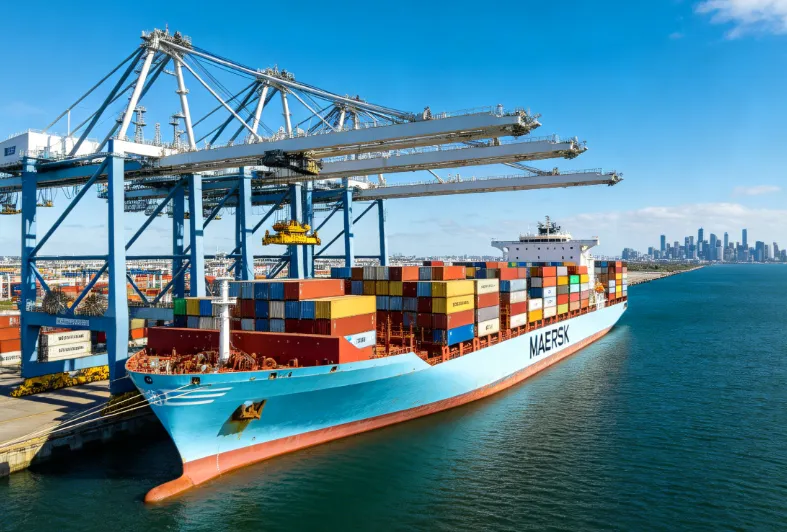
How Long Does Sea Shipping Take from China to Mexico?
When shipping by sea freight from China to Mexico, transit times vary depending on several key factors, such as the specific ports used, type of shipping service, and overall logistics arrangements. On average, direct ocean freight shipments between major Chinese ports and leading Mexican ports range from approximately 22 to 35 days. This range covers Full Container Load (FCL) and Less than Container Load (LCL) services, both of which are standard offerings at Dantful.US International Logistics.
Understanding typical shipping times is essential for effective supply chain planning, inventory management, and meeting market demands. By analyzing port-to-port data and real-world shipment records, we can provide a credible reference for anyone involved in cross-border trade.
Related reading: Shipping from China to Mexico
Average Shipping Duration by Major Chinese Ports
The origin port in China plays a significant role in determining overall shipping time, as coastal location and vessel schedules affect voyage duration. Below is a table summarizing average transit times from key Chinese ports to Mexico (primarily Manzanillo and Veracruz):
| Origin Port (China) | Destination Port (Mexico) | Average Transit Time (Days) |
|---|---|---|
| Shanghai | Manzanillo | 23 – 26 |
| Shenzhen (Yantian/Shekou) | Manzanillo | 22 – 25 |
| Ningbo | Manzanillo | 23 – 27 |
| Qingdao | Manzanillo | 24 – 28 |
| Xiamen | Manzanillo | 24 – 29 |
| Shanghai | Veracruz | 32 – 35 |
| Shenzhen | Veracruz | 30 – 34 |
Please note: These are indicative transit times for FCL shipments. LCL and transshipment services may require additional days for consolidation and handling.
Typical Transit Times to Top Mexican Ports
Mexico’s major container ports include Manzanillo, Veracruz, Lázaro Cárdenas, and Altamira. The choice of destination port impacts overall delivery speed, inland transportation costs, and proximity to final customers. Here’s a breakdown of the estimated ocean transit times for each main port:
| Destination Port (Mexico) | Typical Transit Time from China (Days) | Suitable for |
|---|---|---|
| Manzanillo | 22 – 27 | West & Central Mexico, Mexico City |
| Veracruz | 30 – 35 | East Mexico, Mexico City, Puebla |
| Lázaro Cárdenas | 23 – 29 | Western & Central Mexico |
| Altamira | 31 – 36 | Northeast Mexico, Monterrey, Saltillo |
Transit times are calculated from vessel departure at the Chinese port to vessel arrival at the Mexican port. They do not include pre-carriage, customs clearance, or last-mile trucking.
Key Factors Influencing Ocean Shipping Time from China to Mexico
Shipping duration is not fixed—several external and internal elements can impact the total lead time. Understanding these key factors will help importers, exporters, and supply chain professionals optimize their shipments and reduce the risk of unexpected delays.
Shipping Route and Distance
The choice of shipping route is fundamental. Direct sailings from China to the Pacific coast of Mexico (primarily Manzanillo and Lázaro Cárdenas) are generally faster, as vessels travel across the Pacific Ocean without transshipment. For shipments destined to eastern Mexico (such as Veracruz or Altamira), cargo may:
- Transit via the Panama Canal, adding extra days due to longer sailing distance and potential waiting times.
- Be routed through the U.S. Gulf or Caribbean, depending on service availability and space.
Transshipment (transit via other ports) may be necessary for some routes, especially for smaller shipments or less frequent services, which can add 3–7 days to the transit.
If you are interested in understanding more about regional shipping times and routes, check out Shipping cost from Vietnam to Mexico.
Type of Service: FCL vs. LCL
Full Container Load (FCL) shipments are typically loaded directly onto the vessel and shipped straight to the destination, resulting in faster and more reliable transit times.
Less than Container Load (LCL), on the other hand, requires the cargo to be consolidated with other shipments in a container, both at origin and destination. This process introduces:
- Additional handling at consolidation warehouses
- Potential delays due to waiting for container fill-up
- Extra time at deconsolidation points in Mexico
On average, LCL shipments can take 3–5 days longer than FCL for the same route. If speed and predictability are important, FCL is recommended whenever possible.
Seasonal Fluctuations and Peak Shipping Periods
Seasonality has a major influence on global ocean freight schedules. Key periods to watch:
- Chinese New Year: Factories close, ports become congested, and vessel schedules are disrupted. Expect delays before and after the holiday (usually Jan/Feb).
- Golden Week (October in China): Similar slowdowns and port congestion.
- Peak shipping season: Generally August to October, as retailers stock up for holiday sales. Limited vessel space and container shortages can extend lead times.
- Hurricane season (June–November): Can affect vessel arrivals at Mexican ports on both Pacific and Gulf coasts, leading to schedule changes.
Booking early and working with an experienced freight forwarder like Dantful.US International Logistics can help mitigate these seasonal risks.
Port Congestion, Customs Clearance, and Documentation Delays
Port congestion at either origin or destination—especially during peak periods—can add several days to the shipping timeline. Major factors include:
- High vessel traffic at Shanghai, Shenzhen, or Manzanillo
- Limited berthing space or labor shortages
- Weather disruptions (typhoons in Asia, hurricanes in Mexico)
Customs clearance: Incomplete or inaccurate documentation can trigger inspections or holds at Chinese or Mexican customs, extending the delivery time. Working with a trusted partner ensures paperwork is prepared accurately.
Documentation delays: Missing bills of lading, commercial invoices, or certificates of origin can also postpone release of cargo.
Best Practice: Choose a reputable logistics provider, such as Dantful.US International Logistics, with proven experience in customs clearance, documentation, and end-to-end shipment tracking. Our team helps clients avoid common mistakes and keeps supply chains running smoothly.
By understanding these variables and planning accordingly, you can optimize shipping schedules, control costs, and ensure on-time delivery for your business. For comprehensive, reliable, and cost-effective freight solutions between China and Mexico, consider partnering with Dantful.US International Logistics—your one-stop expert in global shipping and logistics.
Step-by-Step Breakdown of the Sea Freight Process
Shipping goods by sea freight from China to Mexico involves multiple carefully coordinated stages. Understanding each phase helps importers and exporters manage timelines, anticipate possible delays, and make strategic decisions. At Dantful.US International Logistics, we streamline this journey to ensure efficiency and transparency.
Main Stages from Pickup in China to Delivery in Mexico
- Cargo Pickup & Inland Transportation in China
After booking your shipment, cargo is collected from the supplier’s factory or warehouse. It is then transported via road or rail to the chosen Chinese port (such as Shanghai, Shenzhen, or Ningbo). - Export Customs Clearance & Documentation
Before cargo can leave China, it must clear customs. Required documents include the commercial invoice, packing list, bill of lading, and any relevant permits or certificates. - Container Loading & Port Handling
Upon arrival at the port, cargo is consolidated (LCL) or loaded into a container (FCL). The container is inspected, sealed, and prepared for loading onto the vessel. - Ocean Transit (Main Leg Shipping)
The container is loaded onto the vessel for the sea voyage from China to Mexico. Depending on the route, this could be a direct shipment or involve transshipment at an intermediate port. - Arrival at Mexican Port & Import Customs Clearance
Upon docking at a Mexican port (such as Manzanillo, Veracruz, or Lázaro Cárdenas), cargo must clear Mexican customs. Documentation is reviewed, duties and taxes are assessed, and inspections may occur. - Inland Transportation & Final Delivery
Once cleared, the cargo is transported to its final destination within Mexico via truck or rail.
Estimated Timeframes for Each Stage
Timelines can vary based on service type, port congestion, customs efficiency, and cargo readiness. Here’s a general breakdown for sea shipping from China to Mexico:
| Stage | Estimated Duration |
|---|---|
| Inland Pickup & Delivery to Chinese Port | 1–3 days |
| Export Customs Clearance & Port Handling | 2–5 days |
| Ocean Transit (Direct Route) | 20–28 days |
| Ocean Transit (Transshipment Route) | 27–35 days |
| Import Customs Clearance at Mexican Port | 2–5 days |
| Inland Delivery within Mexico | 1–5 days (depending on distance) |
| Total Estimated Time (Direct Route) | 26–41 days |
| Total Estimated Time (Via Transshipment) | 33–48 days |
Note: These timeframes are averages based on current market conditions. Actual durations can vary due to factors like port congestion, peak season, and customs inspection times.
Comparing Shipping Methods: Fastest and Most Cost-Effective Options
Choosing the right shipping method is crucial for balancing speed, cost, and reliability when shipping from China to Mexico. Here’s an overview of the main options:
Direct Shipping vs. Transshipment Routes
- Direct Shipping Routes
Vessels sail directly from a major Chinese port (e.g., Shanghai or Shenzhen) to a Mexican port (e.g., Manzanillo). Direct routes are faster and less prone to delays but may have higher base rates, especially during high demand. - Transshipment Routes
Cargo is transferred at an intermediate port, such as Los Angeles or Panama, before reaching Mexico. This option may be necessary for certain ports or cargo types, often offering more flexible schedules or lower costs, but it typically results in longer transit times and higher risk of delays due to multiple handling.
Comparison Table: Direct vs. Transshipment
| Shipping Type | Typical Transit Time | Reliability | Cost | Suitability |
|---|---|---|---|---|
| Direct Route | 20–28 days | High | Moderate/High | Time-sensitive or high-value cargo |
| Transshipment | 27–35 days | Medium | Moderate/Low | Flexible timelines, cost-focused shipments |
Express Ocean Services vs. Standard Shipping
- Express Ocean Services
Some carriers and freight forwarders provide expedited sea freight services, prioritizing space, faster vessel schedules, and streamlined customs procedures. This option is ideal for clients needing faster delivery but at a premium price. - Standard Shipping
The most common service, balancing cost and speed. Standard services are suitable for most general cargo, providing reliable schedules at economical rates.
Comparison Table: Express vs. Standard Ocean Services
| Service Type | Transit Time Reduction | Cost Increase | Best For |
|---|---|---|---|
| Express Service | 15–20% faster | 10–30% more | Urgent shipments, promotional campaigns, launch deadlines |
| Standard Service | Standard (20–28 days) | Base rate | Regular cargo, cost-driven shipments |
Why Choose Dantful.US International Logistics for Shipping from China to Mexico?
When importing goods from China to Mexico, you face more than just finding a shipping route—you need reliability, transparency, cost control, and expert handling of complex processes every step of the way.
At Dantful.US International Logistics, we deliver much more than basic freight forwarding. With over a decade of industry expertise, deep roots in both the Chinese and Mexican markets, and a world-class reputation, we offer importers the complete toolkit and hands-on support necessary for success.
We Solve the Real Issues Facing Importers
- Transparent, Competitive Pricing
- Worried about hidden costs or unclear rates? Whether you ship a full container load, less-than-container load (LCL), or special cargo, we provide detailed, upfront quotations reflecting every charge—including port handling, customs clearance, and local delivery.
- Looking for the best deal on standard containers? Check out our live rates here: Cost of Shipping 40ft Container from China to Mexico.
- Optimized Transit Times and Reliable Deliveries
- Time-sensitive shipments? We offer both cost-effective Sea Freight (20–30 days), expedited Air Freight (3–7 days), and even Rail Freight for select goods—always matched to your needs.
- Real-time Tracking: From China factory door to your Mexican warehouse, track your cargo 24/7 via our digital dashboard and personal logistics manager.
- Full Customs Compliance & Risk Management
- Customs hurdles delay cargo for 32% of importers globally. Our in-house Customs Clearance experts are fluent in both Chinese and Mexican import regulations, minimizing risk of demurrage and ensuring smooth clearance for all commodities—including regulated, OOG, or consolidated shipments.
- Worried about losses or damage? Ask about our comprehensive Insurance protection for total peace of mind.
- One-Stop Door-to-Door Solutions
- No more juggling multiple vendors. We provide true Door-to-Door Shipping integrating pickup, Warehousing, multimodal transport, customs, and last-mile delivery in both countries—with one contract, one point of contact, and regular proactive updates.
- Special handling for Amazon FBA, dangerous goods, and OOG cargo is all part of our service suites.
- Responsive, Bilingual Customer Support
- Enjoy seamless project communication in English, Spanish, and Chinese.
- Dedicated account managers respond rapidly to any query—before, during, and after shipment.
- Expertise, Reputation, and Trust
- Dantful.US is rated as a trusted Freight Forwarder in both Chinese and international logistics markets, with a proven record of handling thousands of shipments between China and Mexico.
- Explore real case studies and testimonials on our site from businesses just like yours.
Common Shipping Options from China to Mexico at a Glance
| Mode | Typical Transit Time | When to Choose | Starting Cost* (approx.) |
|---|---|---|---|
| Sea Freight FCL | 20-30 days | Large shipments, best cost/volume | $2,200–$3,200/40ft |
| Sea Freight LCL | 22-35 days | Small-medium cargo, flexible budget | $80–$120/cbm |
| Air Freight | 3–7 days | Urgent or high-value goods | $6–$10/kg |
| Multimodal/Road | Variable | Interior destinations, bulk/oversize | On request |
*Actual rates depend on route, volume, and market trends. See our shipping from China to Mexico guide for current spot rates and full breakdown.
Make the Smart Choice
Choosing Dantful.US International Logistics gives you a proactive, tech-driven partner with:
- Decades of hands-on experience in the China–Mexico corridor
- Total cost transparency and no hidden fees
- Seamless, compliant customs solutions
- 24/7 shipment visibility & expert bilingual support
Ship smarter, ship with confidence. Ready to get a customized quote or discuss your project? Contact us today—our experts are standing by to develop a tailored solution for your business needs.
Tips to Reduce Shipping Time and Avoid Delays
When shipping from China to Mexico by sea freight, optimizing your process can significantly reduce transit times and prevent costly delays. Based on my professional experience in international logistics, here’s how you can make your shipping smoother and faster:
Choosing Reliable Freight Forwarders
Selecting a trustworthy and experienced freight forwarder is one of the most effective ways to ensure efficient shipping from China to Mexico. Here’s what to consider:
- Experience with China–Mexico Routes: Choose a forwarder familiar with both origin and destination ports, such as Shanghai Port, Shenzhen Port, Ningbo Port in China, and Manzanillo Port, Veracruz Port in Mexico.
- Comprehensive Services: Opt for a provider offering end-to-end solutions—including sea freight, customs clearance, warehousing, insurance, and door-to-door delivery. For instance, Dantful.US International Logistics provides a full suite of services designed for global traders, covering FCL, LCL, Amazon FBA, consolidated freight, and more.
- Transparent Communication: A reliable forwarder should offer real-time tracking, proactive updates, and easy access to customer support.
- Reputation & Credentials: Look for companies with positive reviews, relevant certifications, and strong local networks in both countries.
Pro Tip: Working with a highly professional and cost-effective partner like Dantful.US International Logistics reduces transit risk and ensures high-quality, one-stop service.
If you’re comparing regional logistics paths, you might also want to explore Sea Freight from Vietnam to Mexico.
Preparing Shipping Documents and Customs Declarations in Advance
Proper and timely documentation is essential to avoid clearance delays at both the origin and destination ports. Here’s how to prepare:
| Document Type | Purpose | Common Issues Leading to Delays |
|---|---|---|
| Bill of Lading (B/L) | Proof of shipment and contract of carriage | Incorrect consignee or cargo details |
| Commercial Invoice & Packing List | Declares value and quantity of goods | Missing or inconsistent data |
| Certificate of Origin | Required for customs and preferential duties | Missing signature/stamps |
| Import/Export Licenses | Compliance with regulatory requirements | Expiry or missing licenses |
| Customs Declaration Forms | Officially declare goods at customs | Late submission or incomplete forms |
| Insurance Certificate | Protects against loss/damage during transit | Not provided when required |
Tips for Smooth Documentation:
- Double-check all documents for accuracy before shipping.
- Ensure all paperwork matches exactly—discrepancies can cause customs holds.
- Submit documents ahead of schedule, especially during peak seasons.
- Consult your freight forwarder for country-specific requirements for Mexico.
Best Practices for Efficient Coordination and Communication
Efficient coordination across all supply chain stakeholders—suppliers, freight forwarders, customs brokers, and buyers—is key to minimizing misunderstandings and delays.
- Early Planning: Share your forecast and shipping schedule with all parties as soon as possible.
- Clear Roles & Responsibilities: Define who handles each process step—pickup, packing, customs, warehousing, last-mile delivery, etc.
- Real-Time Tracking: Use digital tools or platforms provided by your freight forwarder to monitor shipment status and react quickly to potential issues.
- Regular Updates: Keep all contacts updated on changes, especially ETA (Estimated Time of Arrival), delays, or documentation issues.
- Contingency Plans: Prepare for unexpected events (port strikes, weather disruptions, etc.) and discuss solutions with your logistics partners.
Dantful.US International Logistics leverages advanced IT systems and experienced teams to ensure transparent, efficient shipment management from China to Mexico.
FAQs
Q1: What is the typical sea shipping time from China to Mexico?
A1: The average sea freight transit time ranges from 20 to 35 days, depending on the ports, route, and whether the service is direct or via transshipment.
Q2: Are there any restrictions on goods shipped from China to Mexico?
A2: Yes, certain items may be restricted or require special licenses. Always check the latest regulations or consult with our team for specific advice.
Q3: What are the most common causes of shipping delays?
A3: Delays often result from incomplete documentation, customs inspections, port congestion, and unforeseen events like bad weather or strikes.
Q4: What is the difference between FCL and LCL for sea freight to Mexico?
A4: FCL (Full Container Load) is faster and more secure since your cargo occupies the whole container. LCL (Less than Container Load) may take longer due to consolidation and deconsolidation steps.
Q5: Can Dantful.US International Logistics handle door-to-door shipping from China to Mexico?
A5: Yes, we offer comprehensive door-to-door services, including sea freight, customs clearance, warehousing, and last-mile delivery.
Q6: How do I track my shipment?
A6: We provide real-time digital tracking and proactive updates throughout the shipping process.
For more detailed guidance or a personalized shipping solution, feel free to contact Dantful.US International Logistics—your trusted partner for global freight forwarding.
Leave a reply