

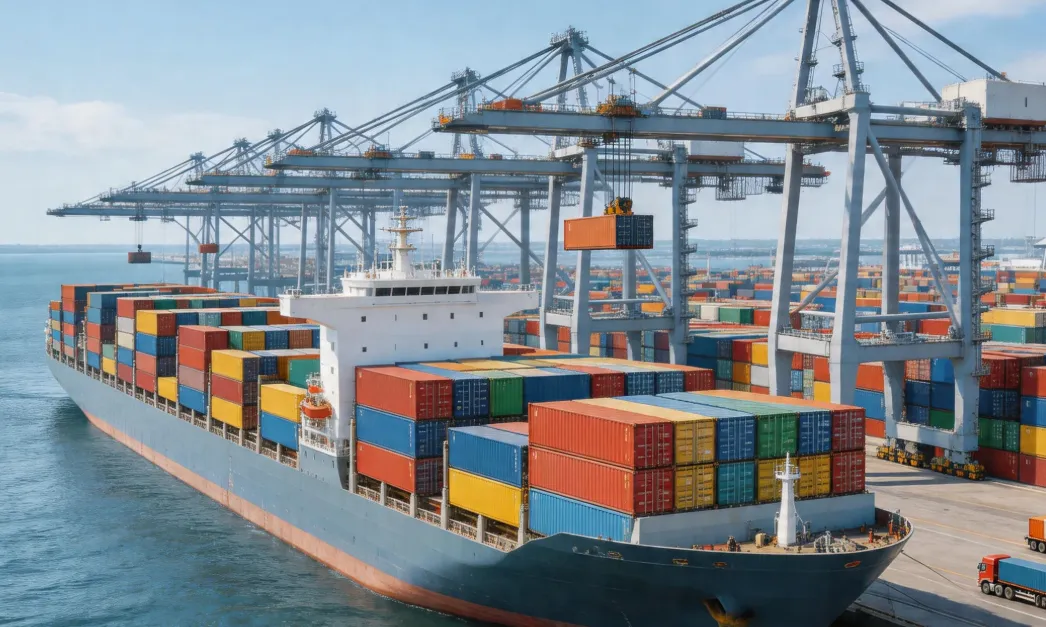
Are you wondering how much it really costs to ship a 20 ft container from China to Brazil? With so many variables—like distance, shipping lanes, fluctuating market rates, and Brazil’s notoriously complex customs regulations—calculating your exact container shipping cost requires more than a simple freight quote.
In this comprehensive, data-driven 2026 guide, we break down every aspect of 20 ft container shipping cost from China to Brazil. From ocean freight base rates and local Brazilian taxes to money-saving strategies and avoiding costly customs holds, Dantful.US International Logistics provides the actionable insights you need to make informed shipping decisions.
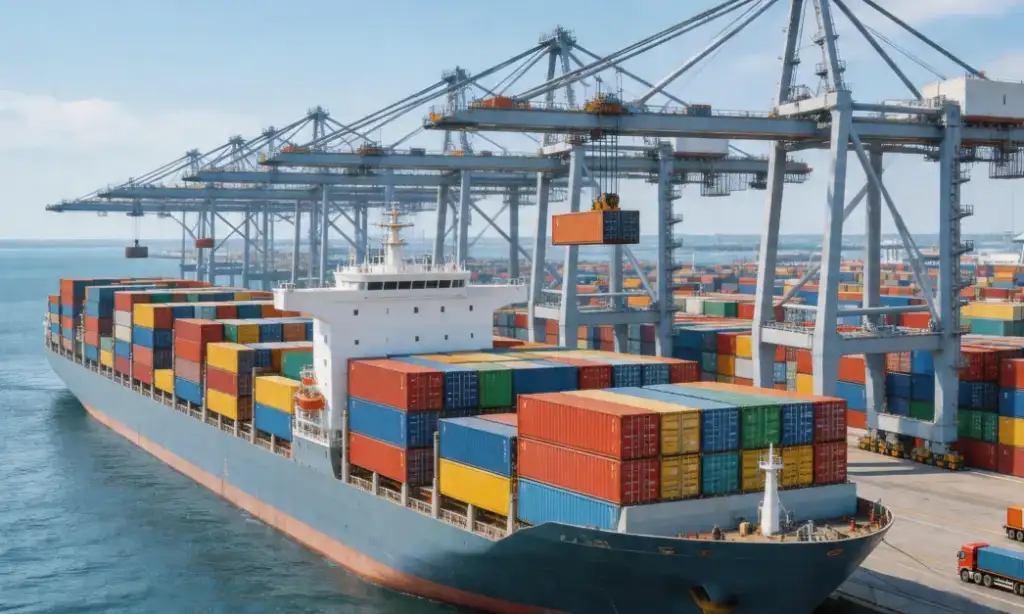
Overview of 20 ft Container Shipping from China to Brazil
Shipping a 20 ft container (Twenty-Foot Equivalent Unit, or TEU) from China to Brazil is a vital logistics solution for businesses importing electronics, machinery, textiles, and consumer goods. While a 20 ft container has a theoretical volume of 33 CBM, the practical loadable volume is around 28 CBM, making it ideal for moderate-sized shipments balancing cost and security.
Popular Chinese Ports and Brazilian Destinations
Selecting the right ports significantly affects cost, transit time, and inland haulage fees. Below is a comparison of the most popular routes:
| Origin Port (China) | Destination Port (Brazil) | Major Region Served | 2026 Market Insights & Trench Knowledge |
|---|---|---|---|
| Shanghai / Ningbo | Santos (SP) | São Paulo, Southeast | Handles ~40% of Brazil’s container traffic. Prone to berth congestion during the sugar/coffee export peak (May–October). |
| Shenzhen (Yantian) | Rio de Janeiro | Rio de Janeiro | Excellent for electronics and tech imports. Slightly faster transit for southern China departures. |
| Qingdao / Tianjin | Paranaguá (PR) | Paraná, South | Major agro-industrial hub. Often used as an alternative when Santos is congested. |
| Xiamen / Guangzhou | Itajaí / Navegantes | Santa Catarina | Strategic entry points for southern Brazil, often offering competitive terminal handling charges (THC). |
| Shanghai | Manaus (AM) | Amazonas | Requires specialized routing via the Amazon River. Draft restrictions apply during the dry season (Sep-Nov). |
Key Takeaway: Don’t just default to Santos. Depending on your buyer’s location and current port congestion, routing through Paranaguá or Itajaí can save you hundreds of dollars in demurrage and inland trucking costs.
Key Factors Influencing 20 ft Container Shipping Costs in 2026
1. Distance, Route, and Slow Steaming
- The Route: The sea route from East Asia to South America typically covers 18,000–20,000 km, primarily transiting via the Cape of Good Hope (South Africa) or transshipping through hubs like Singapore.
- Environmental Regulations: In 2026, strict IMO (International Maritime Organization) carbon emission regulations (CII/EEXI) have forced many carriers to adopt “slow steaming.”
- Transit Time: As a result, average port-to-port transit times now range from 32 to 42 days.
2. Market Supply, Demand, and Seasonality
- Peak Seasons: Rates spike from August to October (pre-holiday inventory build-up) and January to early February (pre-Chinese New Year rush).
- Equipment Imbalance: Brazil exports heavily in dry bulk (soybeans, iron ore) but imports manufactured goods in containers. This trade imbalance often leads to container shortages in China and repositioning fees.
3. Incoterms and Total Landed Cost
Your choice of Incoterms dictates who pays for what. For Brazil, understanding the landed cost is critical due to high import taxes.
- FOB (Free On Board): Buyer controls the ocean freight. Recommended for buyers who want transparency and control over carrier selection.
- CIF (Cost, Insurance & Freight): Seller handles freight. Risk warning: CIF to Brazil often hides inflated destination terminal charges (THC) that the buyer must pay upon arrival.
Detailed Breakdown of 20 ft Container Shipping Charges (2026 Estimates)
To budget effectively, you must look beyond the base rate. Here is a realistic breakdown of costs for a 20 ft container from Shanghai to Santos in Q1/Q2 2026.
1. Ocean Freight & Carrier Surcharges
Note: Rates are market averages [Source: Industry consensus Q1 2026] and fluctuate weekly.
| Cost Component | Typical 2026 Range (USD) | Description |
|---|---|---|
| Ocean Freight Base Rate | $1,500 – $2,000 | The core transport cost. Varies by carrier alliance and transit speed. |
| BAF (Bunker Adjustment) | $150 – $300 | Fuel surcharge. Highly volatile based on global oil prices. |
| PSS (Peak Season Surcharge) | $200 – $500 | Applied during peak shipping windows (e.g., pre-CNY). |
| Origin Charges (China) | $150 – $250 | Origin THC, documentation fee, ENS (Entry Summary Declaration), customs clearance. |
2. Brazilian Destination Charges & Taxes (The “Custo Brasil”)
Brazil is infamous for its high and complex destination costs. These are mandatory and heavily impact your bottom line.
| Cost Component | Typical Range | Description & 2026 Local Insight |
|---|---|---|
| Destination THC (Brazil) | $200 – $350 USD | Paid to the Brazilian terminal for unloading. Often higher than in China. |
| AFRMM (Merchant Marine Tax) | 8% of Ocean Freight | A mandatory Brazilian federal tax applied to the ocean freight cost. |
| SDA / BL Fee | $50 – $100 USD | Shipping line documentation fee at destination. |
| Import Duties (II, IPI, PIS, COFINS, ICMS) | 15% to 50%+ of CIF Value | Depends strictly on the NCM Code (HS Code equivalent). Incorrect NCM codes trigger heavy fines. |
| MAPA/Anvisa Inspections | Varies | For wood packaging, food, or medical items. Wood pallets must have ISPM 15 fumigation stamps, or cargo will be rejected. |
Customs Compliance & Risk Control in Brazil (Crucial)
Failure to comply with Brazilian customs (Receita Federal) is the #1 cause of delayed shipments and astronomical demurrage fees.
Mandatory Prerequisites for the Importer
- RADAR License: The Brazilian importer must be registered in the RADAR system (Ambiente de Registro e Rastreamento da Atuação dos Intervenientes Aduaneiros) to operate on SISCOMEX. You cannot ship without this.
- CNPJ: The importer’s corporate tax ID must be active and match all shipping documents perfectly.
The Document Checklist
- Original Bill of Lading (OBL): Brazil is extremely strict. Sea waybills are often not accepted; original physical BLs or telex releases via specific carrier protocols are required. Freight must be shown on the BL.
- Commercial Invoice & Packing List: Must be signed in blue ink. Must detail the exact NCM codes, unit prices, net/gross weights, and country of origin.
- Wooden Packaging Declaration: If using pallets, you must declare they are treated (ISPM 15) or that no wood packaging was used.
Trench Experience Warning: Do not under-declare cargo value to save on taxes. Brazilian customs utilizes advanced AI to screen average market values. If caught, the fine is typically 100% of the difference in taxes, plus potential confiscation of the 20 ft container.
Comparing Shipping Options: FCL vs. LCL for 20 ft Containers
| Decision Factor | FCL (20 ft Container) | LCL (Consolidated Cargo) |
|---|---|---|
| Volume Threshold | > 15 CBM | < 15 CBM |
| Transit Time | Faster (Direct clearance) | 7–14 days slower due to deconsolidation |
| Brazilian Customs Risk | Isolated risk. If your docs are good, you clear fast. | If one shipper in the LCL container has a customs issue, the entire container is held. |
| Destination Fees | Fixed per container. | High per-CBM terminal handling charges at Brazilian bonded warehouses (EADI). |
Expert Tip: If your cargo is around 12-14 CBM, quote both LCL and FCL. Because LCL destination terminal fees in Brazil are notoriously high, a lightly loaded 20 ft FCL container might actually be cheaper in total landed cost than a heavy LCL shipment.
Actionable Solutions: How to Reduce Your Total Cost
- Optimize Packaging for 28 CBM: Use standard pallets (1.0m x 1.2m or 0.8m x 1.2m). Ensure your supplier does not leave dead space.
- Double-Check NCM Codes Before Booking: Have your Brazilian customs broker classify the goods before the ship leaves China. A wrong code means the cargo gets stuck at the port, incurring $50-$100/day in demurrage.
- Avoid Transshipment if Cargo is Urgent: Pay the premium for a direct sailing if you cannot afford a 10-14 day delay in Singapore or Algeciras.
- Secure Comprehensive Cargo Insurance: Due to rough seas around the Cape of Good Hope and potential handling issues, insure your goods for 110% of the CIF value.
Dantful.US International Logistics is your trusted partner for seamless, compliant, and cost-effective 20 ft container shipping from China to Brazil. We offer one-stop logistics services, including Sea Freight, Air Freight, Customs Clearance, Insurance, and Door-to-Door solutions.
Contact us today to get a data-driven logistics plan tailored to your supply chain.
FAQs
Q1: What is the average cost to ship a 20 ft container from China to Brazil?
A: The cost varies based on port pair, cargo type, season, and current shipping market. As of 2024, ocean freight base rates typically range from USD 1,200 to 2,000 for a 20 ft container, excluding surcharges and local fees. Please contact Dantful.US International Logistics for an accurate and up-to-date quotation.
Q2: How long does it take for a 20 ft container to arrive in Brazil from China?
A: Average transit times are between 30 and 40 days port-to-port, depending on the shipping route and vessel schedule. See the section on estimated transit times for detailed port-specific information.
Q3: What factors can increase my total shipping cost?
A: Factors include seasonal surcharges, fuel price changes, port congestion, customs inspections, and additional services such as door-to-door delivery or warehousing.
Q4: Is it necessary to purchase cargo insurance?
A: While not mandatory, it is highly recommended. Insurance protects your shipment against loss or damage, offering peace of mind throughout the shipping process.
Q5: Can Dantful.US assist with Amazon FBA shipments to Brazil?
A: Absolutely. We specialize in Amazon FBA logistics and offer end-to-end solutions, including customs clearance, warehousing, and last-mile delivery.
Q6: What documents are required for shipping from China to Brazil?
A: Commonly required documents include the Bill of Lading, Commercial Invoice, Packing List, Certificate of Origin, and any import permits specific to your goods.
Dantful.US International Logistics is your trusted partner for seamless, cost-effective, and professional 20 ft container shipping from China to Brazil. We provide one-stop international logistics services, including sea freight, air freight, rail freight, customs clearance, insurance, warehousing, and more. Contact us today for a personalized solution tailored to your business needs.
Leave a reply