

shipping from Vietnam to Canada? While the CPTPP (Comprehensive and Progressive Agreement for Trans-Pacific Partnership) offers clear tariff benefits, successful importing involves more than just booking space. It requires a practical approach to logistics planning, customs compliance, and cost management to ensure your goods arrive on time and within budget.
This guide provides a professional, comprehensive overview of shipping from Vietnam to Canada, covering transport modes, cost structures, transit times, major ports, and how Dantful International Logistics
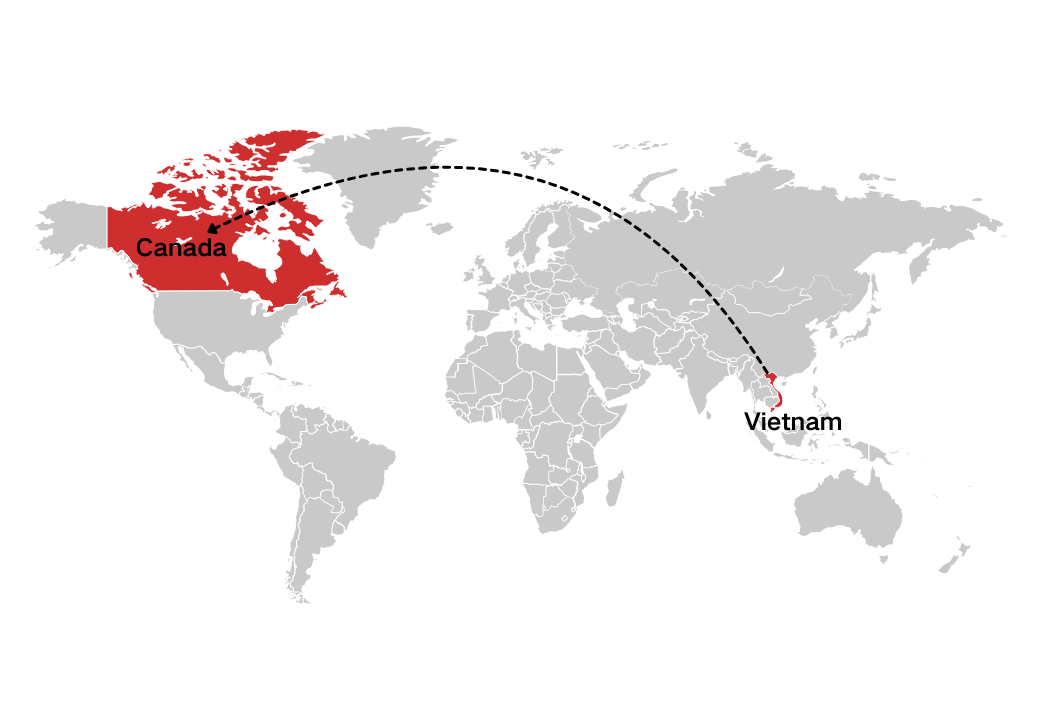
Vietnam has firmly established itself as a powerhouse in global manufacturing, becoming a top trading partner for Canada in Southeast Asia. For Canadian importers, this trade lane is particularly attractive due to:
-
Tariff Advantages: The CPTPP agreement eliminates duties on a vast range of Vietnamese products, including textiles, footwear, furniture, and electronics.
-
Manufacturing Excellence: Vietnam has rapidly moved up the value chain, offering high-quality high-tech manufacturing alongside its world-renowned capabilities in agriculture and apparel.
-
Strategic Connectivity: Direct shipping routes to Canada’s West Coast (Vancouver and Prince Rupert) offer some of the fastest transit times across the Pacific.
However, challenges such as seasonal space shortages, documentation errors (CPTPP forms), and inland rail congestion
Selecting the optimal shipping method depends on your cargo volume, budget, and delivery timeline
Sea freight is the backbone of trade between the two nations, handling over 90% of cargo volume.
-
FCL (Full Container Load): You book an entire 20’ GP, 40’ GP, or 40’ HQ container. This is the most cost-effective method for large volumes.
-
Best suited for: Orders > 15 CBM, secure transport, and minimizing handling damage.
-
-
LCL (Less than Container Load): You share container space with other importers. Costs are based on volume (CBM).
-
Best suited for: Smaller shipments (1–15 CBM), startups, and trial orders.
-
Logistics Insight: A unique feature of Canadian logistics is the heavy reliance on Sea-Rail Intermodal services. Cargo often arrives at Vancouver or Prince Rupert and is railed to inland hubs like Toronto and Montreal. This is faster than all-water routes to the East Coast via the Panama Canal.
Air Freight from Vietnam to Canada
Air freight provides speed but at a premium cost.
-
Services: Standard (Airport-to-Airport) and Express (Door-to-Door).
-
Chargeable Weight: Calculated based on the greater of actual weight or volumetric weight (Length x Width x Height / 6000).
-
Best suited for: High-value electronics, fashion samples, urgent inventory replenishment, and perishable goods.
Express Shipping
Couriers like DHL, FedEx, and UPS offer end-to-end delivery for small parcels.
-
Best suited for:
Freight rates are volatile and influenced by fuel surcharges (BAF), currency exchange rates, and seasonal demand (e.g., pre-Tet Holiday peaks). Below are estimated ranges for April 2026.
Estimated Shipping Rates
| Shipping Mode | Route | Estimated Cost Range (USD) | Key Influencing Factors |
|---|---|---|---|
| FCL 20′ Container | HCMC to Vancouver | $1,800 – $3,000 | Bunker prices, GRI, Peak Season Surcharges |
| FCL 40′ Container | HCMC to Vancouver | $2,500 – $5,200 | Space availability, container imbalance |
| FCL 40′ Container | HCMC to Toronto (via Rail) | $3,800 – $6,500 | Rail fuel surcharges, inland congestion |
| LCL (Sea Freight) | Main Ports to Main Ports | $80 – $150 per CBM | Minimum 1 CBM charge usually applies |
| Air Freight | SGN/HAN to YVR/YYZ | $4.50 – $8.00 per kg | Varies by airline density & urgency |
Note: These are base freight estimates. Your final Landed Cost will also include Terminal Handling Charges (THC), Documentation Fees, Customs Clearance Fees, Trucking, and applicable GST (5%).
How to Optimize Your Shipping Costs
-
Maximize FCL Usage: If you have 15-20 CBM, upgrading to a 20′ container is often cheaper and safer than LCL.
-
Leverage CPTPP: Ensure your supplier provides a valid Certificate of Origin to claim 0% duty.
-
Ship to the West Coast:
Canada’s vast geography means transit times vary significantly based on the final destination.
Typical Transit Time Ranges
Sea Freight Transit Times
| Origin Port | Destination Port/City | Mode | Estimated Time |
|---|---|---|---|
| Ho Chi Minh (Cat Lai) | Vancouver | Sea Freight | 18 – 25 Days |
| Hai Phong | Prince Rupert | Sea Freight | 16 – 22 Days |
| Ho Chi Minh | Toronto (via Rail) | Sea Freight | 28 – 35 Days |
| Ho Chi Minh | Montreal (via Rail) | Sea Freight | 32 – 40 Days |
Air Freight Transit Times
| Origin Airport | Destination Airport | Mode | Estimated Time |
|---|---|---|---|
| Ho Chi Minh (SGN) | Vancouver (YVR) | Air Freight | 2 – 4 Days |
| Hanoi (HAN) | Toronto (YYZ) | Air Freight | 3 – 5 Days |
| Ho Chi Minh (SGN) | Montreal (YUL) | Air Freight | 4 – 6 Days |
| Any City | Any City | Express | 2 – 4 Days |
Pro Tip: The Prince Rupert
-
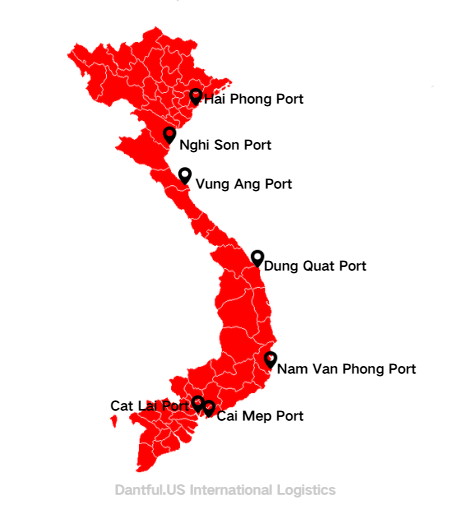
The busiest hub, ideal for Southern Vietnam manufacturing (furniture, garments).
-
Hai Phong Port: The main gateway for Northern Vietnam (electronics, heavy machinery), serving Hanoi and surrounding industrial parks.
-
Da Nang Port:
-
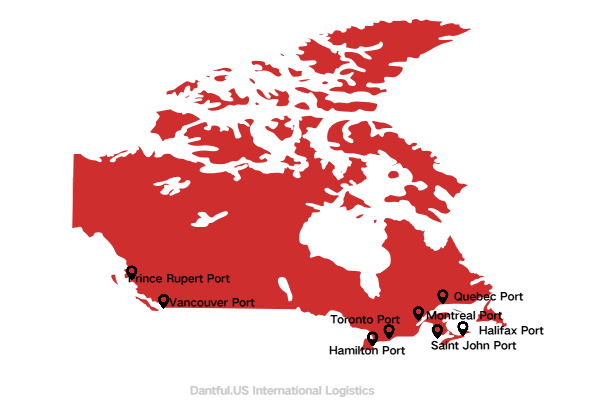
Port of Vancouver: Canada’s largest port and principal gateway for Asian trade. Handles the majority of container traffic.
-
Port of Prince Rupert: A strategic alternative on the north coast of BC. It offers the shortest sailing time from Asia and dedicated rail service to Chicago, Toronto, and Memphis.
-
Port of Montreal: Located on the St. Lawrence River, serving Quebec and the Atlantic provinces.
-
Port of Halifax:
-
You or your freight forwarder books space with the carrier.
-
Cargo Pickup & Export: Goods are collected from the factory and moved to the port/airport.
-
Export Customs (Vietnam): Declaration of goods to Vietnam Customs.
-
ACI Filing (Canada): Advance Commercial Information (ACI) must be filed with the CBSA 24 hours before loading at the port of origin. This is a mandatory security requirement.
-
Ocean/Air Transit: Cargo crosses the Pacific.
-
Import Customs (Canada): Your customs broker submits the entry to CBSA using the Commercial Invoice and CPTPP Certificate.
-
Final Delivery:
Importing into Canada requires strict compliance with the Canada Border Services Agency (CBSA).
1. CPTPP Certificate of Origin
To benefit from duty-free entry under the CPTPP, you must possess a valid certification of origin. It doesn’t need to be a formal government-issued document, but it must contain specific data elements required by the agreement.
-
Without this, you will pay the MFN (Most Favored Nation) duty rate, which can be significantly higher.
2. ACI eManifest
Carriers and freight forwarders are required to electronically transmit cargo data to the CBSA 24 hours prior to loading. Failure to file ACI on time can result in refusal of loading or heavy fines.
3. GST (Goods and Services Tax)
While duties may be 0% under CPTPP, the 5% GST
We understand that shipping to Canada involves unique challenges, from the ACI filing to the complex rail logistics from the West Coast.
-
Canada-Specific Expertise: We are experts in the Vietnam-Canada trade lane, understanding the nuances of Vancouver vs. Prince Rupert routing.
-
CPTPP Compliance: We guide your suppliers on preparing the correct documentation to ensure you claim your duty exemptions.
-
Cost Efficiency: Our contracts with major carriers (COSCO, ONE, Evergreen) allow us to offer competitive rates for both FCL and LCL.
-
One-Stop Service: From Warehouse consolidation in Vietnam to Door-to-Door
Q: What is the fastest sea route from Vietnam to Canada? A: Shipping from Hai Phong to Prince Rupert is typically the fastest ocean route, taking as little as 16-18 days. Prince Rupert’s efficient rail connections can also speed up delivery to inland cities like Toronto.
Q: Do I need to pay duty on all goods from Vietnam? A: No. Under the CPTPP, most goods originating in Vietnam enter Canada duty-free, provided you have a valid Certification of Origin. However, the 5% GST still applies.
Q: What is ACI and why do I need it? A: ACI (Advance Commercial Information) is a mandatory security filing required by Canada Customs. It must be submitted 24 hours before the cargo is loaded on the vessel in Vietnam. Dantful handles this filing to ensure your compliance.
Q: Can you handle door-to-door delivery to inland Canada? A: Yes. We provide seamless DDP (Delivered Duty Paid) and DDU (Delivered Duty Unpaid) services. We handle the ocean freight to Vancouver/Prince Rupert and coordinate the rail/truck delivery to your doorstep in Alberta, Ontario, or Quebec.
Ready to Optimize Your Supply Chain?
Don’t let logistics complexities slow down your business.
today for a customized shipping plan
Request
A Free Shipping Quote
Get a fast, free shipping quote from Dantful.US Logistics — your reliable partner for cost-effective, hassle-free global delivery.