

Are you wondering how much it really costs to move goods via container shipping from China to the USA? Understanding the intricacies of container shipping costs is crucial for any business involved in international trade. In this comprehensive guide, we’ll break down the main factors that influence shipping prices, compare freight methods, and share valuable tips to help you save on your next transpacific shipment. Let’s dive in and simplify the journey from China to the USA!
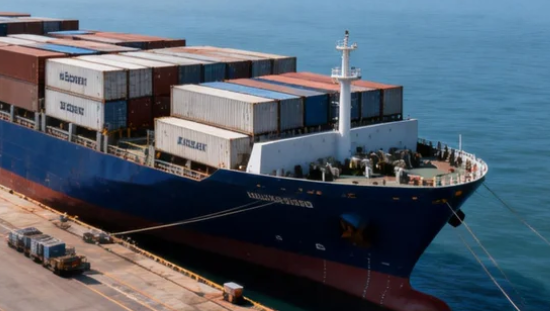
Overview of Container Shipping from China to USA
Shipping goods via containers from China to USA is the backbone of global supply chains. As an experienced freight forwarder, I help clients navigate this complex process every day. Understanding container shipping and the main trade routes is the first step to optimizing your logistics and controlling costs.
What is Container Shipping?
Container shipping is the process of transporting goods using standardized, sealed containers (such as 20ft, 40ft, 40HQ, and 45HQ) that can be easily transferred between ships, trucks, and trains. These containers safeguard cargo, reduce handling, and streamline customs procedures.
There are two main types of containerized shipping:
Full Container Load (FCL): An entire container is reserved for one shipper’s goods. It’s ideal for large shipments and offers faster transit and less cargo handling.
Less than Container Load (LCL): Multiple shippers share space in one container. It’s cost-effective for smaller shipments but may involve longer handling and transit times.
The most commonly used containers between China and USA are:
| Container Type | Internal Volume (CBM) | Typical Use Case |
|---|---|---|
| 20ft Standard | 28 | General cargo, small shipments |
| 40ft Standard | 56 | Bulkier cargo, higher volume |
| 40ft High Cube (40HQ) | 68 | Larger, lighter shipments |
| 45ft High Cube (45HQ) | 78 | Oversized cargo, maximizing volume |
Key Trade Routes Between China and USA
The trade between China and USA primarily moves across the Pacific Ocean via well-established maritime corridors. Choosing the right route ensures efficiency and cost control.
Major Chinese Ports:
Shanghai — China’s largest container gateway and a core hub for the Yangtze River Delta manufacturing belt. Ideal for frequent sailings to the US West Coast and beyond.
Shenzhen — South China’s main export gateway, serving factories across the Pearl River Delta. Terminals such as Yantian and Shekou handle heavy trans-Pacific volumes.
Ningbo — A deep-water port (often paired as Ningbo-Zhoushan) with strong container throughput and efficient feeder connections. Commonly used for Zhejiang and nearby export cargo.
Qingdao — A major North China port serving Shandong’s industrial base. Known for handling machinery, chemicals, and refrigerated cargo alongside general containers.
Guangzhou — A key port for the Greater Bay Area with Nansha as a major container terminal. Often chosen for cargo originating from Guangzhou, Foshan, and nearby cities.
Xiamen — A strategic Fujian port popular for electronics, footwear, and light industrial exports. Offers flexible options for Southeast China shippers.
Tianjin — The primary seaport for Beijing and much of North China. Frequently used for cargo from Tianjin, Hebei, and inland rail-connected regions.
Major US Ports:
Los Angeles — The largest US container port complex on the Pacific, located in San Pedro Bay. A top choice for fast trans-Pacific arrivals and nationwide distribution via rail and trucking.
Long Beach — Adjacent to Los Angeles and often handled as one combined gateway. Strong infrastructure and frequent carrier services make it a common first port of call.
New York/New Jersey — The largest container gateway on the US East Coast. Ideal for importers serving the Northeast and Mid-Atlantic markets.
Seattle — A key Pacific Northwest port with efficient rail links to inland hubs. Often used for cargo moving to the Northwest and parts of the Midwest.
Houston — The leading container port on the US Gulf Coast and a major energy and manufacturing hub. Useful for deliveries across Texas and the central US.
Oakland — Northern California’s main container port with strong agricultural export flows. A practical alternative for Bay Area distribution and West Coast inland moves.
Savannah — A major Southeast gateway with strong access to Atlanta and the broader region. Popular for importers serving fast-growing consumer markets in the South.
| Origin Port (China) | Destination Port (USA) | Typical Transit Time (Days) |
|---|---|---|
| Shanghai | Los Angeles/Long Beach | 13-18 |
| Ningbo | New York/New Jersey | 25-30 |
| Shenzhen | Houston | 22-28 |
| Qingdao | Seattle | 15-20 |
| Tianjin | Savannah | 25-32 |
The West Coast (e.g., Los Angeles, Long Beach) offers the shortest transit times, making it popular for time-sensitive or high-volume shipments. The East Coast and Gulf Coast routes are ideal for shipments destined for the central or eastern regions of the USA, often involving longer transit times and potentially higher costs due to the Panama Canal transit.
Related reading: For a detailed look at port-to-port options, see Port to port shipping From Shanghai to Long Beach.
Main Factors Affecting Container Shipping Cost from China to USA
Understanding what drives the container shipping cost from China to USA helps you make informed decisions and optimize your logistics budget. Here are the most significant factors:
Distance and Chosen Shipping Route
The farther your cargo travels, the higher the cost. Shipping to the US West Coast (e.g., Los Angeles, Long Beach) is generally more economical and faster than to the East Coast (e.g., New York, Savannah), due to the shorter distance.
Direct routes save time and may cost less.
Transshipment routes (with intermediate stops) might be cheaper but add complexity and time.
Table: Sample Route vs. Estimated Ocean Freight Cost (as of Dec 2025)
| Route | 20ft FCL (USD) | 40ft FCL (USD) | Transit Time (Days) |
|---|---|---|---|
| Shanghai → Los Angeles | 1,300 – 2,000 | 2,000 – 3,400 | 13-18 |
| Shenzhen → New York | 2,400 – 3,000 | 4,000 – 5,500 | 25-30 |
| Ningbo → Houston | 2,500 – 3,200 | 4,000 – 5,800 | 22-28 |
Note: Rates fluctuate based on market conditions, fuel prices, and peak seasons.
Type of Container: FCL vs. LCL
The choice between FCL (Full Container Load) and LCL (Less than Container Load) directly affects shipping costs:
FCL: Fixed rate per container, regardless of fill level (best for larger shipments).
LCL: Priced per cubic meter (CBM) or ton; includes additional handling, consolidation, and deconsolidation fees.
Comparison Table
| Criteria | FCL | LCL |
|---|---|---|
| Cost Structure | Per container | Per CBM or ton |
| Handling | Less, faster | More, slower |
| Security | Higher (sealed) | Lower (mixed cargo) |
| Best for | >16 CBM / >10 tons | Small shipments <15 CBM |
Further information: Explore LCL Shipping from China to USA for a deep dive into LCL cost structures and benefits.
Cargo Volume and Weight
Larger volumes often qualify for lower per-unit rates.
Heavy cargo may incur surcharges if it exceeds standard weight limits.
For LCL, you are charged based on the greater of volumetric weight or actual weight.
| Container Type | Max Gross Weight (kg) | Max Volume (CBM) |
|---|---|---|
| 20ft | 28,200 | 28 |
| 40ft | 27,600 | 56 |
| 40HQ | 29,000 | 68 |
Optimizing container utilization—filling as much volume/weight as allowed—can significantly reduce your shipping cost per unit.
Seasonal Demand and Peak Shipping Periods
Container shipping costs between China and USA are highly sensitive to seasonal fluctuations:
Peak Season (August–October): Driven by pre-holiday restocking for Black Friday, Christmas, and New Year. Rates surge due to high demand.
Chinese New Year (January–February): Factories shut down; prior to this, outbound volumes spike, leading to rate increases.
Off-peak periods often present better rates and more space availability.
Planning shipments in advance and avoiding peak times can save costs and avoid delays.
Port Charges, Customs, and Additional Fees
Besides the ocean freight, shippers must budget for various surcharges and fees, which can significantly affect the total cost:
Port Charges: Loading/unloading, terminal handling, and storage fees at both origin and destination.
Customs Clearance: Import duties, taxes, and documentation fees.
Other Surcharges: Bunker Adjustment Factor (BAF), Peak Season Surcharge (PSS), General Rate Increase (GRI), Security Surcharge, Container Imbalance Fee.
Inland Transportation: Trucking/rail costs if shipping beyond port city.
Insurance: Optional but recommended for high-value shipments.
Sample Breakdown (Estimates for 40ft FCL, Shanghai → Los Angeles):
| Cost Item | Amount (USD) |
|---|---|
| Basic Ocean Freight | $2,200 |
| Origin Terminal Handling | $200 |
| Destination THC | $320 |
| Documentation Fee | $80 |
| Customs Clearance | $100 – $350 |
| Delivery (local trucking) | $500 – $800 |
| Insurance (optional) | $100 – $250 |
These rates are for reference; actual costs may vary by service provider and shipment details.
When you choose Dantful.US International Logistics, you benefit from our expertise in navigating all these factors. We offer transparent pricing, one-stop solutions covering Sea Freight, Air Freight, Amazon FBA, Customs Clearance, Insurance, and more. Our team tracks market trends and provides real-time quotes, ensuring you always get the most competitive and reliable service for your container shipping from China to USA.
If you need a detailed quote or want to optimize your shipping strategy, contact us at Dantful.US International Logistics—your trusted partner in global logistics.
Related resource: For cost per kilogram reference, see How much is shipping from China to USA per kg.
Breakdown of Typical Container Shipping Costs
Understanding each component of the container shipping cost from China to USA is essential for accurate budgeting and avoiding unexpected expenses. Below, I’ll break down the main charges you can expect when shipping via ocean freight.
Basic Freight Rate
The basic freight rate—sometimes called the ocean base rate—is the core cost of moving a container from a Chinese port (such as Shanghai, Shenzhen, or Ningbo) to a US port (like Los Angeles, Long Beach, or New York). This charge depends on several variables, including:
Container type: 20ft, 40ft, 40HQ, or LCL (Less-than-Container Load)
Shipping route and distance
Market conditions (peak seasons, fuel costs, capacity)
To provide a clear picture, here’s a snapshot of average base freight rates (as of Dec 2025):
| Route | 20ft Container (FCL) | 40ft Container (FCL) |
|---|---|---|
| Shanghai to Los Angeles | $1,400 – $2,000 | $2,000 – $3,200 |
| Shenzhen to New York | $2,100 – $2,900 | $3,400 – $4,600 |
| Ningbo to Long Beach | $1,500 – $2,200 | $2,100 – $3,300 |
Rates are indicative, fluctuate seasonally, and are subject to carrier and market variations.
Surcharges
In addition to the base rate, several surcharges may apply. Common ones include:
BAF (Bunker Adjustment Factor): Fuel cost adjustments.
CAF (Currency Adjustment Factor): Protects against currency fluctuations.
PSS (Peak Season Surcharge): Applied during high-demand periods (e.g., before Chinese New Year or holiday season).
GRI (General Rate Increase): Announced by carriers to offset market volatility.
ISPS (International Ship and Port Security) Charge: Security compliance fee.
These surcharges can add several hundred dollars to a shipment. Always request a breakdown from your freight forwarder.
Documentation and Handling Fees
Proper documentation is crucial for international shipping, and so are the associated fees:
Bill of Lading (B/L) Fee: $30–$60 per document (covers the legal shipment contract).
Customs Clearance Fee: $50–$150+ per entry (covers paperwork processing at both origin and destination).
Terminal Handling Charge (THC): $200–$350 per container, depending on the port.
AMS (Automated Manifest System) Filing: $25–$40 (for US-bound shipments).
For LCL shipments, expect additional costs such as consolidation/deconsolidation fees at both ends, which are usually calculated per CBM.
Insurance and Value-Added Services
Protecting your goods with cargo insurance is strongly advised. Insurance rates are typically 0.1%–0.3% of the cargo value, depending on the commodity and coverage chosen.
Other value-added services may include:
Warehousing
Cargo inspection
Palletizing and packaging
Door-to-door delivery
Customs bonds
You may also be interested in: Door to Door Shipping from China to USA for a simplified, all-inclusive logistics solution.
How to Calculate Container Shipping Cost from China to USA
Estimating your container shipping cost from China to USA involves combining all relevant fees. Here’s how to approach it:
Sample Cost Calculation for 20ft and 40ft Containers
Let’s use a real-world scenario:
| Cost Component | 20ft Container | 40ft Container |
|---|---|---|
| Ocean Freight (Base Rate) | $1,700 | $2,700 |
| BAF + CAF + PSS | $250 | $350 |
| THC (Origin & Destination) | $400 | $700 |
| Documentation Fees | $100 | $100 |
| Insurance (0.2% cargo value, e.g., $50,000 cargo) | $100 | $100 |
| Estimated Total | $2,550 | $3,950 |
This is a general example—your actual costs may vary based on shipment specifics, ports, season, and service provider.
Online Tools and Freight Rate Calculators
Several industry websites and digital freight platforms provide real-time freight rate calculators. These tools can help you estimate costs by entering:
Origin and destination ports
Cargo details (weight, volume, type)
Desired transit time and service level
For personalized and most up-to-date rates, it’s always best to consult a professional freight forwarder.
Requesting Quotes from Freight Forwarders
To get an accurate, all-inclusive quote, provide your freight forwarder with:
Commodity description
Total volume (CBM) and weight
Preferred container type (FCL: 20FT/40FT/40HQ, or LCL)
Origin and destination details
Incoterms (e.g., FOB, CIF, DDP)
A professional logistics partner like Dantful.US International Logistics will process this information and deliver a transparent, tailored quotation, ensuring there are no surprises in your supply chain.
Pro Tip: Partnering with a reputed freight forwarder not only streamlines the booking process but also unlocks value-added services (insurance, customs clearance, warehousing, etc.) and dedicated support throughout your China-USA shipping journey.
If you need a precise cost breakdown or want to optimize your shipping strategy, reach out to us at Dantful.US International Logistics—we’re committed to providing highly professional, cost-effective, and comprehensive international logistics solutions.
Comparison of Shipping Methods: Ocean Freight vs. Air Freight
When shipping from China to the USA, selecting the most suitable transport mode is critical for balancing cost, speed, and reliability. The two main international shipping choices are Ocean Freight (container shipping) and Air Freight. Both methods have clear advantages and considerations.
Cost Differences Between Sea Freight and Air Freight
Cost is often the most significant factor for importers and exporters. Ocean Freight is usually much more affordable, especially for bulky or heavy cargo. In contrast, Air Freight is priced by weight and volume, making it costlier for larger shipments, but reasonable for small, urgent consignments.
Below is a comparison table of estimated shipping costs (as of Dec 2025) for a 20ft and a 40ft container versus standard Air Freight for a 500kg/2CBM shipment from China (Shanghai) to major USA ports:
| Shipping Method | Route | Typical Cost (USD) | Transit Time | Best For |
|---|---|---|---|---|
| Ocean Freight (FCL) | Shanghai → Los Angeles (20ft) | $2,500 – $3,200 | 16 – 20 days | Large, bulky, non-urgent cargo |
| Ocean Freight (FCL) | Shanghai → New York (40ft) | $4,200 – $5,000 | 27 – 32 days | High-volume shipments |
| Air Freight | Shanghai → Los Angeles (500kg/2CBM) | $4,700 – $6,000 | 3 – 5 days | Urgent, lightweight consignments |
Note: Prices fluctuate based on fuel costs, demand, and seasonality.
Transit Time Comparison
Speed is where Air Freight has a clear edge. If supply chain agility or inventory turnover is crucial, air shipping is the better option. Here is a transit time comparison:
| Origin | Destination | Ocean Freight Transit Time | Air Freight Transit Time |
|---|---|---|---|
| Shanghai | Los Angeles | 16 – 20 days | 3 – 5 days |
| Shenzhen | New York | 28 – 33 days | 4 – 6 days |
| Ningbo | Houston | 23 – 28 days | 4 – 7 days |
When to Choose Air Freight Over Container Shipping
You should consider Air Freight under the following circumstances:
Time-sensitive shipments: Product launches, urgent samples, or restocking fast-moving inventory.
High-value goods: Electronics, medical equipment, or luxury items that benefit from faster, secure transit.
Small volume: Less than 2CBM or 200kg, where the price gap with ocean shipping narrows.
Perishables: Pharmaceuticals, fresh food, or plants requiring short transit times.
Conversely, if your cargo is heavy, non-perishable, or not urgent, container shipping (via FCL/LCL) is more economical.
At Dantful.US International Logistics, we provide both Sea Freight and Air Freight solutions, helping you analyze cost-effectiveness and choose the optimal mode for your supply chain needs.
Tips to Save Money on Container Shipping from China to USA
Minimizing shipping costs is a priority for most businesses. Below are proven strategies to help you save on your next shipment:
Consolidating Shipments and Choosing the Right Container Size
Cargo Consolidation: Grouping multiple shipments into one container (especially for LCL cargo) reduces per-unit costs. Our Consolidated Freight services let customers share space while maintaining cargo safety and compliance.
Container Sizing: Selecting the correct container—20ft (28CBM), 40ft (56CBM), 40HQ (68CBM), or 45HQ (78CBM)—is essential. Overestimating leads to unnecessary costs; underestimating causes overflow charges.
Tip: Use volume calculators or consult with your freight forwarder for optimal container utilization.
See also: 20 ft Container Shipping Cost from China to USA for detailed pricing and container selection strategies.
Negotiating with Freight Forwarders and Carriers
Request Multiple Quotes: Always compare rates from different providers. We at Dantful.US International Logistics offer transparent pricing and can customize solutions matching your volume and frequency.
Build Relationships: Regular shippers with steady volumes can leverage better rates and priority treatment.
Bundle Services: Combining Sea Freight, Customs Clearance, and Warehousing with one provider often unlocks corporate discounts.
Planning Ahead to Avoid Peak Season Surcharges
Book Early: Peak seasons (e.g., before Chinese New Year, Golden Week, Back-to-School, Black Friday) see increased rates and limited capacity. Planning shipments well in advance helps secure space and lower fees.
Flexible Schedules: If possible, adjust shipping dates to avoid surcharges.
Track Market Trends: Stay informed about global events impacting shipping costs (e.g., port strikes, global pandemics).
Understanding Incoterms and Shipping Contracts
Choose the Right Incoterms: Terms like FOB (Free on Board), CIF (Cost, Insurance & Freight), and DAP (Delivered at Place) transfer responsibility and risk at different points. Selecting the most favorable Incoterm can avoid hidden costs.
Review Contracts Thoroughly: Understand what’s included—port fees, surcharges, insurance, etc.—to prevent surprise charges.
Leverage Professional Advice: Our team at Dantful.US International Logistics provides contract consultation and ensures you benefit from fair, transparent agreements.
Partner with a Reliable Freight Forwarder in China
Selecting a dependable freight forwarder is vital for seamless, cost-effective, and secure shipping from China to the USA.
At Dantful.US International Logistics, we pride ourselves on being a highly professional, cost-effective, and high-quality One-Stop International Logistics Service Provider for Global Traders. Our services include:
| Service Area | Coverage |
|---|---|
| Ocean Freight | Sea Freight (FCL & LCL), Consolidated Freight |
| Air & Rail | Air Freight, Rail Freight |
| Inland & Delivery | Road Freight, Door-to-Door Solutions |
| Amazon & Storage | Amazon FBA Logistics, Warehousing |
| Customs & Risk | Customs Clearance, Insurance |
| Project Cargo | OOG (Out of Gauge) Freight, Breakbulk Freight |
Why choose us?
Local Expertise: Extensive experience with Chinese ports and U.S. customs regulations.
Transparent Pricing: No hidden charges; all costs detailed upfront.
Dedicated Support: English-speaking customer service and logistics specialists.
Comprehensive Solutions: From ex-works pickup to final delivery at your U.S. warehouse or Amazon FBA center.
Contact Dantful.US International Logistics today to receive a tailored shipping plan and optimize your container shipping cost from China to USA. Our expert team is always ready to assist with a smooth, efficient, and reliable shipping experience.
Leave a reply