

Are you searching for low cost shipping from China to South Africa but unsure which method best suits your needs? Understanding the benefits of LCL Africa (Less than Container Load) can help you save money and streamline your supply chain. In this comprehensive guide, we’ll explore how LCL shipping works, break down costs and routes, and provide expert tips to ensure smooth, affordable delivery of your goods from China to South Africa.
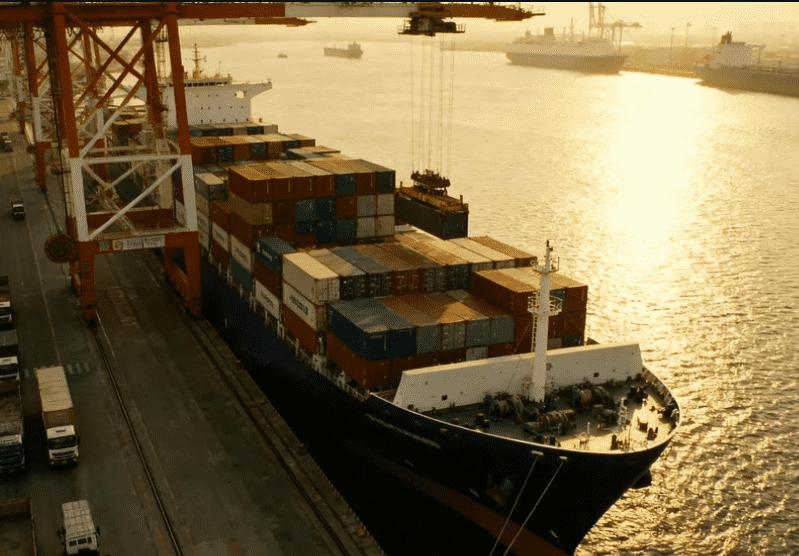
Understanding Low Cost Shipping from China to South Africa
Shipping from China to South Africa is a key logistics route for global trade, especially for companies seeking competitive prices and reliable delivery. The demand for low cost shipping solutions has grown as more importers, exporters, cross-border e-commerce sellers, and manufacturers look to maximize efficiency while minimizing expenses. Choosing the right shipping method can significantly impact your overall supply chain costs and timeline. As experts in international logistics, we at Dantful.US International Logistics always recommend understanding available shipping options—especially LCL (Less than Container Load) shipping, which is a flexible and cost-effective way to move goods when you do not have enough cargo to fill an entire container.
By leveraging strategic partnerships, optimizing consolidation, and providing tailored logistics services, Dantful.US aims to deliver value-driven shipping solutions for businesses and individuals alike. Whether you are shipping small batches of electronic parts, apparel, machinery, or personal effects, understanding how LCL works and when to use it is essential for cost control and operational success.
Overview of LCL Shipping from China to South Africa
How LCL Shipping Works: Step-by-Step Process
LCL (Less than Container Load) shipping is designed for shipments that do not require a full container. Here’s how the LCL shipping process typically works:
Cargo Collection:
Your goods are collected from your supplier’s warehouse or your own facility in China.Consolidation at Origin Warehouse:
The cargo is transported to a CFS (Container Freight Station) in a major Chinese port (e.g., Shanghai, Shenzhen, Ningbo), where your shipment is combined (consolidated) with other customers’ cargo headed to South Africa.Container Loading:
Once enough cargo is consolidated to fill a container, it is loaded into an FCL (Full Container Load) for sea freight.Ocean Transit:
The consolidated container is shipped from China to a major South African port (such as Durban, Cape Town, or Port Elizabeth).Deconsolidation at Destination:
At the destination CFS in South Africa, the container is unloaded, and individual shipments are separated.Customs Clearance:
Each LCL shipment undergoes individual customs clearance. Required documents are submitted, and duties/taxes are assessed.Final Delivery:
Once cleared, your cargo is delivered to your specified address or warehouse.
Process Flow Table: LCL Shipping from China to South Africa
| Step | Description |
|---|---|
| Cargo Collection | Pickup from supplier or your facility in China |
| Origin Consolidation | Cargo combined with others at origin warehouse/CFS |
| Container Loading | LCL cargo loaded into shared container |
| Ocean Freight Transit | Container shipped by sea to South Africa |
| Destination Deconsolidation | Container unloaded & LCL shipments separated at destination CFS |
| Customs Clearance | Import procedures, documentation, and payment of duties |
| Final Delivery | Delivery to consignee in South Africa |
This streamlined process allows you to enjoy cost savings by sharing container space and only paying for the volume your cargo occupies.
Common Goods Shipped LCL from China to Africa
LCL shipping is ideal for a wide range of products, particularly when shipping smaller volumes or varying types of goods that do not fill a full container. The most common categories of LCL cargo from China to South Africa include:
- Consumer Electronics: Mobile phones, accessories, home appliances
- Apparel & Textiles: Ready-made garments, fabrics, footwear
- Machinery & Spare Parts: Industrial equipment, automotive parts
- Furniture & Home Décor: Flat-pack furniture, lighting fixtures
- Toys & Gifts: Seasonal products, promotional items
- Plastic/Rubber Products: Packaging, household goods
- Hardware & Tools: Construction materials, hand tools
- Personal Effects: For individuals relocating or sending gifts
The flexibility of LCL makes it especially attractive for small and medium-sized enterprises (SMEs), e-commerce sellers with frequent but smaller shipments, and buyers looking for inventory diversification.
For businesses also considering other African destinations, you may find it helpful to read about Shipping From China To Kenya or Shipping from China to Nigeria to compare routes, processes, and local requirements.
When to Choose LCL over FCL (Full Container Load)
Choosing between LCL (Less than Container Load) and FCL (Full Container Load) depends on several key factors. Here’s a concise comparison to help you decide which shipping mode best suits your needs:
| Criteria | LCL (Less than Container Load) | FCL (Full Container Load) |
|---|---|---|
| Cargo Volume | <15 CBM (typically) | ≥15 CBM (20FT: 28CBM; 40FT: 56CBM, etc.) |
| Cost Efficiency | Pay only for space used | Fixed cost for whole container |
| Flexibility | High: Suitable for varying shipment sizes | Lower: Best for large, single shipments |
| Handling | More handling (consolidation/deconsolidation) | Less handling, direct loading |
| Transit Time | Slightly longer (due to consolidation) | Faster, direct movement |
| Risk of Damage | Slightly higher (multiple cargoes together) | Lower (your goods only) |
| Recommended For | SMEs, mixed cargo, lower volume | Large shipments, bulk cargo |
Choose LCL when:
- Your cargo volume is less than 15-18 CBM.
- You want to keep shipping costs low for smaller or irregular shipments.
- You need flexibility in shipment size or frequency.
- You prioritize cash flow and inventory turnover.
Choose FCL when:
- You have enough cargo to fill at least a 20-foot container (28CBM) or more.
- You want exclusive use of a container for security or to minimize risk.
- You require faster transit with less handling.
At Dantful.US International Logistics, we provide expert consultation to help you select the most economical and efficient option based on your cargo, timeline, and budget. Our one-stop international logistics services cover the full range of shipping needs, from sea freight (both LCL and FCL), to air freight, door-to-door, warehouse solutions, and more—ensuring your cargo reaches South Africa safely and at the lowest possible cost.
By understanding these foundational aspects of low cost shipping from China to South Africa, businesses and individuals can make informed logistics decisions, improve their supply chain efficiency, and reduce overall shipping expenses. If you need tailored advice or a quote, contact Dantful.US International Logistics—your reliable partner for global trade.
If you’re interested in a more detailed guide dedicated to this route, see Shipping From China To South Africa.
Main Shipping Routes & Major Ports
Efficient, low cost shipping from China to South Africa depends on selecting the right shipping routes and understanding the role of major ports along the way. As an experienced freight forwarder, I have seen how these factors impact both costs and transit times, especially for LCL (Less than Container Load) shipments.
Popular Shipping Routes Between China and South Africa
The majority of sea freight from China to South Africa travels along well-established maritime routes. These typically pass through the South China Sea, traverse the Indian Ocean, and round the southern tip of Africa before arriving at South African ports.
The most common direct routes start from Eastern and Southern Chinese ports, such as Shanghai, Shenzhen, Guangzhou, and Ningbo, heading to key ports in South Africa like Durban, Cape Town, and Port Elizabeth.
A simplified overview of popular LCL shipping routes:
| Origin Port (China) | Destination Port (South Africa) | Main Route Description |
|---|---|---|
| Shanghai | Durban | East China Sea > South China Sea > Indian Ocean |
| Shenzhen | Cape Town | South China Sea > Indian Ocean > Cape of Good Hope |
| Ningbo | Port Elizabeth | East China Sea > Indian Ocean > Southern Africa |
| Guangzhou | Durban | South China Sea > Indian Ocean > Durban |
These routes are optimized for both direct and transshipment services, depending on cargo volume, carrier schedules, and cost considerations.
Major Chinese and South African Ports for LCL Cargo
Selecting the right ports is critical to ensuring fast and affordable shipping. Here’s a quick summary of the major LCL gateways:
| Country | Major Ports (LCL Cargo) | Key Features |
|---|---|---|
| China | Shanghai, Shenzhen, Ningbo, Guangzhou, Xiamen, Qingdao | High frequency of sailings, consolidation centers, advanced infrastructure |
| South Africa | Durban, Cape Town, Port Elizabeth | Largest throughput in Africa, efficient customs, strong connectivity to inland destinations |
- Shanghai and Shenzhen: Renowned for their global connections and efficient LCL consolidation services.
- Durban: The busiest and most important container port in South Africa for importers.
- Cape Town: A key entry point for cargo destined for the western and southern parts of the country.
- Port Elizabeth: Strategic for reaching South Africa’s industrial and automotive sectors.
For those considering additional destinations or alternative African shipping solutions, reading about Shipping Containers from China to South Africa or Shipping From China To Tanzania can provide further insights into options and port selection.
Transit Times: What to Expect for LCL Shipping
Transit times for LCL shipping between China and South Africa can vary based on route, carrier, and seasonal factors. On average, you can expect:
| Route | Estimated Transit Time (Port-to-Port) |
|---|---|
| Shanghai to Durban | 24–28 days |
| Shenzhen to Cape Town | 23–27 days |
| Ningbo to Port Elizabeth | 26–30 days |
| Guangzhou to Durban | 22–26 days |
Note: Allow additional 3–7 days for LCL consolidation at origin and deconsolidation at destination.
Other factors influencing transit time include carrier schedules, transshipment delays, weather, and customs processing.
Cost Breakdown: LCL Shipping Charges and Hidden Fees
Understanding the cost structure for LCL shipping is essential for accurate budgeting and avoiding surprises. As a professional freight forwarder, I always advise clients to consider not just the base rate, but also surcharges and local destination fees.
Typical Cost Structure of LCL Shipments
The total cost of LCL shipping from China to South Africa typically comprises:
- Origin Charges: Cargo handling, documentation, export customs clearance, LCL consolidation fees.
- Freight Charges: Charged by the shipping line based on volume (CBM) or weight (whichever is higher).
- Surcharges: Security, bunker adjustment factor (BAF), peak season surcharge (PSS), and currency adjustment factor (CAF).
- Destination Charges: Deconsolidation, import documentation, local port fees, handling, and delivery.
Here’s a sample breakdown (per CBM basis):
| Cost Component | Typical Range (USD) | Notes |
|---|---|---|
| Origin LCL Charges | $30 – $50 | Varies by port and service provider |
| Ocean Freight | $45 – $90 | Fluctuates by season, carrier, route |
| Surcharges | $10 – $25 | Includes BAF, PSS, CAF, etc. |
| Destination Charges | $45 – $80 | Depends on port and handling agency |
| Customs Clearance/Taxes | Variable | Subject to South African regulations |
| Door Delivery (optional) | By quotation | Based on distance and cargo specifics |
How to Calculate Total Shipping Cost (Including Surcharges & Local Fees)
To accurately estimate your total shipping cost, follow these steps:
- Determine the chargeable volume or weight (LCL is usually billed by CBM, with a minimum of 1 CBM).
- Add up all main charges: Origin, ocean freight, surcharges, and destination fees.
- Include additional costs: Insurance, customs duties, VAT, and inland delivery if needed.
Example Calculation:
If you have 3.5 CBM of goods from Shanghai to Durban:
- Origin charges: 3.5 x $40 = $140
- Ocean freight: 3.5 x $70 = $245
- Surcharges: 3.5 x $15 = $52.5
- Destination: 3.5 x $60 = $210
Estimated total cost (excluding customs and inland delivery):
$140 + $245 + $52.5 + $210 = $647.50
Customs, taxes, and delivery fees are calculated separately based on cargo type and value.
For a deeper analysis of container pricing, you can explore the Cost of Shipping 40ft Container from China to South Africa to benchmark LCL versus FCL costs.
Tips to Avoid Unexpected Costs in LCL Shipping
- Request All-Inclusive Quotes: Ask your freight forwarder for a detailed breakdown, including all possible surcharges and destination fees.
- Understand Minimum Charges: Even if your cargo is less than 1 CBM, you will be charged for 1 CBM at minimum.
- Clarify Local Fees: Destination charges in South Africa (THC, documentation, delivery order fees) can add up; make sure you are aware of these before shipping.
- Plan for Customs Duties & VAT: Work with your forwarder or customs agent to estimate import duties and VAT upfront.
- Avoid Peak Season Surcharges: Schedule shipments outside of peak season or negotiate with your provider to lock in rates.
At Dantful.US International Logistics, we specialize in transparent, cost-effective LCL solutions from China to South Africa. Our team helps you navigate every stage, from consolidation to customs clearance, ensuring you receive a reliable, hassle-free logistics experience.
If you need a comprehensive, one-stop international logistics service—including sea freight, air freight, customs clearance, insurance, door to door, or consolidated freight—contact us for a tailored quote and professional support.
Customs Clearance and Documentation for Shipping to South Africa
When shipping goods from China to South Africa using low cost LCL (Less than Container Load) services, understanding the customs clearance process and required documentation is vital. Proper preparation helps you avoid unnecessary delays, unexpected fees, and ensures compliance with both Chinese export and South African import regulations.
Essential Documents Needed for Importing to South Africa
To ensure smooth customs clearance at major South African ports such as Durban, Cape Town, or Port Elizabeth, the following documents are typically required:
| Document Name | Purpose & Key Notes |
|---|---|
| Commercial Invoice | Details goods, value, exporter/importer info. Must be accurate and legible. |
| Packing List | Lists items, quantity, weights, and packaging details. Should match the commercial invoice. |
| Bill of Lading (B/L) | Issued by the carrier or freight forwarder. Serves as a contract of carriage and receipt. |
| Import Permit | Required for restricted goods (check with South African regulations before shipping). |
| Certificate of Origin | Proves origin of goods, may be needed for preferential duty rates. |
| SARS Customs Declaration | Submitted electronically to the South African Revenue Service (SARS) via customs broker. |
| Insurance Certificate | If goods are insured, provides proof for claims in case of damage or loss. |
Additional documents may be needed for specific products, including phytosanitary certificates (for agricultural goods), MSDS (for chemicals), or inspection certificates. Always verify with your freight forwarder or customs broker for the latest requirements.
Customs Duties, Taxes, and Compliance Requirements
All imports into South Africa are subject to customs duties and Value-Added Tax (VAT). Accurate calculation and payment are necessary for timely release of your LCL cargo.
Customs Duties
- Calculated based on the declared value of the goods (CIF: Cost, Insurance, and Freight), the HS Code, and current tariff tables.
- Duty rates can range from 0% for essential goods, to over 20% for certain finished products.
Value-Added Tax (VAT)
- The standard VAT rate in South Africa is 15%.
- VAT is applied on the sum of goods value, freight, insurance, and customs duty.
Compliance Requirements
- Goods must comply with South African Bureau of Standards (SABS) where applicable.
- Certain goods require import permits, health certificates, or are subject to quota restrictions.
- Full, accurate, and truthful declaration of goods is mandatory to avoid penalties.
Example Customs Duty & VAT Calculation Table
| Item Description | Declared Value (USD) | Freight+Insurance (USD) | Duty Rate | Duty Amount (USD) | VAT Base (USD) | VAT (15%) (USD) |
|---|---|---|---|---|---|---|
| Electronics | $5,000 | $800 | 10% | $580 | $6,380 | $957 |
| Apparel | $3,000 | $650 | 20% | $730 | $4,380 | $657 |
| Machinery | $10,000 | $1,200 | 5% | $560 | $11,760 | $1,764 |
These are illustrative values. Always check latest SARS tariff codes for your specific product!
Common Pitfalls and How to Avoid Delays at South African Customs
Customs clearance can be challenging, especially for first-time importers. Here are frequent issues—and our recommended solutions:
| Common Pitfall | How to Avoid |
|---|---|
| Incomplete or incorrect documentation | Double-check all documents; work with an experienced forwarder |
| Misclassification of goods (wrong HS Code) | Consult a customs specialist or your freight forwarder |
| Understated or inconsistent declared value | Declare full, truthful value consistent with invoices |
| Missing import permits or certificates | Research regulations for your product before shipping |
| Unpaid duties/taxes or incorrect payment amounts | Use a reputable customs broker; budget for all local charges |
| Delays during peak seasons or port congestion | Plan shipments in advance and allow extra time |
Working with an experienced freight forwarder like Dantful.US International Logistics can help you navigate these challenges seamlessly, ensuring that your LCL shipments are cleared quickly and efficiently at South African ports.
How to Choose a Reliable Freight Forwarder for LCL Shipping
Selecting the right freight forwarder is crucial to achieve truly low cost shipping from China to South Africa. Here’s what I recommend considering:
Industry Experience & Local Expertise
- Choose providers with a proven track record in handling LCL shipments between China and South Africa.
- Ask about their familiarity with local customs regulations and port operations.
Comprehensive Service Scope
- A top logistics partner should handle not only shipping, but also customs clearance, warehousing, insurance, and even last-mile delivery.
- For example, at Dantful.US International Logistics, we offer Sea Freight, Air Freight, Rail Freight, Road Freight, Amazon FBA, Warehouse, Customs Clearance, Insurance, Door to Door, OOG Freight, Consolidated Freight, Breakbulk Freight—covering all your needs.
Transparent Pricing
- Request clear and detailed quotes, breaking down all possible charges, including surcharges and local fees.
- Beware of hidden costs (such as destination port handling, customs clearance, or delivery fees).
Strong Network & Reliable Carrier Partners
- Ensure your freight forwarder works with reputable liners and has established agency networks in both China and South Africa.
Technology & Tracking Capabilities
- Real-time tracking, digital documentation, and responsive customer service are essential for modern shippers.
Positive Reviews & References
- Look for client testimonials, industry certifications, and verified case studies.
After-sales Support
- Issues sometimes occur post-shipment. Choose a partner that remains responsive beyond delivery.
If you’re also interested in LCL solutions for other major trade lanes, you may want to read about LCL Shipping from China to Tanzania or LCL Shipping from China to Kenya.
Practical Tips to Further Reduce Your Shipping Costs
Controlling logistics expenses is key to remaining competitive. Here’s how to make your LCL shipments even more cost-effective:
Packaging Optimization Strategies
- Reduce Volume and Weight: Use sturdy, space-saving packaging that protects your goods but minimizes unused space. Carriers charge LCL rates based on the greater of weight (tonnage) or volume (CBM).
- Standardize Carton Sizes: Consistent carton sizes help maximize container utilization.
- Avoid Over-packaging: Unnecessary packaging increases both shipping cost and environmental impact.
- Use Palletization Wisely: Where possible, palletize goods to speed up handling—but be aware of the extra dimensions pallets add.
Example:
If your shipment is 2.5 CBM but you can optimize packaging to 2.0 CBM, you could save up to 20% on LCL freight charges.
Consolidation Services and Groupage Benefits
- Cargo Consolidation: Combine shipments from multiple suppliers or buyers to achieve higher volumes and secure lower LCL rates.
- Groupage Services: Work with a freight forwarder that offers groupage—combining smaller lots into a shared container for better pricing and reliable sailing schedules.
- Warehouse Consolidation: Utilize origin warehouse services in China to gather goods, repackage, and optimize before loading.
Benefits Table
| Benefit | Description |
|---|---|
| Lower Freight Rates | Pay only for space you use; benefit from economies of scale |
| Reduced Risk | Cargo is packed securely and handled efficiently |
| Flexible Scheduling | More frequent sailings, especially from major ports |
At Dantful.US, our consolidated freight solutions and origin warehouse services help international traders lower logistics costs and improve efficiency.
Negotiating Shipping Rates and Avoiding Peak Season Surcharges
- Book Early: Secure space and rates before the peak season (e.g., pre-Christmas, Chinese New Year) when rates spike.
- Negotiate with Volume: If shipping regularly, negotiate contract rates with your forwarder.
- Request All-Inclusive Quotes: Avoid unexpected add-ons by asking for quotes that cover all charges.
- Monitor Market Trends: Stay informed about changes in freight rates, fuel surcharges, and port congestion.
Sample Surcharge Table
| Surcharge Name | When Applied | How to Minimize |
|---|---|---|
| Peak Season Surcharge | High demand periods | Ship off-peak, book early |
| Bunker Adjustment Factor | Rising fuel costs | Negotiate fixed rates |
| Congestion Surcharge | Port delays/congestion | Choose less congested ports |
By applying these strategies, you can consistently achieve low cost shipping from China to South Africa, maximize your supply chain efficiency, and strengthen your business competitiveness.
Ready to simplify and save on your international shipments? Contact Dantful.US International Logistics today for a free consultation and a customized LCL shipping solution tailored to your needs.
Leave a reply