

Are you looking for a seamless way to ship goods from China to Nigeria using an Alibaba freight forwarder? Navigating international shipping can be daunting, especially when handling complex logistics, documentation, and customs regulations. In this comprehensive guide, we’ll explore everything you need to know about Alibaba freight forwarder shipping from China to Nigeria, including key benefits, shipping methods, essential documents, and practical tips to ensure your shipments arrive safely and cost-effectively.
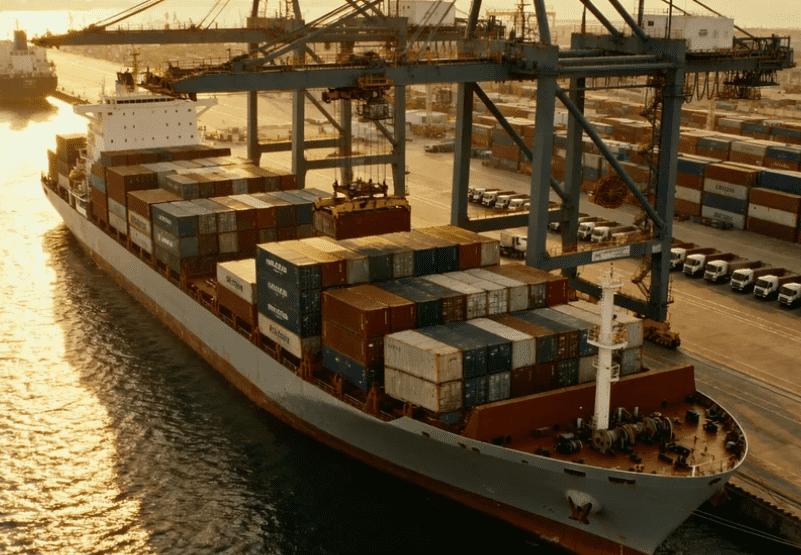
Introduction to Alibaba Freight Forwarder Shipping from China to Nigeria
Shipping goods from China to Nigeria is a critical link in the global supply chain, especially for businesses looking to tap into the rapidly growing West African market. Leveraging an Alibaba freight forwarder simplifies this process, offering a seamless connection between suppliers on Alibaba and importers in Nigeria. As an experienced logistics provider, I understand that efficient international shipping is not just about moving cargo—it’s about managing costs, transit times, compliance, and reliability.
The demand for high-quality products from China continues to rise in Nigeria, making timely and safe logistics solutions more important than ever. With the support of a reputable freight forwarder, such as Dantful.US International Logistics, customers can benefit from a wide array of services, including Sea Freight, Air Freight, Rail Freight, Road Freight, Amazon FBA, Warehouse, Customs Clearance, Insurance, Door to Door, OOG Freight, Consolidated Freight, and Breakbulk Freight. Choosing the right logistics partner is essential for navigating complex trade regulations, reducing risks, and ensuring your goods reach their destination efficiently.
In this guide, I’ll introduce the major advantages of using Alibaba freight forwarders for China-Nigeria shipping, and share practical insights to help you optimize your import process. For further reading on managing container shipments between these two countries, check out our Shipping Containers from China to Nigeria guide.
Key Benefits of Using Alibaba Freight Forwarders for China-Nigeria Shipping
When partnering with an Alibaba freight forwarder to ship from China to Nigeria, you unlock several distinct benefits that address both logistics challenges and business goals.
Cost-Effective Shipping Solutions
Cost is a critical factor in international shipping. Alibaba freight forwarders offer highly competitive rates due to their established networks with carriers and consolidated shipping volumes. By working with providers like Dantful.US International Logistics, you benefit from transparent pricing structures and flexible options tailored to your shipment size and urgency.
Below is a comparative table of estimated freight rates for standard shipments from key Chinese ports to major Nigerian ports (as of December 2025):
| Shipping Route | 20FT Container (FCL) | 40FT Container (FCL) | LCL (per CBM) | Air Freight (per kg) |
|---|---|---|---|---|
| Shanghai to Lagos (Apapa) | $2,800 – $3,300 | $4,800 – $5,700 | $120 – $150 | $7.00 – $8.50 |
| Shenzhen to Lagos (Tin Can) | $2,750 – $3,250 | $4,700 – $5,600 | $125 – $155 | $7.20 – $8.70 |
| Ningbo to Lagos (Apapa) | $2,850 – $3,400 | $4,900 – $5,800 | $123 – $152 | $7.10 – $8.60 |
Rates are for reference only; actual costs depend on cargo details, seasonality, and service options.
By consolidating shipments and leveraging economies of scale, Alibaba freight forwarders help small and medium-sized businesses reduce per-unit shipping costs, making international trade more accessible and profitable. If you’re interested in understanding the full cost structure, including latest fees, see our page on the Cost of Shipping 40ft Container from China to Nigeria.
Reliable Transit Times and Tracking
Timely delivery is essential for maintaining inventory flow and customer satisfaction. Alibaba freight forwarders coordinate with reputable carriers to ensure consistent schedules and minimize delays. Providers like Dantful.US International Logistics offer real-time tracking systems that keep you informed throughout the shipping journey.
Typical transit times from China to Nigeria by different modes are:
| Mode | Estimated Transit Time |
|---|---|
| Ocean Freight (FCL/LCL) | 35 – 45 days |
| Air Freight | 5 – 8 days |
| Express Shipping | 3 – 5 days |
These timeframes allow you to plan inventory turnover and sales campaigns with confidence. Advanced tracking technology provides end-to-end visibility, so you can monitor your shipment’s progress and proactively address any issues.
End-to-End Logistics Support
Shipping from China to Nigeria involves multiple steps: supplier coordination, cargo consolidation, packing, customs clearance, inland transportation, and final delivery. A professional Alibaba freight forwarder offers end-to-end logistics support, managing each link in the supply chain so you can focus on your core business.
At Dantful.US International Logistics, our integrated services cover:
- Sea Freight, Air Freight, and Multimodal Transport
- Customs Documentation and Clearance in both China and Nigeria
- Warehouse and Cargo Consolidation
- Cargo Insurance and risk management
- Door-to-Door Solutions for hassle-free delivery
By choosing a seasoned logistics partner, you minimize risks of delays, lost cargo, and compliance issues, ensuring smoother trade between China and Nigeria. For a comprehensive look at direct point-to-point services, explore our Door to Door Shipping from China to Nigeria solutions.
In summary, using an Alibaba freight forwarder for shipping from China to Nigeria delivers significant cost savings, reliable scheduling, and comprehensive logistics solutions. As you plan your next import, consider partnering with a trusted provider like Dantful.US International Logistics to unlock the full potential of global trade.
Popular Shipping Methods from China to Nigeria via Alibaba
Shipping goods from China to Nigeria through Alibaba offers a variety of freight options to suit different business needs, budgets, and timelines. Selecting the optimal shipping method is essential for controlling costs, minimizing risks, and ensuring smooth delivery. Here’s a detailed comparison of the most popular methods:
Ocean Freight vs. Air Freight: Pros and Cons
Ocean freight and air freight are the two primary shipping methods for moving goods between China and Nigeria. Each has unique advantages and limitations. Below is a comprehensive comparison:
| Aspect | Ocean Freight | Air Freight |
|---|---|---|
| Cost | Most cost-effective for bulk and heavy goods | Higher cost, suitable for urgent or high-value items |
| Transit Time | 30–45 days (average) | 4–7 days |
| Capacity | Supports large, heavy, and oversized cargo | Limited by aircraft size and weight restrictions |
| Reliability | Subject to weather/port congestion delays | Highly reliable, frequent departures |
| Tracking | Standard, with updates at key points | Advanced, often real-time updates |
| Best For | Non-urgent, bulky, or voluminous shipments | Urgent, small, or perishable goods |
| Environmental Impact | Lower emissions per unit (for large loads) | Higher carbon footprint per unit |
Ocean freight is ideal for businesses aiming to minimize costs, especially when shipping full containers or consolidated cargo over 2CBM or 200KG. Common departure ports in China include Shanghai, Shenzhen, and Guangzhou, with arrivals at Lagos (Apapa, Tin Can Island) or Port Harcourt in Nigeria.
Air freight serves those with urgent timelines or high-value items. Major Chinese airports such as Shanghai Pudong (PVG) and Guangzhou Baiyun (CAN) connect to Murtala Muhammed International Airport (LOS) in Lagos.
If you’re considering other key destinations in the region, our Shipping From China To Kenya guide provides a comparative look at East African shipping solutions.
FCL (Full Container Load) vs. LCL (Less Than Container Load)
For ocean shipments, deciding between FCL and LCL can significantly impact your logistics strategy:
| Feature | FCL (Full Container Load) | LCL (Less Than Container Load) |
|---|---|---|
| Definition | Exclusive use of one container | Share container with other shippers |
| Container Sizes | 20FT (28CBM), 40FT (56CBM), 40HQ (68CBM), 45HQ (78CBM) | Same containers; cargo is consolidated |
| Cost Structure | Flat rate per container | Charged by CBM/weight |
| Security | Lower risk of damage/theft | Higher risk due to cargo mixing |
| Flexibility | Best for larger volumes | Ideal for small shipments |
| Handling & Transit Time | Fewer handling points, faster | More handling, potential for delays |
| Best For | Shipments >15CBM or sensitive cargo | Shipments <15CBM or cost-saving needs |
If your cargo volume approaches a full container, FCL is often more cost-effective and reduces risk. LCL is perfect for small to medium shipments, allowing flexibility and lower upfront costs.
Express Shipping Options
Express shipping is a premium option for urgent, lightweight, or sample shipments from China to Nigeria. Key international express carriers (such as DHL, FedEx, UPS) offer door-to-door service, customs clearance, and real-time tracking. Typical delivery time is 3-7 days.
| Carrier | Typical Transit Time | Weight Limitations | Tracking | Service Area |
|---|---|---|---|---|
| DHL | 3–5 days | Up to 70kg per piece | Advanced, online | Nationwide |
| FedEx | 4–7 days | Up to 68kg per piece | Advanced, online | Nationwide |
| UPS | 4–6 days | Up to 70kg per piece | Advanced, online | Nationwide |
Express shipping is best for time-sensitive items, samples, or high-value goods. Keep in mind that express rates are higher, and customs duties apply.
How to Ship from China to Nigeria Using an Alibaba Freight Forwarder
Navigating the shipping process on Alibaba involves several key steps to ensure your cargo arrives safely and efficiently. Partnering with an experienced freight forwarder like Dantful.US International Logistics streamlines this process, providing comprehensive support at every stage.
Selecting the Right Freight Forwarder on Alibaba
Choosing a trusted Alibaba freight forwarder is critical. Consider the following:
- Reputation & Reviews: Look for forwarders with positive customer feedback and verified business licenses.
- Range of Services: Ensure they offer sea, air, express, customs clearance, warehousing, and insurance solutions.
- EEAT Compliance: Check for transparency, expertise, and robust communication.
- Global Network: Strong partnerships in both China and Nigeria guarantee seamless end-to-end delivery.
Dantful.US International Logistics stands out as a highly professional, cost-effective, and quality-driven provider, offering comprehensive one-stop solutions for global traders.
Booking and Preparing Your Shipment
Once you’ve selected your freight forwarder:
- Request a Quote: Provide details—cargo type, volume, weight, origin, destination, and preferred shipping mode (e.g., FCL, LCL, air, express).
- Book Space: Reserve space on the vessel or flight to suit your schedule and budget.
- Cargo Preparation: Ensure goods are packed securely, labeled accurately, and comply with destination requirements.
- Documentation: Prepare essential documents: Commercial Invoice, Packing List, Bill of Lading/Airway Bill, Certificates (as needed).
- Supplier Coordination: Arrange for pickup from your Chinese supplier or delivery to the forwarder’s warehouse.
Professional providers like Dantful.US can arrange pickup, packing, warehouse storage, and even consolidation for multiple suppliers—saving both time and cost.
Customs Clearance Process in China and Nigeria
Efficient customs clearance is crucial for on-time delivery and compliance. Here’s what to expect:
In China:
- Export Declaration: Your forwarder submits cargo details to Chinese Customs.
- Inspection: Goods may be inspected for compliance or quality.
- Release: Upon approval, goods are loaded for shipping.
In Nigeria:
- Import Declaration: Required documents are submitted to Nigeria Customs Service.
- Duties & Taxes: Import duties and VAT are assessed based on HS code and cargo value.
- Inspection: Random or targeted inspections may occur.
- Release for Delivery: Once cleared, cargo is delivered to your address or nominated warehouse.
Expert freight forwarders can pre-check documentation, minimize delays, and resolve issues with customs authorities in both countries. For more details about professional support in this process, you may also refer to Freight Forwarder from China to Nigeria.
Tracking and Receiving Your Cargo
After shipping, tracking your cargo is essential for supply chain transparency and planning. Most forwarders provide tracking numbers or portals for real-time updates.
- Ocean Freight: Track vessel schedules, container locations, and estimated arrival at Nigerian ports (e.g., Lagos Apapa).
- Air Freight/Express: Use online tracking platforms for flight status and customs updates.
- Last-Mile Delivery: Confirm delivery arrangements to your warehouse or doorstep.
At Dantful.US International Logistics, we provide digital tracking tools and dedicated customer support, ensuring you remain informed at every stage from pickup to final delivery.
By understanding these shipping methods and processes, you can optimize your import operations from China to Nigeria. Partnering with a reputable provider like Dantful.US further elevates efficiency, reduces risk, and delivers peace of mind—empowering your business for success in global trade.
Essential Documentation and Customs Requirements for China-Nigeria Shipping
Successfully shipping cargo from China to Nigeria through an Alibaba freight forwarder requires meticulous attention to documentation and strict adherence to customs regulations in both countries. This section provides a practical, up-to-date guide designed to help importers, exporters, cross-border e-commerce sellers, and logistics professionals avoid unnecessary delays and costs.
Key Shipping Documents Needed
Accurate documentation is essential for seamless international shipping. For China-Nigeria shipping, the following key documents are typically required:
| Document Name | Purpose | Issued By | Tips for Preparation |
|---|---|---|---|
| Bill of Lading (B/L) | Proof of shipping contract and cargo receipt | Shipping Line/Freight Forwarder | Ensure shipper and consignee details are accurate |
| Commercial Invoice | States value and description of goods | Shipper | Must match the purchase contract and packing list |
| Packing List | Details of packaging and contents | Shipper | Ensure consistency with invoice and B/L |
| Certificate of Origin | Certifies country of production | Chamber of Commerce | Often required for Nigerian customs clearance |
| Import Permit | Authorizes importation of specific goods | Nigerian Authorities | Check commodity-specific requirements |
| Form M | Mandatory pre-shipment document in Nigeria | Nigerian Importer, processed via banks | Must be approved before shipment departs China |
| SONCAP Certificate | For regulated products to ensure quality | Standards Organisation of Nigeria | Vital for electronics, machinery, and safety-regulated goods |
| Insurance Certificate | Confirms cargo insurance coverage | Insurance Provider | Reduces financial risk in case of damage/loss |
Tip: Always verify latest requirements with your freight forwarder or customs broker, as regulations can change.
Nigeria Import Regulations and Duties
Importing goods into Nigeria involves compliance with complex regulations and careful calculation of duties. Here are the essentials to keep your shipments smooth and compliant:
- Pre-shipment Inspection & Form M: All imports into Nigeria require the electronic submission and approval of Form M before shipment. This is crucial—shipping without approved Form M may result in cargo being rejected or heavily fined at Nigerian customs.
- SONCAP (Standards Organisation of Nigeria Conformity Assessment Programme): Many goods, especially electrical, mechanical, and consumer products, must be accompanied by a SONCAP certificate, verifying compliance with Nigerian standards.
- Import Duty & Taxes: Import duties typically range from 0% to 35%, depending on the product HS code. In addition to duty, goods are subject to Value Added Tax (VAT) at 7.5%, and possibly additional levies.
- Prohibited and Restricted Goods: Nigeria bans or restricts certain imports (e.g., counterfeit goods, some food items, used vehicles over 15 years old, firearms, drugs, etc.). Always check the latest prohibition list before purchasing.
- Nigerian Customs Valuation: Customs value is usually based on the CIF (Cost, Insurance, and Freight) price. False declarations can result in seizure and penalties.
Quick Reference: Typical Import Duty Rates
| Product Category | Duty Range | Additional Fees |
|---|---|---|
| Machinery & Equipment | 5% – 10% | VAT, ETLS, CISS |
| Consumer Electronics | 10% – 20% | VAT, SONCAP, CISS |
| Textiles & Apparel | 20% – 35% | VAT, CISS |
| Food Items | 5% – 20% | VAT, Quarantine Cert. |
ETLS: ECOWAS Trade Liberalization Scheme; CISS: Comprehensive Import Supervision Scheme
For a broader look at African import routes and requirements, you might also be interested in our Shipping from China to Africa regional logistics guide.
Avoiding Common Customs Issues
Delays and extra costs often result from preventable mistakes. Here are professional tips to help you avoid common customs issues when shipping from China to Nigeria:
- Incomplete or Incorrect Documentation: Double-check all documents for accuracy. Even minor errors can delay customs clearance.
- Incorrect HS Codes: Misclassification leads to wrong duty payments or shipment seizure. Work with your freight forwarder to get the correct codes.
- Lack of Compliance Certificates: For regulated goods, missing SONCAP or certificates of conformity will result in storage fees or re-export.
- Late Submission of Form M: Start the Form M process as soon as you place your order. Delays here cannot be fixed after cargo departure.
- Undervaluation or Misdeclaration: Nigerian Customs is vigilant on cargo valuation. Always declare true value and description.
- Unlicensed Importers: Only companies registered with Corporate Affairs Commission (CAC) in Nigeria can lawfully import commercial goods.
By choosing a highly experienced Alibaba freight forwarder like Dantful.US International Logistics, you gain access to expert customs guidance, document verification, and compliance support to ensure smooth delivery.
Tips for Reducing Shipping Costs and Delays from China to Nigeria
Shipping from China to Nigeria can be expensive and time-sensitive, but with the right strategies, you can optimize both cost and delivery speed. Here are proven methods used by industry professionals:
Negotiating Better Freight Rates
- Compare Multiple Freight Quotes: Solicit offers from several Alibaba freight forwarders. Leverage your order volume and frequency for better pricing.
- Book in Advance: Early booking often secures lower rates, especially during peak seasons.
- Optimize Cargo Size and Weight: Avoid shipping partially filled containers. Pay attention to the cost difference between FCL (Full Container Load) and LCL (Less than Container Load).
- Long-Term Partnerships: Developing a trusted relationship with your freight forwarder, such as Dantful.US International Logistics, often results in preferential rates and added service flexibility.
Consolidating Shipments for Savings
Shipment consolidation is a powerful tool for cost reduction, particularly for small and medium enterprises or e-commerce sellers:
- Combine Multiple Orders: If you buy from different suppliers in China, consolidate shipments into fewer containers. This reduces per-unit freight and customs clearance costs.
- Utilize Warehousing Services: Use freight forwarders that offer value-added warehousing, so your goods can be stored, grouped, and shipped together efficiently.
- LCL vs. FCL Cost Comparison:
| Container Type | Typical Capacity | Estimated Sea Freight Cost (China to Lagos, 2025) | Best For |
|---|---|---|---|
| 20FT FCL | 28 CBM | $2,900 – $4,200 USD | Full, heavy shipments |
| 40FT FCL | 56 CBM | $4,900 – $7,200 USD | Large, high-volume cargo |
| LCL | <15 CBM | $120 – $180 USD/CBM ($500 minimum) | Small, infrequent loads |
Prices are indicative and vary by route and season.
Preparing for Peak Shipping Seasons
- Know Peak Periods: The busiest times for shipping from China to Nigeria are before major holidays (Chinese New Year, Golden Week, Christmas, Ramadan).
- Plan Orders Early: Place orders and book shipping weeks in advance. Late bookings face higher prices and space constraints.
- Flexible Shipping Schedules: If possible, ship outside of peak seasons to save on costs and ensure faster transit.
- Leverage Door-to-Door Services: Reliable forwarders like Dantful.US International Logistics offer door-to-door, customs clearance, and warehousing solutions to speed up delivery during busy times.
Choosing the Best Alibaba Freight Forwarder for Your China-Nigeria Shipments
Selecting the right Alibaba freight forwarder is critical for a smooth, cost-effective, and compliant shipping experience from China to Nigeria. Here are key criteria and why Dantful.US International Logistics stands out:
1. Professional Experience & Service Portfolio
- Choose a forwarder with deep experience in China-Nigeria trade lanes.
- Ensure they provide a comprehensive range of services, such as Sea Freight, Air Freight, Rail Freight, Door-to-Door, Warehousing, Customs Clearance, Insurance, and Consolidated Freight.
2. Transparent Pricing & Communication
- Reliable forwarders provide clear, all-in quotes.
- Look for responsive communication and regular cargo tracking updates.
3. Compliance & Documentation Support
- Your freight partner should offer document review, compliance checks, and hands-on customs clearance support.
4. Technology & Tracking
- Advanced digital platforms for shipment tracking and documentation streamline your supply chain.
5. Reputation and References
- Check for client testimonials, Google reviews, and Alibaba ratings.
- A trusted provider like Dantful.US International Logistics is recognized for high-quality, one-stop international logistics solutions tailored for global traders.
Comparison Table: What to Look for in a Freight Forwarder
| Feature/Service | Dantful.US International Logistics | Typical Alibaba Forwarder |
|---|---|---|
| End-to-End Service Coverage | Yes | Varies |
| Sea/Air/Rail/Road Freight | Yes | Varies |
| Amazon FBA, OOG, Breakbulk, Consolidation | Yes | Rare |
| Dedicated Customs Clearance Support | Yes | Not always |
| Real-Time Cargo Tracking | Yes | Sometimes |
| Strong US & China Operations | Yes | Varies |
| Transparent, Competitive Pricing | Yes | Varies |
By partnering with Dantful.US International Logistics, you ensure professional handling, regulatory compliance, and efficient delivery of your Alibaba shipments from China to Nigeria—saving you time, money, and hassle.
Contact us today to get a tailored quote and discover how our expertise can benefit your business!
Leave a reply