

Are you searching for the best Shipping Quote from China to UK and wondering how to navigate the complex world of international freight? In this comprehensive guide, we break down all the key factors affecting your shipping costs, compare major shipping methods, and provide actionable tips for securing the most competitive quotes. Whether you’re a first-time importer or a logistics pro, this article will help you confidently manage every step of your China-UK shipping journey.
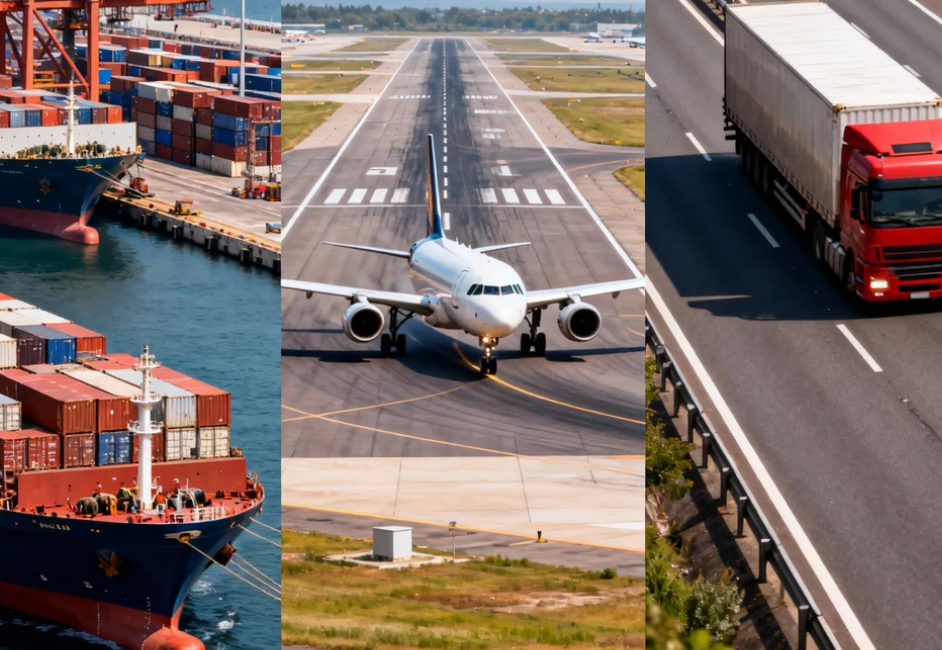
Key Factors Influencing Shipping Costs From China to the UK
Shipping costs from China to the UK are determined by a combination of core factors. Understanding these allows businesses and individuals to plan their logistics more efficiently and optimize budgets.
Cargo Type, Volume, and Weight Considerations
The characteristics of your cargo play a crucial role in the final shipping quote. Here are the main aspects:
Cargo Type: Certain goods, such as hazardous materials, oversized cargo, or perishable items, require specialized handling and may incur additional fees.
Volume & Weight: Shipping rates depend on either the volumetric weight (for lighter, bulkier goods) or the actual weight (for dense goods), whichever is greater. Cargo is typically measured in cubic meters (CBM) or kilograms (KG).
Container Options:
-
20FT Container: Capacity ~28 CBM
-
40FT Container: Capacity ~56 CBM
-
40HQ Container: Capacity ~68 CBM
-
45HQ Container: Capacity ~78 CBM
-
20FT Container: Capacity ~28 CBM
40FT Container: Capacity ~56 CBM
40HQ Container: Capacity ~68 CBM
45HQ Container: Capacity ~78 CBM
Packaging: Efficient packaging can minimize wasted space and lower the CBM, reducing costs.
Route Selection and Transit Times
The route chosen impacts both the transit time and cost:
Direct vs. Transshipment: Direct routes are faster but may be more expensive. Transshipment (changing vessels or modes) can save costs but increase transit time and risk.
Port of Origin and Destination: Major ports like Shanghai, Shenzhen, and Ningbo offer more frequent sailings and competitive rates to major UK ports such as Felixstowe, Southampton, and London Gateway.
Estimated Transit Times:
Route Average Transit Time (Days) Sea Freight: Shanghai to Felixstowe 28-35 Air Freight: PVG (Shanghai) to LHR (London) 3-7 Rail Freight: Xi’an to London 18-22
Faster transit generally comes at a higher price, so it is essential to balance speed and cost per your supply chain needs.
Seasonal Fluctuations and Surcharges
Shipping costs fluctuate throughout the year due to:
Peak Seasons: Rates surge before major holidays like Chinese New Year, Golden Week, and the Christmas season when demand for shipping spikes.
Bunker Adjustment Factor (BAF) and Fuel Surcharges: Global fuel price changes can lead to additional fees.
Capacity Constraints: Shortages of containers or vessel space during peak times also increase costs.
COVID-19 or Geopolitical Events: Unforeseen disruptions can impact rates, transit times, and service availability.
Customs Duties, Taxes, and Additional Fees
Importing goods into the UK incurs several statutory and service charges:
Customs Duties & VAT: Based on declared goods value, HS code, and type of goods. The UK Global Tariff system applies after Brexit.
Documentation Charges: Includes bill of lading, certificate of origin, and any licenses.
Port Handling Fees: UK ports levy charges for unloading, storage, and document processing.
Insurance: Optional, but highly recommended to protect against loss or damage.
Delivery Charges: For door-to-door service, domestic trucking or last-mile delivery costs are included.
Understanding all these elements is key to obtaining an accurate shipping quote from China to UK and avoiding hidden expenses. For more insights on costs and calculation, see: How much is shipping from China to UK
Comparing Shipping Methods: Sea Freight, Air Freight, and Rail Freight
Selecting the right shipping method is crucial for balancing cost, speed, and reliability. Each mode offers distinct advantages for different types of cargo and business requirements.
Sea Freight: FCL vs. LCL Options
Sea freight remains the most popular and cost-efficient shipping method for bulk cargo:
Full Container Load (FCL): You reserve an entire container (20FT, 40FT, 40HQ, or 45HQ) for your shipment.
Best for large volumes (over 15 CBM).
Lower cost per unit.
Reduced risk of cargo damage/mixing.
Less than Container Load (LCL): Your goods are consolidated with other shipments in one container.
Ideal for smaller shipments (1-15 CBM).
Flexible and cost-effective for SMEs and e-commerce sellers.
Slightly higher handling charges and longer processing times.
Typical Sea Freight Rates & Transit Times
| Container Type | Shanghai to Felixstowe | Transit Time (Days) |
|---|---|---|
| 20FT FCL | $2,500 – $3,200 | 28-35 |
| 40FT FCL | $4,500 – $5,500 | 28-35 |
| LCL (per CBM) | $80 – $120 | 32-38 |
Rates are indicative and subject to seasonal variation. Always request a fresh quote from a professional freight forwarder.
For a detailed look at LCL solutions on this route, you can also refer to our LCL Shipping from China to UK guide.
Air Freight: When Speed Matters
Air freight is the fastest route for urgent or high-value shipments:
Transit Time: 3-7 days from main Chinese airports (e.g., PVG, CAN) to UK hubs (e.g., LHR, LGW).
Cost: Calculated per KG or volumetric weight (whichever is higher).
Typical Use Cases: Electronics, fashion, perishables, or urgent samples.
Limitations: Weight/size restrictions, higher cost, limited for hazardous or very large cargo.
| Service Type | Shanghai to London (per KG) | Transit Time (Days) |
|---|---|---|
| Standard Air | $5 – $8 | 5-7 |
| Express Air | $7 – $12 | 3-5 |
Rail Freight: An Emerging Alternative
Rail freight is gaining traction as a balance between cost and speed:
Route: From major Chinese cities (e.g., Xi’an, Chongqing) to the UK via the Eurasian Land Bridge.
Transit Time: 18-22 days, faster than sea, more economical than air.
Capacity: Suitable for both FCL and LCL shipments.
Limitations: Not suitable for all cargo types—check for restrictions on hazardous, oversized, or temperature-sensitive goods.
| Route | FCL (40FT) | LCL (per CBM) | Transit Time (Days) |
|---|---|---|---|
| Xi’an to London | $9,500 | $250 | 18-22 |
Pros and Cons of Each Shipping Method
| Criteria | Sea Freight | Air Freight | Rail Freight |
|---|---|---|---|
| Cost | Lowest (FCL/LCL) | Highest | Moderate |
| Transit Time | 28-38 days | 3-7 days | 18-22 days |
| Reliability | High | Very High | Good |
| Volume Flexibility | High (FCL/LCL) | Low (weight/size limits) | Medium |
| Suitability | Most cargo types | Time-sensitive, high value | Non-perishable, moderately urgent |
| Environmental Impact | Lower (per unit) | Higher | Moderate |
When choosing between these options, consider your budget, timeline, cargo volume, and type. For expert support and a tailored shipping quote from China to UK, Dantful.US International Logistics offers competitive, transparent, and reliable solutions—whether for sea freight, air freight, or rail freight. We are committed to providing the best value for your supply chain with professional service across the entire logistics process. Reach out to our team for a personalized consultation.
If you are interested in regional alternatives, you might also find our guide on Shipping from China to Germany useful for comparison.
How to Request and Compare Shipping Quotes Effectively
When planning to ship goods from China to the UK, securing an accurate and competitive shipping quote is a vital first step. As an experienced freight forwarder, I know that understanding the quote process not only helps you control costs but also ensures your supply chain runs smoothly.
Essential Information Needed for Accurate Quotes
To obtain a precise shipping quote from China to the UK, you need to provide your freight forwarder with clear and detailed information. Here’s what professionals like us at Dantful.US International Logistics require:
Origin and Destination: Specify exact pickup location in China (e.g., Shanghai Port, Shenzhen Port) and delivery site in the UK (e.g., Felixstowe, London Gateway).
Cargo Details:
Type of goods: Is your cargo general, hazardous, perishable, or oversized?
Dimensions: Length, width, height (in centimeters or inches).
Weight: Gross weight and net weight (in kilograms or pounds).
Volume: If shipping by container, mention CBM (Cubic Meter). Common container capacities:
Container Type Capacity (CBM) 20FT 28 40FT 56 40HQ 68 45HQ 78 Shipment Term: Choose between FCL (Full Container Load), LCL (Less than Container Load), or others like air freight.
Incoterms: E.g., FOB, EXW, CIF—these define responsibility for costs and risks.
Special Requirements: E.g., insurance, customs clearance, warehousing, Amazon FBA delivery, door-to-door, etc.
Desired Transit Time: Is speed or cost your priority?
Estimated Shipping Date: This affects pricing due to potential seasonal surcharges.
By providing these details, you empower your freight partner to give you a transparent and binding quotation, minimizing unexpected costs.
Using Online Freight Calculators vs. Contacting Freight Forwarders
There are two main ways to get a shipping quote from China to UK:
1. Online Freight Calculators
Many logistics companies, including Dantful.US International Logistics, provide instant quote tools on their websites. These are best for quick estimates and initial cost comparisons.
Advantages:
Fast and convenient
Available 24/7
Good for standard cargo types
Limitations:
May not account for all real-life variables (e.g., special handling, peak season surcharges)
Best for simple shipments; complex situations require expert review
2. Contacting Freight Forwarders Directly
For tailored service or complex shipments, I always recommend reaching out to a reputable freight forwarder directly.
Advantages:
Customized solutions for your specific needs
Professional advice on compliance, documentation, route optimization
Access to volume discounts and consolidated shipments
Limitations:
Takes more time than online calculators, as back-and-forth communication is required
| Method | Speed | Accuracy | Customization | Best For |
|---|---|---|---|---|
| Online Calculator | Instant | Medium | Low | Standard shipments, quick checks |
| Freight Forwarder | Slower | High | High | Complex cargo, special requirements |
How to Evaluate and Choose the Best Offer
Once you receive multiple shipping quotes, compare them beyond just the bottom-line price. Here’s a checklist I use and recommend to clients:
Total Cost Breakdown: Ensure all charges are itemized (freight, fuel surcharge, documentation, customs, insurance, delivery, etc.).
Transit Time: Assess whether the quoted times match your supply chain needs.
Route Details: Confirm the departure and arrival ports, number of transshipments, and carriers involved.
Included Services: Check if quotes include customs clearance, door-to-door delivery, storage, or additional handling.
Insurance Coverage: Is cargo insurance included or optional? What are the terms?
Reputation and Support: Vet the provider’s credentials, responsiveness, and track record. For instance, Dantful.US International Logistics is known for our professional service, transparent pricing, and full-range solutions—sea, air, rail, road, as well as FBA and consolidation.
Hidden Fees: Ask upfront about any potential extra charges (e.g., demurrage, storage, customs inspections).
A sample comparison table might look like this:
| Provider | Shipping Method | Transit Time | Total Cost | Included Services | Reputation Score (Trustpilot/Google) |
|---|---|---|---|---|---|
| Company A | Sea FCL | 28 days | $2,350 | Port-Port, No insurance | 4.2/5 |
| Company B | Air Freight | 7 days | $5,800 | Door-Door, Insurance included | 4.5/5 |
| Dantful.US | Rail Freight | 16 days | $3,500 | Door-Door, Customs, Insurance | 4.8/5 |
Always balance cost, service, and reliability. The cheapest quote is not always the best value.
Tips for Reducing Shipping Costs From China to UK
Cost optimization is crucial, especially in today’s competitive global market. Here are proven strategies I recommend to clients shipping from China to the UK:
Consolidation Services and Smart Packaging
Consolidation: Combine multiple shipments or suppliers into one container. This is especially beneficial for small and medium importers using LCL. Consolidation reduces per-unit costs by sharing container space and handling charges.
Smart Packaging: Use efficient packaging to maximize cargo volume and minimize wasted space. Avoid over-packaging, and consult your freight forwarder for best practices on palletizing and stacking. Smart packaging lowers both shipping and potential customs duties (which are sometimes calculated by volume).
Pro Tip: At Dantful.US International Logistics, we offer expert consolidation services, helping you achieve the lowest unit cost without sacrificing reliability.
Negotiating With Freight Forwarders
Volume Discounts: If you anticipate regular shipments, negotiate for volume or contract rates.
Flexible Transit Options: Ask about slower, less direct routes that may offer lower rates if speed is not your priority.
Service Bundling: Combining freight, customs clearance, insurance, and warehousing with the same provider can lead to bundled discounts.
Request Multiple Quotes: Don’t hesitate to ask for revised offers or price matches.
A professional partner like Dantful.US leverages global carrier relationships to get you competitive rates.
Timing Your Shipments for Cost Efficiency
Avoid Peak Seasons: Shipping rates soar before major holidays such as Chinese New Year, Golden Week, and Christmas. If possible, plan shipments outside these periods.
Book in Advance: Early booking ensures better rates, especially for sea freight containers.
Monitor Market Trends: Freight costs fluctuate due to fuel prices, port congestion, and global events. Subscribe to market updates or consult your forwarder regularly.
Leverage Off-Peak Schedules: Mid-week departures or flexible delivery windows sometimes come with lower surcharges.
Summary Table: Cost-Saving Tips
| Strategy | Potential Savings/Benefit | Best For |
|---|---|---|
| Consolidation | 10-30% per shipment | SMEs, E-commerce, LCL cargo |
| Smart Packaging | 5-10% reduction in volume | All shippers |
| Volume Negotiation | Case-by-case, up to 20% | Frequent/large-scale shippers |
| Off-Peak Shipping | Avoids peak surcharges | Flexible delivery timelines |
By following these best practices, you can request accurate, competitive shipping quotes from China to the UK and realize sustainable cost savings. For tailored advice and a free, no-obligation quote, reach out to us at Dantful.US International Logistics—your trusted partner for global freight solutions.
For readers interested in other regional routes, our Shipping from China to France resource provides further strategies and benchmarks for European shipments.
Understanding the Shipping Process: From Quote to Delivery
Shipping from China to the UK is a structured process that involves several key stages. Understanding each phase helps to streamline your supply chain, reduce delays, and avoid unnecessary costs. Here’s a step-by-step breakdown:
Documentation and Compliance Essentials
Proper documentation is crucial for a smooth shipping experience. Missing or incorrect paperwork can lead to delays, fines, or even confiscation of goods. For shipments from China to the UK, the following documents are typically required:
| Document Name | Purpose | Who Provides It |
|---|---|---|
| Bill of Lading (B/L) | Proof of shipment and receipt of goods | Shipping Line / Freight Forwarder |
| Commercial Invoice | Details the sale transaction and value of goods | Shipper / Exporter |
| Packing List | Specifies the contents, packaging types, and weights | Shipper / Exporter |
| Certificate of Origin | Confirms country where goods were produced | Chamber of Commerce / Shipper |
| Export/Import Licenses | Authorization for export/import as required | Shipper / Importer |
| Insurance Certificate | Proof of cargo insurance coverage | Insurance Company / Forwarder |
| Customs Declaration | Officially declares goods to customs authorities | Customs Broker / Importer |
Tip: Always verify document requirements for your specific cargo type, as certain goods (such as electronics or food products) may require additional permits or certifications for both export in China and import in the UK.
Customs Clearance in the UK: What to Prepare
Customs clearance is a critical step after your goods arrive in the UK. To ensure a seamless process, you must be ready with:
Accurate Import Declarations: All goods entering the UK must be declared using the Customs Declaration Service (CDS).
Commodity Codes (HS Code): Correct HS codes determine duty rates and compliance requirements.
EORI Number: Both the exporter (in China) and the importer (in the UK) must have valid Economic Operator Registration and Identification (EORI) numbers.
VAT & Duties: Importers must pay applicable Value Added Tax (VAT) and customs duties, calculated based on the declared value, shipping costs, and HS code.
Supporting Documents: Provide any additional certificates (such as health or phytosanitary certificates for agricultural products).
Tip: A reliable freight forwarder like Dantful.US International Logistics can manage customs clearance on your behalf, ensuring compliance, reducing risk, and expediting your delivery.
Tracking and Insurance for Your Shipments
It is essential to monitor your shipment’s progress and safeguard it against potential risks.
Real-time Tracking: Modern freight forwarders provide digital tracking systems, allowing you and your customers to follow your shipment’s status from departure in China to delivery in the UK. This transparency helps you anticipate potential delays and update your supply chain partners proactively.
Insurance: While not mandatory, comprehensive cargo insurance is highly recommended, especially for high-value or sensitive goods. Insurance typically covers loss, theft, or damage during transit. With Dantful.US Logistics, we offer tailored insurance solutions that suit your cargo and shipping method.
Communication: Choose a forwarder that provides frequent updates and has a responsive customer service team to answer your concerns promptly.
Choosing a Reliable Freight Forwarder for China-UK Shipping
Selecting the right freight partner is one of the most critical decisions for a successful shipment. A good forwarder not only ensures timely delivery and compliance but can also reduce your overall logistics costs.
Key Qualities to Look For in a Freight Partner
| Qualities | Why It Matters |
|---|---|
| Experience with China-UK Trade | Familiarity with routes, regulations, and typical pitfalls improves reliability and efficiency |
| Comprehensive Service Portfolio | A one-stop solution (Sea, Air, Rail, Road, Warehousing, Customs, Insurance, Door to Door, FBA, etc.) |
| Transparent Pricing & Quotation | Clear cost breakdowns prevent hidden charges and help with accurate budgeting |
| Digital Tools & Tracking | Real-time shipment updates and document management for better visibility and control |
| Strong Local Networks | Partnerships at origin and destination improve problem-solving and speed up customs clearance |
| Customer Support | Responsive, knowledgeable support ensures smooth communication and prompt issue resolution |
| Positive Reputation & Credentials | Verified reviews, certifications, and compliance with international standards (such as FIATA, NVOCC) |
Dantful.US International Logistics excels in all of these aspects, providing highly professional, cost-effective, and high-quality one-stop international logistics solutions for global traders.
For those also exporting to nearby countries, our Shipping from China to France overview highlights key differences and similarities for UK and EU-bound shipments.
By carefully evaluating the above points and working with a trusted partner like Dantful.US International Logistics, you can ensure that your shipping quote from China to the UK delivers real value, peace of mind, and a competitive edge in your global trading operations.
Leave a reply