

Are you wondering how to efficiently ship goods from China to the USA while navigating complex import regulations and minimizing costs? In this importer’s handbook, we break down essential steps, from understanding US customs requirements to choosing the ideal shipping methods and calculating landed costs. In this comprehensive guide, you’ll discover everything you need to ensure smooth and compliant shipping for your business.
Understanding the Import Process
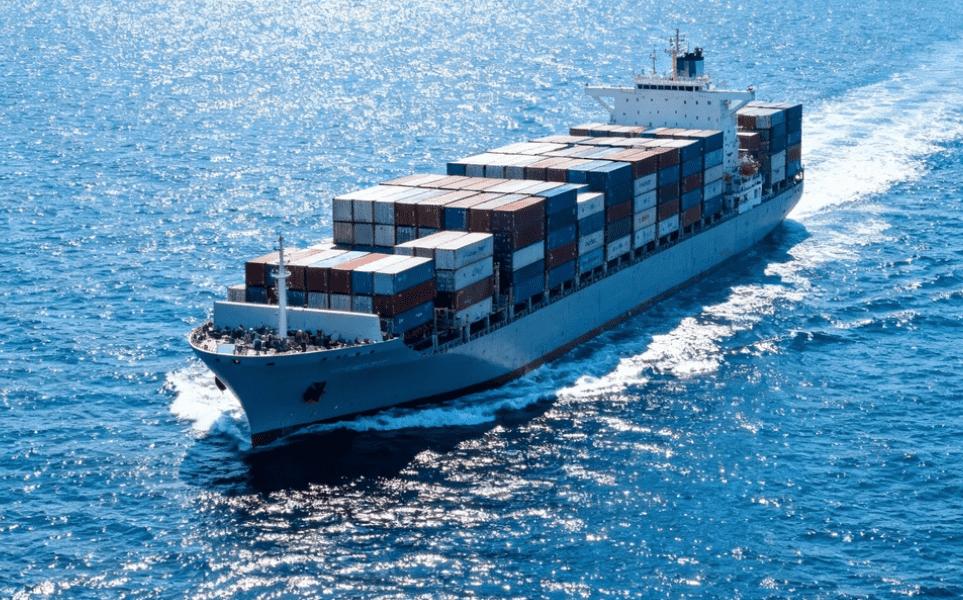
When considering how to ship goods from China to USA, understanding the end-to-end import process is crucial for both new and seasoned importers. This process involves a series of coordinated steps that ensure your cargo moves efficiently, cost-effectively, and compliantly from the supplier in China to your destination in the USA.
Related: See our step-by-step guide on Shipping from China to USA for more shipping strategies and tips.
Key Steps in the Import Process
Supplier Selection and Purchase Agreement Begin by choosing a reliable supplier in China. Negotiate terms, including Incoterms (such as FOB, CIF, EXW), which define responsibilities for shipping, insurance, and customs.
Cargo Preparation and Packaging Your goods should be packaged securely, labeled properly, and accompanied by accurate product descriptions. Proper packaging prevents damage and reduces risks during transit.
Booking Freight with a Forwarder Decide on your shipping method: sea freight, air freight, or express courier. Partnering with an experienced freight forwarder—such as Dantful.US International Logistics—simplifies the entire process, as we handle everything from booking to final delivery.
Export Customs Clearance in China Before leaving China, your goods must pass export customs. This step verifies documentation and cargo compliance with Chinese export regulations.
International Transportation Depending on the selected transportation mode, your goods move via vessel (container ship), airplane, or express courier. Transit times and costs vary (see the table in later sections).
US Customs Clearance On arrival in the USA, you must comply with US customs regulations. Proper documentation is critical to avoid delays and penalties.
Final Delivery and Distribution Once cleared, your goods are delivered to your warehouse, FBA center, or directly to customers, depending on your logistics plan.
A reliable partner like Dantful.US International Logistics ensures smooth coordination for each stage of this process, offering value-added services such as door-to-door delivery, customs clearance, and cargo insurance.
Compliance and Regulations
Navigating US compliance and regulations is essential when importing from China to the USA. Non-compliance can lead to costly delays, penalties, or even cargo seizure. Below, I’ll break down the two critical elements: US Customs Requirements and Required Documentation.
US Customs Requirements
The U.S. Customs and Border Protection (CBP) enforces strict requirements to ensure the safety and legality of imported goods. Major areas of compliance include:
Importer of Record (IOR): You must appoint an Importer of Record, who is responsible for ensuring all legal requirements are met and duties are paid.
Product Compliance: Your products may need to comply with specific US standards such as FDA, FCC, or CPSC regulations, depending on the category (for example, food, electronics, or children’s toys).
Proper Classification: Accurate HS Codes (Harmonized System codes) must be used for tariff and duty assessment.
Country of Origin Labeling: All goods must be labeled with China as the country of origin unless exempt.
Security Programs: Participation in programs like ISF (Importer Security Filing, 10+2) is mandatory for ocean shipments. The ISF must be filed at least 24 hours before cargo is loaded onto the vessel in China.
Required Documentation
Timely and accurate documentation is fundamental for smooth customs clearance and compliance. The core documents include:
| Document Name | Purpose & Notes | Who Provides |
|---|---|---|
| Bill of Lading (B/L) | Evidence of shipment and contract between shipper and carrier | Freight Forwarder |
| Commercial Invoice | Details of the sale, including value, quantity, and product description | Supplier/Exporter |
| Packing List | Itemized breakdown of cargo, weights, and dimensions | Supplier/Exporter |
| ISF Filing Confirmation | Required for sea freight; must be filed before departure from China | Importer or Agent |
| Arrival Notice | Notification of shipment arrival at the US port | Carrier |
| Customs Bond | Ensures payment of duties and compliance with US regulations | Importer/Freight Agent |
| Entry Manifest (CBP Form 7533) or Entry/Immediate Delivery (CBP Form 3461) | Officially presents goods to US Customs | Customs Broker |
| Other Agency Certificates | May include FDA, Lacey Act, or other agency approvals based on goods type | Supplier/Importer |
| Certificate of Origin (if required) | Proof of origin for certain goods for duty assessment | Supplier/Chamber |
Pro Tips for Smooth Documentation:
Ensure information consistency across all documents (values, HS codes, descriptions).
File ISF timely to avoid CBP penalties.
Work closely with your freight forwarder for document verification and pre-clearance.
Partnering with an experienced and reputable company like Dantful.US International Logistics ensures all documentation is prepared accurately and on time, minimizing compliance risks and delays.
In summary, understanding the full import process, preparing for US customs requirements, and gathering the correct documentation are foundational steps for anyone figuring out how to ship goods from China to USA. Lean on trusted professionals like Dantful.US International Logistics to streamline your supply chain, stay compliant, and avoid costly errors.
You might also be interested in our specialized guide on Shipping Furniture from China to USA for industry-specific requirements and tips.
Shipping Methods and Logistics
Air Freight vs. Sea Freight vs. Express Courier
When shipping goods from China to the USA, selecting the right shipping method is fundamental to controlling costs, meeting delivery deadlines, and ensuring the safety of your cargo. The three main methods—Air Freight, Sea Freight, and Express Courier—each serve different needs. Here’s a professional comparison to help guide your decision:
| Shipping Method | Typical Transit Time | Best For | Cost Level | Capacity Limits | Major Ports/Airports |
|---|---|---|---|---|---|
| Sea Freight (FCL/LCL) | 15-40 days (port to port) | Large, heavy, or bulk shipments | Lowest | 20FT: 28CBM, 40FT: 56CBM, 40HQ: 68CBM, 45HQ: 78CBM | Shanghai, Shenzhen, Ningbo – Los Angeles, Long Beach, New York |
| Air Freight | 3-7 days | Urgent, high-value, light cargo | Higher | Typically up to 2,000 kg/pallet | Shanghai PVG, Beijing PEK – LAX, JFK |
| Express Courier (DHL, FedEx, UPS) | 2-5 days | Samples, small parcels, e-commerce | Highest | Typically <300 kg/ shipment | Door-to-door |
Sea Freight: The most cost-effective solution for large shipments. You can choose FCL (Full Container Load) for an entire container or LCL (Less than Container Load) for smaller volumes. Sea freight is the backbone of international trade between China and the USA, ideal for established importers with high-volume cargo and flexible deadlines.
Air Freight: Perfect if you need to deliver goods quickly. While more expensive than sea freight, air freight ensures fast, reliable delivery and is best for time-sensitive, high-value, or perishable goods.
Express Courier: Services like DHL, FedEx, and UPS are unbeatable for parcels, samples, and e-commerce shipments. They offer door-to-door convenience, simple customs clearance, and track & trace, but the cost per kilogram is significantly higher.
Calculating Shipping Costs and Transit Times
Shipping costs from China to the USA depend on various factors:
Shipping Method: As shown above, sea freight is generally cheaper than air or express.
Volume & Weight: Larger/heavier shipments benefit from economies of scale.
Origin & Destination Ports: Rates vary between major ports (Shanghai, Ningbo, Shenzhen) and US gateways (Los Angeles, New York).
Seasonality & Surcharges: High season (pre-Chinese New Year, peak retail periods) brings rate surges.
Type of Service: FCL, LCL, special cargo (OOG, breakbulk), value-added services (insurance, warehousing).
Example: Shipping Rate Table (Estimated, for reference)
| Container Type | Shanghai to Los Angeles | Shanghai to New York |
|---|---|---|
| 20FT FCL | $2,000 – $2,800 | $3,000 – $4,000 |
| 40HQ FCL | $2,800 – $3,800 | $4,000 – $5,500 |
| LCL (per CBM) | $80 – $150 | $120 – $200 |
| Air Freight (per kg) | $5 – $8 | $6 – $10 |
| Express Courier (per kg, <21kg) | $10 – $15 | $12 – $18 |
Please note: Rates fluctuate frequently. For an accurate, up-to-date quote, contact a reliable freight forwarder like Dantful.US International Logistics.
Transit Times Overview
| Origin Port | Destination Port | Sea FCL/LCL | Air Freight | Express Courier |
|---|---|---|---|---|
| Shanghai | Los Angeles | 15-18 days | 3-5 days | 2-4 days |
| Shenzhen | New York | 25-30 days | 4-6 days | 3-5 days |
| Ningbo | Houston | 25-32 days | 4-7 days | 3-5 days |
For more details about major ports involved, visit our Shipping ports from China to USA insights.
Choosing the Right Shipping Partner
Selecting a trustworthy freight forwarder is one of the most crucial decisions for importers. A professional partner manages logistics, handles documentation, and mitigates supply chain risks, ensuring your goods arrive safely and efficiently.
When evaluating a shipping partner, consider:
Expertise and Experience: Proven track record in the China-USA trade lane.
Comprehensive Services: Ability to handle sea, air, rail, road, Amazon FBA, warehousing, customs clearance, insurance, door-to-door, OOG, consolidated, and breakbulk services.
Transparent Pricing: No hidden surcharges; clear breakdown of all costs.
Customer Support: Responsive, multi-lingual, and knowledgeable team.
Technology: Real-time tracking, easy documentation, and digital tools.
At Dantful.US International Logistics, we are recognized as a highly professional, cost-effective, and high-quality one-stop international logistics service provider for global traders. We offer a full suite of freight forwarding services tailored for shipments from China to the USA, helping you optimize costs, minimize delays, and ensure compliance every step of the way.
Duties, Tariffs, and Taxes
Understanding Section 301 Tariffs
Section 301 tariffs are additional duties imposed by the United States on certain goods imported from China. These tariffs were introduced as part of the US-China trade dispute and can significantly impact the landed cost of your imports.
Which products are affected? The tariffs cover multiple product lists (List 1-4), including electronics, machinery, furniture, clothing, and more. Always verify your product’s HS code against the latest USTR publications.
How much are the tariffs? The rate ranges from 7.5% to 25% on affected goods, in addition to standard duties.
Are there exclusions? Some products are exempted or eligible for exclusion; consult the official USTR website or your customs broker for updates.
For the latest trade policy updates, read How U.S.-China Trade Tariffs Are Evolving in 2025: What Importers Need to Know.
Calculating Landed Costs
To accurately determine your total cost of importing goods from China to the USA, you must consider all components of the landed cost:
Product Cost (Ex-works, FOB, or CIF)
Freight Charges (sea, air, express)
Insurance
Customs Duties (MFN rate + any applicable Section 301 tariffs)
Taxes (such as Merchandise Processing Fee and Harbor Maintenance Fee)
Domestic Delivery Costs (from port to final destination)
Landed Cost Calculation Example
| Cost Component | Example Value |
|---|---|
| Product Cost (FOB) | $10,000 |
| Ocean Freight | $3,000 |
| Insurance | $50 |
| US Customs Duty (5%) | $500 |
| Section 301 Tariff (25%) | $2,500 |
| MPF/HMF | $150 |
| Inland Delivery | $400 |
| Total Landed Cost | $16,600 |
Calculating your landed costs accurately helps with budgeting, pricing, and avoiding unexpected expenses.
How to Pay Duties and Taxes
Paying US import duties and taxes is a critical step in the customs clearance process. Here’s how importers typically manage it:
Customs Broker Management: Most importers authorize their customs broker or freight forwarder (like Dantful.US International Logistics) to process payments on their behalf. The broker advances funds to US Customs and Border Protection (CBP) and bills the importer.
ACH (Automated Clearing House): Larger importers may set up direct payment accounts with CBP, allowing for efficient, electronic payments via the ACH system.
Customs Bond: For shipments above $2,500 value, a customs bond is required to secure duty payment. Both single-entry and continuous bonds are available.
Recordkeeping: Keep all payment records, CBP Form 7501, and receipts for at least five years, as required by US regulations.
At Dantful.US International Logistics, our experienced team can help you estimate duties, handle all customs documentation, and facilitate payment—ensuring full compliance and a smooth import experience.
Customs Clearance Process
Navigating the customs clearance process is a critical step when shipping goods from China to the USA. As an importer, understanding this process ensures your shipments move smoothly and avoid costly delays or penalties. Here, I will break down the essential stages, required documentation, typical timelines, and expert tips for efficient clearance.
Step-by-Step Customs Clearance Workflow
Pre-Arrival Preparation
Before your shipment departs from China, it is crucial to gather and verify all necessary documents. These include the Commercial Invoice, Packing List, Bill of Lading/Airway Bill, and relevant permits or certificates (such as FDA or FCC approvals for certain products). Accurate paperwork reduces the risk of clearance delays at the US port of entry.
Entry Filing
Once the cargo arrives at a US port (for example, Port of Los Angeles, Port of Long Beach, Port of New York/New Jersey, or major airports like LAX and JFK), a formal entry must be filed with US Customs and Border Protection (CBP). This can be done by you as the importer, your appointed customs broker, or your freight forwarder like Dantful.US International Logistics.
The entry filing includes submitting the Entry Manifest (CBP Form 7533) or Entry/Immediate Delivery (CBP Form 3461), commercial invoice, bill of lading/airway bill, and other required documents.
Customs Review and Inspection
CBP officers review your documentation. In some cases, they may conduct physical examinations or request additional information for compliance purposes. Random inspections, or checks triggered by discrepancies, can occur, so maintaining transparency and accuracy is essential.
If your goods require special agency clearance (e.g., FDA, USDA), those agencies will review and approve the shipment as well.
Duty Assessment and Payment
CBP calculates the applicable duties, tariffs, and taxes (such as Section 301 tariffs if relevant). The importer or their agent must pay these charges before the cargo can be released.
Cargo Release
Once all requirements are met and payments settled, CBP releases the goods for pickup or onward delivery to your address, warehouse, or Amazon FBA center.
Typical Customs Clearance Timeframes
| Port/Airport | Average Clearance Time (Sea) | Average Clearance Time (Air) |
|---|---|---|
| Port of Los Angeles | 1-3 days | N/A |
| Port of Long Beach | 1-3 days | N/A |
| Port of New York/New Jersey | 2-4 days | N/A |
| Los Angeles International Airport (LAX) | N/A | 1 day |
| John F. Kennedy International Airport (JFK) | N/A | 1 day |
Note: Times may vary due to shipment volume, documentation accuracy, inspections, and regulatory changes.
Expert Tips for Smooth Customs Clearance
Use an Experienced Freight Forwarder: Partnering with a reputable provider like Dantful.US International Logistics ensures professional handling of documentation and compliance, minimizing errors and delays.
Stay Updated on Regulations: US customs regulations evolve. Regularly check CBP notices or rely on your logistics partner for updates.
Prepare Accurate Documentation: Double-check all paperwork for consistency. Discrepancies between documents often trigger inspections or hold-ups.
Classify Goods Correctly: Ensure correct HS codes and product descriptions. Misclassification can lead to extra duties or penalties.
Factor in Special Agency Requirements: If your goods are regulated by agencies like FDA, EPA, or USDA, additional permits or registrations may be needed.
By understanding and proactively managing the customs clearance process, you significantly reduce the risk of cargo delays, financial penalties, and supply chain disruptions.
For further reading, check out customs clearance service details and compliance tips.
Freight Forwarder from China to USA
Choosing the right freight forwarder is fundamental to the efficiency, cost-effectiveness, and reliability of your supply chain when shipping goods from China to the USA. As your logistics partner, a competent freight forwarder streamlines every aspect of your shipment—from booking space with carriers to navigating customs and delivering goods to their final destination.
Why You Need a Freight Forwarder
Expertise in International Shipping: Freight forwarders understand complex global logistics, trade regulations, and compliance requirements, translating into smooth coordination between shippers, carriers, customs, and final delivery.
Cost Optimization: By consolidating shipments and negotiating bulk rates, professional freight forwarders offer competitive shipping costs—notably important for small and medium-sized businesses.
End-to-End Solutions: Comprehensive services include cargo pick-up, warehousing, packaging, customs clearance, cargo insurance, and last-mile delivery.
Dantful.US International Logistics — Your Trusted Partner
At Dantful.US International Logistics, we pride ourselves on being a highly professional, cost-effective, and high-quality, one-stop international logistics service provider. We support global traders, manufacturers, e-commerce sellers, and individual customers with tailored solutions for shipping from China to the USA.
Our Core Freight Forwarding Services
| Service Type | Description | Best For |
|---|---|---|
| Sea Freight | Cost-effective for large, heavy, or bulk cargo (FCL & LCL). Multiple sailing schedules each week. | High-volume shipments |
| Air Freight | Fast transit, suitable for urgent or high-value cargo. Competitive rates and priority handling. | Time-sensitive goods |
| Rail Freight | Ideal for certain inland routes, combining speed and cost efficiency. | Intermodal and inland shipments |
| Road Freight | Domestic distribution across the USA after customs clearance. | Final mile delivery |
| Amazon FBA Services | Direct shipping and customs clearance for FBA warehouses. | E-commerce businesses |
| Warehousing | Storage solutions in both China and the USA, with inventory management and order fulfillment. | Flexible supply chain management |
| Customs Clearance | Professional documentation review, duty calculation, and compliance support. | All importers |
| Insurance | Cargo insurance options to safeguard your goods throughout transit. | Risk management |
| Door-to-Door Services | Seamless pick-up and delivery from your supplier in China to your door in the USA. | Hassle-free shipping |
| OOG Freight | Specialized handling for out-of-gauge (oversized) cargo. | Machinery, equipment, OOG cargo |
| Consolidated Freight | Groupage/LCL services to optimize costs for smaller shipments. | SMEs and startups |
| Breakbulk Freight | For non-containerized, project, or bulk cargo. | Large, non-standard freight |
Explore our dedicated freight forwarder China to US page for more detailed service options and support.
Shipping Rate and Transit Time Table (Sample Estimates)
| Route | Shipping Method | Typical Cost (USD, per CBM) | Transit Time (Days) |
|---|---|---|---|
| Shanghai – Los Angeles | Sea Freight | $50 – $80 | 13 – 18 |
| Shenzhen – New York | Sea Freight | $60 – $90 | 24 – 30 |
| Guangzhou – Chicago | Air Freight | $5.0 – $7.5 (per kg) | 3 – 6 |
| Qingdao – Houston | Sea Freight | $65 – $95 | 25 – 32 |
| Shanghai – Los Angeles | Express Courier | $8.0 – $11.0 (per kg) | 3 – 6 |
Note: Rates and times vary by season, cargo type, and current global logistics conditions. Contact Dantful.US for a precise quote tailored to your needs.
What Sets Dantful.US Apart?
Professional Service: Experienced, English-speaking logistics experts guide you through every step, ensuring compliance and transparency.
One-Stop Solution: We handle every phase, from pick-up in China to customs clearance and last-mile delivery in the USA.
Customizable Options: Flexible solutions for FCL, LCL, air, sea, and multimodal transport.
Real-Time Tracking: Digital tools for shipment status updates and proactive exception management.
Competitive Pricing: Transparent quotes with no hidden fees.
How to Get Started
Request a Quote: Share your shipment details (origin, destination, cargo specs) via our website or contact form.
Consult with Our Experts: We analyze your needs and propose optimal transport options.
Book and Ship: Our operations team coordinates pick-up, carrier booking, documentation, and customs clearance.
Track and Receive: Monitor your shipment status online and receive your goods on time.
Partnering with Dantful.US International Logistics ensures your shipments from China to the USA are handled with professionalism, reliability, and efficiency. As your trusted freight forwarder, we are committed to optimizing your international supply chain, reducing costs, and ensuring peace of mind every step of the way.
Leave a reply