

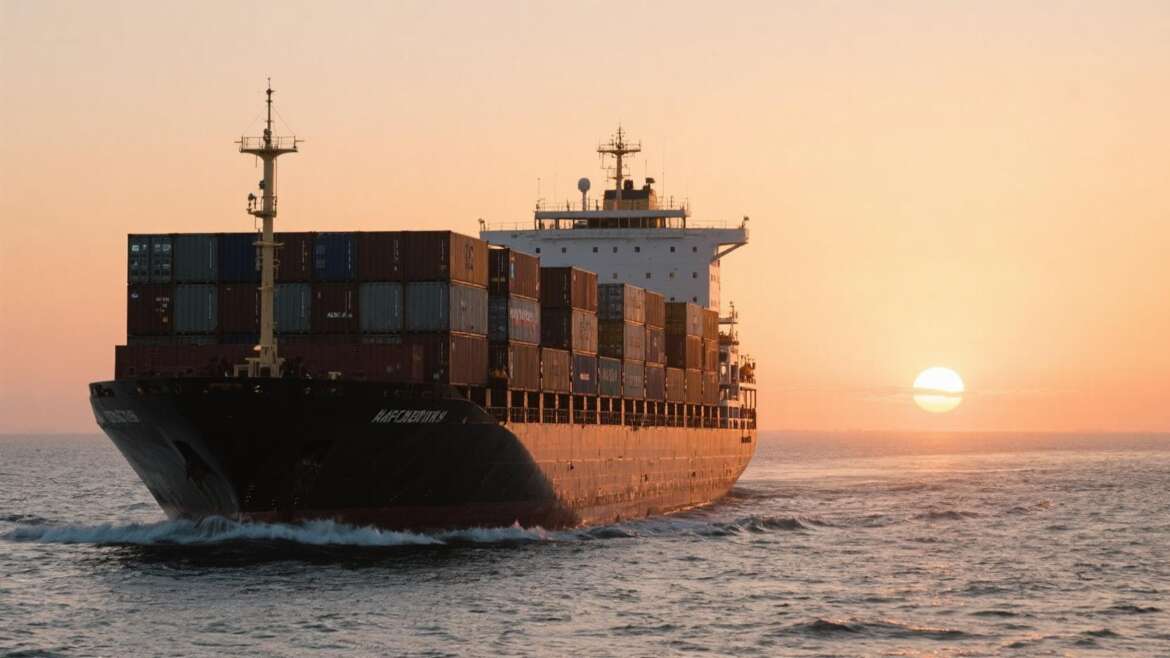
Are you wondering how much it really costs to ship a 20 ft container from China to USA? With international trade booming, understanding container shipping cost, major ports, and hidden charges is crucial for your business. In this comprehensive guide, we break down everything you need to know about shipping a 20ft container, from influential factors to cost-saving strategies, making your logistics planning easier and more efficient.
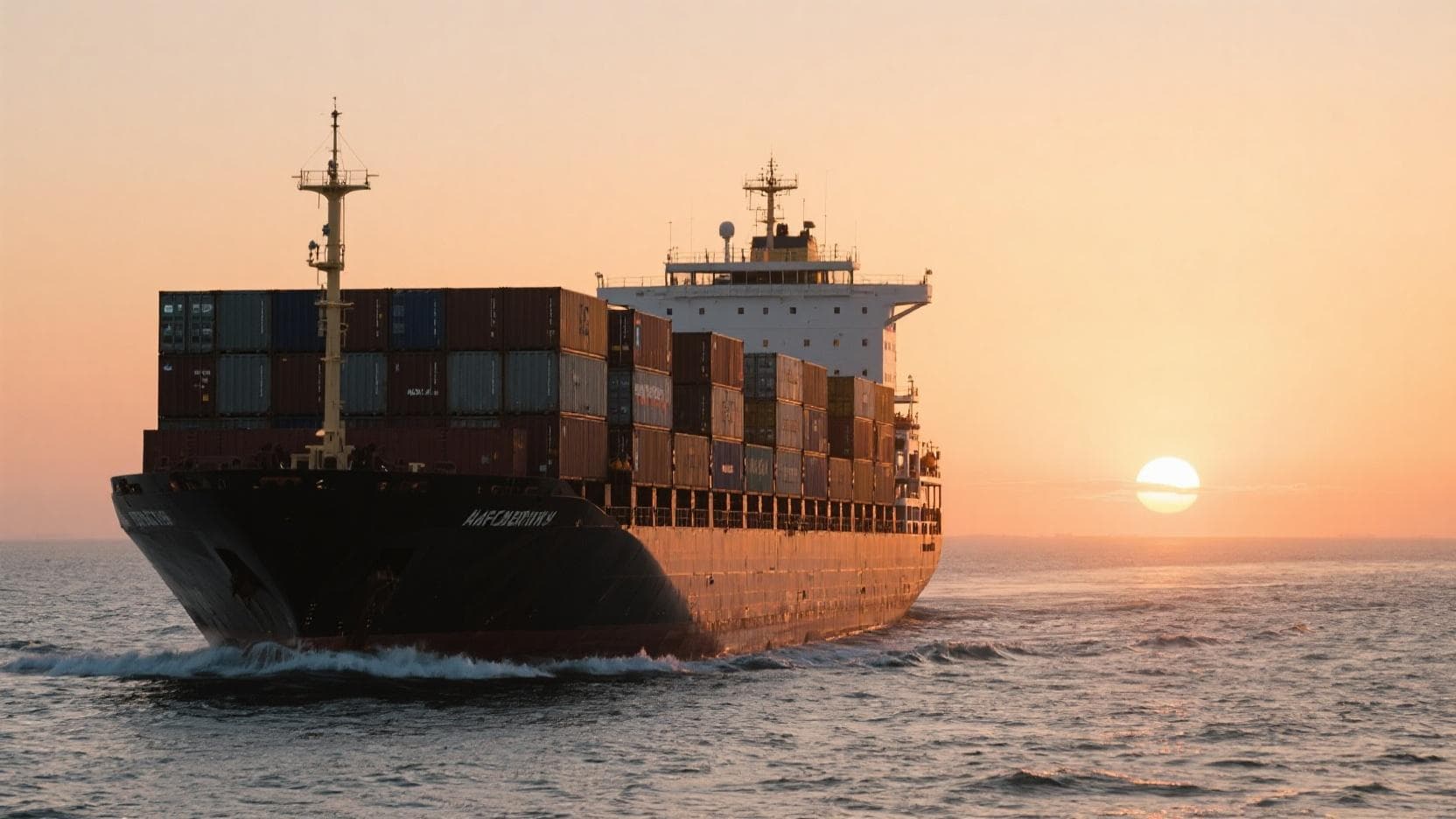
Shipping container from China to USA
Shipping a container from China to the USA is a complex process that involves multiple steps and parties, including export customs, ocean carriers, destination port handling, and final delivery. For importers, exporters, and businesses of all sizes, understanding this process is essential to ensure smooth, cost-effective, and timely delivery.
The most commonly used container sizes for international shipping are the 20ft container (with a capacity of about 28 CBM) and the 40ft container (56 CBM), with 40HQ (High Cube, 68 CBM) and even 45HQ (78 CBM) options for larger or more voluminous cargo.
Here’s a high-level overview of the standard container shipping process:
- Booking & Pickup: Select a freight forwarder with proven Americas route expertise to arrange the shipment. Goods are picked up from the factory or warehouse in China. We recommend working with partners who have direct experience with US customs requirements and port operations.
- Export Customs Clearance: Prepare necessary export documentation. Your freight forwarder assists with customs clearance at the origin.
- Container Loading: Goods are loaded into the container, which is sealed and transported to the export port.
- Ocean Freight: The container is shipped by sea from a major Chinese port to a designated US port. Transit time and cost depend on route, shipping line, and service type (direct or transshipment).
- Import Customs Clearance: On arrival in the USA, the container goes through customs clearance. Proper documentation (e.g., Bill of Lading, Commercial Invoice, Packing List) speeds up this step.
- Port Handling & Delivery: After clearance, the container is transported to the importer’s warehouse, fulfillment center, or Amazon FBA (if applicable). If you need full-service logistics, Door to Door Shipping can significantly simplify your process.
For additional insights on North American shipping, you might also find our guide on Shipping from China to Canada helpful.
Major Shipping Ports in China and USA
The cost and efficiency of shipping a 20ft container from China to the USA largely depend on the ports of origin and destination. Selecting the right port pair can reduce transit time, handling costs, and last-mile delivery expenses.
Major Shipping Ports in China
| Port Name | Location | Key Advantages | Main Export Regions |
|---|---|---|---|
| Shanghai Port | East China | World’s largest port, extensive global routes | Jiangsu, Zhejiang, Shanghai |
| Shenzhen Port | South China | Leading tech/export region, proximity to HK | Guangdong, Pearl River Delta |
| Ningbo-Zhoushan | East China | Major for machinery, electronics, textiles | Zhejiang, East China |
| Qingdao Port | North China | Strong in manufacturing, foodstuffs, machinery | Shandong, North/East China |
| Guangzhou Port | South China | Automotive, electronics, garment exports | Guangdong, South China |
| Xiamen Port | SE China | Ideal for small/medium manufacturers | Fujian, Southeast China |
| Tianjin Port | North China | Gateway for Beijing, Hebei, North China | North/Northeast China |
Major Shipping Ports in USA
| Port Name | Location | Key Advantages | Service Area |
|---|---|---|---|
| Los Angeles (LA) | West Coast | Largest, ideal for Pacific route, FBA preferred | California, West, Midwest |
| Long Beach | West Coast | Adjacent to LA, modern facilities | California, West, Midwest |
| New York/New Jersey | East Coast | Largest on the East, broad reach | Northeast, Midwest |
| Savannah | Southeast | Fast growing, efficient for e-commerce | Southeast, Atlanta, Inland US |
| Houston | Gulf Coast | Energy, industrial goods, Midwest access | Texas, Midwest, South |
| Seattle/Tacoma | Northwest | Gateway to Pacific Northwest, Alaska | Northwest, Midwest |
| Oakland | West Coast | Good for Northern California | California, West, Midwest |
| Miami | Southeast | Latin America trade, perishables | Florida, Caribbean, South |
Example: Popular Shipping Routes
| Route (China > USA) | Typical Transit Time (Sea Freight) |
|---|---|
| Shanghai > Los Angeles | 13-18 days |
| Shenzhen > Long Beach | 14-19 days |
| Ningbo > New York | 25-30 days |
| Qingdao > Houston | 25-32 days |
Transit times may vary based on carrier schedules, weather, customs, and congestion.
How to Choose the Right Port Pair
- For West Coast delivery or Amazon FBA: Shanghai/ Shenzhen/ Ningbo to Los Angeles/ Long Beach
- For East Coast or Midwest: Shanghai/ Ningbo/ Qingdao to New York/ Savannah/ Houston
- For time-sensitive cargo: Consider air freight options using major airports in China and USA
Selecting the optimal port pair can save significant time and money for your 20 ft container shipping from China to the USA. Based on our experience managing regular shipments on this route since 2014, we’ve found that combining the right port pair with proper documentation preparation can reduce both transit time and unexpected costs by 15-20%.
If you are interested in shipping to other major American markets, check our detailed page about Shipping from China to Mexico.
How much does it cost to ship a 20 ft container from China to USA?
The cost of shipping a 20 ft container (20GP, with a capacity of approximately 28CBM) from China to USA varies depending on several key factors, including the origin and destination ports, shipping mode, cargo type, and the current market rates. As of Q2 2026, average freight rates for a standard 20 ft container by sea freight from major ports in China (such as Shanghai, Shenzhen, and Ningbo) to major ports in USA (like Los Angeles, Long Beach, and New York) typically range between USD 1,500 to USD 3,500. Through our decade-plus experience on the Americas route, we’ve observed that booking 2-3 weeks in advance during off-peak periods can often secure rates at the lower end of this range, especially for West Coast destinations. However, rates can fluctuate based on seasonality, oil prices, and space availability.
To provide a clearer picture, here is a comparison of estimated shipping rates for a 20 ft container from key Chinese ports to popular US ports (for general cargo, FCL, port-to-port, excluding surcharges and additional fees):
| Origin Port (China) | Destination Port (USA) | Estimated Cost (USD) | Estimated Transit Time (Days) | Americas Route Insight |
|---|---|---|---|---|
| Shanghai | Los Angeles | $1,500 – $2,600 | 14 – 18 | Most competitive route; weekly direct sailings with COSCO, MSC, and CMA CGM |
| Shenzhen | Long Beach | $1,600 – $2,700 | 15 – 19 | Strong for electronics; Yantian terminal offers efficient customs pre-clearance |
| Ningbo | New York | $2,600 – $3,500 | 25 – 30 | Via Panama Canal; book 3+ weeks ahead during peak season (Aug-Oct) |
| Qingdao | Houston | $2,400 – $3,300 | 28 – 35 | Gulf Coast access; ideal for machinery and industrial equipment |
| Xiamen | Seattle | $1,800 – $2,800 | 16 – 22 | Growing route for Southeast China manufacturers; Tacoma alternative reduces congestion risk |
Note: The above rates are for FCL (Full Container Load) shipments and are for reference only. Actual costs may vary based on real-time market conditions, types of goods, shipping company, and additional services required.
For a precise quote tailored to your specific needs—including door-to-door, customs clearance, insurance, and more—it’s recommended to consult a freight forwarder with direct Americas route experience. Having managed container shipments from China to the US for over ten years, we’ve built relationships with carriers that allow us to offer competitive rates and provide guidance on everything from HS code classification to ISF filing timing. Our team handles the full process from origin pickup through final delivery, with particular attention to the compliance details that often trip up first-time importers.
If you want a detailed breakdown by destination, our Shipping Cost from China to USA page provides updated pricing and route information.
What Influences the Shipping Cost of a 20ft Container?
The final cost to ship a 20 ft container from China to USA is determined by various factors. Understanding these can help you make informed decisions and optimize your freight budget:
1. Origin and Destination Ports
Shipping rates differ depending on your selected Chinese loading port and the US discharge port. Shipping to inland ports or less common ports usually costs more than major coastal ports due to longer land transportation distances and potential transshipment.
2. Shipping Mode
- FCL (Full Container Load): You pay for the exclusive use of the entire 20 ft container.
- LCL (Less than Container Load): Your cargo shares space with others, often resulting in a lower base rate but higher per-cubic-meter costs and more handling.
- Door-to-door vs. port-to-port: Door-to-door services include pickup and delivery to your final destination, incurring extra costs.
3. Freight Seasonality and Market Fluctuations
Shipping costs can surge during peak seasons (such as pre-Christmas or Chinese New Year), or due to disruptions caused by port congestion, global events, or fuel price volatility.
4. Cargo Type and Weight
Hazardous, oversized, or temperature-sensitive goods may require special handling or equipment (OOG Freight, reefer containers), increasing shipping costs. Heavier loads can also lead to additional surcharges.
5. Surcharges and Additional Fees
Typical surcharges include:
- BAF (Bunker Adjustment Factor)
- CAF (Currency Adjustment Factor)
- PSS (Peak Season Surcharge)
- ISPS (International Ship and Port Facility Security)
- Documentation and handling charges
6. Value-added Services
Services such as customs clearance, insurance, warehousing, Amazon FBA prep, and cargo consolidation may affect the total cost.
7. Incoterms
The chosen Incoterms (e.g., FOB, EXW, CIF) determine which costs are covered by the buyer or the seller, impacting your bottom line.
8. Freight Forwarder Selection
Working with a freight forwarder who understands the nuances of the China-US trade lane makes a measurable difference. Over the years, we’ve learned that success on this route comes down to three things: accurate documentation (especially for US customs), reliable carrier relationships, and proactive communication when delays occur. We handle Sea Freight, Air Freight, Rail Freight, Road Freight, Insurance, Warehouse, and Door-to-Door services, with particular strength in helping small and medium businesses navigate their first few shipments to the Americas.
To further understand freight forwarding services between the two countries, you may want to read our in-depth info on freight forwarder China to US.
Hidden and Additional Charges to Consider
When assessing the 20 ft container shipping cost from China to USA, it’s essential not only to focus on base ocean freight rates. There are multiple hidden and additional charges that can significantly affect your total logistics expenses. Having processed thousands of customs entries across Los Angeles, Long Beach, New York, and Savannah, we’ve seen how seemingly small fees—chassis splits, exam holds, or storage at CFS facilities—can add $200-500 to an otherwise well-planned shipment. The following breakdown reflects what we typically see in Q2 2026, though individual cases vary based on cargo type and routing.
1. Terminal Handling Charges (THC)
THC are levied both at the port of origin in China and at the destination port in the USA. These cover the cost of loading, unloading, and moving containers within the port terminal. Charges often vary by port and shipping line.
2. Documentation Fees
Export documents, such as the Bill of Lading, export licenses, and certificates of origin, incur processing fees. In the USA, import documentation, such as ISF (Importer Security Filing) and Customs Entry filing, also attract service charges.
3. Customs Clearance & Brokerage Fees
Clearing your 20ft container through US Customs incurs brokerage fees. These can be fixed or based on the value of the goods. Additional inspection or examination fees may be applied if US Customs selects your cargo for detailed scrutiny.
4. Port Congestion and Pier Pass Fees
At busy US ports like Los Angeles and Long Beach, port congestion surcharges or Pier Pass fees may be imposed during peak periods. These charges compensate for delays and resource use due to overcrowding.
5. Delivery Charges (Trucking/Drayage)
Moving your container from the US port to the final delivery address involves trucking (drayage) fees, which depend on distance, container weight, and whether chassis rental is needed.
6. Demurrage and Detention Fees
If your container stays at the port beyond the free period, demurrage charges apply. Detention fees are incurred if container equipment is held outside the terminal past the allowed time. These fees can escalate quickly if not managed proactively.
7. Insurance
While not mandatory, cargo insurance is highly recommended. The shipping line’s liability is limited, so comprehensive insurance protects you against loss, theft, or damage during transit.
8. Other Potential Charges
- AMS (Automated Manifest System) Fee for US-bound shipments
- CFS (Container Freight Station) Fees for LCL or special handling
- Palletization, fumigation, or special packaging services
- Currency Adjustment Factor (CAF) and Bunker Adjustment Factor (BAF)—these cover fuel and foreign exchange fluctuations
Example of Common Hidden Charges (Table)
| Charge Type | Typical Range (USD) | Applies at China | Applies at USA | Description & Americas Route Insight |
|---|---|---|---|---|
| Terminal Handling | $75–$280 | ✓ | ✓ | Shanghai/LA ports typically at lower end; negotiate bundled rates with forwarders |
| Documentation | $25–$55 | ✓ | ✓ | ISF filing $25-45; use forwarder’s bond to avoid broker markups |
| Customs Brokerage | $75–$195 | ✓ | Standard entry $85-125; complex classifications may add $50-75 | |
| Port Congestion | $0–$150 | ✓ | LAX/LGB: minimal in Q2; avoid if possible during Oct-Dec peak | |
| Drayage (Trucking) | $250–$850 | ✓ | LA to Ontario/San Bernardino $280-380; NY/NJ to PA $320-450 | |
| Demurrage/Detention | $75–$150/day | ✓ | ✓ | LA: 4 free days standard; pre-clear to avoid storage |
| Insurance | 0.15–0.35% Cargo Value | ✓ | All-risk recommended for high-value electronics and machinery |
Tip: Always request a full quote with itemized charges from your freight forwarder. Having handled thousands of containers across the Americas route over the past decade, we’ve learned that most cost overruns come from unclear detention terms and unexpected chassis fees. A detailed quote breakdown upfront prevents these surprises.
How to Save on Shipping Costs
Managing the 20 ft container shipping cost from China to USA requires not just negotiation skills, but also strategic planning and understanding of the shipping process. Based on my extensive experience, here are actionable tips to help you optimize your logistics budget:
1. Plan Shipments in Advance
Early bookings secure better rates, especially during high season. Last-minute shipments often incur premium charges.
2. Choose the Right Shipping Mode
Compare FCL (Full Container Load) versus LCL (Less than Container Load). For shipments nearing 20ft container capacity (approx. 28CBM), FCL is typically more cost-effective per cubic meter than LCL.
3. Optimize Container Utilization
Maximize the use of the 28CBM capacity of a 20ft container. Proper packaging and palletizing help reduce wasted space, lowering your cost per unit.
4. Select the Appropriate Port Pair
Shipping from major ports (e.g., Shanghai, Shenzhen, Ningbo) to major US ports (e.g., Los Angeles, New York) is usually cheaper due to higher sailing frequency and competition among carriers.
| Example Route | Approx. Cost (Q2 2026) | Transit Time | Insider Tip |
|---|---|---|---|
| Shanghai – LA | $1,600–$2,400 | 15–18 days | Book COSCO or MSC for most reliable schedules to LA terminal Island |
| Shenzhen – NY | $2,600–$3,400 | 25–30 days | Consider Savannah alternative for Southeast distribution; often 2-3 days faster inland |
5. Consolidate Shipments
If possible, combine multiple orders into a single container to benefit from economies of scale. This reduces per-unit shipping charges and minimizes fees like THC and documentation.
6. Negotiate All-in Rates
Work with a freight forwarder who can negotiate all-in rates based on actual shipping volumes. We typically secure better bundled rates because we move consistent volume on the China-US lane, and we pass those savings through to our clients. Our all-in packages cover ocean freight, documentation, customs clearance, and inland delivery—reducing the surprise charges that often come from piecing together services separately.
7. Avoid Peak Season Surcharges
Shipping during off-peak months (e.g., avoiding the pre-Chinese New Year or Christmas rush) helps secure lower rates. Peak season brings General Rate Increases (GRI) and surcharges.
8. Monitor Demurrage/Detention
Coordinate pickup and customs clearance in advance to avoid costly storage or equipment fees at the port.
9. Leverage Technology for Tracking and Planning
Use digital tracking and management tools for real-time visibility and proactive decision-making. We provide clients with container tracking across all major carriers, plus automated notifications for key milestones—departure, arrival, customs hold status, and delivery confirmation. This matters particularly on the China-US lane where time zone differences can otherwise create communication gaps.
10. Consult a Professional Freight Forwarder
Partnering with a freight forwarder who knows the China-US lane intimately can save you both money and headaches. We’ve been handling this route since 2014, which means we’ve navigated port strikes, customs regulation changes, pandemic disruptions, and countless routine shipments. That experience translates into practical advice—like which carriers have the most reliable schedules to LA during peak season, or how to structure your documentation to minimize customs exam risk.
Our services cover Sea Freight, Air Freight, Rail Freight, Road Freight, Amazon FBA, Warehouse, Customs Clearance, Insurance, Door to Door, OOG Freight, Consolidated Freight, and Breakbulk Freight—all with the specific requirements of the Americas market in mind.
For additional optimization tips in the North American region, check out our Shipping from China to USA strategies.
In summary: Understanding hidden costs and applying these cost-saving strategies will give your business a competitive advantage and ensure that your 20 ft container shipping from China to USA remains both efficient and economical. If you’re planning a shipment and want to talk through the specifics—whether it’s your first container or your hundredth—feel free to reach out. We’re happy to share what we’ve learned from a decade on this route.
How long does it take to ship a 40ft Container from China to USA
Shipping a 40ft container from China to the USA is a common choice for global traders, manufacturers, and e-commerce sellers. Transit time depends on several factors, including the selected shipping route, carrier schedule, port congestion, customs clearance, and the type of shipping service (FCL, LCL, or expedited). Below, I will detail the major transit times and what affects them, providing you with the most up-to-date, real-world insights to help you plan your logistics.
Typical Transit Times: Port-to-Port
| Origin Port (China) | Destination Port (USA) | Estimated Transit Time (Days) | Shipping Mode |
|---|---|---|---|
| Shanghai | Los Angeles/Long Beach | 12 – 18 | FCL/LCL Sea Freight |
| Shenzhen | Los Angeles/Long Beach | 13 – 17 | FCL/LCL Sea Freight |
| Ningbo | Oakland | 17 – 25 | FCL/LCL Sea Freight |
| Qingdao | New York/New Jersey | 28 – 35 | FCL/LCL Sea Freight |
| Xiamen | Houston | 26 – 33 | FCL/LCL Sea Freight |
Note: The above times reflect ocean transit only and do not include pickup, customs, or inland delivery.
Key Factors Affecting Transit Time
- Port Location: East Coast routes (e.g., to New York) are longer than West Coast due to distance via the Panama Canal.
- Shipping Mode: FCL (Full Container Load) is often faster than LCL (Less than Container Load), which requires cargo consolidation and devanning.
- Carrier Service Type: Direct sailings are quicker than transshipment services (which involve cargo being shifted from one vessel to another en route).
- Seasonality: Peak seasons (e.g., pre-Christmas) often experience delays due to port congestion.
- Customs Clearance: Efficient documentation and partnering with an experienced freight forwarder like Dantful.US International Logistics can help minimize delays.
For information about door-to-door delivery options, see our Door to Door Shipping from China to USA service overview.
Door-to-Door Shipping Times
For customers requiring Door-to-Door delivery (including inland trucking and customs clearance), add approximately 5–10 days to the port-to-port times, depending on the destination within the USA.
Expedited Shipping Options
If transit speed is critical, consider:
- Expedited Sea Freight or Premium Services: Certain carriers offer fast-boat services, reducing time by several days.
- Air Freight: For urgent shipments, air freight can deliver in 2–7 days, but at a higher cost.
How We Can Help
After ten years focused on the China-US lane, we’ve learned what actually matters to importers: predictable costs, clear communication across time zones, and quick resolution when things go wrong. Here’s what that looks like in practice:
Pricing Transparency We itemize every charge upfront—ocean freight, THC, documentation, customs clearance, trucking—so you’re not surprised by a $400 chassis split fee or unexpected storage charges at the destination port. Our clients typically see total landed costs 8-12% below piecing together services separately.
Americas Route Expertise
- Customs: We handle 200+ entries monthly across LA, Long Beach, New York, and Savannah. We know which HS codes trigger exams and how to structure documentation to minimize delays.
- Carrier Relationships: Direct contracts with COSCO, MSC, CMA CGM, and others mean we can often secure space during peak season when spot rates spike.
- Last-Mile Optimization: Whether you’re delivering to an Amazon FBA warehouse in California, a distribution center in Texas, or a retail location in the Northeast, we coordinate drayage and trucking to avoid the congestion that adds days to transit.
Communication That Works Time zone gaps between China and the US create natural delays. We assign dedicated operations staff on both sides—someone who knows your shipment details is available during China business hours for origin issues and US hours for customs or delivery questions.
When Problems Arise Containers get stuck. Customs flags a shipment. A truck breaks down. We’ve handled port strikes, tariff changes, and pandemic-era chaos. When issues happen, you’ll know within hours, not days, and we’ll have options ready—alternative routings, expedited clearance, or temporary warehousing.
We offer Sea Freight, Air Freight, Rail Freight, Road Freight, Amazon FBA, Warehouse, Customs Clearance, Insurance, Door to Door, OOG Freight, Consolidated Freight, and Breakbulk Freight—all with the specific requirements of the China-US trade lane in mind.
If you’re evaluating freight forwarders or just want a second opinion on your current shipping setup, we’re happy to review your situation and give you straightforward feedback—whether you end up working with us or not.
FAQs
How much is shipping a 40ft container from China to USA?
Shipping rates for a 40ft container fluctuate due to market demand, fuel prices, route, and time of year. As of 2025, the average cost to ship a 40ft container from major ports in China to main ports in the USA ranges from $3,000 to $5,500 (port-to-port, FCL), depending on the specific origin and destination. Additional services such as Door-to-Door, customs clearance, and insurance will increase the total fee.
| Origin Port (China) | Destination Port (USA) | Estimated Cost (USD) |
|---|---|---|
| Shanghai | Los Angeles | $3,000 – $4,000 |
| Shenzhen | New York | $4,000 – $5,500 |
| Ningbo | Houston | $4,200 – $5,200 |
Prices are indicative and subject to change. For the latest rates, contact *Dantful.US International Logistics* for a tailored quote.
What is the cheapest way to ship a 20ft container from China to USA?
The most cost-effective method for shipping a 20ft container is FCL Sea Freight (Full Container Load), especially for shipments above 15 CBM. Choosing less congested ports, flexible sailing schedules, and off-peak seasons can further lower costs. LCL Sea Freight may be cheaper for smaller volumes but often comes with higher per-cubic-meter charges.
Tips to Save Costs:
- Book in advance to secure lower rates.
- Use FCL for shipments above 15 CBM.
- Optimize packing to maximize container space.
- Partner with a reliable freight forwarder like Dantful.US for consolidated shipping solutions.
How long does sea freight take from China to USA?
On average, sea freight from China to the USA takes:
- West Coast: 12–18 days (e.g., Shanghai to Los Angeles)
- East Coast: 25–35 days (e.g., Qingdao to New York)
- Gulf Coast: 26–33 days (e.g., Xiamen to Houston)
Additional time may be needed for customs clearance and inland delivery.
For a detailed transit time chart, visit our How Long does it Take to Ship from China to USA article.
What are the main ports in China for shipping to USA?
The largest and busiest export ports in China used for shipping to the USA include:
- Shanghai Port
- Shenzhen (Yantian, Shekou) Port
- Ningbo-Zhoushan Port
- Qingdao Port
- Xiamen Port
- Tianjin (Xingang) Port
- Guangzhou (Nansha) Port
Choosing the appropriate port depends on your cargo origin, schedule, and cost considerations.
What documents are required for Customs Clearance in USA?
For successful customs clearance in the USA, you will typically need:
- Bill of Lading (BL)
- Commercial Invoice
- Packing List
- Arrival Notice
- ISF Filing (Importer Security Filing, 10+2)
- Customs Bond
- Other certificates (such as fumigation certificate, depending on the goods)
Working with a professional freight forwarder like Dantful.US International Logistics ensures all documentation is accurate and compliant, reducing the risk of delays or extra charges.
Leave a reply