

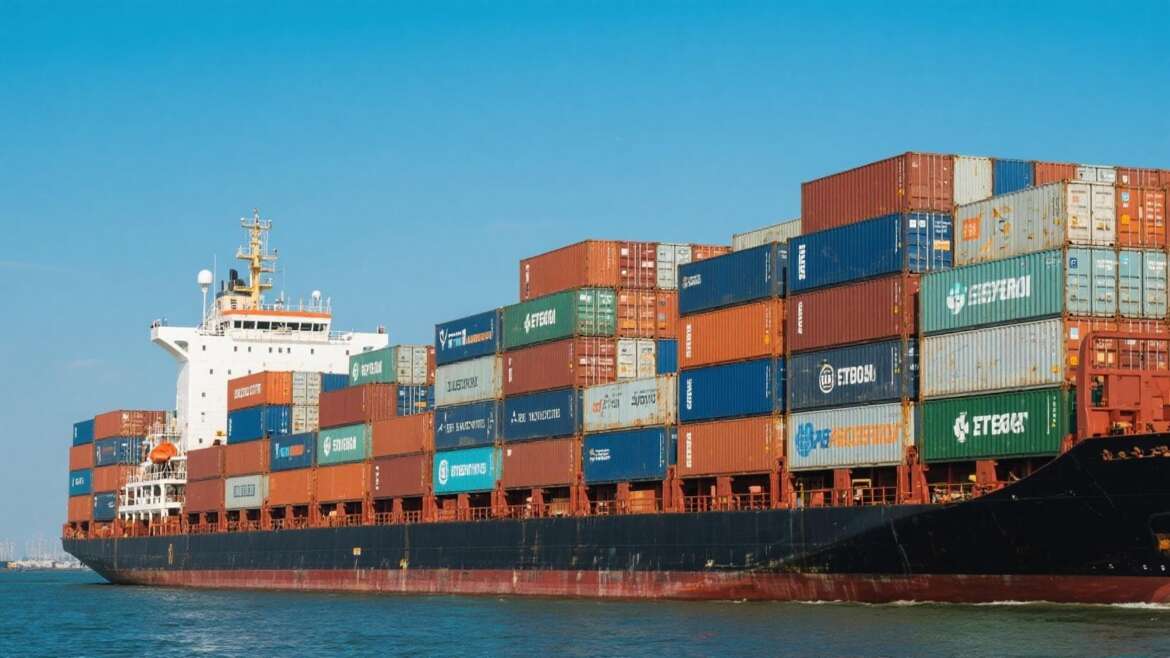
Are you wondering how to efficiently manage shipping containers from China to Germany? With ever-changing freight rates, import taxes, and key logistics points, navigating this process can be complex. In this comprehensive guide, we’ll explore essential topics such as key ports, container shipping costs, duties, and step-by-step procedures to help you succeed in international trade. Let’s unlock the secrets to seamless and cost-effective container shipping between China and Germany!
Key Ports for China to Germany Container Shipping
When shipping containers from China to Germany, selecting the right ports is crucial for cost-efficiency and timely delivery. Here is an overview of the major Chinese ports and German ports commonly used in international container shipping:
Major Ports in China:
| Port Name | Location | Features | Main Export Goods |
|---|---|---|---|
| Shanghai | Eastern China | World’s largest container port, advanced facilities | Electronics, machinery, textiles |
| Shenzhen | Southern China | Major manufacturing hub, fast processing | Electronics, garments, furniture |
| Ningbo-Zhoushan | Eastern China | High capacity, efficient for FCL shipments | Petrochemicals, machinery, electronics |
| Qingdao | Northern China | Strategic for northern exporters | Chemicals, automotive, machinery |
| Guangzhou | Southern China | Comprehensive logistics network | Electronics, home appliances |
| Xiamen | Southeastern China | Suitable for smaller shipments | Shoes, textiles, electronics |
Major Ports in Germany:
| Port Name | Location | Features | Main Import Goods |
|---|---|---|---|
| Hamburg | Northern Germany | Largest port in Germany, direct rail links to Europe | Machinery, electronics, textiles |
| Bremerhaven | Northwest Germany | Specialized in container and automobile handling | Vehicles, machinery, electronics |
| Wilhelmshaven | Northwest Germany | Deep-water port, modern container terminals | Commodities, retail goods |
Typical Shipping Routes
Most container ships follow the Asia-Europe trade lane, utilizing the Suez Canal for the fastest maritime route. This offers:
- Fast transit times (approximately 28-35 days, depending on origin and destination ports)
- Regular sailings by top carriers
Factors to Consider When Choosing Ports
- Proximity to supplier or consignee
- Available shipping schedules and transit times
- Port handling charges and customs clearance efficiency
- Connectivity to inland transportation (rail, truck, barge)
Working with a professional forwarder like Dantful.US International Logistics helps in selecting the optimal port combination, ensuring a seamless shipping experience.
20 ft container shipping cost from China to Germany
20 ft container shipping costs from China to Germany vary depending on several factors, including origin and destination ports, seasonal demand, carrier selection, incoterms, and additional services. Here’s a breakdown using the latest available rates for 2025:
Estimated 20 ft Container Shipping Costs (FCL)
| Route | Average Ocean Freight (USD) | Typical Transit Time (Days) |
|---|---|---|
| Shanghai → Hamburg | $2,400 – $3,100 | 28 – 32 |
| Ningbo → Bremerhaven | $2,350 – $3,150 | 28 – 33 |
| Shenzhen → Hamburg | $2,600 – $3,400 | 29 – 34 |
| Qingdao → Wilhelmshaven | $2,500 – $3,200 | 29 – 35 |
For those considering alternative European destinations, you might also explore Shipping from China to France or Shipping From China To Netherlands, as rates and transit times may differ slightly.
Cost Influencing Factors:
- Seasonality: Freight rates are higher during peak seasons (e.g., pre-Christmas, Chinese New Year).
- Container Availability: Equipment shortages can increase rates.
- Route Surcharges: Suez Canal fees, fuel surcharges, and port congestion may apply.
- Service Type: Standard FCL, premium, or express services will differ in cost.
What’s Included:
- Basic ocean freight from port to port
- Standard container handling charges
What’s Not Included:
- Port charges at origin or destination
- Customs clearance
- Import duties and VAT
- Inland delivery (trucking or rail)
Tip: To further reduce your shipping costs, consider consolidating cargo, booking in advance, or discussing long-term contracts with your freight forwarder.
For more details on 40 ft container shipping costs, taxes, and the full process, please continue to the next sections. If you require detailed guidance on the overall process, you may refer to our Shipping from China to Germany page for comprehensive information.
40 ft container shipping cost from China to Germany
When shipping goods using a 40 ft container from China to Germany, understanding the cost structure is essential for effective budgeting and supply chain management. The total cost can be influenced by several factors including port selection, shipping season, cargo type, and choice of freight forwarder.
Current Average Costs (2025)
The following table provides a snapshot of average shipping costs for a 40 ft container from major Chinese ports to major German ports. Please note that rates fluctuate due to market demand, fuel prices, and global trade policies. For the most precise and up-to-date rate, always request a tailored quote from your freight forwarder.
| Origin Port (China) | Destination Port (Germany) | Estimated Cost (USD, 40ft FCL) | Transit Time (Days) |
|---|---|---|---|
| Shanghai | Hamburg | $3,500 – $4,800 | 27-35 |
| Shenzhen | Bremerhaven | $3,600 – $5,000 | 28-36 |
| Ningbo | Hamburg | $3,700 – $4,900 | 27-33 |
| Qingdao | Hamburg | $3,800 – $5,100 | 29-37 |
For more specifics on associated charges, see the latest Shipping Cost from China to Germany.
What’s Included in the Cost?
- Ocean Freight Charges
- Origin and destination terminal handling
- Basic documentation fees
What’s Not Included?
- Import tax and duty
- Local delivery within Germany
- Additional surcharges (see below)
- Insurance
How to Get the Best Rate?
- Plan shipments off-peak to avoid seasonal surcharges.
- Compare rates from several providers, but prioritize reliability.
- Use a professional, cost-effective freight forwarder like Dantful.US International Logistics for end-to-end service and transparent pricing.
Import Tax and Duty about Goods Exported from China to the Germany
When importing goods via shipping containers from China to Germany, understanding the import tax and duty structure is critical for compliance and accurate cost estimation.
Key Import Tax Components
1. Customs Duties
- Calculated as a percentage of the customs value (CIF: Cost + Insurance + Freight).
- Duty rates vary by product and are classified under the Harmonized System (HS) code.
Example:
Consumer electronics: Duty rates commonly range from 0% to 14%.
Textiles: Duty rates range from 8% to 12%.
2. Value-Added Tax (VAT)
- The standard VAT rate in Germany is 19% (as of 2025).
- Applied to the total value of goods plus duties and all other import costs.
3. Other Applicable Fees
- Anti-dumping duties for certain goods.
- Environmental or excise taxes for specific product categories.
Calculation Example
Let’s assume you import $10,000 worth of textiles (HS code: 6203) in a 40 ft container:
| Item | Amount (USD) |
|---|---|
| Value of goods | $10,000 |
| Freight & Insurance | $4,000 |
| Dutiable value | $14,000 |
| Customs duty (10%) | $1,400 |
| Subtotal | $15,400 |
| VAT (19%) | $2,926 |
| Total taxes/duties | $4,326 |
Customs Clearance
- Required documentation: Commercial invoice, packing list, bill of lading, and import declaration.
- Customs inspections may occur if documentation is incomplete or for high-risk goods.
Other Additional Charges
When shipping containers from China to Germany, it is important to consider not only the base freight cost but also a range of additional charges that may be incurred throughout the process. These extra costs can significantly impact your overall shipping budget, so understanding them in advance is crucial for accurate cost planning.
Common Additional Charges for Container Shipping
| Charge Type | Description | Typical Amount (USD, estimate) |
|---|---|---|
| Bunker Adjustment Factor (BAF) | Adjusts for fluctuations in fuel prices. | $100–$300 per TEU |
| Currency Adjustment Factor (CAF) | Compensates for currency exchange rate volatility. | 3%–7% of base freight |
| Port Congestion Surcharge | Imposed when ports are overloaded, causing delays. | $50–$200 per container |
| Peak Season Surcharge (PSS) | Levied during high demand periods, such as holidays or the shipping peak season. | $150–$400 per container |
| Documentation Fee | Charges for preparing shipping and customs documents. | $30–$75 per bill |
| Customs Clearance Fee | Paid to customs brokers for handling import/export customs procedures. | $50–$200 per shipment |
| Demurrage and Detention Fees | Incurred if containers are not moved out of the port or returned within the free time period. | $100–$200 per day |
| Inland Transportation Fee | For delivery from the port to your warehouse or specified location. | Varies by distance and mode |
| Insurance | Optional, but highly recommended to cover goods in transit. | 0.3%–0.7% of invoice value |
| Inspection Fees | May apply if goods are subject to physical inspection by customs or authorities. | $50–$250 per inspection |
Note: The above charges are indicative and may vary depending on shipping line, route, seasonality, and cargo type. Always consult with your freight forwarder for the latest and most accurate information.
Selecting a professional freight forwarder, such as Dantful.US International Logistics, ensures that you receive transparent quotes with all potential additional charges disclosed upfront. Our team specializes in minimizing hidden fees, streamlining the logistics process, and offering competitive rates for all your China to Germany shipping requirements.
Step-by-Step Container Shipping Process
Shipping containers from China to Germany involves a series of well-coordinated steps. Understanding this process helps importers efficiently manage shipments, prevent delays, and ensure compliance with international trade regulations.
1. Inquiry and Quote
- Provide shipment details—volume, cargo type, value, origin, and destination—to your freight forwarder.
- Receive a detailed shipping quote covering freight, surcharges, and additional services. Dantful.US International Logistics guarantees transparent, all-inclusive quotes.
2. Booking the Shipment
- Confirm your shipment booking with the chosen shipping line or freight forwarder.
- Reserve space on the vessel, especially during peak seasons.
3. Cargo Preparation and Packing
- Ensure all goods are professionally packed and labeled, suitable for international transit.
- Comply with packaging standards for sea freight to avoid damage or delays.
4. Customs Clearance at Origin (China)
- Prepare required documentation: commercial invoice, packing list, bill of lading, export license (if needed), and other relevant certificates.
- Your freight forwarder, such as Dantful.US Logistics, will handle export customs clearance.
5. Transport to Port of Loading
- Move the loaded container to the departure port (e.g., Shanghai, Shenzhen, or Ningbo).
- Inland transportation may be arranged via road freight or rail freight.
6. Loading and Sea Voyage
- Containers are loaded onto the vessel.
- Transit time to major German ports (such as Hamburg or Bremerhaven) generally ranges from 28 to 35 days, depending on the route and service.
7. Arrival and Unloading at German Port
- Upon arrival, containers are offloaded and moved to the customs inspection area.
8. Customs Clearance at Destination (Germany)
- Submit required documents for import customs clearance.
- Pay applicable import duties, VAT, and other port charges.
- Dantful.US International Logistics provides expert customs brokerage services to ensure timely clearance.
9. Final Delivery
- Once cleared, arrange for inland transportation (rail or truck) to your warehouse, distribution center, or final destination.
- Optional: Door to Door Shipping service for maximum convenience.
10. Container Return
- After unloading, return the empty container to the designated depot within the free time to avoid demurrage or detention fees.
How to Reduce Container Shipping Costs from China to Germany
Reducing container shipping costs from China to Germany is crucial for optimizing your supply chain and maintaining healthy profit margins. Here are actionable strategies to help you minimize your shipping containers from China to Germany expenses:
1. Choose the Right Container Size and Type
Select the most cost-efficient container size for your cargo. A 20 ft container is ideal for smaller loads, while a 40 ft container offers better value for large volumes. Overpacking or underutilizing a container increases per-unit shipping costs.
| Container Type | Typical Use Case | Cost Efficiency |
|---|---|---|
| 20 ft Container | Small to medium loads (≤28 CBM) | Cost-effective for less cargo |
| 40 ft Container | Large shipments (60-68 CBM) | Lower cost per CBM for bulk shipments |
2. Plan Your Shipment in Advance
Shipping rates fluctuate based on seasonality and demand. Book early, especially during peak seasons such as before Chinese New Year or the Christmas period, to avoid price surges.
3. Consolidate Shipments
If your volumes are not enough for a full container load (FCL), consider LCL (Less than Container Load) or consolidation services. This way, your cargo shares space with others, lowering your individual freight costs.
4. Optimize Port Selection
Select the most efficient origin port in China and the closest destination port in Germany. This reduces inland transportation costs at both ends.
5. Compare Multiple Freight Forwarders
Request quotes from several professional logistics providers. Factors to compare include base rates, transit times, and included services. For best value, consider a comprehensive provider like Dantful.US International Logistics, known for competitive pricing and a wide range of services including sea freight, air freight, rail freight, customs clearance, and door-to-door delivery.
6. Negotiate and Build Relationships
Long-term relationships with your freight forwarder can help secure better rates and priority booking, especially during high-demand periods. You may also find it useful to explore alternative European routes, such as Shipping from China to UK, for comparative purposes.
7. Minimize Additional Charges
Be aware of extra charges such as demurrage, detention, port fees, and customs inspection fees. Properly prepare all documentation and coordinate timely cargo pick-up and delivery to avoid unexpected costs.
8. Select the Most Suitable Shipping Route
Evaluate the transit time and cost differences between direct shipping routes and transshipment routes. Sometimes, a slightly longer route with fewer stops may be more economical.
9. Use Value-Added Services
Professional logistics providers like Dantful.US International Logistics can offer consolidated shipping, cargo insurance, customs brokerage, and warehousing. Bundling services often results in cost savings compared to using multiple vendors.
FAQs
1. What is the average shipping time for containers from China to Germany?
The average transit time for sea freight containers from a major port in China (like Shanghai, Shenzhen, or Ningbo) to a main port in Germany (such as Hamburg or Bremerhaven) ranges from 28 to 38 days. Rail freight is faster, typically taking 15 to 20 days from central China to Germany. Air freight is fastest but significantly more expensive. For further details on shipping duration, please see How Long does it Take to Ship from China to Germany.
2. How do I calculate the total cost of shipping a container from China to Germany?
The total cost includes:
- Ocean or rail freight charges
- Port handling fees (origin and destination)
- Customs clearance fees
- Import taxes and duties
- Insurance
- Door-to-door delivery fees (if applicable)
- Other surcharges (e.g., fuel, peak season, congestion charges)
A professional forwarder like Dantful.US International Logistics will provide a comprehensive quotation with a detailed breakdown.
3. What is the difference between FCL and LCL shipment?
- FCL (Full Container Load): You book the entire container; best for large shipments.
- LCL (Less than Container Load): Your cargo shares container space with others; cost-effective for small shipments.
| Type | Advantages | When to Use |
|---|---|---|
| FCL | Secure, faster, lower cost per CBM | Large cargo (>15 CBM) |
| LCL | Flexible, lower upfront cost | Small cargo (<15 CBM) |
For a free consultation or to get a detailed quote, contact Dantful.US International Logistics today and let our expert team optimize your supply chain for shipping containers from China to Germany.
Leave a reply