

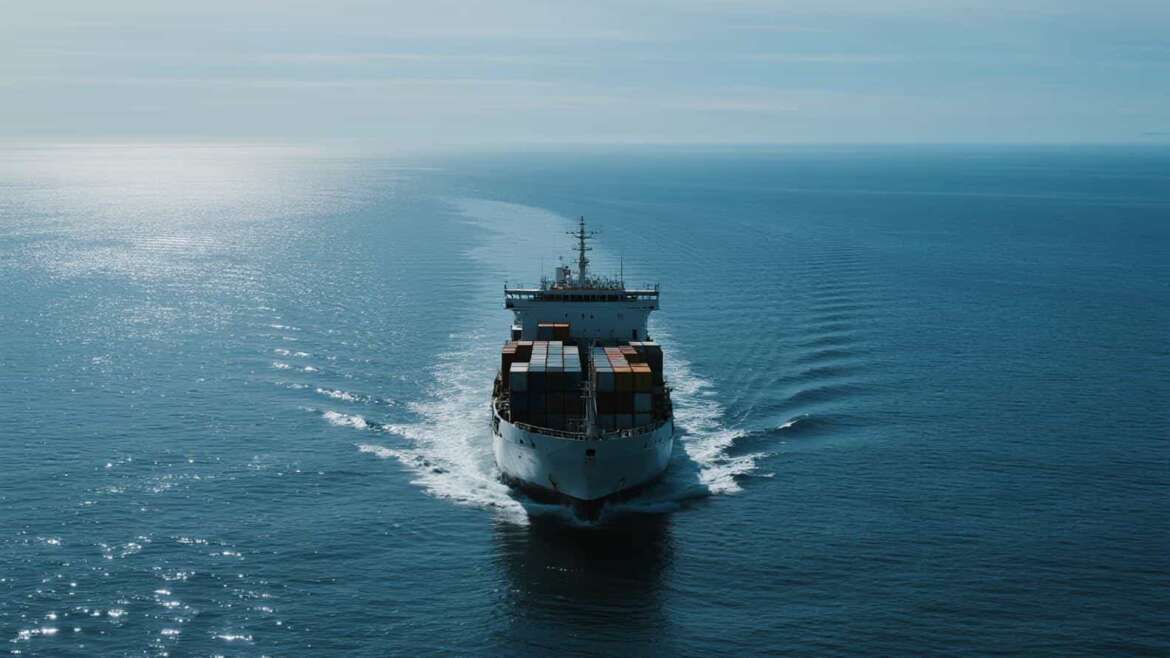
Are you looking to streamline your door to door shipping from China to Brazil but unsure where to start? Navigating international logistics can be complex, especially when it comes to customs clearance, choosing the right freight forwarder, and managing costs. In this comprehensive guide, we’ll break down every step of the door to door shipping process, highlighting key benefits, potential challenges, and expert tips to ensure your goods arrive safely and efficiently. Let’s unlock smoother shipping between China and Brazil!

Understanding Door to Door Shipping from China to Brazil
What is Door to Door Shipping?
Door to Door Shipping refers to an international logistics solution where a freight forwarder manages the entire shipping process from the seller’s warehouse in China directly to the buyer’s address in Brazil. This service covers everything: collection, packing, export customs clearance, main transportation, import customs clearance, and delivery to the final destination. For importers, this means a hassle-free experience, as the freight forwarder assumes responsibility for each step and ensures seamless coordination between countries.
This approach is particularly valuable for businesses that want to avoid the complexities of dealing with multiple logistics providers and various documentation requirements. By using Door to Door Shipping from China to Brazil, importers minimize risks, reduce time spent on logistics, and avoid unexpected delays.
If your business also has trade routes in Latin America, you may be interested in comparing the process for Shipping from China to Mexico to optimize your logistics strategy.
Benefits of Door to Door Shipping for Brazilian Importers
1. Simplified Process:
All logistics and paperwork are handled by the freight forwarder, reducing the need for the importer to coordinate with multiple parties across different countries.
2. Cost Predictability:
Door to door services often provide a clear, consolidated quote, including all transportation, customs, and delivery costs. This transparency helps importers accurately forecast their expenses and avoid hidden charges.
3. Reduced Risk of Delays:
With one provider overseeing the entire journey from China to Brazil, there is less chance of miscommunication or lost shipments, which are common when several companies are involved.
4. Time Efficiency:
Freight forwarders like Dantful.US International Logistics have established networks and expertise, ensuring fast and efficient movement of goods through each stage, including customs clearance and last-mile delivery.
5. Professional Support:
Experienced freight forwarders offer guidance on selecting routes, packaging, and compliance, helping importers avoid costly mistakes and penalties.
Key Steps in the Door to Door Shipping Process
Preparing Your Goods for Shipment
Proper preparation is crucial for a smooth shipping experience. Here are the main steps:
Product Classification:
Ensure every item is correctly classified according to the Harmonized System (HS) code, which is essential for customs clearance in both China and Brazil.Packaging and Labeling:
Goods must be packed securely to withstand long-distance transit and handling. Labels should include key information such as consignee, shipment content, and handling instructions.Compliance Checks:
Verify all products comply with Brazilian import regulations, including safety standards, labeling requirements, and any special permits needed for restricted items.Inventory & Inspection:
Before shipping, inspect and document the condition of each item to support any potential claims for damages during transit.
Choosing the Right Freight Forwarder
A reliable freight forwarder is critical for successful Door to Door Shipping from China to Brazil. Consider the following when choosing your logistics partner:
| Criteria | Why It Matters | Dantful.US International Logistics Advantage |
|---|---|---|
| Experience in China-Brazil Trade | Ensures knowledge of complex regulations and shipping lanes | 10+ years global trade expertise |
| Range of Services | Covers all logistics needs from origin to destination | Sea, Air, Rail, Road, FBA, Warehouse, Customs |
| Cost Transparency | Avoids hidden fees and surprise charges | Clear, itemized quotations |
| Track Record for Delivery Times | Reliable, timely deliveries minimize business interruptions | Proven on-time record |
| Customer Support | Responsive support solves issues quickly | 24/7 customer service |
Dantful.US International Logistics stands out as a professional, cost-effective, and high-quality one-stop international logistics provider, with tailored door to door solutions for Brazilian importers.
If you are considering shipments to other key Latin American destinations, explore more about Shipping from China to USA for insights on cross-border logistics in the Americas.
Documentation Required for Shipping from China to Brazil
Accurate documentation is essential for smooth customs clearance and compliance. The main documents required include:
Commercial Invoice:
Details transaction value, product description, HS code, and parties involved.Packing List:
Lists all shipped items, their quantities, weights, and packaging details.Bill of Lading (B/L) or Airway Bill (AWB):
Serves as proof of shipment and transportation contract.Certificate of Origin:
Confirms where the goods were manufactured, often required for customs and preferential tariffs.Import Licenses:
Certain goods require pre-approval from Brazilian authorities (e.g., ANVISA for health products).Other Certificates:
Depending on the product type, additional certificates may be needed (e.g., fumigation certificate for wood packaging).
Cost Factors for Door to Door Shipping
Breakdown of Shipping Costs
When importing goods from China to Brazil using Door to Door Shipping, understanding the various cost components is crucial for effective budgeting. Here’s a breakdown of the main expenses involved:
| Cost Component | Description | Typical Range (USD) |
|---|---|---|
| Freight Charges | The actual cost of shipping goods via sea freight or air freight from China to Brazil | $1,500 – $5,000 (sea, FCL)*<br>$5.00 – $12.00/kg (air) |
| Origin Charges | Handling, export customs clearance, loading in China | $100 – $500 |
| Destination Charges | Unloading, import handling, delivery to final address in Brazil | $200 – $800 |
| Customs Duty & Taxes | Brazilian customs import duty, VAT, and other taxes | 0 – 60% of cargo value** |
| Documentation Fees | Bills of lading, commercial invoices, and other paperwork | $50 – $150 |
| Insurance | Optional coverage for goods in transit | 0.3% – 0.5% of cargo value |
| Last-Mile Delivery | Local transportation from port/airport to the consignee | $100 – $800 |
*Rates will vary depending on the shipping method, cargo size, and season.
**August 2025 Update: Rising fuel and insurance costs, coupled with increased inspections at Brazilian ports, are driving up rates—especially for sea freight. Early booking is advised.
Additional Fees to Consider
Beyond the standard fees, importers need to be aware of potential additional charges that may apply:
- Port Congestion Surcharges: When ports in Brazil (like Santos or Paranaguá) experience bottlenecks, extra fees may be levied.
- Storage and Demurrage: If goods remain at the port or airport beyond the free period, storage fees can accumulate quickly.
- Remote Area Surcharge: Deliveries to interior regions or less accessible locations may incur extra transportation charges.
- Inspection Fees: Brazilian customs may select shipments for inspection, resulting in added costs and potential delays.
- Palletization/Repackaging: If cargo must be repacked at destination to comply with local regulations.
- Documentation Correction Fees: Mistakes in official paperwork can result in amendment fees and delays.
By partnering with a one-stop service provider like Dantful.US International Logistics, you can minimize these risks, as our logistics experts proactively manage your shipment from pickup in China to delivery in Brazil.
Customs Clearance in Brazil
Understanding Brazilian Customs Regulations
Clearing customs in Brazil is a crucial stage in the Door to Door Shipping process. The Brazilian customs authority (“Receita Federal“) enforces strict regulations aimed at ensuring safety, compliance, and proper tax collection. Here are key aspects to consider:
- Import License (Licença de Importação): Certain goods require pre-approval before shipment from China. Check if your product is subject to licensing.
- NCM Code (Nomenclatura Comum do Mercosul): Assigning the correct NCM code to your product is vital; it determines the duty and tax rates.
- Import Duties and Taxes: Duties range from 0% to 35%; ICMS (goods and services tax) varies by state and can add up to 18%. Consult the official NCM Tariff Table for specifics.
- Required Documentation: Typical paperwork includes the Bill of Lading, Commercial Invoice, Packing List, Import Declaration (DI), and proof of payment for taxes and duties.
- Restricted & Prohibited Items: Brazil restricts or prohibits the import of certain products such as hazardous materials, counterfeit goods, or items subject to sanitary surveillance.
- Registration with SISCOMEX: Importers must be registered with SISCOMEX, the official Brazilian import system.
Tips for Smooth Customs Clearance
Efficient customs clearance in Brazil is vital to avoid delays and extra costs. Follow these best practices:
- Prepare Complete and Accurate Documentation: Double-check all paperwork for errors, as discrepancies can lead to fines and shipment holds.
- Classify Goods Correctly: Use the appropriate NCM code and ensure product descriptions are clear and detailed.
- Partner with a Reputable Freight Forwarder: Dantful.US International Logistics offers experienced customs brokers who stay current with Brazilian regulations.
- Pay Duties & Taxes Promptly: Delayed payments can result in storage charges and extended clearance times.
- Monitor Shipment Status: Stay updated on your shipment’s progress and be ready to provide any additional documentation if requested by authorities.
- Stay Informed About Regulatory Changes: Brazilian customs laws and tax rates can change. Regularly consult the Receita Federal for updates.
Choosing the Best Shipping Method
Air Freight vs. Ocean Freight for Brazil
When considering Door to Door Shipping from China to Brazil, choosing the right shipping method is critical for balancing cost, transit time, and cargo type. The two most common modes are Air Freight and Ocean Freight. Each has unique advantages and considerations:
| Factor | Air Freight | Ocean Freight |
|---|---|---|
| Transit Time | 3-7 days (China to Brazil major airports) | 25-40 days (to major Brazilian ports, e.g., Santos, Rio de Janeiro) |
| Best For | High-value, time-sensitive, lightweight goods | Bulk cargo, heavy, oversized, or non-urgent shipments |
| Cost | Higher (average $5-$10/kg, depending on route and season) | Lower ($1,000-$4,000 per 20’ container, varies by port/season) |
| Frequency | Multiple flights weekly | Weekly or biweekly sailings |
| Environmental Impact | Higher carbon emissions | More eco-friendly per ton |
| Customs Clearance Speed | Faster, often cleared within 24 hours | Longer, 2-5 days on average |
Popular Brazilian Ports and Airports for Chinese Imports
- Major Ports: Port of Santos, Port of Rio de Janeiro, Port of Paranaguá
- Major Airports: São Paulo–Guarulhos International Airport (GRU), Rio de Janeiro–Galeão International Airport (GIG)
Factors to Consider When Selecting Shipping Methods
Type and Volume of Goods:
- Fragile, high-value, or time-sensitive cargo is better suited for Air Freight.
- Large-volume, heavy, or non-urgent goods are more cost-effective via Ocean Freight.
Budget:
- Air freight is typically several times more expensive than sea freight.
- Consider total landed cost, including shipping, customs, and last-mile delivery.
Transit Time Required:
- Urgent shipments: use Air Freight—delivery in less than a week.
- Flexible timelines: choose Ocean Freight for significant cost savings.
Destination Infrastructure:
- Assess proximity to major ports (Santos, Rio de Janeiro) or airports (GRU, GIG).
- Consider inland transport options for final delivery.
Cargo Restrictions and Requirements:
- Some items (like hazardous materials or perishable goods) may have restrictions via air or sea.
Reliability and Tracking:
- Air Freight usually offers more precise tracking and reliable schedules.
- Ocean Freight schedules may be affected by port congestion or weather.
For comprehensive shipping solutions—including Sea Freight, Air Freight, and customized Door to Door services—Dantful.US International Logistics provides expert guidance and competitive rates tailored to your specific needs. We ensure smooth coordination from China to your doorstep in Brazil.
Common Challenges in Door to Door Shipping
Delays and How to Mitigate Them
Delays are a frequent issue in international logistics, even with a reliable freight forwarder. Common causes include:
- Customs Clearance Issues: Missing or incorrect documentation can cause cargo to be held at Brazilian customs.
- Port Congestion: Major Brazilian ports like Santos may experience backlogs during peak seasons.
- Weather Disruptions: Hurricanes and storms can delay ocean shipments, while fog or air traffic can affect flights.
- Shipping Line or Airline Delays: Carrier schedules may be affected by operational issues.
Mitigation Strategies:
- Use an Experienced Freight Forwarder: Partner with a provider like Dantful.US International Logistics that has in-depth knowledge of both Chinese and Brazilian procedures.
- Prepare Documentation Early: Double-check all paperwork and regulations before shipping.
- Allow Buffer Time: Plan shipments with extra days built into your schedule.
- Real-time Tracking: Utilize tracking solutions to monitor your cargo at every stage.
- Avoid Peak Seasons: If possible, ship during off-peak months to minimize congestion risks.
Handling Damages and Losses During Transit
While Door to Door Shipping from China to Brazil is generally safe, damages and losses can occur due to:
- Rough Handling: At ports, warehouses, or during inland transportation.
- Poor Packaging: Inadequate packaging increases risk of damage.
- Theft or Pilferage: Particularly if cargo spends time at congested ports or unsecured warehouses.
Prevention and Response:
- Invest in Quality Packaging: Ensure your cargo is packed securely according to international standards.
- Purchase Insurance: Opt for cargo insurance to protect against loss or damage. Dantful.US Logistics offers tailored insurance solutions.
- Work with Reputable Partners: Select logistics providers with proven track records and transparent claims processes.
- Record-Keeping: Document cargo condition with photos and packing lists before and after shipping.
- Immediate Reporting: If damage or loss occurs, notify your forwarder and insurer immediately, providing detailed evidence for claims.
By proactively addressing these challenges, importers can significantly reduce risks and ensure their Door to Door shipments from China to Brazil arrive safely and on time.
For reliable, end-to-end Door to Door solutions, count on Dantful.US International Logistics—your trusted partner for seamless, cost-effective, and secure shipping between China and Brazil.
Leave a reply