

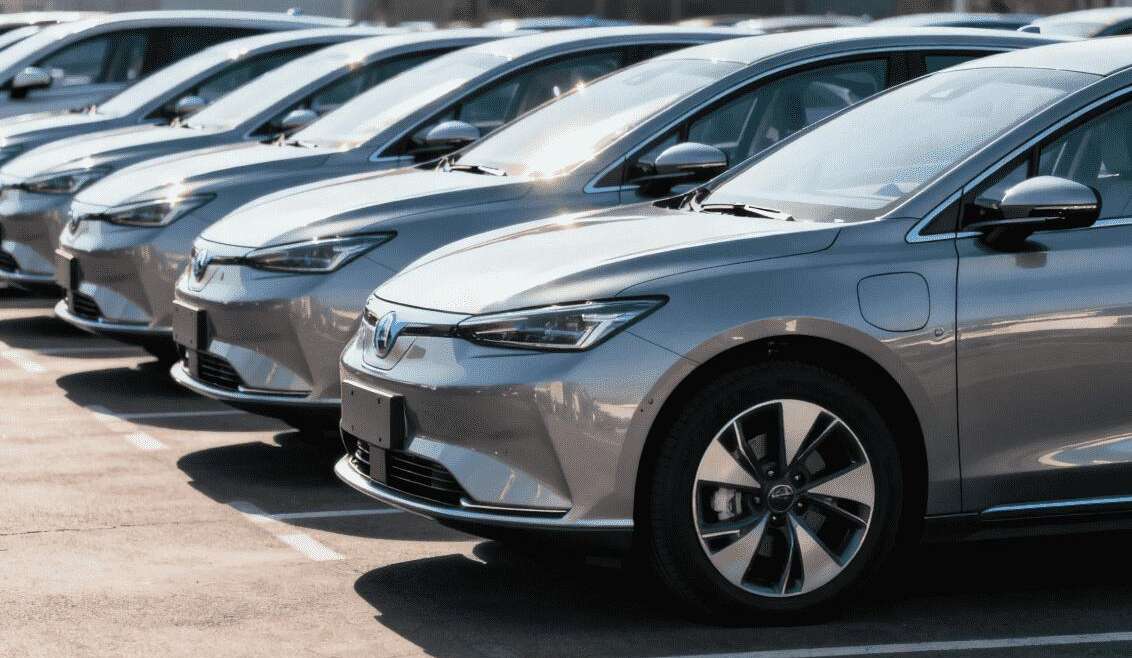
Are you wondering how to ship cars from China to the UK, and what import duties and customs processes you’ll face along the way? In this comprehensive guide, we break down the key steps, costs, shipping methods, documentation, and crucial requirements you need to know for a smooth China-to-UK car import. Whether you’re a business or individual buyer, let’s uncover the essentials for hassle-free vehicle shipping!
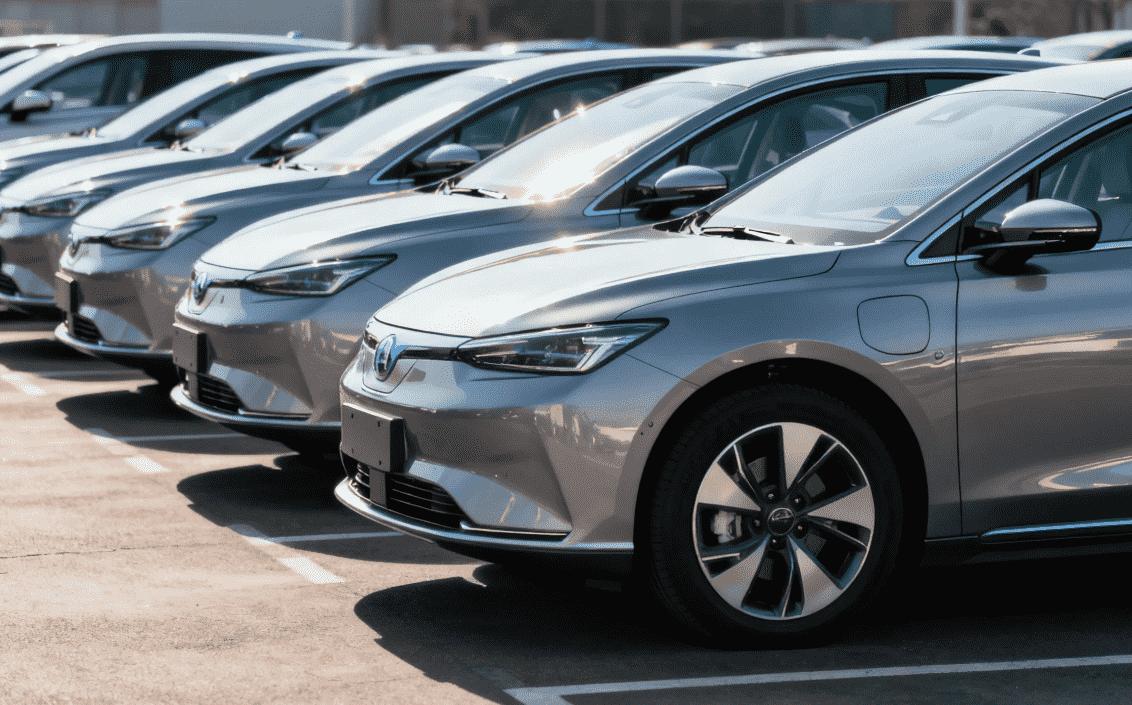
RoRo vs Container Shipping: Methods, Pros and Cons
When shipping a car from China to the UK, two primary ocean freight methods are available: RoRo (Roll-on/Roll-off) and Container Shipping. Each shipping method offers unique advantages and potential drawbacks, and your choice will impact overall cost, safety, and transit time.
RoRo (Roll-on/Roll-off) Shipping
RoRo Shipping is a method where vehicles are driven directly onto specialized vessels, securely parked, and then driven off at the destination port. This is a preferred choice for transporting operable vehicles.
Pros:
Cost-effective for standard vehicles, especially when shipping in bulk.
Simple loading and unloading process, minimizing handling risk.
Faster turnaround at ports due to efficient vehicle processing.
Cons:
Limited to vehicles that can be driven or towed; not suitable for non-runners or vehicles with modifications.
Less protection from the elements, as vehicles are exposed inside the ship’s cargo hold.
Not all China ports or UK ports offer RoRo service.
Container Shipping
Container Shipping involves loading your car into a secure 20ft or 40ft container, which can also be shared with other goods. This method is highly popular for higher-value vehicles and where additional cargo must be shipped together.
Pros:
Enhanced security and protection from weather, theft, and port handling.
Allows for shipment of non-running vehicles or vehicles with extra parts.
Additional items and spare parts can be shipped inside the container.
Cons:
Higher cost compared to RoRo for single-vehicle shipments.
Requires professional loading/unloading and specialized equipment.
Longer port handling times due to additional documentation and inspection.
Method Comparison Table
| Feature | RoRo Shipping | Container Shipping |
|---|---|---|
| Vehicle Condition Needed | Drivable/towable only | Any (including non-runners) |
| Protection | Moderate (exposed hold) | High (fully enclosed) |
| Cost (per car) | Lower | Higher |
| Additional Cargo Allowed | No | Yes |
| Suitable for Luxury/Classic | No | Yes |
| Service Port Availability | Limited | Widely available |
| Loading/Unloading Risk | Minimal | More complex |
Our Recommendation
At Dantful.US International Logistics, we offer both RoRo and Container Shipping solutions from major China ports such as Shanghai, Shenzhen, and Guangzhou, to major UK ports like Southampton and Felixstowe. If you are shipping a standard, drivable car and want to minimize costs, RoRo is an excellent choice. For luxury vehicles, classic cars, or shipments requiring extra security or mixed cargo, container shipping is recommended.
We provide professional loading, customs clearance, marine insurance, and real-time tracking for all shipments, ensuring your vehicle’s safety and compliance with international shipping regulations.
Air freight a car from China to UK
Air freight is the fastest way to ship a car from China to the UK, although it is generally significantly more expensive than ocean freight. This shipping method is best suited for high-value, time-critical vehicles such as luxury cars, prototypes, racing vehicles, or urgent exhibition shipments.
Method Overview
The vehicle is securely packed (often on a pallet or in a custom crate) and transported via dedicated cargo aircraft.
Air freight minimizes transit time and risk of damage due to handling.
Major China airports (e.g., Shanghai Pudong International Airport, Guangzhou Baiyun International Airport) have regular cargo flights to leading UK airports such as London Heathrow and Manchester.
Pros:
Fastest transit time: Typically 2–7 days from pick-up to delivery, including handling and customs clearance.
High security and minimal handling risk.
Ideal for urgent or high-value shipments.
Cons:
Significantly higher cost than sea freight—air freight charges are based on chargeable weight (actual or volumetric, whichever is higher).
Strict packaging and battery regulations, especially for EVs (Electric Vehicles).
Size and weight restrictions may apply depending on the aircraft.
Air Freight Cost Factors
| Item | Description |
|---|---|
| Freight Charges | Charged per kilogram or cubic meter, whichever is greater |
| Fuel Surcharge | Additional cost depending on airline and global fuel prices |
| Security Fees | Handling and screening at airports |
| Packaging | Special crating or palletizing required |
| Customs Clearance | Required at both origin and destination |
| Insurance (optional) | Strongly recommended for high-value vehicles |
Example Estimated Air Freight Costs (2025)*
| Route | Estimated Cost (USD) | Estimated Transit Time |
|---|---|---|
| Shanghai → London Heathrow | $15,000–$30,000+ | 3–7 days |
| Guangzhou → Manchester | $16,000–$32,000+ | 3–7 days |
*Actual costs depend on vehicle size, weight, and fuel surcharges.
When to Choose Air Freight?
Show or Exhibition Cars: Tight event schedules.
Prototype or Luxury Vehicles: Minimizing exposure and risk.
Time-sensitive deliveries: When ocean freight is not fast enough.
For those interested in broader air shipping solutions, you may also want to review our dedicated guide to Air freight from China to UK for more insights on air cargo procedures and pricing.
Both RoRo, Container Shipping, and Air Freight options have distinct value propositions. Our experts at Dantful.US are ready to provide detailed advice and tailored solutions for your individual requirements. Contact us for a personalized quotation and professional support throughout the entire process.
How much to ship a car from China to UK
Shipping a car from China to the UK involves a combination of direct shipping costs, surcharges, port and handling fees, and other related expenses. As an experienced freight forwarder, I want to provide you with a transparent and comprehensive overview so you can budget accurately and avoid unexpected costs.
Cost Breakdown: Ocean Freight, Surcharges, Port and Handling Fees
The total cost of shipping a car from China to the UK largely depends on several key factors:
Shipping Method: Roll-on/Roll-off (RoRo) vs. Container shipping (20ft or 40ft container).
Vehicle Size: Larger vehicles require more space, affecting pricing.
Origin and Destination Ports: Major ports usually offer better rates due to higher shipping volumes.
Seasonality: Peak shipping seasons may see higher rates.
Insurance: Highly recommended for high-value shipments.
Customs and Documentation: Clearance charges, import duties, and VAT in the UK must be included.
Typical Ocean Freight Cost Structure
| Route | Shipping Method | Estimated Cost (USD) | Transit Time (Days) | Notes |
|---|---|---|---|---|
| Shanghai – Southampton | 20ft Container | $2,500 – $3,300 | 32–38 | Suitable for 1-car FCL |
| Shanghai – Southampton | RoRo | $1,500 – $2,200 | 32–38 | Cost-effective, but less secure |
| Shenzhen – Felixstowe | 20ft Container | $2,600 – $3,400 | 35–42 | Varies with port handling fees |
| Qingdao – Liverpool | 20ft Container | $2,700 – $3,500 | 35–42 | Fewer sailings, check availability |
| Shanghai – Southampton | 40ft Container | $3,200 – $4,000 | 32–38 | Can fit 2 cars or large SUVs |
Surcharges and Other Fees
| Fee Type | Range (USD/GBP) | Comments |
|---|---|---|
| Port Handling (China) | $200–$350 | Terminal export fees, document fees |
| Port Handling (UK) | £200–£350 | Unloading, inspection, handling |
| Customs Clearance (UK) | £100–£200 | Required for all imports |
| Destination Delivery | £150–£300 | Inland transport to final address |
| Insurance (optional) | 0.5%–2% of car value | Strongly recommended |
| Import Duty | 10% of car value | Based on UK customs regulations |
| VAT | 20% of CIF value | Paid on car + shipping + duty |
Note: The above rates are indicative and may fluctuate based on shipping schedules, exchange rates, fuel surcharges, and real-time market conditions.
For the most accurate and up-to-date quotation, I recommend contacting a reputable freight forwarder like Dantful.US International Logistics. We offer transparent pricing, tailored solutions, and end-to-end support for car shipping from China to the UK.
For a detailed breakdown on container costs, see our analysis of the Cost of Shipping 40ft Container from China to UK.
Transit Times and Schedules from Major China Ports to UK Ports
Understanding the transit time is essential for planning your import, especially if you are working with project deadlines or need just-in-time delivery.
Typical Ocean Transit Times
| Origin Port (China) | Destination Port (UK) | Average Transit Time (Days) | Typical Weekly Sailings |
|---|---|---|---|
| Shanghai | Southampton | 32–38 | 2–3 |
| Shenzhen (Yantian/Shekou) | Felixstowe | 35–42 | 1–2 |
| Ningbo | London Gateway | 33–40 | 1–2 |
| Qingdao | Liverpool | 35–42 | 1 |
| Tianjin | Southampton/Felixstowe | 36–44 | 1 |
Key Considerations:
RoRo services may have less frequent schedules compared to container vessels.
Direct sailings are faster; transshipment via intermediate ports (e.g., Singapore, Rotterdam) can extend transit time by 3–7 days.
Shipping schedules are subject to change due to weather, port congestion, and global shipping market fluctuations.
Fastest Options
Air freight is available for urgent moves, with transit times of 3–7 days but at a significantly higher cost (often $10,000+ per vehicle).
Sea freight remains the most cost-effective for most customers.
If you want to explore more about shipping routes and strategies, you can check our resource on Shipping Routes from China to UK for detailed schedule and route comparisons.
Please contact us for a free, detailed quotation and let us help you plan your car shipping from China to UK with professionalism, cost-effectiveness, and full transparency.
Major China Origin Ports and UK Destination Ports
When shipping a car from China to the UK, the choice of ports significantly influences transit time, costs, and logistics efficiency. At Dantful.US International Logistics, I leverage my deep industry knowledge to help clients select the optimal port pairings for their needs.
Major China Origin Ports
The following China ports are the primary origins for vehicle exports due to their advanced RoRo and container facilities, extensive sailing schedules, and robust customs support:
| Port Name | Location | Specialization | Advantages |
|---|---|---|---|
| Shanghai Port | East China | RoRo & Container | Largest global port, frequent sailings |
| Shenzhen (Yantian/Shekou) | South China | Container & RoRo | Fast customs, proximity to factories |
| Guangzhou (Nansha) | South China | RoRo & Container | Efficient RoRo, major auto export hub |
| Tianjin Port | North China | RoRo & Container | Northern auto manufacturing gateway |
| Xiamen Port | Southeast China | RoRo & Container | Flexible schedules, efficient handling |
| Qingdao Port | Northeast China | Container | Modern facilities, stable service |
These ports support both FCL (Full Container Load) and RoRo (Roll-on/Roll-off) car shipments, depending on your vehicle type and transit needs.
Major UK Destination Ports
UK destination choice impacts customs clearance speed, inland delivery, and local handling fees. The main ports for car imports are:
| Port Name | Location | Specialization | Additional Notes |
|---|---|---|---|
| Southampton Port | South England | RoRo & Container | Largest UK car import/export hub |
| London Gateway | Southeast England | Container | Newest deep-water port, rapid customs |
| Felixstowe Port | East England | Container | Largest container port |
| Liverpool Port | Northwest England | RoRo & Container | Good for northern UK distribution |
| Immingham Port | Northeast England | RoRo | High RoRo traffic, close to Midlands |
| Bristol Port | Southwest England | RoRo & Container | Automotive logistics specialization |
Selecting the right origin and destination port pairing can reduce transit times and save on overall costs. For example, Shanghai–Southampton is optimal for high-frequency RoRo services, while Shenzhen–Felixstowe is ideal for containerized luxury or electric vehicles.
At Dantful.US International Logistics, I assist clients in analyzing routes, shipping schedules, and real-time market rates to ensure a balance of reliability, speed, and cost-effectiveness for each shipment.
UK Duties and VAT
Understanding UK import duties and VAT is critical when shipping a car from China to the UK. Making informed decisions in this area helps you estimate total landed costs and avoid compliance pitfalls.
Import Duty Rates on Cars
The UK applies import duties to vehicles based on type, origin, and customs value (CIF: cost, insurance, freight). The standard rates are:
| Vehicle Type | Import Duty (%) | Notes |
|---|---|---|
| Passenger cars | 10% | Based on CIF value |
| Electric vehicles (EVs) | 0% (2025 policy) | Subject to change, check latest HMRC updates |
| Other vehicles | Varies (10–22%) | E.g., vans, motorcycles—verify with HMRC |
Note: Duty rates may change due to trade agreements or regulatory updates. Always confirm the latest tariffs before importing.
Value Added Tax (VAT)
All cars imported to the UK are subject to VAT, regardless of new or used status.
| VAT Rate | Calculation Base | Notes |
|---|---|---|
| 20% | CIF value + Import Duty | Must be paid before release from customs |
Example Calculation
Suppose your car’s CIF value is £20,000.
Import Duty: £20,000 x 10% = £2,000
VAT: (£20,000 + £2,000) x 20% = £4,400
Total Duties & VAT: £2,000 + £4,400 = £6,400
This does not include port fees, handling charges, or possible luxury vehicle taxes.
Additional Considerations
Used cars are subject to the same duty and VAT rates.
Northern Ireland may have unique rules due to Brexit. Check local requirements.
EVs currently benefit from 0% import duty, but VAT still applies.
Documentation Required
Original Purchase Invoice
Bill of Lading
Packing List
Vehicle Registration Certificate
Proof of Compliance with UK Standards
Accurate documentation ensures smooth customs clearance and correct duty assessment.
If you’re importing other types of cargo, our expertise covers a wide range of logistics, including shipping electronics from china to uk, which can have similar duty and compliance considerations.
For more details on the shipping car from China to UK process, or for a tailored quote, contact Dantful.US International Logistics—your trusted partner for seamless global auto shipping.
Documentation
When shipping a car from China to the UK, accurate and complete documentation is essential to ensure smooth customs clearance and compliance with international regulations. Missing or incorrect paperwork can lead to delays, fines, or even seizure of the vehicle. Below is a comprehensive overview of key documents required for car shipping:
| Document Name | Description | Who Prepares | Importance Level |
|---|---|---|---|
| Bill of Lading (B/L) | The primary transport document issued by the carrier. It serves as a receipt and contract for shipment. | Freight Forwarder/Carrier | ★★★★★ |
| Commercial Invoice | Details the value and description of the car; required for customs declaration. | Shipper (Exporter) | ★★★★★ |
| Packing List | Lists the contents of the shipment, including vehicle details and any spare parts or accessories. | Shipper | ★★★★☆ |
| Export License | May be required depending on the type of vehicle and current export controls in China. | Shipper/Freight Forwarder | ★★★☆☆ |
| Import License | For certain categories of cars, the UK may require an import license. | Importer | ★★★☆☆ |
| Vehicle Registration Certificate | Proof of prior registration in China (original and translation may be required). | Shipper/Exporter | ★★★★★ |
| Purchase Invoice/Proof of Ownership | Demonstrates legal ownership and purchase details of the car. | Shipper/Importer | ★★★★★ |
| Insurance Certificate | Confirms insurance coverage during transit (highly recommended). | Shipper/Freight Forwarder | ★★★★☆ |
| Emissions and Safety Compliance Docs | Documentation confirming the car meets UK safety and emissions standards (especially for EVs). | Shipper/Importer | ★★★★☆ |
| Customs Declaration Forms (C88/SAD) | Required for import customs clearance in the UK. | Importer/Customs Broker | ★★★★★ |
| Power of Attorney (POA) | If using a customs broker or agent, a POA is needed to authorize them to act on your behalf. | Importer | ★★★☆☆ |
Tips for a Smooth Process:
Always check for the most updated UK import requirements before shipping.
For electric vehicles (EVs), ensure all battery safety certificates are included.
Work with a professional freight forwarder, such as Dantful.US International Logistics, to help prepare and verify your documentation. Our experienced team ensures all paperwork meets both China and UK regulations, reducing the risk of delays or penalties.
Incoterms Impact on Total Cost: EXW vs FOB vs CIF vs DDP
Incoterms (International Commercial Terms) define the responsibilities and cost obligations between buyers and sellers in international trade. The selected Incoterm directly affects your overall shipping cost, risk, and control during the process of shipping a car from China to the UK. Here’s how the main Incoterms apply in real-world car shipping:
| Incoterm | Seller’s Responsibility | Buyer’s Responsibility | Cost Impact on Shipper | Customs Clearance | Typical Use Case |
|---|---|---|---|---|---|
| EXW | Make car available at factory | All transportation, insurance, customs, import duties | Lowest cost from seller; buyer bears all shipping and risk | At origin & destination | Experienced importers wanting maximum control |
| FOB | Inland transport, export customs clearance, deliver car to China port | Main freight, insurance, import customs & duties | Seller covers delivery to port; buyer pays for main shipping & destination fees | At destination | Common for sea freight, balanced risk |
| CIF | Inland transport, export customs, main sea freight, insurance | Unloading, import customs & duties | Seller covers up to arrival at UK port; buyer covers local costs | At destination | Buyers preferring seller to cover main shipping |
| DDP | All transportation, export/import customs, all duties & taxes, delivery to address | Minimal; receives car at location | Seller handles everything; highest cost but least hassle for buyer | All handled by seller | First-time importers, hassle-free experience |
Key Considerations:
With EXW, buyers must manage the entire process, including inland transportation in China, export clearance, ocean freight, insurance, and all destination charges in the UK.
FOB is widely used and cost-effective. The seller covers charges up to the port of loading in China; the buyer takes on all risks and costs afterward.
CIF includes insurance and main ocean freight up to the UK port, giving the buyer more predictability on costs.
DDP is the most comprehensive, with the seller (or their agent) handling everything from door-to-door—including customs and duties. This option is popular among buyers unfamiliar with international logistics.
| Incoterm | Typical Additional Costs to Buyer | Recommended For |
|---|---|---|
| EXW | Inland transport, export clearance, main freight, insurance, UK port fees, customs, VAT/duties, delivery | Experienced logistics managers, companies with local agents |
| FOB | Main freight, insurance, UK port fees, customs, VAT/duties, delivery | Businesses seeking cost control but manageable risk |
| CIF | UK port fees, customs, VAT/duties, final delivery | Buyers preferring predictable shipping costs |
| DDP | Usually none; all costs included in price | Individuals, first-time importers, SMEs |
Pro Tip: If you are a first-time car importer or want a worry-free solution, consider DDP or partner with a trusted logistics provider like Dantful.US International Logistics. We provide transparent, end-to-end service and can help you choose the most suitable Incoterm based on your needs, budget, and risk tolerance.
EV‑Specific Considerations: Battery Handling, Safety and UK Standards
Shipping electric vehicles (EVs) from China to the UK involves unique challenges and strict regulations, mainly due to the presence of lithium-ion batteries. As a freight forwarding expert, I always stress the importance of compliance and safety at every stage of the process.
Battery Handling
Lithium-ion batteries are classified as dangerous goods (UN3480/UN3481). This means special procedures must be followed:
Packaging: Batteries must be securely packed, protected from short circuits, and comply with IMDG (International Maritime Dangerous Goods) Code for sea freight or IATA Dangerous Goods Regulations for air freight.
Labeling: The correct hazard labels and documentation are mandatory.
State of Charge (SoC): For transport, batteries are usually limited to a maximum 30% SoC.
Separation: Spare batteries (if any) must be declared and often packed separately from the vehicle.
Safety Requirements
Inspection and Documentation: A pre-shipment inspection is recommended to ensure the vehicle and battery comply with both Chinese export and UK import rules.
Fire and Leak Prevention: Measures should be in place to prevent battery fires or leaks during transit, including the use of fire-retardant materials or containers with fire suppression features.
Carrier Restrictions: Not all shipping lines or airlines accept EVs. I recommend confirming carrier acceptance and booking with adequate lead time.
UK Standards and Compliance
The UK enforces strict standards for imported EVs, especially relating to safety and environmental performance:
Type Approval: All vehicles, including EVs, must have UK Type Approval or an accepted equivalent.
Battery Certification: Documentation proving the battery meets UK/EU safety and recycling standards is essential.
Conformity with UKCA Marking: Post-Brexit, UKCA marking is required on certain components, including batteries.
Testing and Registration: Imported EVs may be subject to additional testing before registration in the UK.
Key Documents for EV Shipments
| Document | Purpose |
|---|---|
| MSDS (Material Safety Data Sheet) | Details battery composition and hazards |
| Dangerous Goods Declaration | Compliance with IMDG/IATA rules |
| Vehicle Certificate of Conformity | Proves adherence to automotive standards |
| Packing Certificate | Confirms safe and compliant packaging |
| Test Certificates | Battery test and safety certificates |
Practical Tips
Work with a freight forwarder experienced in handling EVs and dangerous goods.
Plan for extended lead times due to more rigorous checks.
Ensure all paperwork is accurate to avoid customs delays.
At Dantful.US International Logistics, we provide expert support in shipping EVs, including full compliance with battery safety regulations and UK standards. Our team manages documentation, packaging, and carrier selection to ensure a smooth and safe journey for your electric vehicle.
Choosing a Freight Forwarder
Selecting the right freight forwarder is critical when shipping cars—including EVs—from China to the UK. Your choice impacts cost, transit time, regulatory compliance, and overall shipping experience.
What to Look for in a Freight Forwarder
| Criteria | Why It Matters |
|---|---|
| Experience & Expertise | Familiarity with international vehicle shipping, including EVs and dangerous goods. |
| Service Range | Offers complete solutions: sea freight, air freight, customs clearance, insurance, etc. |
| Compliance & Documentation | Ensures all regulatory paperwork is correct and up to date. |
| Carrier Network | Access to reliable shipping lines and airlines for flexibility in routes and schedules. |
| Customer Support | Responsive assistance throughout the shipping process. |
| Transparent Pricing | Clear breakdown of all costs, avoiding hidden charges. |
| Value-added Services | Includes warehousing, cargo insurance, door-to-door service, and more. |
| Reputation & Reviews | Positive testimonials and recognition as a trustworthy partner. |
Why Choose Dantful.US International Logistics?
As a highly professional, cost-effective, and high-quality one-stop international logistics service provider, we at Dantful.US offer:
Comprehensive Shipping Services: Including Sea Freight, Air Freight, Rail Freight, Road Freight, Amazon FBA, Warehouse, Customs Clearance, Insurance, Door to Door, OOG Freight, Consolidated Freight, and Breakbulk Freight.
Specialized EV Shipping Expertise: We handle all aspects of dangerous goods logistics, ensuring your EV complies with both Chinese and UK regulations.
Personalized Logistics Solutions: We tailor our services for importers, exporters, manufacturers, and individuals, ensuring a smooth shipping process from China to the UK.
Strong Global Network: Reliable partnerships with major carriers, extensive route options, and fast response times.
Dedicated Customer Service: From initial inquiry to final delivery, our team provides professional guidance and real-time shipment tracking.
Steps to Work with a Freight Forwarder
Initial Consultation: Discuss your shipping needs, vehicle details, and timelines.
Quotation & Planning: Receive a detailed written quote with cost breakdown and schedule.
Documentation Preparation: We guide you through gathering and submitting all required documents.
Logistics Coordination: Booking, packing, and arranging transport, including regulatory checks.
Customs Clearance & Delivery: We handle UK customs clearance and, if needed, provide door-to-door delivery.
As we have explored above, choosing a reliable Freight Forwarder from China to UK is essential for a smooth and secure car shipping experience.
By choosing the right freight forwarder, you minimize risks, control costs, and ensure a hassle-free experience when shipping a car from China to UK. Feel free to contact Dantful.US International Logistics for tailored, professional car shipping solutions.
Leave a reply