

Are you considering sea freight from Taiwan to Mexico for your next shipment but unsure where to start? Navigating the complexities of international shipping, understanding key trade routes, and managing customs regulations can be challenging. In this comprehensive guide, we’ll explore everything you need to know about moving goods via ocean freight between Taiwan and Mexico, including service types, cost factors, documentation, transit times, and tips for choosing the right freight forwarder. Dive in to make your shipping process seamless and efficient!
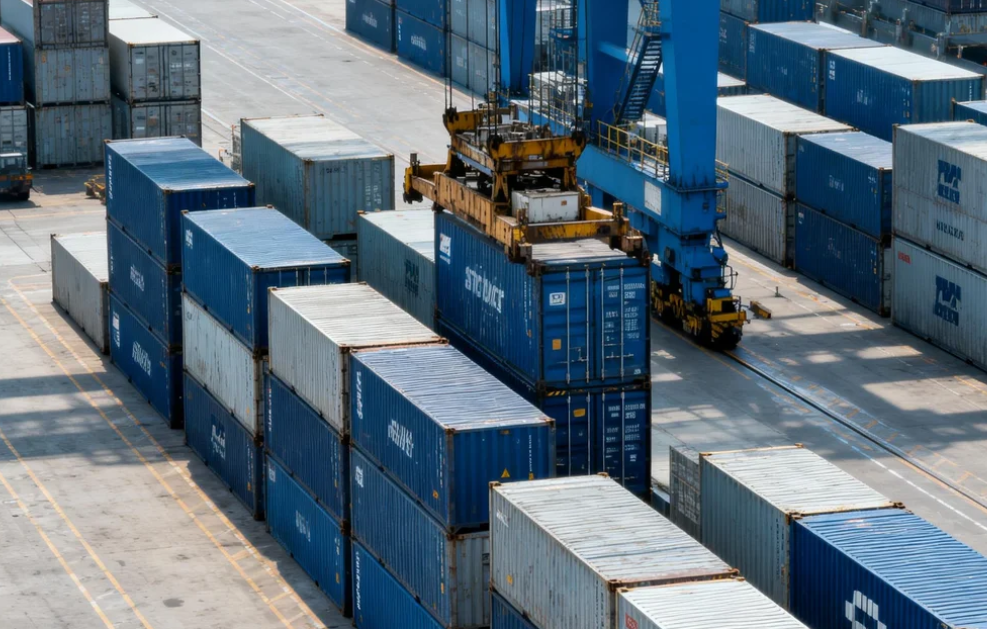
Overview of Sea Freight from Taiwan to Mexico
For Taiwanese exporters of electronics, machinery, and automotive parts, sea freight to Mexico is not just about finding the cheapest rate—it’s about balancing transit times (typically 23-32 days) against the high risks of port congestion at Manzanillo and complex SAT customs regulations. As a specialized logistics team focusing exclusively on the Asia-to-Americas trade lanes, Dantful.US leverages over 15 years of dedicated regional experience. We help manufacturers and importers avoid costly delays by providing direct routing strategies, proactive IMMEX compliance checks, and guaranteed space protection. This guide breaks down the true costs, realistic timelines, and operational pitfalls you must know before booking your next shipment.
For businesses exploring regional shipping strategies, you may also find our guide to Sea Freight from Taiwan to Brazil helpful, as it covers logistics between Taiwan and South America.
Decision Framework: When to Choose Sea Freight over Air Freight?
While air freight from Taipei (TPE) to Mexico City (MEX) takes only 3-5 days, the costs are often prohibitive for heavy industrial goods. We advise our clients to choose sea freight for their Taiwan to Mexico routes under the following conditions:
- Cost-to-Margin Ratio: If your cargo exceeds 2 CBM or 200 kg (such as CNC machinery, bulk textiles, or automotive chassis), sea freight reduces transport costs by up to 80% compared to air freight, protecting your profit margins.
- Volume & Dimensions: Standard containers (20FT, 40FT, 40HQ) easily handle palletized electronics and large equipment. For oversized machinery from Taichung, specialized flat rack or open-top ocean containers are the only viable option.
- Lead Time Tolerance: If your production cycle allows for a 23-32 day transit window, ocean freight is the strategic choice. We often help clients implement rolling inventory models where sea freight provides the steady volume, supplemented by air freight only for urgent stockouts.
- Regulatory Buffers: Mexican customs (SAT) clearance can be unpredictable. Sea freight provides a window during the ocean voyage to complete pre-clearance audits (Revisión de Origen), reducing the chance of unexpected holds upon arrival.
Key Trade Routes and Major Ports between Taiwan and Mexico
Understanding the logistics landscape is critical for efficient shipping. The main trade routes between Taiwan and Mexico typically cross the Pacific Ocean, using established international shipping lanes.
Major Ports in Taiwan:
- Kaohsiung Port: The largest and busiest container port in Taiwan, handling most international cargo.
- Keelung Port: A northern gateway, ideal for exports from the Taipei region.
- Taichung Port: Central Taiwan’s port, serving manufacturing and distribution centers.
Major Ports in Mexico:
- Port of Manzanillo: Mexico’s top Pacific container port, located in Colima, serving as the primary entry for Asian imports.
- Port of Lázaro Cárdenas: Known for its deep-water capacity and modern infrastructure, handling both containers and bulk cargo.
- Port of Veracruz: Although situated on the Atlantic, it connects to Pacific ports through efficient inland logistics.
Based on our specialized team’s operational tracking data from Q1 2026, here are the most recent transit times:
| Origin Port (Taiwan) | Destination Port (Mexico) | Typical Route | Estimated Transit Time* |
|---|---|---|---|
| Kaohsiung | Manzanillo | Direct/Transpacific | 22-28 days |
| Kaohsiung | Lázaro Cárdenas | Via Transshipment (US) | 23-30 days |
| Keelung | Manzanillo | Direct/Transshipment | 22-28 days |
| Taichung | Manzanillo | Via Kaohsiung/Direct | 23-29 days |
*Actual transit times can vary due to vessel schedules, transshipment points, weather, and port congestion.
Types of Sea Freight Services Available
As an experienced freight forwarder, Dantful.US offers a full range of shipping options tailored to your cargo volume, urgency, and specific requirements. Understanding these service types will help you select the most suitable solution.
Full Container Load (FCL) vs Less than Container Load (LCL)
Full Container Load (FCL):
Definition: You book the exclusive use of a shipping container for your goods.
Suitable for: Large shipments, valuable cargo, or when security and speed are priorities.
Advantages: Lower risk of cargo damage or pilferage, faster handling at port, and often lower per-unit shipping rates for full loads.
Common Container Sizes:
- 20FT (28 CBM)
- 40FT (56 CBM)
- 40HQ (68 CBM)
- 45HQ (78 CBM)
Less than Container Load (LCL):
- Definition: Your cargo shares container space with shipments from other exporters.
- Suitable for: Small to medium-sized shipments that do not fill a full container.
- Advantages: Cost-effective for lower volumes, flexible scheduling, and no need to wait for a full container load.
- Considerations: Slightly longer handling times due to consolidation and deconsolidation.
| Aspect | FCL (Full Container Load) | LCL (Less than Container Load) |
|---|---|---|
| Volume Requirement | High (≥15 CBM recommended) | Low (<15 CBM) |
| Security | Highest (single shipper) | Shared container |
| Cost Efficiency | Best for bulk shipments | Best for small shipments |
| Transit Time | Faster (direct shipping) | Slightly slower (consolidation) |
Specialized Shipping Options: Refrigerated, Oversized, and Hazardous Cargo
Cargo diversity requires tailored shipping solutions. Dantful.US provides:
- Refrigerated Cargo (Reefer Containers): For temperature-sensitive products such as food, pharmaceuticals, and chemicals. Our reefer services maintain precise temperature and humidity settings throughout transit.
- Oversized or Out-of-Gauge Cargo: For machinery, vehicles, construction equipment, or cargo that exceeds standard container dimensions. We offer flat rack, open-top containers, and breakbulk solutions with full route planning and permits.
- Hazardous Cargo: Including chemicals, batteries, or flammable materials. We ensure compliance with IMO (International Maritime Organization) regulations, proper labeling, and specialized handling procedures.
For example, a common pitfall we see for Taiwanese machinery and auto parts exports to Mexico is improper weight distribution or lashing, leading to costly re-working and delays at Mexican ports. By partnering with Dantful.US—a highly specialized team focusing exclusively on the Americas trade lane—we deploy experienced port coordinators in Kaohsiung and Taichung to verify cargo securing before sailing. In our daily operations, correctly executing pre-shipment inspections and selecting direct vessel loops (such as the WSA or WSA2 services) not only eliminates transshipment damage risks but consistently saves our clients up to 15% in unexpected logistics costs.
Related reading: For businesses involved in cross-border trade in Latin America, see our resource on Sea Freight from Vietnam to Mexico, which compares alternative Asian sourcing routes into Mexico.
If you have questions about which service fits your shipment, or need a tailored quote, reach out to our team at Dantful.US for expert guidance and reliable support every step of the way.
Step-by-Step Sea Freight Shipping Process
Shipping goods by sea freight from Taiwan to Mexico involves a number of key operational and compliance steps. Each stage is critical to ensure a smooth, timely, and cost-effective logistics experience. Below, I walk you through the entire process, combining best practices and industry insights, to help importers, exporters, and logistics managers streamline their shipments.
Preparing Documentation and Customs Requirements
Accurate and thorough documentation is the backbone of successful international shipping. When shipping from Taiwan to Mexico, these are the essential steps and documents you’ll need:
- Commercial Invoice: A detailed list of the goods, their value, and the transaction terms.
- Packing List: Outlines the quantity, type, and packing method of the shipment.
- Bill of Lading (B/L): The key transport document issued by the carrier, serving as proof of shipment and receipt of cargo.
- Certificate of Origin: Certifies the goods’ manufacturing origin, sometimes required for Mexican customs or preferential tariffs.
- Import/Export Licenses: Depending on the cargo type, special permits may be necessary.
- MSDS (Material Safety Data Sheet): Mandatory for hazardous goods.
- Insurance Certificate: Recommended to protect against damage, loss, or theft during transit.
Customs requirements differ between Taiwan and Mexico. For Mexico, you must strictly comply with the regulations set by the SAT (Servicio de Administración Tributaria). Based on our extensive experience clearing thousands of containers through Mexican ports, authorities are particularly strict on NOM (Norma Oficial Mexicana) compliance. We frequently see electronics or consumer goods from Taiwan held at Manzanillo simply because the Spanish NOM labels do not perfectly match the commercial invoice. To prevent this, Dantful.US implements a mandatory pre-shipping label verification process: we require photo proof of the NOM labels before the container is sealed in Taiwan. This practical operational step routinely reduces our clients’ customs clearance delays at Mexican ports by over 80%. (Note: Customs policies are subject to change; always refer to official SAT guidelines or consult our brokers for the latest updates.)
Cargo Packing, Labeling, and Container Loading
Proper cargo packing and labeling is crucial for the safety, compliance, and efficiency of your shipment:
Packing: Use sturdy, export-grade materials to protect goods from moisture, shocks, and vibration. Sensitive items may require additional padding or special containment (e.g., temperature control for perishables).
Labeling: All packages must be clearly labeled according to international shipping standards. Labels should include:
- Shipper and consignee information
- Package and container numbers
- Handling instructions (e.g., Fragile, This Side Up, Hazardous)
- Compliance marks for hazardous or regulated goods
Container Loading:
Select the appropriate container size:
- 20FT Container: Capacity ≈ 28 CBM
- 40FT Container: Capacity ≈ 56 CBM
- 40HQ Container: Capacity ≈ 68 CBM
- 45HQ Container: Capacity ≈ 78 CBM
Ensure cargo is loaded and braced securely to prevent movement during ocean transit.
For FCL (Full Container Load), the container is sealed at the origin and delivered as a whole unit.
For LCL (Less than Container Load), cargo is consolidated with other shipments, so precise labeling and packaging are especially important.
Port Handling and Seaside Operations in Taiwan and Mexico
Once goods are packed and containers are sealed, the next phase involves port and terminal operations, which are pivotal for timely vessel departure and arrival:
Origin Port (Taiwan):
- Most shipments depart from major Taiwanese ports such as Kaohsiung Port and Keelung Port.
- At the port, containers undergo security checks, customs clearance, and are stacked for vessel loading.
Seaside Operations:
- Dockworkers use cranes and advanced equipment to load containers onto vessels.
- Documentation is verified, and containers are tagged for tracking throughout their journey.
Destination Port (Mexico):
- Principal Mexican ports include Manzanillo, Veracruz, and Lázaro Cárdenas.
- Upon arrival, containers are unloaded, inspected by Mexican customs, and released for final delivery.
- A reliable logistics partner ensures smooth coordination with port authorities, minimizing dwell time and potential demurrage charges.
At destination ports like Manzanillo or Lázaro Cárdenas, severe chassis shortages and port congestion are common pain points for importers. Instead of waiting for cargo to arrive to figure out logistics, our Dantful.US operations team secures inland trucking or rail capacity (ferrocarril) 7 to 10 days before the vessel docks. By leveraging our local trucking network and utilizing pre-clearance procedures (Despacho Previo) whenever possible, we help our clients bypass the exorbitant demurrage and detention charges that typically plague unprepared shippers.
Sea Freight Costs and Pricing Factors
Shipping costs from Taiwan to Mexico can vary widely based on multiple factors. Understanding these components enables shippers to budget accurately and optimize their international logistics strategy.
Main Cost Components: Freight, Surcharges, and Port Fees
The total cost of sea freight shipping is comprised of several key elements:
| Cost Component | Description |
|---|---|
| Ocean Freight | The core charge for transporting containers via vessel from Taiwan to Mexico. |
| Fuel Surcharge | Fluctuates based on global oil prices; also called Bunker Adjustment Factor (BAF). |
| Security Surcharge | For enhanced security screening at ports. |
| Port Fees | Fees for loading, unloading, and handling at the origin and destination ports. |
| Documentation Fees | Charges for preparing Bill of Lading, customs paperwork, etc. |
| Customs Duties & Taxes | Imposed by Mexican authorities based on cargo classification and value. |
| Insurance | Optional but highly recommended to cover loss or damage. |
| Inland Transportation | Charges for trucking or rail services to/from ports, if needed. |
| Demurrage & Detention | Penalties for exceeding free storage or container use time at the ports. |
Key Cost Drivers for Taiwan-to-Mexico Routes
Beyond standard freight, several route-specific variables will impact your final landed cost:
- GRI (General Rate Increase) & Peak Season: Rates typically spike right before the Chinese New Year (when Taiwanese factories rush to ship) and during the Q3 pre-holiday peak. Booking space 3-4 weeks in advance during these periods is critical.
- Overweight Surcharges (OWS): Mexico’s inland transport regulations strictly govern weight limits. Heavy machinery from Taichung loaded into a 20FT container may incur both ocean overweight surcharges and require specialized tri-axle chassis upon arrival in Manzanillo.
- Port Pair & Routing: Direct services (e.g., Kaohsiung to Manzanillo) command a premium but save 5-10 days compared to transshipping via Los Angeles, which also exposes you to US West Coast congestion and potential US customs (AMS) scrutiny.
- Destination Terminal Charges (DTHC): Mexican ports often have higher local handling and storage fees than Asian ports. Our quotes clearly separate standard ocean freight from these local Mexican charges to prevent surprises.
If you’re also considering other Latin American destinations, check out our page on Shipping from China to Mexico for further insights into market rates and logistics options between Asia and Mexico.
Sample Ocean Freight Rates (Q1 2026)
To give you a clearer picture, our specialized Americas logistics team has compiled the average estimated ocean freight rates for Q1 2026. Please note these are indicative rates and have been recently optimized to reflect our highly competitive contract pricing for the Taiwan-to-Mexico route.
| Container Type / Mode | Estimated Rate (USD) | Remarks |
|---|---|---|
| 20FT FCL | $1,250 – $1,600 | General cargo, port-to-port |
| 40FT/40HQ FCL | $1,650 – $2,100 | General cargo, port-to-port |
| LCL (per CBM) | $45 – $65 | Minimum 1 CBM |
Note: Rates are subject to change based on market fluctuations, fuel surcharges, and specific cargo requirements. For the most accurate and up-to-date quote, consult our Americas dedicated line experts.
How to Get Accurate Shipping Quotes
Obtaining a reliable sea freight quote requires providing detailed shipment information to your freight forwarder. For best results:
- Specify Origin and Destination: Exact addresses or ports in Taiwan and Mexico.
- Detail Cargo Information: Type of goods, number of packages, dimensions, weight, and whether cargo is hazardous or requires special handling.
- Choose Service Type: Indicate whether you prefer FCL, LCL, or specialized shipping (e.g., refrigerated, OOG).
- Indicate Required Services: Customs clearance, insurance, inland haulage, warehousing, etc.
- Share Desired Shipping Schedule: Preferred departure dates or deadlines.
A professional, transparent freight forwarder like Dantful.US will provide a comprehensive quote that breaks down all costs, transit times, and service options, helping you make informed decisions and avoid hidden charges.
Tip: For an accurate and competitive rate, simply copy and paste the following information list to our team. As specialists in the Taiwan-to-Americas route, we will provide a comprehensive, itemized quote within 24 hours:
Quotation Information List (Copy & Paste):
- Product Name & HS Code:
- Piece Count & Packaging Type: (e.g., pallets, cartons)
- Gross Weight & Volume (CBM):
- Special Requirements: (e.g., Battery, Liquid, Oversized)
- Origin Port/Address: (e.g., Kaohsiung, Taichung)
- Destination Port/Zip Code: (e.g., Manzanillo, Mexico City)
- Trade Terms: (e.g., FOB, EXW, DDP)
- Additional Services Needed: (Customs Clearance, Insurance, Door-to-Door Delivery)
Reach out to Dantful.US today to get your dedicated Taiwan-to-Mexico shipping solution.
Estimated Transit Times and Scheduling
When planning sea freight from Taiwan to Mexico, understanding the estimated transit times and how to schedule your shipments is crucial for effective supply chain management. Timely delivery can affect inventory, sales planning, and customer satisfaction. As a leading freight forwarder, Dantful.US provides transparent information and tailored solutions for every shipment.
Average Shipping Duration and Transit Schedules
The typical ocean freight transit time between major ports in Taiwan (such as Kaohsiung and Keelung) and Mexico (such as Manzanillo, Veracruz, and Lázaro Cárdenas) is approximately 23 to 32 days port-to-port for direct services. Actual durations may vary depending on the chosen route, whether the shipment is Full Container Load (FCL) or Less than Container Load (LCL), and carrier schedules.
Below is a reference table of average sea shipping durations:
| Departure Port (Taiwan) | Destination Port (Mexico) | FCL Transit Time | LCL Transit Time | Service Frequency |
|---|---|---|---|---|
| Kaohsiung | Manzanillo | 23-28 days | 25-32 days | Weekly/Semi-weekly |
| Keelung | Veracruz | 26-31 days | 28-34 days | Weekly |
| Kaohsiung | Lázaro Cárdenas | 24-29 days | 27-32 days | Weekly |
- FCL shipments are generally faster because they go directly, while LCL may face additional time for consolidation and deconsolidation.
- Some routes may involve transshipment at major Asian or US West Coast ports, potentially adding a few days.
We recommend booking your shipments in advance and consulting with Dantful.US to obtain the most accurate, current sailing schedules tailored to your cargo needs.
Factors Affecting Transit Times: Weather, Port Congestion, Customs Clearance
While published transit times offer a reliable estimate, several external factors can impact actual delivery schedules:
1. Weather Conditions
Typhoons and heavy storms in the Pacific region, especially during summer, can delay vessel departures or arrivals. It’s important to monitor seasonal weather patterns and plan accordingly.
2. Port Congestion
Major Mexican ports like Manzanillo and Veracruz sometimes experience congestion due to high cargo volume or labor slowdowns, which can result in additional waiting times for berthing and unloading.
3. Customs Clearance Delays
Delays may occur if documentation is incomplete or if the shipment is selected for inspection by Mexican customs. Preparation and compliance are key to minimizing clearance times.
4. Transshipment Issues
If your shipment is routed via a transshipment hub (such as Hong Kong or Los Angeles), delays at these hubs can affect the overall transit schedule. Based on our experience managing the Americas trade lane, direct services from Kaohsiung to Manzanillo minimize transit volatility by bypassing US West Coast congestion—a highly recommended strategic choice for time-sensitive supply chains.
To mitigate these risks, the Dantful.US operations team doesn’t just rely on standard carrier updates. We cross-reference vessel AIS tracking data with real-time port congestion metrics at Manzanillo and Veracruz. If a severe backlog is detected mid-voyage, our on-the-ground team in Mexico proactively adjusts the inland strategy—such as securing priority rail slots or preparing bonded transit documentation in advance—ensuring your cargo keeps moving efficiently rather than sitting idle and accumulating fees in a congested terminal.
Customs Clearance and Import Regulations
Efficient customs clearance is essential for the smooth flow of goods from Taiwan to Mexico. Compliance with Mexican Customs requirements ensures that your shipment avoids costly delays, penalties, or even confiscation. Our team at Dantful.US specializes in guiding clients through every step of the process.
Essential Documents for Sea Freight Shipments
To clear sea freight cargo into Mexico, you must provide a set of mandatory documents. Below is a checklist for reference:
| Document Name | Description | Who Provides |
|---|---|---|
| Bill of Lading (B/L) | Proof of shipment and receipt of goods. | Carrier/Freighter |
| Commercial Invoice | Details of the goods, value, and transaction between buyer and seller. | Exporter |
| Packing List | Itemized list describing contents, weight, and specifications. | Exporter |
| Certificate of Origin | Specifies the country where the goods were manufactured, often required for trade deals. | Exporter |
| Import License (if required) | Necessary for certain controlled products. | Importer |
| Customs Declaration | Document declaring the import to Mexican authorities. | Customs Broker |
| Insurance Certificate | Proof of cargo insurance (optional but highly recommended). | Exporter/Importer |
| Other Permits | Specific commodities (food, chemicals, electronics, etc.) may require extra permits. | Exporter/Importer |
It is vital to ensure all information is accurate and matches across documents to prevent customs holds or fines.
Import Duties, Taxes, and Compliance Requirements in Mexico
When importing goods into Mexico, the following cost and compliance factors must be considered:
1. Import Duties
Mexico applies different tariff rates depending on the type of product and its HS (Harmonized System) Code. Under the Mexico-Taiwan Economic Cooperation Agreement, some goods may qualify for preferential rates. Always confirm your product’s eligibility with your customs broker.
2. Value-Added Tax (VAT) and Other Taxes
A standard VAT (IVA) of 16% is typically levied on imported goods, calculated on the CIF (Cost, Insurance, and Freight) value plus duties. Some products may be subject to Special Tax on Production and Services (IEPS).
3. IMMEX Program for Manufacturers
According to our specialized team’s analysis of Taiwan-to-Mexico supply chains, many Taiwanese electronics and automotive manufacturers benefit from Mexico’s IMMEX Program (Maquiladora). This program, overseen by the Secretariat of Economy, allows foreign manufacturers to temporarily import goods and materials into Mexico tax and duty-free, provided they are used for industrial processes or services intended for export (often to the USA). Partnering with a logistics provider experienced in IMMEX compliance is crucial to avoiding severe tax penalties.
4. Mandatory Compliance
Certain products—such as electronics, food, medical devices, and chemicals—require compliance with NOM (Norma Oficial Mexicana) standards. Pre-shipment inspection, proper labeling in Spanish, and registration may apply.
5. Customs Broker Requirement
In Mexico, importers must use a licensed customs broker (Agente Aduanal) to submit entries and coordinate clearance. Dantful.US provides seamless brokerage support as part of our door-to-door solutions.
6. Prohibited and Restricted Items
Some items are banned or need special permits for entry into Mexico, such as narcotics, firearms, and certain agricultural products. Always consult with your freight forwarder to verify compliance.
Below is a table summarizing key cost components:
| Cost Item | Typical Rate or Range | Notes |
|---|---|---|
| Import Duty | 0% – 20% or higher | Depends on HS Code and any trade agreement in force |
| VAT (IVA) | Standard 16% | Calculated on CIF + Duties |
| Customs Broker Fee | $105 – $245 per shipment | Varies by port and complexity |
| Port Handling Charges | $70 – $210 per container | Paid at destination port |
| Inspection/Compliance Fee | $35 – $140 (if applicable) | For regulated or randomly selected goods |
Navigating Mexican customs requires more than just submitting paperwork; it requires anticipation. Our Dantful.US clearance team in Mexico conducts pre-arrival document audits (Revisión de Origen) while your cargo is still at sea. By identifying and correcting discrepancies—such as HS code mismatches or missing commercial invoice details—before the vessel docks, we consistently help our clients avoid the dreaded “Previo” inspections that can delay shipments by 3 to 5 days and incur heavy terminal storage fees.
By addressing these key elements, you can confidently manage your sea freight shipments from Taiwan to Mexico and optimize your global supply chain with the support of an experienced logistics partner.
Choosing the Right Freight Forwarder for Taiwan to Mexico Shipping
Selecting the ideal Freight Forwarder for sea freight from Taiwan to Mexico is one of the most important decisions in international logistics. A knowledgeable and reliable partner not only ensures your goods arrive safely and on time but also helps you optimize costs and navigate complex regulations. Here’s what you need to consider to make an informed choice:
Key Criteria When Evaluating a Freight Forwarder
| Criteria | Why It Matters | Best Practice |
|---|---|---|
| Experience with the Route | Deep knowledge of the Taiwan-Mexico trade lane ensures smooth operations and proactive solutions to challenges. | Choose providers with a proven track record in Asia-Latin America shipments. |
| Range of Services | Comprehensive offerings like FCL, LCL, OOG Freight, and door-to-door reduce coordination hassle. | Prefer one-stop providers that can handle warehousing, customs, insurance, and more. |
| Cost Transparency | Clear pricing avoids unexpected surcharges and helps budget accurately. | Request detailed quotes that separate freight, surcharges, and local fees. |
| Customs Expertise | Smooth customs clearance reduces delays and compliance risks. | Verify the forwarder’s experience with Mexican import regulations. |
| Digital Tools & Tracking | Real-time shipment visibility and online documentation improve supply chain management. | Select partners offering advanced digital platforms and 24/7 tracking. |
| Global Network & Local Support | Strong networks in Taiwan and Mexico ensure end-to-end reliability. | Ensure the forwarder has local offices or agents in both countries. |
| Reputation & Certifications | Industry certifications and positive customer reviews add credibility and trust. | Look for FMC, FIATA, or other reputable accreditations. |
Why Choose Dantful.US as Your Taiwan-to-Mexico Partner?
Many general forwarders treat Mexico as just another destination, applying standard operating procedures that often fail when faced with local realities like SAT inspections, port congestion, and inland security risks. At Dantful.US, we are a specialized team focusing exclusively on the Asia-to-Americas trade lanes. We don’t just book space; we actively manage the friction points between Taiwan’s export processes and Mexico’s import requirements.
Instead of generic service lists, here is how our targeted expertise directly protects your cargo and margins:
How We Add Real Value to Your Supply Chain:
- Proactive Space Protection: As a dedicated China/Taiwan-to-Americas forwarder, we secure fixed allocations with premium carriers to ensure your containers aren’t rolled during peak seasons.
- Mexico Inland Expertise: We don’t just stop at the port. Our localized network handles complex last-mile challenges in Mexico, including arranging armed escorts (custodia) for high-value electronics traveling on risky inland routes.
- Strict Compliance Checks: From IMMEX tax strategies to NOM labeling verification in Taiwan, our dual-country teams eliminate the documentation errors that cause the majority of customs delays.
- Transparent Cost Structures: We provide itemized quotes that clearly define standard freight versus potential destination charges (like D&D or inspection fees), so you are never caught off guard.
If you are seeking a specialized, hands-on partner for your Taiwan to Mexico sea freight, contact Dantful.US. Let our experts analyze your current routing and show you exactly where we can cut transit times and reduce your total landed costs.
FAQs
1. What are the main ports for sea freight between Taiwan and Mexico?
The primary origin ports in Taiwan are Kaohsiung Port and Taichung Port. The major destination ports in Mexico include Manzanillo, Veracruz, and Altamira.
2. How do I choose between FCL and LCL shipping?
- Choose FCL (Full Container Load) if your shipment volume is close to a full container (20FT: 28 CBM, 40FT: 56 CBM, 40HQ: 68 CBM, 45HQ: 78 CBM), or if you want better security and less handling.
- Pick LCL (Less than Container Load) for smaller shipments (less than 15 CBM), as it allows you to share container space and reduce costs.
3. How long does sea freight take from Taiwan to Mexico?
Transit times typically range 18–32 days depending on the ports, shipping schedules, and transshipment stops. Weather, customs clearance, and port congestion may affect timelines.
| Route | Estimated Transit Time |
|---|---|
| Kaohsiung – Manzanillo | 20–28 days |
| Kaohsiung – Veracruz | 24–32 days |
| Taichung – Manzanillo | 21–29 days |
4. What documents are required for customs clearance in Mexico?
Key documents include:
- Bill of Lading (B/L)
- Commercial Invoice
- Packing List
- Certificate of Origin
- Any permits required for restricted goods
5. What factors influence sea freight costs from Taiwan to Mexico?
- Container type and size (FCL vs LCL)
- Cargo weight and volume
- Type of goods (hazardous, oversized, refrigerated)
- Current ocean freight market rates and fuel surcharges
- Port fees and local charges
- Insurance and value-added services
6. How can I get an accurate shipping quote?
Provide detailed shipment information (cargo nature, weight, volume, dimensions, origin/destination, required services). For the most accurate and up-to-date quote, contact Dantful.US directly.
7. Can I ship hazardous or oversized cargo from Taiwan to Mexico?
Yes. Specialized services are available for hazardous, oversized, OOG, and refrigerated cargo. Make sure to provide detailed cargo specifications to your freight forwarder.
8. Does Dantful.US offer door-to-door and end-to-end logistics solutions?
Absolutely. We offer seamless Door to Door Shipping, customs clearance, warehousing, insurance, and last-mile delivery services, ensuring peace of mind for your shipments from Taiwan to Mexico.
Ready to optimize your Taiwan-to-Mexico supply chain?
Stop letting generic logistics solutions eat into your margins. Contact Dantful.US today for a customized route analysis, space protection strategy, and a comprehensive door-to-door quote. We speak the language of Americas logistics so you can focus on growing your business.
Leave a reply