

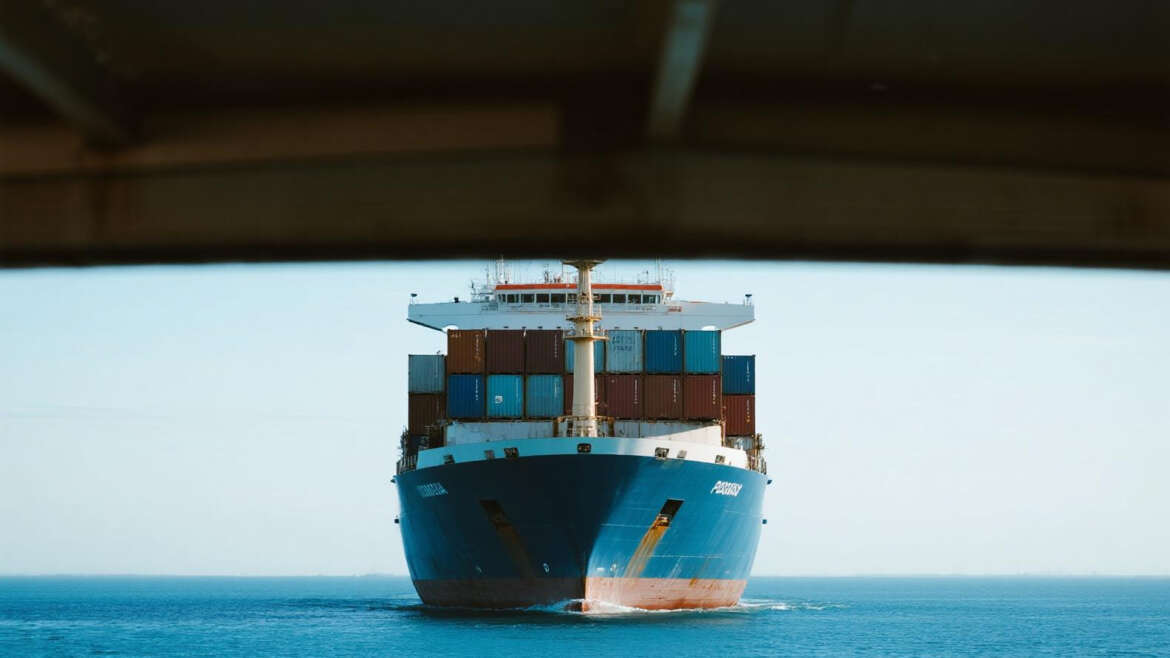
Are you looking to optimize your sea freight from China to Turkey but unsure where to start? Navigating shipping routes, understanding FCL and LCL shipping, and estimating transit times or costs can be complex. In this comprehensive guide, we’ll explore the key aspects of sea freight from China to Turkey, including route options, pricing, cost-saving strategies, and tips for selecting the best freight forwarder for your needs. Start your shipping journey with confidence!
Key Sea Freight Routes from China to Turkey
When shipping goods by sea from China to Turkey, it is vital to understand the major shipping routes and ports involved. These routes typically connect some of the largest and most efficient ports in China with key entry points in Turkey, ensuring efficient cargo movement and optimal transit times.
Major Origin Ports in China
- Shanghai Port: The busiest container port in the world, handling a wide variety of goods.
- Shenzhen Port: Renowned for electronics and high-value goods exports.
- Ningbo-Zhoushan Port: Offers vast capacity for bulk and containerized cargo.
- Guangzhou Port: A crucial hub for South China’s manufacturing exports.
- Qingdao Port: Serves northern Chinese exporters with a focus on industrial products.
- Xiamen Port: Specialized in machinery, garments, and electronics.
Main Destination Ports in Turkey
- Istanbul (Ambarli) Port: The primary commercial port, strategically located for access to Europe and Asia.
- Izmir Port: Key entry for western Turkey, serving the automotive and textile industries.
- Mersin Port: Handles substantial agricultural and industrial imports; gateway to the Mediterranean.
Common Sea Freight Routes
| Origin Port in China | Destination Port in Turkey | Typical Route | Transshipment Points |
|---|---|---|---|
| Shanghai | Istanbul (Ambarli) | South China Sea → Suez Canal → Mediterranean Sea → Marmara Sea | Singapore, Port Said, Piraeus |
| Shenzhen | Izmir | South China Sea → Suez Canal → Mediterranean Sea | Singapore, Port Said |
| Ningbo-Zhoushan | Mersin | East China Sea → Suez Canal → Mediterranean Sea | Singapore, Port Said |
| Qingdao | Istanbul | Yellow Sea → South China Sea → Suez Canal → Mediterranean Sea | Singapore, Piraeus |
These routes are managed by major shipping lines such as Maersk, MSC, and COSCO, ensuring regular and reliable schedules.
Sea Freight Options from China to Turkey
When considering sea freight from China to Turkey, two primary shipping methods are available: FCL (Full Container Load) and LCL (Less than Container Load). Selecting the right option depends on your cargo volume, budget, and delivery timelines.
Related reading: If you are also interested in surrounding markets, check out Shipping from China to UAE for additional Middle East shipping insights.
FCL Shipping from China to Turkey
FCL (Full Container Load) is ideal for shippers who have enough cargo to fill an entire container, or for those seeking exclusivity and reduced risk of cargo damage. FCL offers several advantages:
- Cost Efficiency: For shipments above 15-20 CBM (cubic meters), FCL is typically more economical.
- Faster Transit & Handling: Containers are sealed at origin and opened only at the destination, reducing delays and handling risks.
- Security: Your goods are not mixed with other shippers’ cargo, minimizing the chances of contamination or damage.
- Container Types: 20ft, 40ft, and 40ft High Cube containers are commonly available from major ports in China.
| Container Type | Max Volume | Typical Cargo | Best For |
|---|---|---|---|
| 20’ GP | ~28 CBM | Heavy, compact goods | Small-to-mid volume |
| 40’ GP | ~58 CBM | Bulky, lightweight | Large shipments |
| 40’ HC | ~68 CBM | Voluminous cargo | Oversized shipments |
Recommended for: Large shipments, high-value cargo, or time-sensitive goods.
LCL Shipping from China to Turkey
LCL (Less than Container Load) is suitable for shippers with smaller volumes who do not need a full container. With LCL, your cargo shares container space with other shipments, reducing costs but potentially increasing transit time due to consolidation and deconsolidation processes.
- Cost-Effective for Small Loads: Pay only for the space your cargo occupies (measured in CBM).
- Flexible Shipping: Ship smaller orders more frequently instead of waiting until you can fill a container.
- Multiple Handling Points: Cargo is consolidated with others, which may lead to more handling and longer processing times at both origin and destination.
| Criteria | FCL | LCL |
|---|---|---|
| Cargo Volume | High (≥15 CBM) | Low (<15 CBM) |
| Cost Structure | Per container | Per CBM |
| Handling Risk | Lower (sealed container) | Higher (shared with other shipments) |
| Transit Time | Faster (direct) | Slightly longer (consolidation required) |
| Flexibility | Less (full container required) | More (ship as needed) |
Recommended for: Small and medium-sized enterprises, sample shipments, or businesses with diverse product lines.
How long does it take to ship from China to Turkey?
The transit time for sea freight from China to Turkey depends on various factors such as the chosen shipping mode (FCL or LCL), the departure and arrival ports, weather conditions, and customs clearance processes. On average, the estimated transit times are as follows:
| Origin Port | Destination Port | FCL Estimated Transit Time | LCL Estimated Transit Time |
|---|---|---|---|
| Shanghai | Istanbul | 22-28 days | 25-32 days |
| Shenzhen | Istanbul | 23-29 days | 26-33 days |
| Ningbo | Izmir | 23-30 days | 26-34 days |
| Guangzhou | Mersin | 24-31 days | 27-35 days |
| Qingdao | Istanbul | 25-32 days | 28-36 days |
| Tianjin | Izmir | 26-33 days | 29-38 days |
FCL (Full Container Load) shipments are typically faster than LCL (Less than Container Load) due to fewer handling and consolidation steps.
Customs clearance in both China and Turkey can also impact the overall shipping time. Delays may occur during peak seasons, national holidays, or if there are issues with documentation.
Sea Freight Costs from China to Turkey
Sea freight costs from China to Turkey are influenced by several key factors, including:
- Type of shipment: FCL vs. LCL
- Container size: 20ft, 40ft, or special containers
- Cargo volume and weight
- Port pairs: Origin and destination port combinations
- Seasonal fluctuations and surcharges
- Additional services: Customs clearance, insurance, door-to-door delivery
Below is a general overview of baseline sea freight rates as of 2024 (for reference):
| Route | 20ft FCL (USD) | 40ft FCL (USD) | LCL (per CBM) (USD) |
|---|---|---|---|
| Shanghai – Istanbul | $1,600 – $2,200 | $2,400 – $3,200 | $90 – $150 |
| Shenzhen – Istanbul | $1,700 – $2,300 | $2,500 – $3,300 | $95 – $155 |
| Ningbo – Izmir | $1,650 – $2,250 | $2,450 – $3,350 | $100 – $160 |
| Guangzhou – Mersin | $1,700 – $2,400 | $2,600 – $3,450 | $105 – $170 |
| Qingdao – Istanbul | $1,800 – $2,500 | $2,700 – $3,600 | $110 – $175 |
Rates above are indicative. Actual costs may fluctuate based on market conditions, fuel surcharges, and carrier policies. For the latest and most accurate rates, consult your freight forwarder directly.
Additional costs to consider:
- Port charges at both origin and destination
- Customs clearance and documentation fees
- Insurance (highly recommended for valuable or sensitive cargo)
- Door-to-door delivery fees if required
- Warehousing and storage fees if cargo is held at port
For comparison of costs to other destinations in the region, you may also be interested in our guide to Shipping Cost from China to Iraq.
Reducing Sea Freight Costs from China to Turkey
For importers looking to optimize their supply chain, reducing sea freight costs from China to Turkey is a critical priority. Here are the most effective strategies:
1. Choose the Optimal Shipping Mode:
Decide between FCL (Full Container Load) and LCL (Less than Container Load) based on your cargo volume. FCL is generally more cost-effective for shipments over 12-15 CBM, while LCL is ideal for smaller loads.
2. Consolidate Shipments:
Combining multiple orders into a single FCL container can significantly lower the per-unit shipping cost. Dantful International Logistics offers Consolidated Freight solutions to help clients maximize container usage.
3. Plan Ahead and Book Early:
Shipping rates fluctuate with market demand and seasonality. Booking in advance allows you to secure lower rates and avoid peak season surcharges.
4. Optimize Packaging:
Efficient packaging reduces cargo volume and weight, minimizing costs especially for LCL shipments. Ensure that cargo is packed tightly and safely to avoid unnecessary space usage.
5. Utilize Professional Freight Forwarders:
Working with experienced freight forwarders like Dantful International Logistics ensures access to negotiated rates, consolidated shipments, and comprehensive logistics services—including Customs Clearance, Insurance, and Door to Door delivery—which further reduces hidden or unexpected costs.
6. Compare Port Costs:
Different Turkish ports may have varying handling charges. Evaluate options such as Istanbul, Izmir, and Mersin for the most cost-effective route.
| Cost Reduction Strategy | Impact on Cost | Recommended For |
|---|---|---|
| FCL vs LCL Optimization | High | All importers |
| Shipment Consolidation | High | Small to medium shipments |
| Early Booking | Medium | Seasonal shippers |
| Efficient Packaging | Medium | All shippers |
| Professional Freight Forwarder Partnerships | High | Businesses seeking reliability |
| Port Selection | Medium | High-volume shipments |
Choosing the Right Sea Freight Forwarder
Selecting the right freight forwarder is fundamental for a seamless and cost-effective shipping experience from China to Turkey. Consider the following factors:
Assessing Experience and Expertise in Sea Freight
Look for a freight forwarder with:
- Proven Track Record: A company with years of successful operations in China-Turkey trade lanes. For instance, Dantful International Logistics has extensive experience handling complex sea freight shipments across major Chinese and Turkish ports.
- Industry Certifications: Membership in international logistics networks and certifications such as FIATA, WCA, or NVOCC status is a sign of reliability.
- In-depth Knowledge: Understanding customs regulations, local port handling procedures, and documentation requirements is vital for avoiding delays and extra costs.
- Comprehensive Service Portfolio: Leading forwarders should provide not only Sea Freight, but also Air Freight, Rail Freight, Road Freight, Warehouse, and Door to Door services.
If you’re shipping to other Middle East countries, you may find our Shipping from China to Saudi Arabia guide helpful.
Understanding Service Offerings and Shipping Options
A trusted freight forwarder should provide:
- Flexible Shipping Solutions: Options for both FCL and LCL shipping, as well as OOG (Out of Gauge), Breakbulk, and Consolidated Freight for specialized cargo.
- Transparency and Real-Time Tracking: Advanced digital platforms to track your shipment from origin to destination.
- All-in-One Support: End-to-end services such as Customs Clearance, Cargo Insurance, and Amazon FBA preparation.
- Cost-effective Rates: Access to competitive shipping rates through established carrier relationships.
- Dedicated Customer Support: Responsive support teams to resolve queries quickly and proactively manage your shipment.
Dantful International Logistics stands out as a highly professional, cost-effective, and high-quality one-stop international logistics service provider for global traders. Our comprehensive offerings ensure your shipments from China to Turkey are handled with the utmost care and efficiency.
FAQs
Q1: What documents are needed for sea freight from China to Turkey?
A: Typical documents include Bill of Lading, Commercial Invoice, Packing List, Certificate of Origin, and any applicable import/export licenses. Dantful International Logistics can assist in preparing all required documentation.
Q2: Can I ship both FCL and LCL cargo to Turkey?
A: Yes. Both FCL and LCL services are available. Choose FCL for large shipments and LCL for smaller loads. Dantful offers flexible solutions tailored to your cargo size.
Q3: How are sea freight costs calculated?
A: Costs depend on cargo volume (CBM), weight, shipping route, container type, and additional services such as insurance or door-to-door delivery. For precise quotations, contact Dantful International Logistics.
Q4: What is the typical transit time for sea freight from China to Turkey?
A: On average, transit times range from 20 to 35 days, depending on the ports and shipping schedules. Refer to our detailed transit time table for more information.
Q5: Can I track my sea freight shipment?
A: Absolutely. Dantful provides real-time tracking for all shipments, ensuring complete transparency throughout the shipping process.
Q6: What are the main ports in Turkey for sea freight from China?
A: The key ports are Istanbul, Izmir, Mersin, and Gemlik. Each offers different advantages in terms of location and handling capacity.
For any further questions or to request a quote, please contact Dantful International Logistics—your trusted partner for efficient and cost-effective sea freight solutions from China to Turkey.
Leave a reply