

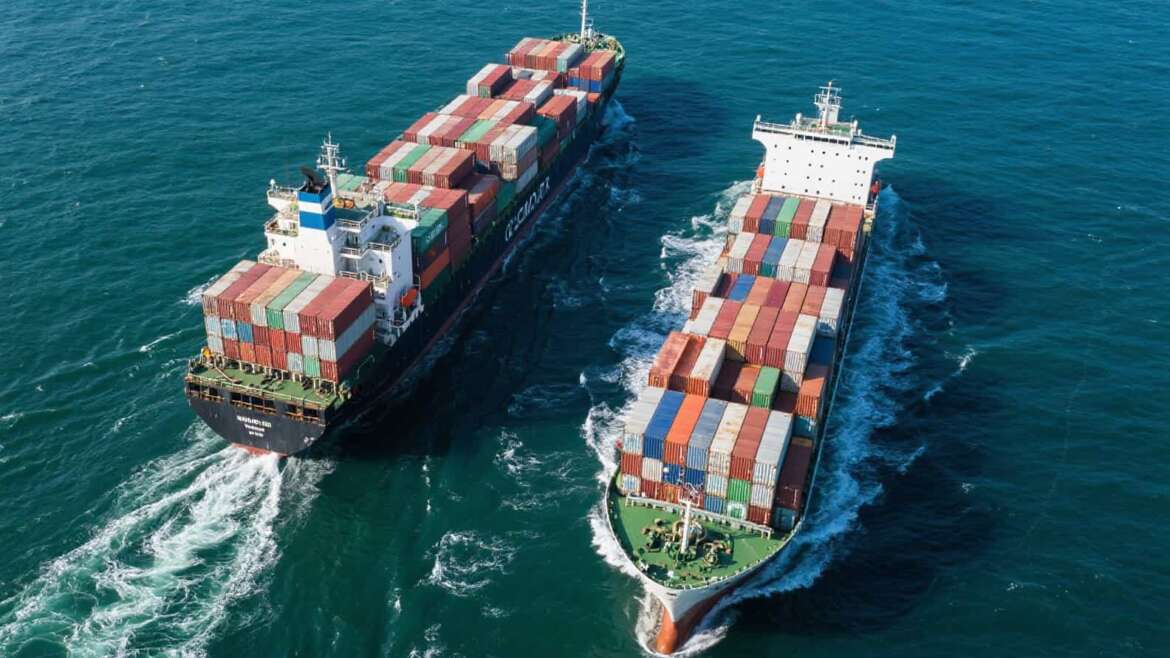
Are you planning to ship goods via Sea Freight from China to South Africa but feeling overwhelmed by the choices and logistics? In this comprehensive guide, we’ll explore the key sea freight routes, discuss FCL and LCL shipping options, examine transit times and cost breakdowns, and provide expert strategies to help you save costs. Get ready to navigate the complexities of international shipping with confidence!
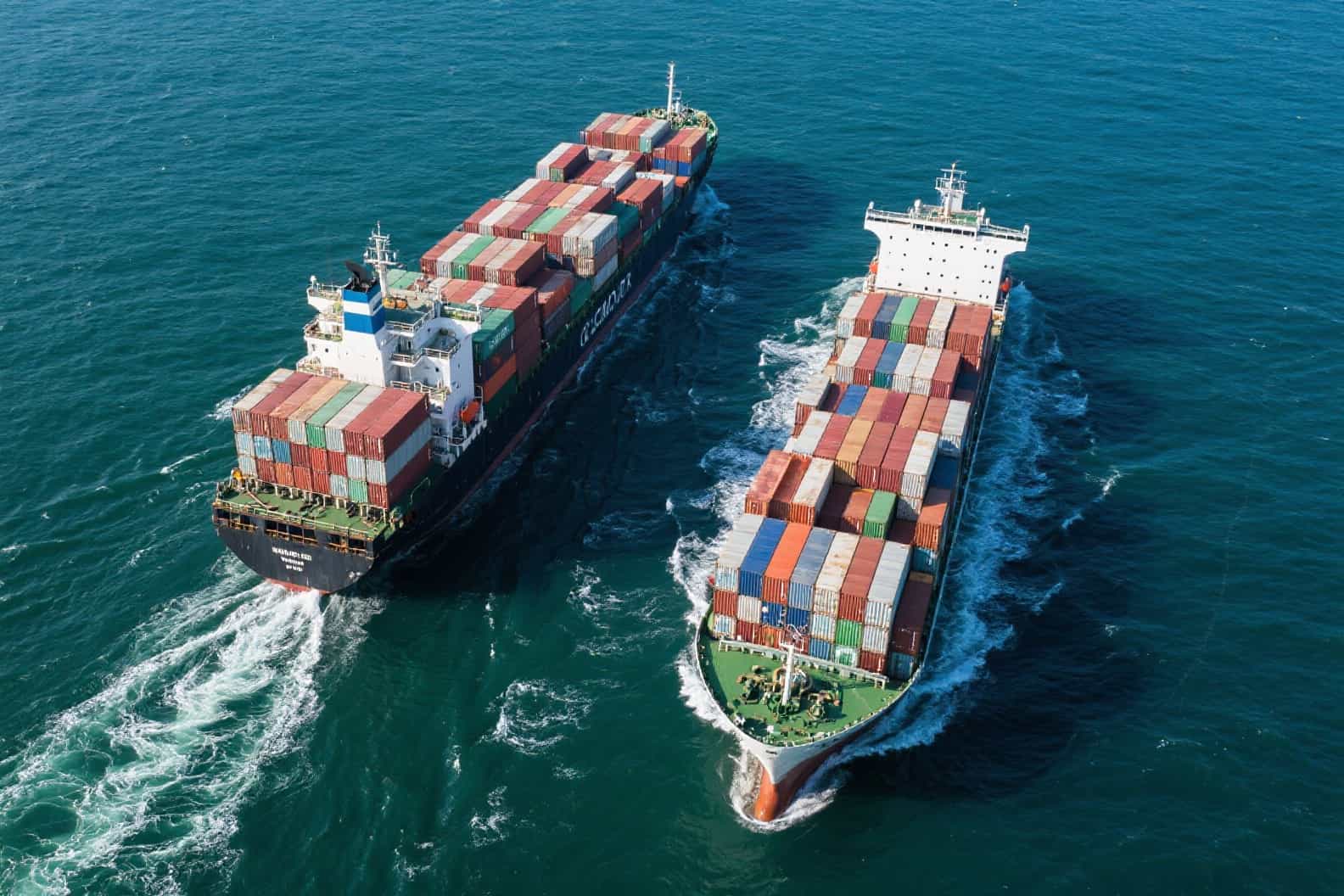
Key Sea Freight Routes from China to South Africa
When shipping goods by sea from China to South Africa, choosing the right route is critical for cost, efficiency, and reliability. The main sea freight routes connect major Chinese ports with significant South African ports, forming a strong logistics network between Asia and Africa.
Major Ports in China include:
- Shanghai
- Shenzhen
- Ningbo
- Qingdao
- Guangzhou
Major Ports in South Africa include:
- Durban (the busiest and largest container port in Africa)
- Cape Town
- Port Elizabeth
- Ngqura
Popular Sea Freight Routes
| Major Chinese Port | Main South African Port(s) | Typical Direct Route | Transit Time (Days) |
|---|---|---|---|
| Shanghai | Durban, Cape Town | via Indian Ocean | 22–30 |
| Shenzhen | Durban, Port Elizabeth | via Singapore/Colombo | 24–32 |
| Ningbo | Durban | via Singapore | 23–31 |
| Qingdao | Durban, Cape Town | via Singapore | 25–34 |
| Guangzhou | Durban, Port Elizabeth | via Singapore | 24–33 |
Most shipments are routed via the Indian Ocean, often with a transshipment stop in Singapore or Colombo for consolidation, which can slightly extend transit times but improves flexibility in vessel scheduling.
Related reading: For other African destinations, see our guide on Shipping from China to Nigeria.
Sea Freight Options from China to South Africa
International shippers can choose between several sea freight solutions, depending on their shipment volume, budget, and urgency. The two most common options are FCL (Full Container Load) and LCL (Less than Container Load) shipping.
FCL Shipping from China to South Africa
FCL (Full Container Load) shipping means you rent and use an entire shipping container exclusively for your cargo, regardless of whether you fill it completely. This is the preferred option for large-volume shipments and provides better security, cost-efficiency per unit, and streamlined customs clearance.
Advantages of FCL:
- Cost-effective for high-volume shipments.
- Reduced risk of cargo damage or contamination (cargo is not mixed with other shippers’ goods).
- Faster transit and handling at both ports.
Common FCL Container Types:
- 20ft Standard Container (approx. 28–30 CBM)
- 40ft Standard Container (approx. 58–60 CBM)
- 40ft High Cube Container (approx. 68–70 CBM)
Dantful International Logistics provides competitive FCL shipping services from all major Chinese ports to all key South African ports, offering end-to-end supply chain visibility, customs clearance, and inland transportation.
LCL Shipping from China to South Africa
LCL (Less than Container Load) shipping is ideal for small or medium-sized shipments that do not require a full container. Your goods are consolidated with cargo from other shippers in one container, which optimizes cost for lower volumes.
Advantages of LCL:
- Cost savings for small consignments.
- Flexible shipment scheduling — ship as soon as your goods are ready without waiting to fill a full container.
- Widely available on all major routes.
Considerations for LCL:
- Slightly longer handling times due to consolidation and deconsolidation.
- Higher risk of minor damage due to cargo mixing.
- More complex documentation and customs processes.
Dantful International Logistics offers reliable LCL consolidation services, ensuring your cargo is handled professionally with transparent tracking and timely updates.
Explore more: Learn about Shipping from China to Kenya for other East African shipping options.
Comparison Table: FCL vs. LCL Shipping
| Criteria | FCL Shipping | LCL Shipping |
|---|---|---|
| Volume Suitability | Over 15 CBM | Under 15 CBM |
| Cost per CBM | Lower for large shipments | Higher per CBM for small shipments |
| Security | High (cargo not mixed) | Moderate (cargo mixed with others) |
| Handling Time | Faster (direct handling) | Slower (consolidation/deconsolidation) |
| Customs Clearance | More straightforward | More documentation required |
| Flexibility | Less flexible (wait to fill container) | Highly flexible (ship smaller quantities) |
Both FCL and LCL have their unique benefits, and the right choice depends on your cargo type, volume, and budget. Dantful International Logistics is ready to assist you in selecting the most suitable option for your specific shipping needs between China and South Africa.
Sea Freight Transit Times from China to South Africa
Typical Transit Times for FCL Shipping
When shipping via Full Container Load (FCL) from China to South Africa, transit times can vary depending on the specific origin and destination ports, vessel schedules, and any transshipment requirements. In general, direct sailings from major Chinese ports such as Shanghai, Shenzhen, or Ningbo to key South African ports like Durban, Cape Town, and Port Elizabeth take between 22 to 30 days.
Here is an overview of typical FCL transit times from major Chinese ports to South African ports:
| Origin Port (China) | Destination Port (South Africa) | Typical Transit Time (Days) |
|---|---|---|
| Shanghai | Durban | 22-26 |
| Shenzhen | Durban | 24-28 |
| Ningbo | Cape Town | 25-30 |
| Qingdao | Port Elizabeth | 28-32 |
| Guangzhou | Durban | 24-29 |
These transit times are for direct services. If transshipment (changing vessels at an intermediate port) is required, add approximately 3-7 days to the overall journey.
Typical Transit Times for LCL Shipping
Less than Container Load (LCL) shipping is more flexible for smaller shipments but usually takes a bit longer than FCL due to the need for consolidation and deconsolidation at both origin and destination. For LCL shipments, transit times from China to South Africa typically range from 28 to 38 days.
| Origin Port (China) | Destination Port (South Africa) | Typical Transit Time (Days) |
|---|---|---|
| Shanghai | Durban | 28-33 |
| Shenzhen | Durban | 30-35 |
| Ningbo | Cape Town | 32-38 |
| Qingdao | Port Elizabeth | 33-39 |
| Guangzhou | Durban | 31-36 |
The additional days for LCL are due to the processes involved in grouping cargo from different shippers and the extra handling required at depots.
Sea Freight Costs from China to South Africa
Breakdown of Costs for FCL vs LCL Shipping
Sea freight costs from China to South Africa depend on several factors, including container size, cargo volume, weight, handling fees, and port charges. Here is a generalized breakdown:
| Shipping Mode | Service Description | Typical Cost Structure (2025) | Ideal For |
|---|---|---|---|
| FCL | Full Container Load | – 20ft: USD 2,000–2,800 per container<br>- 40ft: USD 3,000–4,500 | Large, heavy, or high-volume shipments |
| LCL | Less than Container Load | – USD 80–120 per CBM (minimum charges apply, typically 1-2 CBM) | Small shipments, less than a full container |
Note: These are estimated freight rates as of early 2025. Exact rates fluctuate based on market demand, fuel surcharges, and other factors. For a personalized quote, it is best to contact a professional freight forwarder like Dantful International Logistics.
Additional Charges to Consider
- Origin charges (documentation, handling, export customs)
- Destination charges (import customs, handling, delivery)
- Insurance (optional but recommended)
- Documentation fee
- Port security charges
- Customs clearance fees
Factors Influencing Sea Freight Costs
Several elements can impact the final cost of sea freight from China to South Africa:
Container Size and Type
- Standard (20ft, 40ft) or special equipment (Reefer, OOG, Flat Rack)
Cargo Volume and Weight
- Higher volume/weight typically gets better rates for FCL.
- LCL shipments are charged based on the greater of actual weight or dimensional weight (CBM).
Port Pair Selection
- Costs can vary depending on the origin and destination ports due to distance, port congestion, and handling efficiency.
Shipping Season and Surcharges
- Peak periods (before Chinese holidays or major retail seasons) often see higher freight rates.
- Surcharges for bunker adjustment factor (BAF), currency adjustment factor (CAF), and war risk may apply.
Type of Goods
- Hazardous, oversized, or temperature-sensitive cargo may incur extra charges.
Service Level
- Direct sailings vs. transshipment services (direct is faster but sometimes more expensive).
Value-Added Services
- Door-to-door, customs clearance, insurance, and warehousing add to total costs.
Freight Forwarder Expertise
- A reliable partner like Dantful International Logistics can optimize routing and consolidate services to minimize costs and delays.
For accurate, up-to-date pricing and cost optimization strategies, consult with a professional international logistics provider. Dantful International Logistics offers transparent, competitive pricing and one-stop solutions for sea freight, ensuring your cargo reaches South Africa safely and on time.
You may also want to see: Our detailed article on Shipping from China to Morocco for North African trade routes and cost comparisons.
For a fast, detailed sea freight quotation from China to South Africa, or for expert advice on optimizing your shipping solutions, connect with the experienced team at Dantful International Logistics today.
Strategies for Reducing Sea Freight Costs from China to South Africa
Optimizing your sea freight spend is crucial for importers sourcing goods from China to South Africa. Here are actionable strategies to ensure cost-efficiency and reliability:
Consolidate Shipments: If your volume is less than a full container, consider consolidation services (LCL Shipping). By sharing container space with other shippers, you pay only for the space you use.
Choose the Right Container: Selecting between FCL (Full Container Load) and LCL (Less than Container Load) can save money. FCL is more cost-efficient per cubic meter for higher volumes, while LCL is ideal for smaller loads.
Plan Ahead: Booking space early locks in lower rates and provides access to better shipping schedules. Freight rates often increase during peak seasons (such as the pre-Christmas period and Chinese New Year). Advanced planning avoids premium charges and delays.
Flexible Shipping Schedules: If your cargo is not time-sensitive, flexible departure dates enable you to capitalize on lower spot rates. Off-peak shipping can reduce costs significantly.
Negotiate with Your Freight Forwarder: Partnering with an experienced forwarder like Dantful International Logistics allows for customized solutions and better rates, thanks to our extensive carrier relationships and volume discounts.
Optimize Packaging: Reduce packaging size and weight where possible. This will lower your chargeable volume, especially for LCL shipments, where rates are based on cubic meters.
Consider Different Ports: Shipping to less congested or alternative South African ports (such as Durban, Cape Town, or Port Elizabeth) might result in lower port charges or quicker turnaround.
Review Additional Charges: Be aware of surcharges like destination charges, terminal handling charges, and customs clearance fees. A transparent freight forwarder will help you understand these costs upfront.
Choosing the Right Sea Freight Forwarder for China to South Africa
Key Qualities to Look for in a Freight Forwarder
Selecting a trustworthy freight forwarder is essential for smooth shipping from China to South Africa. Look for the following qualities:
- Expertise in China-South Africa Trade Lane: The forwarder should have a proven track record in handling shipments between these two countries.
- Comprehensive Service Offering: From sea freight to customs clearance and door-to-door delivery, choose a provider like Dantful International Logistics that offers a full suite of logistics services.
- Transparent Pricing: Avoid hidden fees. Ensure all costs are communicated clearly.
- Strong Customer Support: Reliable communication and problem-solving abilities are vital, especially when handling international shipments.
- Digital Tools: Online tracking and documentation streamline the shipping process.
Importance of Industry Experience and Network
Industry experience and an established network are critical factors in selecting your freight forwarding partner:
- Carrier Relationships: Experienced forwarders have established relationships with major shipping lines, ensuring space availability and competitive rates.
- Knowledge of Customs Regulations: Expertise in South African and Chinese customs procedures helps prevent costly delays.
- Global Network: A forwarder with an international presence and local partners in both China and South Africa can efficiently manage shipments end-to-end.
- Problem-Solving: Years of industry experience equip forwarders to handle unexpected disruptions, such as port congestion or documentation issues.
Dantful International Logistics combines over a decade of expertise with a global network, ensuring your cargo moves efficiently, compliantly, and cost-effectively.
Tips for Successful Sea Freight Shipping from China to South Africa
Best Practices for Packing and Preparing Goods
Proper packing and preparation are essential to minimize risk and cost:
- Use Durable Packing Materials: Choose sturdy cartons, pallets, or crates to withstand long ocean transits. Securely seal all packages to prevent moisture ingress.
- Maximize Space Utilization: Arrange goods to use container space efficiently, reducing wasted volume and shipping costs.
- Label Clearly: Label packages with consignee details, port of discharge, and handling instructions in English.
- Documentation Preparation: Ensure all shipping documents—bill of lading, commercial invoice, packing list, and certificates of origin—are accurate and complete before cargo departure.
Avoiding Common Pitfalls in Sea Freight Shipping
Stay alert to these common mistakes to avoid delays and unexpected expenses:
- Incomplete Documentation: Incorrect or missing paperwork can result in customs delays or fines.
- Non-Compliance with Import Regulations: Familiarize yourself with South Africa’s import requirements, including prohibited goods and necessary permits.
- Underestimating Transit Time: Sea freight from China to South Africa typically takes between 20-30 days for FCL and slightly longer for LCL. Build in buffer time for customs clearance.
- Failing to Insure Cargo: Ocean transport involves risks. Comprehensive cargo insurance protects your investment against loss or damage.
- Selecting Unreliable Partners: Avoid untested or low-rated providers. Work with a reputable company like Dantful International Logistics, known for professionalism and high-quality service.
By following these best practices and partnering with an experienced provider like Dantful International Logistics, you’ll ensure your sea freight from China to South Africa is seamless, efficient, and cost-effective.
For more information or a tailored shipping quote, contact the Dantful team today.
Leave a reply