

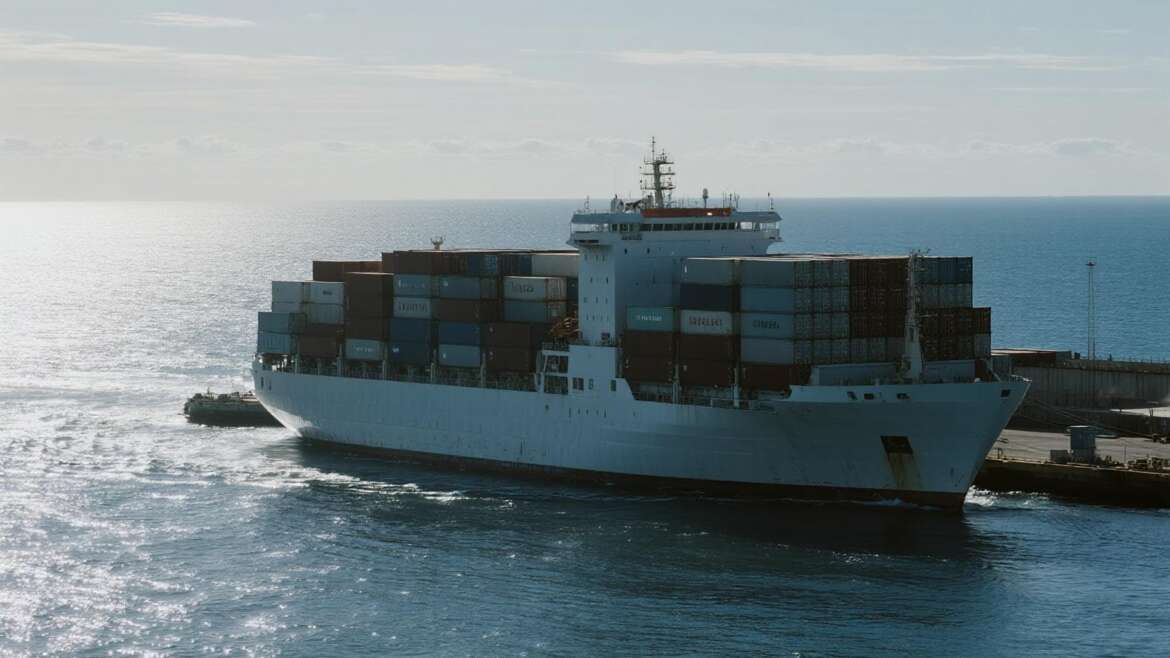
Are you looking to optimize your sea freight from China to Brazil and wondering which routes, shipping options, and cost-saving strategies work best? In this comprehensive guide, we’ll break down the key sea freight routes, compare FCL and LCL shipping, discuss transit times and cost structures, and offer tips for choosing the right freight forwarder for your business needs. Let’s navigate the complexities of international shipping together!
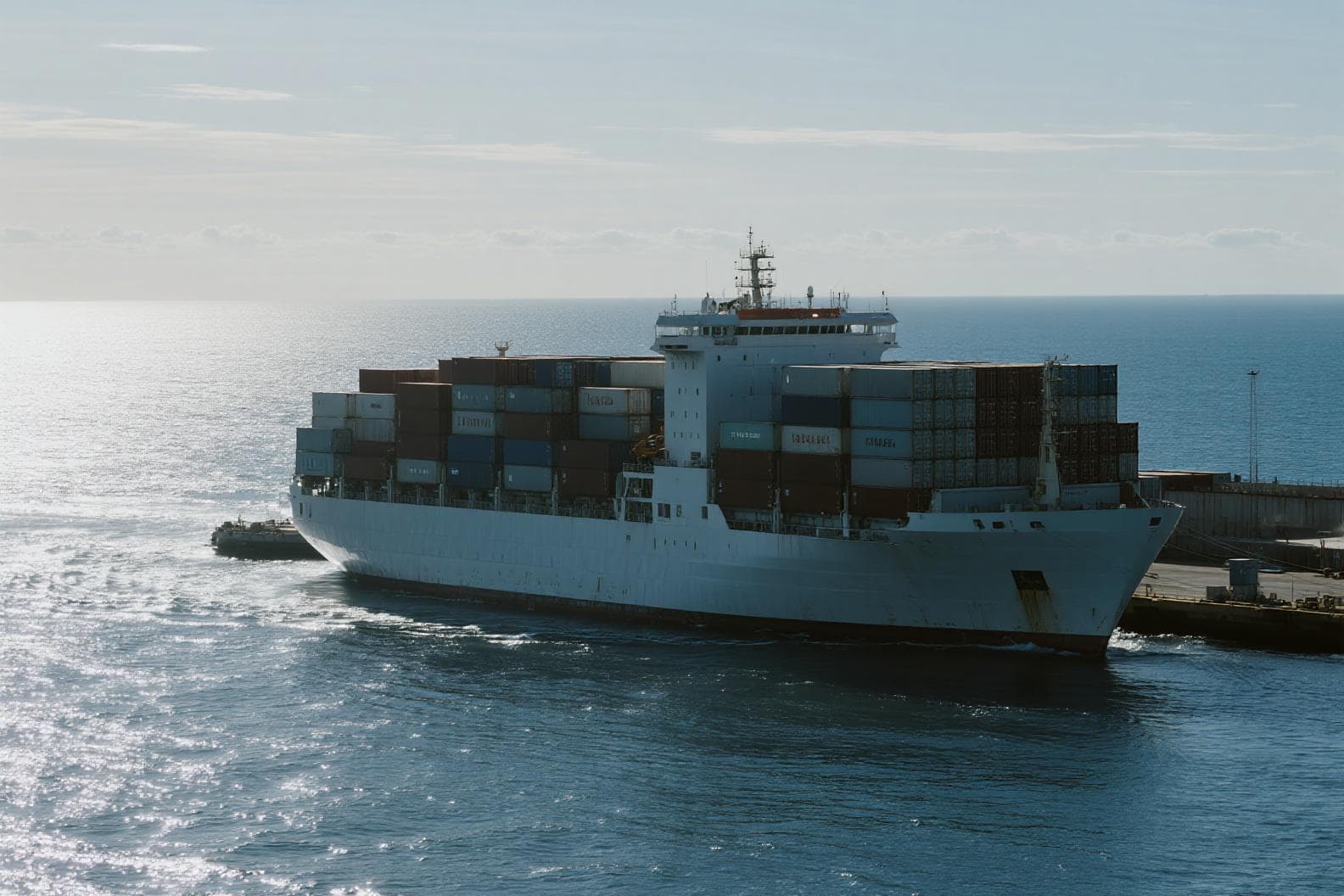
Key Sea Freight Routes from China to Brazil
Major Ports for Exporting Goods from China
When shipping goods from China to Brazil, it is crucial to select the right export port to ensure cost-effectiveness and timely delivery. The most prominent Chinese ports for sea freight exports include:
| Port Name | Location | Specialization | Advantages |
|---|---|---|---|
| Port of Shanghai | Shanghai | Largest container port in the world | Extensive routes, frequent sailings |
| Port of Shenzhen | Guangdong Province | Electronics, industrial goods | Proximity to manufacturing hubs |
| Port of Ningbo-Zhoushan | Zhejiang Province | General cargo, containers | High efficiency and large capacity |
| Port of Guangzhou (Nansha) | Guangdong Province | Textiles, machinery, electronics | Modern facilities, strategic location |
| Port of Qingdao | Shandong Province | Heavy machinery, chemicals | Deep-water port, strong global connections |
| Port of Xiamen | Fujian Province | Foodstuffs, machinery | Flexible shipping schedules |
Exports from these major Chinese ports can reach a variety of Brazilian ports, depending on the shipping line and route chosen. For businesses also considering other Latin American markets, you may be interested in our insights on Shipping from China to Mexico.
Key Brazilian Ports for Importing Goods
Brazil has several key import ports that serve as the main gateways for goods arriving from China:
| Port Name | Location | Specialization | Advantages |
|---|---|---|---|
| Port of Santos | São Paulo State | Largest port in Latin America, containers | Advanced facilities, close to main markets |
| Port of Rio de Janeiro | Rio de Janeiro | General cargo, containers | Central location, modern container terminals |
| Port of Paranaguá | Paraná State | Agricultural products, general cargo | Efficient for bulk and containerized goods |
| Port of Itajaí | Santa Catarina State | Textiles, machinery, electronics | Proximity to industrial regions |
| Port of Suape | Pernambuco State | Industrial goods, chemicals | Rapid growth, modern logistics infrastructure |
Choosing the appropriate Brazilian port depends on the nature of your cargo, final destination, and overall logistics requirements.
Sea Freight Options from China to Brazil
FCL Shipping from China to Brazil
Full Container Load (FCL) shipping is ideal for businesses with large volumes of goods. In FCL, you have exclusive use of a container—either 20-foot or 40-foot—which offers safety, better cargo protection, and predictable transit times.
Key Features of FCL Shipping:
- Reliability: Direct sailings, less handling reduces risk of damage.
- Cost efficiency: Lower per-unit costs for bulk shipments.
- Flexibility: Best for businesses that can fill a container or require separation from other shippers’ goods.
FCL Shipping is recommended for:
- Bulk commodities
- High-value products
- Goods sensitive to handling and contamination
LCL Shipping from China to Brazil
Less than Container Load (LCL) shipping is suitable for smaller consignments that do not fill an entire container. With LCL, your goods are consolidated with other shipments headed to the same destination.
Key Features of LCL Shipping:
- Cost-effectiveness: Pay only for the space you use.
- Accessibility: Ideal for small and medium-sized businesses.
- Frequent departures: Many consolidators offer regular LCL sailings to main Brazilian ports.
LCL Shipping is recommended for:
- Startups and SMEs
- Sample or test shipments
- Regular, small-volume orders
| Shipping Option | Volume | Cost Structure | Typical Use Case |
|---|---|---|---|
| FCL | Large (≥15 CBM) | Per container/flat rate | Bulk, high-value, or urgent shipments |
| LCL | Small (<15 CBM) | Per CBM (cubic meter) | Small volumes, multiple consignees, lower budgets |
For both FCL and LCL sea freight from China to Brazil, Dantful.US International Logistics offers industry-leading solutions, including door-to-door delivery, customs clearance, insurance, and more. We deliver high-quality, cost-effective, and reliable logistics services tailored to your business needs. To find out which option fits your next shipment, contact our expert team for a personalized quote and consultation.
Sea Freight Times from China to Brazil
Typical Transit Times for FCL and LCL Shipments
When planning sea freight from China to Brazil, understanding the estimated shipping times is essential for scheduling and supply chain management. Transit time varies significantly based on the type of shipment and the selected ports.
Below is a reference table comparing typical transit times for Full Container Load (FCL) and Less than Container Load (LCL) shipments between major Chinese and Brazilian ports:
| Origin Port (China) | Destination Port (Brazil) | FCL Transit Time (Days) | LCL Transit Time (Days) |
|---|---|---|---|
| Shanghai | Santos | 28–35 | 32–40 |
| Shenzhen | Santos | 29–36 | 33–41 |
| Ningbo | Rio de Janeiro | 35–42 | 39–47 |
| Qingdao | Santos | 30–38 | 34–42 |
| Guangzhou | Paranaguá | 33–40 | 37–45 |
Please note: LCL shipments often take slightly longer due to additional handling and consolidation steps at both origin and destination.
Factors Affecting Sea Freight Transit Times
Several factors can impact the actual delivery time for sea freight shipments from China to Brazil:
- Port Congestion: Busy periods at major ports such as Shanghai, Shenzhen, and Santos can cause delays.
- Transshipment: Some routes require cargo transfers at intermediate ports, extending transit times.
- Weather Conditions: Severe weather, particularly during typhoon seasons in China, may disrupt schedules.
- Customs Clearance: Delays in documentation or random inspections at Brazilian ports can extend delivery times.
- Shipping Line Schedules: Not all carriers offer direct services; some schedules may have fewer sailings per week.
- Global Events: Strikes, pandemic restrictions, or geopolitical events can affect port operations and vessel availability.
Working with a highly experienced Freight Forwarder like Dantful.US International Logistics can help minimize delays through proactive planning and real-time tracking solutions.
Sea Freight Costs from China to Brazil
Breakdown of Sea Freight Costs and Fees
Understanding the cost structure of shipping from China to Brazil is crucial for budgeting and accurate landed cost calculation. Sea freight costs generally include the following components:
| Fee Component | Description | Applies to FCL | Applies to LCL |
|---|---|---|---|
| Ocean Freight Charge | Base fee for ocean transport from origin to destination port | ✓ | ✓ |
| Container Handling Fee | Terminal charges for loading/unloading containers at ports | ✓ | ✓ |
| Documentation Fee | Fees for bills of lading, customs documents, etc. | ✓ | ✓ |
| Customs Clearance | Charges for export in China and import in Brazil | ✓ | ✓ |
| Delivery Order Fee | Cost for releasing cargo at destination port | ✓ | ✓ |
| Deconsolidation Fee | Fee for breaking down consolidated LCL shipments | ✓ | |
| Inland Transportation | Trucking or rail costs from port to final delivery address | Optional | Optional |
| Insurance | Optional protection against loss/damage | Optional | Optional |
| Other Surcharges | Fuel surcharge, peak season surcharge, war risk, etc. | ✓ | ✓ |
Note: The total shipping costs will depend on factors such as shipment volume, container size, route, and additional services required.
Understanding Pricing Structures for FCL and LCL
The pricing model differs between FCL and LCL shipments:
- FCL (Full Container Load): Pricing for FCL is generally based on a flat rate per container (e.g., 20′ or 40′ container). This is cost-effective for larger shipments, providing exclusive use of the container and reducing risk of cargo mixing or delays.
- LCL (Less than Container Load): For shipments that do not fill a whole container, LCL rates are typically calculated per cubic meter (CBM) or per metric ton, whichever is greater. LCL is ideal for small to medium-sized shipments but includes additional handling and consolidation fees, making the total cost per CBM higher than FCL.
Below is a simplified comparison:
| Container Type | Typical Pricing Basis | Suitable For | Cost Efficiency |
|---|---|---|---|
| FCL | Per container (20’/40′) | 15 CBM+ or heavy, bulky cargo | Most cost-effective for large volumes |
| LCL | Per CBM or metric ton | 1–14 CBM, small shipments | More expensive per unit, but lower total cost for small shipments |
To obtain a precise and competitive quote for your specific shipment, contact Dantful.US International Logistics. We provide transparent pricing and tailored logistic solutions for all types of cargo.
For readers interested in other South American trade lanes, you may also want to review our dedicated guide on Shipping from China to Brazil.
Reducing Sea Freight Costs from China to Brazil
Tips for Efficient Packing and Container Usage
Optimizing your packing methods and maximizing container utilization are essential steps to reduce Sea Freight Costs from China to Brazil. Here are some professional tips:
- Choose the Right Container Size: Select between 20ft and 40ft containers based on your cargo volume. Underutilized containers waste space and money, while overloading can result in extra fees or cargo damage.
- Standardize Packaging: Use uniform carton sizes and stackable pallets. This streamlines the loading process and ensures every inch of the container is used efficiently.
- Use Professional Packing Materials: Quality packing materials reduce the risk of cargo damage, which can result in costly claims or shipment delays.
- Consolidate Shipments: If your cargo volume is low, consider LCL (Less than Container Load) shipping. This method allows you to share container space (and costs) with other shippers.
- Plan for Proper Weight Distribution: Ensuring even weight distribution within the container helps avoid extra handling fees and prevents cargo shifting, which can cause product damage.
- Leverage Advanced Loading Techniques: Techniques like block stacking or shrink-wrapping can further optimize space, especially for odd-shaped cargo.
- Accurate Cargo Measurements: Provide exact cargo dimensions and weight to your Freight Forwarder to avoid last-minute rebooking fees or container adjustments.
Example: Container Utilization Table
| Container Type | Internal Volume (CBM) | Typical Pallet Capacity | Suitable For |
|---|---|---|---|
| 20ft | 33.1 | 10-11 | Small to medium shipments, LCL, dense/heavy goods |
| 40ft | 67.7 | 20-22 | Large shipments, FCL, lightweight/bulky items |
| 40ft HC | 76.4 | 22-24 | Extra volume goods, oversized cargo, high cube shipments |
Negotiating Rates with Freight Forwarders
Getting the best deal on sea freight from China to Brazil often depends on your ability to negotiate effectively with Freight Forwarders. Here are proven strategies:
- Request Multiple Quotes: Contact several reputable forwarders, including Dantful.US International Logistics, and compare their offers in terms of service, reliability, and total costs.
- Provide Accurate Information: Detailed cargo information (dimensions, weight, type, destination, and value) enables forwarders to offer competitive and accurate quotes.
- Bundle Services: Combining services like customs clearance, warehousing, and insurance with your freight booking can unlock discounted package rates.
- Leverage Volume: If you ship frequently, negotiate long-term contracts or volume-based discounts.
- Target Off-Peak Seasons: Shipping during non-peak periods (e.g., after Chinese New Year or Golden Week) can help secure lower rates.
- Clarify Surcharges: Ask about fuel surcharges, port fees, and documentation charges. Understanding all possible add-ons ensures a fair comparison.
- Consider Flexible Shipping Schedules: Flexibility on departure dates can help you access lower spot rates.
Choosing the Right Sea Freight Forwarder
Selecting the best Sea Freight Forwarder for your shipments from China to Brazil is critical for a smooth, reliable, and cost-effective logistics experience. Consider the following criteria:
- Industry Reputation and Certifications: Choose a forwarder with proven experience, positive client reviews, and industry certifications (such as FIATA, WCA, or NVOCC status).
- Service Coverage: Ensure the forwarder offers comprehensive services, including FCL, LCL, door-to-door delivery, customs clearance, warehousing, and insurance. This minimizes the risk of delays and miscommunication.
- Global Network: A robust overseas network ensures seamless coordination at both the origin (China) and the destination (Brazil).
- Transparent Pricing: Reliable forwarders provide clear, detailed quotations and help you avoid hidden costs.
- Customer Support: Responsive, multilingual support is crucial, especially when navigating complex shipping regulations and documentation.
- Technology & Tracking: Modern forwarders utilize digital platforms for real-time tracking and shipment updates, providing you with transparency and control.
- Tailored Solutions: Look for forwarders able to customize shipping plans to your unique requirements, such as urgent shipments, oversized cargo, or consolidated freight.
Why Choose Dantful.US International Logistics?
Dantful.US International Logistics stands out as a top choice for sea freight services from China to Brazil. We offer:
- Full-spectrum solutions covering Sea Freight, Air Freight, Rail Freight, Road Freight, Amazon FBA, Warehouse, Customs Clearance, Insurance, Door to Door, OOG Freight, Consolidated Freight, and Breakbulk Freight.
- Deep expertise in both Chinese export procedures and Brazilian import regulations.
- Strong carrier partnerships for the most competitive rates and reliable transit times.
- Professional, English-speaking customer service available throughout the shipping process.
- A commitment to transparency, security, and value for every client.
When the success of your supply chain depends on safe, timely, and affordable shipping, partnering with a trusted provider like Dantful.US International Logistics ensures your cargo arrives on schedule and within budget. Contact us today for a tailored quote and discover how we can help streamline your Sea Freight from China to Brazil.
Leave a reply