

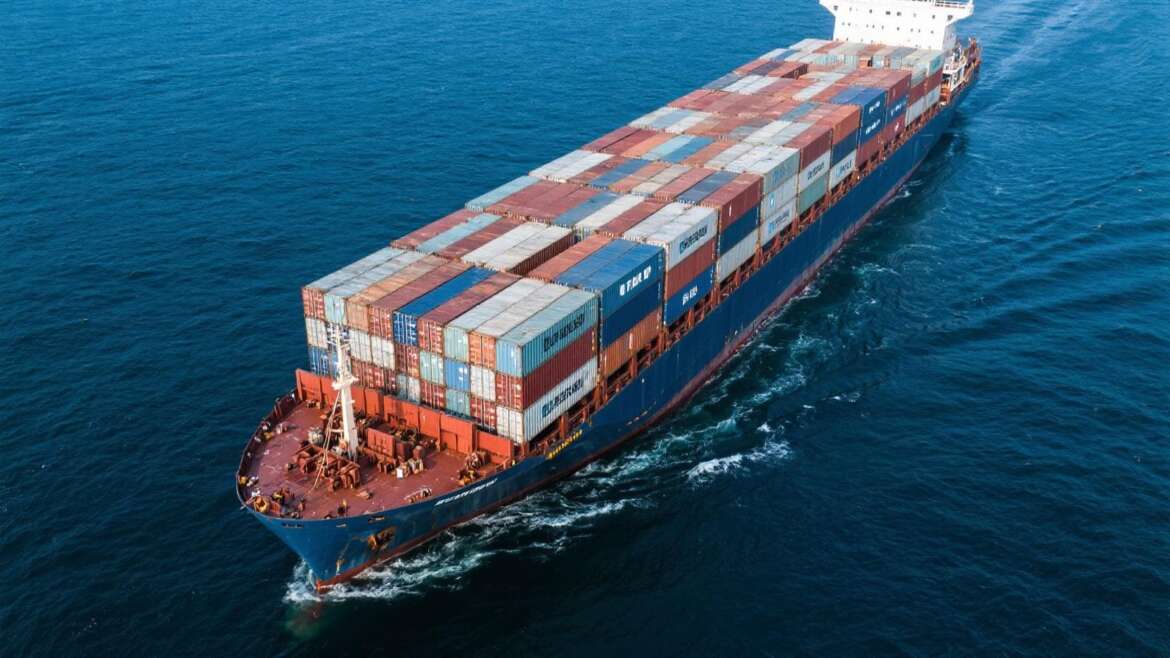
Are you considering LCL shipping from China to USA but unsure where to start? Navigating Less than Container Load (LCL) logistics can be overwhelming, especially with rates, transit times, and documentation to consider. In this comprehensive guide, we’ll break down everything you need to know about LCL shipment, from when to choose it to essential paperwork and shipping routes, ensuring your cargo arrives smoothly and cost-effectively.
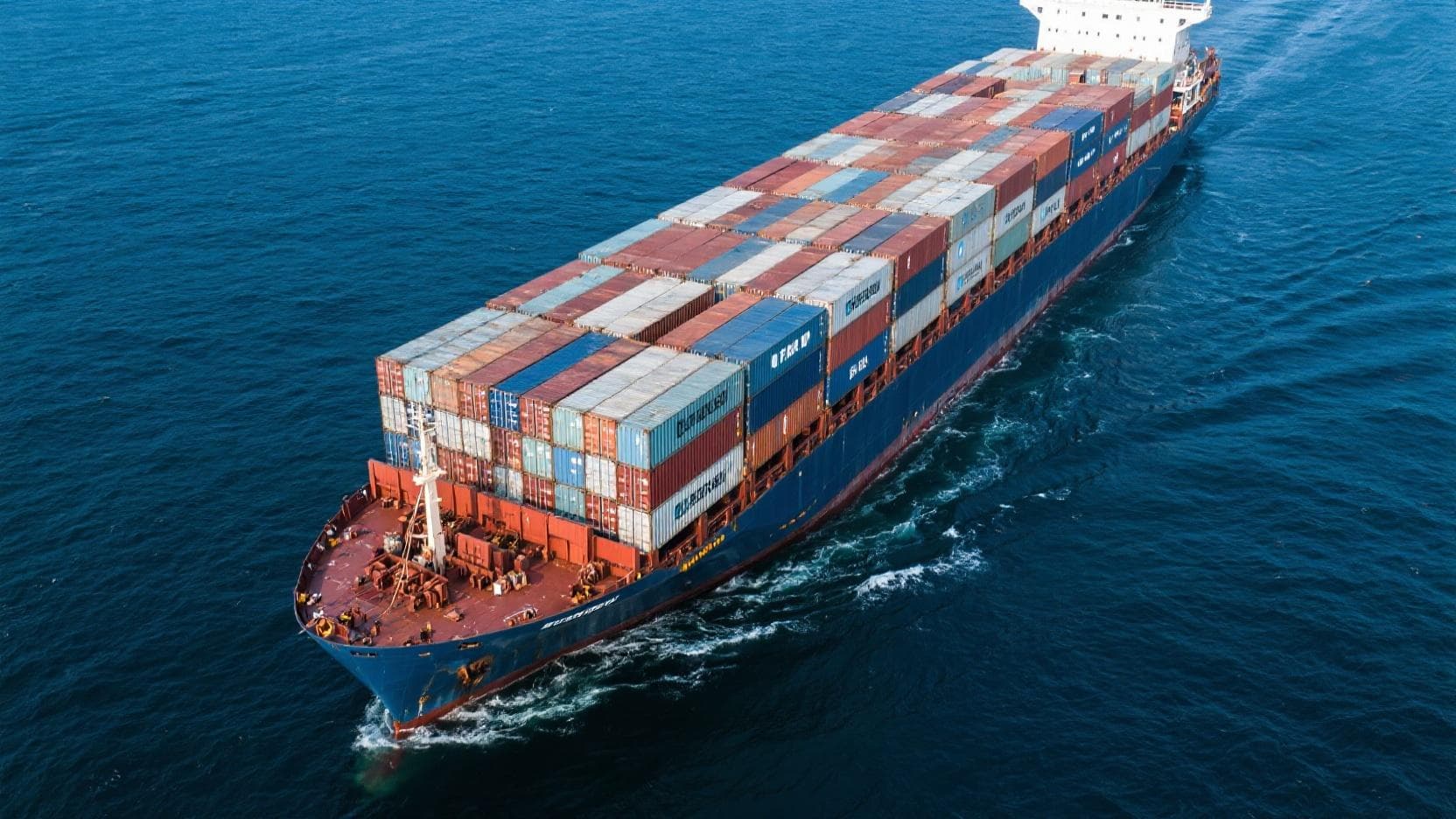
What is LCL shipment from China to USA?
LCL stands for Less than Container Load. It is a cost-effective method of shipping freight by sea for importers who do not have enough cargo to fill an entire shipping container. Instead, multiple shippers’ goods are consolidated into one container and shipped together from China to the USA.
When you choose LCL shipping, your goods share space in a 20-foot or 40-foot container with other importers’ cargo. This shared container approach makes international shipping accessible and affordable for businesses with small- to medium-volume shipments. As a dedicated China-to-Americas logistics specialist, Dantful.US expertly coordinates the grouping (consolidation) and separation (deconsolidation) of cargo, ensuring efficient and secure transit from Chinese ports (such as Shanghai, Shenzhen, Ningbo, Guangzhou) to major US ports (such as Los Angeles, Long Beach, New York, Houston).
Key Benefits of LCL Shipping
Based on our extensive operational data handling thousands of LCL shipments annually, we have identified the core advantages for our clients:
- Cost Savings: Pay only for the volume your cargo occupies, rather than an entire container.
- Flexibility: Ideal for frequent, smaller shipments.
- Accessibility: No need to wait until you have enough cargo for a full container.
LCL Shipping from China to USA is an optimal solution for small businesses, startups, or any importer seeking flexibility and lower upfront costs while maintaining access to reliable ocean freight services.
When to choose LCL Shipping?
Choosing LCL Shipping makes the most sense in several scenarios:
1. Shipment Size and Volume
- If your cargo volume is less than 15 cubic meters (CBM), or not enough to fill a 20-foot container, LCL is usually much more economical.
- Typical LCL shipments range from 1 CBM to 13 CBM.
- For reference, a 20ft container holds about 28 CBM.
2. Cost Considerations
- Freight costs for FCL (Full Container Load) are fixed, regardless of how much space you use. With LCL, you only pay for your portion.
- Consider LCL if your calculated LCL charges are significantly less than FCL rates.
Example Comparison Table
| Shipping Mode | Typical Volume | Suitable For | Cost Basis |
|---|---|---|---|
| LCL Shipping | 1-13 CBM | Small to medium shipments | Per CBM/Weight |
| FCL (20ft) | 28 CBM | Large shipments, full container loads | Per container (fixed) |
| FCL (40ft) | 58 CBM | Large volume, bulk cargo | Per container (fixed) |
3. Frequency and Urgency
- If you ship small quantities frequently, LCL allows you to move cargo as needed without storage delays.
- For time-sensitive cargo, however, remember LCL involves extra handling at the origin and destination, which can add 3–7 days to the transit.
4. Cargo Type
LCL is suitable for most general cargo, but is not recommended for:
- Fragile or high-value goods requiring specialized handling.
- Oversized items or hazardous materials (these may require OOG Freight or specialized cargo handling).
5. Port Accessibility
If your suppliers or buyers are near major Chinese or US ports, LCL shipping is even more convenient and cost-effective.
LCL Shipping Rates from China to USA
LCL shipping (Less than Container Load) is a cost-effective and flexible solution for importers whose cargo volume does not require a full container. The LCL shipping rates from China to USA vary depending on several factors including port of origin, port of destination, cargo volume (measured in CBM – cubic meters), type of goods, and current market conditions.
Key Factors Affecting LCL Shipping Rates
Our analysis of Q1 2026 market trends indicates that the following factors are currently driving LCL costs:
- Origin and Destination Ports: Major ports such as Shanghai, Shenzhen, and Ningbo in China to Los Angeles, New York, and Houston in the USA often have lower rates due to higher traffic and optimized logistics.
- Cargo Volume (CBM): LCL rates are usually quoted per CBM, with minimum charges for 1 CBM.
- Cargo Type: Hazardous or special cargo may incur additional surcharges.
- Seasonality: Peak shipping seasons (e.g., pre-holiday periods) often see rate increases.
- Fuel Surcharges and Port Fees: These can vary month-to-month.
Sample LCL Shipping Rate Table (2026 Q1)
| Origin Port | Destination Port | Estimated LCL Rate (USD/CBM) | Minimum Charge (USD) | Transit Time (Days) |
|---|---|---|---|---|
| Shanghai | Los Angeles | $32–$42 | $70–$84 | 18–22 |
| Shenzhen | New York | $49–$67 | $98–$119 | 28–33 |
| Ningbo | Houston | $42–$60 | $84–$105 | 25–29 |
| Qingdao | Seattle | $35–$53 | $77–$91 | 20–25 |
| Xiamen | Miami | $56–$77 | $105–$126 | 32–38 |
Note: These rates are indicative and subject to change based on market fluctuations, fuel surcharges, and customs requirements. For the most accurate and up-to-date rates, contact our specialized China-to-Americas team at Dantful.US*.*
For a comprehensive breakdown of expenses, you may also want to check our dedicated guide on Shipping Cost from China to USA.
How long does sea freight take from China to USA
Transit times for sea freight LCL shipments from China to the USA depend on the origin and destination ports, the chosen shipping route, transshipment points, and customs clearance procedures. Generally, LCL shipments take longer than FCL (Full Container Load) due to the need for cargo consolidation and deconsolidation at both ends.
Typical LCL Shipping Transit Times
According to our recent shipment tracking data, the average transit times for popular routes are as follows:
| Origin Port | Destination Port | Estimated LCL Transit Time (Days) |
|---|---|---|
| Shanghai | Los Angeles | 18–22 |
| Shenzhen | New York | 28–33 |
| Ningbo | Houston | 25–29 |
| Qingdao | Seattle | 20–25 |
| Xiamen | Miami | 32–3 |
Key Factors Influencing Shipping Time
- Consolidation/Deconsolidation: Additional days are required to consolidate multiple shipments at the origin and deconsolidate at the destination.
- Customs Clearance: Delays can occur if documentation is incomplete or if goods require inspection.
- Shipping Schedules: Direct routes are faster, but not always available for every origin-destination pair.
- Port Congestion: Major US ports like Los Angeles and New York can experience delays during peak seasons.
Tips to Minimize Shipping Delays
- Prepare Accurate Documentation: Ensure all paperwork is complete and accurate to avoid customs clearance delays.
- Book in Advance: During peak seasons, book your shipment early to secure space.
- Work with a Specialized Americas Route Expert: Based on our 15 years of experience in the US trade lane, Dantful.US offers end-to-end tracking, regular updates, and professional advice to ensure your cargo arrives on time.
You might also find our article on How Long does it Take to Ship from China to USA helpful for further transit time details.
Essential Documentation for LCL Shipments
Proper documentation is fundamental for a successful LCL Shipping from China to USA process. Missing or incorrect paperwork can lead to delays, increased costs, or even shipment seizure. Below, we cover the key documents required and their importance:
1. Bill of Lading (B/L)
The Bill of Lading serves as a contract of carriage and receipt for the cargo. For LCL (Less than Container Load), a House Bill of Lading (HBL) is issued by the freight forwarder, while a Master Bill of Lading (MBL) comes from the main carrier. Both are required for customs clearance and cargo release.
2. Commercial Invoice
This document details the transaction between the buyer and seller. It lists the value, quantity, and type of goods. U.S. Customs uses it to determine tariffs and taxes.
3. Packing List
A Packing List provides a breakdown of the shipment’s contents, including dimensions, weight, and packaging type. It helps the carrier, forwarder, and customs officers to identify and inspect the cargo.
4. Certificate of Origin
This certificate proves the country where the goods were manufactured. It may be required for customs clearance to determine eligibility for trade agreements or correct duty rates.
5. Import/Export Licenses (if applicable)
Certain goods require specific import or export licenses, according to U.S. or Chinese regulations. Always verify if your products fall into restricted categories.
6. Arrival Notice
Once your shipment reaches the USA, the carrier or forwarder provides an Arrival Notice to inform you and initiate the import process.
7. Customs Entry Documents
These are submitted to U.S. Customs and Border Protection (CBP). They include the Entry Manifest (CBP Form 7533), or Entry/Immediate Delivery (CBP Form 3461), along with the Customs Bond and any other supporting documents.
Summary Table: Essential Documents for LCL Shipping
| Document | Purpose | Issued By | Required For |
|---|---|---|---|
| Bill of Lading (B/L) | Proof of contract & cargo receipt | Carrier/Forwarder | All Shipments |
| Commercial Invoice | Proof of transaction, customs valuation | Shipper | Customs Clearance |
| Packing List | Detailed cargo description | Shipper | Inspection |
| Certificate of Origin | Proof of manufacturing country | Chamber of Commerce | Customs Clearance |
| Import/Export Licenses | Regulatory compliance for certain goods | Authorities | Restricted Goods |
| Arrival Notice | Notification of cargo arrival | Carrier/Forwarder | Import Process |
| Customs Entry Documents | Legal entry of goods into the US | Importer/Broker | Customs Clearance |
Tip: Based on our team’s handling of thousands of LCL shipments, working with a specialist like Dantful.US ensures all your documentation is accurate, reducing risks of delays or penalties during your LCL Shipping from China to USA. If you want to understand more about the customs process, see our overview of customs clearance.
Sea Freight Shipping Routes from China to USA
Selecting the optimal sea route is crucial for cost, transit time, and reliability in LCL Shipping from China to USA. Here’s an overview of the main shipping routes, the key ports involved, and how these choices can affect your supply chain.
Major Chinese Ports for LCL Exports
- Shanghai Port The world’s busiest container port, offering frequent LCL departures to the USA.
- Shenzhen Port Ideal for manufacturing and tech exports from Southern China.
- Ningbo-Zhoushan Port Known for its rapid growth and efficient operations.
- Qingdao Port Main hub for Northern China.
- Guangzhou Port Serves the Pearl River Delta’s export needs.
Major USA Ports for LCL Imports
- Port of Los Angeles The largest port in North America; primary gateway for goods from China.
- Port of Long Beach Adjacent to Los Angeles, high-volume, modern facilities.
- Port of New York/New Jersey Major East Coast entry point for Chinese goods.
- Port of Savannah Fast-growing, ideal for Southeastern US distribution.
- Port of Seattle/Tacoma Key West Coast hub for Pacific trade.
Common Shipping Routes
West Coast Route: From Shanghai/Shenzhen/Ningbo to Los Angeles/Long Beach/Seattle
- Transit time: Typically 14-18 days
- Best for: Fast supply chains, distribution in Western and Central USA
East Coast Route (via Panama Canal): From Shanghai/Ningbo to New York/Savannah
- Transit time: Typically 28-35 days
- Best for: Importers targeting Eastern and Southern USA
Gulf Coast Route: From Shanghai/Shenzhen to Houston
- Transit time: 30-35 days
- Best for: Distribution in the Southern and Central USA
Comparative Table: Key Sea Freight Routes
| Route (Origin → Destination) | Estimated Transit Time | Service Frequency | Best Use Case |
|---|---|---|---|
| Shanghai → Los Angeles | 14-16 days | High | Fastest to West Coast |
| Shenzhen → Long Beach | 15-18 days | High | West Coast & Inland US |
| Ningbo → Seattle | 16-18 days | Medium | Pacific Northwest distribution |
| Shanghai → New York (via Panama Canal) | 28-32 days | Medium | East Coast delivery |
| Ningbo → Savannah | 30-35 days | Medium | Southeast US focus |
| Shanghai → Houston | 30-35 days | Low | Gulf Coast & Midwest |
Note: Transit times vary based on carrier schedules, port congestion, and seasonal factors.
How to Choose the Right Route?
- Destination: Select the port closest to your end customer.
- Speed: West Coast routes offer the quickest transit.
- Cost: East and Gulf Coast routes can save on domestic transport costs for certain regions.
- Cargo Type & Volume: Not all routes support all LCL cargo types; consult your freight forwarder for options.
As experts solely focused on the China-to-Americas route, Dantful.US provides strategic guidance and competitive LCL consolidation services on all major routes. Our team helps you optimize transit times, minimize costs, and ensure smooth customs clearance for your LCL Shipping from China to USA.
For information on alternative shipping methods, explore our guide on Air freight from China to USA.
Step-by-step guide for your LCL shipping
LCL Shipping from China to USA is a practical solution for importers who do not need to fill an entire container. Below is a comprehensive step-by-step guide to help you navigate the process efficiently:
Step 1: Cargo Assessment and Booking
- Evaluate your shipment size, weight, and nature of goods.
- Contact a specialist team like Dantful.US (focused exclusively on China-Americas logistics) for a rate quote and professional consultation.
- Confirm your booking with details such as cargo dimensions, weight, commodity type, and shipping terms (e.g., FOB, EXW).
Step 2: Cargo Preparation and Packing
- Ensure your goods are well-packed for sea transportation, considering the potential for stacking and handling with other cargo.
- Proper labeling and documentation are essential for smooth customs clearance.
Step 3: Delivery to the Consolidation Warehouse
- Deliver your cargo to the designated consolidation warehouse in the Chinese port city (e.g., Shanghai, Shenzhen, Ningbo).
- The freight forwarder will consolidate your goods with other shipments headed to the USA.
Step 4: Export Customs Clearance in China
- Submit all required documents: commercial invoice, packing list, and bill of lading.
- Your freight forwarder will handle customs clearance procedures and pay any applicable export duties or taxes.
Step 5: Sea Transit
- The consolidated container is loaded onto a vessel destined for the chosen US port (e.g., Los Angeles, Long Beach, New York).
- Estimated transit times vary depending on the port pair, typically ranging from 18 to 30 days (see table below for details).
Step 6: Import Customs Clearance in USA
- Upon arrival, cargo is unloaded and transported to a deconsolidation warehouse.
- The freight forwarder assists with customs clearance, payment of duties and taxes, and obtaining the necessary clearances.
Step 7: Cargo Pickup or Final Delivery
- You can arrange to pick up your goods from the warehouse, or your freight forwarder can organize door-to-door delivery to your final destination.
If you need a complete logistics solution, our Door to Door Shipping from China to USA guide covers every step, including customs and last-mile delivery.
Quick Reference Table: Typical LCL Transit Times
| China Port | US Port | Estimated Transit Time (Days) |
|---|---|---|
| Shanghai | Los Angeles | 18-22 |
| Shenzhen | Long Beach | 20-24 |
| Ningbo | New York | 28-32 |
| Qingdao | Oakland | 23-27 |
Freight forwarder from China to USA
Choosing the right freight forwarder is critical to ensuring a smooth and cost-effective LCL Shipping from China to USA experience. Here’s what to consider when selecting a partner, and why Dantful.US (Specialized in China-to-Americas Logistics) is the optimal choice:
What Does a Freight Forwarder Do?
- Arranges transportation from the supplier’s warehouse to the destination in the USA.
- Handles all documentation, including the bill of lading, packing list, and commercial invoice.
- Manages customs clearance in both China and the USA.
- Offers additional services such as cargo insurance, warehouse solutions, door-to-door delivery, and Amazon FBA preparation.
Key Factors for Choosing a Freight Forwarder:
- Experience and Reliability: Look for a company with proven expertise in US-China trade lanes.
- Service Range: Comprehensive offerings including sea freight, air freight, road freight, rail freight, customs brokerage, and warehousing.
- Cost-effectiveness: Transparent pricing with no hidden charges.
- Customer Support: Responsive communication and tailored logistics solutions.
Learn more about our Sea Freight from China to USA service for comprehensive ocean shipping solutions.
Why Choose Dantful.US for Your China-to-USA LCL Shipments?
- Americas-Focused Expertise: Unlike general forwarders, our team brings 15 years of specialized experience in US and China import/export regulations.
- Competitive LCL Rates: We leverage strong carrier relationships to secure cost-effective LCL shipping rates for the Americas route.
- End-to-End Control: From consolidated freight to door-to-door delivery, we handle every step, so you can focus on growing your business.
- Tech-driven: Online tracking, digital documentation, and real-time customer support.
- Wide Service Portfolio: Including OOG (Out of Gauge) Freight, Breakbulk Freight, and specialist handling for Amazon FBA shipments.
Contact the Dantful.US Americas Specialist Team today to receive a tailored quote for your next LCL shipment from China to USA. Let our expertise guarantee your cargo moves efficiently and securely, every time.
Leave a reply