

Are you looking for a cost-effective way to move smaller shipments from China to Nigeria? LCL shipping from China to Nigeria provides flexibility and savings for businesses that don’t need full container loads. In this comprehensive guide, we’ll explore what LCL shipping is, its advantages, costs, the entire shipping process, and expert tips for efficient logistics. Learn how to optimize your China-Nigeria freight and avoid common pitfalls with LCL shipments.
What is LCL Shipping from China to Nigeria?
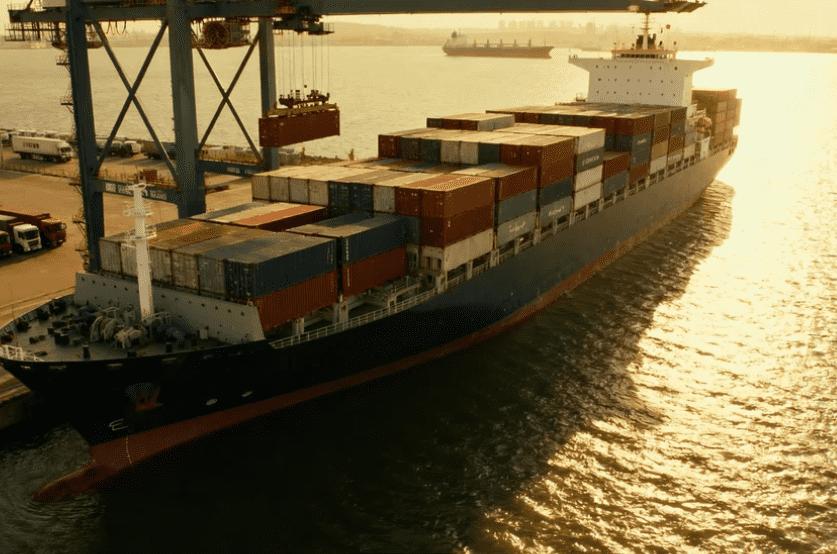
LCL Shipping (Less than Container Load) refers to a logistics solution where multiple shippers consolidate their cargo into a single shipping container. Instead of booking an entire container, each shipper only pays for the volume their goods occupy. This method is particularly efficient when your shipment from China to Nigeria does not fill a full container, making it a smart and economical alternative to FCL (Full Container Load) shipping.
When you choose LCL shipping from China to Nigeria, your goods are collected and combined with other shipments at a consolidation warehouse (usually located in major Chinese ports such as Shanghai, Shenzhen, or Guangzhou). After the container reaches Nigeria (commonly at Lagos Port or Tin Can Island Port), each consignee’s cargo is deconsolidated and delivered.
When to Choose LCL over FCL for Shipping to Nigeria
Selecting the right freight mode ensures your cargo arrives safely, on time, and within budget. LCL shipping is the preferred solution in the following scenarios:
| Situation | LCL Shipping | FCL Shipping |
|---|---|---|
| Shipment volume is below 15 CBM | ✔️ Cost-effective | ❌ Not ideal |
| Multiple small shipments from different suppliers | ✔️ Flexible | ❌ Less flexible |
| Regular, small-scale exports | ✔️ Ideal | ❌ Overkill |
| Urgency is moderate, not highly time-sensitive | ✔️ Suitable | ✔️ Suitable |
| Cargo requires separation from other goods | ❌ Not suitable | ✔️ Suitable |
Choose LCL if:
- Your cargo is less than 15-20 CBM (e.g., 10 CBM).
- You want to minimize logistics costs.
- You need flexibility for small, frequent shipments.
- You work with multiple suppliers in China and want to consolidate cargo.
Choose FCL if:
- Your volume approaches a full container load (20FT = 28CBM, 40FT = 56CBM, 40HQ = 68CBM).
- You require dedicated container space for sensitive or high-value goods.
- Speed and direct-to-door delivery are critical.
At Dantful.US International Logistics, we help customers analyze their shipment size, urgency, and budget to recommend the optimal solution between LCL and FCL.
Advantages of LCL Shipping for China-Nigeria Trade
Cost Savings and Flexibility for Small Businesses
LCL shipping is a game changer for small and medium-sized enterprises that do not have the cargo volume to justify a full container. Here’s why:
- Pay Only for What You Ship: You are charged based on the exact cubic meter (CBM) your goods occupy, avoiding the need to pay for empty space.
- Lower Upfront Investment: No need to wait until you have enough inventory for a full container, allowing for faster inventory turnover.
- Reduced Inventory Holding Costs: Frequent, smaller shipments help manage cash flow and reduce warehousing needs in Nigeria.
- Shared Shipping Costs: Customs, handling, and port charges are distributed among all shippers in the same container, further lowering costs.
For example, shipping 5 CBM from Shenzhen to Lagos via LCL can be 40-60% cheaper than booking a full 20FT FCL. If you want to further explore this route, you may also be interested in our in-depth guide on Shipping from China to Nigeria.
| Example: Shipping Cost Comparison (2025) | LCL (5 CBM) | FCL 20FT (28 CBM) |
|---|---|---|
| Typical Sea Freight Cost | $450 | $2,800 |
| Cost per CBM | $90 | $100 |
| Total Cost for 5 CBM | $450 | $2,800 (wasted capacity) |
Note: Rates fluctuate based on the season, route, and freight market.
Ideal for SMEs, E-commerce Sellers, and Individuals
LCL Shipping is designed for:
- SMEs (Small and Medium-sized Enterprises) who need international reach without the capital to fill a container.
- E-commerce sellers who import small batches of goods to test new products or respond quickly to market trends.
- Individuals relocating personal belongings, sending gifts, or handling small-volume imports.
Why LCL Suits These Groups:
- Scalability: You can increase or decrease shipment volume as your business grows.
- Market Responsiveness: Importers can react quickly to changes in demand without overstocking.
- Risk Mitigation: Smaller shipments mean less capital is tied up in inventory during transit.
At Dantful.US International Logistics, we specialize in supporting SMEs, e-commerce sellers, and individual importers with:
- End-to-end solutions: From pick-up at your Chinese supplier to customs clearance and delivery in Nigeria.
- Transparent pricing: No hidden fees—our quotes include all major charges.
- Professional support: Our team handles sea freight, air freight, customs, warehousing, insurance, and last-mile delivery.
In summary, LCL shipping from China to Nigeria is the ideal solution for cost-sensitive, flexible, and growing businesses seeking reliable international logistics. Let our experts at Dantful.US International Logistics help you find the best shipping strategy for your needs.
Step-by-Step Process of LCL Shipping from China to Nigeria
Shipping via LCL (Less than Container Load) from China to Nigeria is a structured process that ensures your goods move safely and efficiently—even when you don’t fill an entire container. As an experienced freight forwarder, I’ll walk you through each step to help you understand what to expect and how to prepare for a smooth shipping experience.
Cargo Consolidation and Packing Requirements
LCL shipping involves combining cargo from multiple shippers into one container. This approach is perfect if your shipment is less than 15 CBM, or you don’t have enough volume for a Full Container Load (FCL).
Consolidation Process:
- Cargo Drop-off: You or your supplier deliver goods to the designated warehouse (consolidation center) at a major Chinese port such as Shanghai, Shenzhen, or Ningbo.
- Cargo Sorting & Inspection: Each shipment is checked for quantity, quality, and compliance with packing standards.
- Consolidation: Multiple shipments are combined into a single container, optimizing space and reducing overall costs.
Packing Requirements:
- Use sturdy export-grade packaging—pallets or crates are highly recommended for safe handling.
- Label all packages clearly with consignee, destination, and handling instructions.
- Protect fragile or sensitive goods with cushioning material, and ensure goods are well-secured to avoid shifting during transport.
- Follow the destination country’s import regulations regarding packaging and marking (for example, ISPM 15 standard for wood packaging).
Documentation Needed for LCL Shipments
Proper documentation is critical for a hassle-free LCL shipment from China to Nigeria. Missing or incorrect documents can result in delays or extra charges.
Common Documents Required:
- Bill of Lading (B/L): Proof of shipment and contract between shipper and carrier.
- Commercial Invoice: Details of the transaction between buyer and seller.
- Packing List: Specifies contents, dimensions, and weight of each package.
- Certificate of Origin: States where the goods were produced, often required by Nigerian customs.
- Import License: For restricted goods in Nigeria.
- Other Documents (if applicable): Product certificates, insurance policy, MSDS for hazardous goods.
Tip: Using a professional freight forwarder like Dantful.US International Logistics can streamline the paperwork, ensuring accuracy and compliance with both Chinese and Nigerian regulations.
Customs Clearance Procedures in China and Nigeria
In China:
- Your freight forwarder files the export declaration with China Customs.
- Customs officers may inspect the cargo and verify documents.
- Once cleared, the container is loaded onto a vessel bound for Nigeria.
In Nigeria:
- On arrival at a major Nigerian port (such as Lagos – Apapa Port, Tin Can Island Port), the consignee or their agent submits all documents to Nigerian Customs.
- Customs evaluates import duty, VAT, and other possible taxes.
- Physical inspection may be conducted, especially for LCL shipments, to confirm cargo matches the declaration.
- After duties are paid and documents cleared, a release order is issued.
Professional customs clearance support is essential: Incorrect paperwork or under-declaration can result in hefty fines or cargo seizure. Dantful.US International Logistics provides end-to-end customs brokerage at both origin and destination.
Delivery and Deconsolidation at Nigerian Ports
After customs clearance:
- Deconsolidation: The container is taken to a designated warehouse (CFS – Container Freight Station) where all LCL shipments are separated based on their bills of lading.
- Notification: Consignees are notified to collect their goods, or last-mile delivery is arranged if door-to-door service was booked. For more information on this premium solution, please see our Door to Door Shipping from China to Nigeria service.
- Cargo Collection: Present original documents and pay any local charges before receiving goods.
Note: Reliable tracking and prompt communication by your freight forwarder will minimize delays in this final stage.
LCL Shipping Rates from China to Nigeria: What Affects the Cost?
Freight rates for LCL shipping are determined by several factors. Understanding these can help you plan your logistics budget and avoid unexpected costs.
Major Factors Influencing LCL Freight Charges
| Factor | Description |
|---|---|
| Volume & Weight | LCL is charged by volume (CBM) or weight (whichever is greater). |
| Origin & Destination Ports | Shipping from major ports (e.g., Shanghai to Lagos) is usually more economical. |
| Cargo Type & Nature | Hazardous or perishable goods may incur surcharges. |
| Seasonality | Rates fluctuate during peak seasons (e.g., pre-holiday, Chinese New Year). |
| Fuel & Surcharges | Bunker Adjustment Factor (BAF), Currency Adjustment Factor (CAF), Security Fees, etc. |
| Local Charges | Origin and destination handling, documentation, customs clearance, storage, and delivery fees. |
| Insurance | Optional but recommended—covers damage, loss, or theft in transit. |
Sample Price Breakdown and Hidden Fees to Watch Out For
Below is a sample LCL cost structure for shipping from China to Nigeria (for 3 CBM general cargo, as of Q4 2025). Actual rates may vary—always request a formal quote from your freight forwarder.
| Cost Item | Estimated Rate (USD) | Remarks |
|---|---|---|
| Ocean Freight | $80–$120 per CBM | Varies by season & route |
| Origin Handling (China) | $40–$60 per CBM | Includes warehouse, consolidation, CFS charges |
| Documentation Fees | $30–$50 per shipment | Bill of lading, export docs |
| Destination Handling | $60–$90 per CBM | Nigerian port/CFS charges |
| Customs Clearance | $100–$200 per shipment | Excludes import duties/taxes |
| Delivery/Trucking | $100+ (depends on distance) | To consignee’s warehouse/door |
| Insurance (optional) | 0.15–0.3% of cargo value | Based on declared value |
Watch out for hidden fees:
- Port Storage: Storage charges accrue if cargo isn’t cleared promptly at the port.
- Demurrage/Detention: Extra charges if containers or goods are not picked up within the free period.
- Customs Exam Fees: If your cargo is selected for inspection.
- Additional Documentation: Certificates, licenses, or special permits as required by Nigerian authorities.
To ensure transparent and cost-effective LCL shipping from China to Nigeria, partner with a trustworthy and experienced freight forwarder like Dantful.US International Logistics. We offer comprehensive one-stop solutions—including sea freight, air freight, customs clearance, insurance, and door-to-door delivery—so your cargo arrives safely, on time, and at a competitive cost.
Best Routes and Major Ports for LCL Shipping between China and Nigeria
When considering LCL Shipping from China to Nigeria, selecting the right shipping routes and ports impacts your delivery speed, costs, and cargo safety. As a professional with years of experience in international logistics, I know that having a thorough understanding of the main ports and shipping lanes will help importers, exporters, and supply chain managers optimize their operations.
Popular Chinese Ports for LCL Export
China has several well-equipped ports that handle large volumes of LCL exports to Nigeria. The most popular ports for LCL shipments include:
| Port Name | City/Province | Advantages | LCL Handling Capacity |
|---|---|---|---|
| Shanghai Port | Shanghai | Largest container port globally; frequent sailings; efficient LCL consolidation | Very High |
| Shenzhen Port | Guangdong | Strong connections to Africa; fast customs clearance | High |
| Ningbo-Zhoushan Port | Zhejiang | Cost-effective routes; advanced logistics infrastructure | High |
| Guangzhou Port | Guangdong | Proximity to manufacturers; flexible LCL schedules | Medium-High |
| Qingdao Port | Shandong | Serves northern China exporters; competitive rates | Medium |
These ports feature regular LCL consolidation services, professional loading, and a wide network of shipping lines connecting to West Africa.
Leading Nigerian Ports for LCL Import
Nigeria has several major seaports capable of efficiently handling LCL cargo. The most significant ports are:
| Port Name | City | Role in LCL Import | Facilities |
|---|---|---|---|
| Lagos (Apapa & Tin Can Island) | Lagos | Main gateway for international shipments; handles over 70% of Nigeria’s imports | Modern container terminals; extensive customs services |
| Port Harcourt | Rivers State | Important for southern and eastern Nigeria | Good for industrial and oil/gas cargo |
| Onne Port | Rivers State | Specialized in containerized and project cargo | Efficient deconsolidation, customs capacity |
| Calabar Port | Cross River | Suitable for cargo headed to eastern Nigeria | Smaller, but gaining in LCL traffic |
For most businesses, Lagos Ports (Apapa & Tin Can Island) are the primary entry points due to their extensive infrastructure and support for LCL cargo deconsolidation.
Typical Transit Times and Route Options
Transit times can vary depending on port selection, shipping line schedules, and seasonal factors. Below is an overview of common routes and average LCL transit times:
| Origin Port (China) | Destination Port (Nigeria) | Typical Route | Estimated Transit Time |
|---|---|---|---|
| Shanghai | Lagos (Apapa/Tin Can) | Direct via Singapore/Suez | 30-38 days |
| Shenzhen | Lagos | Via Singapore/Suez | 32-40 days |
| Ningbo | Lagos | Via Singapore/Suez | 33-41 days |
| Guangzhou | Port Harcourt/Onne | Via transshipment in Europe | 36-45 days |
| Qingdao | Lagos | Via Singapore or Busan/Suez | 34-43 days |
Note: Actual transit times may be affected by customs clearance, vessel schedules, and congestion at ports.
Route Options:
- Direct Service: Some lines offer direct sailings (minimal transshipment) from China to Lagos, which can reduce transit time and handling risks.
- Transshipment: Most LCL shipments involve a transshipment hub (e.g., Singapore, Dubai, or European ports) before final delivery to Nigeria.
By working with a top-tier freight forwarder, you can select the most efficient route based on your shipment’s urgency and budget. For a comparison of different Africa routes, you might want to see Shipping From China To Kenya or Shipping From China To South Africa.
How to Choose a Reliable Freight Forwarder for LCL Shipping to Nigeria
Choosing the right freight forwarder for your LCL shipments from China to Nigeria is vital for a smooth logistics experience. Here’s what I recommend you consider:
Specialized Experience:
Look for a forwarder with proven expertise in China-Nigeria trade lanes and knowledge of both Chinese and Nigerian port operations.Comprehensive Service Portfolio:
The best providers, like Dantful.US International Logistics, offer not just sea freight but also air, rail, road, Amazon FBA, warehousing, customs clearance, insurance, door-to-door, OOG, and consolidated/breakbulk services. This one-stop approach simplifies your supply chain.Transparent Pricing:
Choose a partner who provides clear, detailed quotations, including all possible fees (origin, destination, documentation, customs, deconsolidation, etc.).Network and Partnerships:
A strong freight forwarder has robust agent networks at both origin and destination, ensuring seamless cargo movement and problem-solving on the ground.Customer Support and Communication:
Responsive, multi-lingual teams and digital tracking platforms make a huge difference during the shipping process.Compliance and Insurance:
Ensure your forwarder is compliant with the latest regulations and offers tailored insurance for your cargo.
Dantful.US International Logistics is recognized for professionalism, cost-effectiveness, and high-quality service on China–Nigeria routes. We handle the complexities so you can focus on business growth.
Tips for Efficient and Cost-Effective LCL Shipping to Nigeria
How to Prepare Your Goods for LCL Shipping
Proper preparation of your cargo is crucial for cost savings and safe delivery:
- Consolidated Packing: Pack your goods securely and compactly to minimize wasted space. Use strong cartons or wooden crates as required for export.
- Labeling: Each package should have clear labels (consignee, address, destination port, contact details) to avoid confusion during consolidation and deconsolidation.
- Documentation: Prepare all required documents—commercial invoice, packing list, bill of lading, and export/import permits.
- Compliance: Ensure your cargo complies with Chinese and Nigerian customs regulations. Avoid forbidden or restricted goods.
- Volume Calculation: Understand your cargo volume (CBM) accurately. Use professional calculation: Length (m) × Width (m) × Height (m) × number of packages.
- Insurance: Protect your cargo against loss or damage with marine insurance.
Ways to Reduce Costs and Avoid Common Pitfalls
- Book Early: Reserve your LCL space early to secure better rates and guaranteed slots, especially before peak seasons.
- Optimize Packaging: Design packaging to use every CBM efficiently, reducing your volumetric charge.
- Choose the Right Port Pair: Sometimes shipping via alternative Chinese or Nigerian ports can reduce costs or speed up delivery.
- Review Charges: Check all freight and local charges to avoid unexpected fees. Watch out for terminal handling, documentation, and deconsolidation costs at destination.
- Work with a Reliable Freight Forwarder: A trusted partner like Dantful.US International Logistics will guide you through documentation, customs, and minimize delays.
- Track Your Shipment: Use digital tracking to monitor your cargo and respond quickly to any issues.
- Avoid Prohibited Items: Shipping restricted or prohibited goods can result in heavy fines, confiscation, or delays.
By following these guidelines, your LCL Shipping from China to Nigeria will be safer, faster, and more cost-effective. For tailored solutions, comprehensive service, and peace of mind, I recommend partnering with Dantful.US International Logistics—your gateway to seamless global trade.
Leave a reply