

Are you wondering what determines the cost of shipping a 40ft container from China to Germany and how you can optimize your logistics expenses? In this comprehensive guide, we break down all the key factors, from freight forwarding routes and container types to market demand and shipping methods. Discover practical tips for comparing rates, understanding surcharges, and choosing the best freight solution for your business needs.
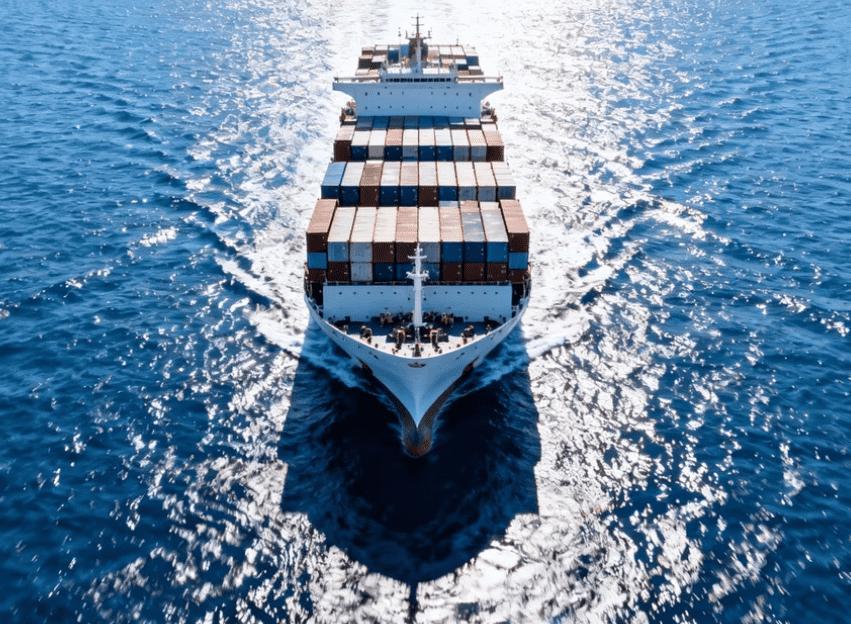
Overview of 40ft Container Shipping from China to Germany
Shipping a 40ft container from China to Germany is a strategic choice for many businesses involved in international trade, manufacturing, and e-commerce. This route connects two major global economies and supports the flow of goods across diverse industries. At Dantful.US International Logistics, we combine our deep industry expertise with reliable, cost-effective solutions to simplify your international shipping needs.
Introduction to Freight Forwarding Routes and Services
The primary routes for shipping a 40ft container from China to Germany include sea freight, rail freight, and air freight. Most shipments utilize the sea freight route, departing from major Chinese ports such as Shanghai, Shenzhen, Ningbo, and Qingdao, and arriving at key German ports like Hamburg and Bremerhaven.
Sea Freight is the most cost-effective solution for bulk shipments. Rail freight has rapidly grown in popularity, offering faster transit times than sea, and is particularly advantageous for high-value or time-sensitive goods. Air freight serves urgent or high-value cargo but comes at a higher price point.
At Dantful.US International Logistics, we provide a comprehensive range of freight forwarding services, including:
- Sea Freight (FCL and LCL)
- Air Freight
- Rail Freight
- Road Freight
- Amazon FBA Logistics
- Warehousing
- Customs Clearance
- Cargo Insurance
- Door-to-Door Delivery
- OOG (Out of Gauge) Freight
- Consolidated Freight
- Breakbulk Freight
Our tailored approach ensures that each customer receives the optimal combination of speed, cost, and reliability, supported by real-time tracking and professional customer service throughout the shipping journey.
Common Goods Shipped and Industries Served
A wide variety of goods are shipped in 40ft containers from China to Germany. Common cargo includes:
- Consumer electronics (e.g., smartphones, appliances)
- Automotive parts and vehicles
- Machinery and industrial equipment
- Textiles and apparel
- Furniture
- Toys and household goods
- Solar panels and renewable energy products
- Medical equipment and supplies
The industries most frequently utilizing this route include:
- Automotive
- Manufacturing
- E-commerce
- Retail
- Renewable energy
- Healthcare
- Textile and apparel
These sectors rely on efficient, reliable, and transparent logistics to support production, distribution, and retail operations across Europe. With our extensive experience and robust service offering, Dantful.US International Logistics is the trusted partner for businesses seeking seamless freight forwarding solutions between China and Germany. For additional insights on connecting trade between these markets, you might be interested in our guide to Shipping from China to Germany.
Key Factors Influencing the Cost of Shipping a 40ft Container
Understanding the variables that impact the cost of shipping a 40ft container from China to Germany is crucial for effective budgeting and supply chain management. The following are the major factors that can affect your shipping quotation:
Distance, Route, and Major Ports Involved
The overall shipping distance and the specific route play a significant role in determining costs. The choice of origin and destination ports can impact both transit time and price.
Major Chinese Ports:
- Shanghai
- Shenzhen
- Ningbo
- Qingdao
- Guangzhou
Major German Ports:
- Hamburg (largest container port in Germany)
- Bremerhaven
- Wilhelmshaven (less frequent for containerized cargo)
Typical Transit Times and Cost Comparison Table:
| Route | Average Transit Time (Days) | Estimated Ocean Freight Cost* (USD, 40ft) |
|---|---|---|
| Shanghai – Hamburg | 28–36 | $2,500 – $4,000 |
| Shenzhen – Hamburg | 30–38 | $2,600 – $4,200 |
| Ningbo – Bremerhaven | 29–37 | $2,550 – $4,100 |
| Qingdao – Hamburg | 31–39 | $2,700 – $4,300 |
*Estimates based on 2025 Q4 average market rates. Final costs vary depending on seasonality, carrier, and additional services.
Choosing the right ports and the shortest, most efficient route helps reduce transit time and potential handling fees. For more detail on this topic, refer to our overview of Shipping Routes from China to Germany.
Type of Cargo and Special Handling Requirements
The nature of your cargo affects shipping rates. High-value, perishable, hazardous, or oversized goods require special handling, packaging, or documentation, which increases shipping costs.
- General cargo: Standard rates apply for non-hazardous, non-perishable items.
- Refrigerated cargo (Reefer): Requires temperature-controlled containers; higher freight rates.
- Dangerous goods: Require compliance with IMO regulations; additional surcharges and documentation fees.
- Oversized or OOG (Out of Gauge) cargo: Needs special equipment or flat racks; custom pricing applies.
Ensuring accurate cargo classification helps avoid unexpected charges and delays.
Market Demand and Seasonal Fluctuations
International shipping is subject to demand cycles and seasonal peaks. Rates tend to increase during:
- Peak season (August–October): Due to pre-holiday inventory stocking.
- Chinese New Year (January/February): Factories close and shipments surge before the holiday.
- European holidays: Demand spikes for consumer goods.
Conversely, rates may drop during off-peak months. Monitoring market trends and booking shipments in advance can help manage costs.
Fuel Prices, Surcharges, and Additional Fees
Shipping costs are also impacted by external economic factors and carrier-imposed surcharges:
- Bunker Adjustment Factor (BAF): Adjusts rates based on global fuel prices.
- Currency Adjustment Factor (CAF): Accounts for exchange rate volatility.
- Peak Season Surcharge (PSS): Applies during high-demand periods.
- Port congestion fees: When ports experience high traffic or labor shortages.
- Documentation and handling fees: For bill of lading, customs paperwork, etc.
A clear quotation from your freight forwarder should break down these surcharges so you can anticipate your total shipping cost.
At Dantful.US International Logistics, we are committed to providing transparent, competitive rates and comprehensive support for all your container shipping needs. Our expertise ensures you receive the most efficient, reliable, and cost-effective logistics solutions between China and Germany. For a tailored quote or further consultation, feel free to contact our professional team.
Breakdown of Shipping Costs: What’s Included in the Quotation?
Shipping a 40ft container from China to Germany involves multiple cost components. Understanding each element in your freight quotation is essential for accurate budgeting and smooth supply chain management. Below, I break down the main charges and explain what you can expect as part of your shipping cost.
Ocean Freight Charges (FCL vs. LCL Explained)
The core of international container shipping is the ocean freight charge. For a 40ft container, you typically choose between Full Container Load (FCL) and Less than Container Load (LCL):
FCL (Full Container Load):
You reserve the entire 40ft container (with a capacity of 56CBM) for your cargo, regardless of whether you utilize the full space. This option is cost-effective for large shipments, offers greater security, and reduces the risk of damage or delays caused by cargo consolidation.LCL (Less than Container Load):
If your shipment does not fill a full container, it is consolidated with cargo from other shippers. You are charged based on the volume (cubic meters, CBM) or weight, whichever is greater. LCL is suitable for small volumes but may involve longer transit and more handling.
| Shipping Mode | Suitable For | Pricing Basis | Security & Speed |
|---|---|---|---|
| FCL (40ft) | Large shipments (>15CBM) | Per container | Highest security, faster |
| LCL | Small/medium shipments | Per CBM or weight | More handling, longer transit |
Key tip: For shipments above 15-18CBM, FCL is usually more economical and reliable than LCL.
Like we discussed in the section above, LCL Shipping from China to Germany is a viable option for businesses with smaller volumes, while FCL is preferable for bulk cargo.
Port Charges, Terminal Handling, and Documentation Fees
Beyond ocean freight, a significant portion of your shipping cost consists of local charges at both the origin and destination ports.
- Port Charges: Fees for container handling, storage, and maintenance at major Chinese ports such as Shanghai, Shenzhen, or Ningbo, and German ports like Hamburg or Bremerhaven.
- Terminal Handling Charges (THC): Cover the movement of containers within the port terminals. Both loading at the origin and unloading at the destination incur THC.
- Documentation Fees: Include the cost of preparing the Bill of Lading (B/L), export declarations, and other mandatory shipping documents.
| Charge Type | China (USD) | Germany (EUR) | Notes |
|---|---|---|---|
| Port Charges | 100 – 300 | 150 – 400 | Varies by port and container size |
| Terminal Handling (THC) | 150 – 250 | 200 – 350 | Per container, subject to port tariffs |
| Documentation Fees | 50 – 100 | 40 – 80 | Covers B/L and customs paperwork |
These are indicative ranges; actual costs depend on the port, shipping line, and market conditions.
Customs Clearance and Import Duties in Germany
Upon arrival in Germany, your goods must be cleared through customs:
- Customs Clearance Fees: Paid to a customs broker or your freight forwarder to prepare and submit import documentation, classify goods, and ensure compliance.
- Import Duties & VAT: Calculated based on the type of cargo (HS code), declared value, and European Union import regulations. Duty rates vary; general industrial goods often attract duties between 0% and 12%, while VAT in Germany is 19%.
| Customs Component | Typical Cost/Rate | Notes |
|---|---|---|
| Customs Clearance Fee | €100 – €200 | Paid per shipment |
| Import Duty | 0% – 12% | Based on HS code |
| VAT | 19% | On CIF value + duty |
Tip: Work with a professional freight forwarder like Dantful.US International Logistics to ensure proper classification and avoid costly delays or compliance issues.
Optional Services: Insurance, Tracking, and Door-to-Door Delivery
Optional services add convenience and security, but also impact your overall cost.
- Cargo Insurance: Protects your shipment against loss or damage. Commonly costs 0.2% – 0.5% of the cargo value.
- Tracking & Visibility Solutions: Many modern freight forwarders, including Dantful.US International Logistics, offer real-time shipment tracking as part of their service.
- Door-to-Door Delivery: Extends the service from port-to-port to your warehouse or final destination in Germany. This can include trucking, last-mile delivery, and even inside delivery services.
| Optional Service | Typical Cost/Range | Added Value |
|---|---|---|
| Cargo Insurance | 0.2% – 0.5% of goods value | Financial protection |
| Tracking | Often included/free | Supply chain visibility |
| Door-to-Door Delivery | €500 – €2,000+ (varies) | Full service, reduced management workload |
Comparing Shipping Methods: Sea Freight, Rail, and Air Freight
When shipping from China to Germany, you have several transportation modes to choose from. The right option depends on your priorities for cost, speed, and cargo characteristics.
Advantages and Disadvantages of Each Shipping Mode
| Mode | Advantages | Disadvantages |
|---|---|---|
| Sea Freight | Cheapest for large volumes, eco-friendly, FCL/LCL | Slowest (30–40 days), subject to port delays |
| Rail Freight | Faster than sea (18–22 days), stable pricing | Higher cost than sea, limited to suitable cargo |
| Air Freight | Fastest (3–7 days), best for urgent/valuable goods | Most expensive, strict size/weight limits |
Sea Freight
- Ideal for: Bulk shipments, non-urgent inventory, heavy goods.
- Main ports: Departure from Shanghai, Shenzhen, Ningbo; arrivals at Hamburg, Bremerhaven, Rotterdam (for EU onward transit).
- Limitations: Long transit times, some seasonal congestion.
Rail Freight
- Ideal for: Electronics, auto parts, moderate volumes needing faster delivery.
- Route: China-Europe Railway Express (via Duisburg in Germany).
- Limitations: Not suitable for all cargo types (e.g., dangerous goods, very large items).
Air Freight
- Ideal for: Small, high-value, perishable, or urgent shipments.
- Airports: From Shanghai Pudong (PVG), Beijing (PEK); to Frankfurt (FRA), Munich (MUC).
- Limitations: High cost, strict on size/weight and dangerous goods.
Cost and Transit Time Comparison
Below is a comparison table to illustrate the typical cost and transit time for shipping a 40ft container (or equivalent cargo weight) from China to Germany (as of Q4 2025):
| Shipping Method | Estimated Cost (USD)* | Transit Time | Recommended For |
|---|---|---|---|
| Sea Freight (FCL 40ft) | $3,200 – $5,500 | 30 – 40 days | Large volumes, cost-sensitive |
| Rail Freight (40ft eq.) | $6,000 – $8,000 | 18 – 22 days | Medium volumes, moderate urgency |
| Air Freight (4 tons) | $20,000+ | 3 – 7 days | High-value, urgent cargo |
Actual rates fluctuate based on market conditions, fuel prices, cargo type, and service providers.
How to Get the Best Shipping Rates for a 40ft Container
Requesting and Comparing Freight Forwarder Quotes
Securing the most competitive shipping rates for a 40ft container from China to Germany involves careful research and comparison of offers from multiple freight forwarders. Here’s how I advise you to proceed:
Prepare Detailed Shipment Information
Provide accurate data, including cargo type, volume (up to 56CBM for a standard 40ft), weight, origin and destination ports (e.g., Shanghai to Hamburg), required transit time, and any special handling needs. Clear details lead to precise quotes and help avoid additional charges later.Solicit Quotes from Reputable Forwarders
Always reach out to professional companies with proven track records. At Dantful.US International Logistics, we specialize in transparent, tailored quotations across sea freight, air freight, rail, and door-to-door services.Compare Cost Structures
Don’t just look at the headline rate. Examine the full breakdown:Here is a sample structure for comparing quotes:
- Ocean freight charges (FCL vs. LCL)
- Port fees and handling charges
- Documentation and customs clearance fees
- Optional: Insurance, tracking, and last-mile delivery
| Item | Forwarder A | Forwarder B | Dantful.US |
|---|---|---|---|
| Base Ocean Freight | $2,200 | $2,250 | $2,000 |
| Terminal Handling Charge | $350 | $300 | $280 |
| Documentation | $80 | $90 | $75 |
| Customs Clearance (DE) | $150 | $160 | $130 |
| Door Delivery | $550 | $600 | $500 |
| Total | $3,330 | $3,400 | $2,985 |
Note: Rates are examples and subject to change based on market conditions.
- Evaluate Service Inclusions
Cheapest isn’t always best. Make sure the quote includes all services you need—sometimes lower rates omit essentials like insurance or customs processing, leading to surprise costs later.
For those considering other European routes, our resource on Shipping from China to France may also offer relevant comparisons.
Negotiating with Shipping Companies and Agents
Negotiation is a standard practice in international logistics. Consider these strategies to secure the best deal:
- Leverage Volume: If you ship regularly or can consolidate shipments, ask for a volume discount.
- Request Rate Validity: During peak seasons or volatile markets, request locked-in rates for a period.
- Bundle Services: Combining freight, customs clearance, and warehousing with one provider (like Dantful.US) can yield package discounts.
- Clarify Surcharges: Always confirm whether fuel surcharges, Peak Season Surcharges (PSS), and Security Fees are included.
- Seek Value-Adds: Ask about free tracking, complimentary insurance coverage, or reduced documentation fees.
When negotiating, professionalism and establishing a long-term partnership often result in better rates and flexibility.
Tips for Cost Optimization and Avoiding Hidden Fees
Controlling shipping expenses is about more than just the initial freight rate. Here’s what I recommend:
- Plan Shipments During Off-Peak Times: Rates fluctuate based on seasonality. Avoid major holidays or market rushes if possible.
- Optimize Container Utilization: Maximize the 56CBM capacity of your 40ft container to reduce unit costs.
- Select the Right Incoterm: Choose terms (e.g., FOB, CIF, DAP) that best suit your control preferences and cost exposure.
- Clarify All Charges Upfront: Demand a transparent, itemized quote and ask specifically about:
- Demurrage & Detention fees
- Documentation and administrative costs
- Customs inspection fees at the German port
- Use a Trusted Freight Forwarder: Partnering with an experienced provider like Dantful.US International Logistics helps you avoid unexpected costs and ensures professional support through every stage.
Choosing the Right Freight Solution for Your Business
Selecting the optimal shipping mode is crucial for balancing costs, speed, and reliability. At Dantful.US International Logistics, we offer a comprehensive suite of services, each with distinct advantages:
| Mode | Estimated Transit Time | Cost (Indicative) | Best For | Key Ports in Germany |
|---|---|---|---|---|
| Sea Freight | 28–38 days | Lowest | Large, heavy, or non-urgent cargo | Hamburg, Bremerhaven |
| Rail Freight | 18–22 days | Moderate | Faster delivery, medium-size shipments | Hamburg, Duisburg |
| Air Freight | 3–7 days | Highest | Urgent, high-value, time-sensitive goods | Frankfurt, Munich |
| Door-to-Door | Varies (mode-based) | All-inclusive | End-to-end convenience, minimal oversight | Any location |
Making the Right Choice
- Assess Your Cargo: For bulk goods, sea freight offers the lowest cost per CBM. For electronics or perishable items, air or rail may be preferable.
- Consider Reliability & Speed: If you face strict deadlines, air or rail can reduce transit significantly.
- Factor in Total Logistics: Sometimes a mixed solution—such as sea freight to port + local delivery—is optimal.
Why Choose Dantful.US International Logistics?
We are a highly professional, cost-effective, and high-quality one-stop international logistics service provider. Our strengths include:
- Full spectrum of services: Sea, Air, Rail, Road, Amazon FBA, Warehouse, Customs Clearance, Insurance, Door-to-Door, OOG, Consolidated, Breakbulk
- Transparent pricing with no hidden fees
- Experienced guidance for first-time and regular shippers alike
- Real-time tracking and responsive customer support
Let us help optimize your shipping from China to Germany, ensuring your cargo arrives safely, on time, and within budget. For a personalized quote and expert consultation, contact Dantful.US International Logistics today.
Leave a reply